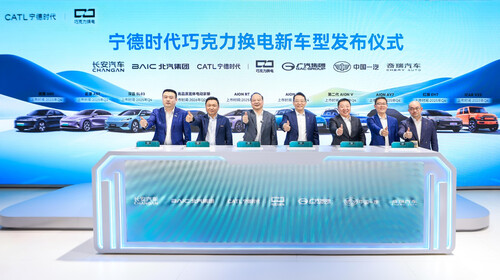
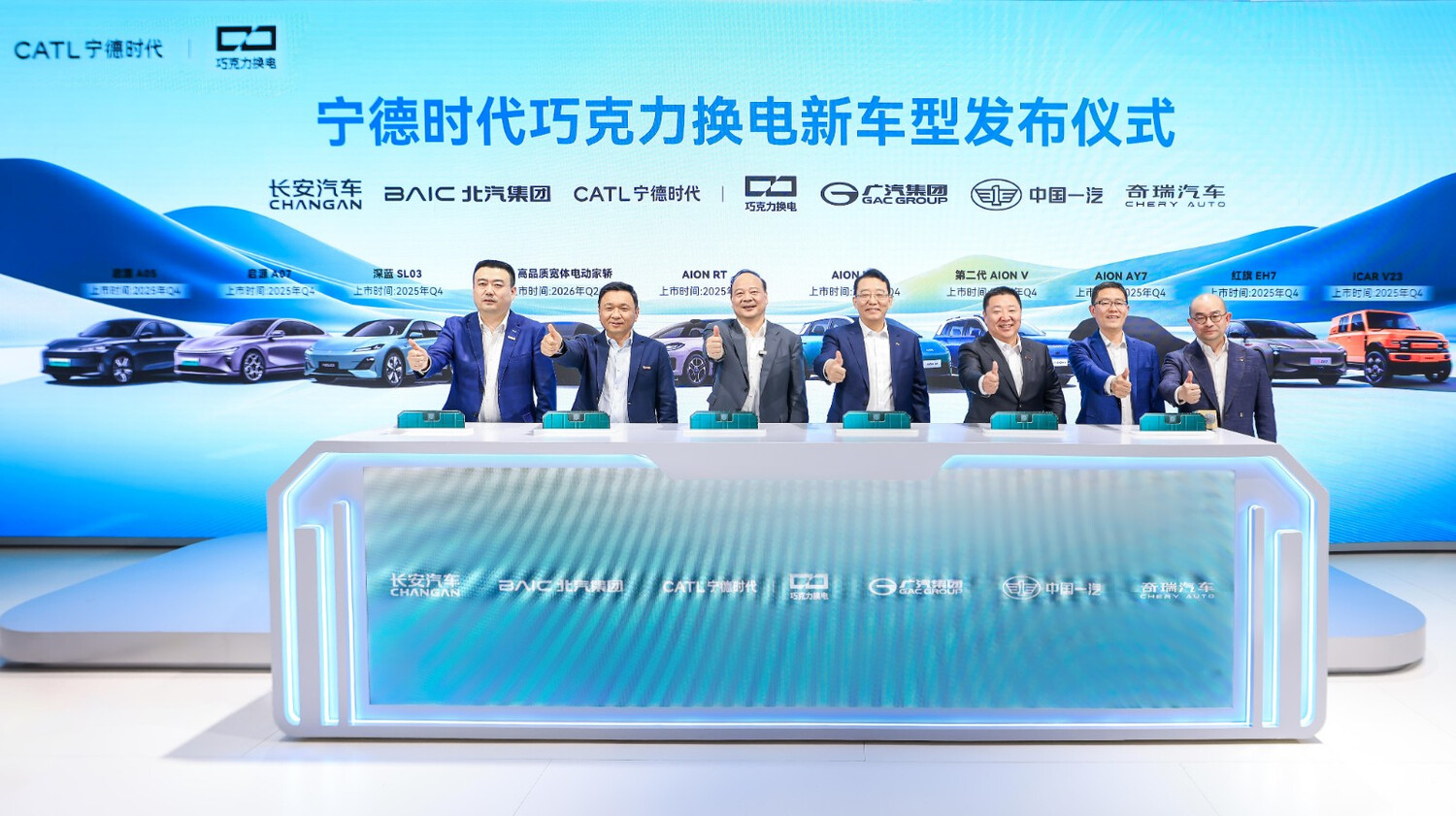
William Girard · 4 months ago@williamgirard26CATL Rolls Out Choco-SEB Network for Commercial Operation in Hong Kong Liked by+10 othersGACHongqiPost commentRelated PostsAll-New Hongqi H7 Launches With Plug-In Hybrid Lineup, Starting at 168,800 Yuan 87 · Victoria Mitchell · 1 months agoToyota shuts down rumors claiming it's 'slashing prices' in ChinaSamuel Labelle · 18 days agoTesla Cybercab to Arrive in China for Display Only; Gotion Secures 6 GWh Saudi Energy Storage Deal; Hongqi Starts Production of 1st 800V Hybrid Battery 44 · Olivia Leblanc · 1 months agoParis Motor Show 2026: A-Z of all the key carsAmelia Brown · 18 days agoSolar Roof and Hood Add 50 Miles of Range Per Day to Chinese Electric SUV 45 · Thomas Smith · 1 months agoTop Selling Electric Vehicles in the World — 27% EV Share in August!Alexander Mitchell · 20 days agoBYD hits 10,000 Flash Charging stations in 6 months with 1.83M users and 33% non-BYD 58 · Oliver Rogers · 1 months agoChinese NEV sales rankings in September 2026: BYD, Leapmotor, Changan NevoKaitlyn Martin · 23 days agoFAW Hongqi made the industry first solar sunroof that produces 400 kWh annually 60 · Benjamin Turner · 1 months ago2026 Aion UT First Drive: Chinese EV With Honda and Toyota Manufacturing DNAAiden Lavoie · 23 days agoBYD hits 10,000 Flash Charging stations, targets 20,000 in 2026 with China’s oil giant Sinopec 34 · Matthew Martin · 1 months agoParis Motor Show 2026 preview: the key cars set to steal the show 46 · Ella Pelletier · 24 days agoChina’s Most Famous Brand Might Sell A Million-Dollar Sedan In Australia 79 · Nicole Scott · 2 months agoGAC Group Evaluates Plans to Add Local Production Capacity in Europe, Plans to Launch 12 New Models in France by 2030 29 · Gabriel Smith · 24 days agoBYD, Geely, and other automakers filed for massive recall in China over door handles 16 · Claire Campbell · 2 months agoGAC-FAW Strategic Synergy: A New Paradigm for Central-Local Auto Makers Tied by Equity 14 · Noah King · 24 days agoInside FAW Hongqi: Innovation Technology Exhibition Concludes Successfully 93 · Adam Lee · 2 months agoChina FAW Group and GAC Industry Group Simultaneously Announce Cooperation, Strategic Coordination Realized 93 · Mason Côté · 24 days agoFAW’s Hongqi to be first non-BYD brand to feature second-gen Blade Battery and Flash Charging 77 · Morgan Walker · 2 months ago13-Year-Old Honda Odyssey Gains New Screen, Massage Seats, And A Much Lower Price 77 · Thomas Clark · 25 days ago




 +10 others