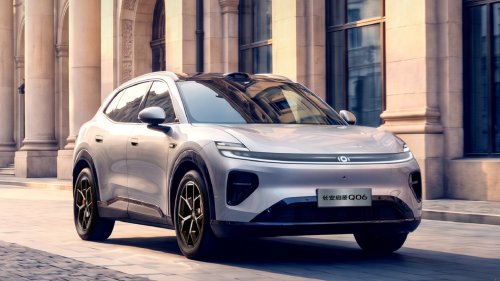
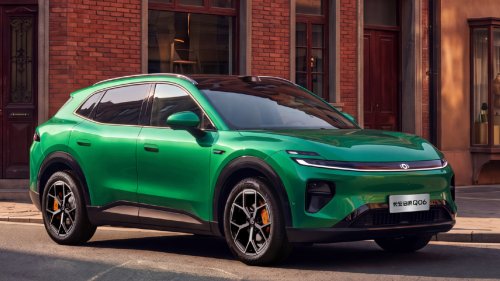
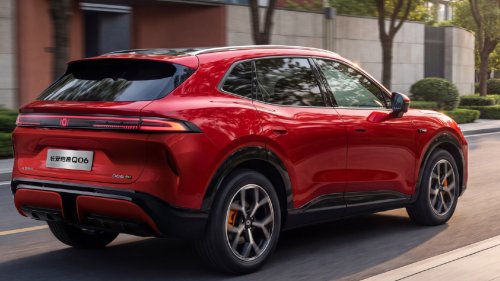
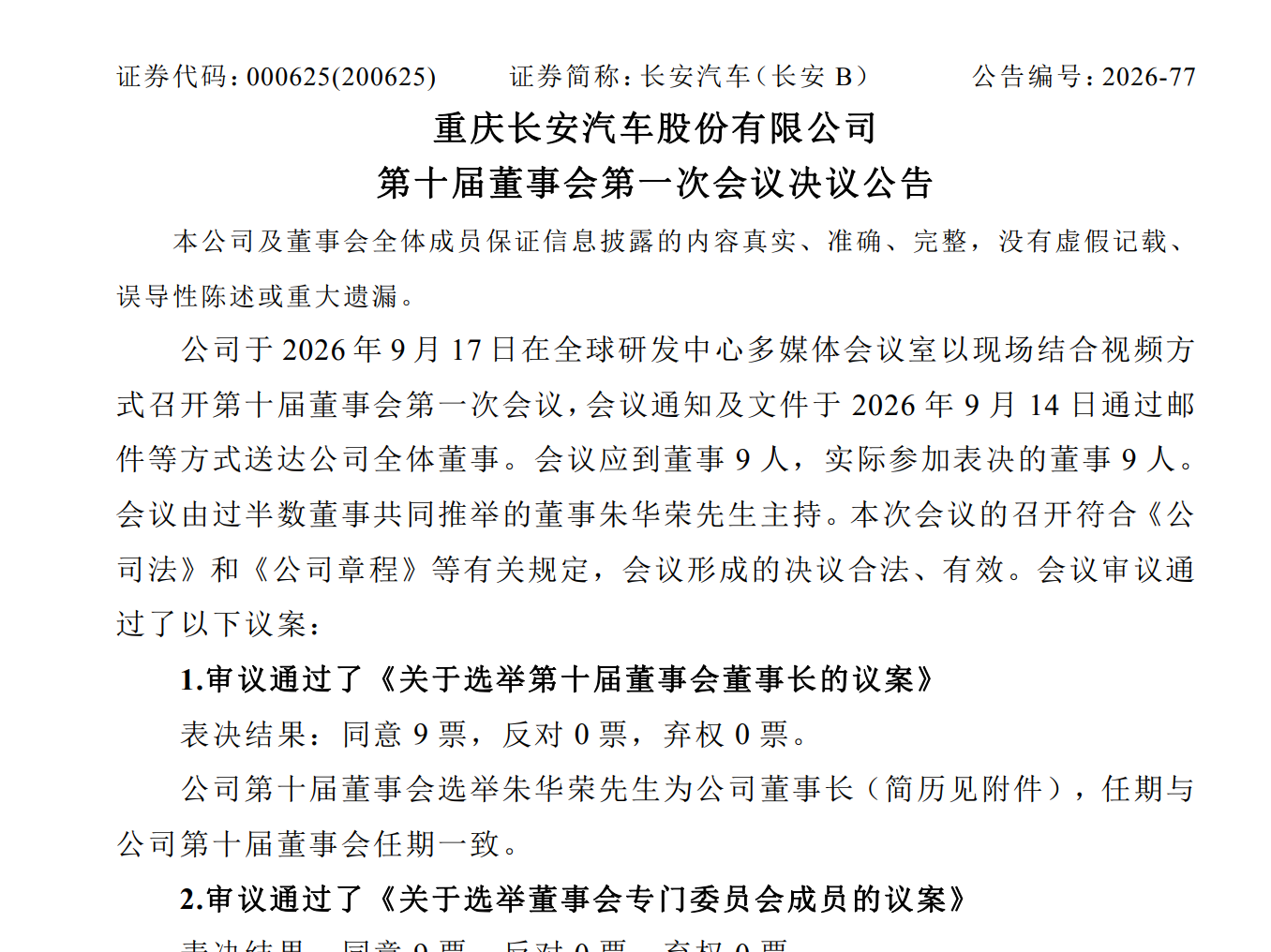
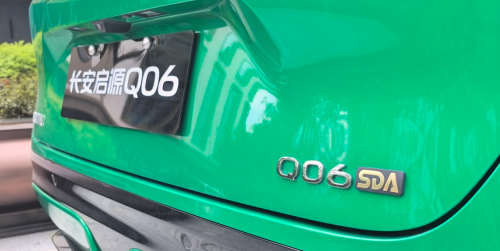
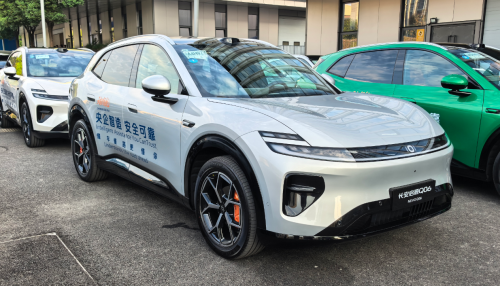
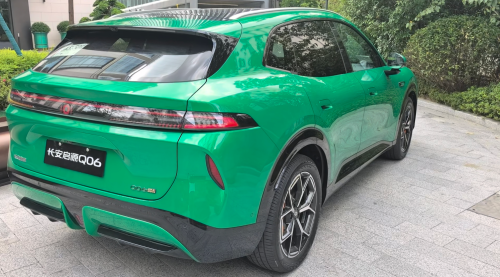
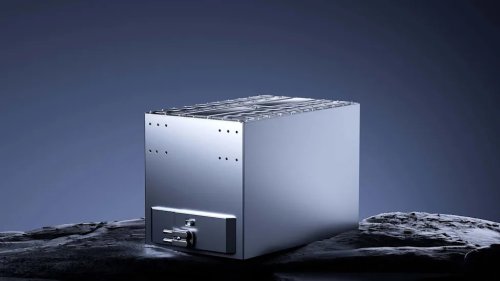
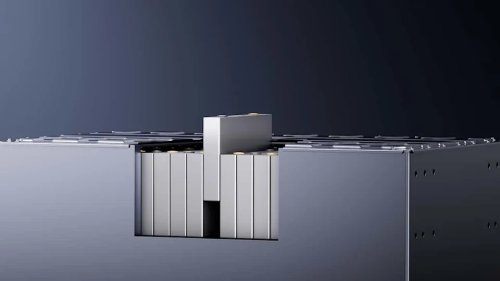
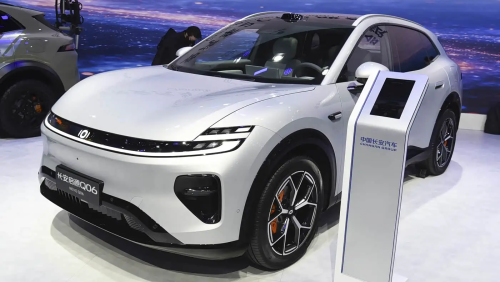
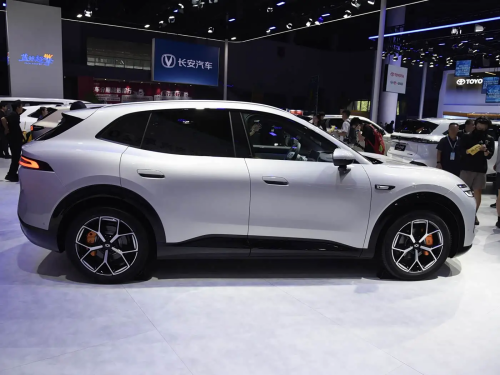
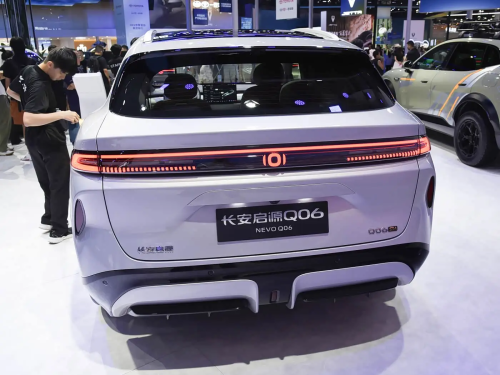
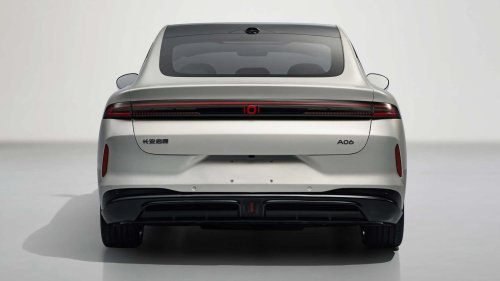
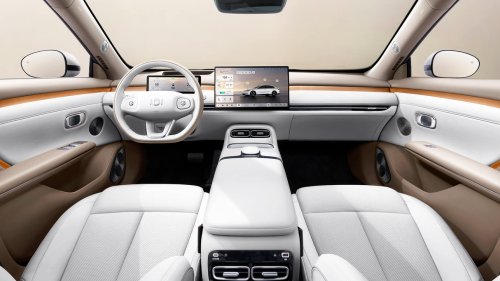
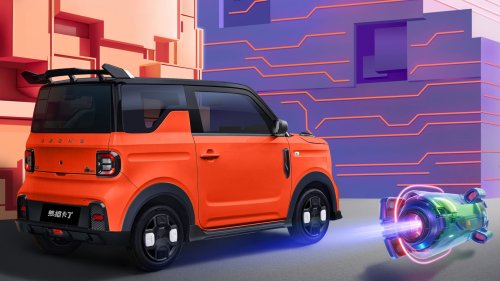
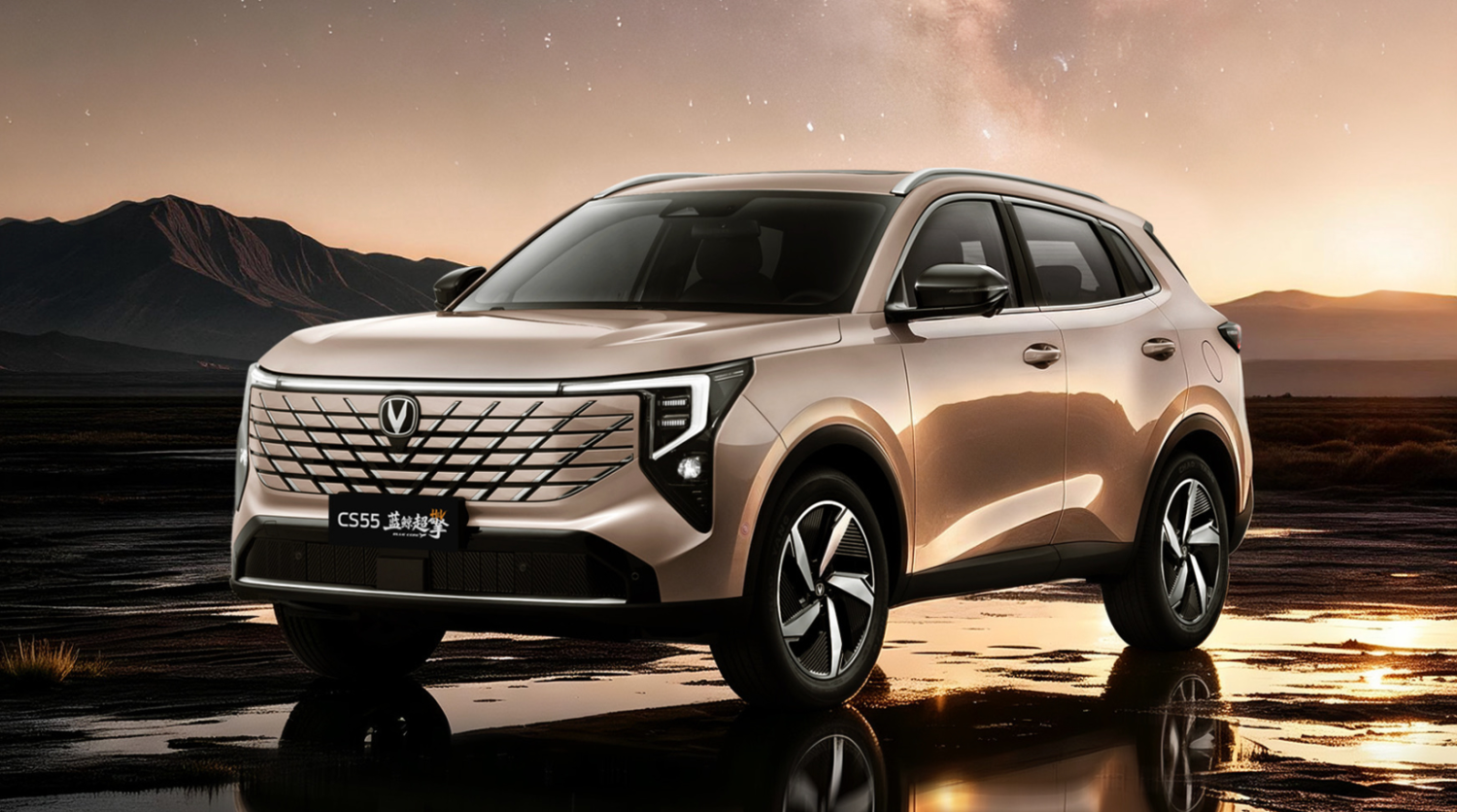
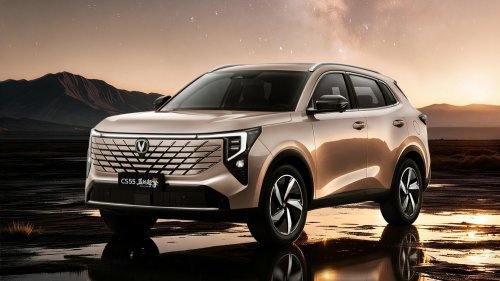
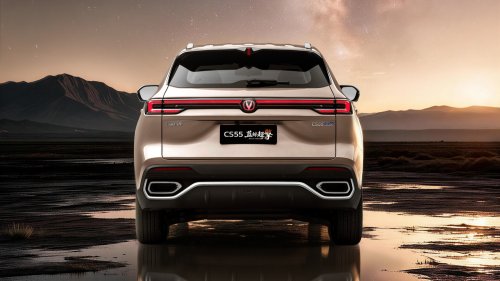
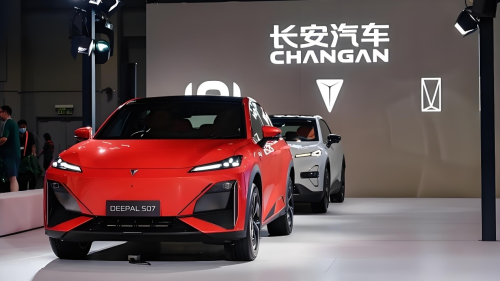
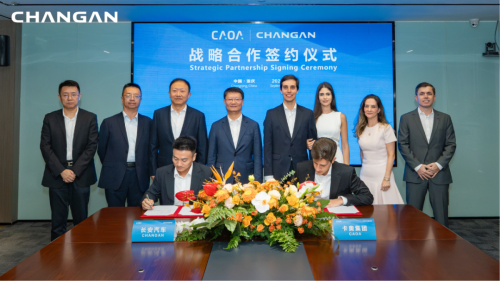
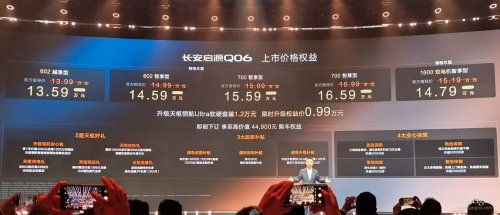
Raw component price drops push sodium battery configurations toward total cost parity with lithium iron arrays. Credit: Unsplash Understand China EV’s Market Real-time notifications when critical EV data is released All important data in one place 2,000,000+ data points Become a member Sodium-ion battery chemistry has officially entered mass automotive production lines as part of Changan Auto passenger models. The latest manufacturing intelligence from a CIConsulting briefing reveals that the initial vehicle validation phase has concluded. Commercial scale rollout now positions the alternative cell technology to enter high-volume vehicle segments. Engineering designs utilise dual aluminium foil current collectors to replace expensive copper alternatives in traditional lithium setups. This metallurgical shift reduces direct cell material costs while maintaining core structural parameters. Manufacturers are accelerating the deployment of polyanion cathodes to optimise long-term pack stability. Technical cost parameters Cell manufacturing data tracks a significant reduction in component expenditure over recent production cycles. During the first quarter of 2026, the raw sodium cell manufacturing cost ranged from 0.35 yuan (0.051 USD) to 0.40 yuan (0.059 USD) per watt-hour. This narrows the financial-expenditure delta relative to traditional lithium-iron phosphate units. Lithium-iron phosphate cells currently maintain a market benchmark of 0.34 yuan (0.050 USD) per watt-hour. Industrial modelling indicates that continued production efficiencies will further reduce sodium manufacturing costs. The report explicitly projects complete cost dominance over lithium alternatives by the conclusion of 2027. The physical cell matrices also deliver specific thermal and climate advantages over standard lithium variants. Sodium hardware maintains more than 90% of its nominal capacity at cold baselines down to -20 degrees Celsius. Traditional lithium iron phosphate arrays frequently drop below an 80% retention threshold under identical ambient exposure. Advanced testing arrays also confirm excellent performance characteristics down to minus 40 degrees Celsius. The intrinsic chemistry architecture also exhibits an elevated thermal runaway starting threshold exceeding 200 degrees Celsius. This provides a definitive protection mechanism against fire hazards during cell short circuits. Corporate platform deployment Automaker implementation strategies now reflect a clear division across specialised passenger car segments. Changan Auto is leading the entry vehicle sector by utilising CATL cell packs with an energy density of 175 watt-hours per kilogram. These integrated vehicle platforms are hitting standard target driving ranges of 400 kilometres. The industry shifts align with recent CATL sodium readiness projections at Davos, highlighting commercial scaling milestones. Simultaneously, the BYD micro-mobility architecture strategy concentrates on alternative low-speed vehicles and specialised logistics platforms. BYD is currently advancing its third-generation technology platform toward a 10,000-cycle lifespan baseline. Pure-play pioneer Hina Battery is diversifying into heavy commercial platforms by delivering 200 heavy trucks. These vehicles utilise localised cell setups that complete a full recharge within 25 minutes. Industrial supplier Huayang Group has expanded deployment to install a 17.04 megawatt-hour emergency backup system. Corporate financial data outlines the asset bases participating in this chemical transition. CATL recorded an annual revenue of 423.702 billion yuan (62.326 billion USD) alongside a net profit of 72.201 billion yuan (10.621 billion USD). Electronic components manufacturer Transimage is investing 5 billion yuan (735.495 million USD) in its Phase 2 facilities. Structural scale execution Upstream material tracking confirms that polyanion compounds have captured a 70% share of global shipping. Total sector investments remain elevated as Wik Technology allocates 429 million yuan (63.105 million USD) toward new automatic production arrays. Component suppliers like Dingsheng New Materials control up to 50% of the dedicated collector foil supply. However, the wider battery supply network continues to face real manufacturing bottlenecks. Despite over 42 independent domestic expansion projects, real factory utilisation rates remain under 40%. Hard-carbon negative anodes also suffer from a high logistical reliance on imported biomass precursors. The alternative cell scaling plays out against an expanding domestic lithium battery ecosystem. China’s lithium cell shipments grew to 1888.6 GWh, capturing 82.8% of the global market share. The final production metrics indicate that, while lithium remains widespread, sodium scaling will naturally tie into entry-vehicle grids.