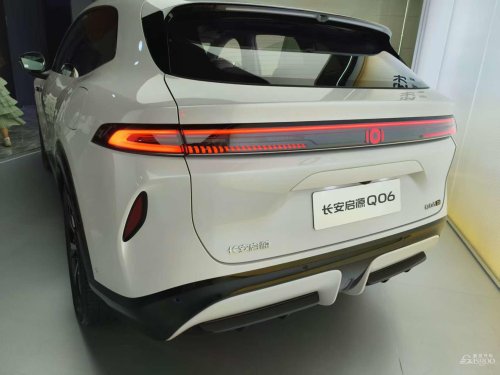
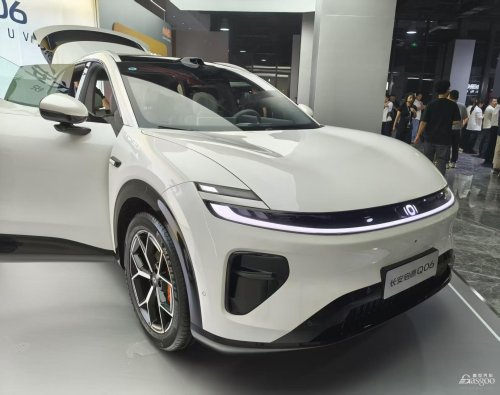
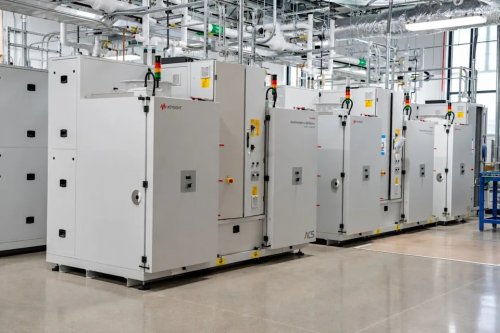
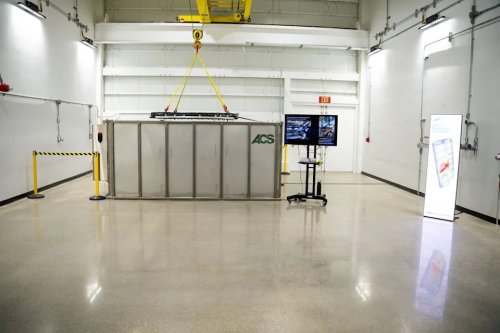
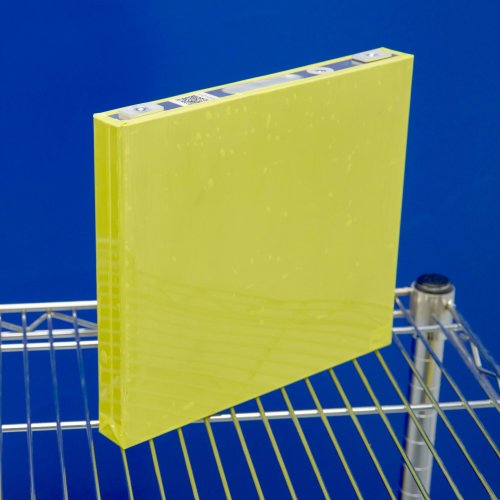
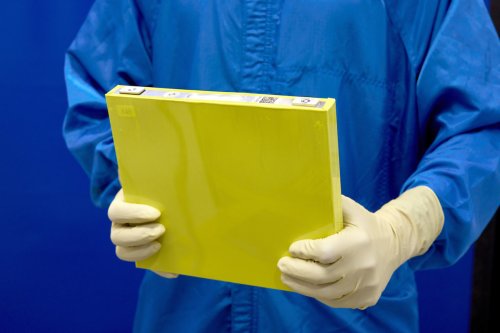
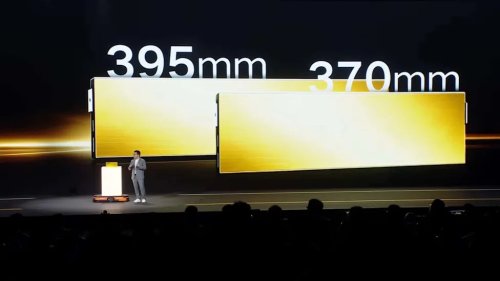
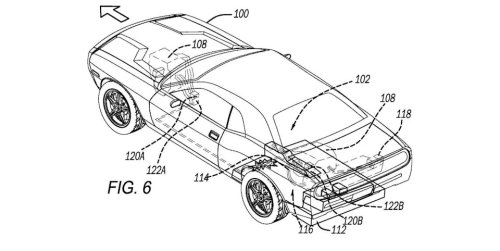
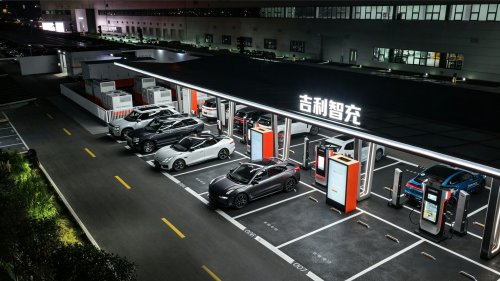
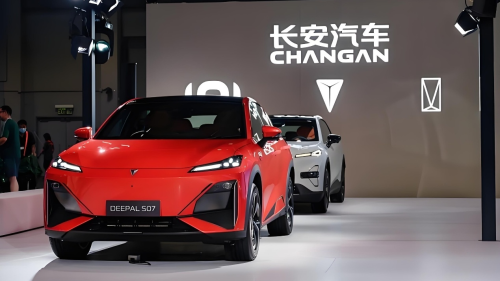
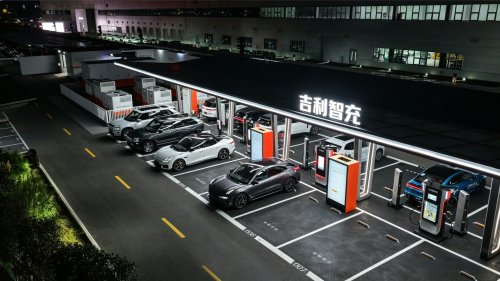
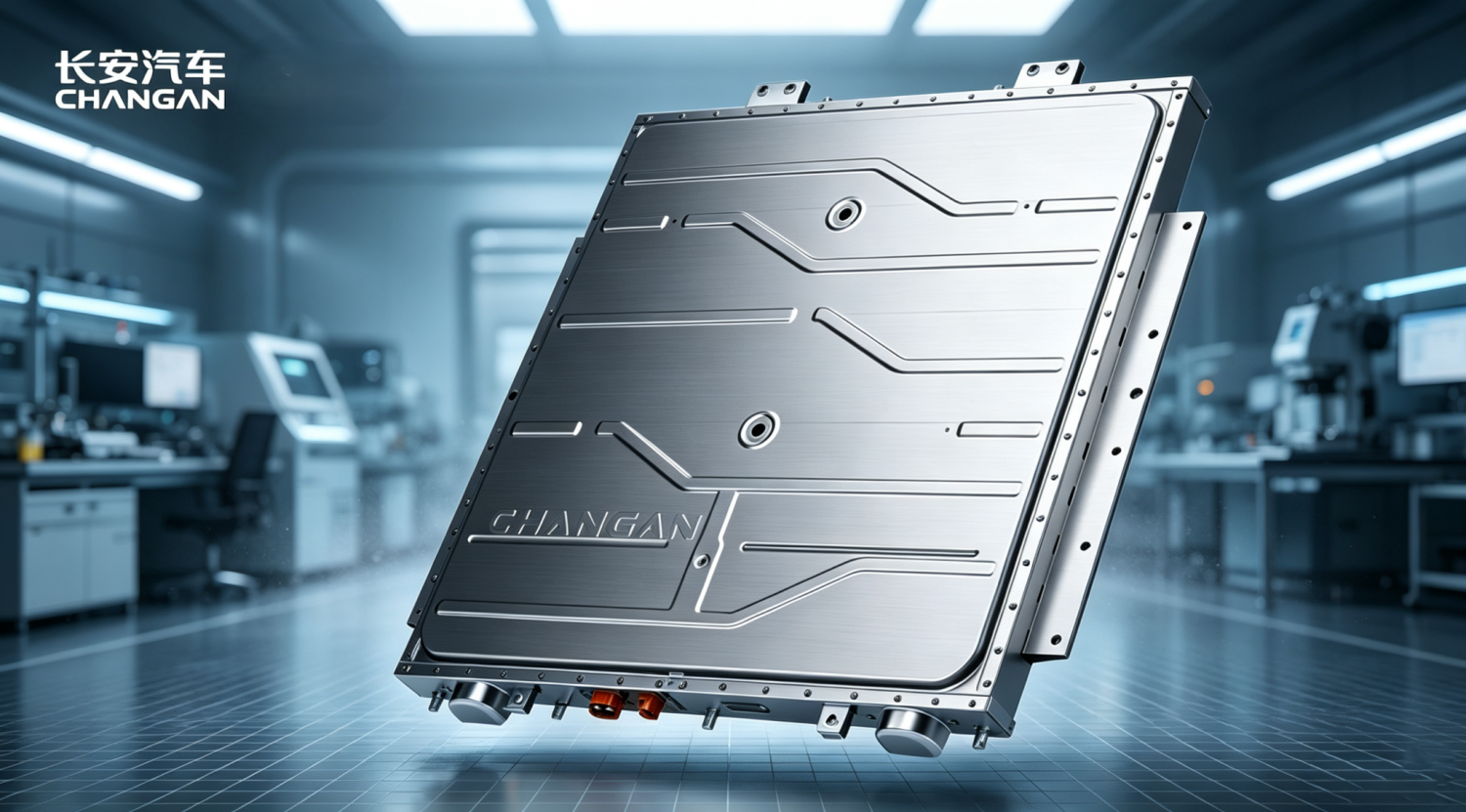
Changan Golden Shield battery system wins major state engineering award for safety. Credit: Changan Understand China EV’s Market Real-time notifications when critical EV data is released All important data in one place 2,000,000+ data points Become a member Power battery architectures and ultra-fast charging systems received the highest state-level recognition at the State Science and Technology Progress Awards. The engineering accolades highlighted major breakthroughs in structural welding, intelligent electric chassis design, and high-velocity thermal management systems. The official listings clarify that these honours represent massive cross-industry development efforts rather than single-manufacturer monopolies. Thermal control systems capable of managing intensive electrical currents formed the centrepiece of the state safety commendations. The foundational research for the high-safety, long-life power battery systems project was jointly completed by a consortium including Changan Automobile, China Automotive Engineering Research Institute, Calb, and BYD. This collaborative framework established the standardised protocols that allow modern cells to withstand high-amperage grid deployment while remaining structurally shielded from corrosive acid formations. Battery control systems Managing thermodynamic energy during intensive grid replenishment cycles requires maintaining internal cell temperatures below the strict 65°C regulatory mandate. The award-winning test and control technologies enable vehicle software to monitor localised telemetry multiple times per second, preventing hot spots from expanding. This precise hardware integration enables vehicles to approach the safety threshold without causing premature cell degradation or lithium plating. The framework isolates the underlying mathematical software telemetry from the proprietary physical hardware deployed by individual automakers. Rather than establishing a shared cell layout, the project standardises the algorithmic predictive models and thermal management rules that determine how vehicle software monitors real-time state-of-charge data at any given millisecond. This unified system allows cooling hardware to act dynamically before cells breach the critical safety threshold, while preserving the proprietary structural identity of each manufacturer’s cell lines. Consequently, physical cell form-factors and chemical properties remain highly distinct across participating manufacturers. For instance, BYD relies on long, rectangular Lithium Iron Phosphate cells integrated as load-bearing structural beams, whereas Changan optimises high-stability cell designs focusing on an extended 5,000-cycle durability limit. By isolating software control protocols from the hardware layer, the joint state honour provides a shared safety blueprint while preserving private market variance in physical packaging and battery energy densities. Changan Automobile officially noted that this award validates its proprietary Golden Shield battery technology, utilised in Deepal brand passenger models. Concurrently, the underlying multi-brand research supports rival high-power systems, including high-acceptance platforms that validate Geely short-blade cell architectures, which achieved a certified peak input of 1,093 kW during state validation testing. The cooperative engineering push has successfully transitioned to retail vehicles, enabling the deployment of approximately 100,000 flash-charging vehicles now operating on domestic roads. Redundant chassis engineering Intelligent electric chassis systems also secured separate high-level engineering honours for architectural fault tolerance and structural integration. This specific engineering project was co-developed by Tsinghua University alongside passenger vehicle manufacturers including BYD, Geely, and Great Wall Motors. The engineering focus is on creating a fail-operational design by utilising electromechanical braking with the highest functional safety ratings to guarantee vehicle control if primary digital lines experience interference. Automakers are leveraging these intelligent chassis configurations to heavily optimise energy efficiency through advanced regenerative braking algorithms. The systems capture kinetic energy during deceleration and return it directly to the battery pack, extending real-world city driving range by up to 15%. This structural development operates in tandem with automated driver assistance systems to handle high-speed cornering and lateral stability control on upcoming premium vehicle platforms. Advanced manufacturing standards Precision manufacturing lines received dedicated accolades for accelerating the deployment of lightweight, thin-walled structural vehicle components. The engineering project introduced real-time closed-loop monitoring systems for resistance welding lines to eliminate structural warping during assembly. The automated systems dynamically alter electric currents instantly to ensure uniform bond strength across high-strength steel and aluminium panels, significantly reducing factory defects across multiple assembly plants. The standardisation of these vehicle-side technologies directly supports the rapid scaling of the domestic high-voltage charging grid infrastructure. Automakers are currently expanding competitive high-power networks, deploying terminal stations capable of delivering up to 1,500 kW of peak output. These infrastructure deployments leverage the latest high-power hardware configurations optimised to dramatically reduce charging times, successfully scaling grid acceptance speeds while maintaining long-term battery durability across competing manufacturer lineups. Sources: Sina, EastMoney



















 +30 others