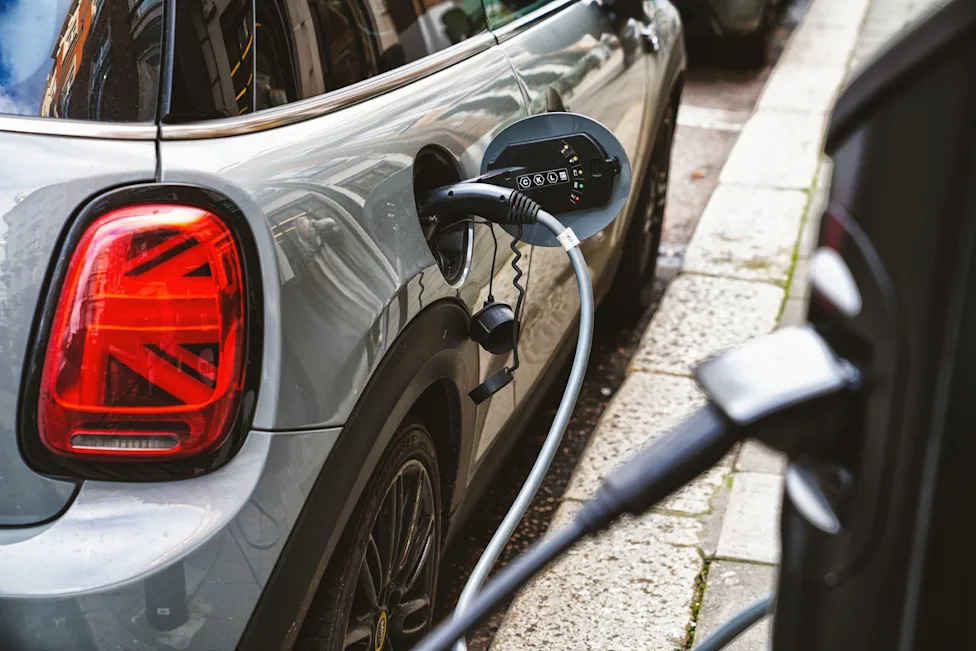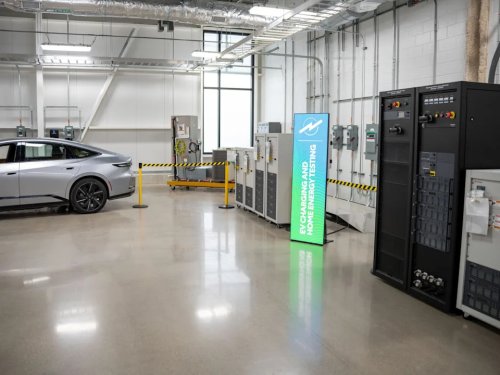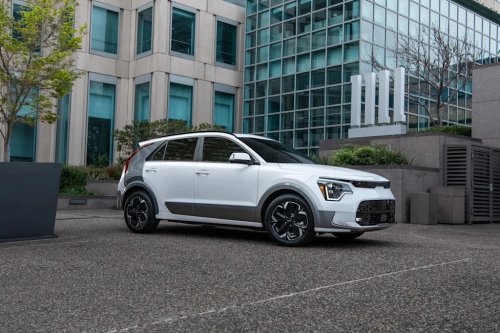
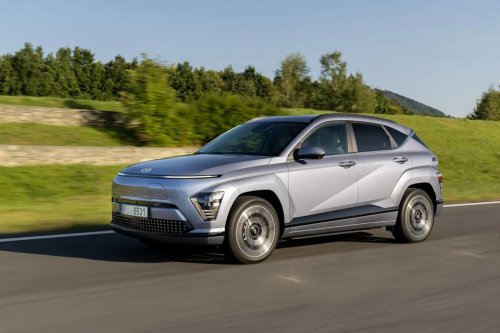
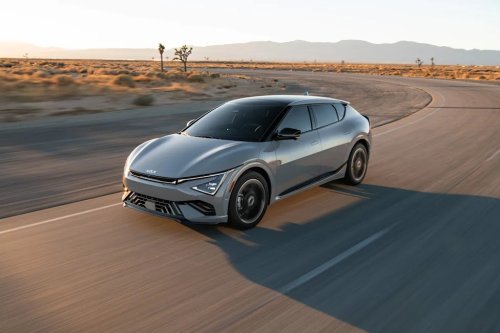
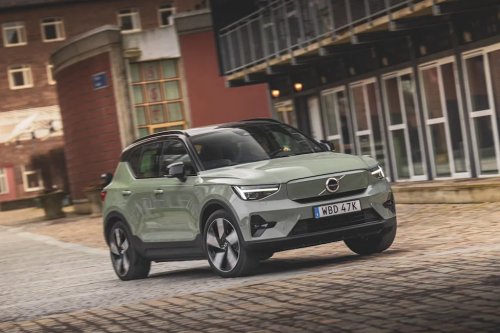
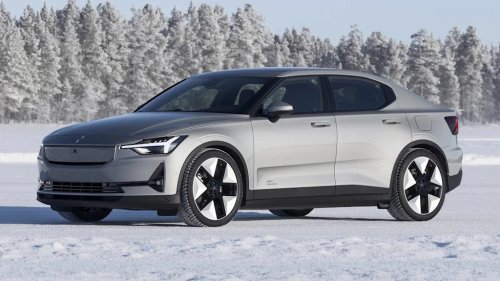
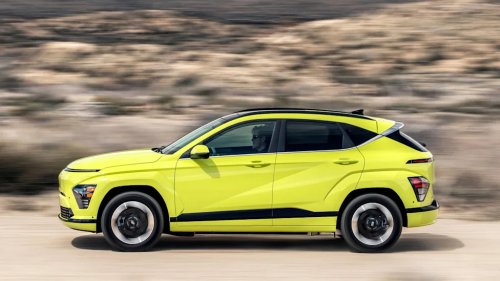




















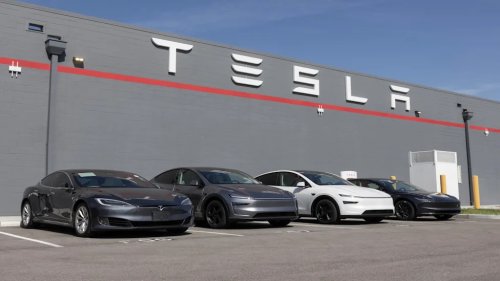
Autoblog and Yahoo may earn commission from links in this article.Consumers have been conditioned by years of watching their smartphone batteries wither away, losing the ability to hold a charge after just two years of daily use. It's no surprise that this same anxiety has transferred to the electric vehicle market, leaving potential buyers asking: do EV batteries degrade at that same alarming rate? Many worry that a $50,000 car will suffer the same fate as a $1,000 phone, but modern EV batteries feature advanced liquid cooling, intelligent battery management systems (BMS), and software buffers that actively prevent them from operating at damaging extremes.Recent data compiled by Reddit communities, pulling from massive data sets like a 10,000-vehicle Geotab study, shows that these fears are largely unfounded. The studies tracking EV battery longevity found that modern packs only fade about 1.8% per year, and the best performers retained well over 94% of their original capacity after passing the 62,000-mile mark. Here are the five electric vehicles available in the USA in 2026 that fight off capacity loss better than the rest.Kia Niro EVTaking the top spot in the Reddit data is the Kia Niro EV (known globally as the e-Niro) equipped with the 64 kWh battery. The community data shows it retaining an impressive 97.25% of its original battery health after crossing the 62,000-mile threshold. This exceptional retention is credited to Kia's conservative battery management system and robust thermal management, which actively prevents the lithium-ion cells from overheating during rapid charging sessions or high-speed highway stints.AdvertisementAdvertisementFor buyers in the USA, the Niro EV remains a practical, efficient, and accessible entry point into electric mobility. It shares much of its underlying architecture with other successful Hyundai Motor Group vehicles but packages it in a subcompact crossover body style that emphasizes utility over raw performance.2026 Niro EVKiaHyundai Kona ElectricNeck and neck with its corporate sibling, the Hyundai Kona Electric secured the second spot by holding onto 97.18% of its battery capacity after 62,000 miles. Utilizing the same 64 kWh battery pack and powertrain architecture as the Niro EV, the Kona Electric proves that the Hyundai Motor Group's battery chemistry and cooling strategies are highly effective. The liquid-cooled thermal management system heavily regulates pack temperatures, serving as the primary defense against premature cell wear.The Kona Electric received a major redesign in recent years, stretching its wheelbase and modernizing its cabin for the American market while maintaining the efficiency it is known for. It stands out as a strong commuter vehicle that pairs long-term battery reliability with everyday usability.HyundaiKia EV6Stepping up to a dedicated EV platform, the Kia EV6, equipped with the larger 77.4 kWh battery pack, takes the third position, retaining 95.95% of its health. Built on the advanced E-GMP 800-volt architecture, the EV6 can accept DC fast charging at incredibly high rates, which traditionally puts heavy thermal stress on a battery. Yet, the data indicates that Kia's sophisticated preconditioning and aggressive liquid cooling systems effectively shield the pack from heat damage.AdvertisementAdvertisementThe EV6 remains a standout in the 2026 US market, offering a blend of sharp styling, rapid charging times, and dynamic handling. It represents the modern standard for fast-charging EVs that don't sacrifice long-term battery durability in exchange for pit-stop speed.KiaVolvo XC40 RechargeThe Volvo XC40 Recharge, specifically models utilizing the 69 kWh CATL battery, demonstrated a 94.70% retention rate at the 62,000-mile mark. Volvo's integration of a highly regulated thermal management system ensures the battery stays within its optimal temperature window, whether navigating freezing northern winters or scorching summer heat. This strict temperature control is a major reason the Swedish automaker's compact crossover wards off long-term capacity loss.Available stateside as a premium compact SUV, the XC40 Recharge combines Volvo's traditional safety focus with a punchy electric powertrain. It appeals to buyers wanting a traditional luxury feel and a raised driving position without having to worry about costly battery replacements a decade down the line.VolvoPolestar 2Rounding out the top five is the Polestar 2, equipped with the 78 kWh CATL battery pack, which held onto 94.35% of its initial capacity. Sharing its underlying CMA platform and battery technology with the Volvo XC40, the Polestar 2 benefits from the exact same rigorous thermal protection systems. The Reddit data also highlighted that the battery supplier matters, with the CATL-equipped Polestar 2 slightly outperforming the LG Chem variants, though both showed excellent overall durability.AdvertisementAdvertisementPositioned as a direct rival to the Tesla Model 3, the Polestar 2 offers a fastback design and a distinct European driving dynamic for the US market. While many buyers closely scrutinize Tesla battery degradation—which generally shows a highly respectable 12-15% loss after 200,000 miles—the Polestar 2's similarly strong performance adds a layer of long-term financial security for those cross-shopping outside established American EVs.PolestarWhy EV Battery Degradation is an Overrated FearThe numbers from the road prove that treating battery degradation like a ticking time bomb is an outdated mindset. Modern EV batteries are designed to easily outlast the usable lifespan of the vehicle itself, with robust management systems preventing the kind of rapid capacity loss seen in early, air-cooled EVs like the first-generation Nissan Leaf. The key differentiator is liquid cooling, which prevents the cells from cooking during heavy acceleration or rapid charging.If you follow basic charging habits, your EV battery is far more likely to outlast the car's body panels and suspension components than it is to leave you stranded. To maximize your battery's lifespan, the easiest habit to adopt is keeping your daily charge between 20% and 80%, avoiding the extreme chemical stress that comes with sitting at a 100% state-of-charge or draining it to zero. Additionally, leaning on Level 2 home charging for daily use and reserving DC fast charging for road trips will minimize heat exposure, the true enemy of battery health.HyundaiThis story was originally published by Autoblog on Aug 2, 2026, where it first appeared in the Electric section. Add Autoblog as a Preferred Source by clicking here.