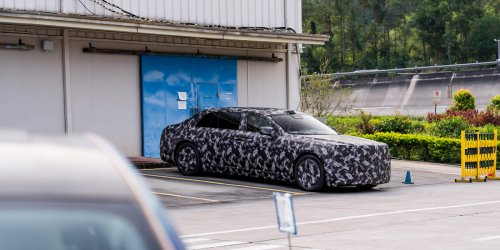
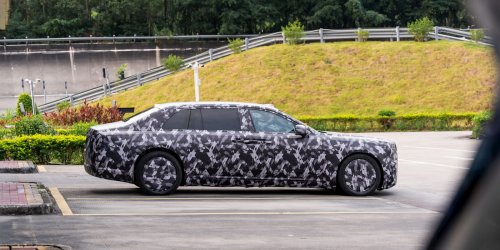
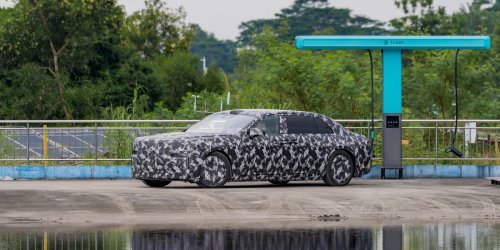
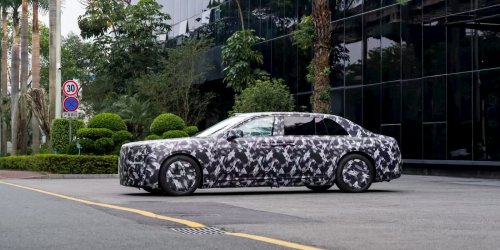
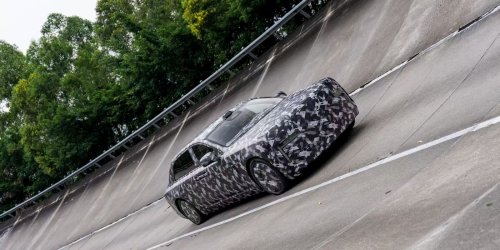
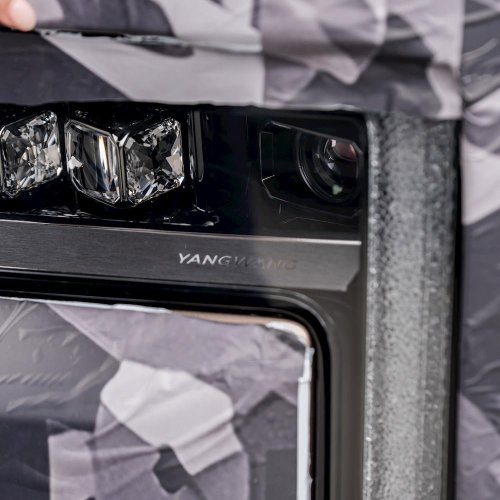
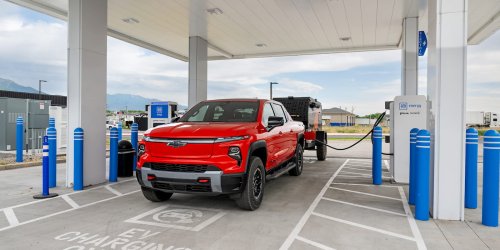
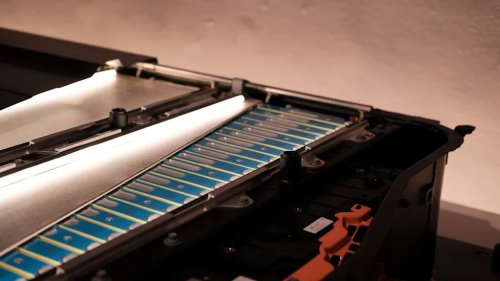
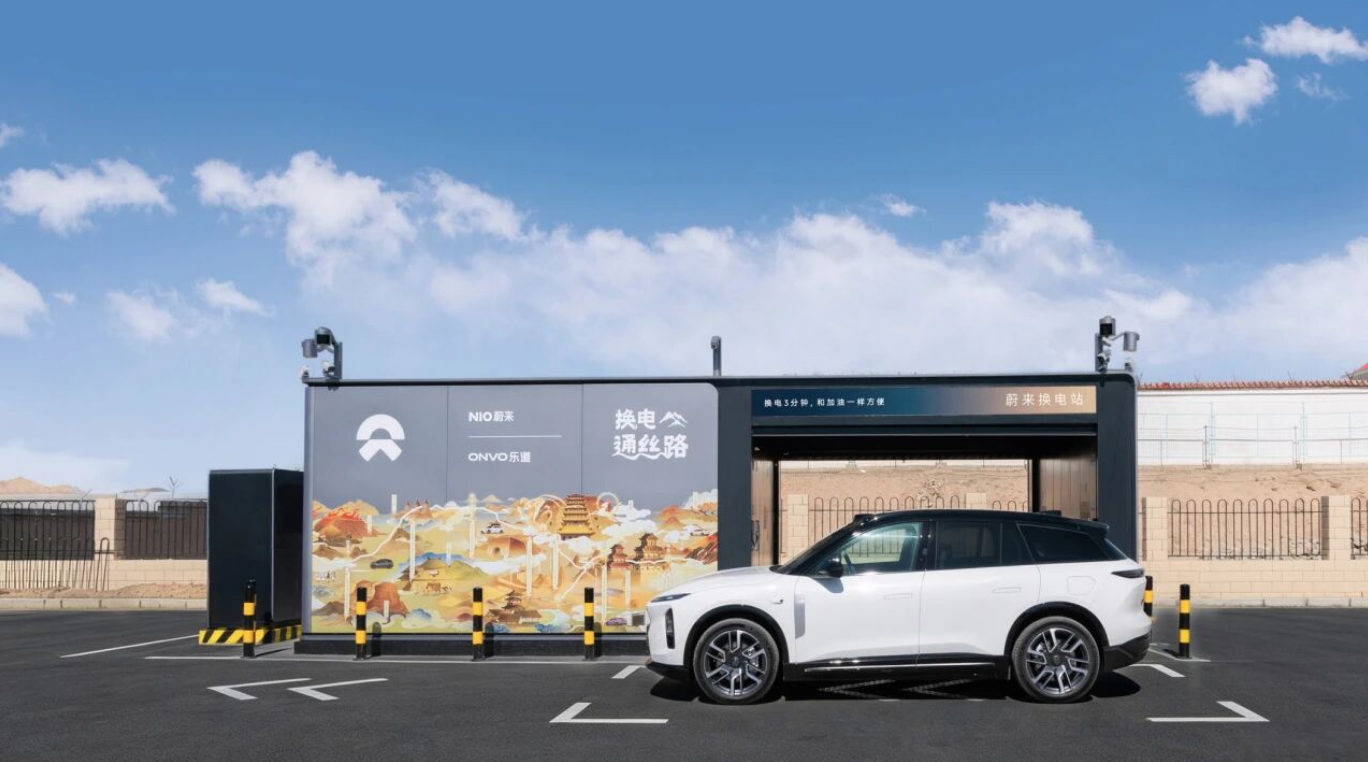
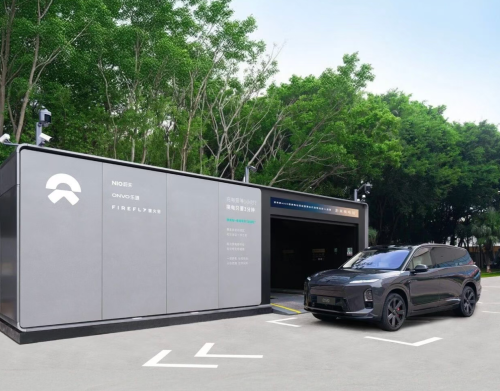
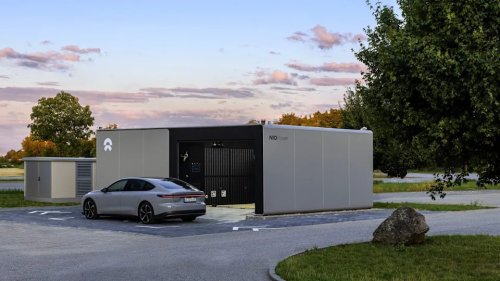
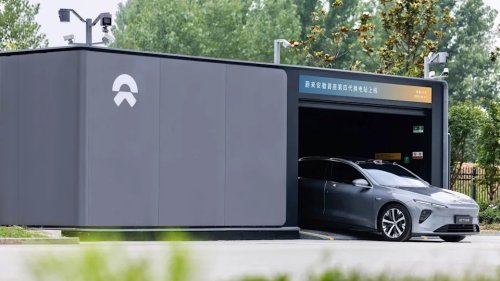
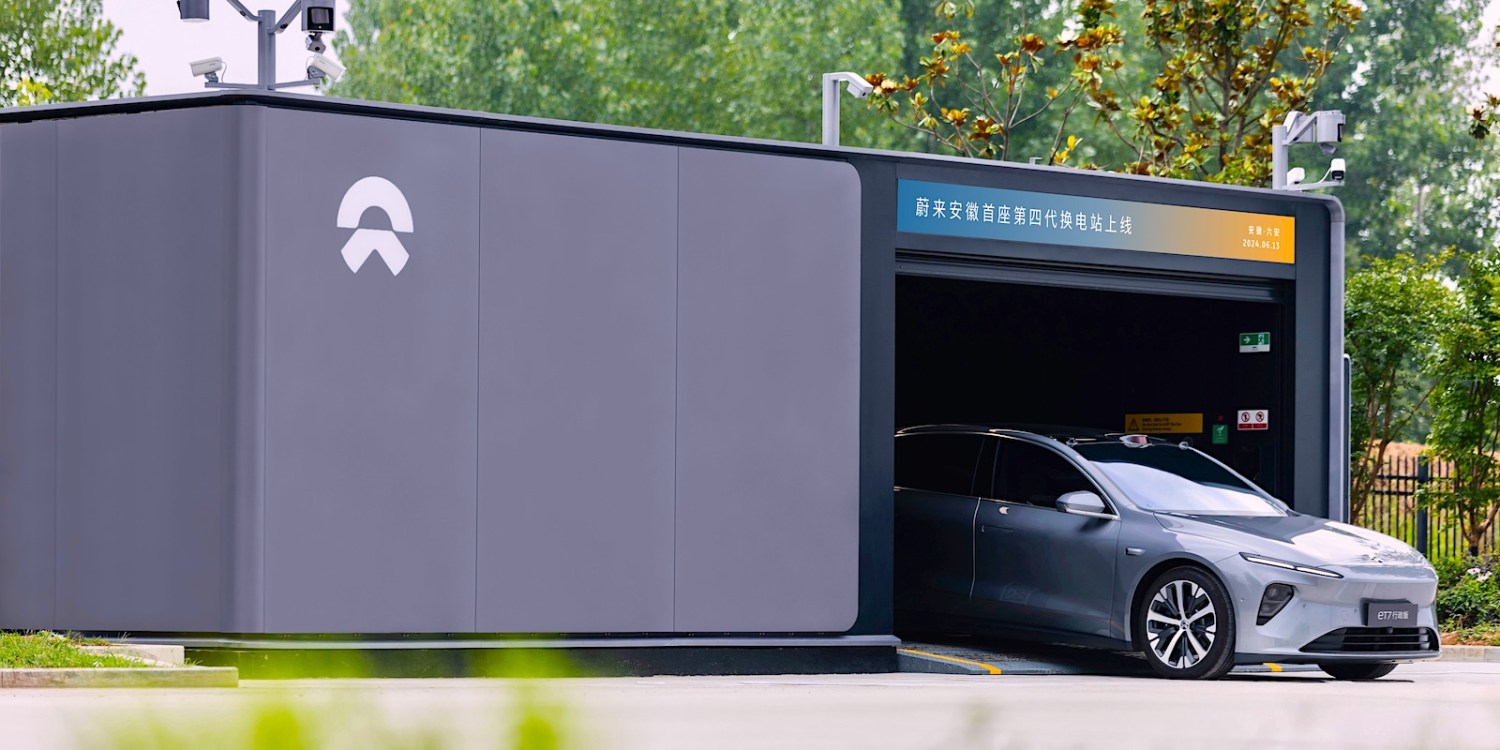
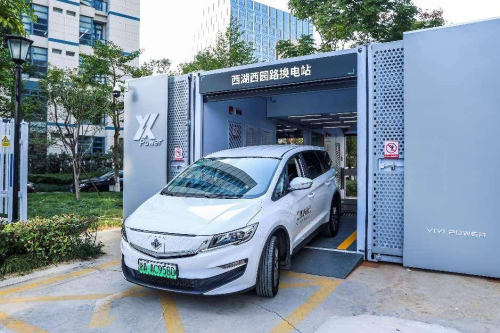
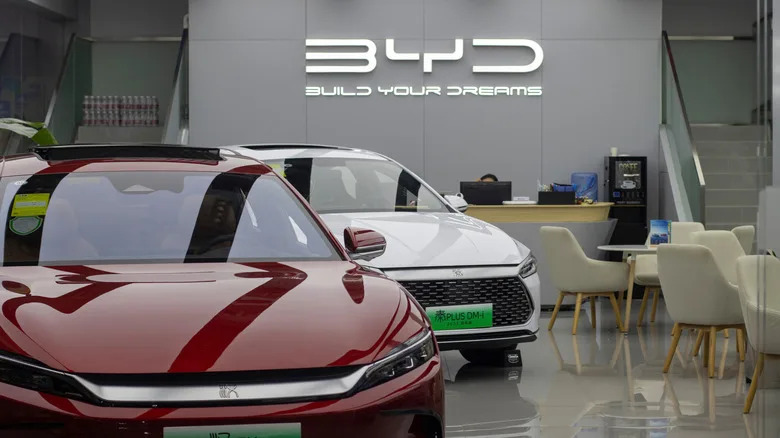
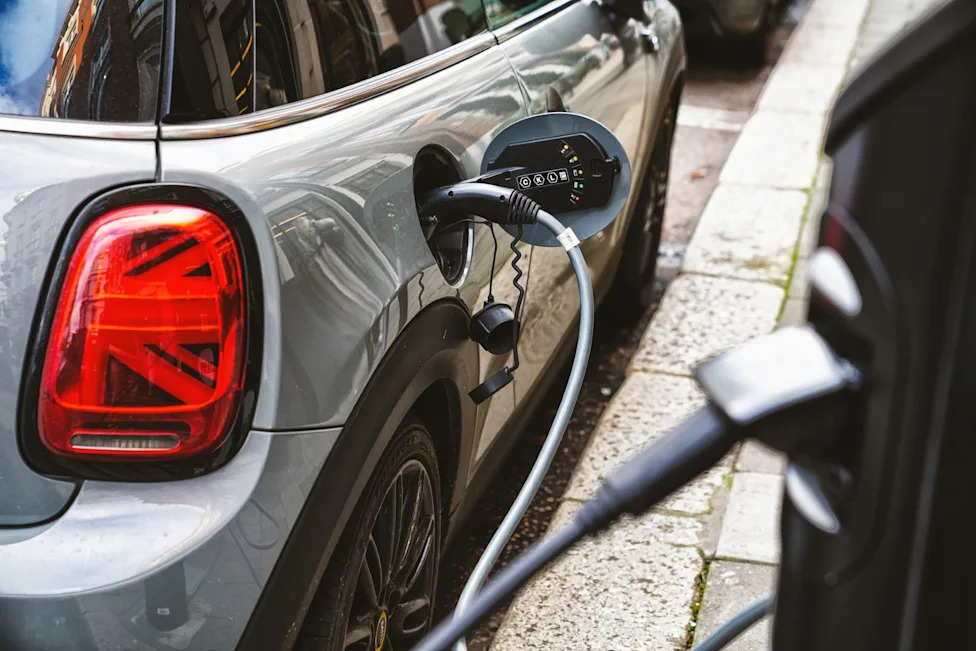
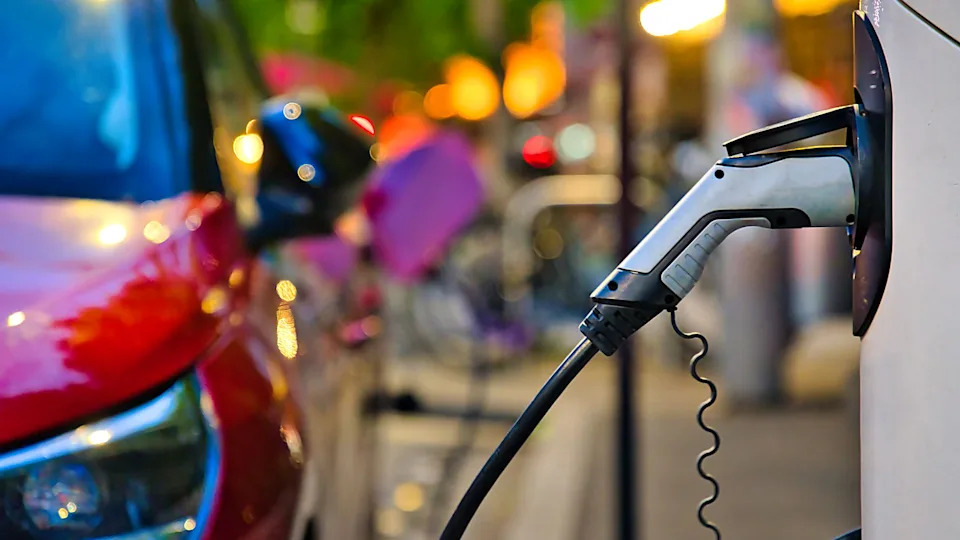
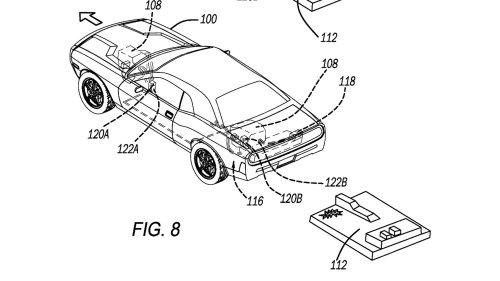
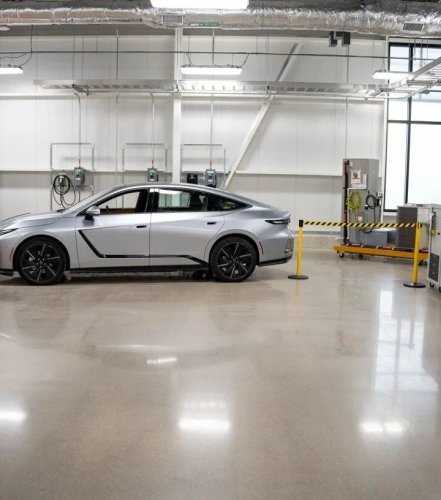
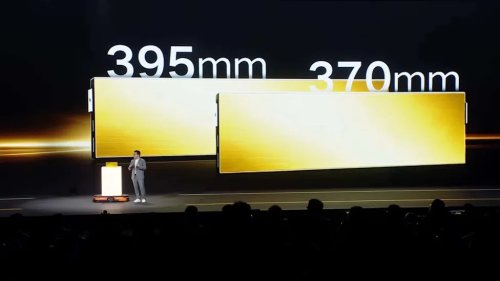
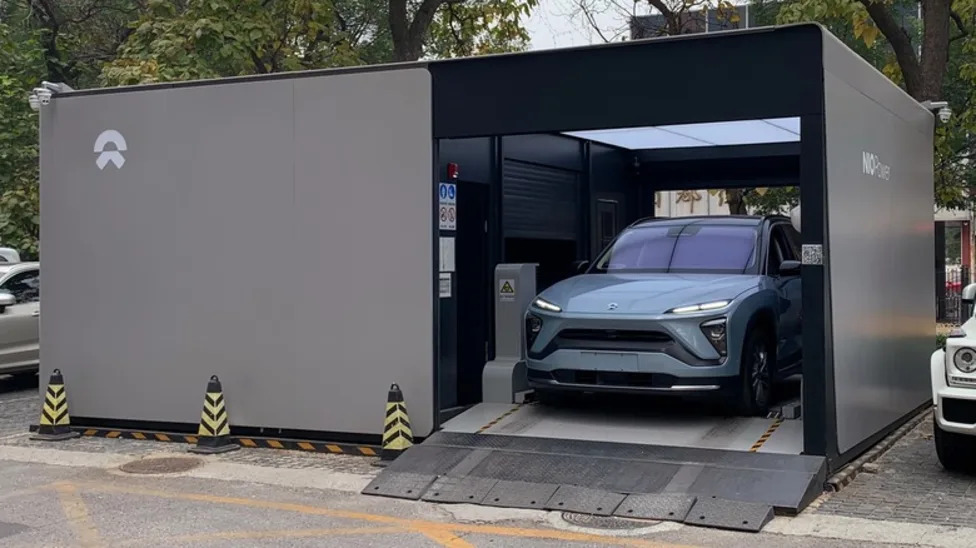
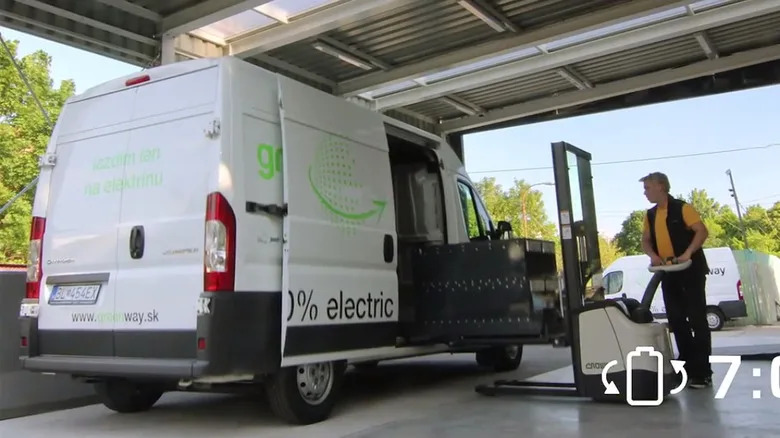
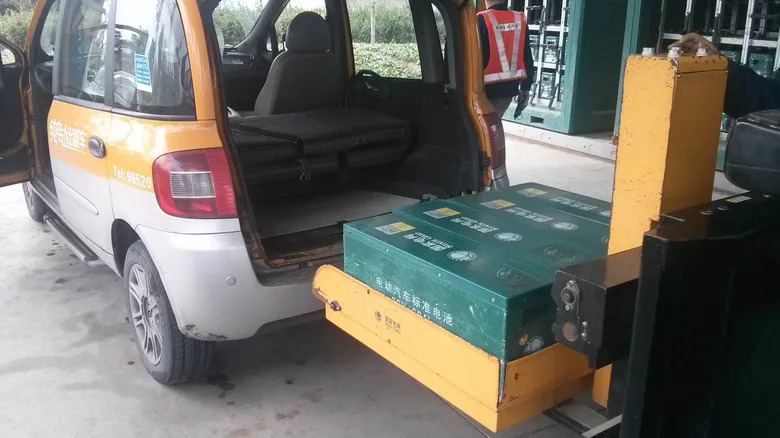
bfishadow/Wikimedia CommonsEvery few months, the automotive internet gets hit with a fresh wave of battery-swapping hype. The latest jaw-dropping news comes out of China, where GAC Aion and battery giant CATL rolled out the Aion RT Super — a sharp electric sedan starting at $12,635 under a battery-rental scheme that boasts an astonishing 90-second automated battery swap. Pull into a covered bay, sit back while robotic actuators drop your depleted pack, slide in a fresh 100%-charged battery, and zip back onto the tarmac, all before your favorite song ends. Even Japan has battery exchange stations courtesy of Honda. It sounds like sci-fi, and the ultimate death blow to range anxiety and the tedious ritual of sitting in a highway rest-stop parking lot watching a digital charge counter slowly tick upward. Yet, for all the breathtaking engineering flex, battery swapping remains a tantalizing sideshow on American highways rather than the dominant mode of charging. In urban centers with dense taxi fleets and uniform vehicle platforms, swapping makes brilliant operational sense. Drivers lose zero time during multi-shift operations, and fleet owners manage pack health in controlled environments. But expand that concept out to the vast chaotic ribbon of Interstate 80 on a holiday weekend, and the physics, finance, and human behavior surrounding long-distance road trips brutally crash the party. The illusion that automated battery exchanges would instantly render DC fast chargers obsolete ignores the fundamental friction between standardization, highway capacity, and how human beings actually travel when driving across the country.AdvertisementAdvertisementRead more: The Ten Dumbest Automotive Design MistakesThe standardization trap and logistical nightmare of mass adoptionAfishbone/Wikimedia CommonsUniversal battery swapping requires every carmaker to agree on a battery pack size, cooling connection, mounting architecture, and weight distribution. Getting rival automakers to surrender proprietary chassis design is about as likely as getting every Formula 1 team to run the same engine block. Modern EV design centers on the skateboard chassis, where the battery pack isn't just a fuel tank sitting under the floorboards; it is a critical load-bearing structural element that influences crash safety, torsional rigidity, cabin packaging, and handling dynamics.Forcing Porsche, Ford, Chevrolet, and Hyundai into a single modular pack template would instantly kill vehicle differentiation. But even if regulators magically forced a universal pack standard, the highway logistics remain an absolute nightmare. Imagine Thanksgiving eve at a rural interchange where 600 electric vehicles pass through every hour. A high-capacity fast-charging plaza simply needs electrical conduits running to slim pre-fabricated stalls. A battery-swapping hub, by contrast, becomes a comparatively large automated industrial warehouse. It must store, cool, diagnose, and simultaneously charge hundreds of significantly heavy lithium-ion modules during peak demand windows. The capital expenditure required to build and maintain millions of dollars worth of mechanical robot arms and energy-storage vaults at thousands of remote highway stops makes even the priciest 350-kilowatt plug-in charging plazas look like pocket change.Megawatts, silicon carbide, and the universal fast-charging triumphGavin Anderson/Wikimedia CommonsWhile battery-swapping advocates were busy perfecting robotic swapping architecture, fast charging technology was engaged in a race of its own. The massive leap toward 800- and 1,000-volt vehicle architectures, paired with liquid-cooled cables and silicon-carbide power electronics, fundamentally altered the game. AdvertisementAdvertisementWhile EV road trips are still a pain in the ass, modern road trippers in high-end electric platforms can already pull 10%-to-80% charges in roughly 20 minutes at ultra-fast charging stalls. That tiny window happens to match the amount of time an actual human driver takes to stretch their legs, buy an iced coffee, and use a rest-stop bathroom. The incremental gain of saving a few minutes via a complex mechanical pack swap diminishes rapidly when plug-in charging seamlessly blends into human bio-breaks.Furthermore, plug-in fast charging is mostly standardized. A single CCS or NACS connector can feed a tiny commuter hatchback, luxury sedan, heavy-duty pickup truck, or delivery van without worrying about floorboard clearance, latching mechanisms, or structural pack shapes. And as battery chemistries continue to improve — embracing silicon-anode advancements and solid-state tech that sustain higher peak charging rates without thermal degradation — the gap between swapping and plugging will collapse even further, and those freaking about EV battery replacements can officially calm down. Battery swapping will undoubtedly hold down lucrative niches in urban taxi hubs, commercial fleets, and tightly controlled brand ecosystems. But on the open highway, where universal compatibility, structural chassis freedom, and sheer mechanical simplicity reign supreme, fast charging has already won.Want more like this? Join the Jalopnik newsletter to get the latest auto news sent straight to your inbox, and follow us or add us as a preferred search source on Google.Read the original article on Jalopnik.


















 +39 others