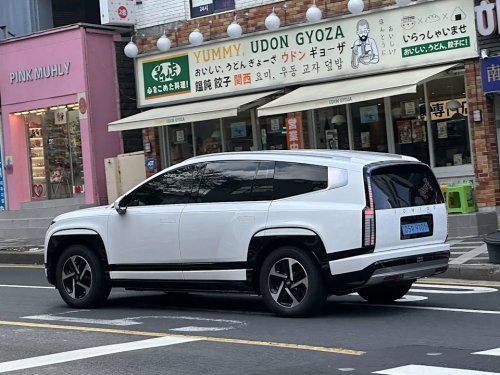
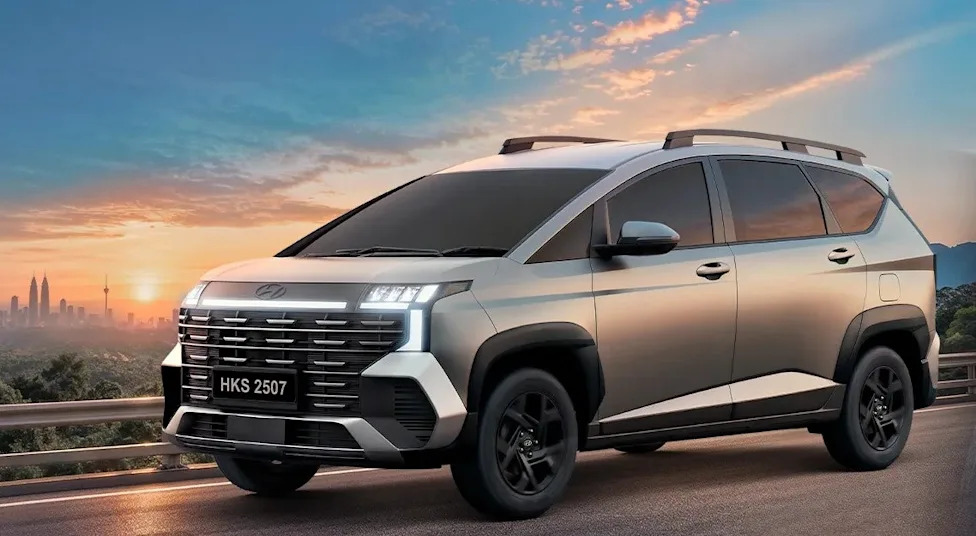
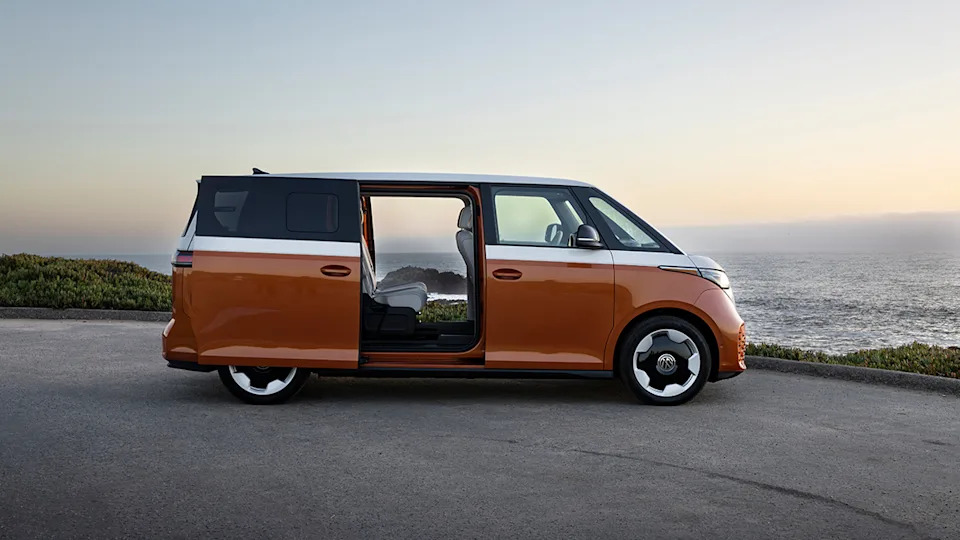
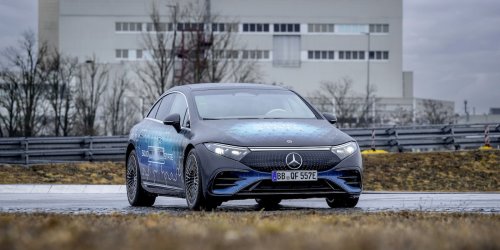
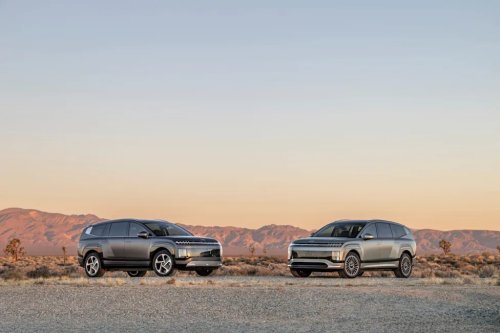
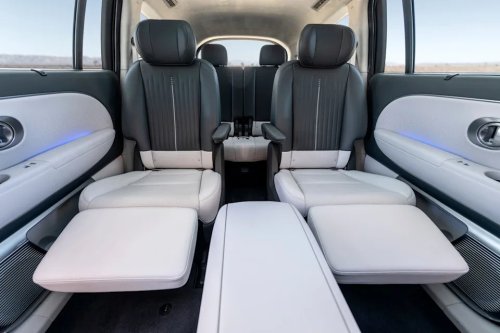
‘Cannot Give Up Right Now’: Hyundai’s R&D Boss On The Solid-State Battery BetInsideEVs[email protected] (Tim Levin)Sun, September 27, 2026 at 11:30 AM UTCAdd us on GoogleHyundai Staria Electric (2026)Hyundai's head of R&D says small-volume cars with solid-state batteries should hit the market within five years.Startups and big-time automakers alike continue to dump resources into solid-state batteries in the hope that this so-called "holy grail" technology will deliver blazing-fast EV charging and longer range. At the same time, conventional lithium-ion batteries now perform better than ever and continue to make strides. Just consider that Geely's latest technology allows for a 10-97% charge in under nine minutes.So is solid-state still worth chasing? According to Hyundai Motor Group research and development chief Manfred Harrer, the answer is a firm yes."You cannot give up right now on that. That's clear," he told reporters last week. "You must be in the game."AdvertisementAdvertisementThe batteries in today's EVs use a liquid electrolyte to transport lithium ions between a cell's anode and cathode. Solid-state batteries substitute that solution for a solid, often a ceramic or polymer, potentially bringing both safety and performance benefits. But nobody has cracked producing solid-state cells at automotive scale yet.Read Up On Solid-State'Most Companies Are Struggling': Executive Shares An Uncomfortable Truth About Solid-State EV BatteriesThis Flaw Keeps Sabotaging Solid-State Batteries. Scientists Found A SolutionHarrer said the potential advantages—a smaller battery, better fast-charging capability, and longer range—are hard to ignore. Within the next five years, he believes, there will be small-volume halo cars with solid-state packs. That tracks with the timelines laid out by some other industry players; QuantumScape, for instance, expects its batteries to hit high-performance vehicles by the end of the decade.But the raw material costs will remain extraordinarily high for many years as the technology scales up, Harrer said, keeping the batteries out of the mass market. "You can solve, in the end, everything, but it comes with cost, tremendous cost," he said.AdvertisementAdvertisementHyundai is developing solid-state batteries internally and alongside partners, like Solid Power. It's far from the only automaker investing in the technology, which Harrer calls "the big bet in the industry right now." Toyota has been working on solid-state for at least two decades and aims to put it in production in the next few years. Volkswagen is a big backer of QuantumScape. BMW is working with Solid Power. General Motors, Ford, Honda, and Nissan, among others, are working on it too.While some have trotted out demonstration prototypes—like a Ducati packed with QuantumScape cells or a Mercedes with Factorial's tech—none have put solid-state batteries into a car you can actually buy.Once the technology is mature, Harrer wants Hyundai to be there with its own supply chain and know-how. "We want to be the owner of this core technology, and that's the reason why we're also investing in our own battery manufacturing," he said.Harrer said the company sees a lot of value in deeply understanding what it takes to make batteries and the costs associated with that—because batteries are the most expensive part of an EV and because they also go into other electrified vehicles. Hyundai plans to put in-house nickel manganese cobalt cells in the Santa Fe extended-range EV that hits the market early next year.AdvertisementAdvertisementBut it will be a considerably longer wait before solid-state makes its way into the mainstream, Harrer told reporters: "I am not believing you can solve the raw material cost problem in five years from now."Contact the author: [email protected]More Battery NewsYour Next Cadillac Or Chevy EV Could Have A Recycled BatteryCATL's New Batteries Target American Pickups. They Could Be Made In The U.S.'Can't Be Done By One Company': Factorial Is Rallying A Team To Build Solid-State BatteriesPorsche Is Working On Making Batteries From Its Own Recycled Materials


















 +46 others