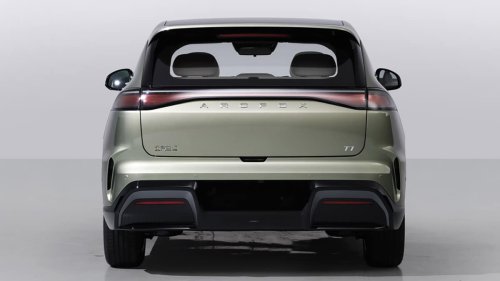
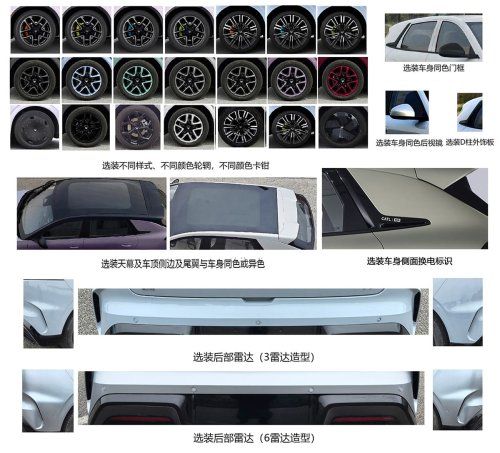
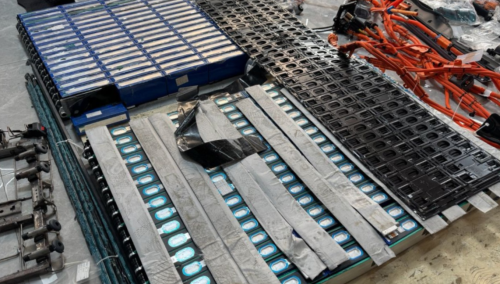
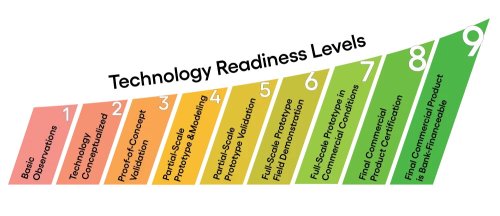
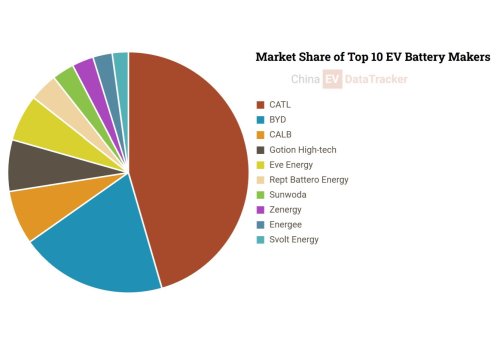
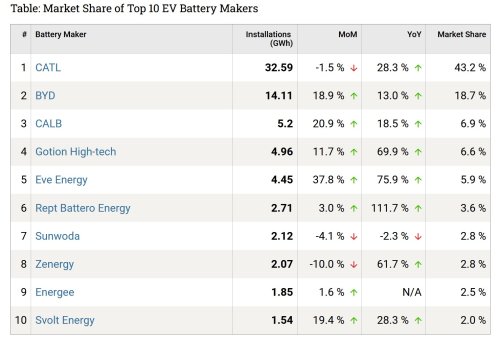
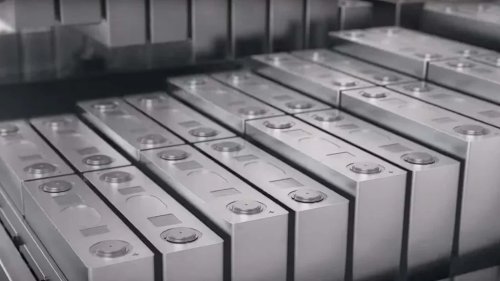
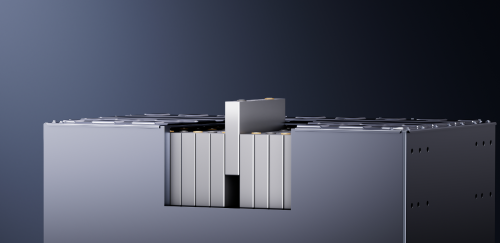
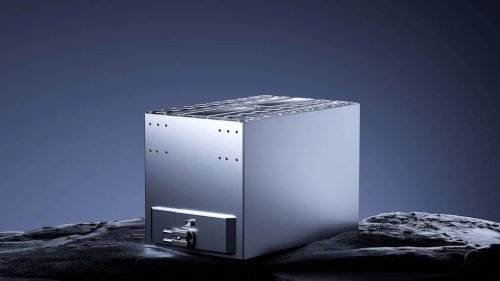
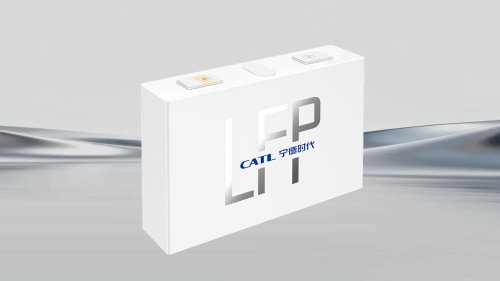
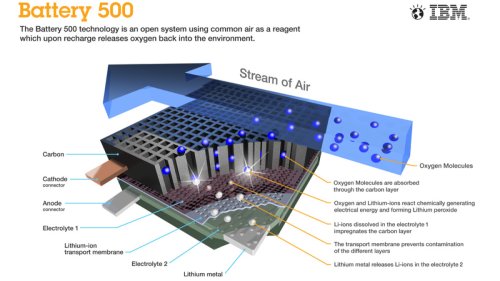
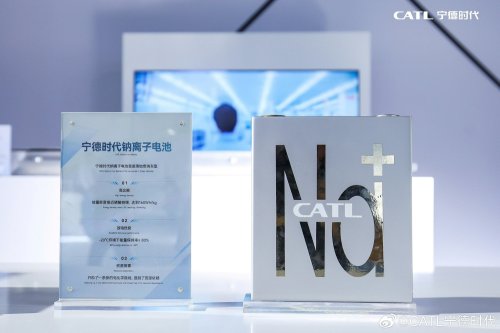
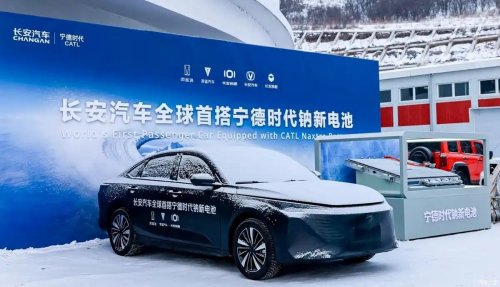
CATL has identified lithium-air batteries as a key future technology direction, according to Chief Scientist Wu Kai, speaking at the 2026 Forum on Building China Into an Equipment Manufacturing Power. Wu said lithium-air batteries carry a theoretical energy density of up to 3,500 Wh/kg, roughly five to ten times higher than today’s mass-produced liquid lithium-ion batteries. CATL’s Lithium Battery: Qilin Battery Compared with current technologies, mainstream liquid lithium batteries typically top out at around 350 Wh/kg. Solid-state batteries under development target 500-600 Wh/kg, while lithium-sulfur batteries are estimated at 800-1,000 Wh/kg. If commercialized at scale, lithium-air batteries could reshape both electric vehicle architecture and energy storage system design through a major jump in energy density. The technology itself is not new. The concept dates back to the 1970s. The first rechargeable lithium-oxygen battery emerged in the 1990s. Research efforts have continued globally for decades. IBM explored lithium-air technology around 2010. In 2024, a U.S. research team developed a lithium-air battery capable of more than 700 charge-discharge cycles. The same team reported further progress in 2025, achieving 1,200 Wh/kg energy density with a cycle life of 1,000 cycles under laboratory conditions. Operating principle of the lithium-air battery under development at IBM Lithium-air batteries use metallic lithium as the anode. Oxygen from ambient air serves as the cathode active material, absorbed through a porous carbon structure. The design differs fundamentally from conventional lithium-ion batteries, relying on atmospheric oxygen rather than solid cathode materials. This architecture underpins its lightweight characteristics and ultra-high theoretical energy density. Major technical hurdles remain. Lithium peroxide generated during discharge exhibits strong insulating properties. Catalytic materials still face reaction-kinetics challenges. Electrolyte stability remains limited. Lithium metal anodes are also prone to dendrite formation, raising reliability concerns. As a result, lithium-air batteries remain at the laboratory stage. Industry observers generally expect large-scale commercialization to require at least another decade. While lithium-air technology remains a long-term prospect, sodium-ion batteries are moving toward industrialization much faster. CATL unveiled its mass-production-ready sodium-ion battery platform last year. Wu recently said the company expects large-scale sodium-ion battery production to begin this year. CATL’s Sodium-Ion Battery To support that push, CATL has launched Phase VI expansion of its Fuding production base in Fujian Province. The company plans to invest RMB 5 billion ($725 million) in a new sodium-ion battery production line, adding 40 GWh of annual capacity. On Feb. 5, CATL and Changan Automobile jointly announced plans to launch the world’s first mass-produced passenger vehicle powered by sodium-ion batteries. The model is expected to reach the market in mid-2026. Changan Auto First in World to Equip CATL’s Sodium-Ion Battery According to the latest data from South Korea’s SNE Research, CATL installed 141.4 GWh of power batteries globally during the first four months of this year, up 19.8% year-on-year. Global market share rose to 40.1%, extending the company’s lead as the world’s largest EV battery supplier.



















 +17 others