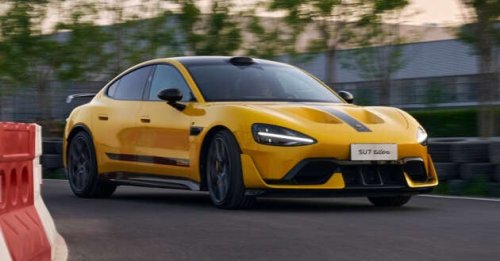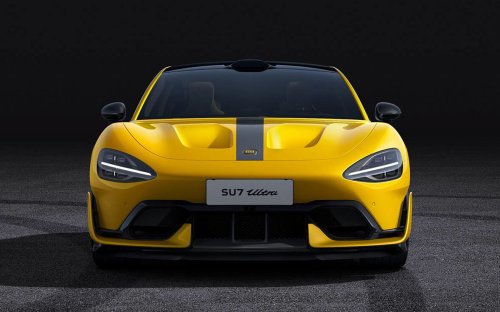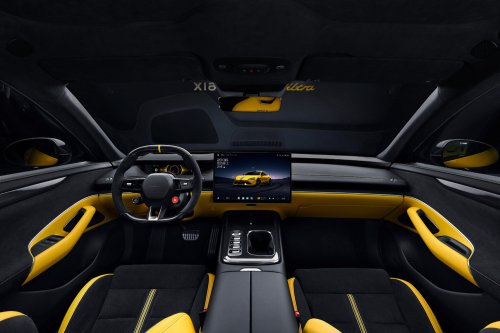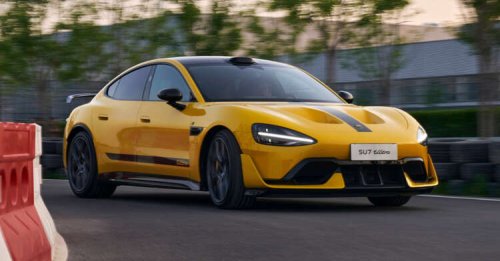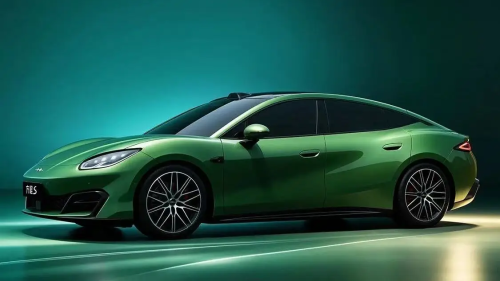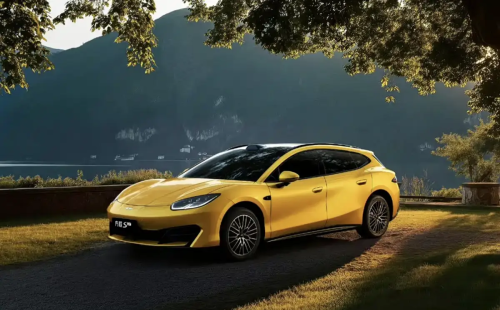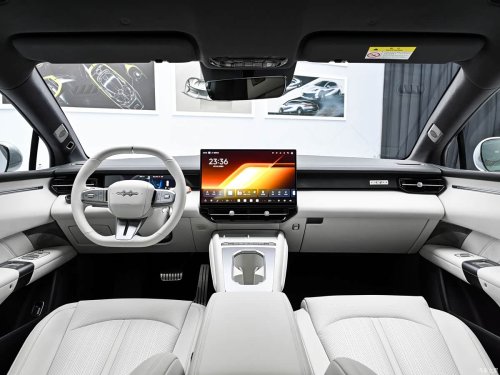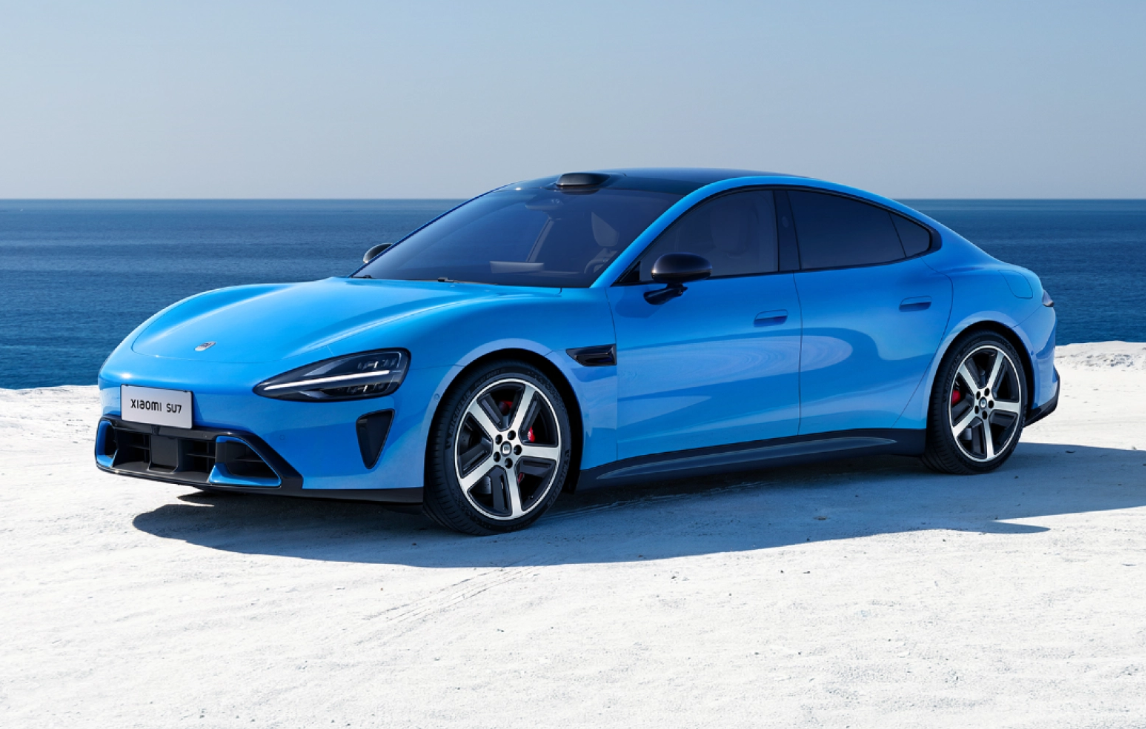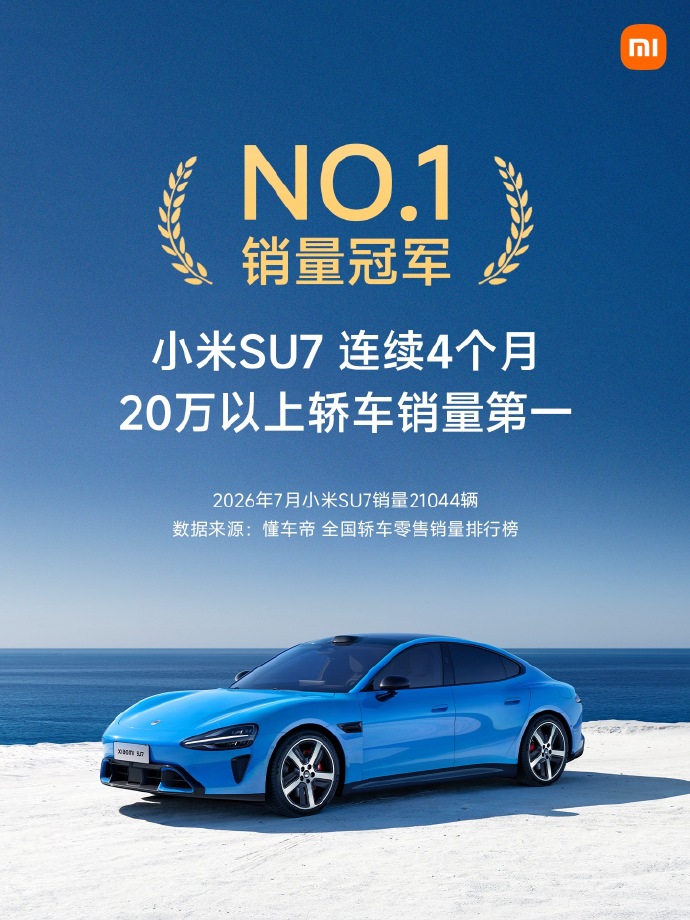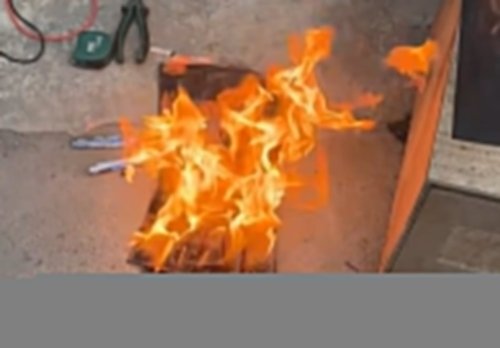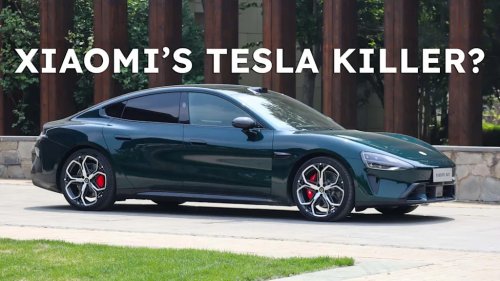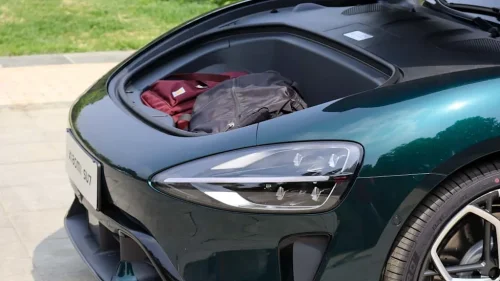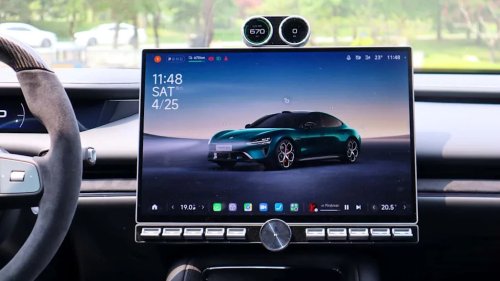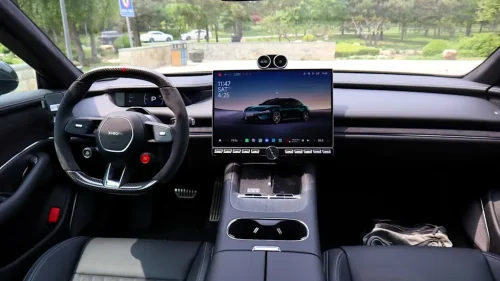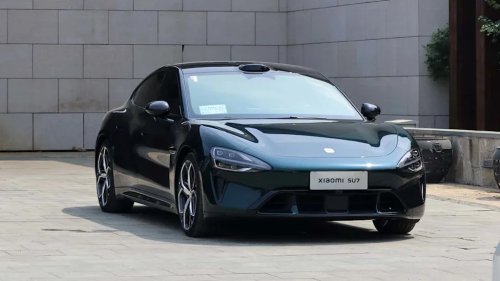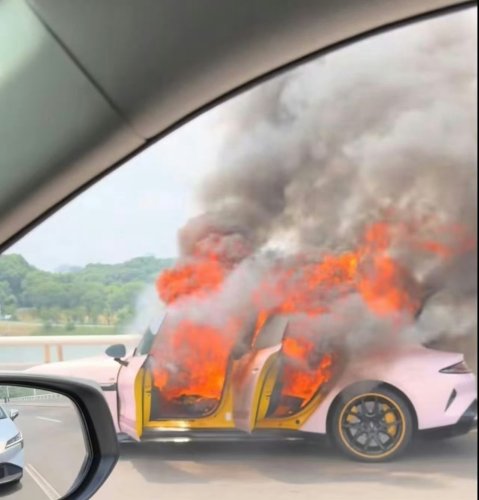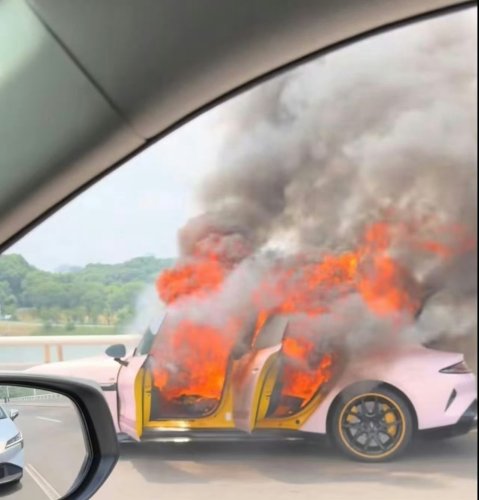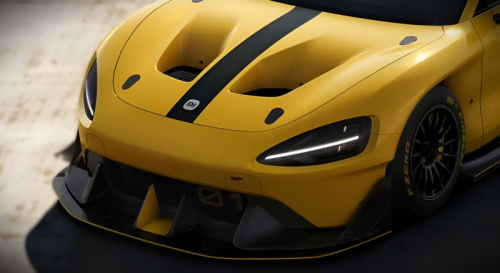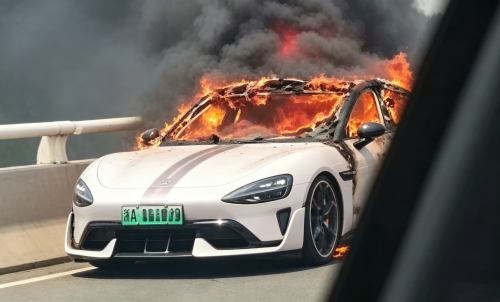
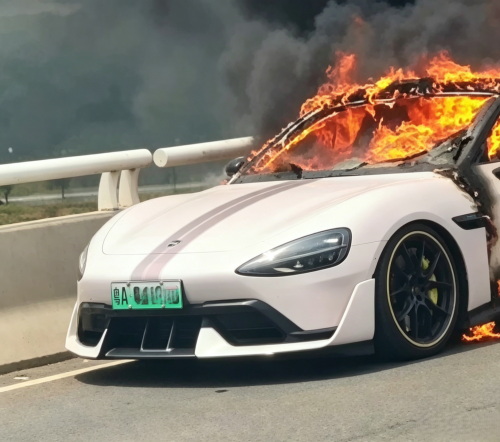
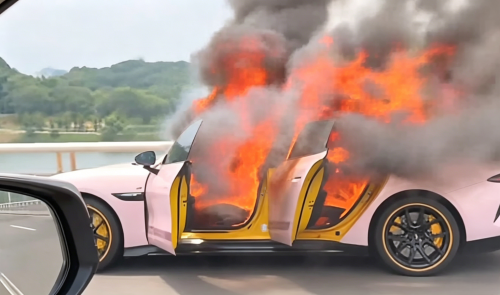
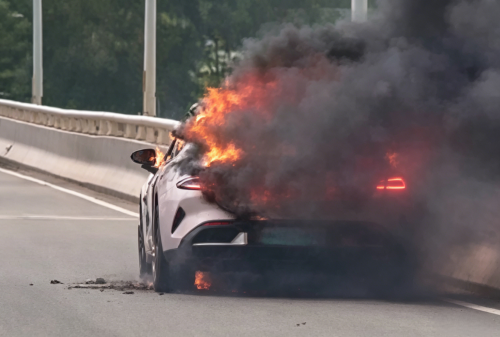
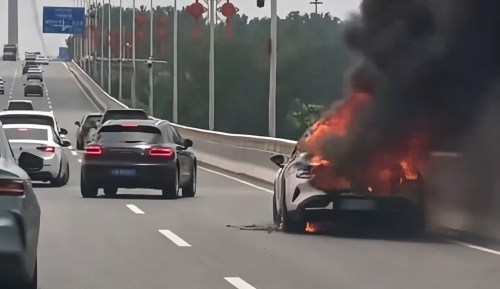
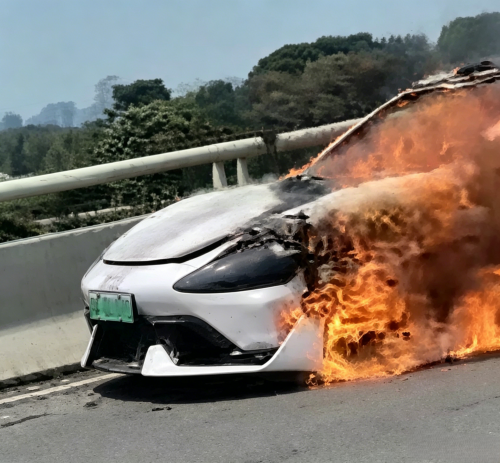
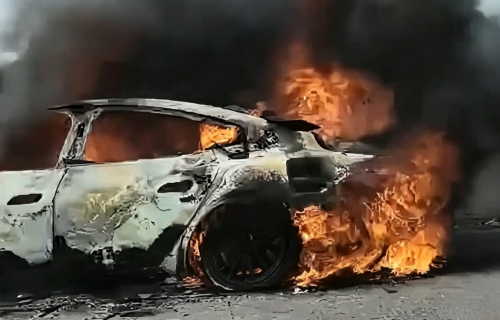
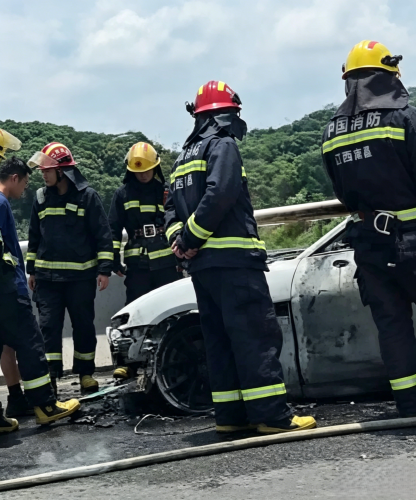
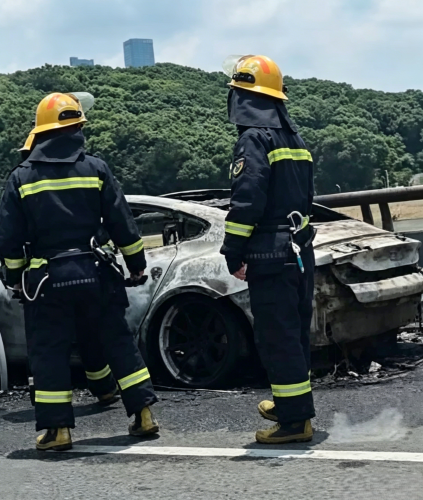



















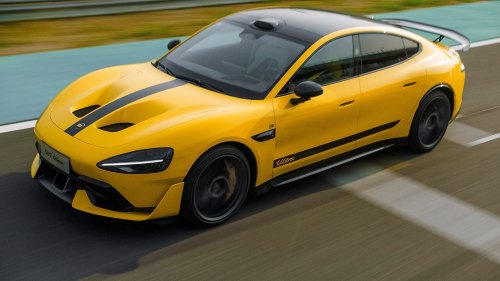
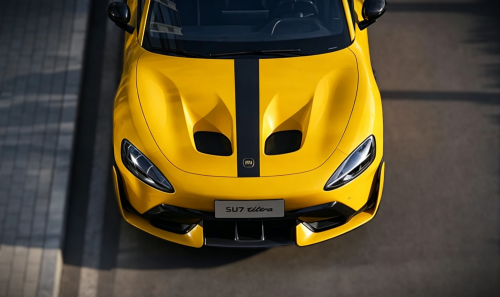
The cause of the Nanchang SU7 Ultra fire remains under investigation. Image enhanced by CNC Understand China EV’s Market Real-time notifications when critical EV data is released All important data in one place 2,000,000+ data points Become a member A Xiaomi SU7 Ultra caught fire on June 7 while on Hero Bridge in Nanchang, Jiangxi Province, China. The fire was brought under control by local firefighters, and no injuries were reported, according to NBD. Xiaomi said it contacted the owner immediately after the incident and has reported the case to regulators. Battery showed no thermal runaway signals In a statement released on June 8, Xiaomi said an on-site investigation combined with backend vehicle data indicated that the power battery remained in a normal operating state before the fire. The company added that no thermal runaway warnings or signals were detected in the battery system. Based on the preliminary analysis, Xiaomi said battery self-ignition has been ruled out as the cause of the fire. The company noted that the final cause has not yet been determined and will depend on the findings of the local fire department’s inspection and assessment. Investigation remains ongoing The company has not disclosed additional details regarding vehicle speed, driving conditions, external factors, or possible collision involvement. Modern electric vehicles continuously record data from the battery management system, including cell voltages, temperatures, charging status, and fault signals. Thermal runaway events are typically associated with abnormal temperature increases or battery warning indicators. Xiaomi’s statement indicates that these indicators were not present before the fire. The fire department’s investigation is expected to determine whether the origin was related to the vehicle itself, an external source, road conditions, a collision, or another factor. Latest in a series of investigated Xiaomi fire incidents The Nanchang incident follows several previous Xiaomi vehicle fire cases that attracted public attention. In February 2026, Xiaomi responded to a separate SU7 fire, stating that preliminary findings suggested the battery pack was not the source of ignition. CarNewsChina reported that investigators were examining other possible causes while the company cooperated with authorities. Another high-profile case occurred in October 2025 when a Xiaomi SU7 Ultra caught fire following an accident. That incident involved a collision, and reports indicated bystanders attempted a rescue before the vehicle became engulfed in flames. The Nanchang case differs from the October 2025 event because Xiaomi’s initial statement did not mention a crash and specifically noted that battery data showed no signs of thermal runaway before the fire. Sales context Xiaomi’s vehicle business continues to operate at significant volume. According to China EV DataTracker, Domestic sales data show 26,826 SU7-series vehicles were delivered in April 2026, accounting for 73.1% of Xiaomi Auto’s monthly volume. The company has not indicated that the Nanchang incident is related to any broader vehicle safety issue. The cause of the fire remains under investigation, and Xiaomi said it will continue to follow the progress of the fire department’s examination. Firefighters responded to a Xiaomi SU7 Ultra fire in Jiangxi Province, China.