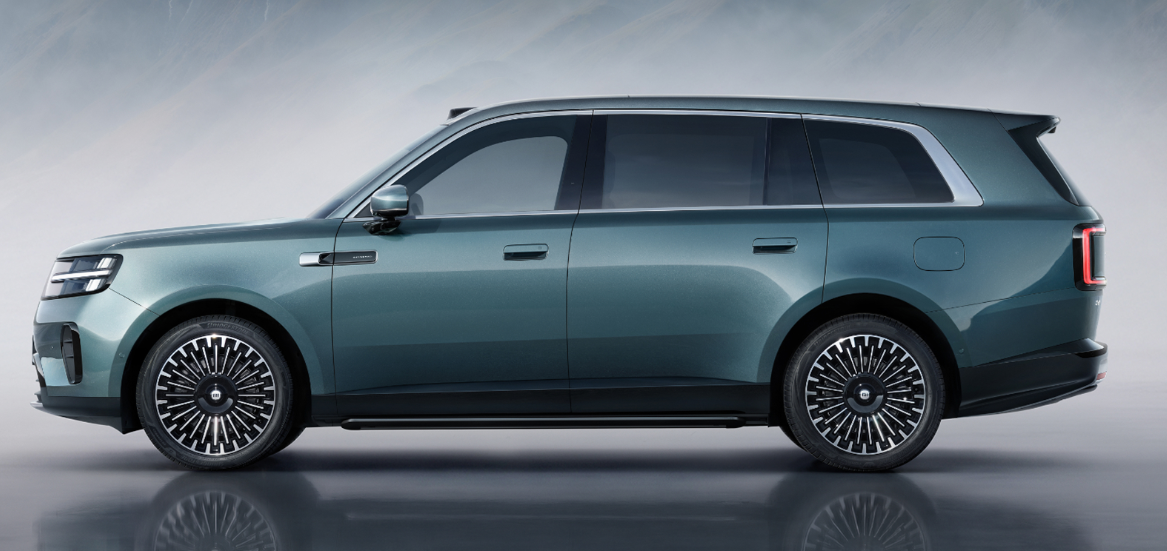
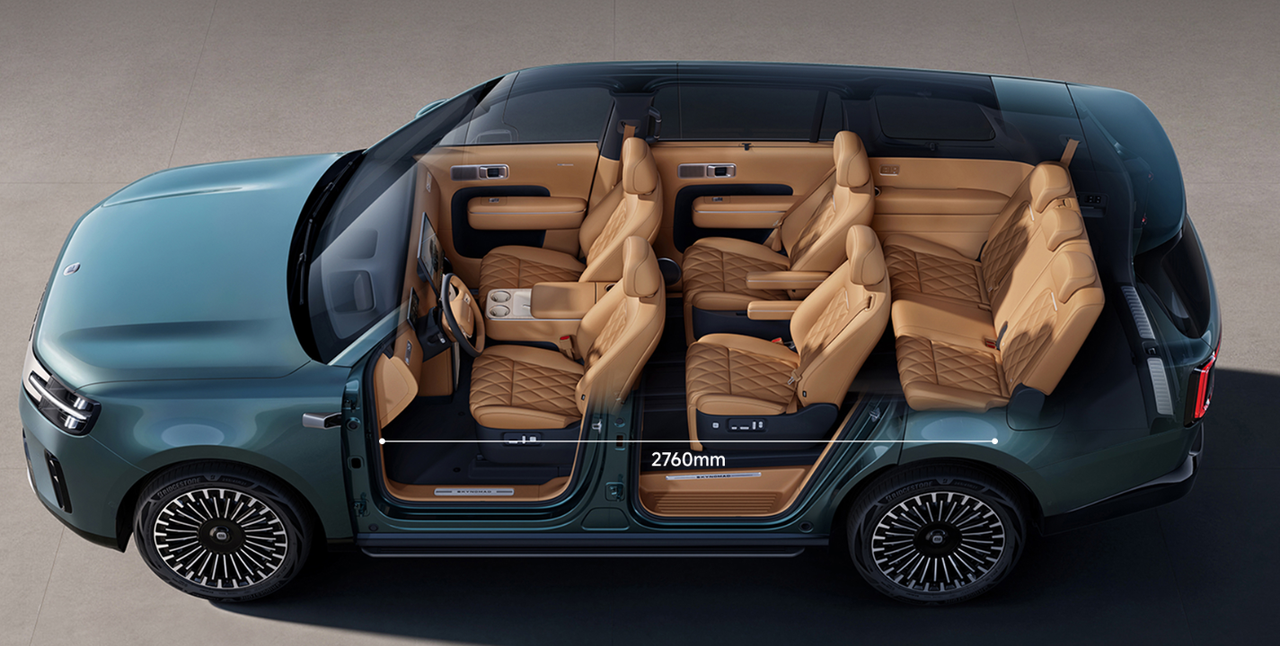
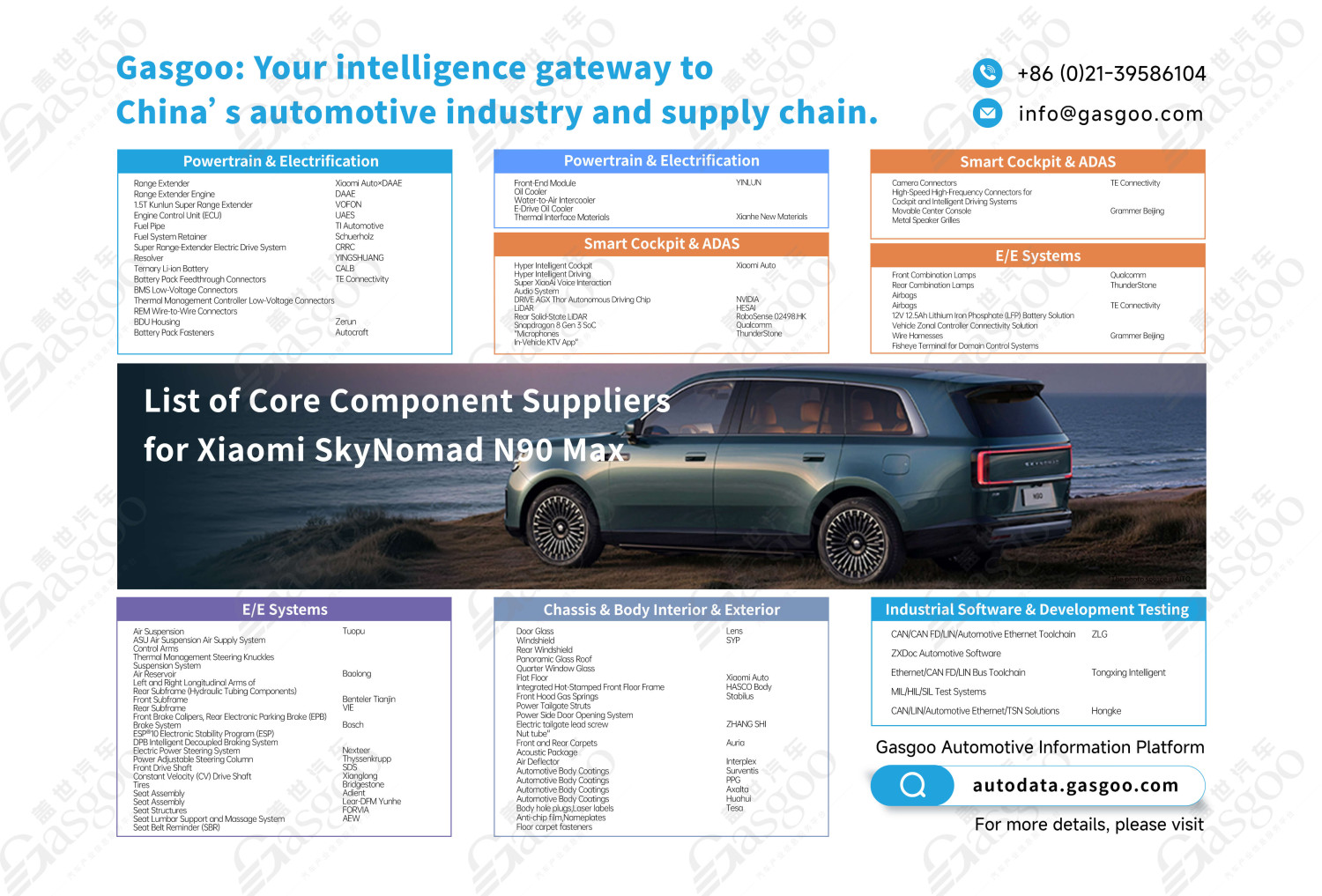
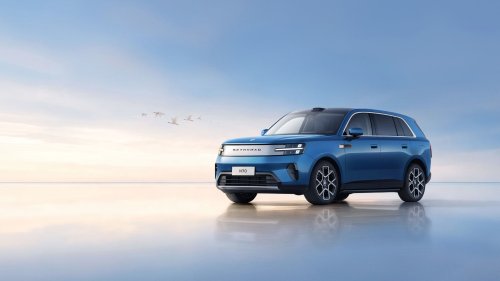
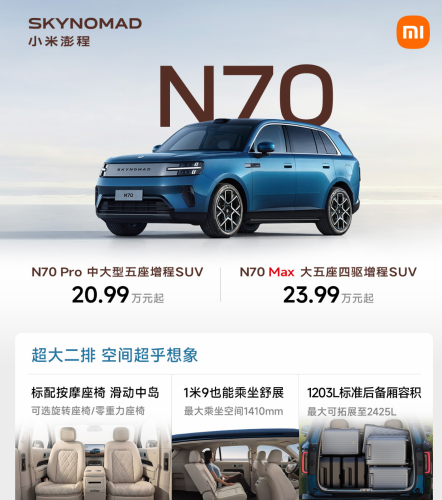
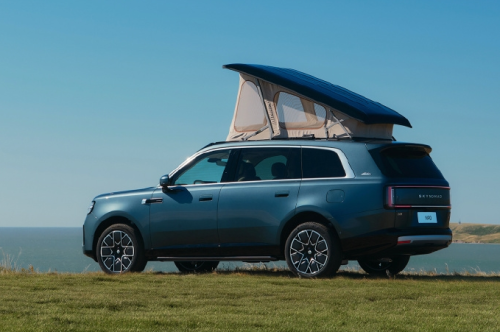
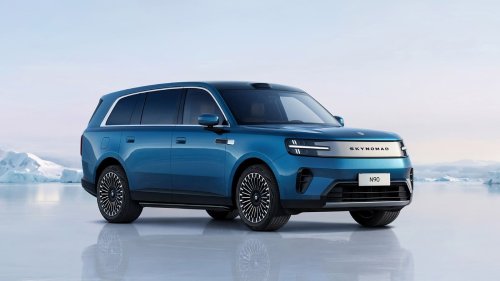
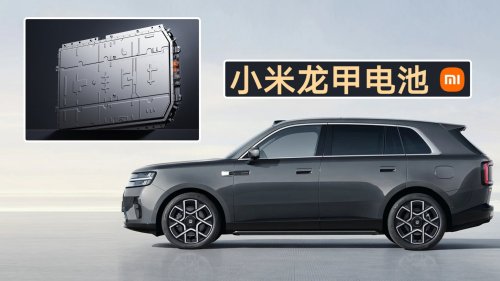
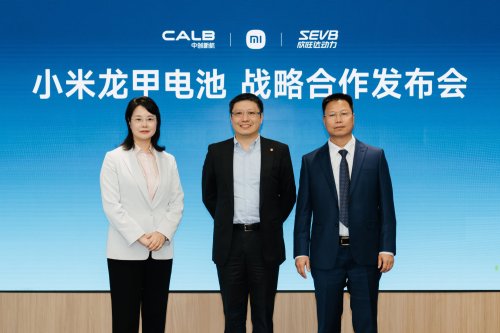
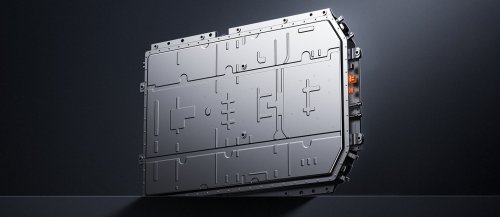
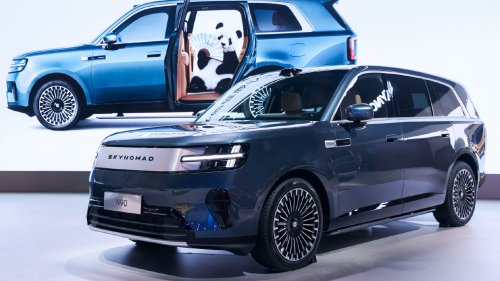
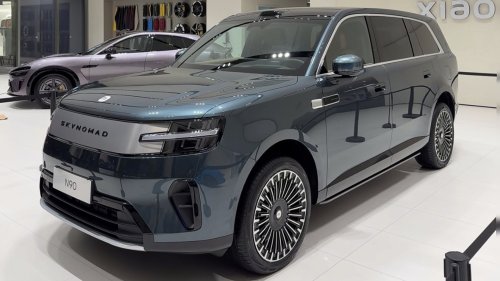
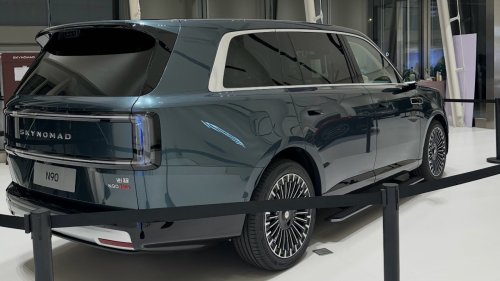
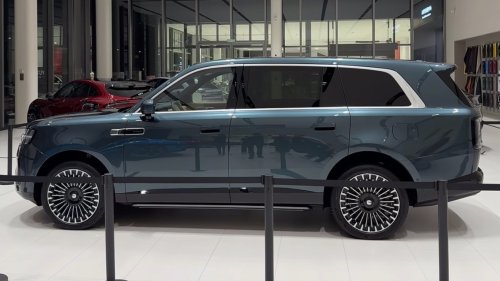
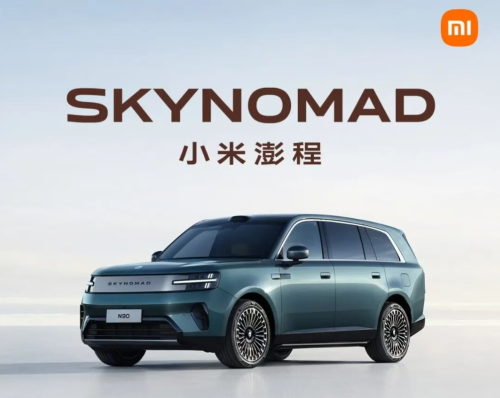
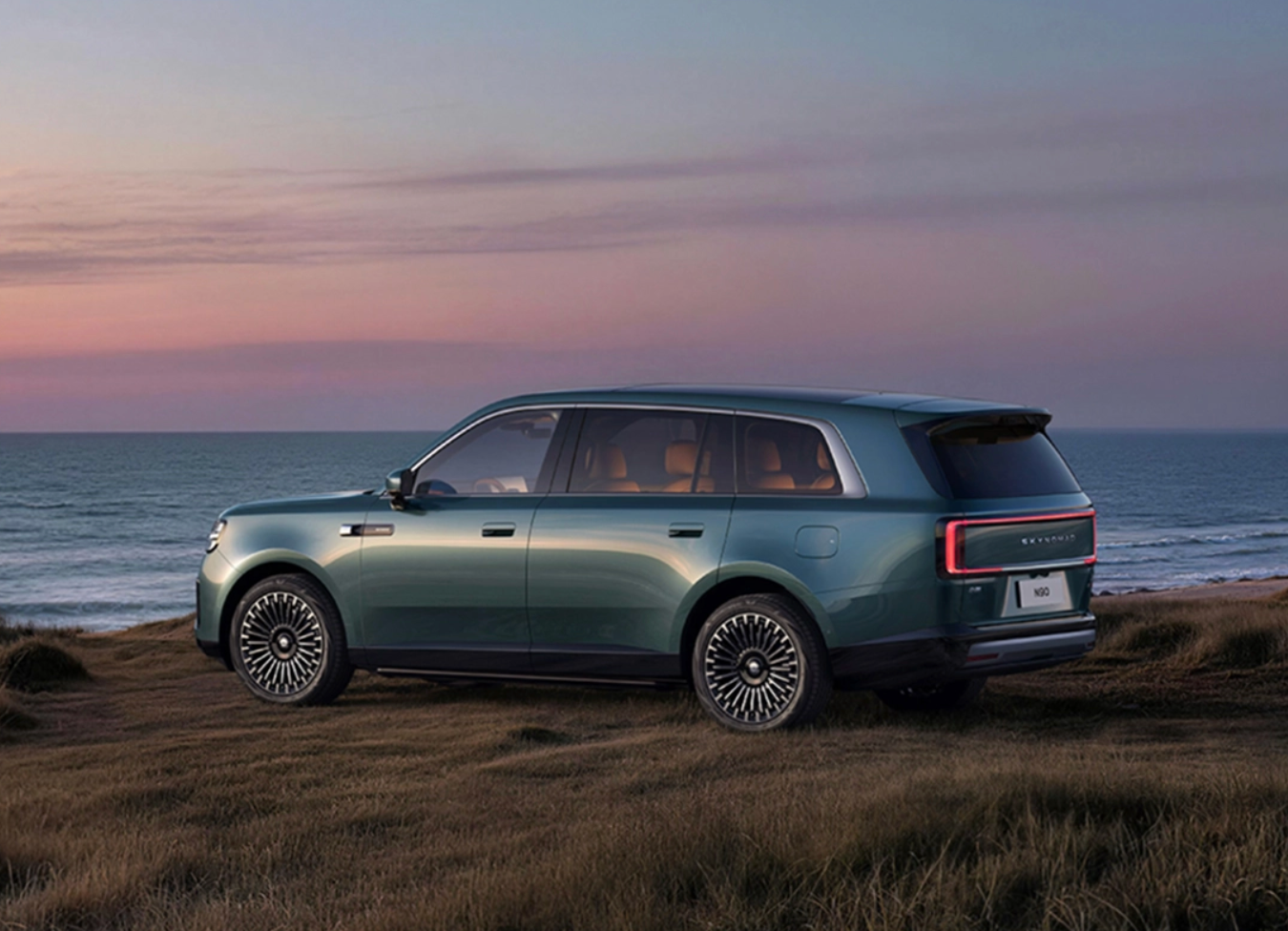
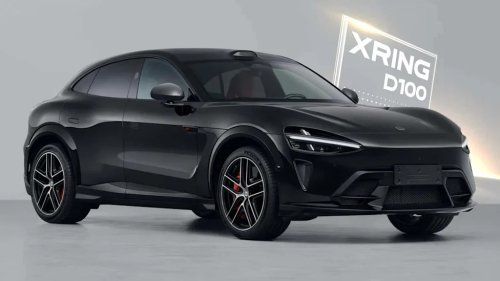
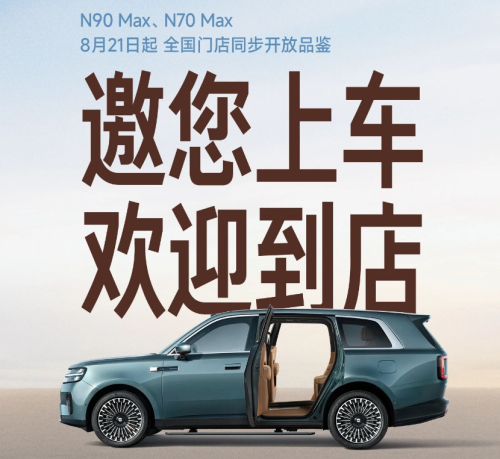
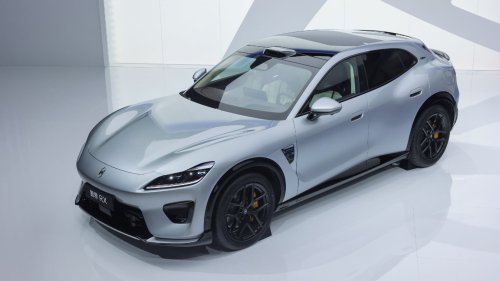
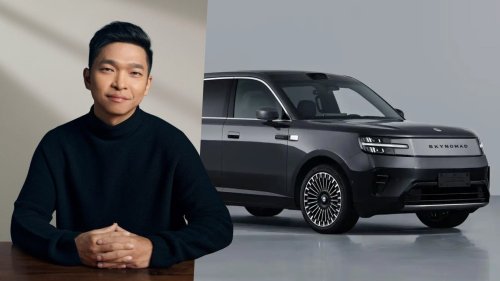
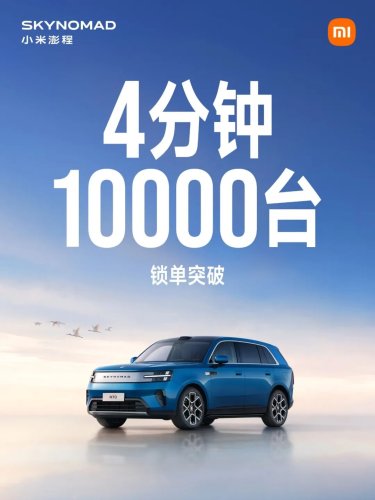
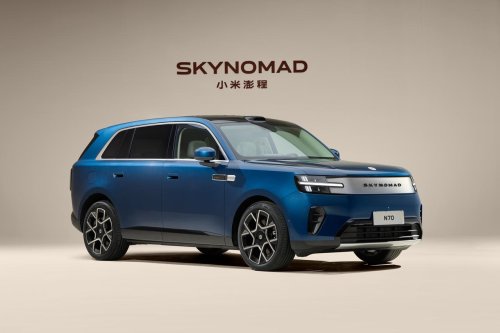
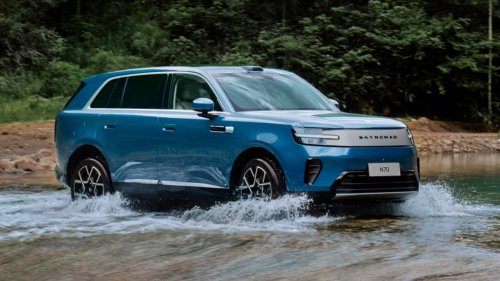
Gasgoo Munich- On the evening of July 30, Xiaomi Auto finally revealed its long-anticipated extended-range electric vehicle (REEV) strategy.With a pre-sales price of RMB 299,900, the Xiaomi SkyNomad N90 Max is positioned as a a large seven-seat flagship REEV SUV. But this is far more than just another large SUV. It is the first production model built on Xiaomi's Kunlun Technology Architecture, marking the company's expansion beyond the all-electric SU7 and YU7 lineup into an entirely new product segment.From a product positioning perspective, Xiaomi's approach is clear. The N90 Max combines a large-capacity battery and extended-range powertrain to address range anxiety, pairs an NVIDIA DRIVE AGX Thor computing platform with a dual-LiDAR perception system to establish a high intelligent-driving baseline, and integrates Xiaomi's multi-screen ecosystem to create a multi-screen cockpit experience. Together, these elements aim to win over family buyers in the highly competitive RMB 300,000 segment.Behind this product strategy lies a remarkably mature supply chain.A Co-Development Approach to the Range ExtenderThe powertrain is traditionally one of the most transparent parts of an automotive supply chain, yet Xiaomi's solution for the N90 Max is not a simple procurement.The range extender is based on Dongan Power's M15DRE 1.5L turbocharged four-cylinder engine, delivering a maximum net output of 112 kW for power generation. More importantly, this is a co-developed program rather than off-the-shelf procurement. Xiaomi defined the development direction for seven key components and re-optimized 57 individual parts throughout the system.In practical terms, Dongan provides the mature engine platform and mass-production expertise, while Xiaomi contributes the vehicle control strategy and engineering definition.This collaborative model has become increasingly common among China's emerging automakers. Rather than investing heavily in the development of conventional internal combustion engines, OEMs prefer to leverage proven hardware while retaining control over system integration and software optimization. In essence, co-development represents a practical middle ground between full in-house development and conventional outsourcing.The same philosophy extends to the battery system.The N90 Max is equipped with a 76 kWh ternary lithium battery pack supplied by CALB. By REEV standards, this is an unusually large battery. Most extended-range vehicles rely on 40–50 kWh battery packs to provide basic electric driving capability, whereas Xiaomi delivers a CLTC pure-electric range of up to 464 km—comparable to many entry-level battery-electric vehicles.This means that under typical daily commuting conditions, the N90 Max can effectively operate as a battery-electric vehicle, with the range extender engaging primarily during long-distance travel.Image Source: Xiaomi EVAssisted-Driving Hardware Raises the BarWhile the powertrain reflects Xiaomi's pragmatic approach to supplier collaboration, the assisted-driving system underscores its emphasis on vehicle intelligence.The N90 Max comes standard with the NVIDIA DRIVE AGX Thor computing platform, built on a 4 nm process and rated at 700 TOPS of AI computing performance. The platform has previously appeared mainly in higher-priced premium vehicles. By introducing it at the RMB 300,000 level, Xiaomi is using hardware specifications to differentiate the N90 Max from similarly priced competitors.The perception system follows the same approach.The front-facing LiDAR is supplied by Hesai Technology, while RoboSense is the sole supplier of the rear-facing solid-state LiDAR. This also makes the N90 Max the first Xiaomi production vehicle equipped with a rear solid-state LiDAR.For a large SUV measuring nearly 5.3 meters in length, rear blind spots are a persistent pain point during reversing. Adding a dedicated rear LiDAR is a precisely targeted solution for this vehicle's characteristics.This "more hardware without a higher price" strategy represents Xiaomi's long-term investment in intelligent driving. In today's RMB 300,000 market, consumers no longer ask whether a vehicle offers advanced driver assistance—they expect it to perform exceptionally well. The N90 Max's hardware foundation also at least ensures room for OTA software upgrades over the coming years.Cockpit & Chassis: A Standardized Combination Built on a Mature Supply ChainFor the cockpit and chassis, the N90 Max adopts a relatively standardized supplier strategy centered around proven, established solutions.The cockpit is powered by the Qualcomm Snapdragon 8 Gen 3 Mobile Platform. Its display setup includes a 16.1-inch central infotainment screen, an 8.88-inch digital instrument cluster, a 21.4-inch rear entertainment display, and a 20-inch AR Head-Up Display (AR-HUD), forming part of a connected six-screen ecosystem.The Xiaomi-developed Xingxian Audio System features 25 speakers, a 7.1.4-channel configuration, and 4,890 W peak output, placing its specifications, on paper, on par with those of premium luxury brands.On the chassis side, the N90 Max features a double-wishbone front suspension and an H-arm multi-link rear suspension, complemented by five-stage adjustable air springs and CDC (Continuous Damping Control) adaptive dampers, supplied by Tuopu Group.The braking system integrates Bosch ESP 10.0 Electronic Stability Program and a Decoupled Power Brake (DPB) intelligent brake booster. These mature solutions from established suppliers have already been validated across numerous production vehicles, helping reduce manufacturing risks while ensuring reliability.Safety is another major selling point. The N90 Max comes equipped with 12 airbags, 2,200 MPa ultra-high-strength steel, and an integrated roll cage. While these features are not excessive for the RMB 300,000 segment, for a full-size family SUV, this level of safety redundancy is itself a strong product differentiator.Image Source: Xiaomi EVA Supply Chain Built on "In-House Development + Collaboration"A clear strategy emerges from the N90 Max's core supplier network.In intelligent driving, Xiaomi favors in-house development or deep engineering involvement. The Kunlun Technology Architecture, Dragon Armor Battery system, and intelligent-driving algorithm stack are all defined by Xiaomi.Conversely, for mature mechanical systems and highly standardized hardware, Xiaomi is closely tied to established industry leaders. Dongan Power supplies the range extender, Bosch provides braking technologies, and Tuopu Group delivers the air suspension system—each focusing on its area of expertise.This strategy of "in-house core, outsourced periphery" reflects the reality of today's automotive industry. No automaker, regardless of scale, can independently build every component of a modern vehicle.Even for a technology company like Xiaomi, leveraging the manufacturing expertise, engineering experience, and production capabilities of leading suppliers remains essential to minimizing mass-production risk.Ultimately, competitiveness is not determined by the number of components developed in-house.It depends on how effectively an automaker integrates proprietary technologies with external supply-chain capabilities and converts them into product value that customers can recognize.To break down the core product competitiveness of Xiaomi's flagship seven-seat REEV SUV, Gasgoo has compiled the core supplier map for the Xiaomi SkyNomad N90 Max, and welcomes further industry discussion and continuous updates.Author | LuoluoDesign | Ren HuaiwangTechnical Support | #Gasgoo DataSource | Gasgoo Supply Chain Market Research