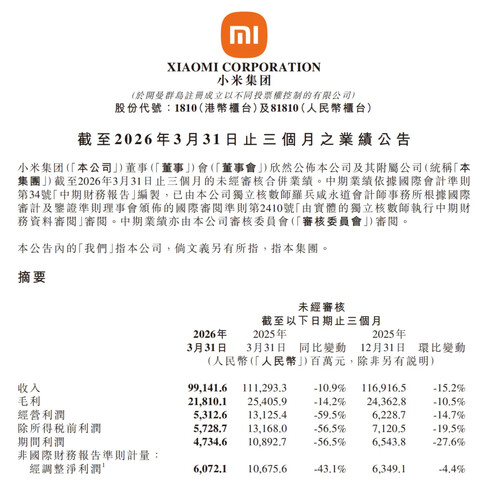
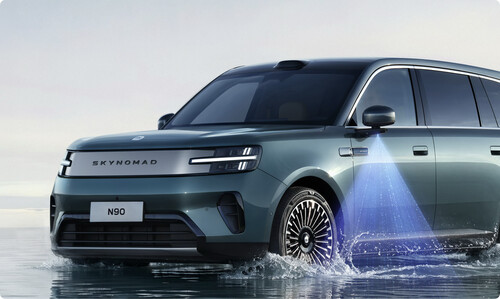
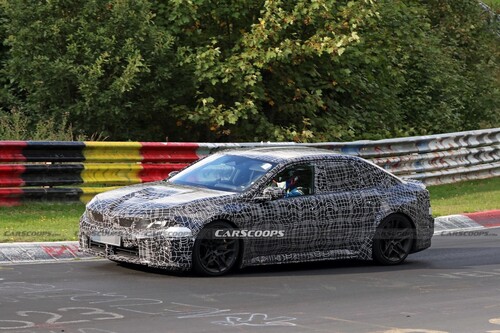
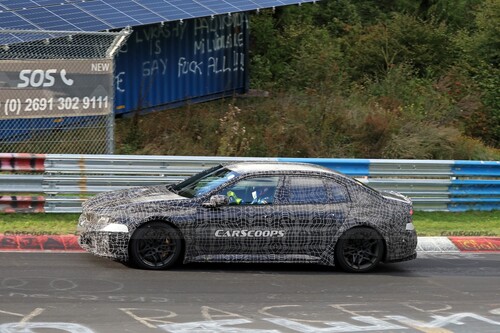
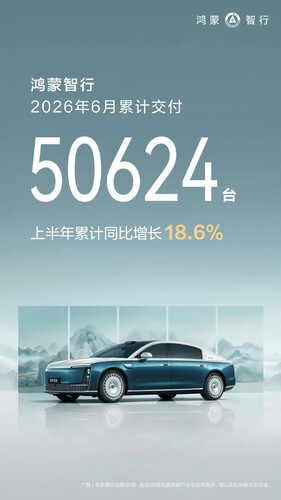
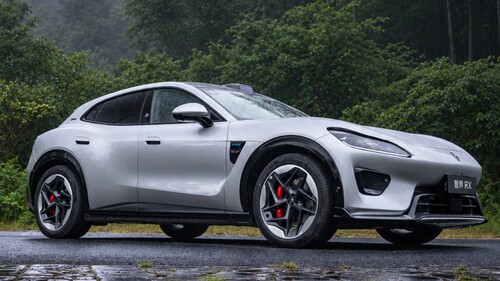
Thomas Anderson · 4 months ago@thomasanderson68Xiaomi Addresses SU7 Ultra Fire: Battery Thermal Runaway Ruled Out Liked by+52 othersHuaweiXiaomi SU7Xiaomi SU7 UltraPost commentRelated PostsXiaomi EV Q1 Revenue Slips as Deliveries Halve, Annual Sales Goal Holds 85 · Nicole Brown · 4 months agoXiaomi to unveil SkyNomad N90 Max, N70 Max SUVs at July 30 event 85 · Connor Leblanc · 2 months agoXiaomi launches four SkyNomad SUVs in China from $31,275 59 · Carter Gagnon · 1 months agoOne Third Of The Car Brands At The 2026 Paris Auto Show Are ChineseAmélie Nelson · 13 days agoXiaomi SU7 Ultra ducted hood saga: court rejects fraud claim, orders 2,940 USD refund 57 · Justin White · 5 months agoXiaomi reveals SkyNomad N90: a living room on wheels 93 · Liam Poirier · 3 months agoXiaomi Skynomad N70 SUV entered China at 31,275 USD 81 · Aiden Hall · 1 months agoBYD’s Yangwang responds to Huawei MPV brake failures, shows off “full metal pedals”Charlotte Wilson · 13 days agoXiaomi SU7 Chengdu Crash Report Revealed, Low-Voltage Failure Locks Doors 36 · Olivia Hill · 6 months agoXiaomi says Sky Nomad is a series, not a new brand, teases SUV 84 · Ava Lee · 3 months agoXiaomi EV to Enter the European Market in 2027; AITO M9 Tops 30,000 Deliveries in 12 Weeks; Voyah Dream 9 Skips Traditional Launch Event 93 · Hannah Gagnon · 1 months agoHuawei-JAC’s Maextro responds to brake pedal failure of its 150K USD carMason Poirier · 14 days agoXiaomi SU7 Ultra coming to Gran Turismo 7 – first Chinese EV to feature in long-running game franchise 89 · Nicole Campbell · 1 years agoXiaomi makes Sky Nomad official: new EREV brand to take on Li Auto 62 · Lily Fortin · 3 months agoLuxeed RX pre-orders: over 90% of buyers choose L3 self-driving trim 40 · Charlotte Carter · 1 months agoOnly 5% Use In-Car Fridges: It's Time to End the NEV Feature Arms RaceMason Pelletier · 14 days agoBMW M3 EV Lays Down 11s Trying To Shake Xiaomi At The Ring 36 · Emma Girard · 1 months agoLeapmotor Extends China EV Startup Lead in June as NIO, XPeng, Li Auto Diverge 16 · Lily Campbell · 3 months agoHuawei-backed Luxeed RX unveiled with 586 hp, aims to rival Xiaomi YU7 26 · Mia Walker · 1 months agoWhat's New in the Huawei–SERES Partnership?Oliver Rogers · 14 days ago





 +52 others