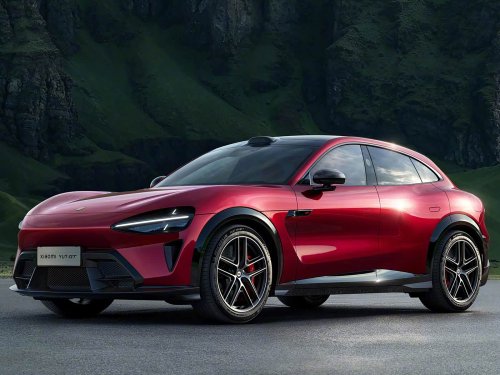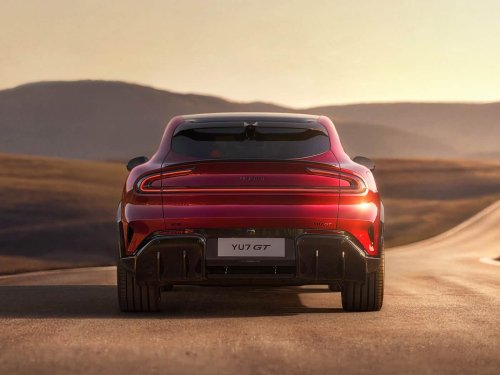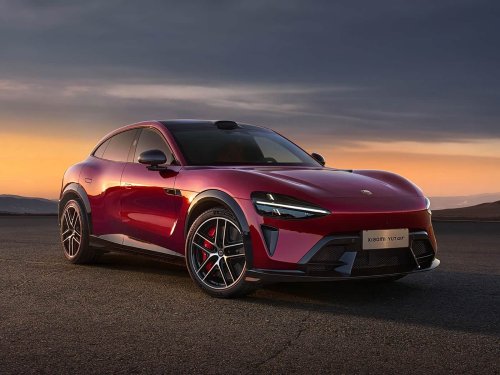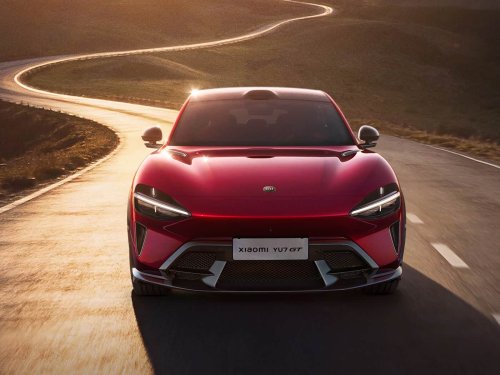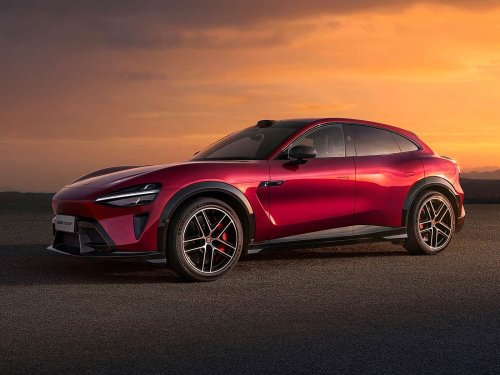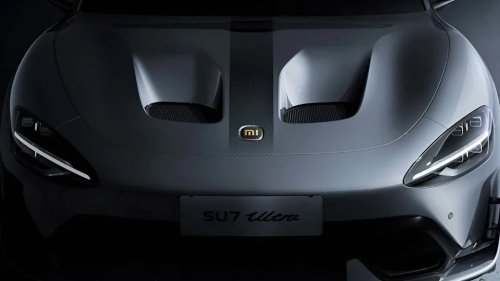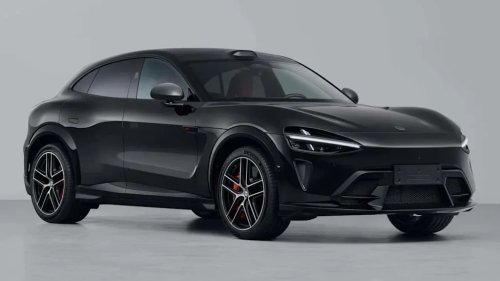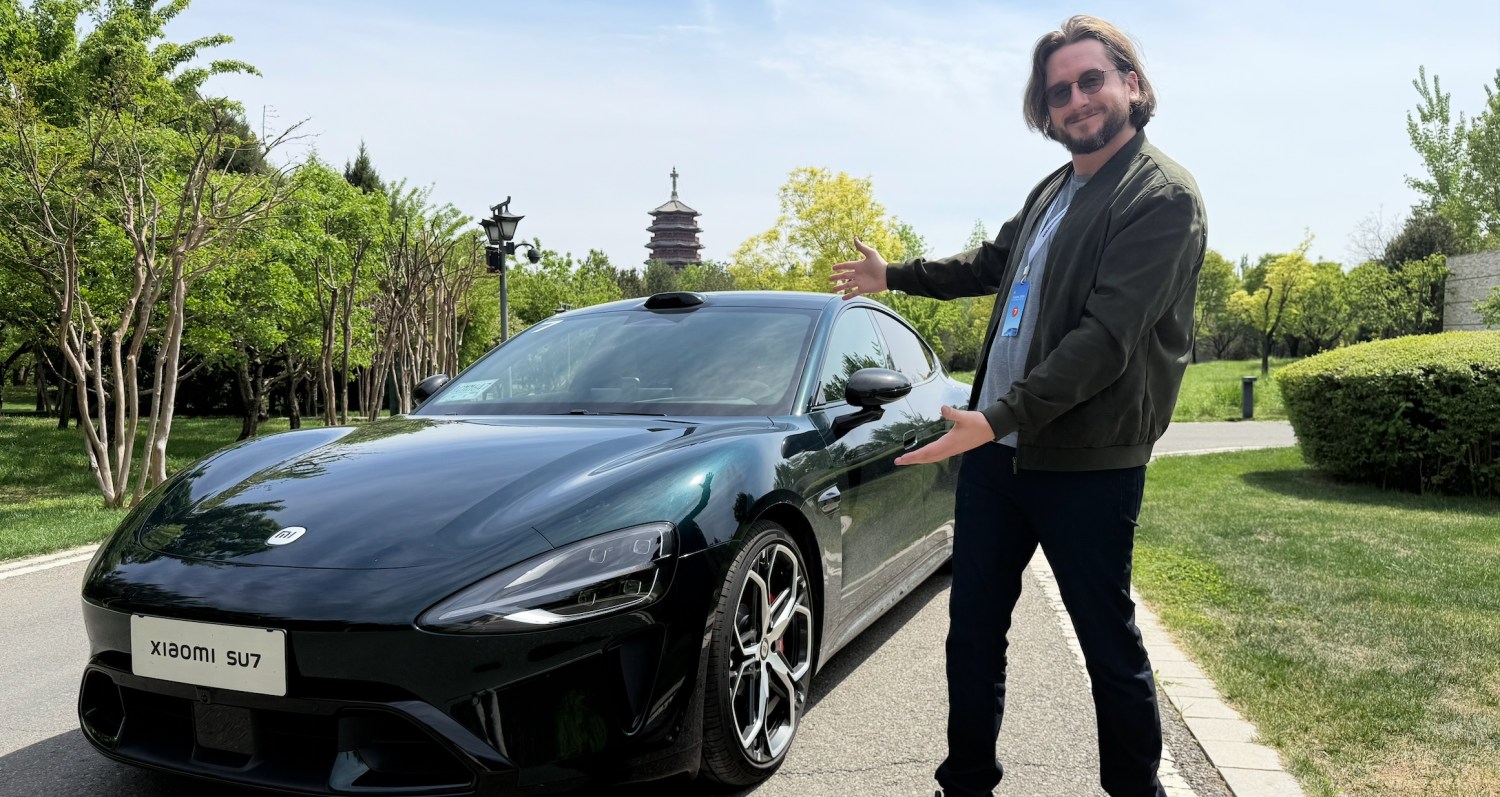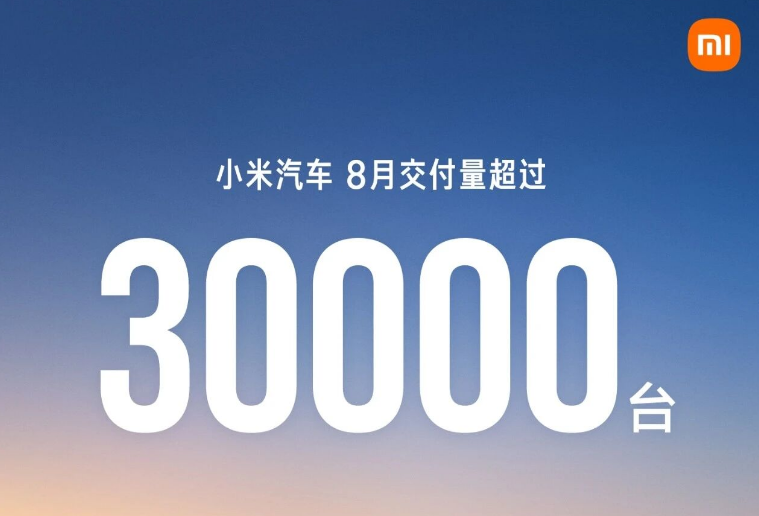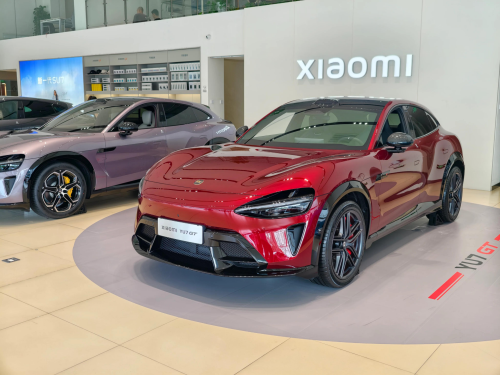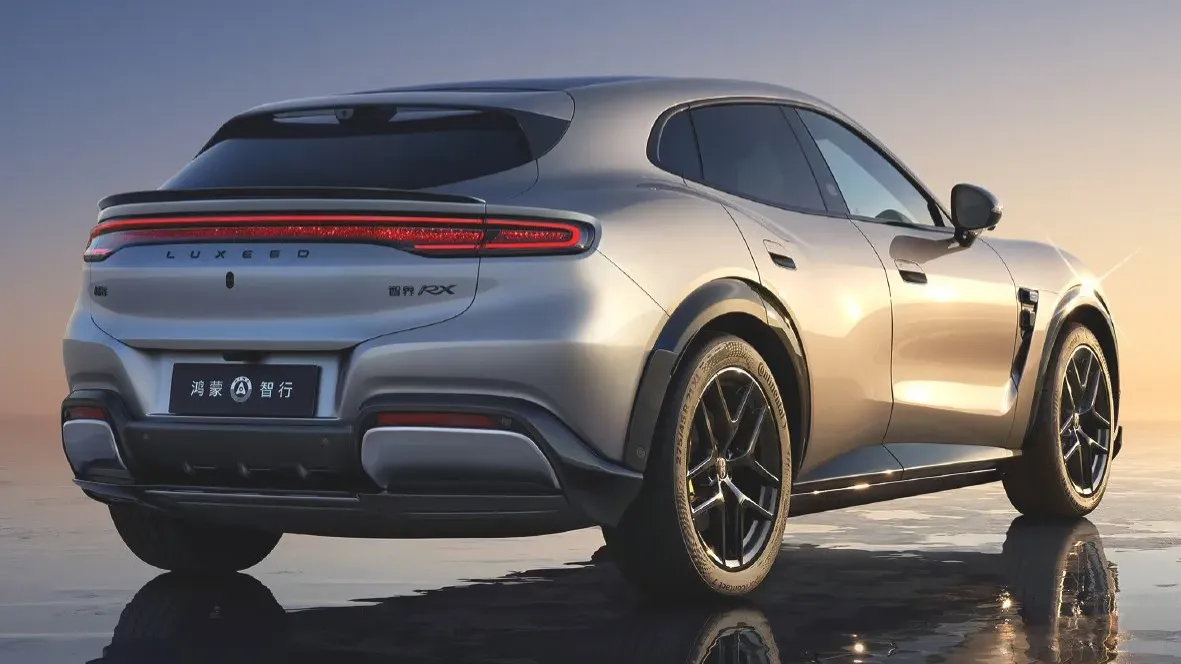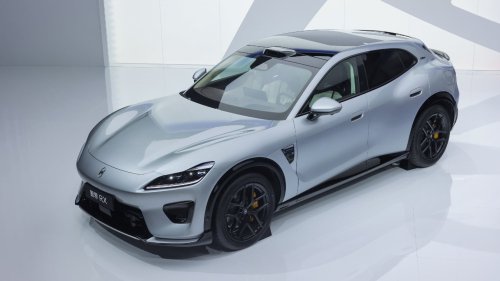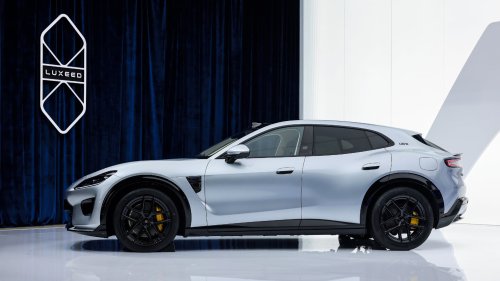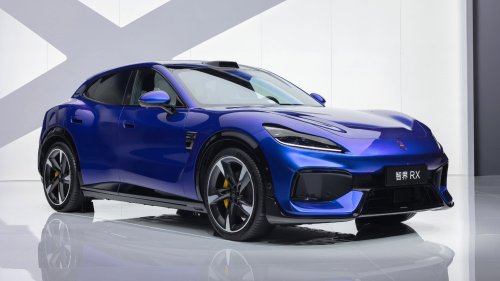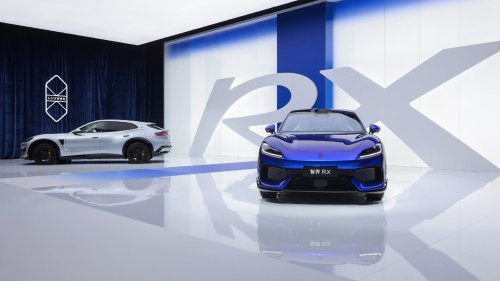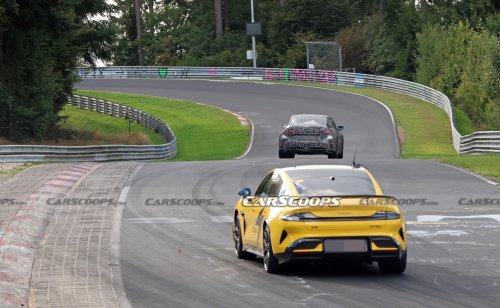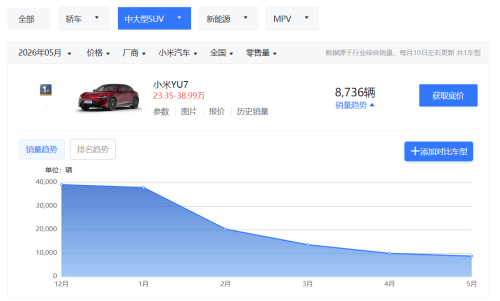
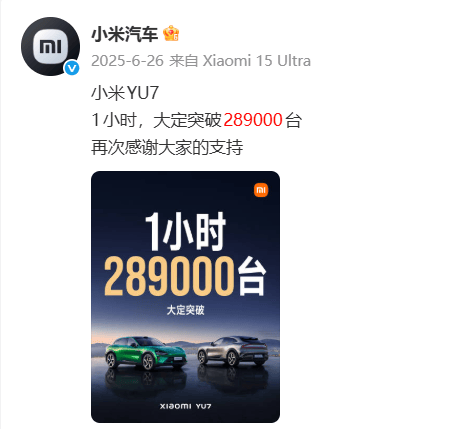
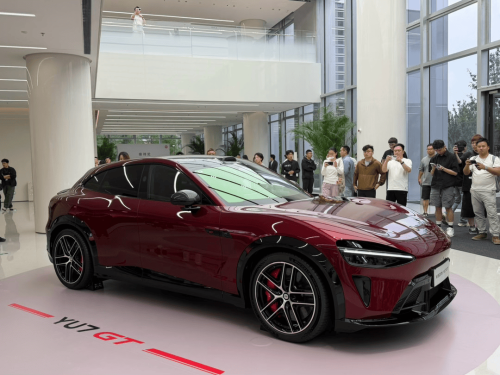
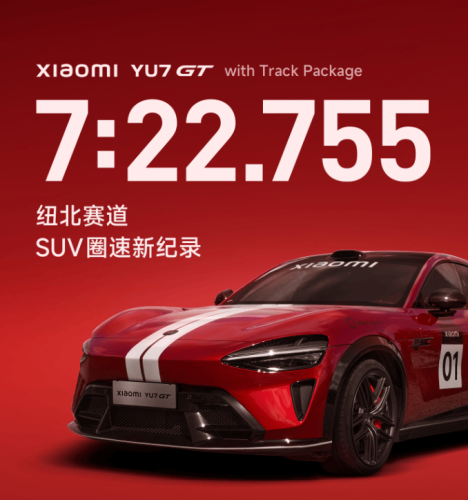



















According to the latest CPCA data, Xiaomi delivered 32,759 vehicles in May. The SU7 accounted for 24,023 units, while the YU7 contributed 8,736 units. Xiaomi YU7 Sales Data Chart from December 2025 to May 2026 More notably, the YU7 — once Xiaomi’s main growth driver — has now remained below 10,000 monthly deliveries for two consecutive months. Sales have declined on a month-on-month basis for five straight months. The trend marks a sharp contrast to the model’s explosive launch period. The YU7 entered the market in June 2025. Xiaomi said the vehicle secured more than 289,000 firm orders within one hour of launch, making it one of China’s most closely watched NEV launches in recent years. Xiaomi’s Social Media Announcement of YU7’s First-Hour Orders in June 2025 Much of the early enthusiasm stemmed from its unconventional positioning. Unlike mainstream SUVs built around practicality and cabin space, the YU7 emphasized sporty styling, performance-focused driving dynamics, intelligent features. Combined with Xiaomi’s brand influence, the model quickly gained market traction. At the time, many industry observers viewed the YU7 as the strongest challenger yet to Tesla’s Model Y in China. The market widely expected Xiaomi’s technology-focused image, youthful branding, distinctive design language to disrupt Tesla’s long-standing dominance in the country’s electric SUV segment. Initial sales appeared to support that view. The YU7 delivered 153,673 units within its first six months on the market during 2025. Momentum accelerated further in January 2026, when deliveries reached 37,869 units. The model overtook the Model Y to become China’s best-selling SUV that month. Xiaomi YU7 GT Cumulative YU7 deliveries have now reached 243,908 units. Compared with Xiaomi’s previously disclosed 289,000 firm orders, the conversion rate stands at roughly 84.4%, remaining relatively strong by industry standards. However, sales began to weaken as the initial order backlog gradually cleared. Deliveries fell to 20,196 units in February, down 46.7% from January. March volume dropped further to 13,558 units, down another 32.9%. April deliveries slipped to 9,876 units; May extended the decline to 8,736 units. Facing sustained sales pressure, Xiaomi moved quickly to refresh the lineup. On May 21, the company launched the YU7 Standard and YU7 GT. The Standard variant lowered the entry price to RMB 233,500 ($33,900), aiming to attract a broader customer base. The high-performance YU7 GT entered the market at RMB 389,900 ($56,500), targeting performance SUV buyers. Xiaomi also leveraged its Nürburgring lap-record marketing campaign to strengthen the vehicle’s performance credentials. Xiaomi YU7 GT Nürburgring Lap Time Poster The strategy aims to expand the addressable market through a lower price point while reinforcing product differentiation through a performance flagship. During the launch event, Xiaomi founder Lei Jun summarized the competition with Tesla using a widely discussed phrase: “Against Model Y, we lost eight battles, won two.” Many industry analysts viewed the comment as Xiaomi’s most direct acknowledgment yet that strong initial demand alone has not been enough to seriously challenge the Model Y’s long-standing leadership in China’s SUV market. So far, however, the newly introduced variants have yet to reverse the trend. May sales data showed little sign of a recovery. Beyond slower order growth, Xiaomi also faces mounting pressure from an increasingly crowded performance-oriented smart SUV segment. New rivals, including the Voyah Passion S and a forthcoming SUV from Luxeed, are set to enter the market. As competition expands, Xiaomi’s early-mover advantage is gradually narrowing.