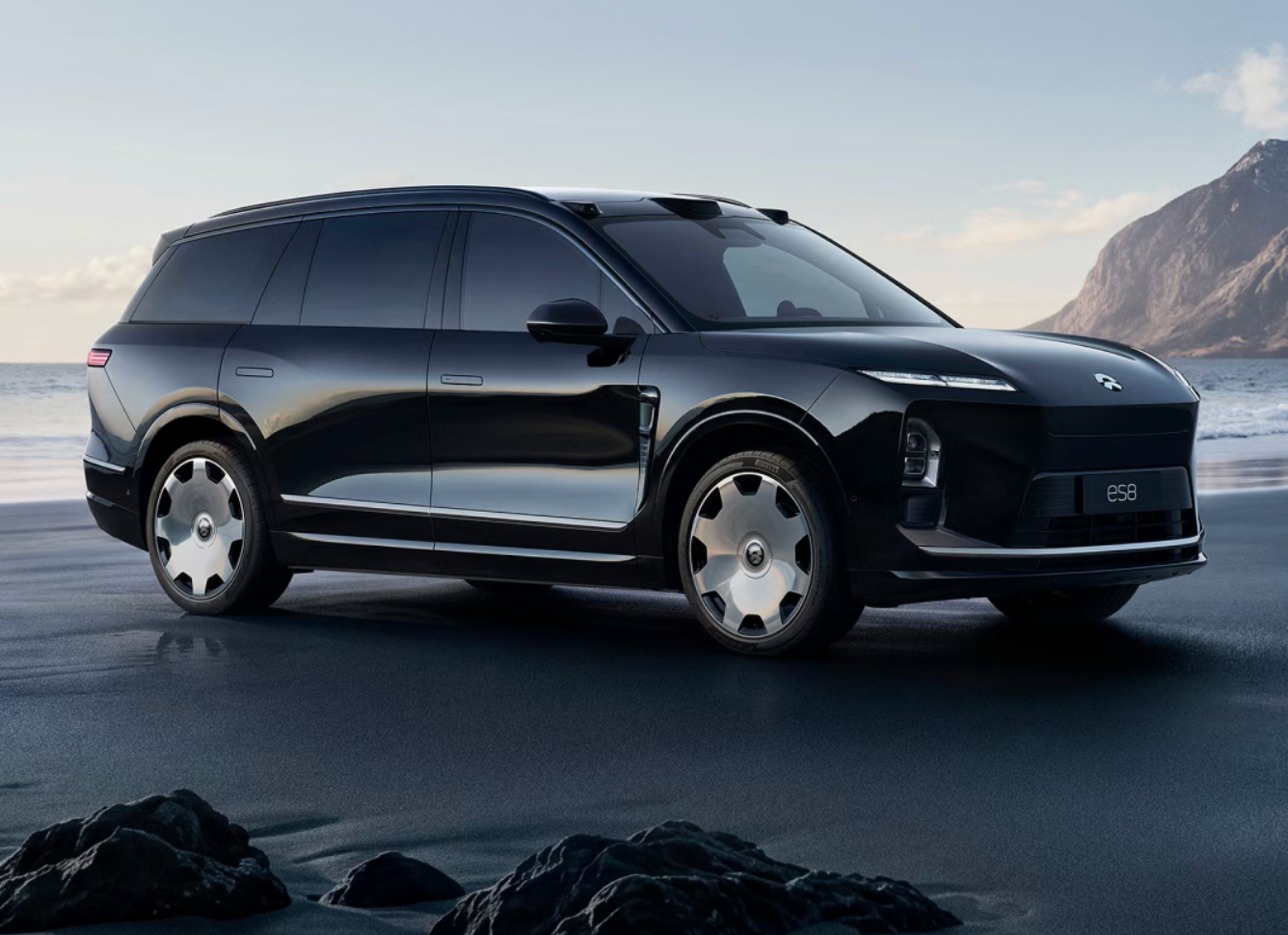
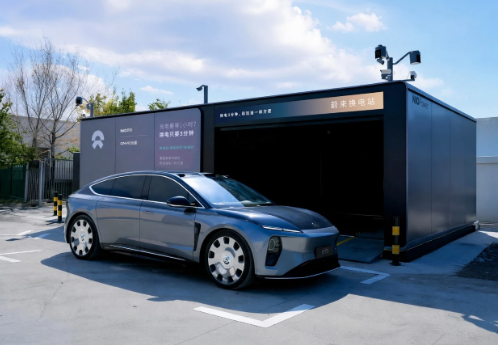
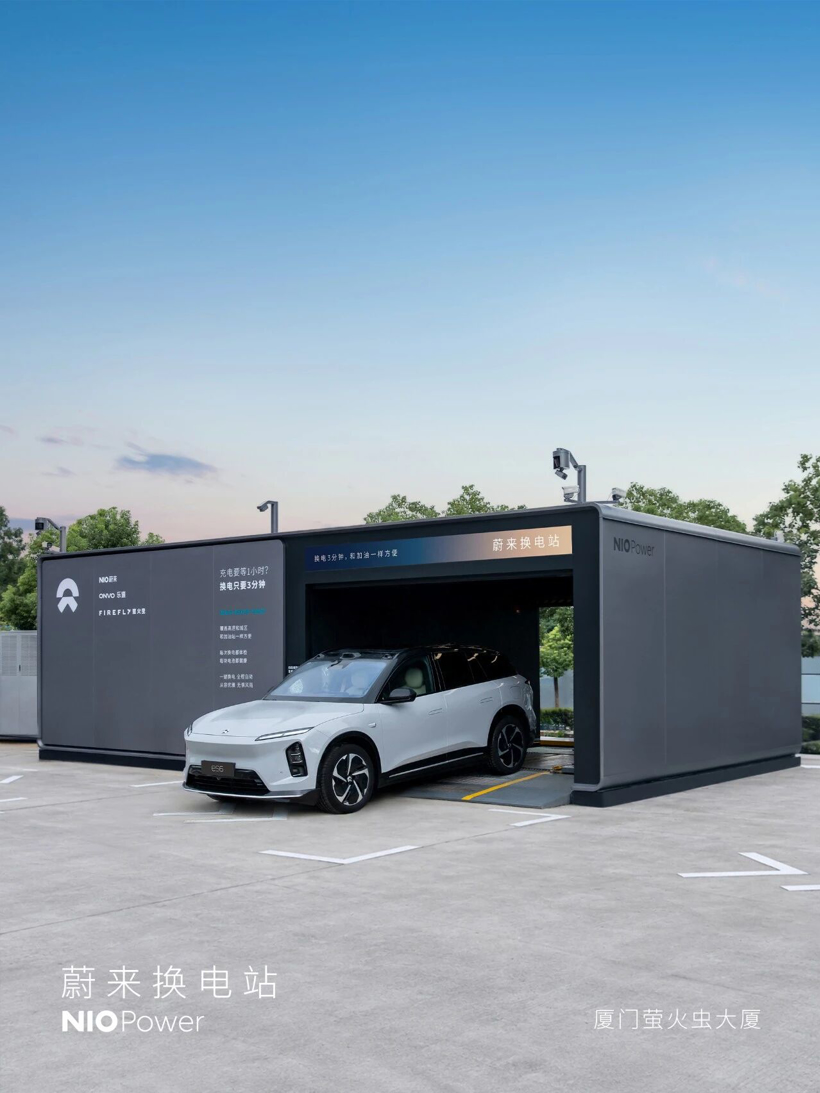
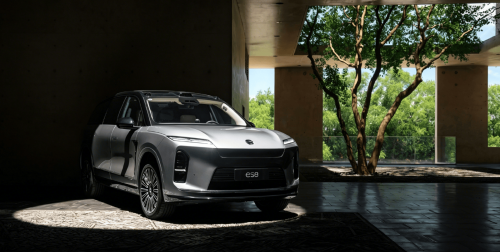
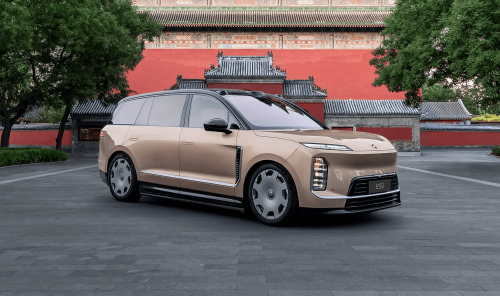
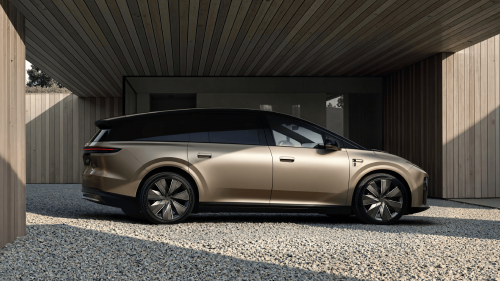
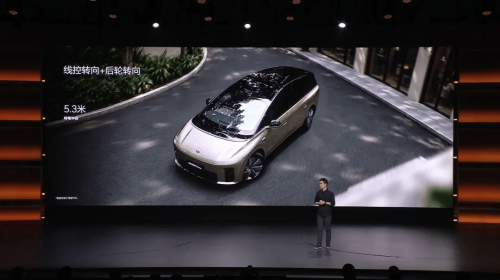
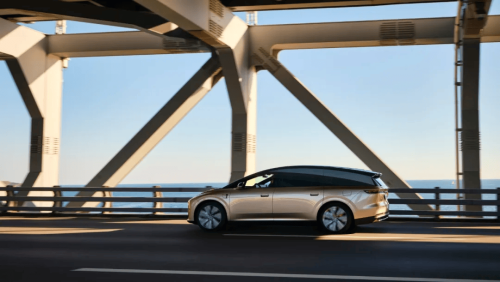
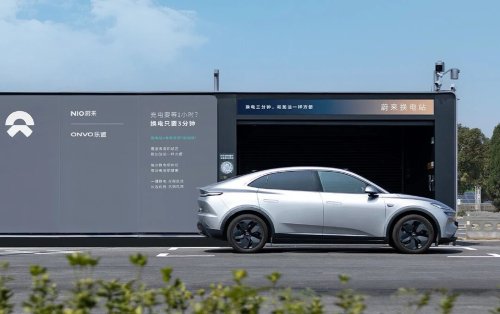
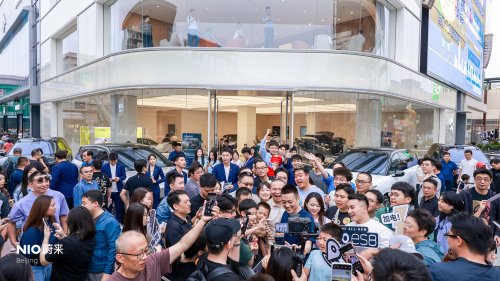
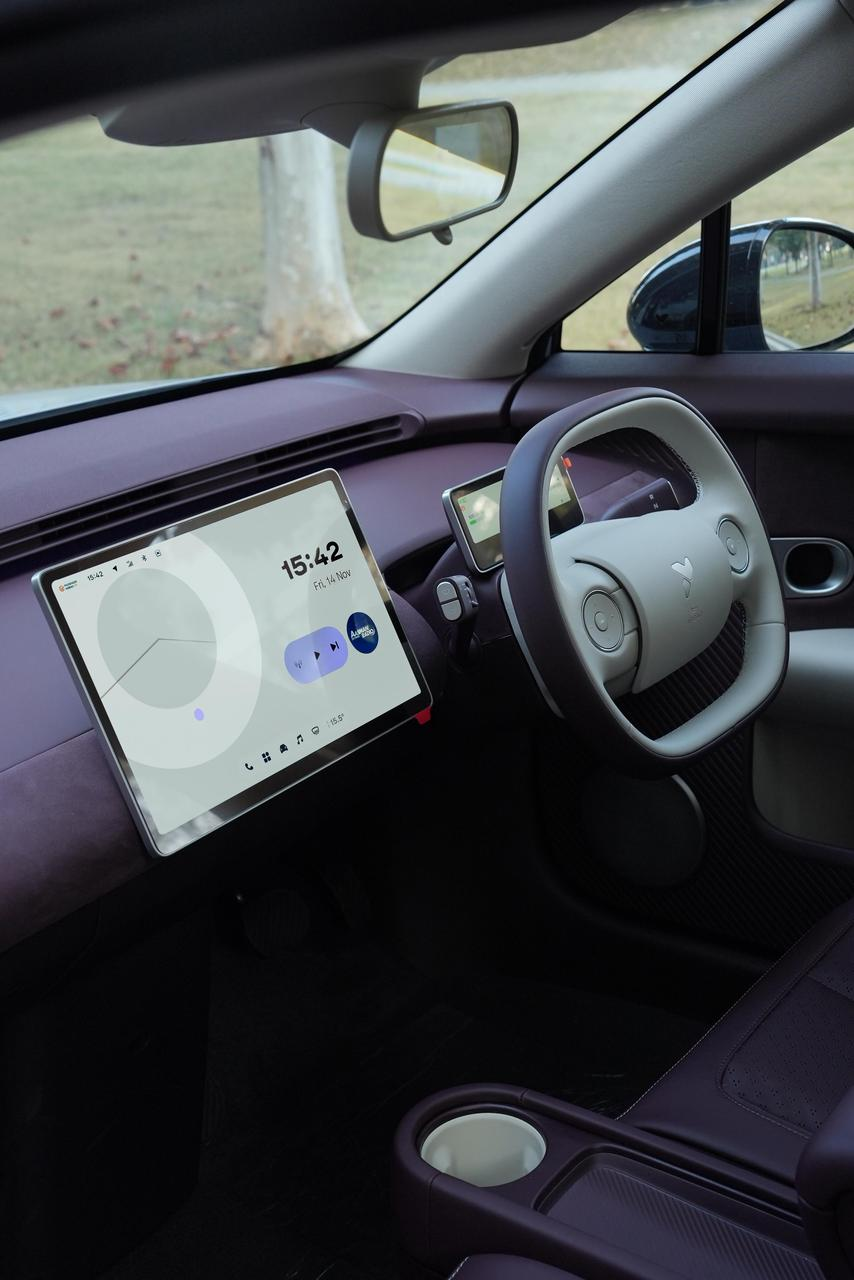
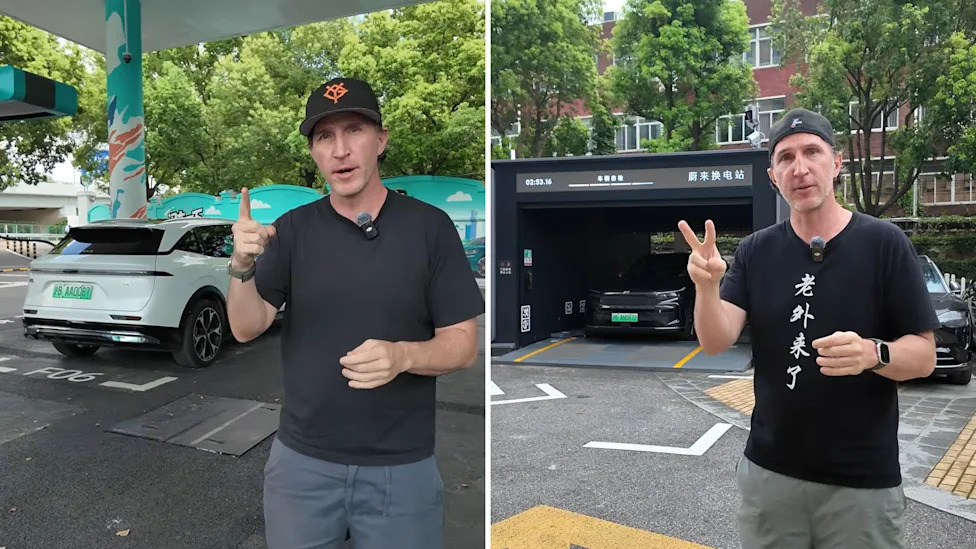
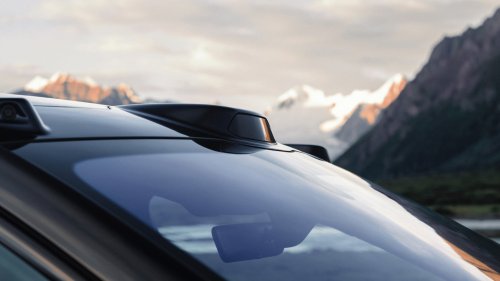
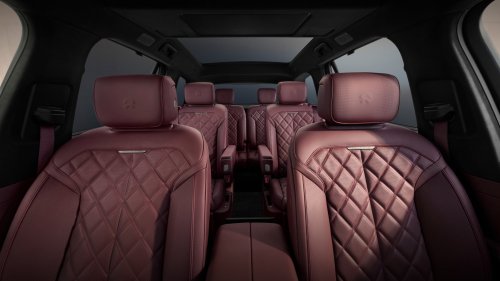
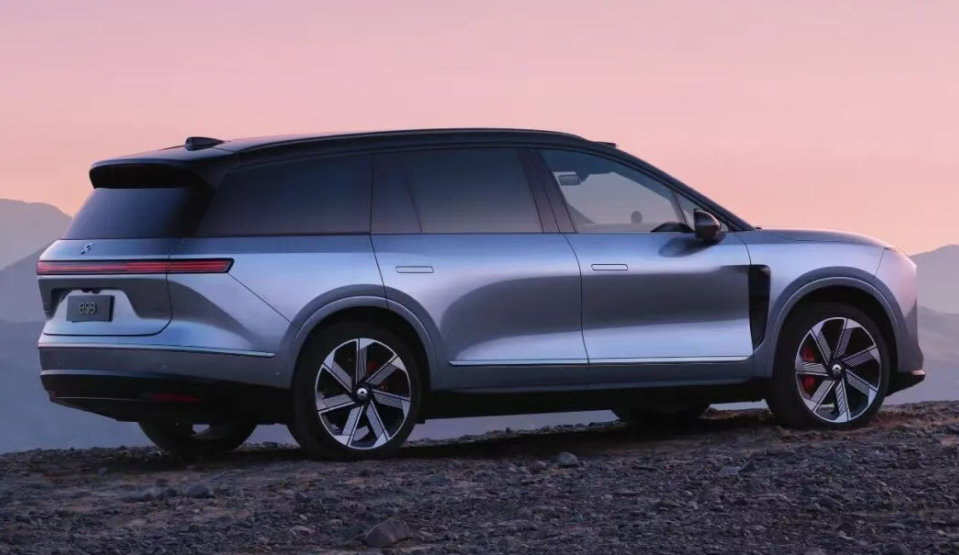
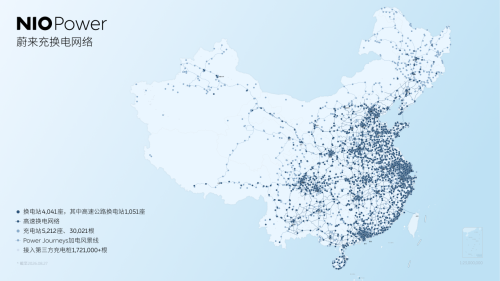
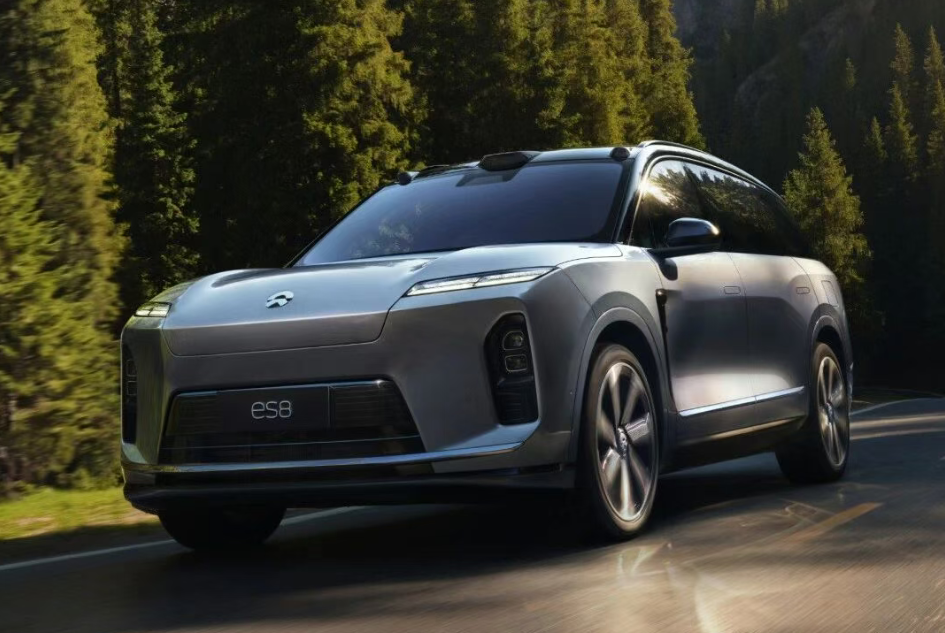
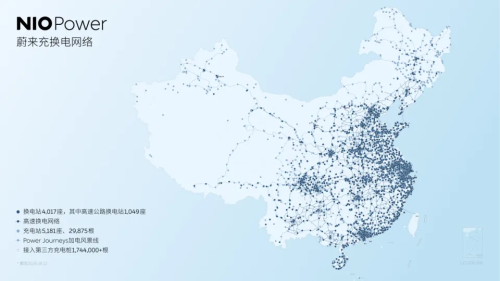
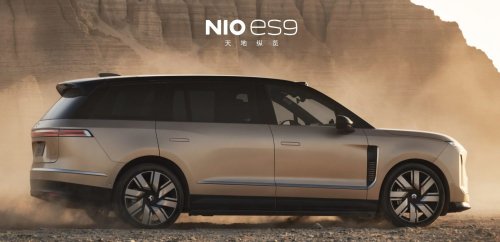
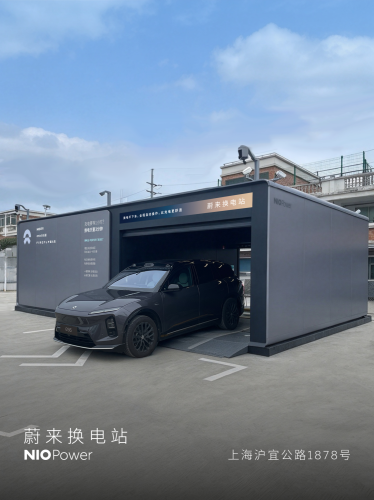
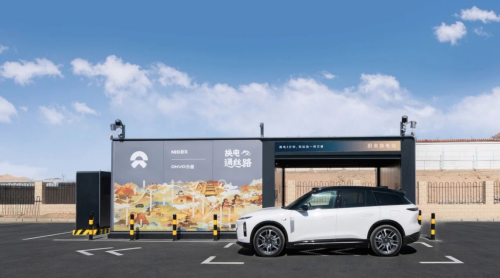
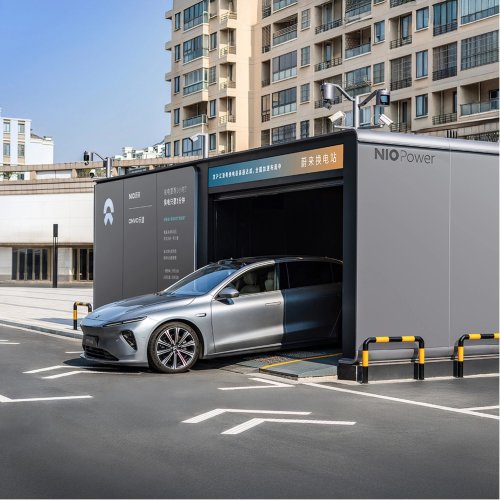
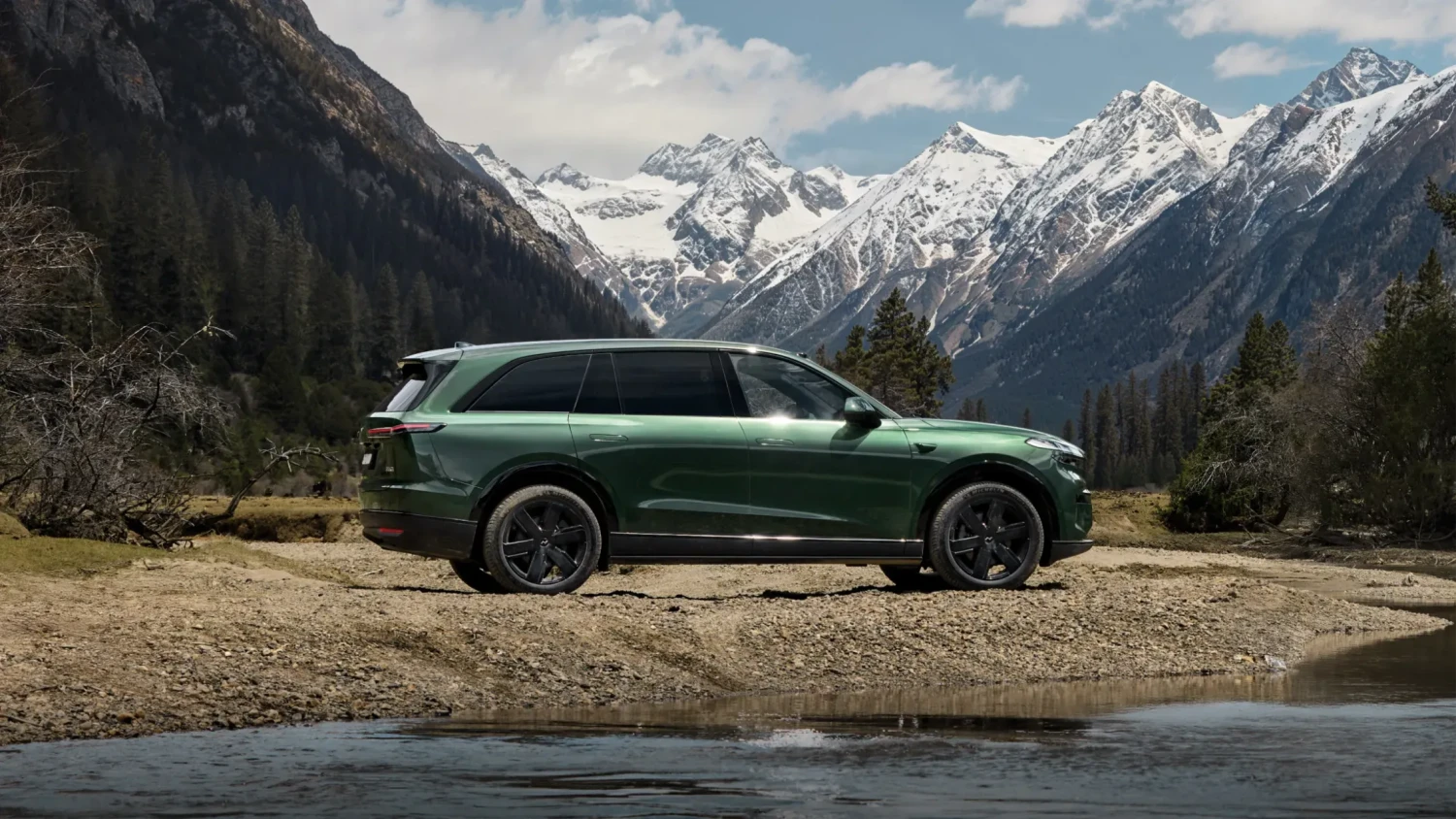
Nio (NYSE: NIO) sub-brand Onvo officially launched its third model, the L80 large five-seat electric SUV, in Shanghai on May 15, 2026 — the brand's second anniversary — with first customer deliveries beginning immediately.The launch price starts at 242,800 CNY (c. $35,700) for the Pro trim, 3,000 CNY below the pre-sale figure announced at the Beijing Auto Show on April 28, 2026. The Max+ and Ultra+ trims are priced at 259,800 CNY (c. $38,200) and 279,800 CNY (c. $41,200) respectively. For buyers who choose the BaaS battery rental arrangement, the entry barrier drops to 156,800 CNY (c. $23,100).The L80 undercuts Tesla's (NASDAQ: TSLA) Model Y by 17,700 CNY (c. $2,600) at retail price, preserving the competitive gap Onvo established with its earlier models.The clearest differentiator is storage capacity. The two-row layout frees up three cargo zones: a 240-litre powered frunk with six opening modes and an 830 mm wide aperture; a 1,200-litre rear boot that expands to 2,600 litres with the second row folded flat, reaching a 2,200 mm load depth; and 169 litres of under-floor sunken storage split across inner and outer wells. Total combined maximum storage reaches 2,840 litres — which Onvo claims is the largest of any five-seat SUV in China. The typical range in the segment runs 1,500–1,800 litres.At 5,145 mm long, 1,998 mm wide, and 1,766 mm tall with a 3,110 mm wheelbase, the L80 is built on the same NT 3.0 platform and 900-volt architecture as the six-seat L90, which Onvo launched in July 2025. Curb weight is 2,250 kg — approximately 300 kg lighter than comparable class rivals, according to Onvo.Onvo L80 profile (Onvo)Two powertrain options are available. The rear-wheel-drive variant produces 340 kW, covers 0–100 km/h (0–62 mph) in 5.9 seconds, and returns 605 km (376 miles) on the CLTC cycle. The all-wheel-drive version adds a 100 kW front motor for a combined 440 kW, cuts the sprint to 4.7 seconds, and returns 570 km (354 miles). Both are powered by an 85 kWh NCM battery pack and support 600 kW fast charging, which replenishes approximately 250 km (155 miles) of range in five minutes.Smart driving hardware follows the dual-track strategy Onvo introduced on the updated L90. The entry Pro trim uses a pure-vision system built around an Nvidia Orin-X chip. The Max+ and Ultra+ trims deploy Nio's in-house Shenji NX9031 — described as the world's first 5 nm automotive-grade AI chip — paired with a LiDAR unit, 30 sensors, and Nio's second-generation World Model autonomous driving software. The L80 supports Nio's battery swap network. Onvo targets more than 3,300 swap stations available to its users by the end of 2026.The storage-centric design echoes what the L90 established when it debuted with an oversized frunk at the Shanghai Auto Show in 2025, and the pattern is extending across Nio Group's broader pipeline.Onvo is scheduled to open pre-sales for a refreshed, LiDAR-equipped Gen-3 L60 at the end of May, with an official launch in June. At the launch event, Nio co-founder and president Qin Lihong also referenced an upcoming five-seat NIO-branded ES8 variant — priced more than 100,000 CNY above the L80 — when dismissing concerns about cannibalization between the two sub-brands. Nio brand, with the all-new ES8 and ES9, has already set forth its premium take on the same large-frunk, maximum-cargo formula the L80 and L90 have been refining at the volume end of the market.Onvo delivered 107,808 vehicles across all of 2025. In the first four months of 2026, deliveries totalled 18,691 units, down 2.55% year-on-year. Nio CEO William Li attributed the brand's main challenge to low consumer awareness rather than product competitiveness, citing a high conversion rate once buyers encounter the brand.Whether the L80's combination of large-SUV dimensions, class-record storage, and a sub-Model Y starting price can reverse that trend — and confirm that Nio Group has found its cross-brand formula for the next generation of Chinese family SUVs — will begin to show in May delivery figures.Conversion rate: 1 USD = 6.80 CNY as of May 15, 2026


















 +18 others