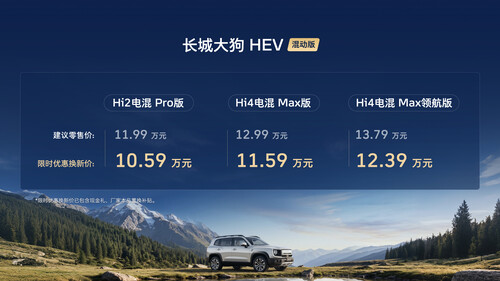
Oliver Pelletier · 5 months ago@oliverpelletier83NIO Capital Leads Yanhe Tech Series A2 Round in Solar Push Liked by+67 othersGreat WallPost commentRelated PostsHere are all key stories to watch at 2026 Beijing Auto Show, as year’s biggest EV event opens Friday 78 · Ethan Lee · 6 months agoChinese NEV sales rankings in September 2026: BYD, Leapmotor, Changan NevoKaitlyn Martin · 24 days agoNIO Responds to ES9 Retaining Hidden Door Handles 50 · William Anderson · 6 months agoNIO (NIO) Q3 deliveries rise 25%, but September growth slows to 7.7% 18 · Abigail Lee · 24 days agoChina Automakers Take Spotlight at CES 2026 as GWM, Geely, Leapmotor, NIO and Suppliers Expand Presence 49 · Oliver Leblanc · 6 months agoUnified Agent: The Next Stop for Automotive AI 69 · Matthew Poirier · 25 days agoAutomakers' 2025 Financial Reports: 80% Profitable, but Growth Slows for Most 45 · Annabelle Girard · 6 months agoNIO Power launched 28 stations in a single day, with nationwide charging and swapping stations reaching 9,492. 15 · Chloé Fortin · 25 days agoChina EV Makers Set 2026 Sales Targets as Leapmotor, HIMA Expand and NIO, Xiaomi Hold 27 · Amelia Macdonald · 6 months agoNIO Opens 4,125th Battery Swap Station, Completing Silk Road Swap Route 91 · Morgan Rogers · 26 days agoGWM Pickup Sells 15,020 Units Globally in September, Leads China for 28 Straight YearsEmma Campbell · 13 days agoNIO's Qin Lihong: Battery Swapping Can Boost Ride-Hailing Revenue by 15%-20% 81 · Samuel Brown · 26 days agoCercis Semiconductor Auto-Grade Chip Shipments Top 10 Million, RISC-V Clears Another HurdleCamille Smith · 16 days agoGeely Invests in NIO Energy, Expanding Cooperation in Charging and Battery Swapping 23 · Adam Lee · 26 days agoMy Trip To Brazil To See The Rapid Rise Of Chinese Cars, Part 2: Dealer VisitsAmelia Martin · 21 days agoGeely Gets 30% of NIO Power 11 · Ethan Mitchell · 26 days agoMy Trip To Brazil To See The Rapid Rise Of Chinese Cars, Part 1 47 · Matthew Campbell · 25 days agoGeely and NIO Form Strategic Partnership in Charging and Battery Swapping 93 · Audrey Fortin · 26 days agoGWM Haval Dargo HEV Launched: Limited-Time Price from 105,900 Yuan, Completing Hybrid Lineup 69 · Mia Hall · 25 days agoEV battery swap stations could be coming to a street near you soon, as Geely and Nio sign a deal to 'accelerate' the technology 19 · Mia Lee · 27 days ago




 +67 others