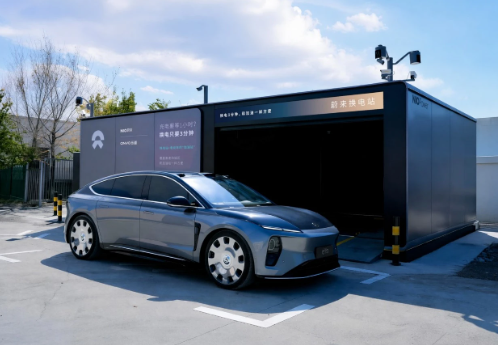
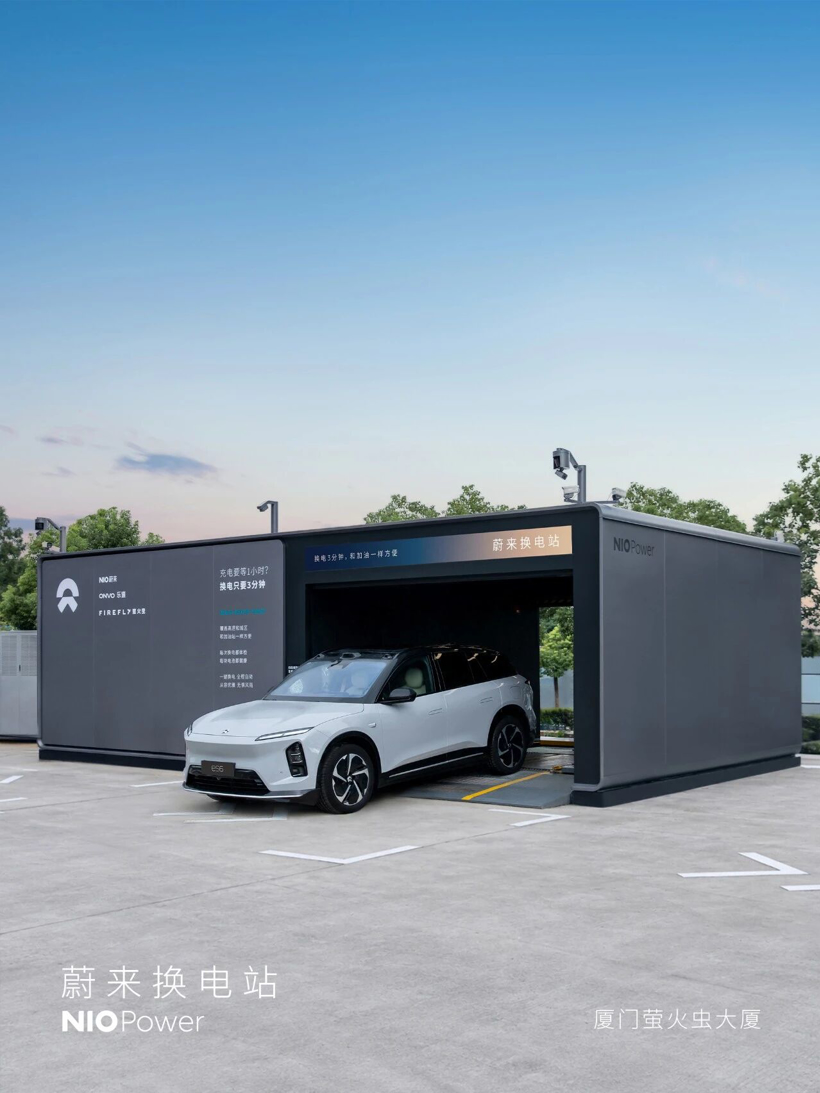
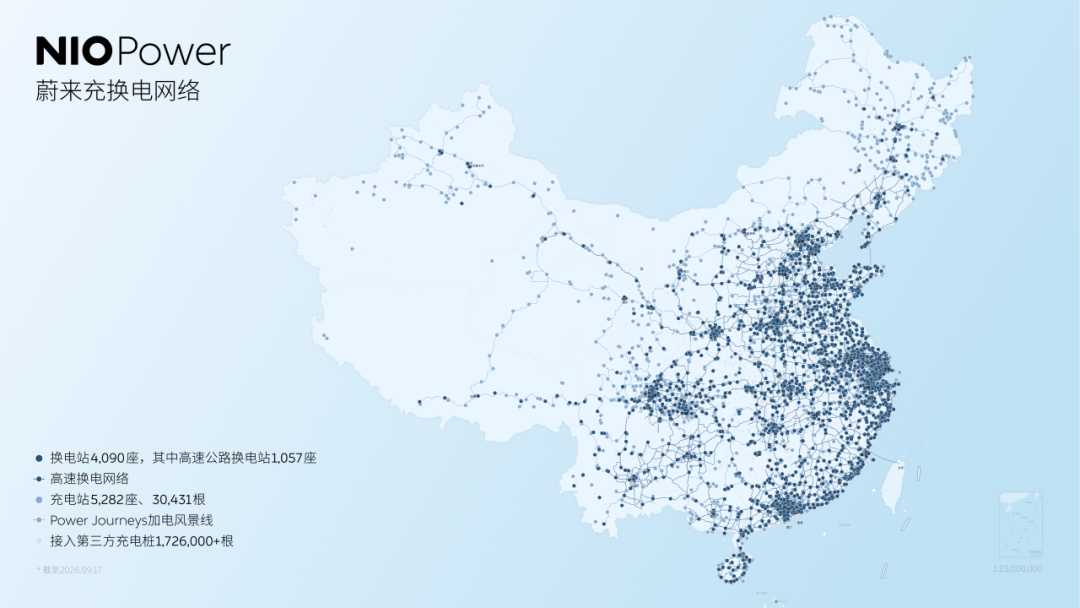
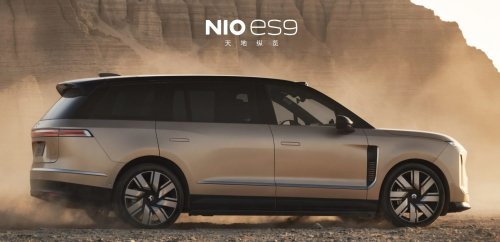
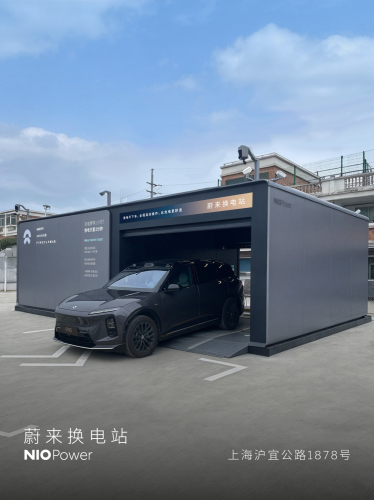
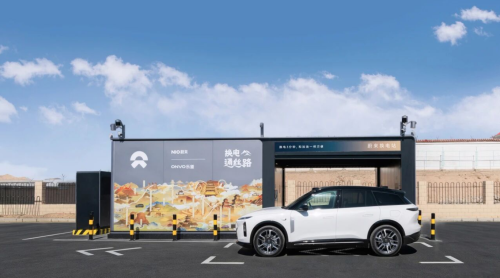
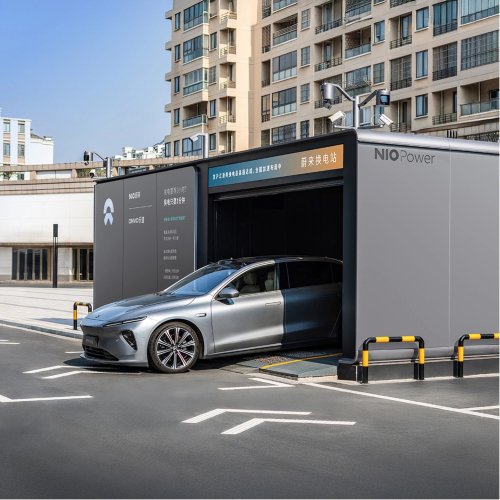
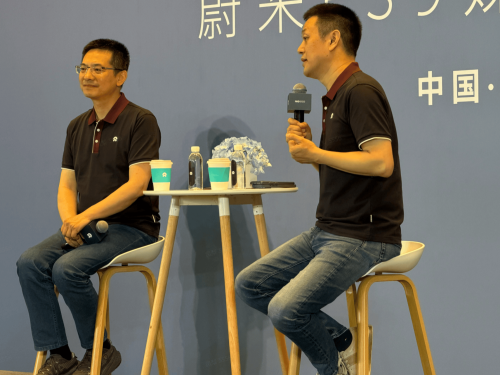
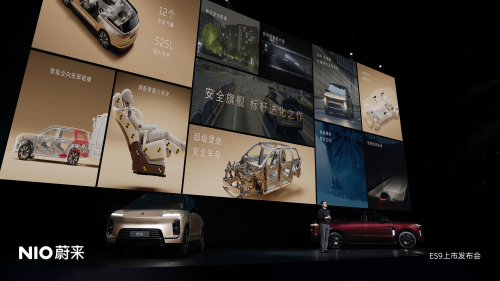
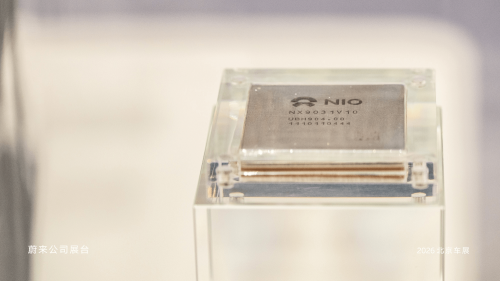
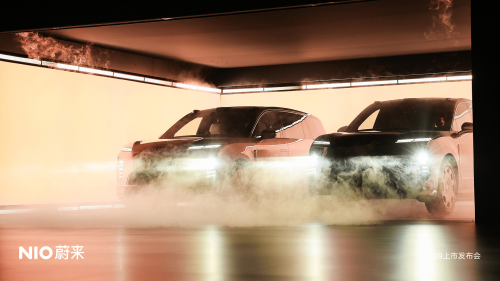
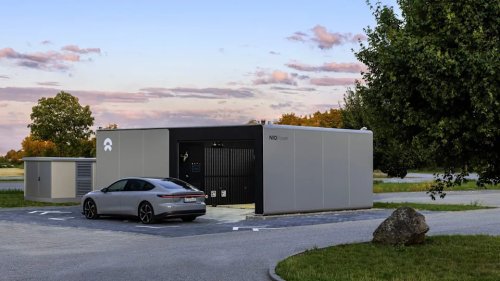
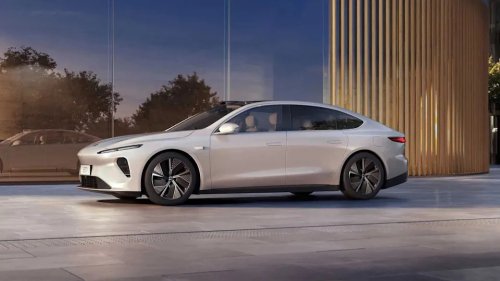
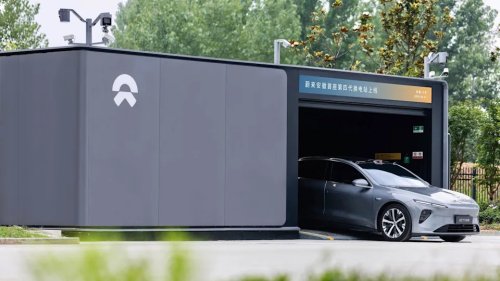
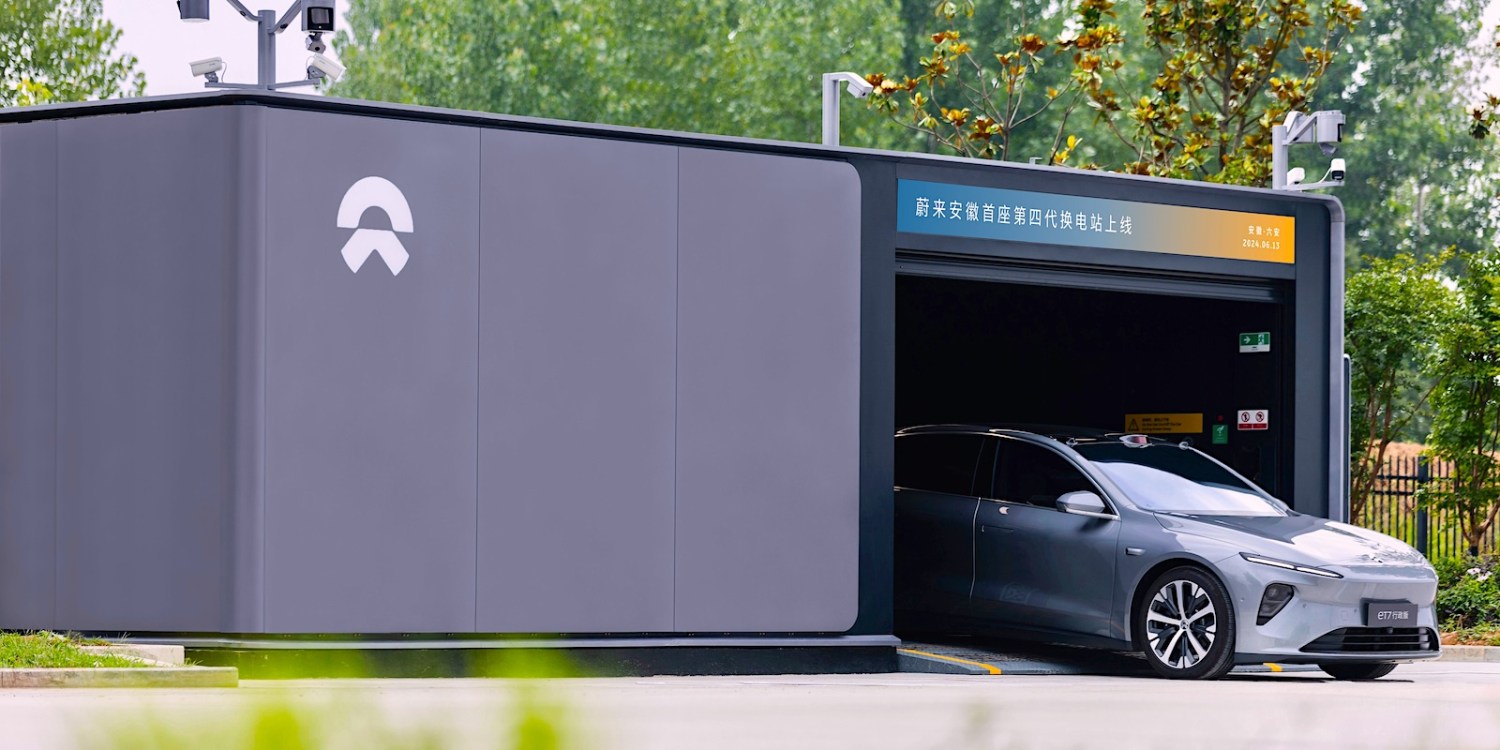
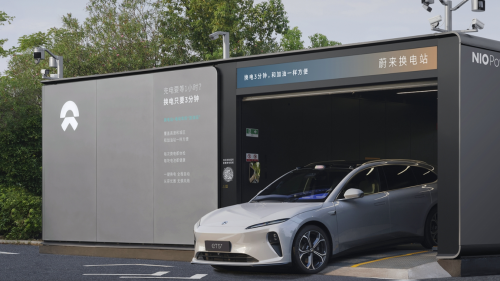
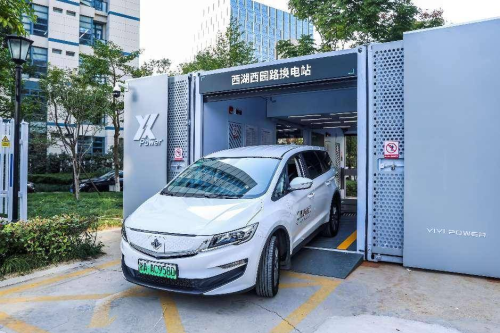
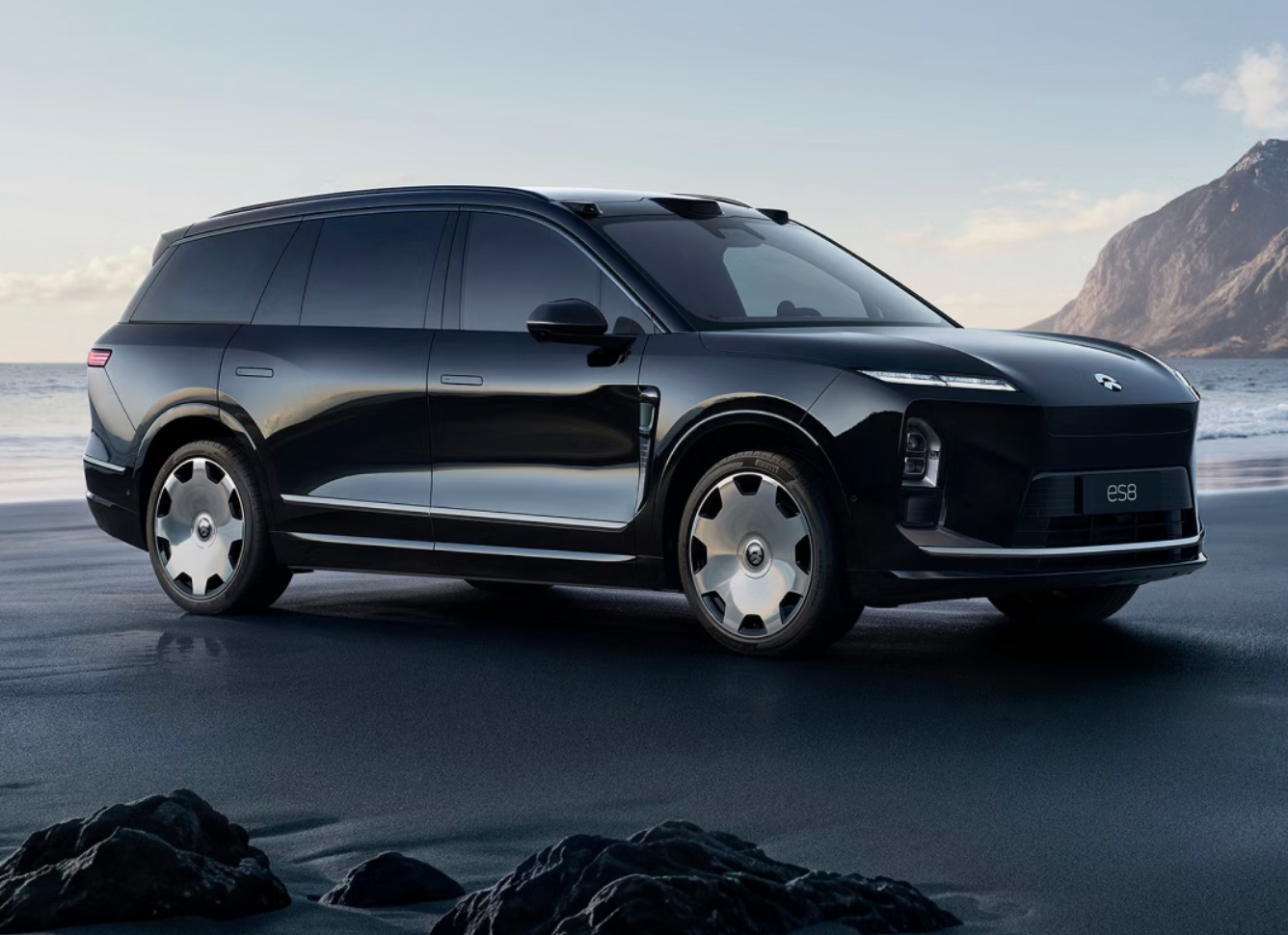
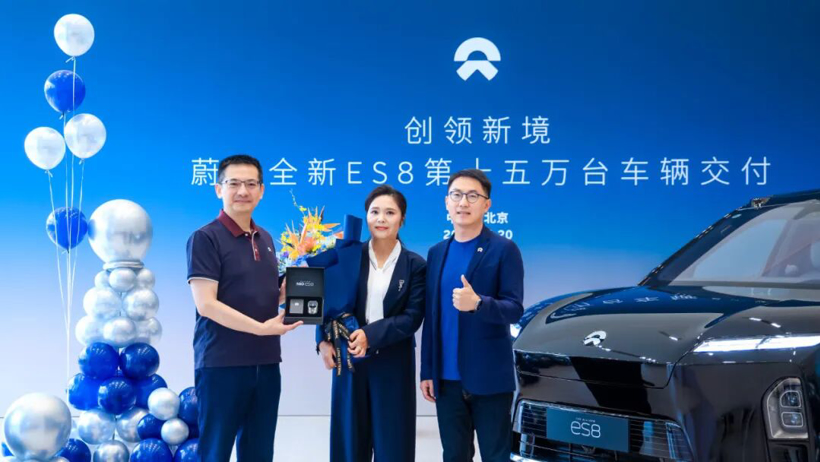
NIO ES9 officially launched last night, with final prices cut by 30k RMB(~$ 4424) from pre-sale levels. Boosted by the positive pricing news, NIO’s U.S.-listed shares closed up 9.32%, while its Hong Kong-traded shares opened over 10% higher and were last seen trading up 6.57%. This morning, NIO organized a small-scale media group interview in Beijing. NIO CEO William Li and NIO President Qin Lihong responded to questions on product planning, pricing strategy, and other topics of interest. Below, ChinaEV Home has compiled a summary of key highlights based on the interview. Media group interview session 1. Premium Positioning and Product Strategy When talking about building a premium brand, NIO CEO William Li believes that when a product’s price reaches a certain level, what users care about is no longer just specifications and parameters, but “emotional experience and spiritual resonance.” He revealed that the order ratio for the ES9 Signature Edition and Horizon Special Edition “far exceeded our own expectations.” Li admitted that from a business reality perspective, “higher gross margins from larger vehicles” is an industry consensus, and making cars bigger is a reasonable choice. NIO is following this trend, with models like the ONVO L90 and L80 being considered “large cars” in their respective segments. However, he stressed that NIO is “relatively restrained” in making large cars, with the core standard being: “For the same size, are you the lightest?” Li revealed that NIO sets strict weight targets at the product approval stage, and the product definition team not only calculates ROI on cost but also on weight. He gave an example with battery selection: a 102 kWh LFP battery and a 102 kWh NCM battery have a significant price difference, but the NCM battery is 100 kg lighter. ES9 launch event Regarding whether the 48V active suspension will be extended to other models, Li said it will mainly depend on cost. NIO is working with partners across the supply chain to continuously reduce costs. On new model planning, NIO President Qin Lihong said that they are moving forward with a new touring product. 2. Intelligent Driving Li revealed that last year, NIO’s main effort was validating the technical framework of “world model + closed-loop reinforcement learning,” with training compute investment only one-tenth that of peers. With the first version showing potential this year, NIO has increased its training compute investment fivefold compared to last year. Li emphasized that under the world model framework, the investment in data volume and training compute is directly linked to results. At the engineering level, the intelligent driving versions across NIO’s several product lines (Cedar, Banyan, Coconut) have largely achieved simultaneous releases, with improved data reusability and underlying engineering platform capabilities. NX9031 Chip 3. Battery Swap Stations On the layout of battery swap stations, Li said that NIO will prioritize deployment based on vehicle ownership, following a “nationwide, unified chessboard” approach. Currently, swap stations in Jiangsu, Zhejiang, and Shanghai account for about one-third of the national total, while user ownership in that region accounts for nearly half of the national total – this serves as both a benchmark for user experience and a reflection of the company’s financial efficiency. However, NIO has not abandoned remote areas. Li cited Zhangye in Gansu Province as an example: when there were only 13 users in the area, NIO decided to build a station, on the condition that the user base would grow to 100 within a year. Regarding the deployment of fifth-generation battery swap stations, they are scheduled to begin rollout in Q3 of this year, with the current capability of building about 150 stations per month. Moreover, the cost per fifth-generation station is lower than that of the fourth-generation station. NIO ES9 4. Overseas Expansion Strategy On going global, Li admitted that automakers such as Chery, BYD, and Geely have performed outstandingly in the past two years, largely thanks to their plug-in hybrid and gasoline vehicles, which adapt better to different geographic environments and rely less on infrastructure. NIO actually started going global in 2021, and over the past five years has gained a lot of experience and learned many lessons. Going all-electric overseas has proven far more difficult than anticipated, with too many external, uncontrollable factors. First, there’s infrastructure — the return on investment for overseas charging and battery swap networks is much lower than in China. Second, we initially underestimated the importance of local sales networks. These pain points made us realize that overseas expansion must be planned for the long haul. Starting last year, we adjusted our strategy, prioritizing the consolidation of our home market and turning our domestic business into a sustainable system capable of generating its own cash flow. Li emphasized that NIO will not give up on the global market, but will plan its expansion over a longer timeframe and adapt product strategies according to the needs of different global regions. 5. Cost Pressure In response to recent price hikes for intelligent driving solutions by some automakers, Li said that NIO has chosen to absorb the cost pressure internally. He revealed that due to price increases in memory and other storage chips, the cost related to intelligent driving per vehicle has “risen by over 10k RMB(~$ 1474) this year,” which remains within a tolerable range. “Once it involves commodities, memory, or storage chips, you’re not just competing with the automotive industry – you’re competing with all the faster-growing, wealthier projects out there,” Li pointed out, adding that this competition for resources is unlikely to ease in the short term.



















 +68 others










![BMW, BMW i3, Touring, BMW i3 Touring captured on video for the first time [Video]](https://cdn.topcarnews.net/thumb/id/aHR0cHM6Ly9pMC53cC5jb20vZWxlY3Ry-ZWsuY28vd3AtY29udGVudC91cGxvYWRz-L3NpdGVzLzMvMjAyNi8wNy9CTVctaTMt-dG91cmluZy1zcG90dGVkLmpwZWc_dz0x-NTAwJmFtcDtxdWFsaXR5PTgyJmFtcDtz-dHJpcD1hbGwmYW1wO3NzbD0x/87d1e813cfb7391f42f35c0bb8e007c3.jpeg?t=20261004&post_id=57091)
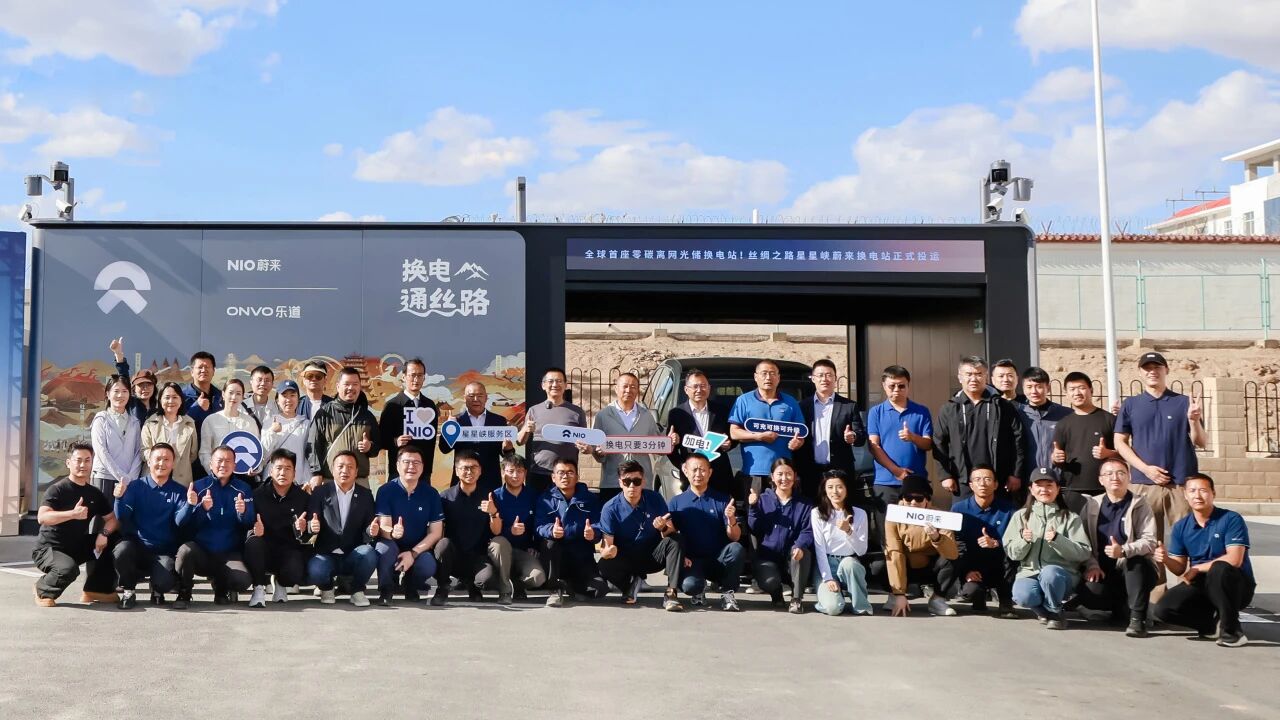
![BMW, BMW i3, Touring, BMW i3 Touring captured on video for the first time [Video]](https://cdn.topcarnews.net/thumb/id/aHR0cHM6Ly9lbGVjdHJlay5jby93cC1j-b250ZW50L3VwbG9hZHMvc2l0ZXMvMy8y-MDI2LzA2L0JNVy1pMy1FVi1GaXJzdC1F-ZGl0aW9uLWludGVyaW9yLmpwZWc/f3fbafb75d427fa84632579ae56d60b7.jpeg?t=20261004&post_id=57091)
![BMW, BMW i3, Touring, BMW i3 Touring captured on video for the first time [Video]](https://cdn.topcarnews.net/thumb/id/aHR0cHM6Ly9lbGVjdHJlay5jby93cC1j-b250ZW50L3VwbG9hZHMvc2l0ZXMvMy8y-MDI2LzA2L0JNVy1pMy1FVi1vcmRlcnMt-b3Blbi5qcGVn/ee056511b8cc2b0f5022977f9adf29a0.jpeg?t=20261004&post_id=57091)