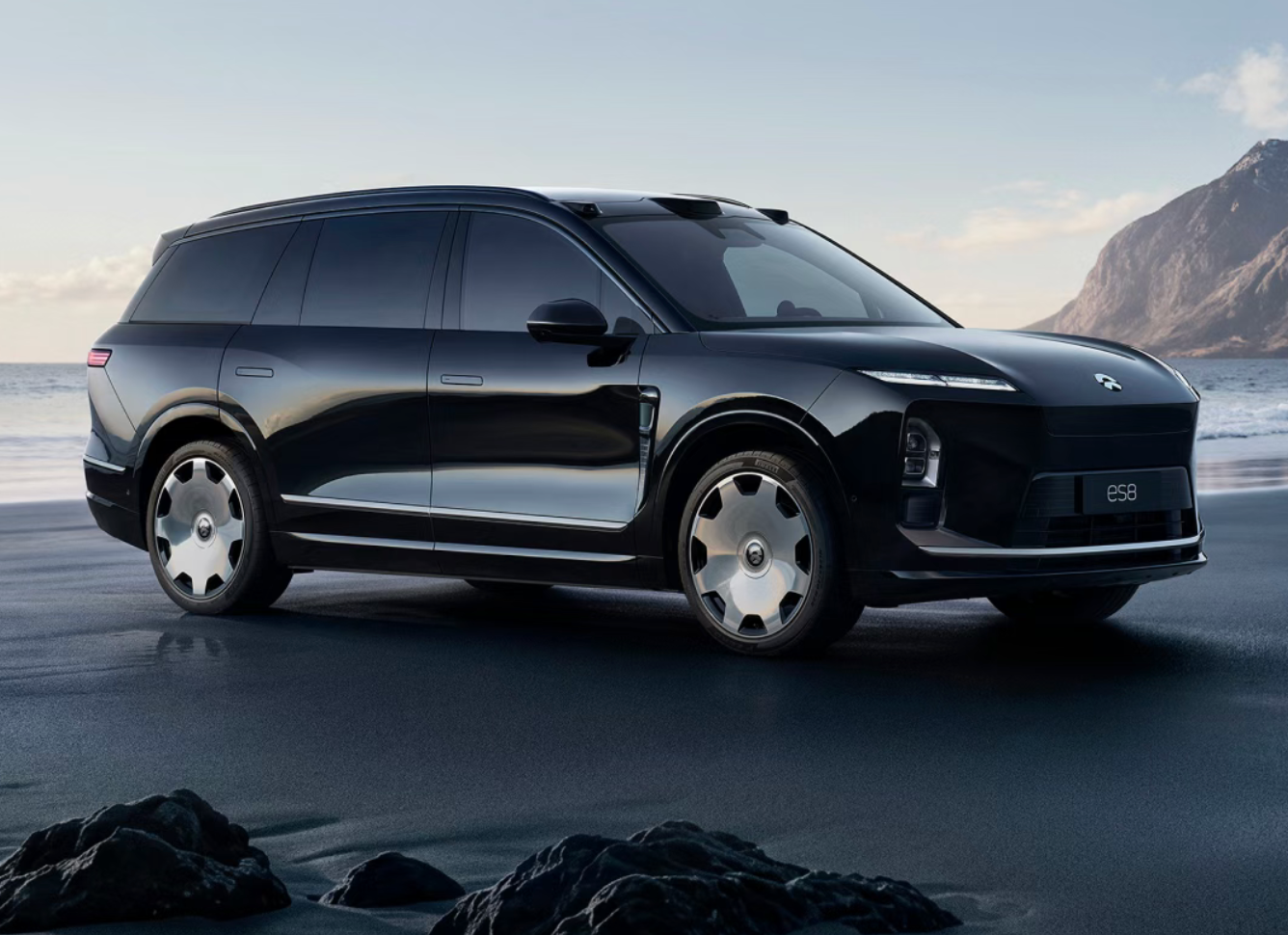
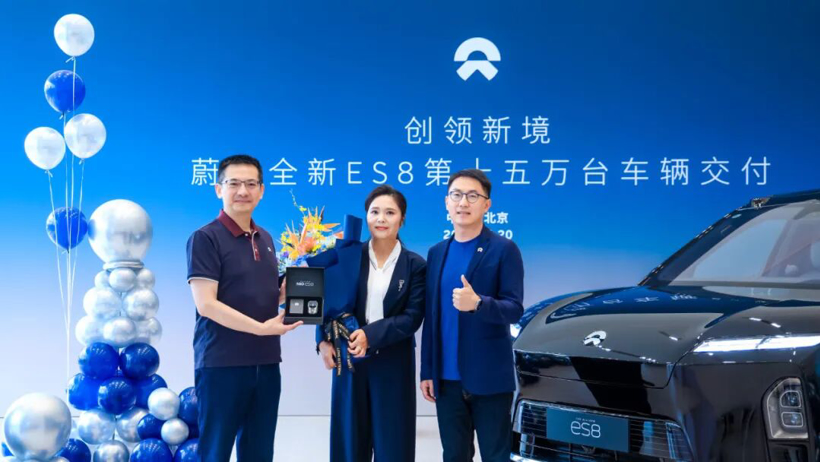
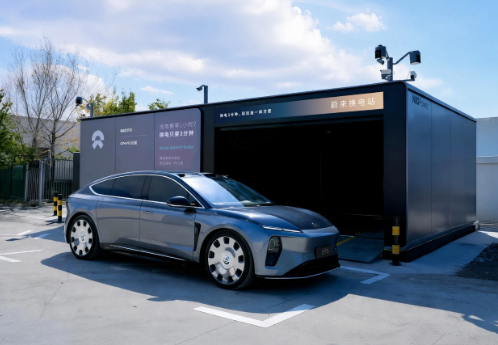
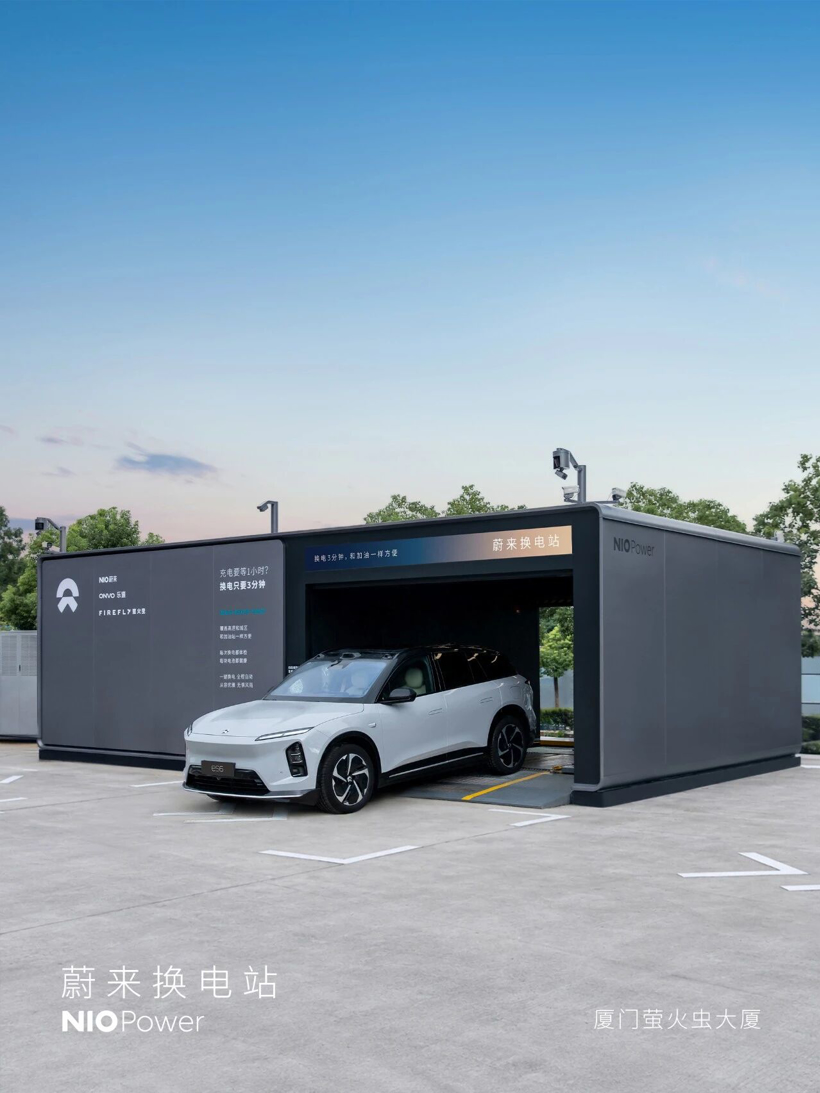
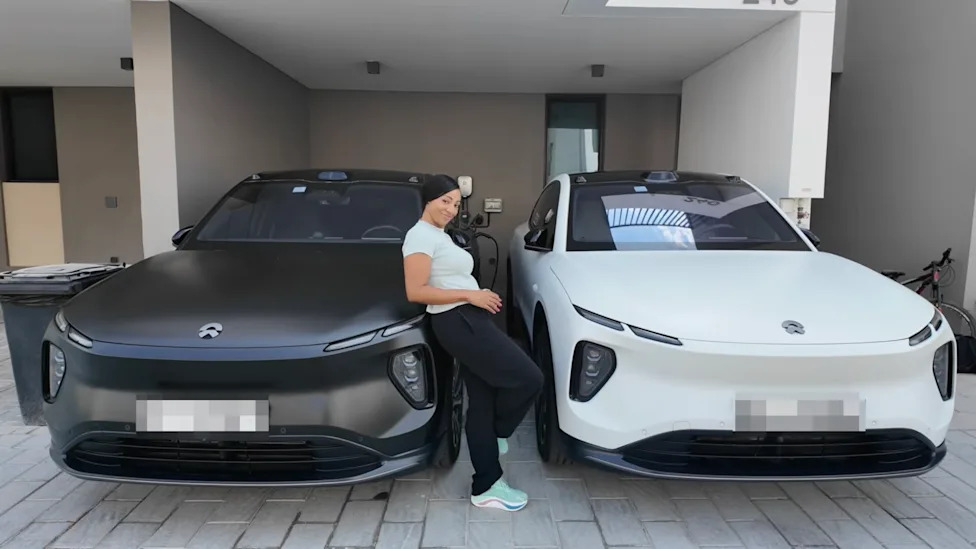
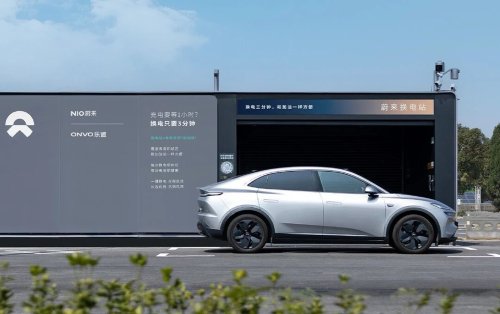
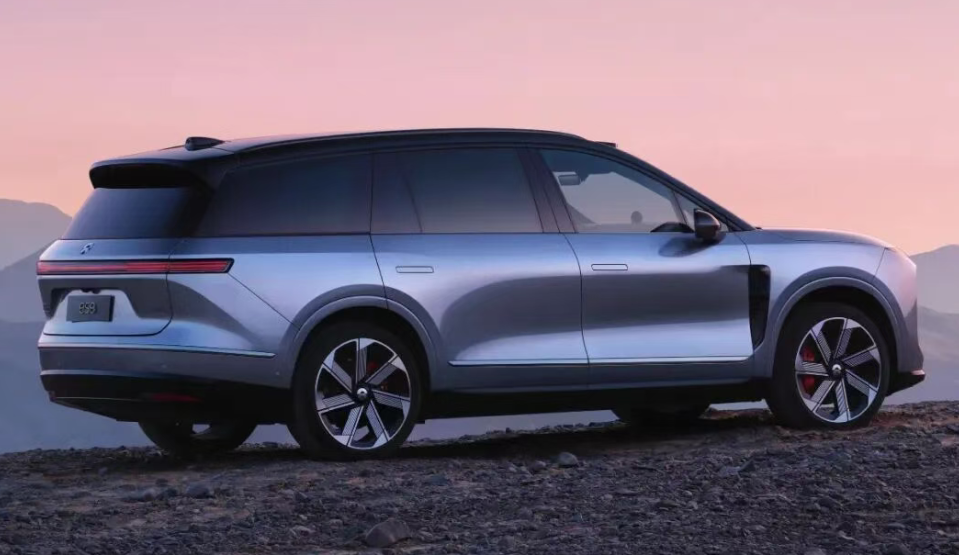
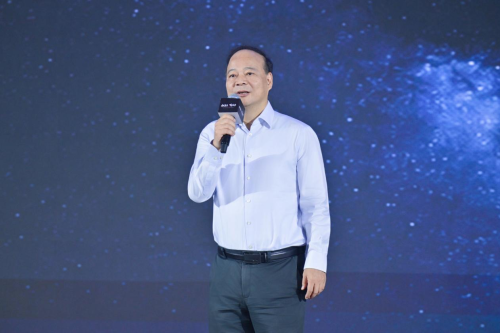
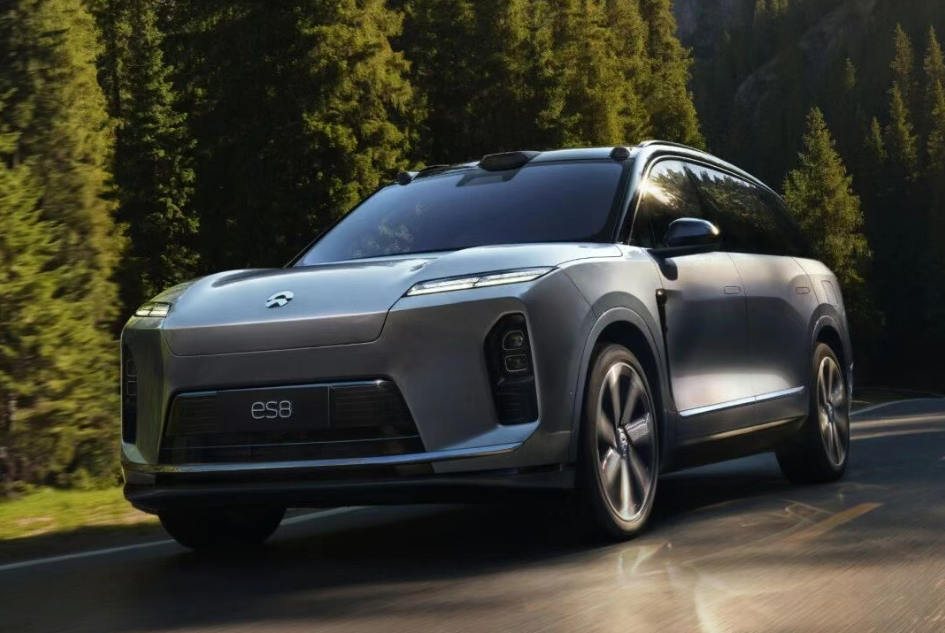
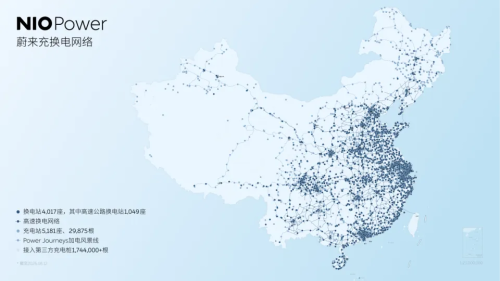
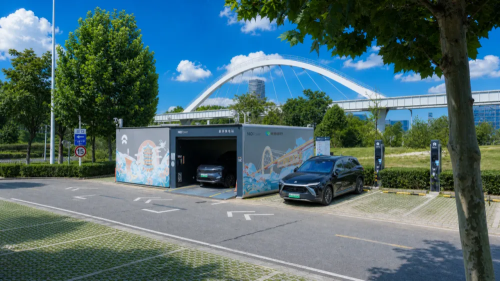
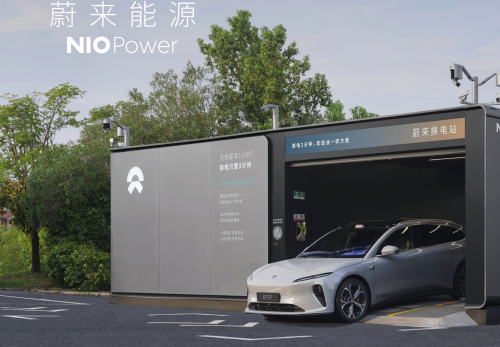
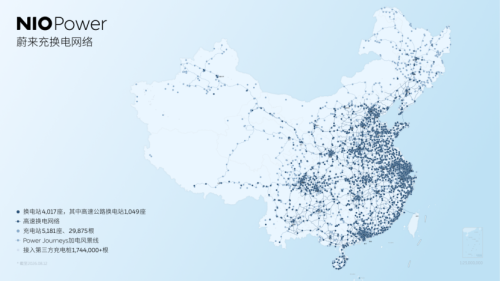
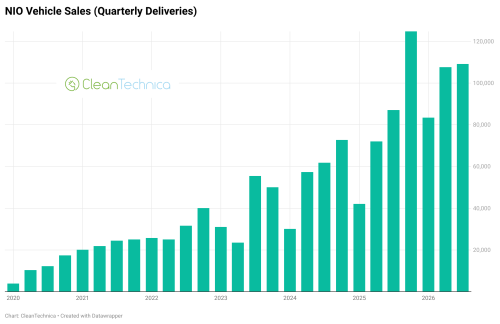
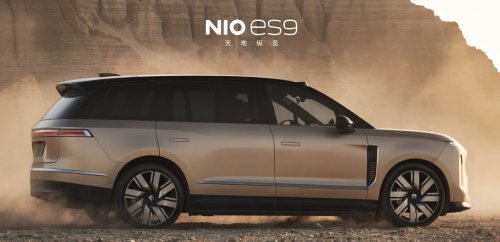
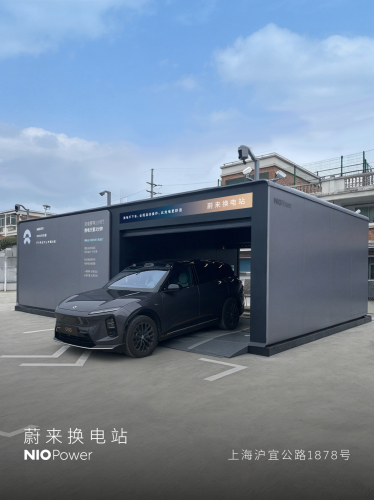
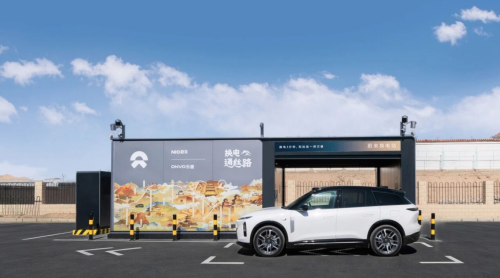
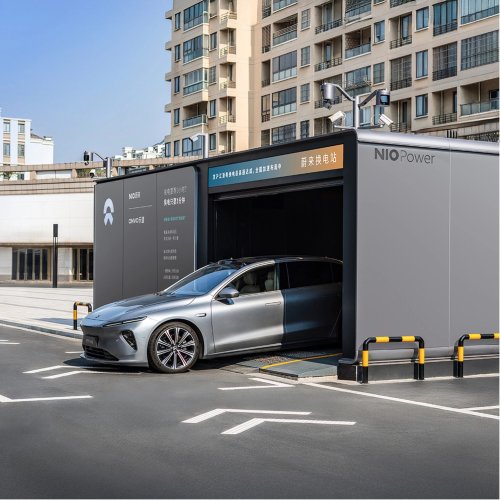
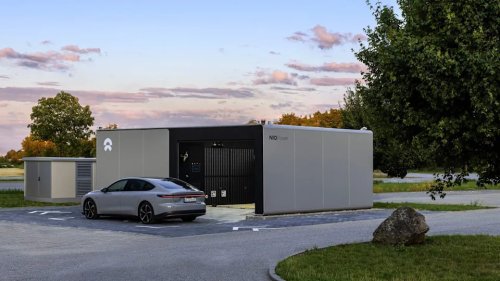
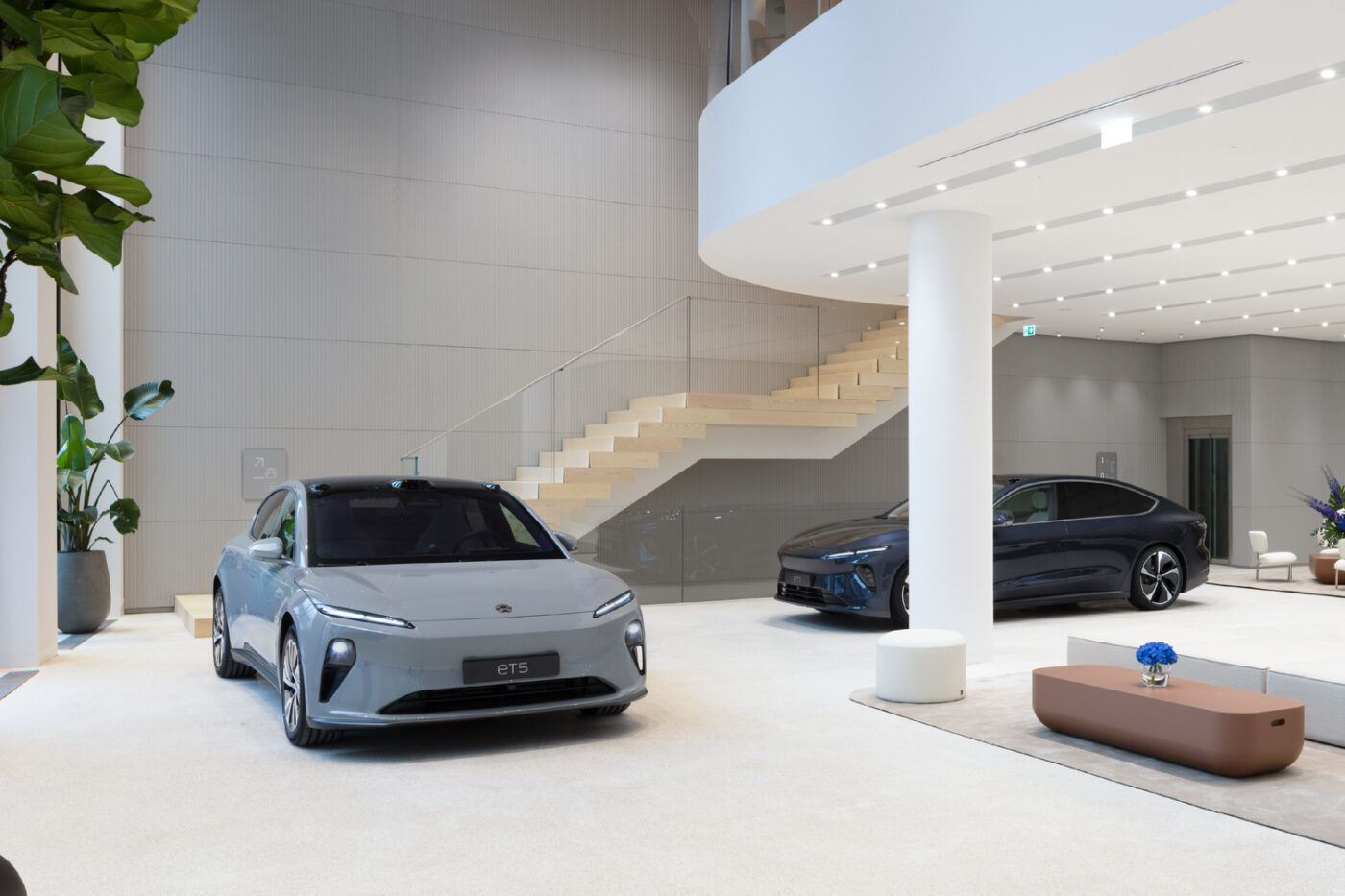
Nio House in HamburgImage: NioAlthough the now-famous China Speed is often cited as a key factor in the rise of the Chinese automotive industry, Nio is at least temporarily applying the brakes to this approach in its overseas expansion. After restructuring plans for its Europe business were leaked in early March—and Germany CEO David Sultzer stepped down—Nio founder and CEO William Li has now officially announced the changes.Following the release of its latest quarterly results, William Li addressed the media to outline a revised globalisation strategy. According to Li, Nio is scaling back its expansion in overseas markets to refocus on the vast domestic market in China.The move follows continued weak performance in Nio’s overseas business. The Chinese EV maker entered Norway in 2021 before expanding to Germany, the Netherlands, Sweden, Denmark, Belgium and Portugal. However, the company recorded just 1,129 new registrations across these seven European markets in 2025.Germany, Nio’s largest market in the region, illustrates the trend: the company registered only one new vehicle in April and nine units between January and April. Over the full year, registrations fell to 325 vehicles, down from 398 the previous year.While Nio’s sales figures in Europe remain weak, the company’s cost structures are considered disproportionately high. Initially, Nio transferred its vertically integrated China model to Europe, offering ‘everything from a single source’ through premium stores in costly city-centre locations, as well as its own workshops and battery swap stations.Nio is now shifting to a less capital-intensive ‘asset-light model’ in Germany, the Netherlands and Sweden by working with local dealer partners. In Norway, currently its strongest European market, the company will continue to rely on direct sales for the time being.Meanwhile, the online magazine EV reports on a Nio event in the Netherlands attended by the company’s top manager Chris Chen. According to the report, Chen said Nio currently has no plans to launch vehicles larger than the ET7 electric saloon in Europe. The company also does not intend to introduce its NT2.5 platform in the region, despite major updates for models such as the ET5 Touring.The first vehicles based on Nio’s NT3 platform with 900-volt architecture are not expected to reach Europe before late 2027 or early 2028. Customers waiting for flagship models such as the ES9 electric SUV and ET9 electric saloon may therefore face a long wait — if the models are launched in Europe at all.Seeking buyers for older stock vehiclesNio also appears to be focusing on clearing out older stock vehicles in Europe, while newer platforms are already available in China. In Europe, vehicles from the 2022 and 2023 model years remain in stock, awaiting buyers. Furthermore, Nio does not plan to build additional battery-swap stations or its own charging stations in Europe for now, instead relying on partnerships.Nio CEO William Li has no intention of abandoning overseas operations entirely, which also include initial forays into the United Arab Emirates, Singapore, and Uzbekistan. However, he aims to significantly reduce costs while prioritising the home market.This shift in focus towards China is driven by several factors, including fierce competition, reduced electric vehicle incentives (buyers of New Energy Vehicles have been subject to a 5% purchase tax since January 2026, whereas they were previously exempt from the standard 10% purchase tax), and higher raw material prices for nickel, cobalt, and lithium. According to William Li, these factors result in additional costs of around 10,000 yuan (approximately 1,250 euros) per vehicle.cnevpost.com, eletric-vehicles.com



















 +42 others