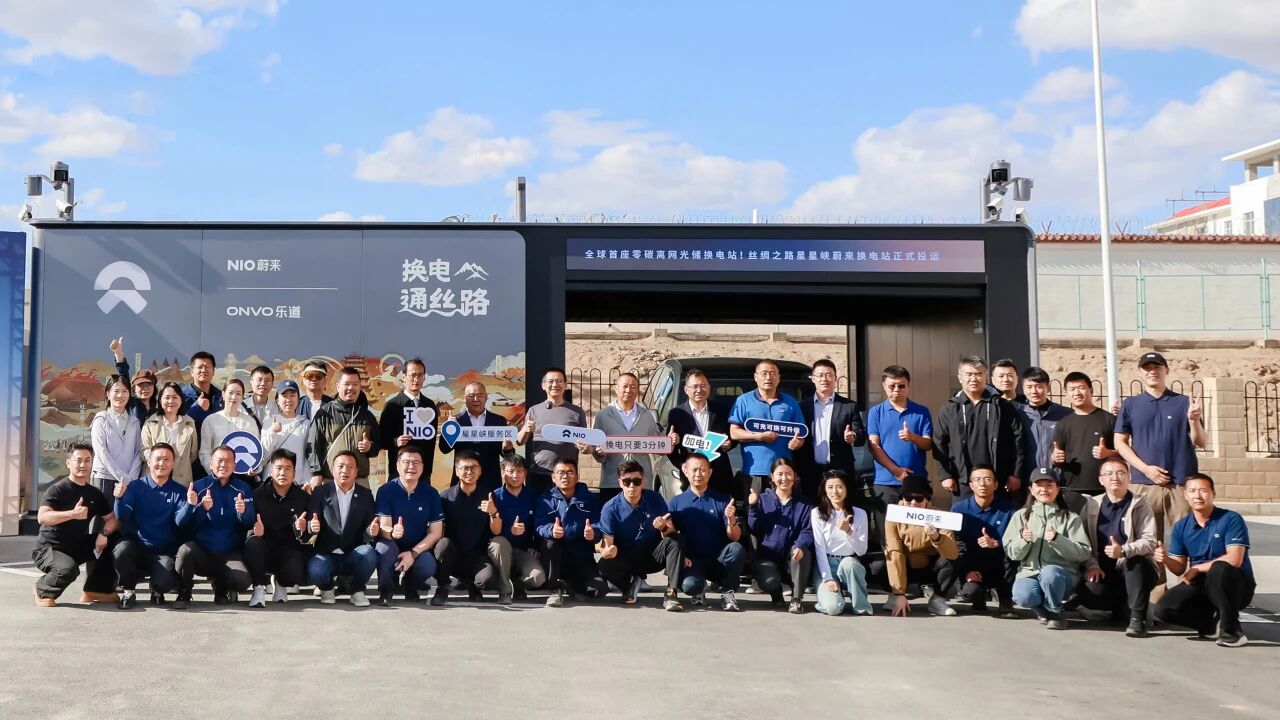
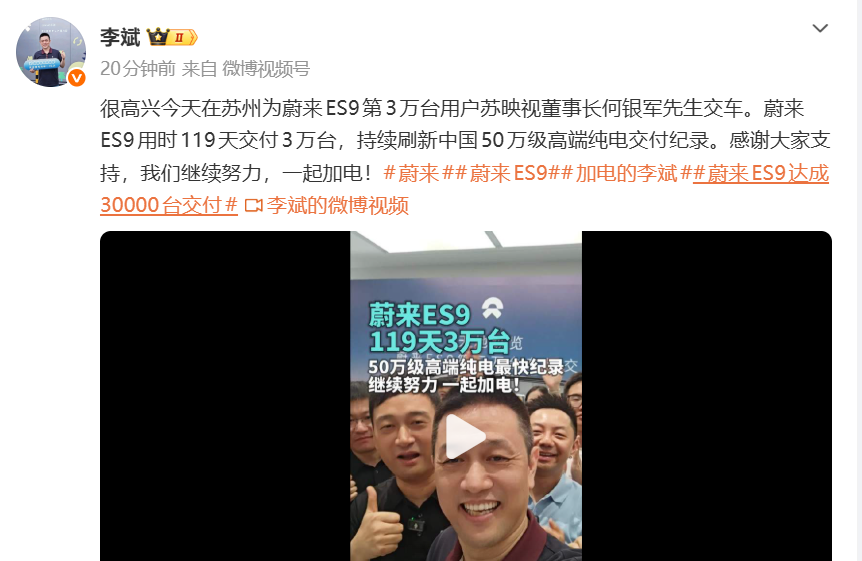
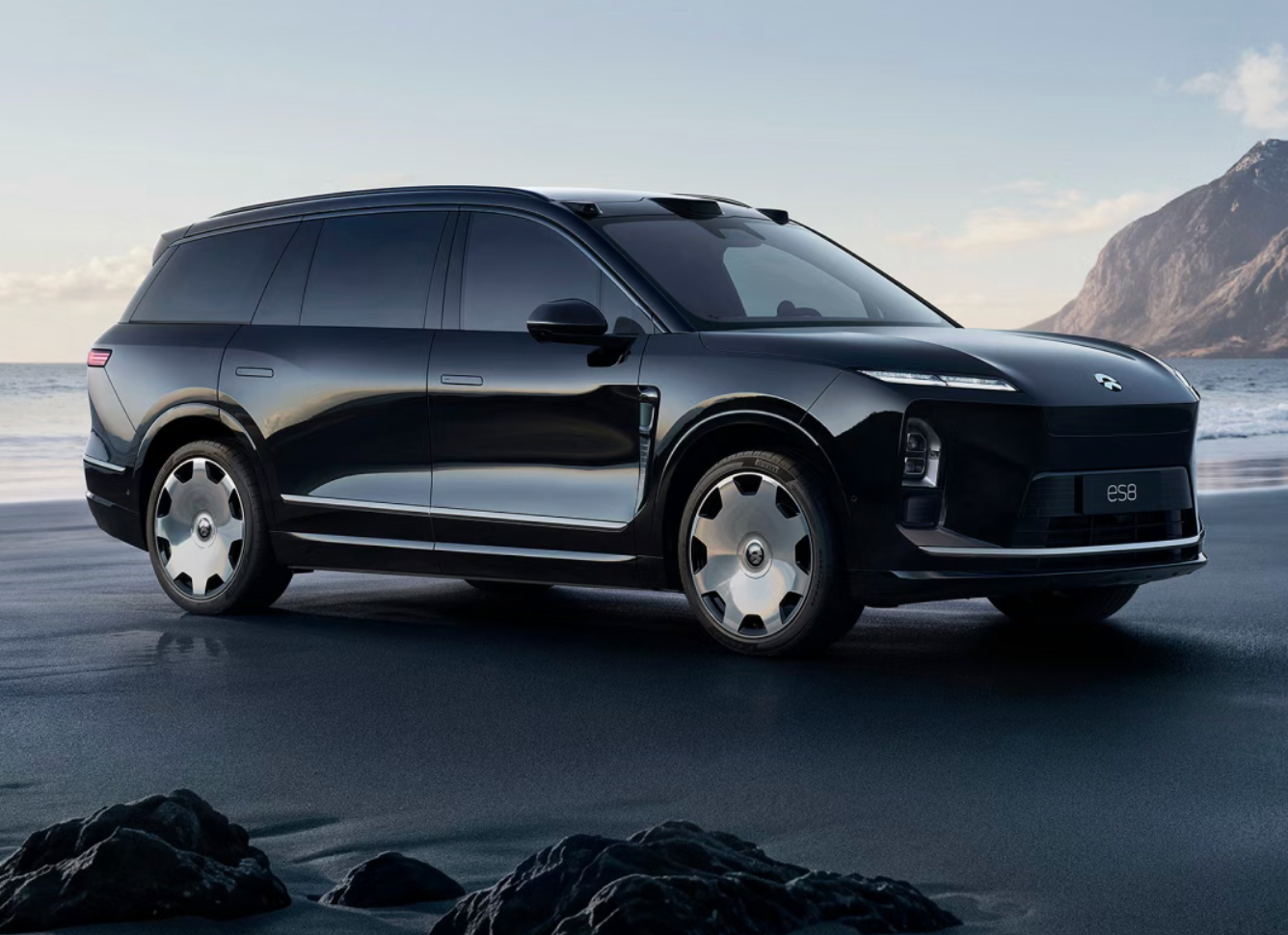
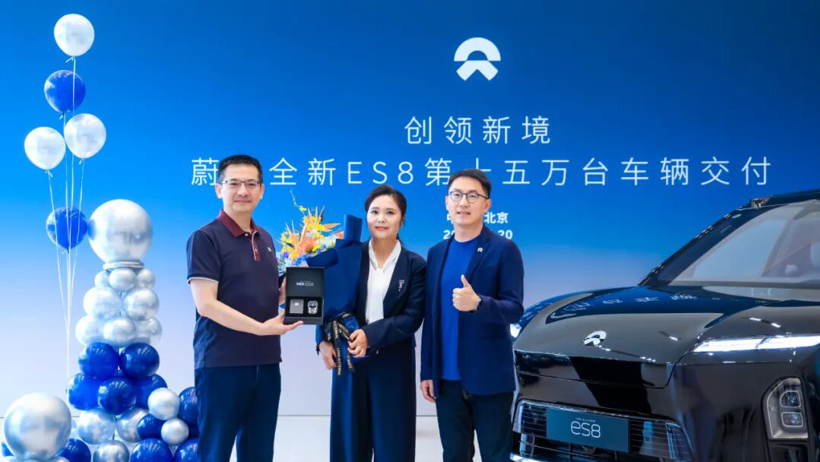
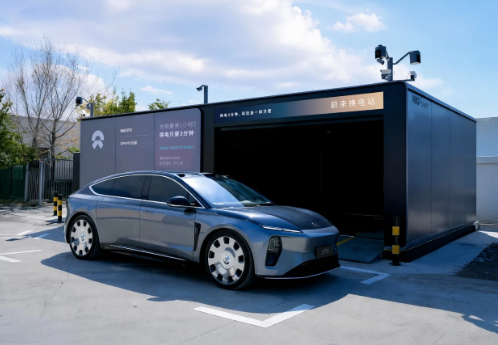
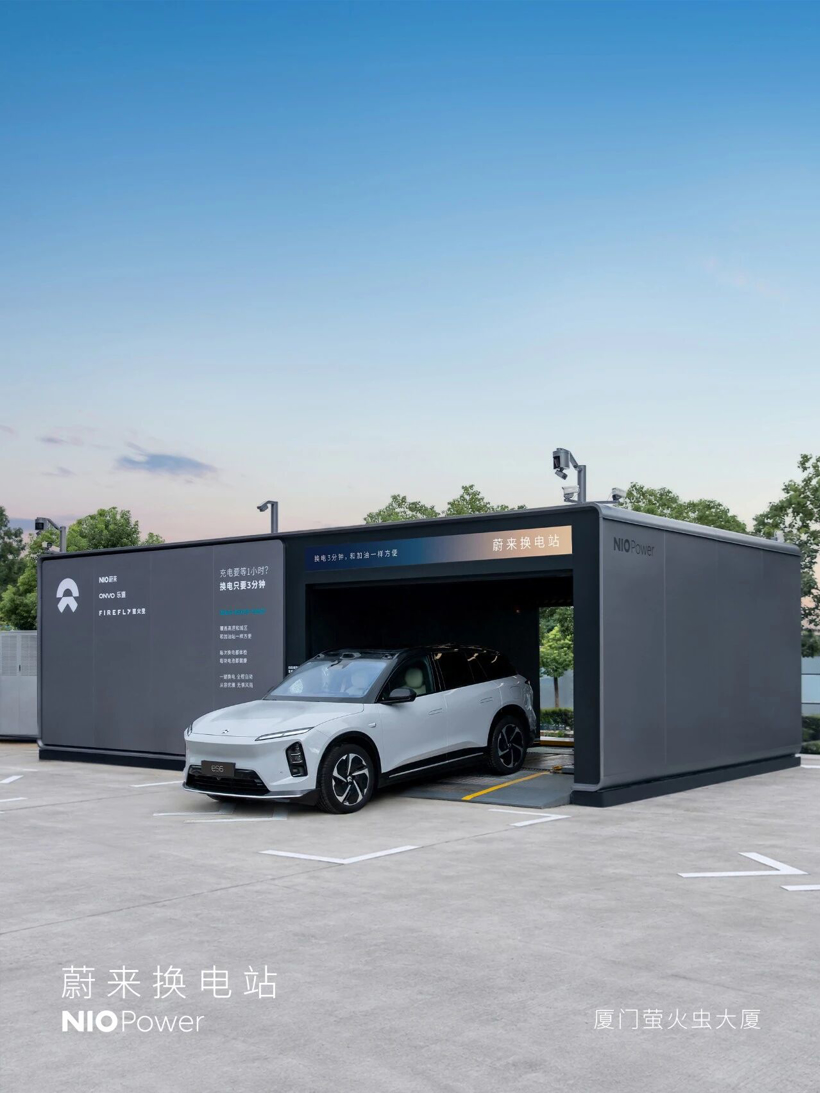
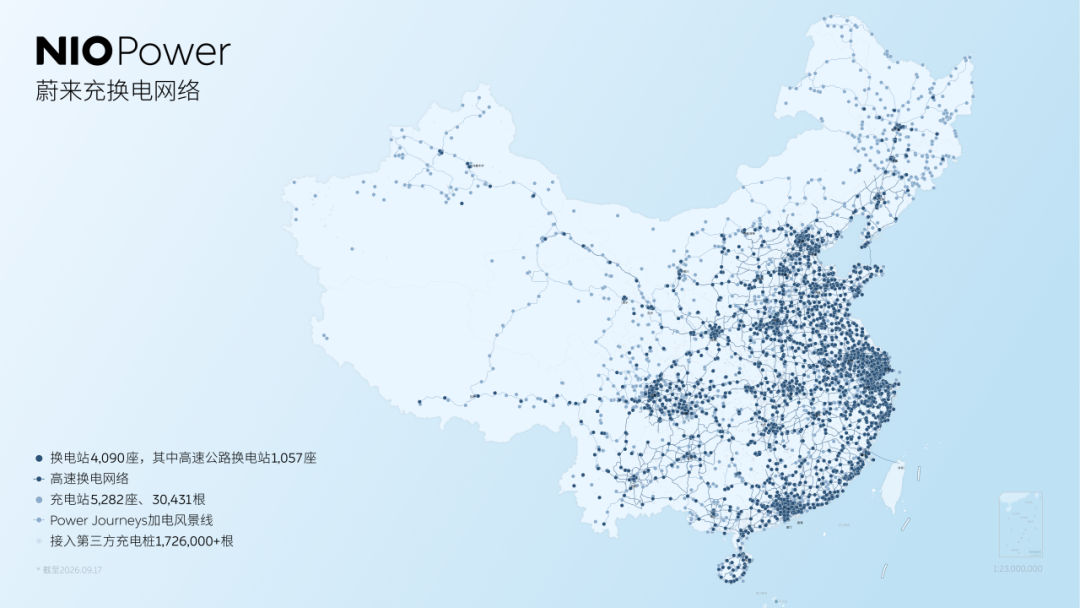
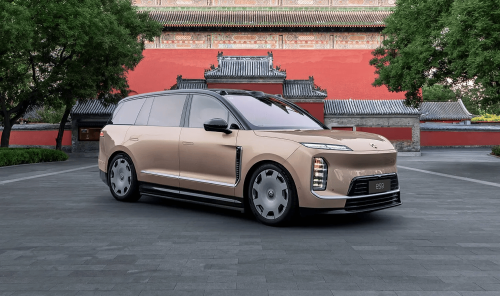
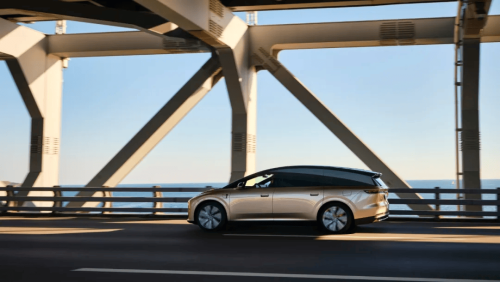
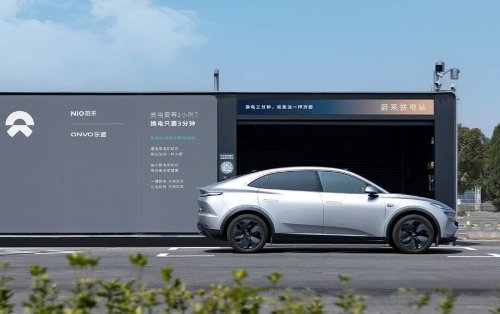
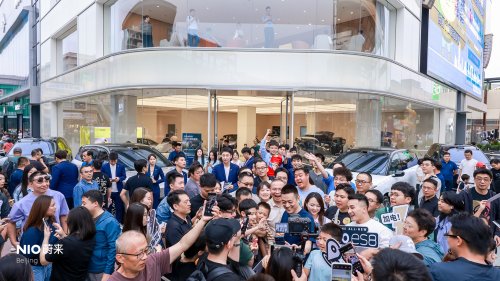
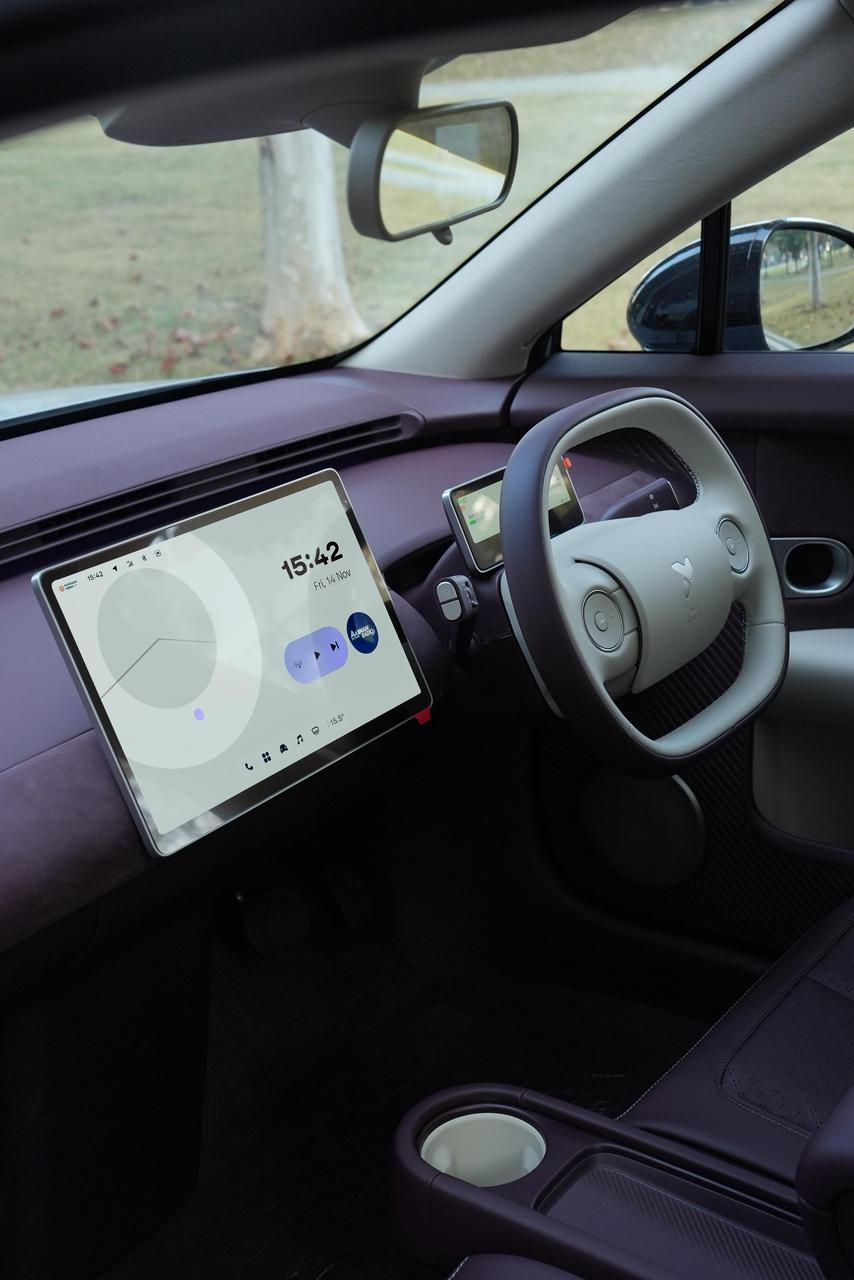
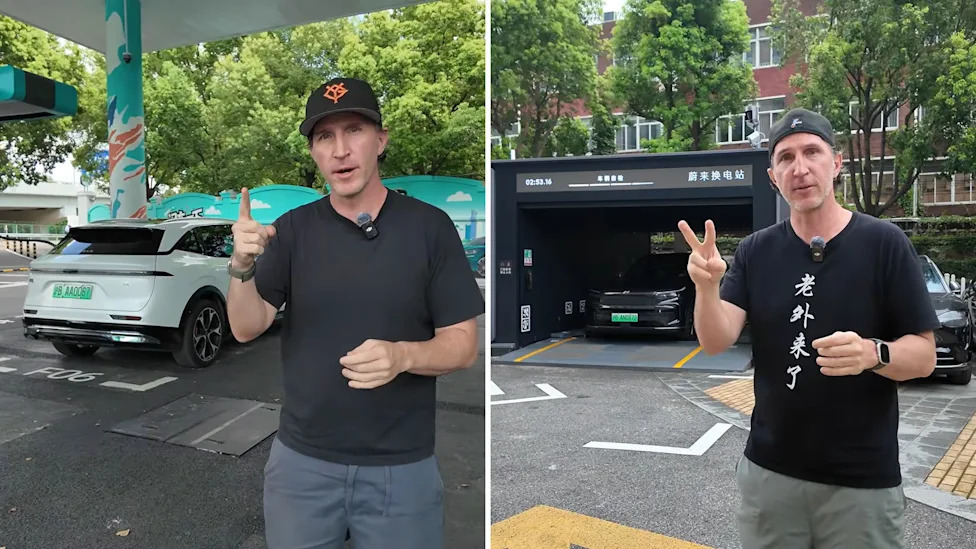
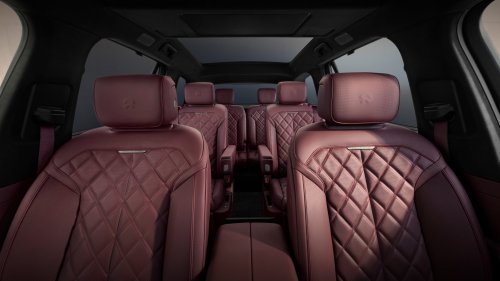
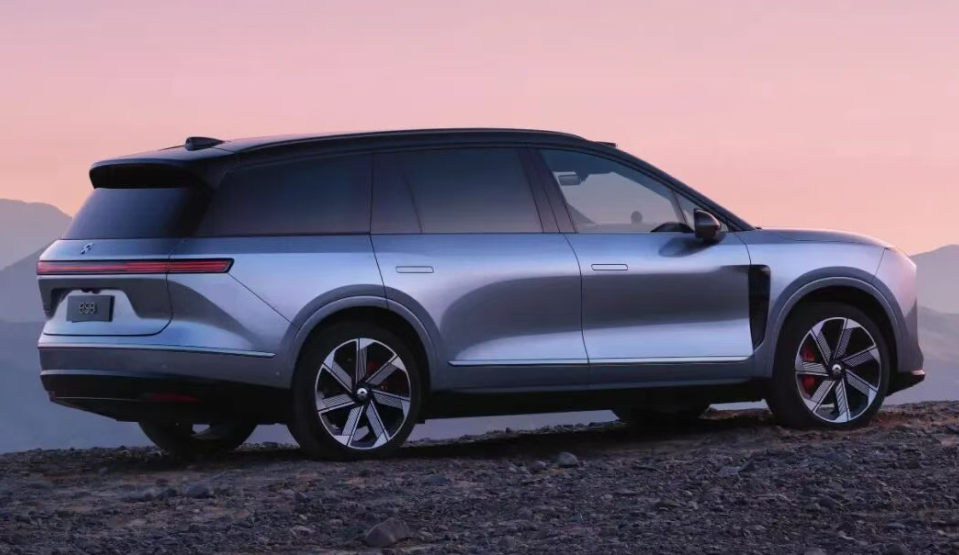
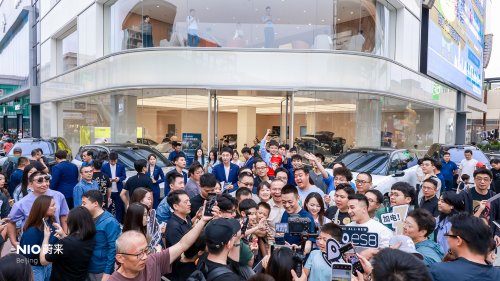
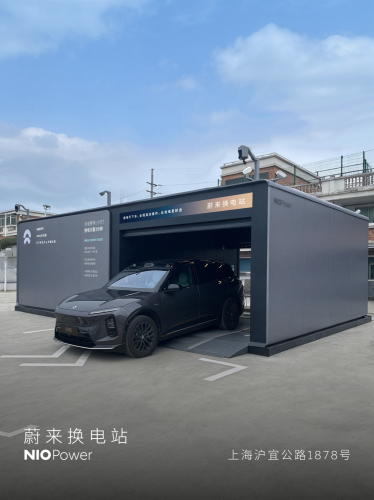
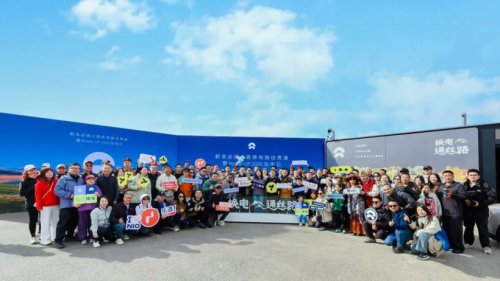
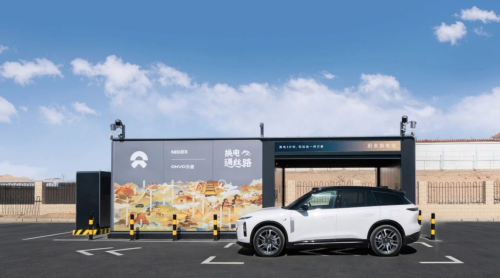
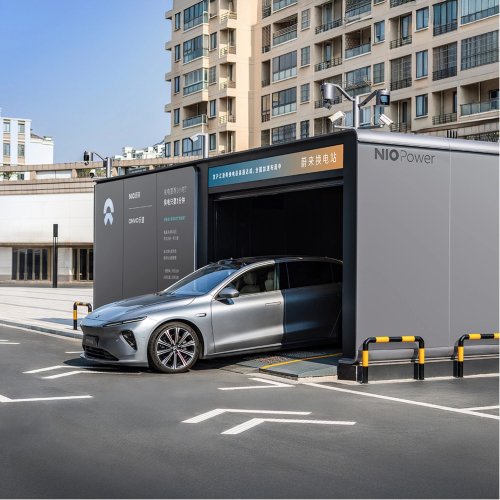
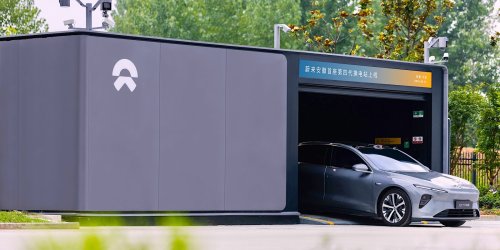
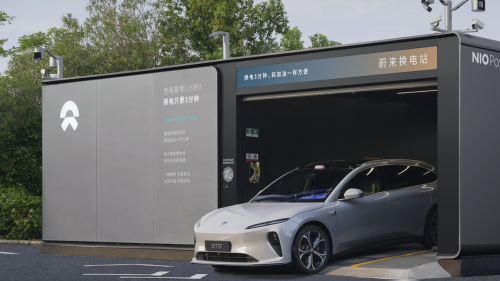
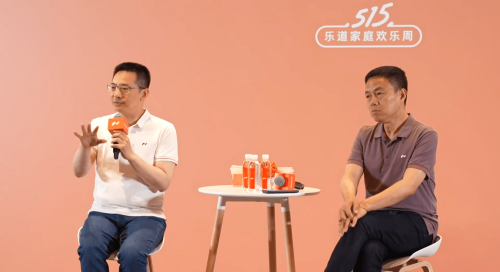
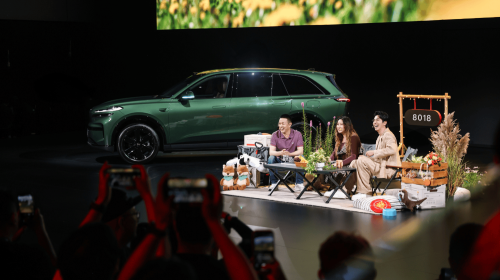
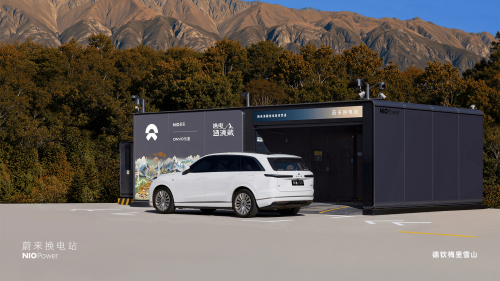
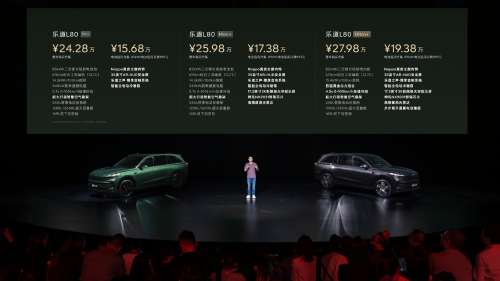
On the evening of May 15, the ONVO L80 was officially launched, with an outright purchase starting at 242,400 RMB(~$ 35603) and the BaaS plan starting at 156,800 RMB(~$ 23030). The day after the new model’s launch, NIO’s management held a small group interview with the media on topics such as the upgrade of ONVO’s brand philosophy, the product positioning of the L80, core technology roadmap, and market strategy. The meeting was attended by Qin Lihong, President of NIO; Shen Fei, President of ONVO; and Yu Bin, Head of ONVO Product. Below is a summary of key highlights compiled by ChinaEV Home from the on-site content of the press conference. Interview session 1. Brand Philosophy Upgrade Qin Lihong revealed that ONVO is undergoing a systematic refresh as it celebrates its second anniversary. He further explained that ONVO’s target audience is diversifying. In addition to core urban nuclear families, the brand now also embraces “middle-aged people who have finally regained their freedom.” The brand slogan has been upgraded from the original “Joy for the whole family, wisdom for the home” to “Joy on every journey, the ONVO way.” At the same time, ONVO unveiled its five brand pillars for the first time: Quality & Safety, Technology for the Family, Appropriate Design, Attentive Service, and Vibrant Community. Qin Lihong specifically emphasized that ONVO’s standards and material costs for quality and safety are “no different from the NIO brand” — safety indicators such as 2000 MPa high-strength steel and the dual-chamber, dual-cage body structure are exactly the same. 2. Product Positioning Regarding the positioning of the ONVO L80, Qin Lihong said that the L80 is built on the same platform as the L90 but adopts a large five-seat layout, with the core logic being to “maximize practicality.” He gave an example: the L80 retains a front trunk and two underfloor storage spaces. “When we defined the product three years ago, whether to include that underfloor space seemed optional. But considering that families need convenient small storage spaces for daily travel, if the technology allows it, we must make it happen.” ONVO L80 launch event This approach creates a clear distinction from the NIO brand. Qin Lihong noted: “For the NIO ES9, to preserve the imposing front-face design, the opening line of the front trunk is raised, making it less convenient than the L80’s. ONVO, on the other hand, squeezes out every cubic centimeter for the user.” Addressing the positioning between ONVO and NIO, Qin Lihong made it clear that the price difference between the ONVO L90 (starting at 265,800 RMB) and the NIO ES8 (starting at 406,800 RMB) is around 140,000-150,000 RMB, so “there is no meaningful market-level competition.” 3. Core Technology On self-developed chips, Qin Lihong directly criticized the industry trend of “paper innovation.” He stated that evaluating a chip should not rely solely on a vague TOPS number, but on multiple factors: whether the TOPS are inflated, memory bandwidth (the Shenji chip reaches 546 GB/s), ISP image processing capability (critical at night or in rain/fog), inter-chip communication bandwidth and latency, and mass-production maturity. Qin Lihong stressed that the Shenji is the world’s first automotive-grade 5nm chip, with over 250k units already installed in vehicles. “We oppose inflated TOPS numbers, and we oppose summarizing the whole picture with a single partial parameter.” NIO battery swap station On the battery technology choice, the ONVO L80 insists on using ternary lithium batteries. Yu Bin explained that this is to uphold the lightweight direction. “If the weight of the battery and the entire vehicle increases, it leads to cascading system weight, ultimately passing the cost burden to the user.” Qin Lihong added that under the battery-swapping system, ternary lithium batteries also offer advantages in end-of-life residual value management. “Battery aging will eventually come, and ternary lithium can greatly enhance battery lifecycle management.” 4. Pricing Strategy The final price of the ONVO L80 was described by Qin Lihong as “a price with very little room for freedom.” The reason is that with the ONVO L90 (starting at 265,800 RMB) above it and the ONVO L60 (starting at 206,900 RMB) below it, the pricing window within the series is extremely narrow. To address the phenomenon of high initial order volumes followed by a sharp drop (the “new car death valley”), Qin Lihong proposed two countermeasures: first, do not give too much short-term stimulation at launch — user benefits should be “restrained and reasonable”; second, rely on system capabilities — the product must achieve “a leading edge of more than one year” at launch, while keeping the price as stable as possible. ONVO L80 market debut During the interview, Qin Lihong shared a set of data: In Q1 last year, China’s large five-seat SUV market totaled about 97k units, of which battery electric vehicles (BEVs) accounted for only 2,200 units (2%), while extended-range electric vehicles (EREVs) accounted for 46k units, a ratio of roughly 1:23. In Q1 this year, the total market was 93k units, with BEVs at 15k units and EREVs at 35k units, changing the ratio to 1:2.2. He boldly predicted that in Q3 of this year, BEVs will certainly surpass EREVs in this segment, with the primary driver being the ONVO L80. He also announced that the NIO ES8, which will begin deliveries in early July, will jointly contribute to this reversal. Qin Lihong revealed that NIO Group’s intensive launch schedule in the first half of this year is a natural result of its R&D cycle. On the specific timeline: On May 27, the NIO ES9 will be officially launched in Beijing; on May 29, the 2026 model year ONVO L60 will be unveiled at the Guangdong-Hong Kong-Macao Greater Bay Area Auto Show in Shenzhen.



















 +59 others