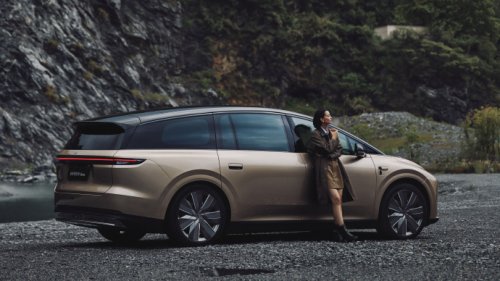
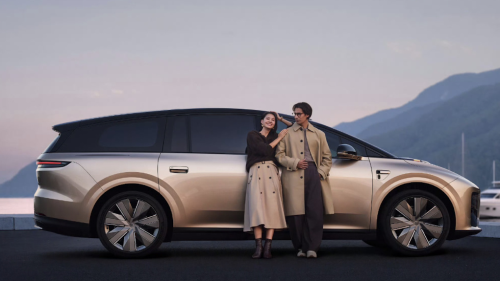
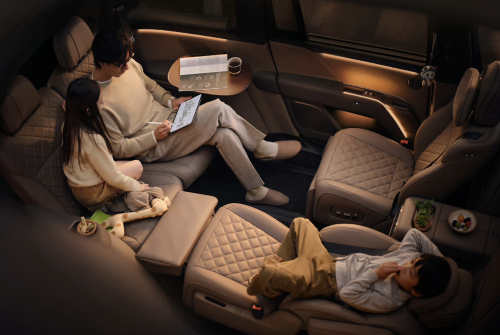
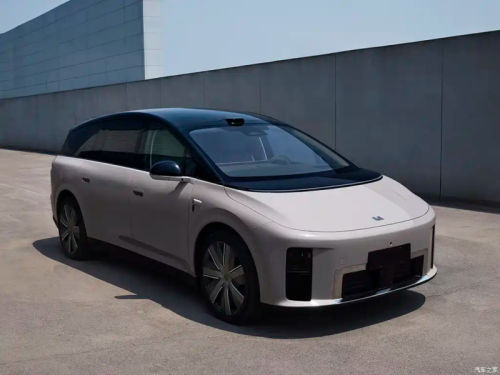
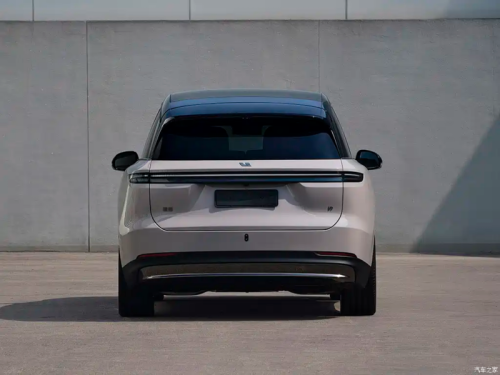
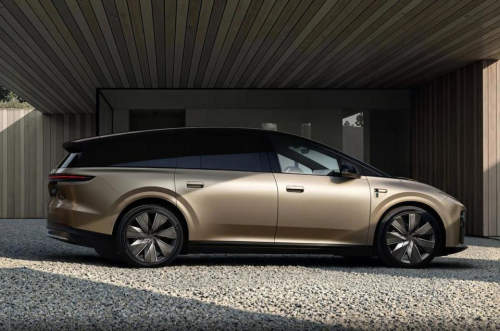
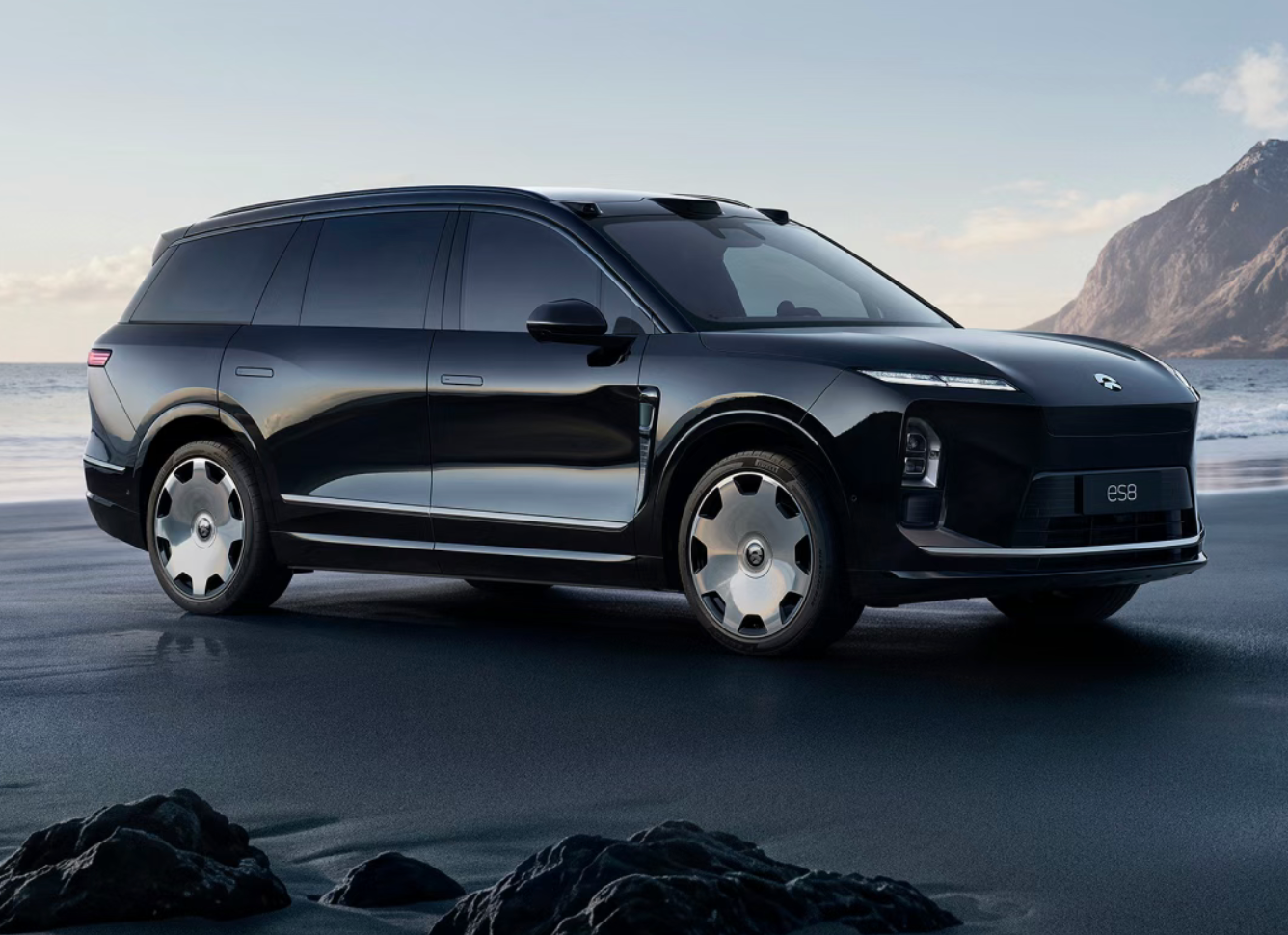
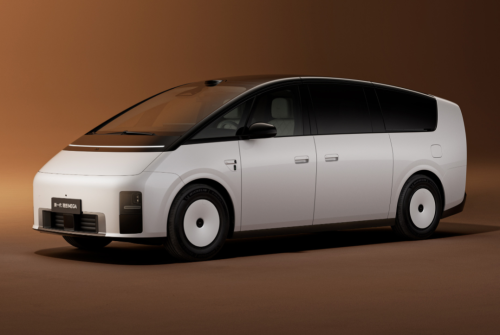
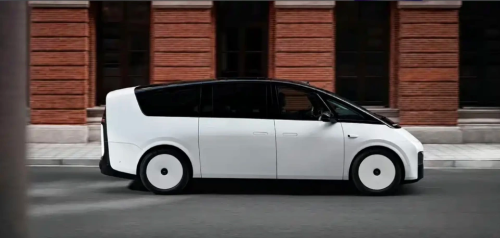
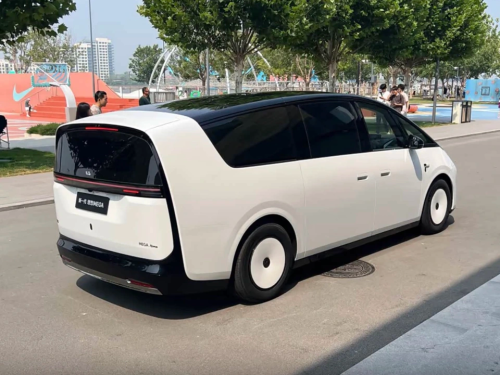
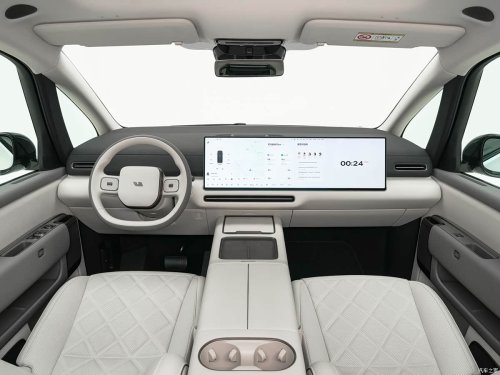
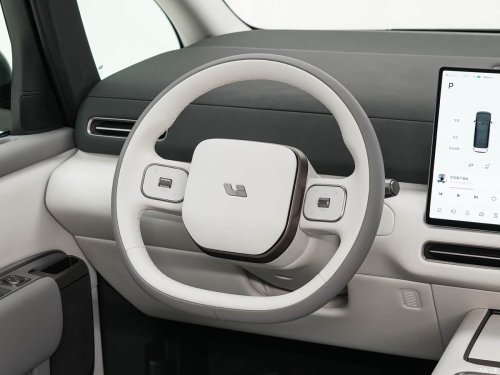
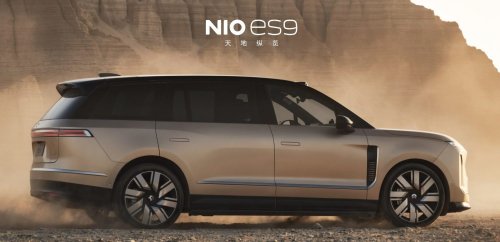
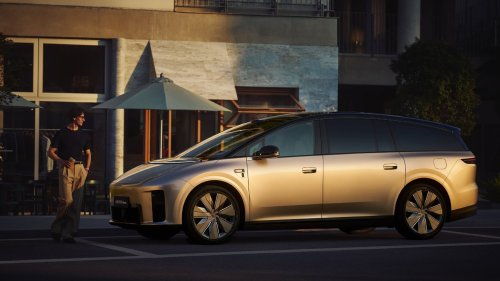
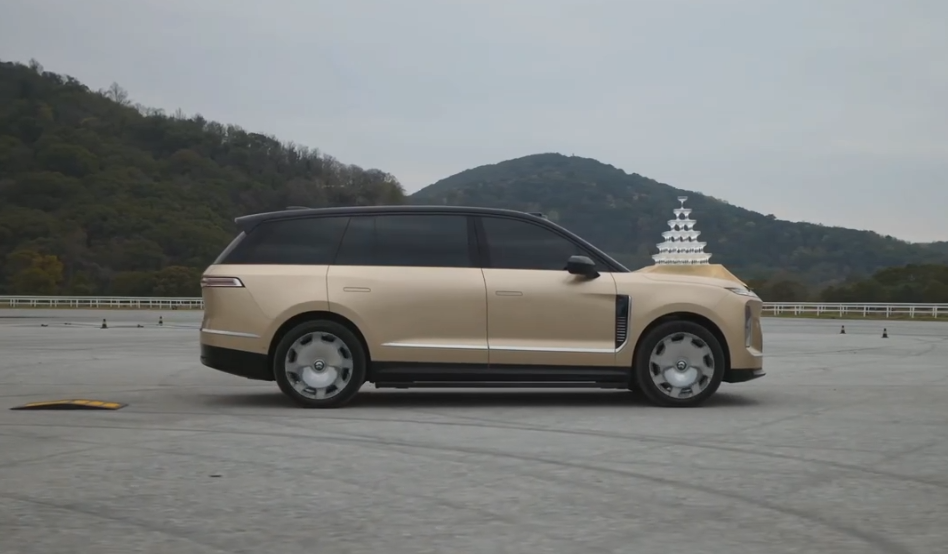
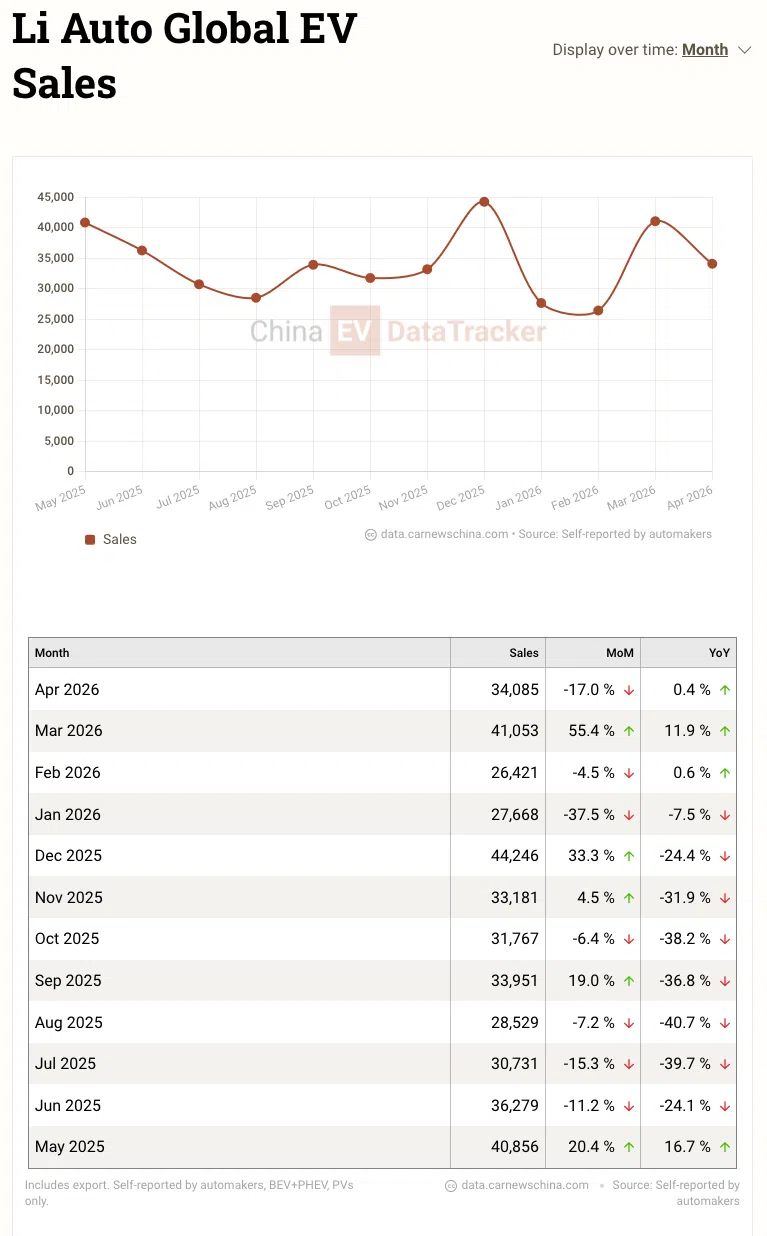
Nio ES9 champagne tower challenge. Credit: Nio Understand China EV’s Market Real-time notifications when critical EV data is released All important data in one place 2,000,000+ data points Become a member On June 5, 2026, Ma Lin, Vice President of Nio, publicly questioned the authenticity of a chassis comparison video between the Li Auto L9 Livis and the Nio ES9, which had been released by Li Auto via their official channel. Ma Lin stated that in the video, the Nio ES9 appeared to exhibit shaking speeds in its “Standard” mode that were equal to or faster than those in its “Ultra-Soft” mode – a setting designed for minimal chassis intensity. He argued that this behaviour is inconsistent with Nio’s product specifications and called for Li Auto to verify the video’s authenticity, clarify its source, and disclose the specific environmental conditions and suspension settings used during the test. Comparison video published by Li Auto. Credit: Li Auto While the original video is no longer available on Li Auto’s official channels, copies have been circulated by independent bloggers. Comparison video published by Dongchedi. This controversy follows a recent chassis performance comparison conducted by the third-party platform Dongchedi. While both vehicles utilise active suspension technology, comparisons conducted by manufacturers themselves often face scrutiny regarding their objectivity compared to third-party evaluations. This isn’t the first time Li Auto has faced controversy over comparative testing. In July 2025, during the launch event for the new Li i8, the company released a short clip showing a “collision test between a Li i8 and a Dongfeng 8-tonne heavy truck”. Dongfeng Liuzhou Motor Chenglong subsequently issued a statement, claiming that the test was a self-defined, non-standard collision scenario that deviated from everyday road conditions, and accused the company of deliberately disparaging a competitor’s reputation. Li Auto later responded, stating they had “no intention of involving competing brands”. In the same month, a “black PR” dispute also broke out between Li Auto and Nio (Onvo). Liu Jie, Vice President of Li Auto, posted on social media implying that Onvo had hired trolls to smear the Li i8, to which Onvo President Shen Fei responded by forwarding the post saying “I suggest you report it to the police.” Li Auto sales performance. Over the past 12 months, Li Auto’s sales have been falling year-on-year for most of the time. In the range-extended vehicle sector, it’s facing increasing competitive pressure, and people also seem to be shifting more towards pure electric. One consolation for Li Auto is that its pure electric model, the i6, was the fourth best-selling car in China this past April.



















 +6 others