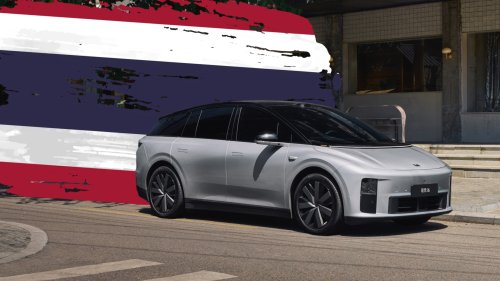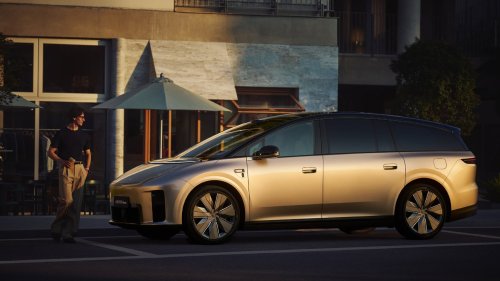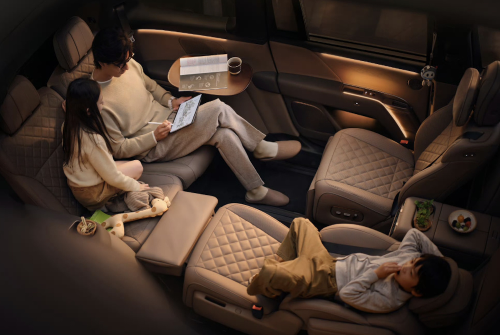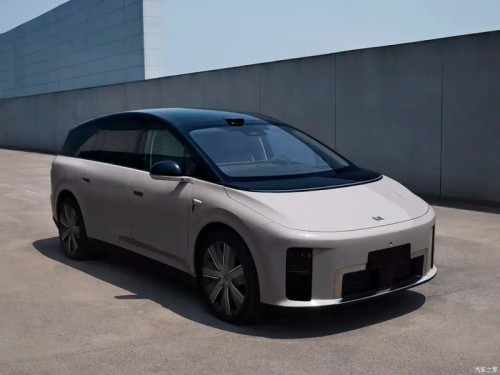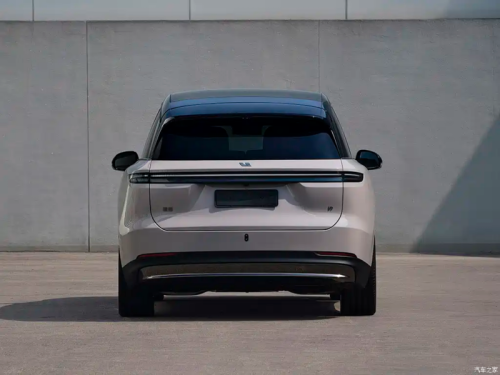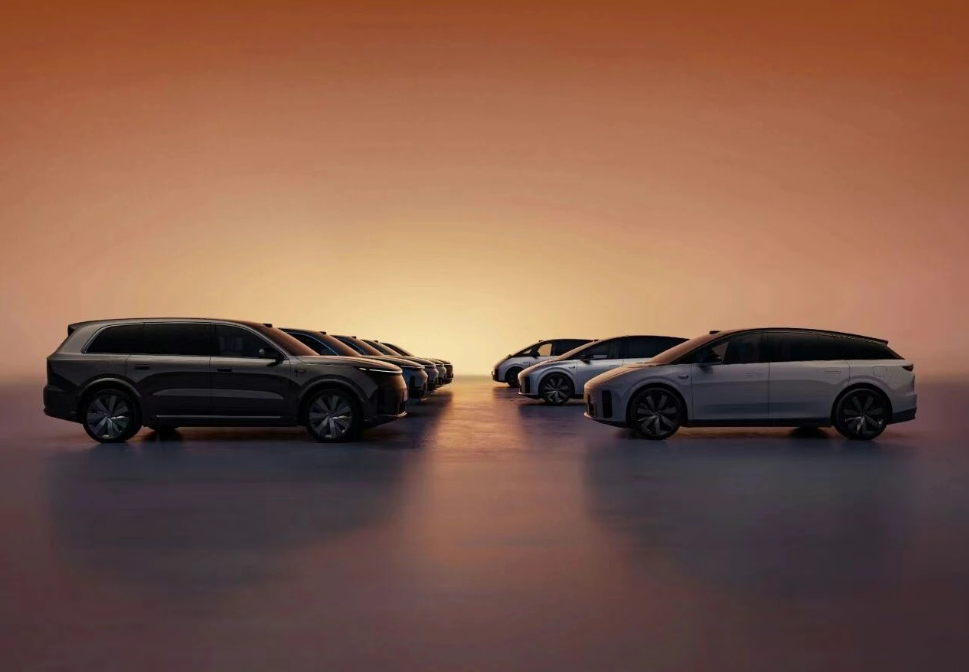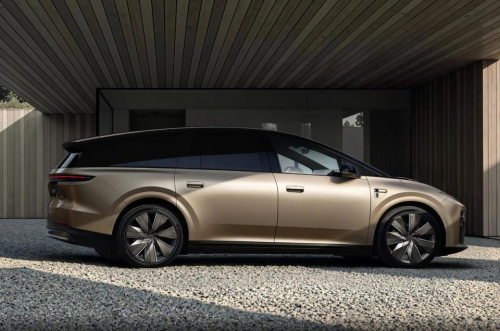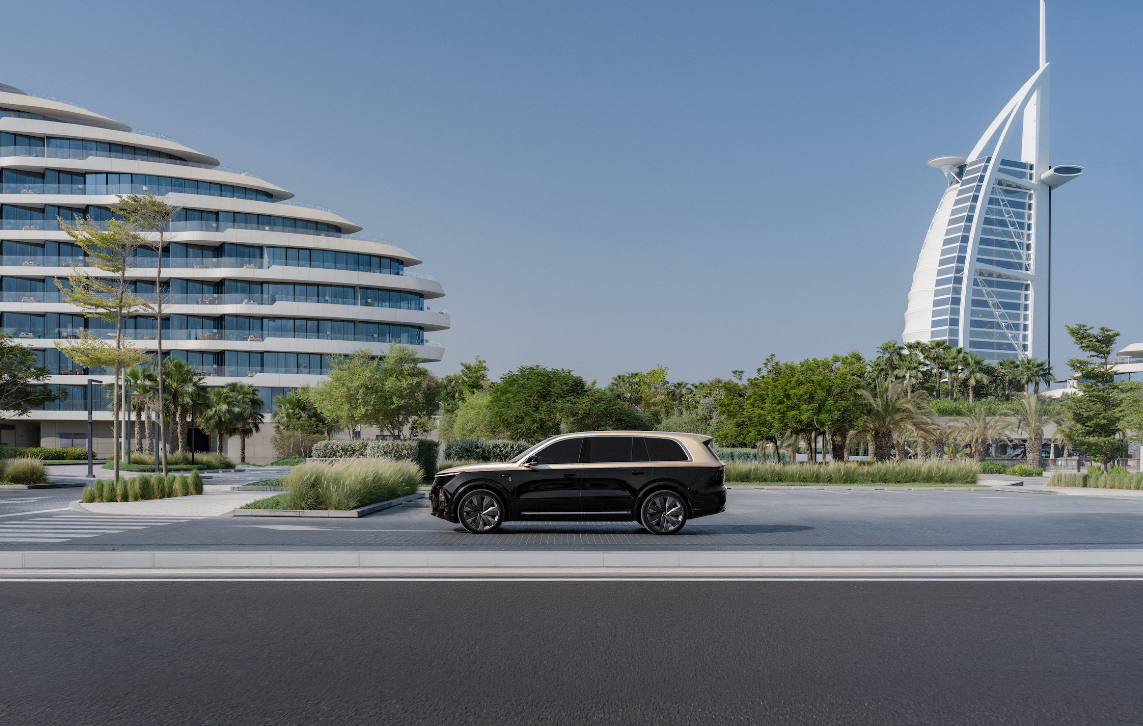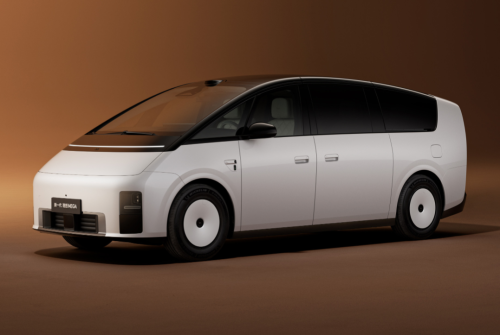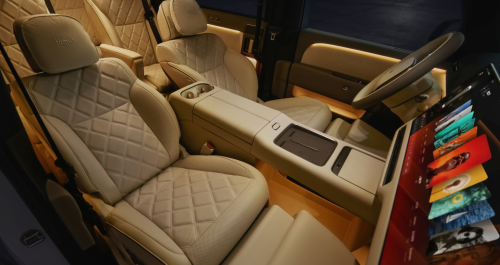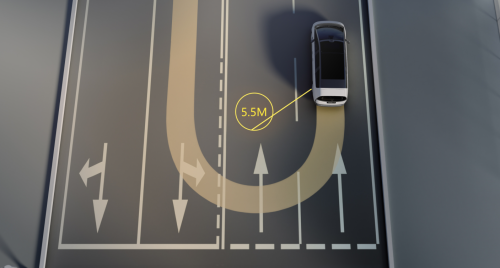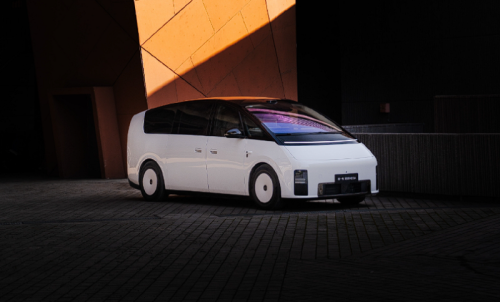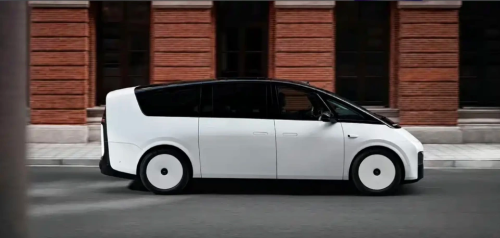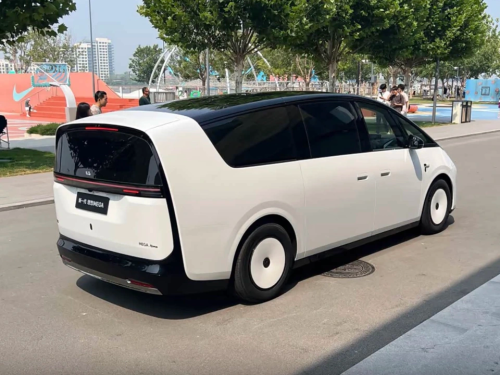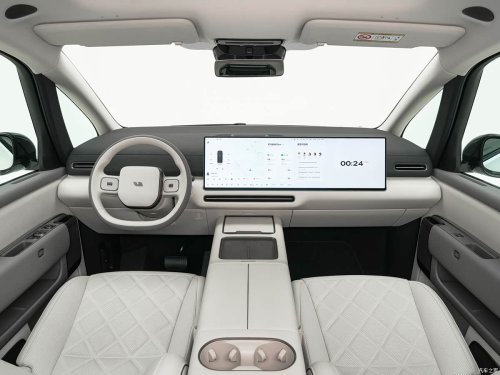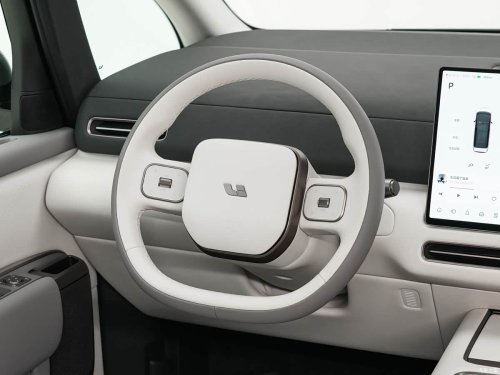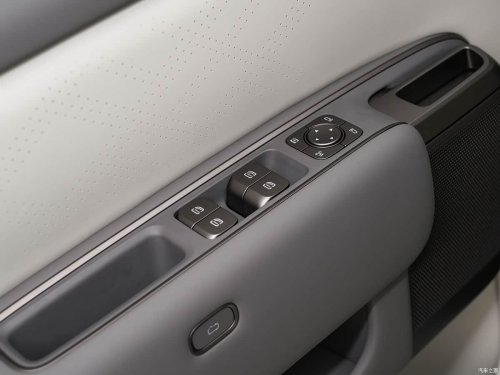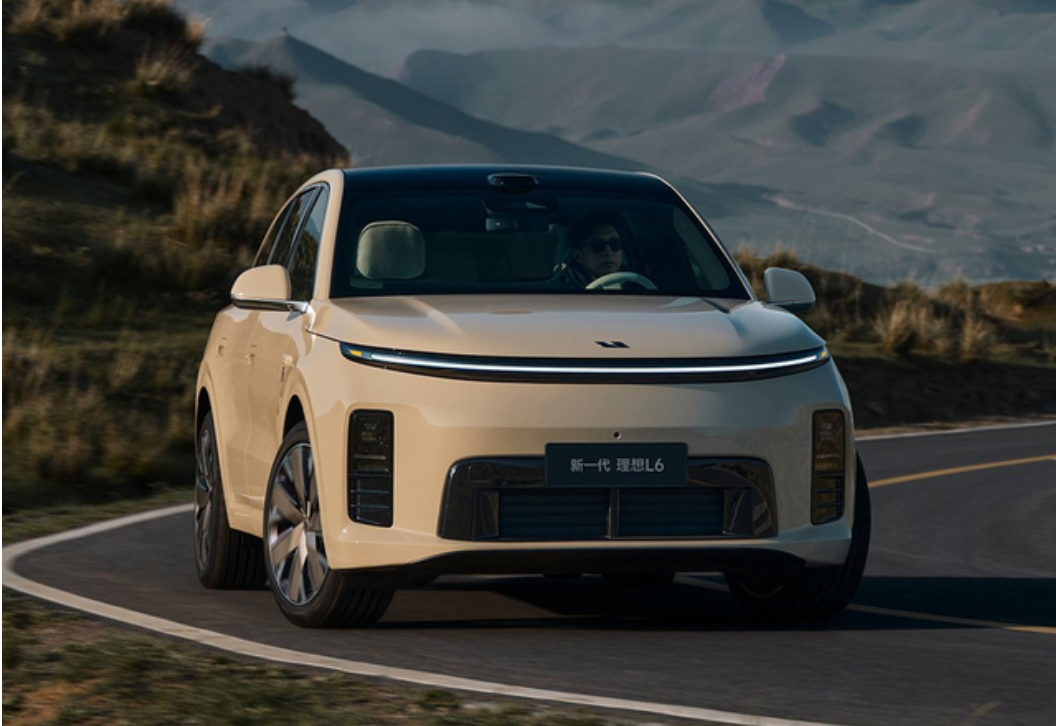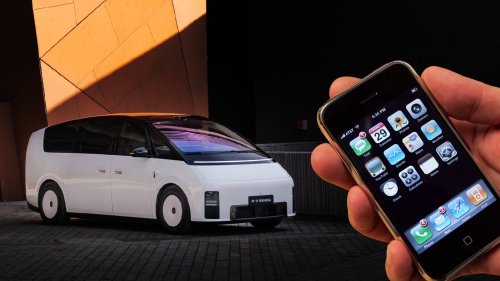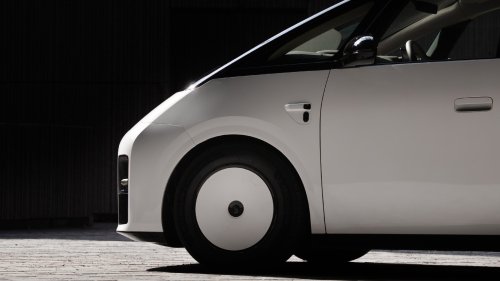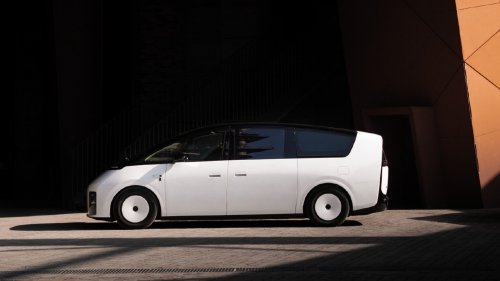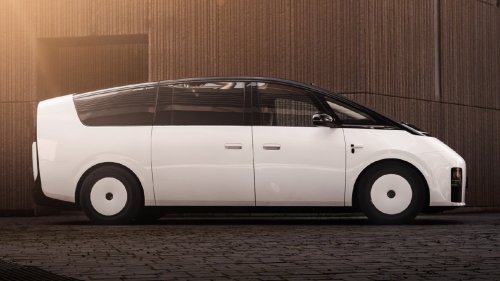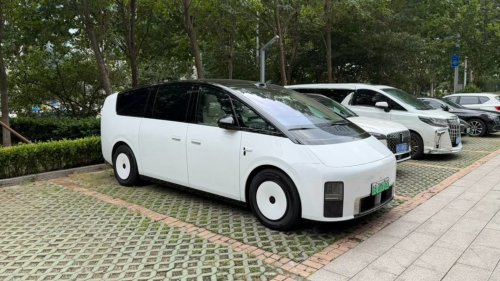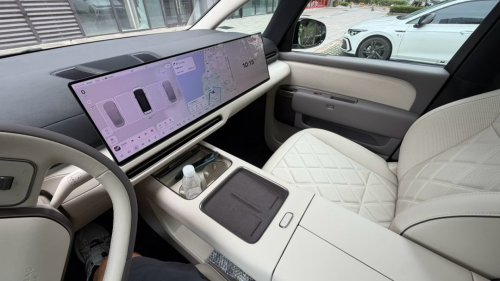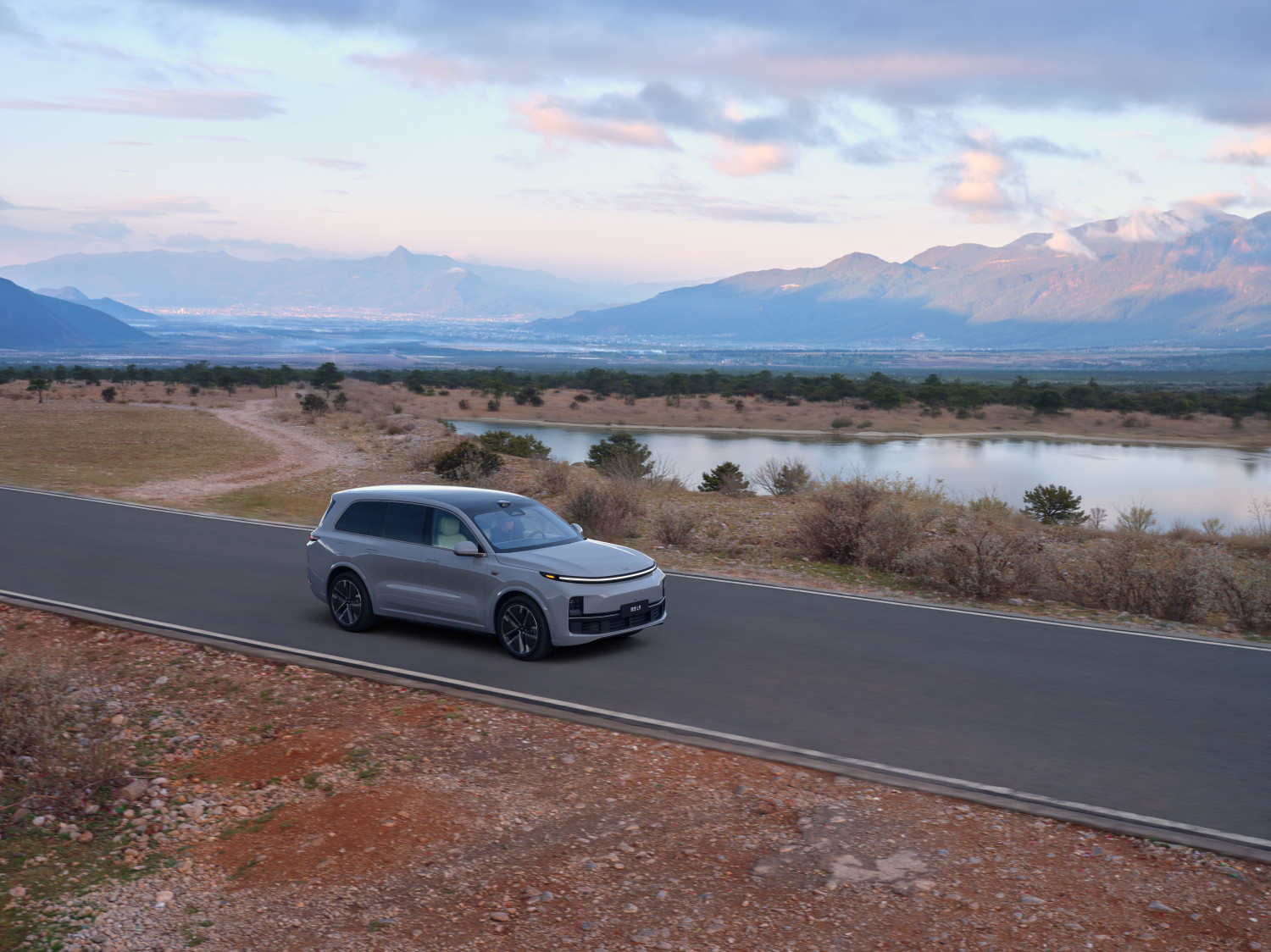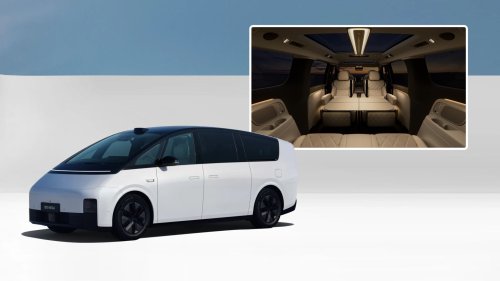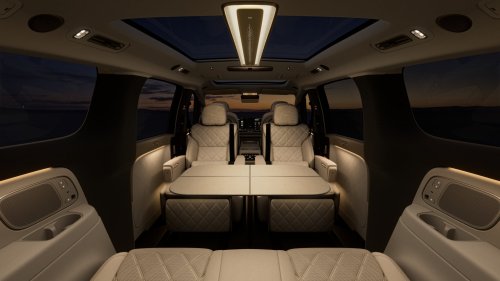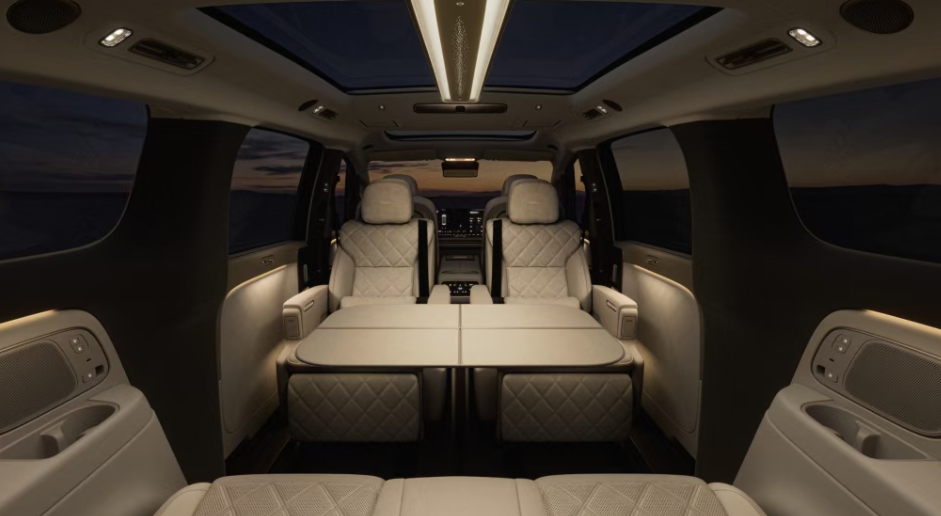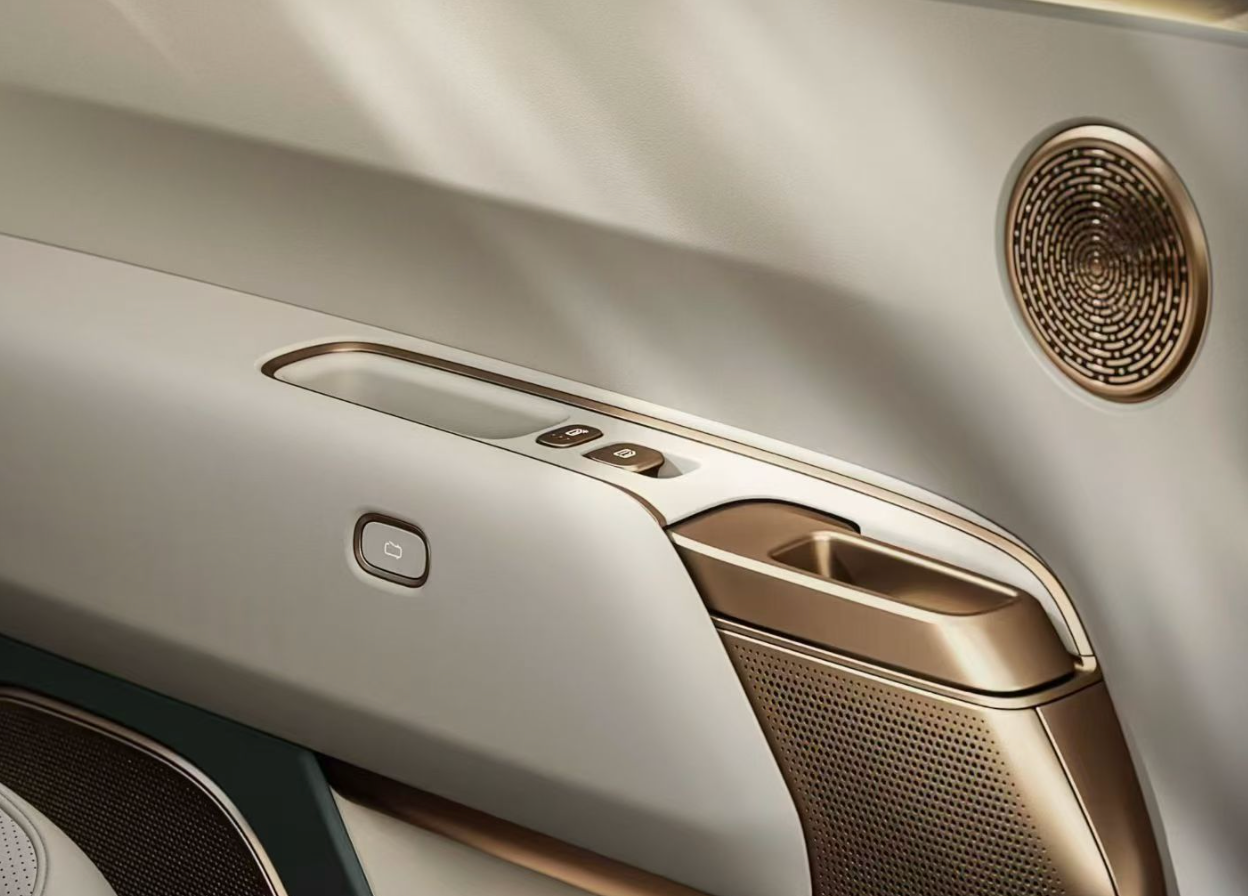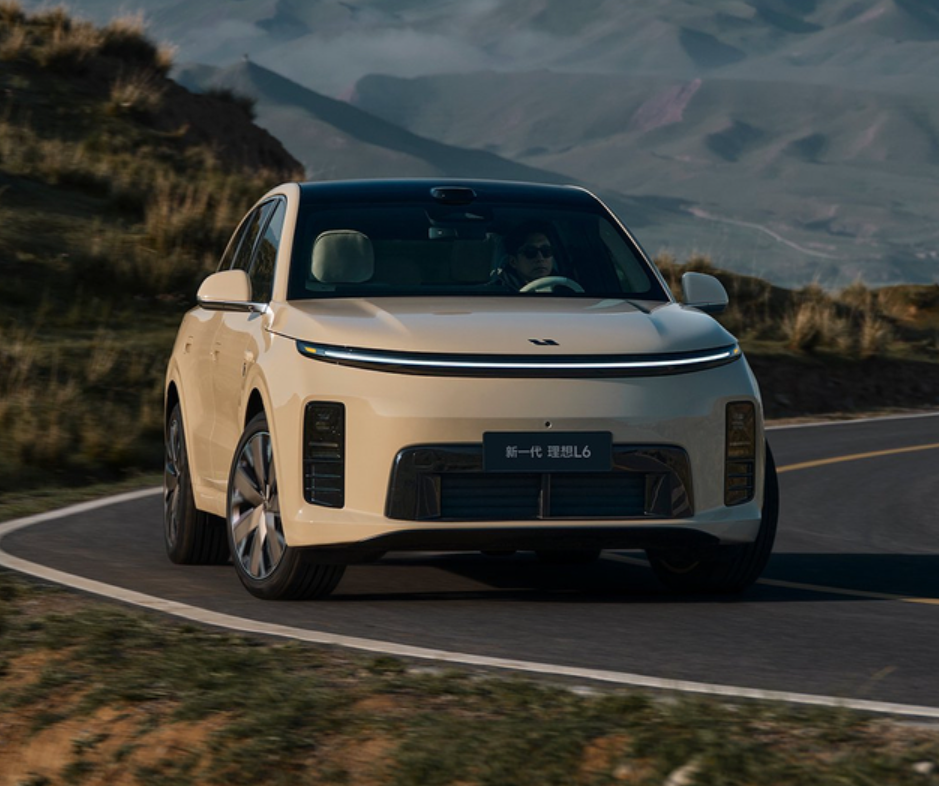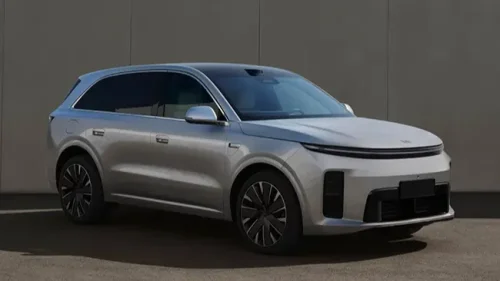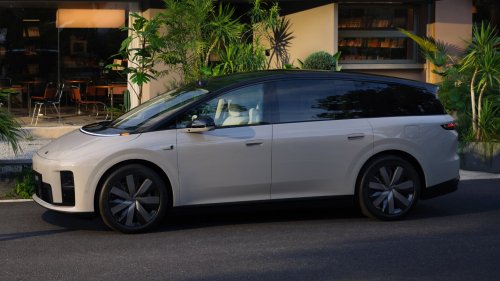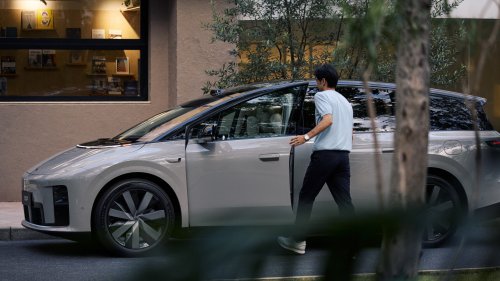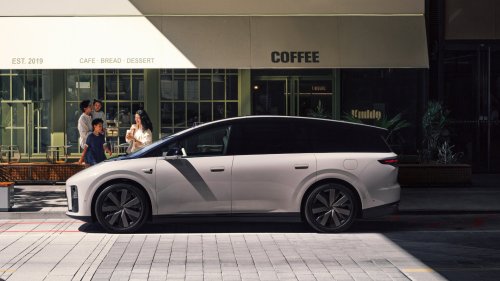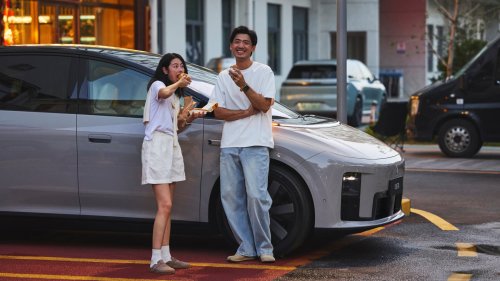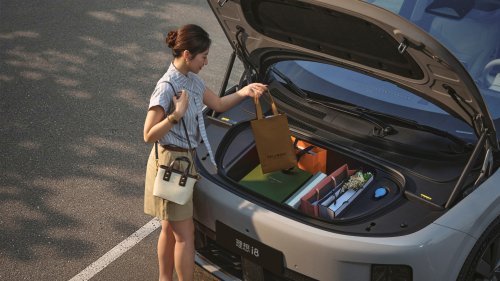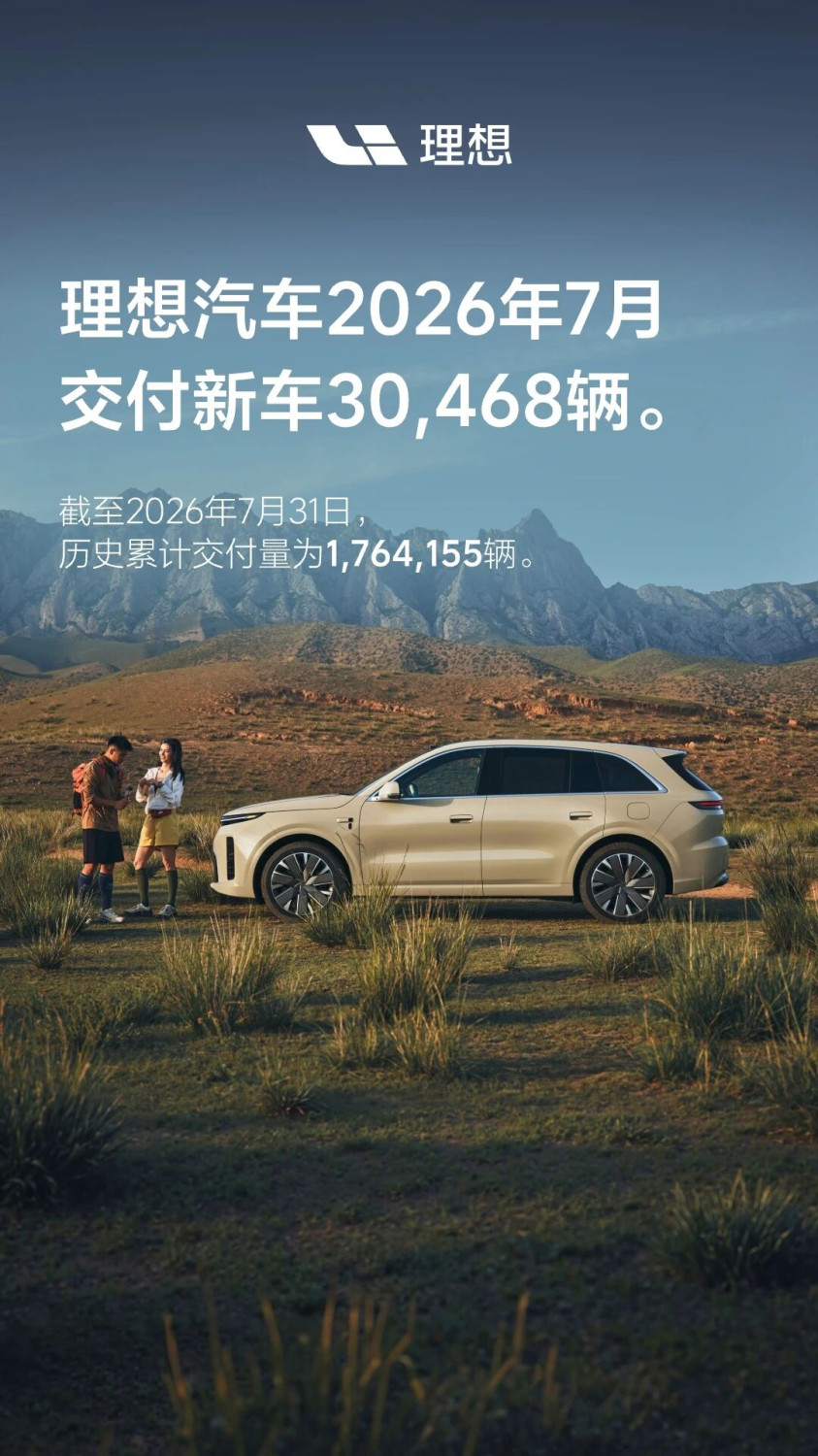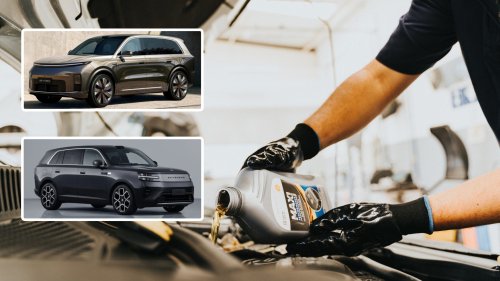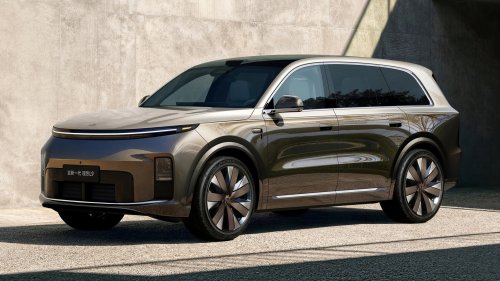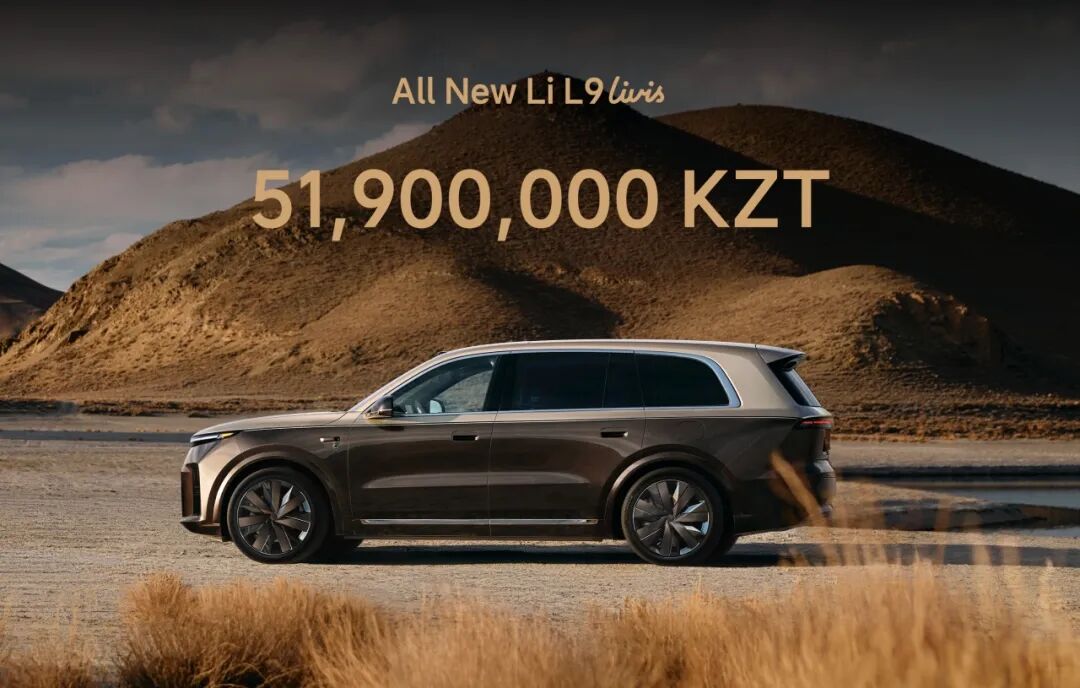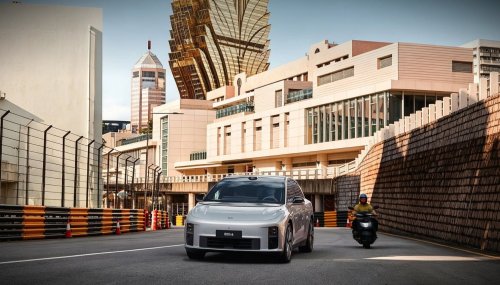
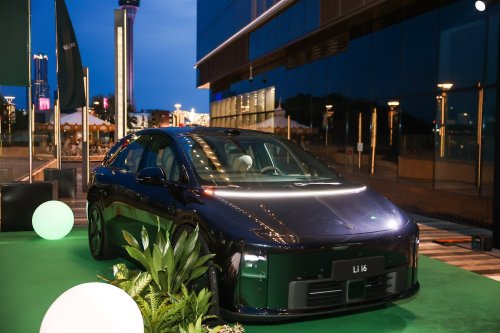
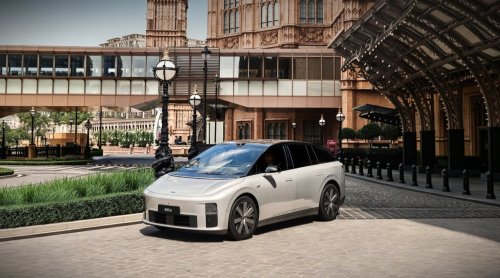
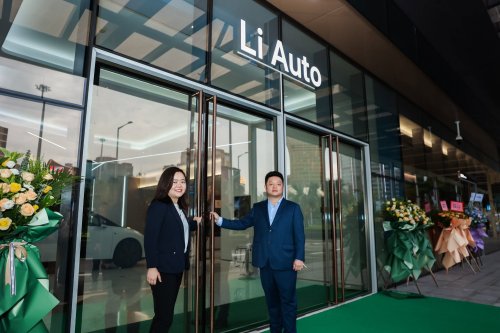
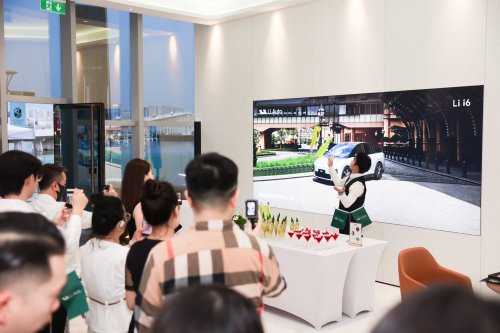
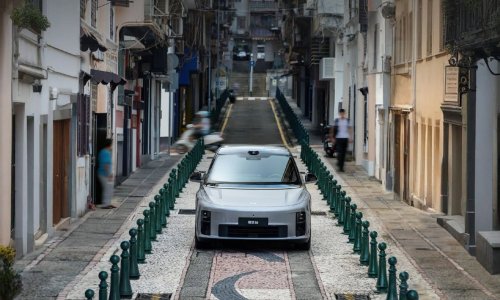
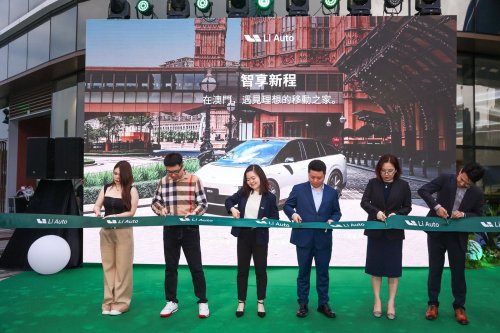
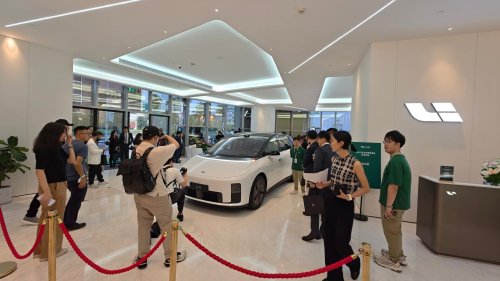
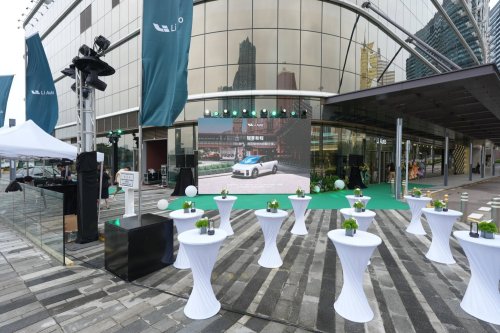



















Localized product adjustments incorporate third party application integration alongside dual physical connectivity slots for buyers. Credit: Li Auto Understand China EV’s Market Real-time notifications when critical EV data is released All important data in one place 2,000,000+ data points Become a member Li Auto electric SUVs have launched in Macau through a new partnership with regional automotive dealers. The company opened its first local retail centre in Macau to initiate sales operations outside the mainland market. This expansion relies on an authorised dealership network rather than the direct sales model used domestically. Initial product entries include the midsize i6 and the larger i8 models, which feature targeted modifications to meet local regulatory standards. Hardware changes cover specialised window glass alongside reconfigured telematics software designed for cross-border travel. These vehicles switch to full battery electric power, leaving aside the range-extended powertrains sold on the mainland. Tax policy barriers Macau progressive motor vehicle taxes charge up to 70% of the passenger car value based on engine displacement. Because the mainland Li L8 EREV and Li L9 EREV use a 1.5-litre petrol engine generator, local authorities categorise them as hybrids. This administrative classification excludes them from zero-emission tax exemptions, making hybrid imports financially non-viable. Macau pricing reflects these localised fees and tariffs. The i6 out-the-road price totals 279,900 yuan (41,200 USD), which includes a 19,070 yuan (2,800 USD) registration fee and a 9,535 yuan (1,400 USD) gateway charge after a regional discount. This total exceeds the mainland baseline configuration of 249,800 yuan (36,700 USD). Software border adaptations The flagship i8 commands a higher total localised cost of 370,917 yuan (54,600 USD) for regional delivery. This pricing mirrors the same registration and software gateway fee structure applied to the midsize model. The final figure represents a direct premium over the standard mainland retail starting price of 339,800 yuan (49,990 USD). Engineering teams modified the underlying smart cabin architecture to support daily cross-border travel requirements into neighbouring Guangdong. Vehicles are equipped with dual physical connectivity cards to maintain uninterrupted cellular service during customs handovers. The overseas infotainment system integrates third-party applications such as Apple CarPlay and Spotify to better align with regional consumer habits. Production continues to utilise left-hand drive configurations, enabling direct delivery from existing factory assembly assets. While both regions drive on the left, Macau permits new left-hand-drive registrations to facilitate cross-border integration. Conversely, Hong Kong transport regulations strictly prohibit left-hand-drive vehicle registrations due to traffic visibility requirements. Global network scaling The technical layout of the i6 features an 87.3 kWh 5C fast-charging battery pack alongside dual-chamber air suspension hardware. The rear-wheel-drive configuration delivers a 720 km CLTC range during typical operational use cycles. However, local urban grid constraints cannot provide the peak electrical output required to achieve maximum fast-charging metrics. The arrival follows an established trend among Chinese automakers of expanding local distribution through regional retail channels. Brands including BYD, Denza, XPeng, GAC Aion, Zeekr, Aito, Lynk & Co, Leapmotor, and Nio have secured official dealer representation across the region. These companies navigate a territory measuring 33 million square meters, which ranks as the most densely populated urban market globally. Li Auto enters Macau ahead of the Mega RHD launch in Q4 in Hong Kong, establishing an initial testing framework for international software variants. The dealership agreement with Guangdong Hongyue Automotive Sales Group serves as a model for upcoming rollouts in Central Asia and the Middle East. These third-party relationships allow commercial expansion without capital-intensive direct retail investments. Because Hong Kong represents a specialised right-hand-drive market, the development of this hardware architecture indicates a broader strategy for international right-hand-drive territories. The manufacturing adjustments required for the Mega RHD variant will directly lower entry barriers for subsequent rollouts across similar global markets soon after. China EV DataTracker data shows domestic retail sales reached 33,350 units in May 2026, tracking lower than prior months amid changing market conditions. This volume reflects ongoing competitive adjustments as the brand establishes its broader overseas distribution footprint. Perfected software configurations in these initial regions will directly support the rollout of the right-hand-drive variant later this year. Macau’s progressive vehicle taxes penalise gasoline-powered vehicles, prompting a shift to pure-electric alternatives.