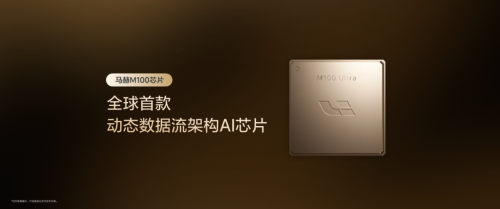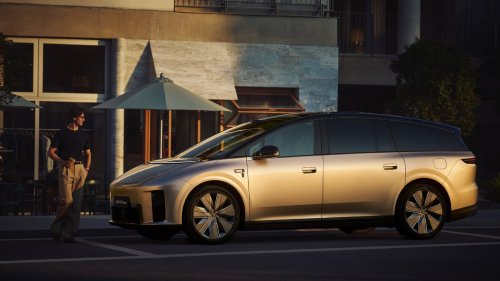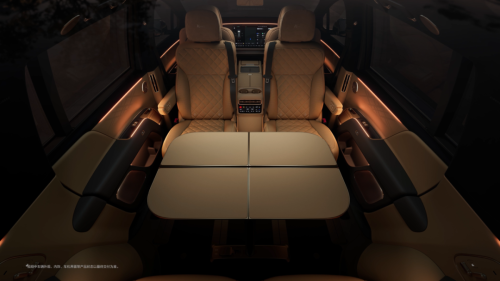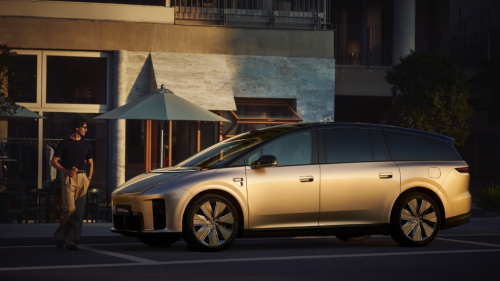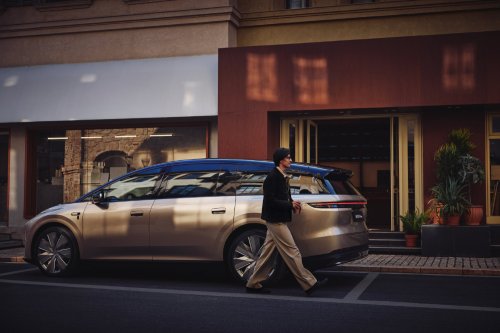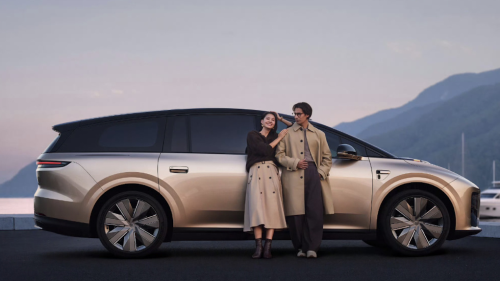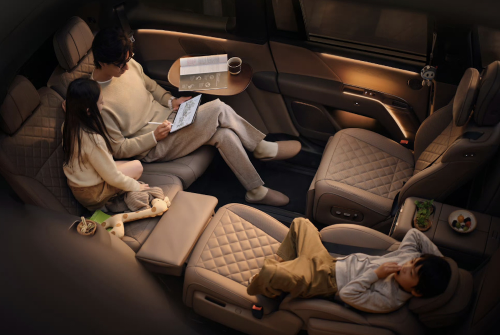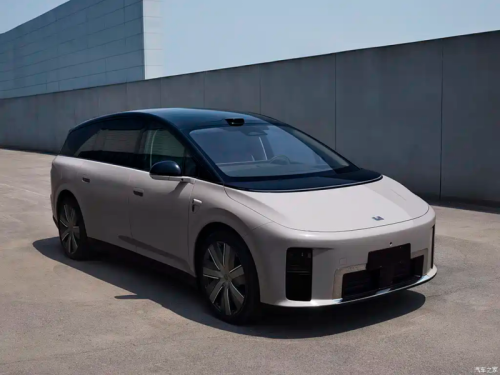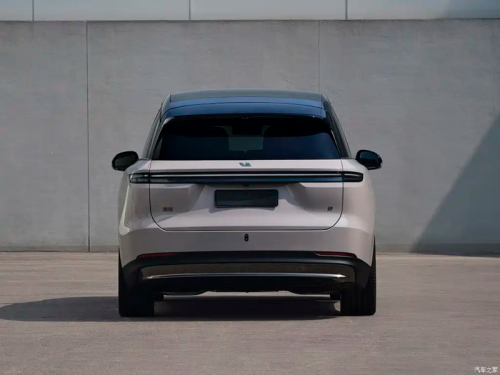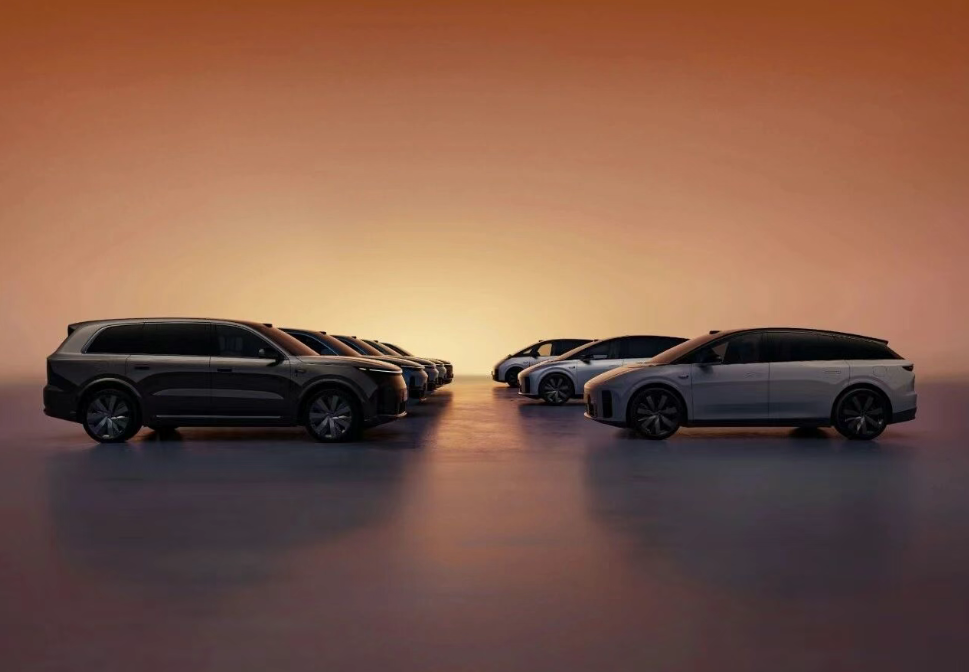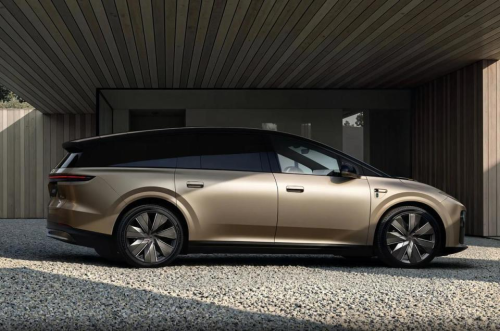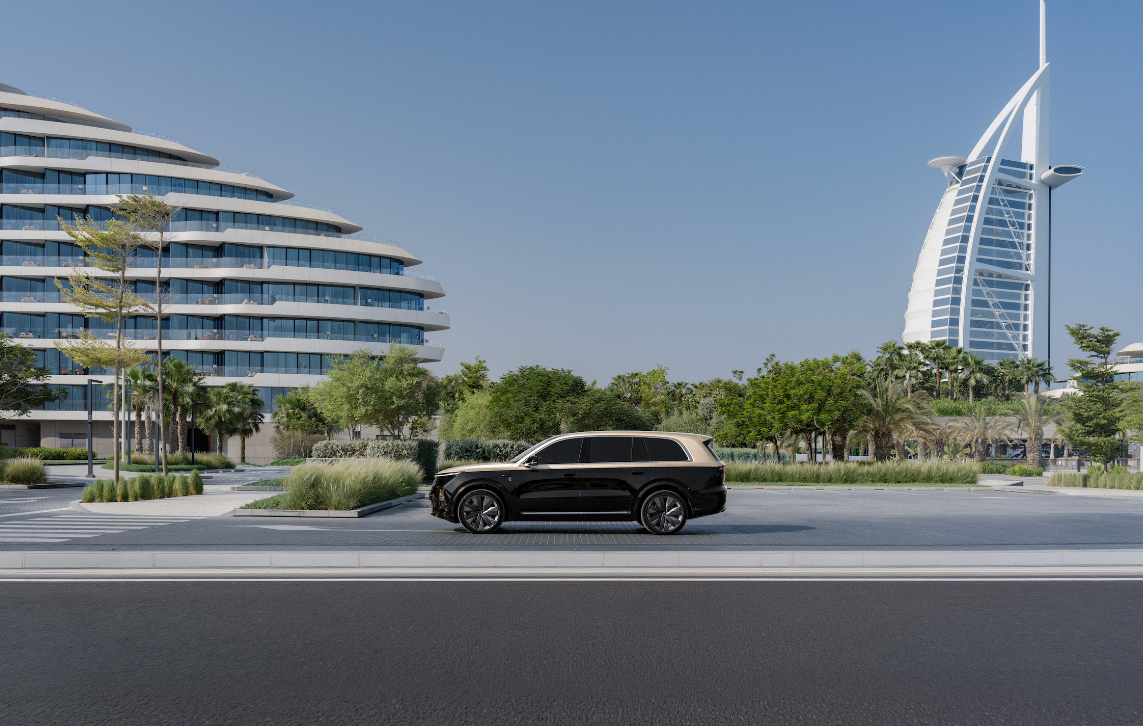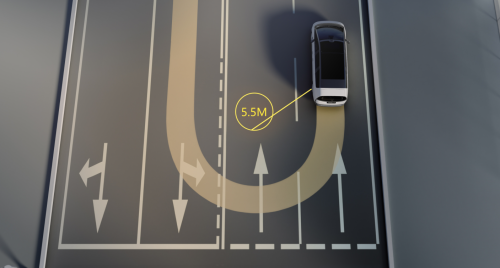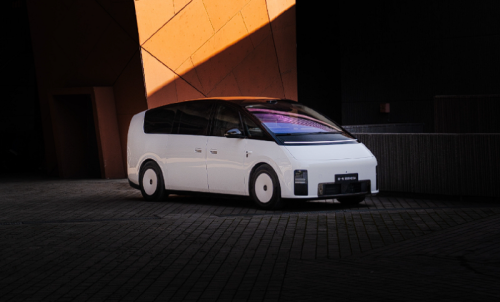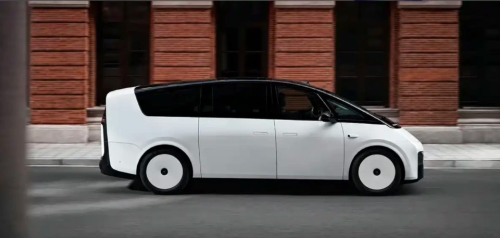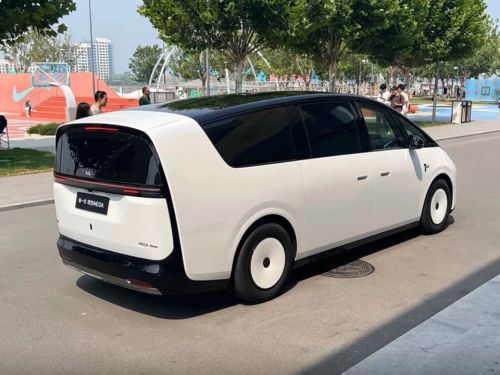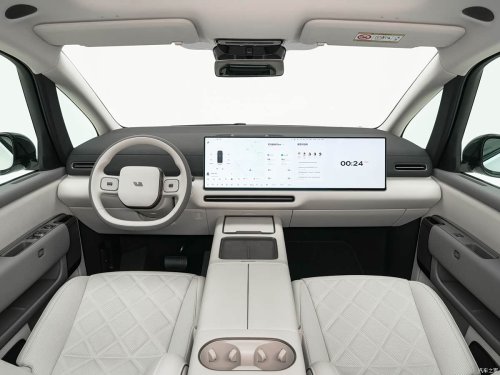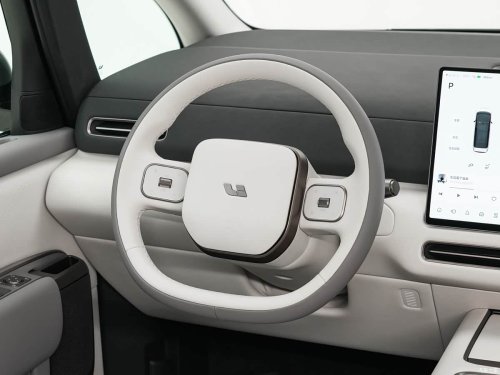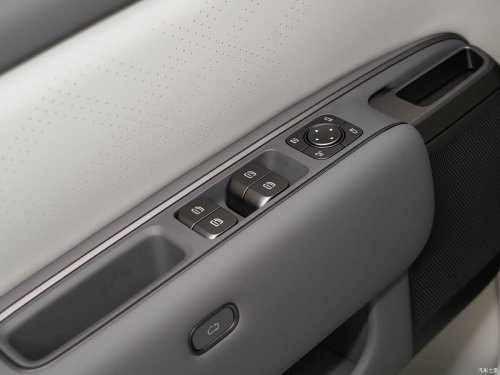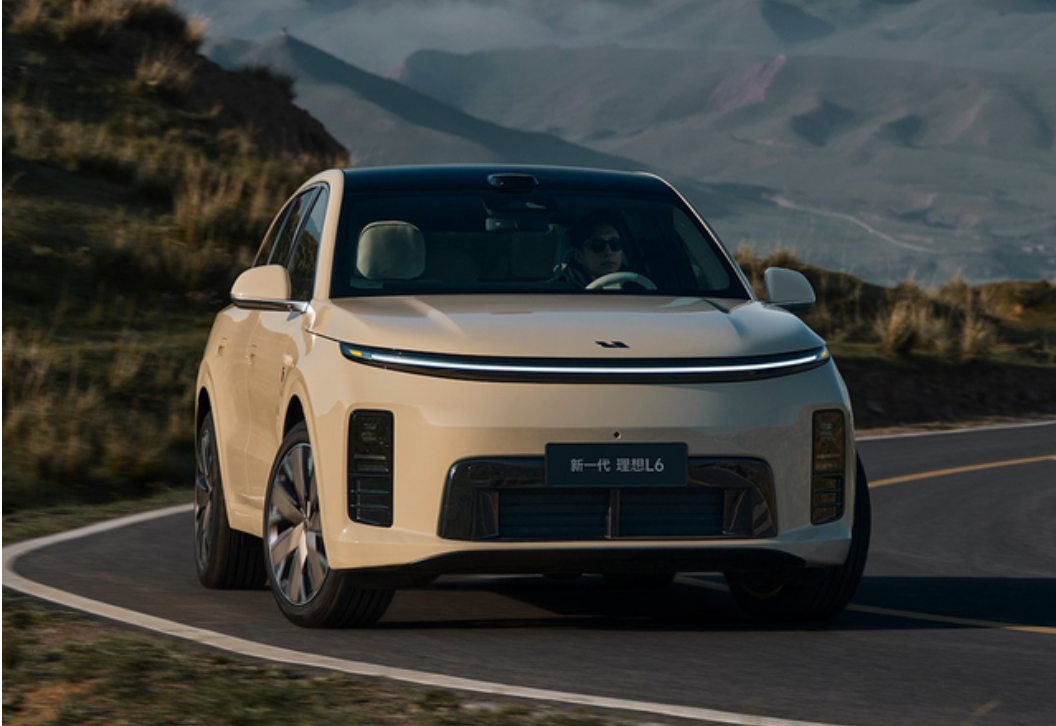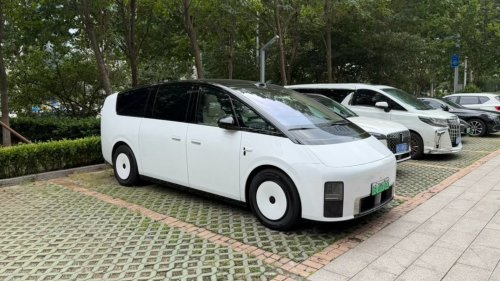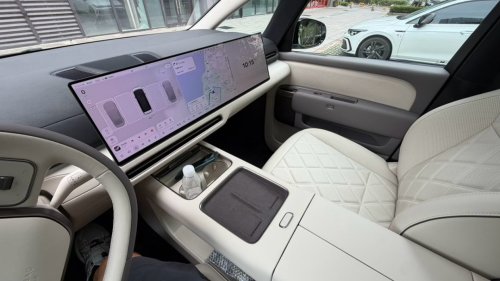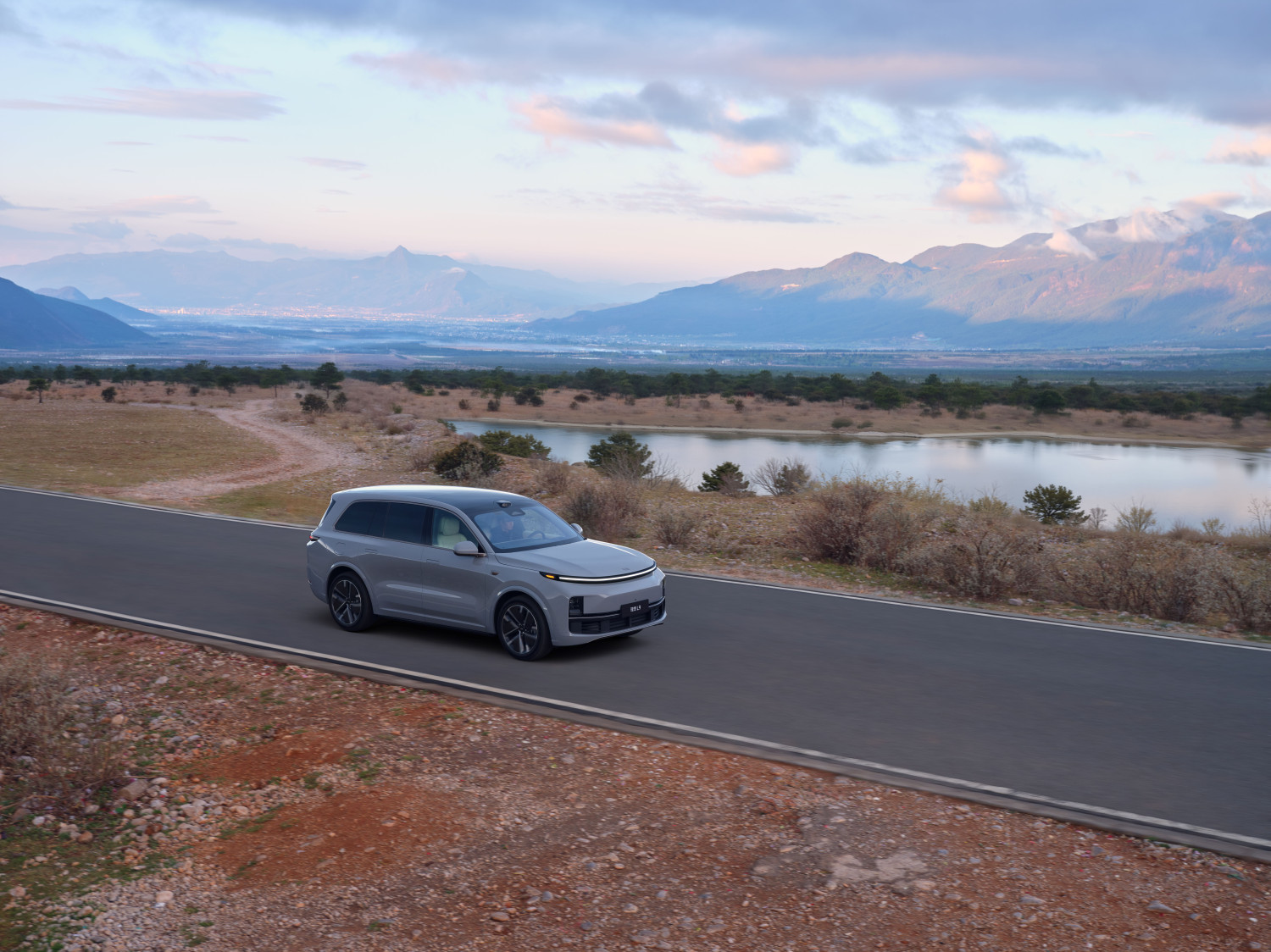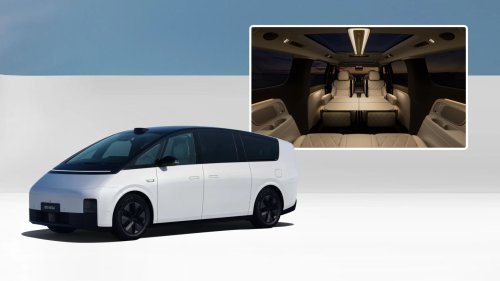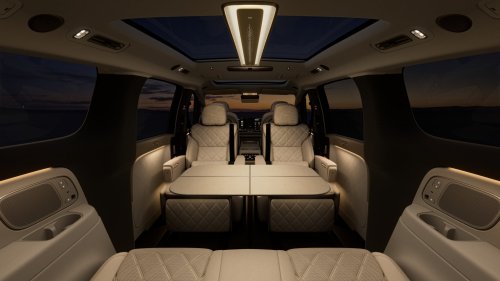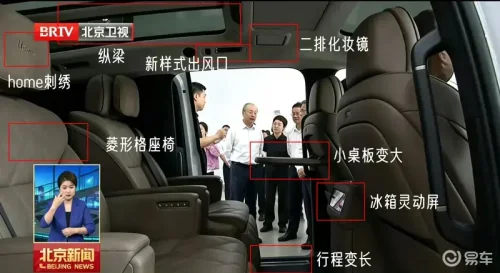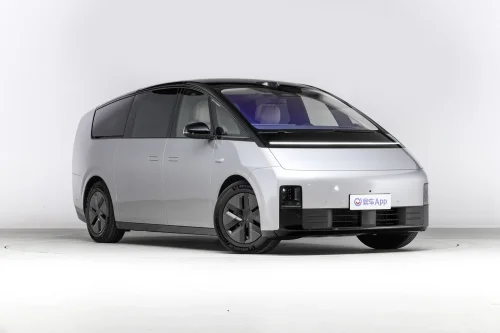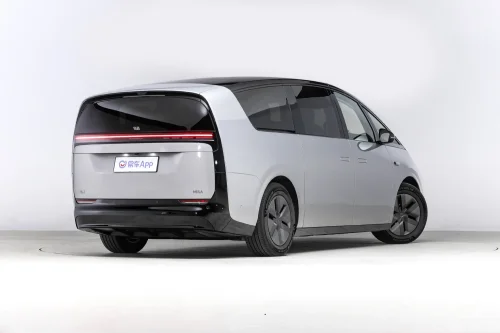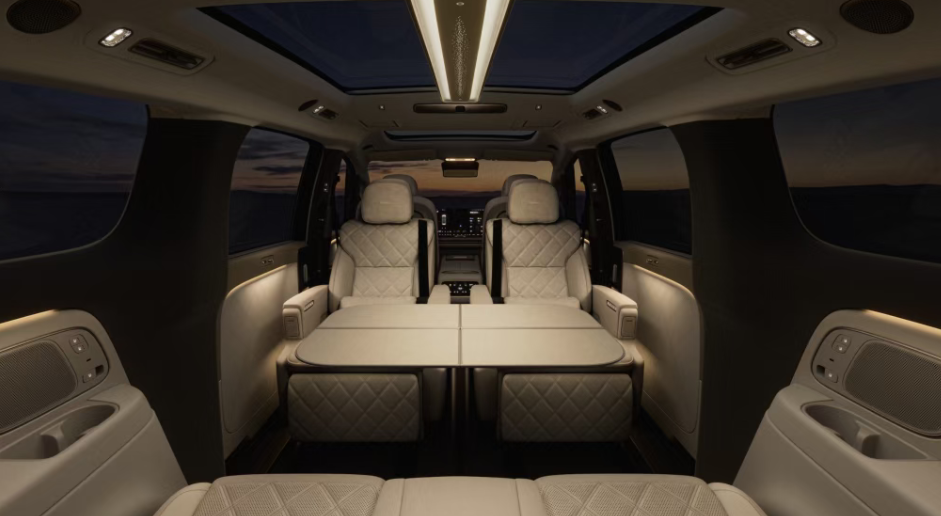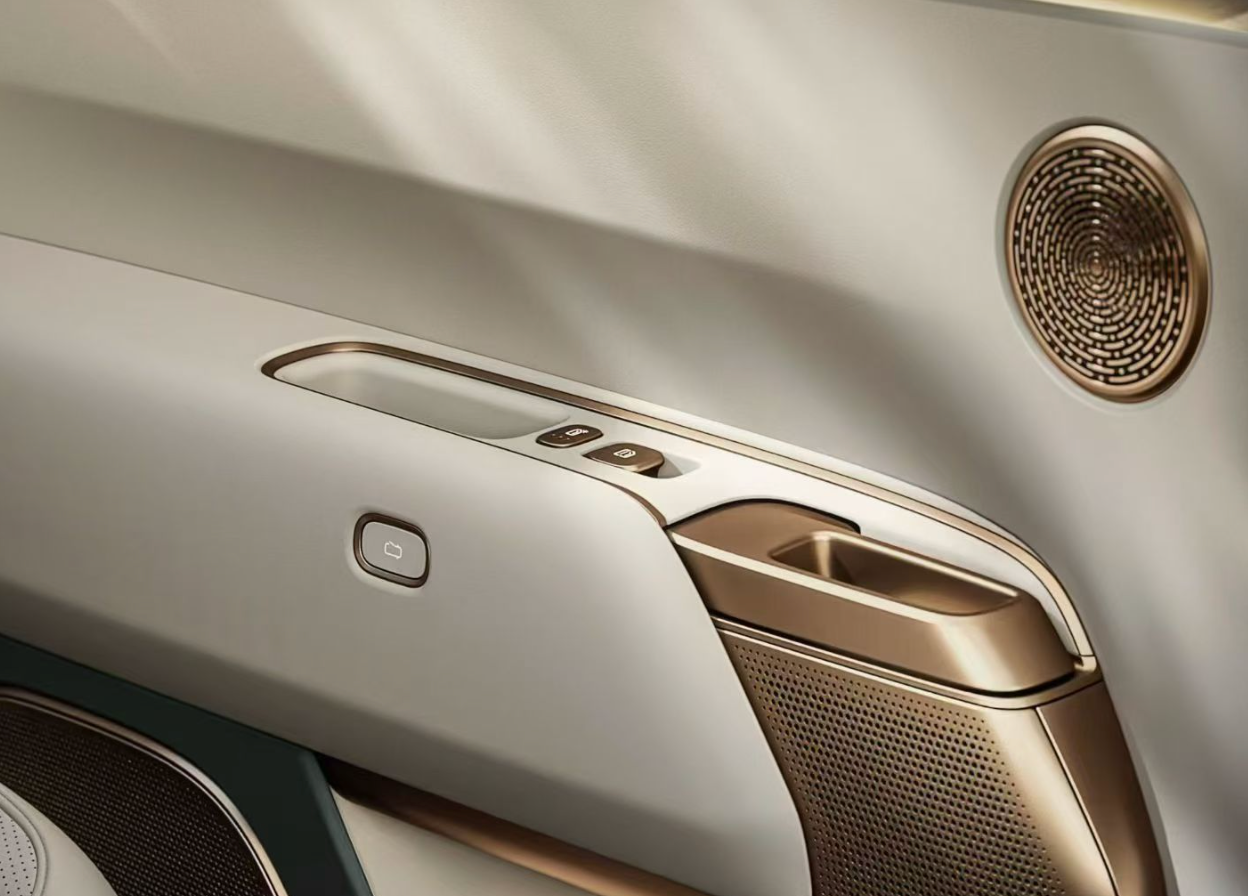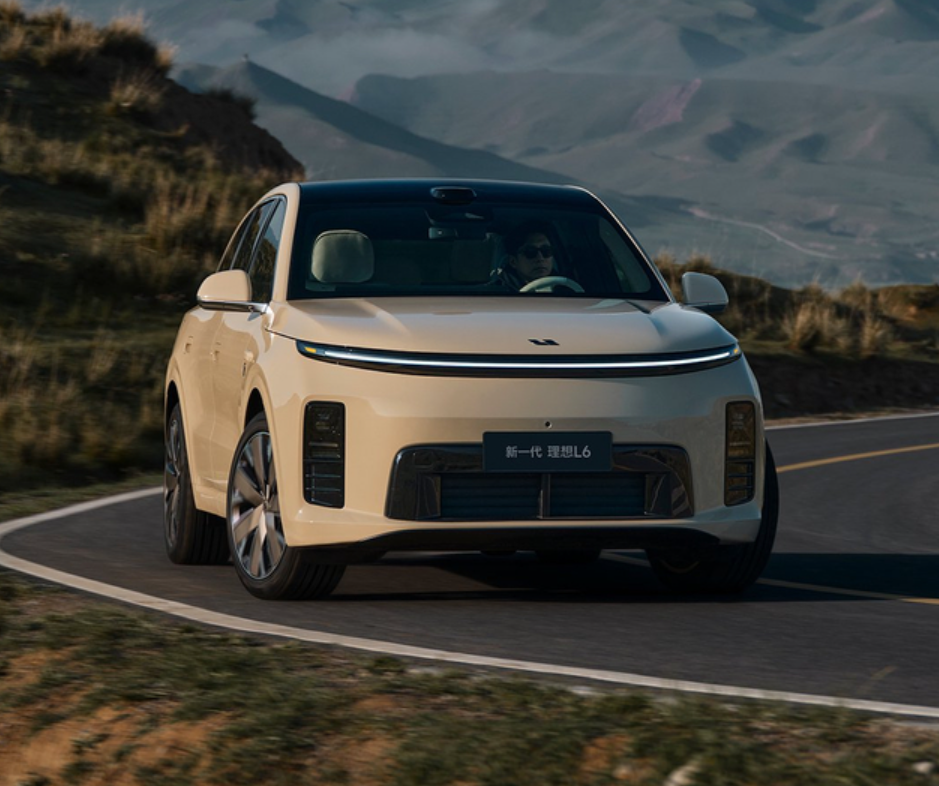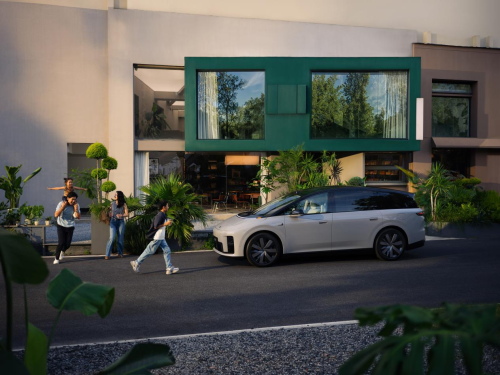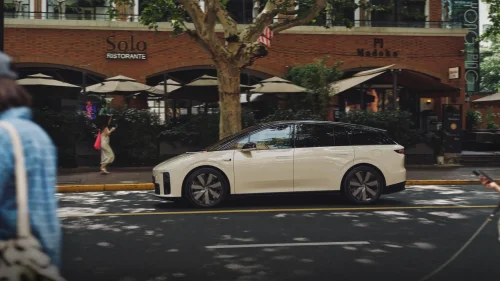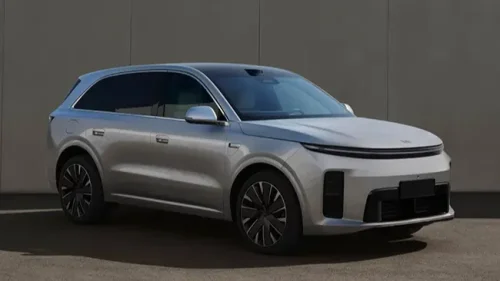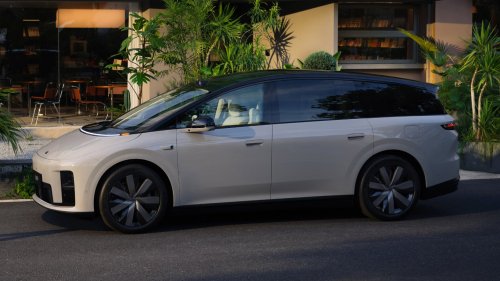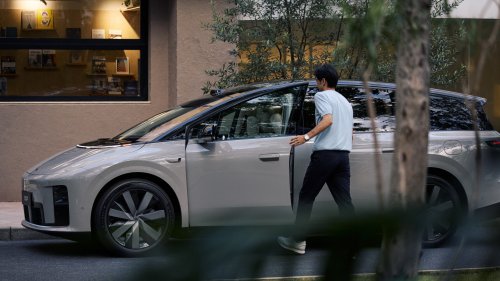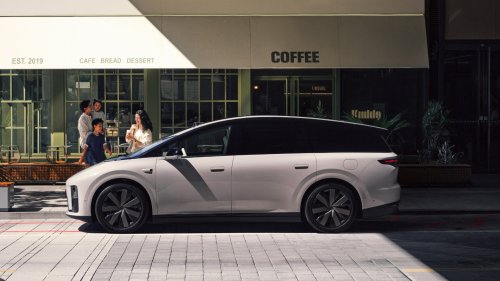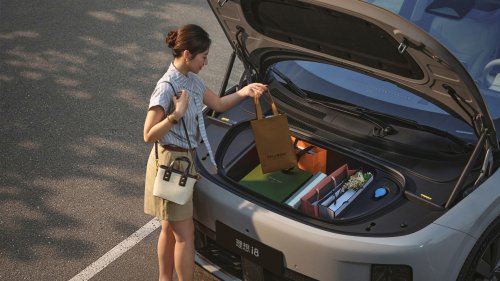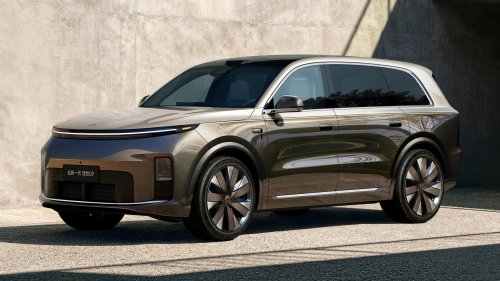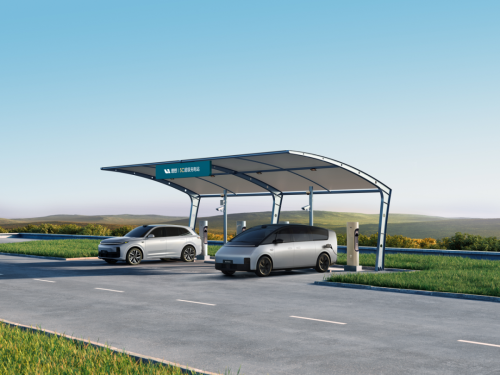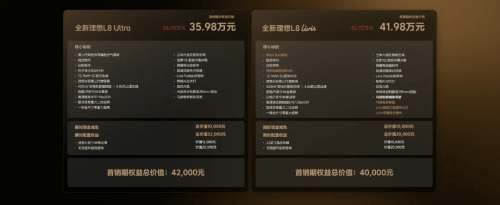
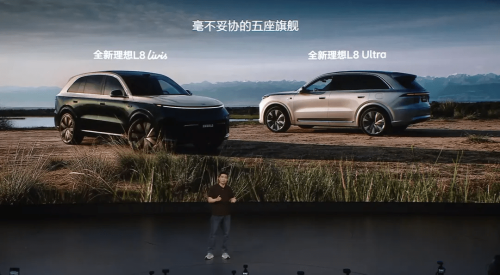
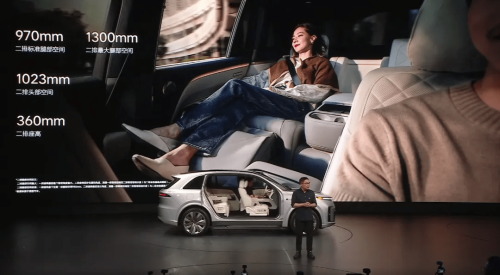
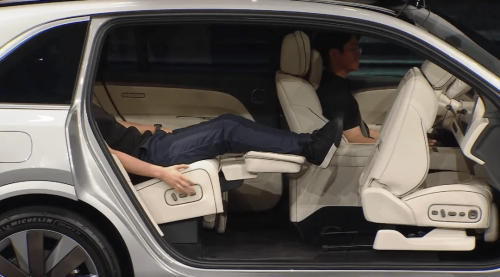
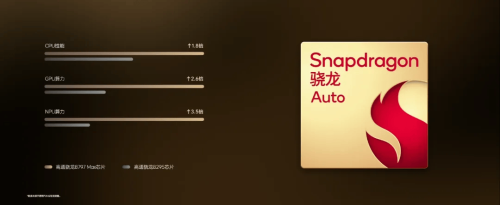
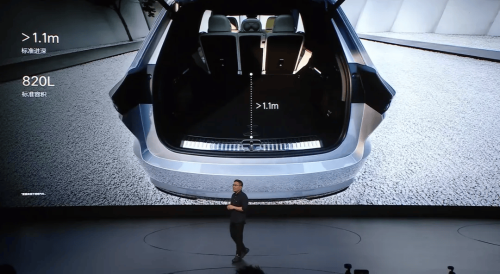
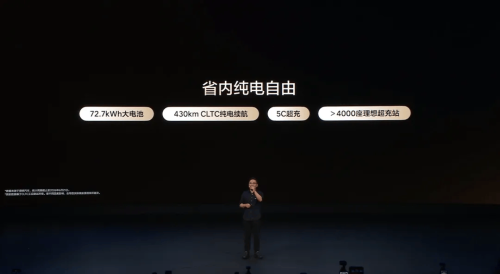
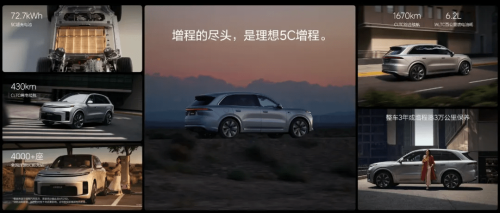
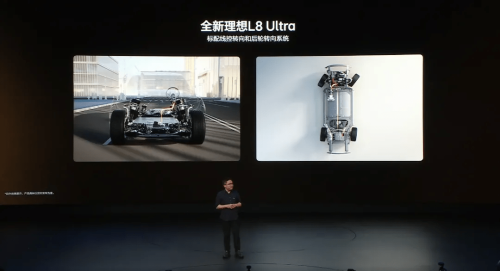
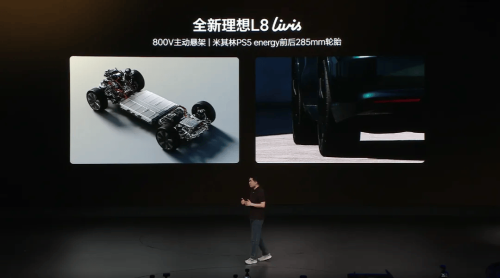
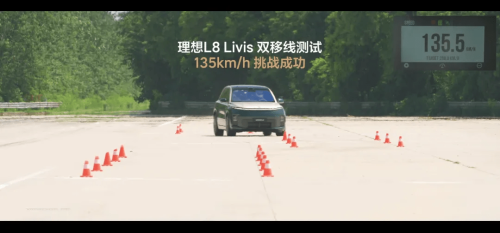
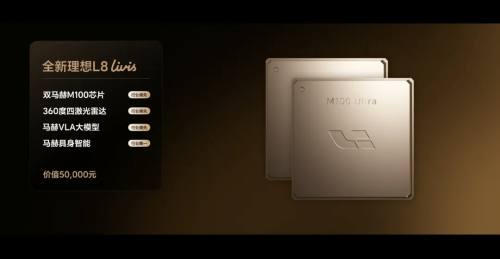
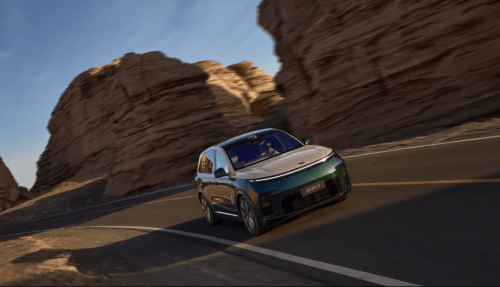
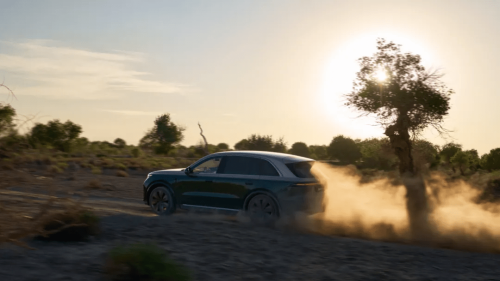
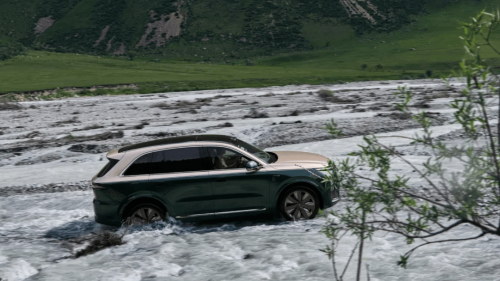



















Li Auto CEO Li Xiang has argued that China’s domestic five-seat flagship SUV segment has yet to be properly redefined, and the all-new Li Auto L8 is positioned to address that gap. The new-generation L8 departs from its original identity as a six-seat family SUV since its debut in 2022, and is now repositioned as a large five-seat flagship SUV. Compared with the 2025 model year, the lineup has been revised from Pro/Max/Ultra to Ultra and Livis variants. Pricing has also been adjusted upward from RMB 321,800–379,800 ($47,600–$56,100) to RMB 369,800–429,800 ($54,600–$63,400). Li L8 pricing Buyers who place orders before July 6 can access limited-time launch pricing of RMB 359,800–419,800 ($53,100–$61,900). The shift from six seats to five is not a simple change in seating layout, but a structural redefinition of the L8 product logic. Previously, the L8 served as Li Auto’s key volume driver in the six-seat family SUV segment, together with the L9 covering different customer tiers within that category. After the upgrade, the L8 is intended to become a more comprehensive five-seat flagship SUV. According to Li Xiang, the model is designed to combine rear-seat comfort comparable to a Mercedes-Maybach GLS with driving dynamics similar to a BMW X5 M, while also maintaining strong self-evolving intelligent capabilities. With a starting price of RMB 369,800 ($54,600), CLTC electric range of 430 km, four zero-gravity seats, compute capability starting at 1,280 TOPS, and a combination of active suspension and a full steer-by-wire chassis system, Li Auto is effectively redefining what a “five-seat flagship SUV” should deliver. Below is a closer look at the key changes in the L8. Major Highlights As noted above, the Li Auto L8 has undergone a fundamental transformation. Visually, the vehicle adopts a more rounded design language similar to the new L9, while the headlight system is upgraded to ADB adaptive headlights, improving both illumination distance for high/low beams and adding anti-glare functionality. New-gen Li L8 launch event More importantly, the positioning shift is from a practical six-seat SUV to a luxury-oriented five-seat flagship. Consistent with Li Auto’s long-standing focus on comfort, the new L8 targets rear-seat comfort comparable to the Mercedes-Maybach GLS. In terms of dimensions, the new L8 measures 5,135 mm in length, 2,000 mm in width, and 1,800 mm in height, with a 3,045 mm wheelbase—55 mm longer and 40 mm more than the 2025 model. As with many models offering both five- and six-seat configurations, eliminating the third row allows most of the space gain to be allocated to the second row and the trunk. This translates into a second-row legroom range of 970 mm to 1,300 mm. However, Li Auto highlights the main upgrade as standard dual zero-gravity seats in the second row. New L8 cabin space The second-row left and right seats support a maximum recline angle of 55 degrees, a 37 mm upward-tilting seat cushion adjustment, and a four-way electric leg rest extending up to 420 mm. This enables four seating modes: a full zero-gravity reclined mode, a relaxed lounge mode (slight recline on the right seat), a cruise sofa mode (semi-reclined backrest with raised leg support), and a work mode (upright posture with retracted leg rest). In work mode, tray tables behind the front seats can support a 16-inch laptop. The setup can also integrate with a color-adjustable vanity mirror in the rear for makeup scenarios. New L8 cabin space Additional comfort features include magnetic lumbar support, leg cushions, and adjustable headrest supports designed to accommodate users of different heights and body types. Beyond the dual rear zero-gravity seats, the front row also comes standard with zero-gravity seating, forming a four-zero-gravity-seat layout across the cabin. The cabin experience is further enhanced by a Qualcomm 8797 Max chip, a 29-inch front panoramic display, an optional 21-inch rear entertainment screen, a 4,720W audio system with 27 speakers, and a five-seat six-zone climate control system. New L8 is equpped with Qualcomm 8797 Max chip Additional interior features include seat control buttons on the door panels, rear roof-mounted door controls, wireless charging in the rear, power sunshades, and an in-car refrigerator. For cargo capacity, the trunk offers 820 liters of standard volume, expanding to 2,388 liters with rear seats folded, with a 4/2/4 split-folding configuration. New L8 cargo space However, a comfortable cabin is only the baseline for a flagship five-seat SUV. Li Xiang has set a dual objective: not only to ensure rear passengers enjoy Maybach GLS-level comfort, but also to deliver a driving experience comparable to the BMW X5 M. If the four zero-gravity seats redefine static luxury, the true “flagship” qualification depends on the mechanical hardware embedded in the chassis and powertrain system. The End of Range Extender? What exactly is the “end state” of range-extender technology? This question drew significant attention during Li Xiang’s pre-launch briefing. Given NIO’s long-term commitment to battery electric vehicles, many observers might assume the answer is full electrification. However, Li Auto Vice President Liu Jie firmly rejected this view at the launch event, stating: “We disagree.” Instead, Li Auto defines the end state of range-extender technology as “Li Auto 5C extended-range architecture.” New L8 launch event The first product embodying this concept is the new L8. The new L8 is equipped with a 72.7 kWh 5C ultra-fast charging battery, increasing CLTC electric range from the 2025 model’s 280 km to a unified 430 km. New L8’s electric range With the new 800V high-efficiency electric drive platform, the vehicle delivers a combined motor output of 420 kW, accelerates from 0–100 km/h in 4.8 seconds, and reaches a top speed of 200 km/h. Under WLTC conditions, fuel consumption in depleted battery mode is 6.2 L/100 km. In Li Auto’s narrative, the combination of 5C fast-charging capability and more than 4,000 nationwide Li Auto 5C supercharging stations represents the “end state” of range-extension technology. New L8’s range performance However, for a flagship five-seat SUV, comfort, range, and charging convenience alone are not sufficient. Another core requirement is driving dynamics comparable to a BMW X5 M. The L8 Ultra comes standard with a full “magic carpet” steer-by-wire chassis, including dual-valve continuously variable damping, steer-by-wire steering, rear-wheel steering, and air suspension, with a turning radius of 5.1 meters. L8 Ultra The Livis version further adds an 800V fully active suspension system, EMB steer-by-wire braking, steer-by-wire steering, and rear-wheel steering. When discussing the 800V active suspension, Li Xiang emphasized that unlike conventional suspension systems, the system can actively apply up to 10,000 newtons of force to manage road conditions, rather than reacting passively. This translates into measurable performance: under ISO 3888-1 testing standards (the same as those used by Dongchedi), the L8 Livis version successfully completed the double lane-change test at 135 km/h. L8 Livis Li Xiang noted that many “Series 9” SUVs on the market struggle to exceed 110 km/h in the same test. In assisted driving, the hardware differentiation between Ultra and Livis is also significant. L8 Livis completed the double lane-change test The Ultra version uses a single Horizon Robotics Journey M100 chip with 1,280 TOPS of compute power and one forward-facing lidar sensor. The Livis version adopts dual M100 chips with a total of 2,560 TOPS and four lidar units. Both versions come standard with full-scenario navigation assistance and VLA parking capabilities. L8 Livis adopts dual M100 chips However, Livis additionally supports a 3D ViT vision model, external embodied greeting functions, and detection of suspended obstacles. While current software capabilities are broadly similar, Livis provides substantially greater hardware redundancy for future upgrades. From four zero-gravity seats to 5C range extension, from steer-by-wire chassis to dual-M100 compute architecture, the new L8 defines its interpretation of a flagship five-seat SUV across comfort, range, handling, and intelligent driving. However, product self-evolution is only the first step. The vehicle will face competition from the AITO M8, Zeekr 8X, and even the upcoming NIO ES8 five-seat variant. Five-Seat Era Competition In the RMB 350,000–450,000 ($51,600–$66,500) segment, the new L8 will compete directly with Zeekr 8X, AITO M8, and the NIO ES8 five-seat version, which is expected to open pre-sales this Sunday. In terms of dimensions, the L8 is not the largest among the four models. The NIO ES8 five-seat variant, at 5,280 mm in length, maintains a clear size advantage over the others, all of which are below 5.2 meters. Its key advantage lies in interior comfort configuration. Li L8 While the ES8 five-seat interior details remain unclear, both Zeekr 8X and AITO M8 lag behind the L8 in zero-gravity seat coverage. The L8 offers four zero-gravity seats as standard, whereas the AITO M8 only offers a single zero-gravity seat in higher trims of its six-seat version, and Zeekr 8X provides zero-gravity seats only in the front row of its flagship variant. Combined with optimized cushion design, leg support, and recline angles, the L8 offers stronger customization of comfort across different user needs. The 2025 L-series models were widely criticized for limited battery capacity in extended-range configurations. The new generation addresses this directly. The L8 now features a 72.7 kWh battery and 430 km CLTC electric range, exceeding Zeekr 8X (up to 410 km) and AITO M8 (up to 310 km), turning a former weakness into a core strength. Li L8 However, a potential disadvantage is performance positioning. Zeekr 8X, marketed as a “new king of road performance,” offers higher output even in non-triple-motor versions, and its flagship three-motor variant accelerates from 0–100 km/h in 2.96 seconds—appealing to performance-focused buyers. Compared with AITO M8, Huawei’s HarmonyOS ecosystem and its strong perception advantage in intelligent driving and smart cabin integration remain competitive strengths. As for the NIO ES8 five-seat version, expected to feature four zero-gravity seats, large cargo capacity, and flexible seating layouts, comparisons with the L8 will likely focus on driving dynamics and intelligent driving capabilities. Li L8 Overall, each model occupies a distinct position: Zeekr 8X emphasizes performance, AITO M8 focuses on ecosystem and intelligent driving perception, and NIO ES8 leverages battery-swapping infrastructure and brand premium. The L8, in contrast, seeks to avoid direct confrontation in individual strengths and instead deliver a balanced combination of rear-seat comfort, long-range capability, and advanced chassis control in a single package. This product-definition-first approach has long been a core competence of Li Auto’s L series. With this transition from six seats to five, both the L8 and Li Auto are effectively starting a new chapter.