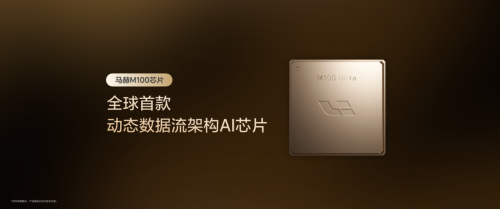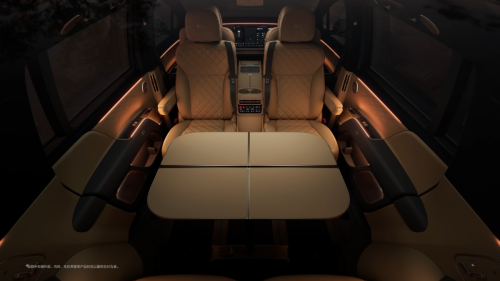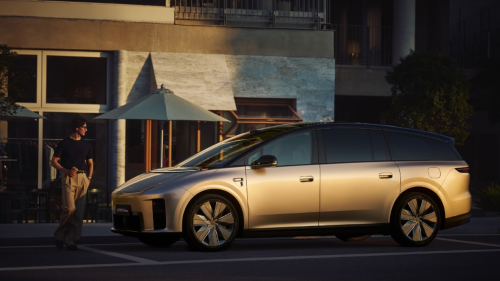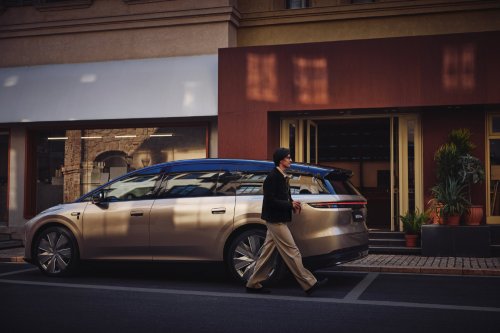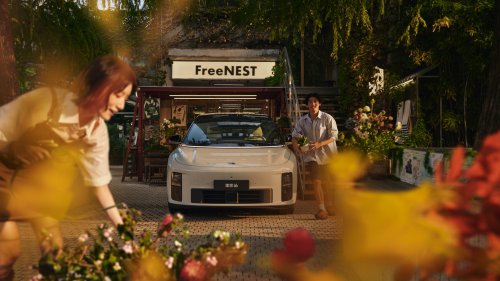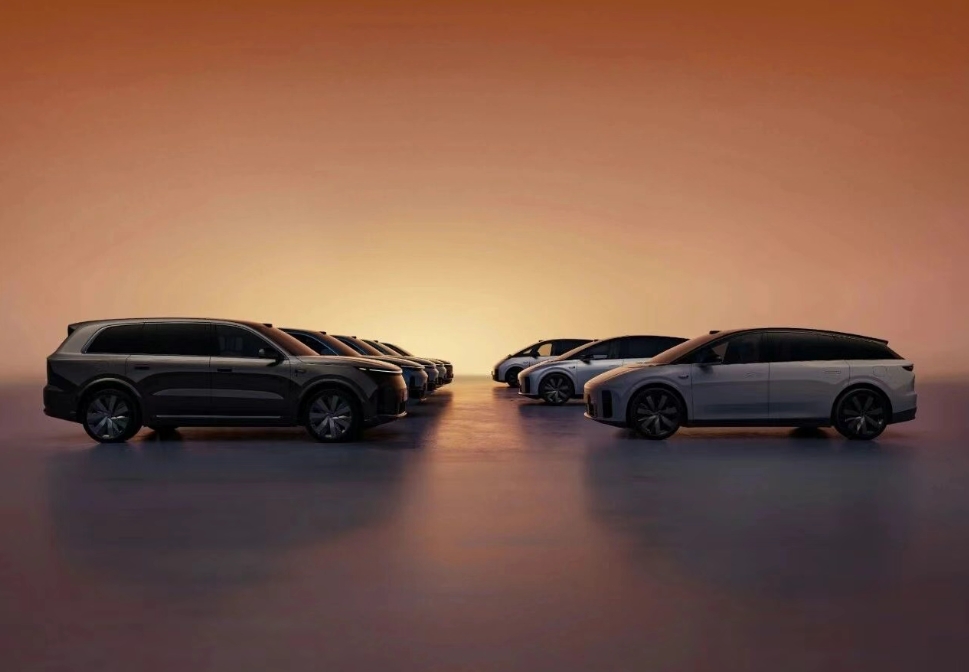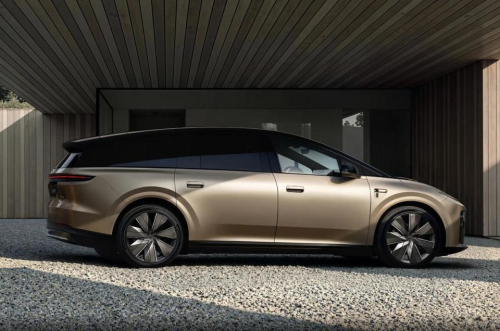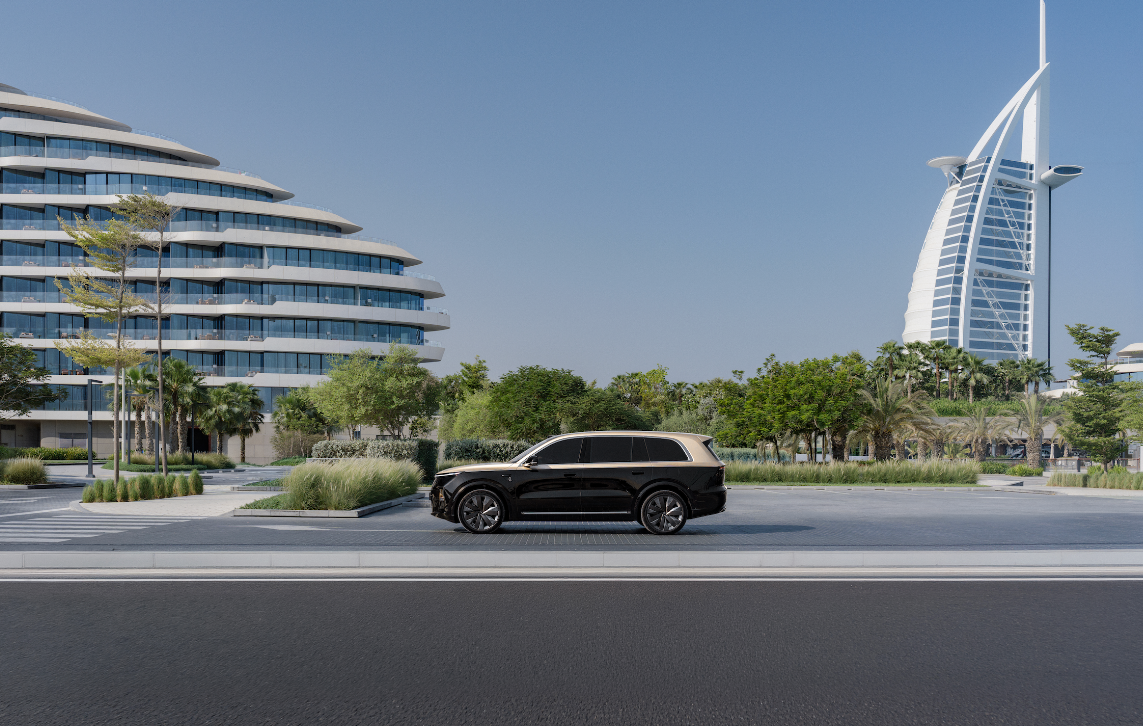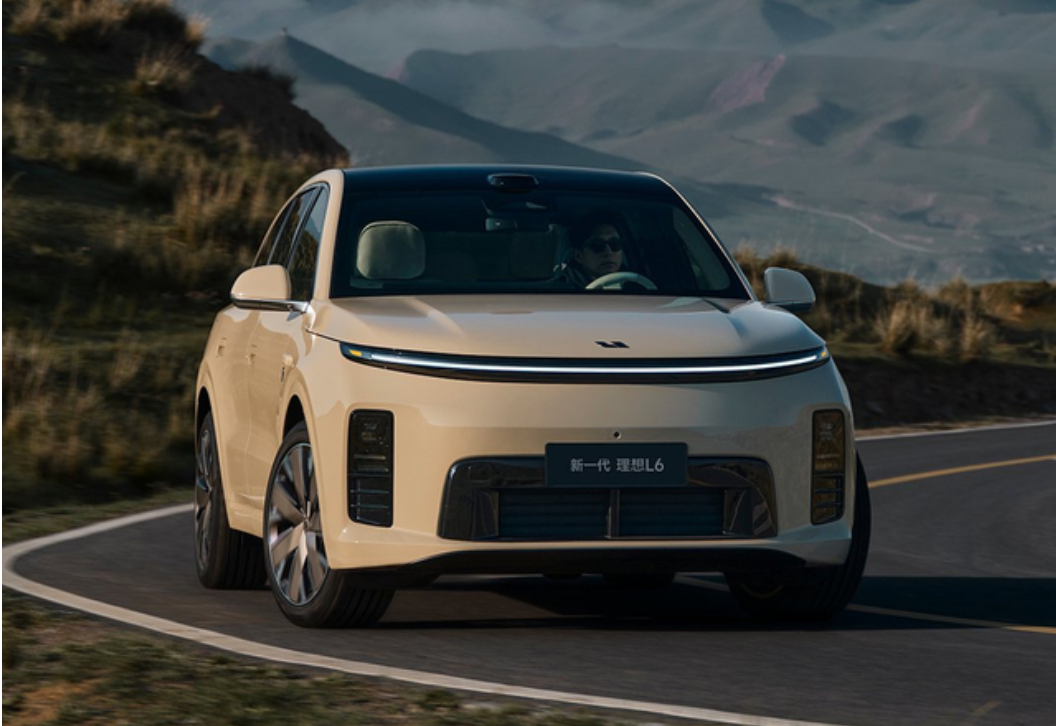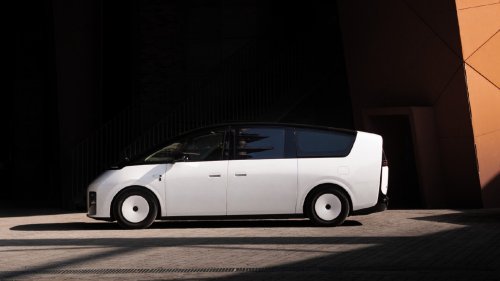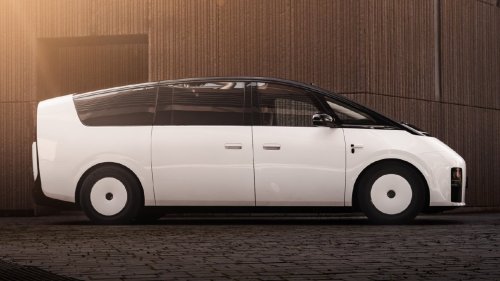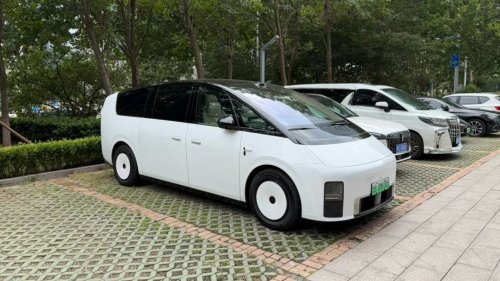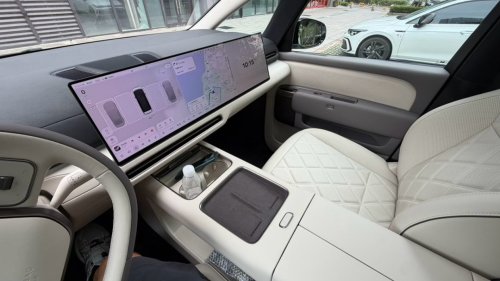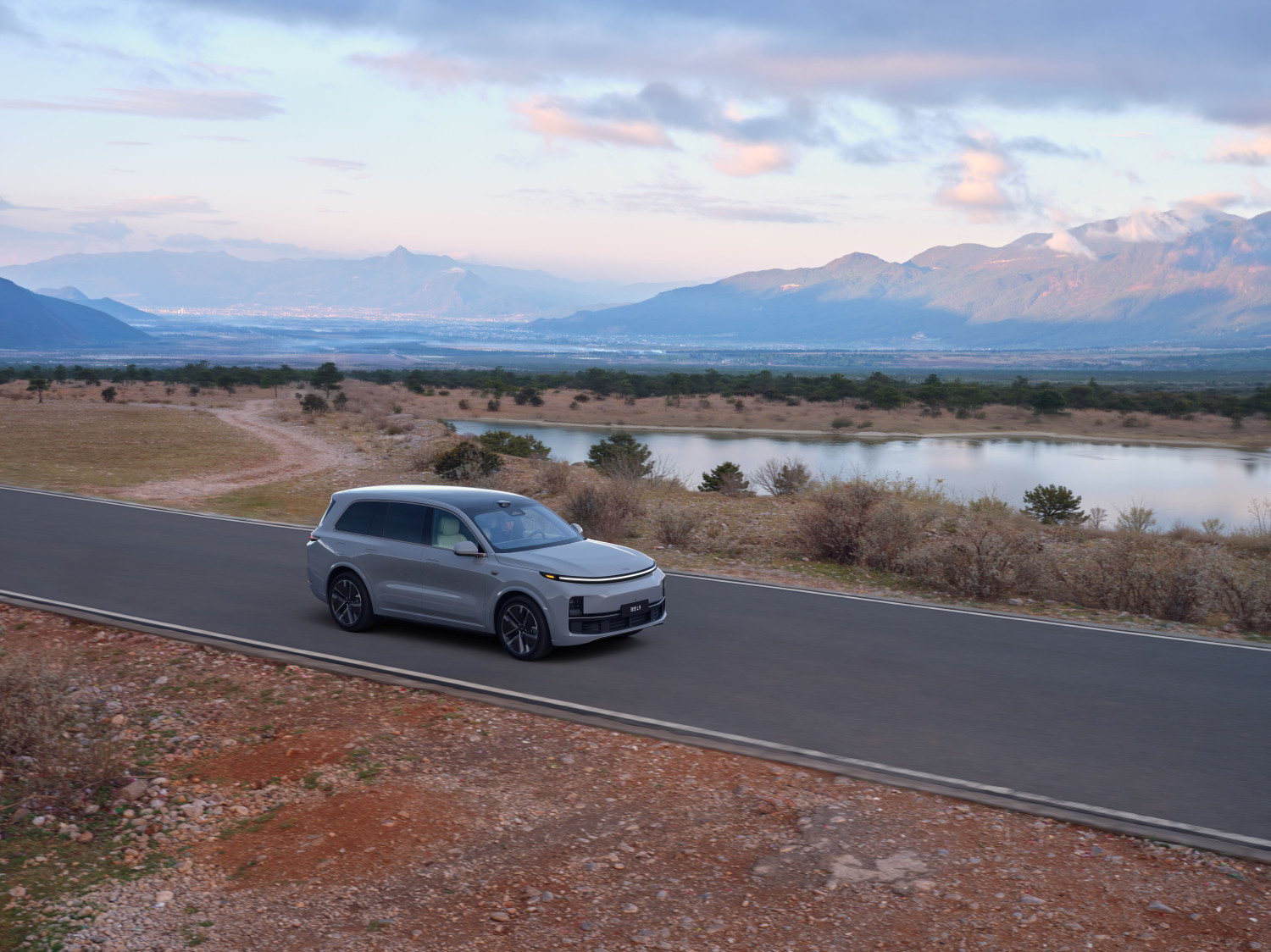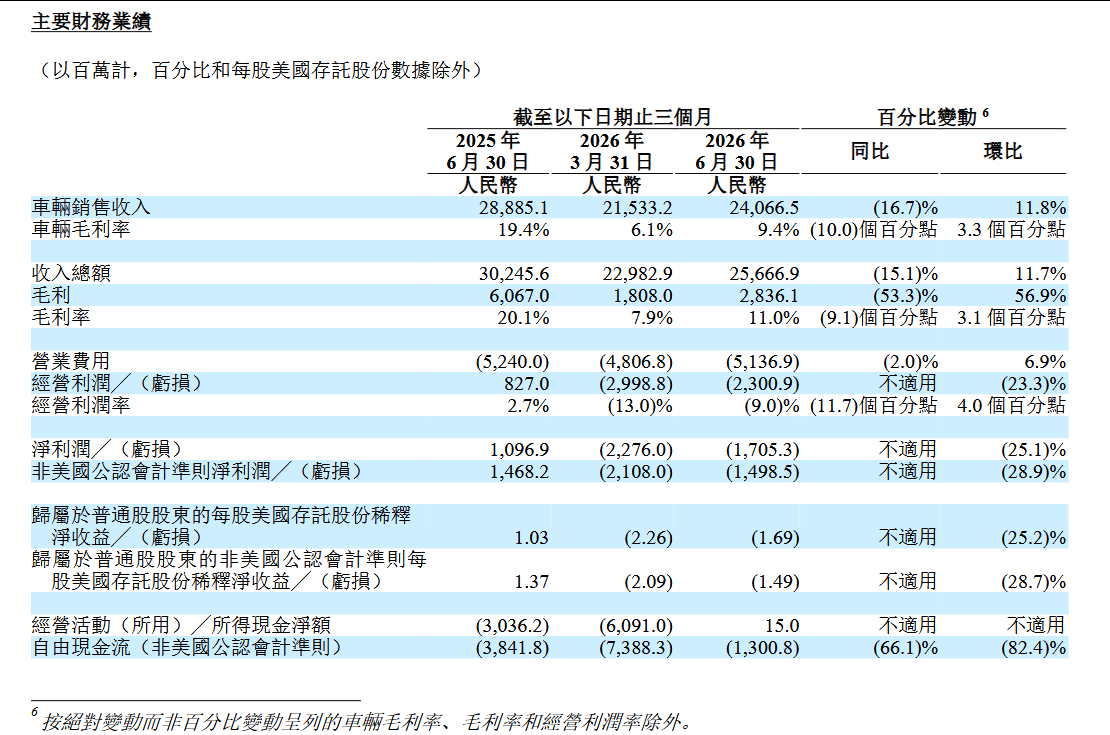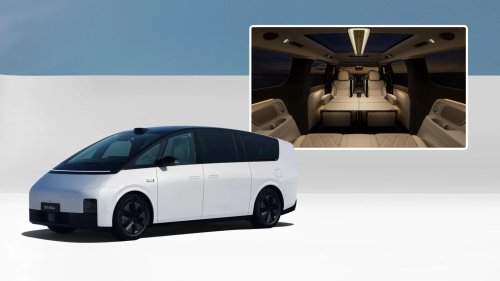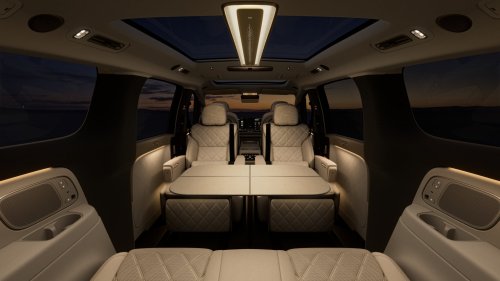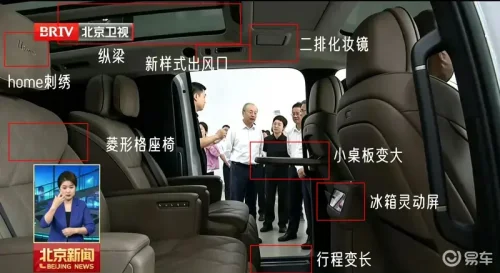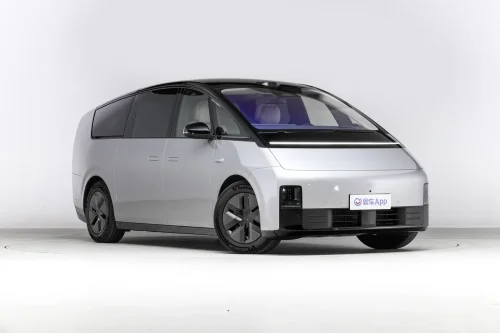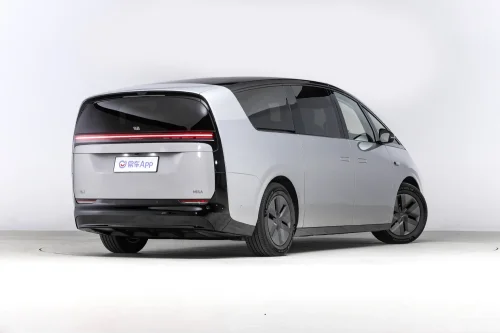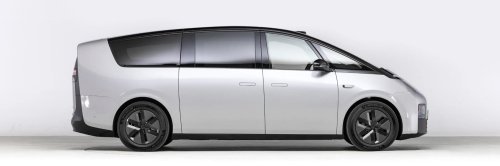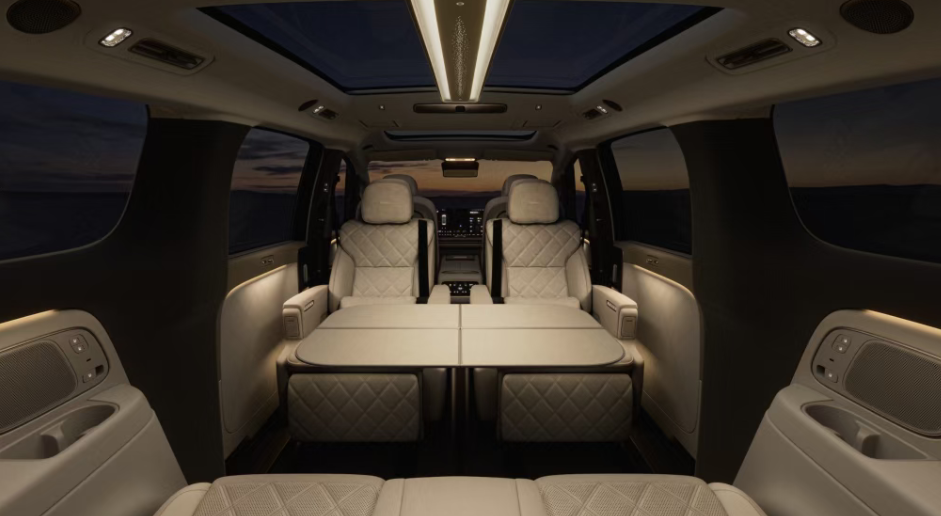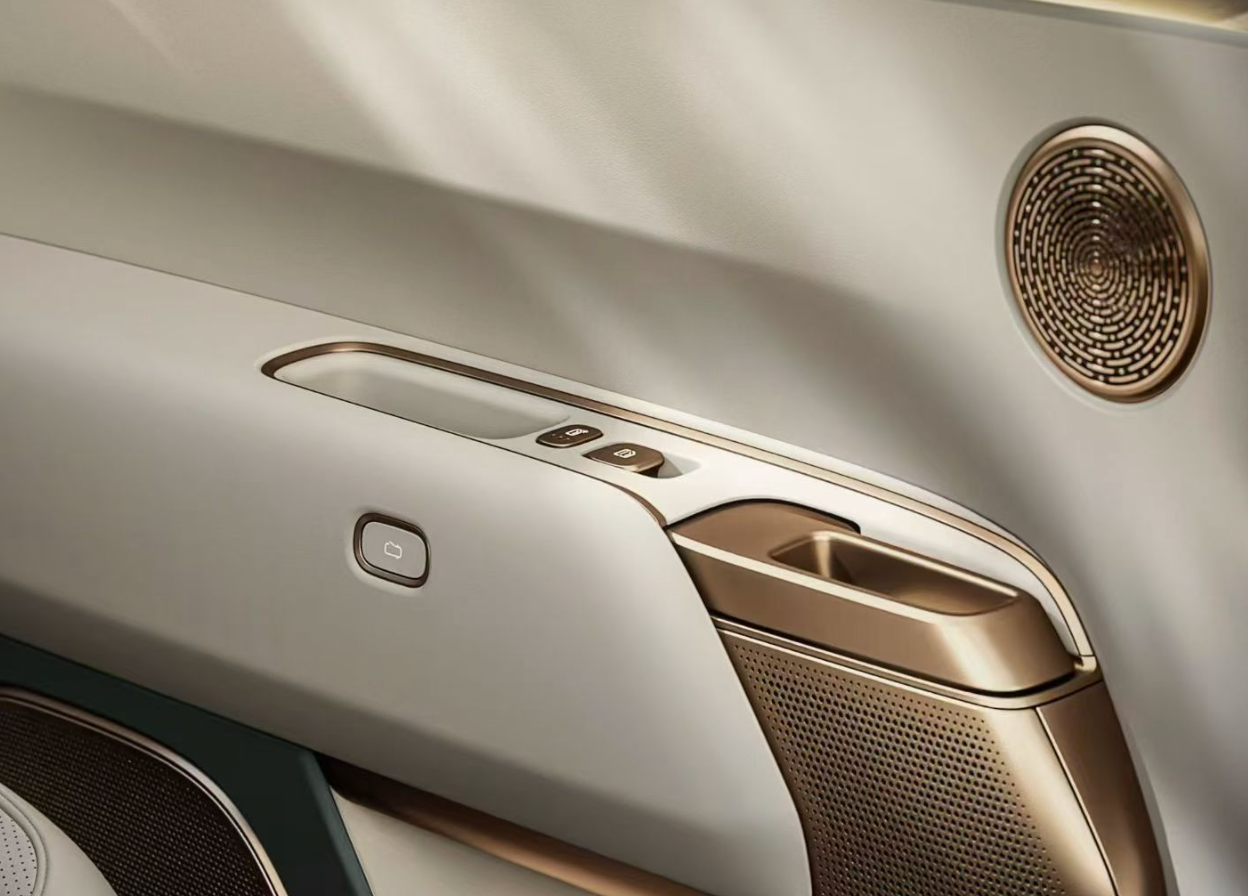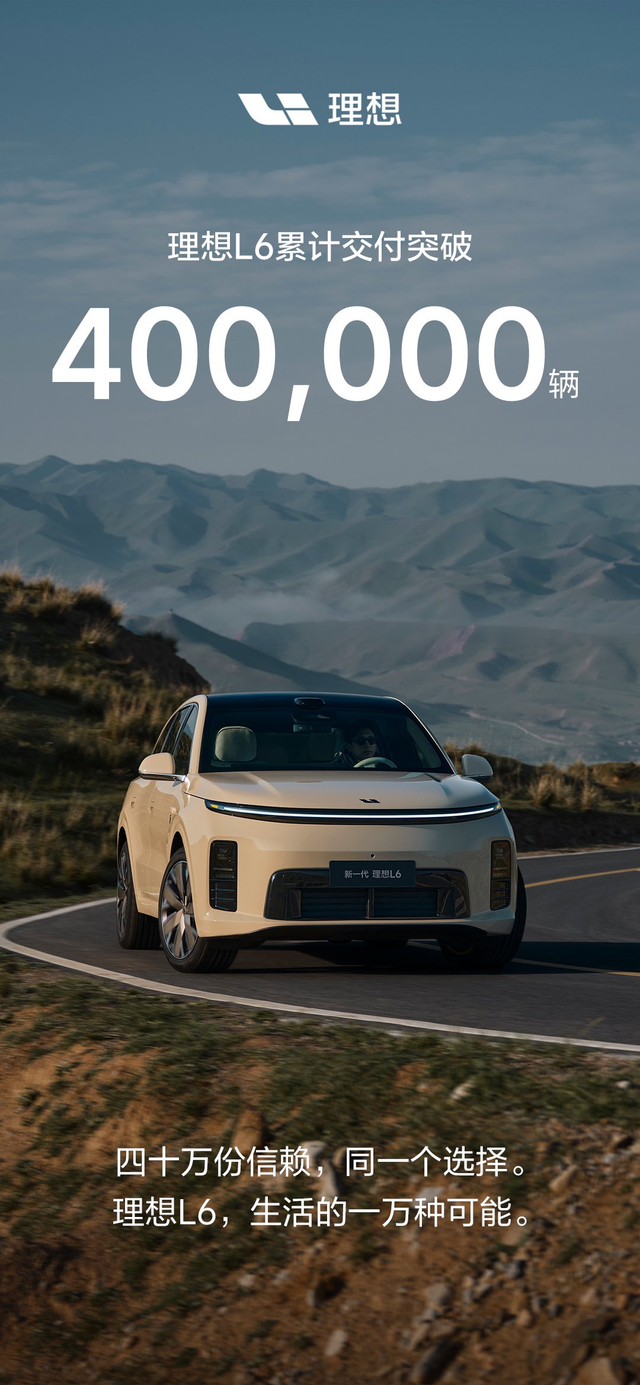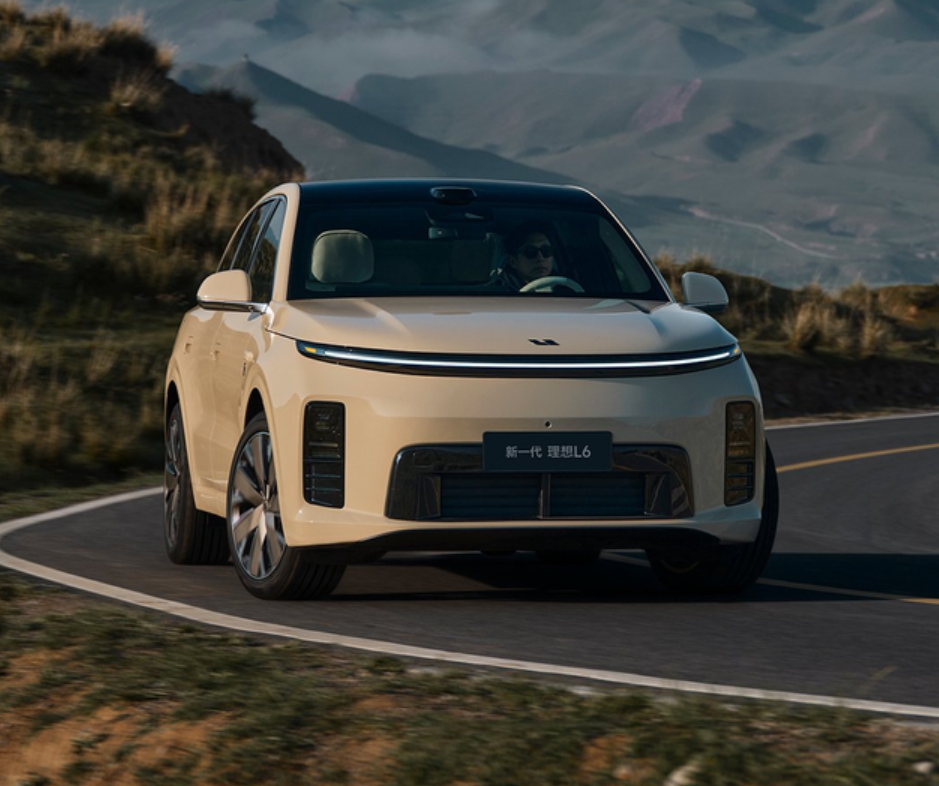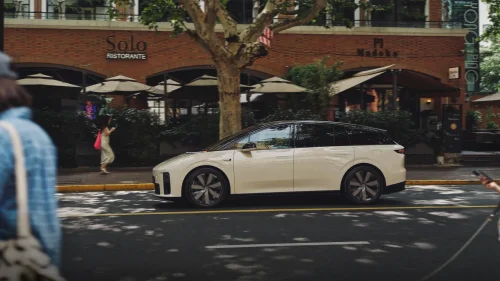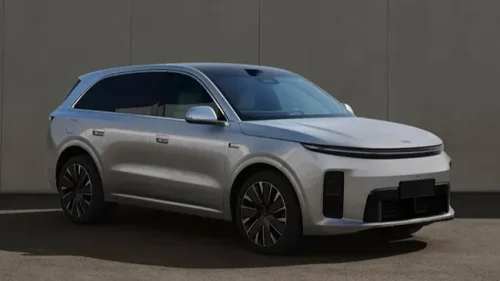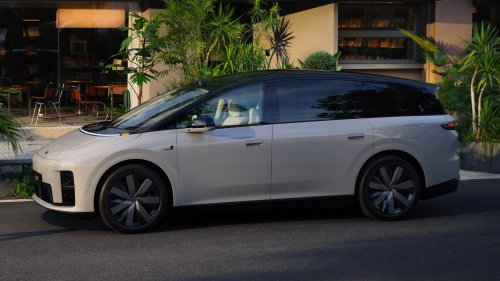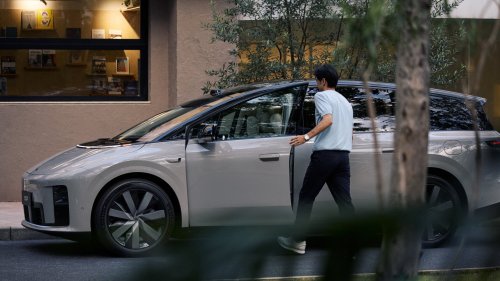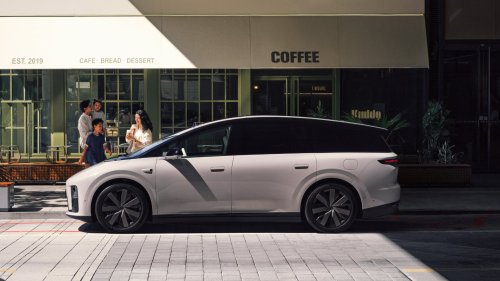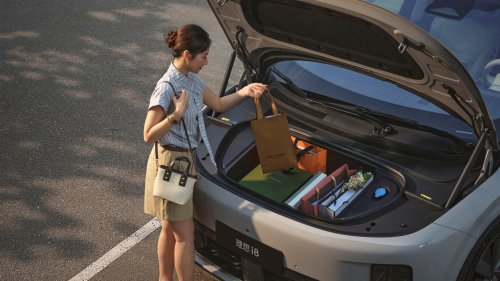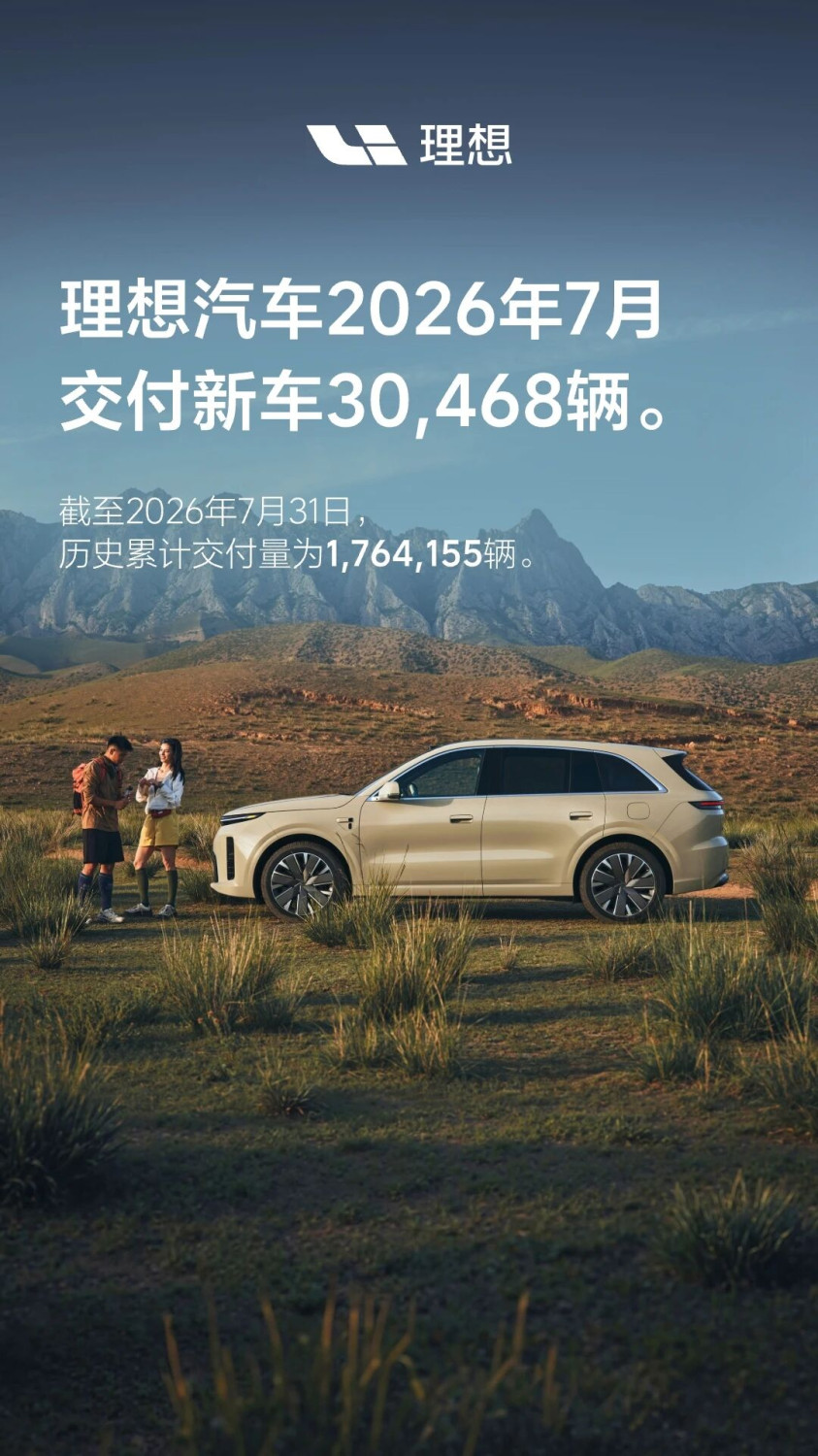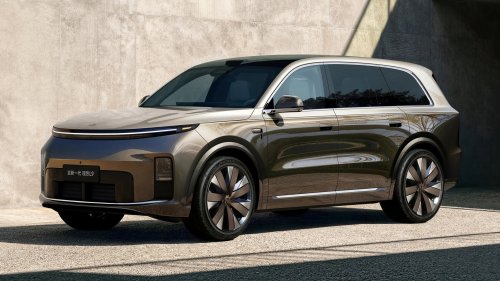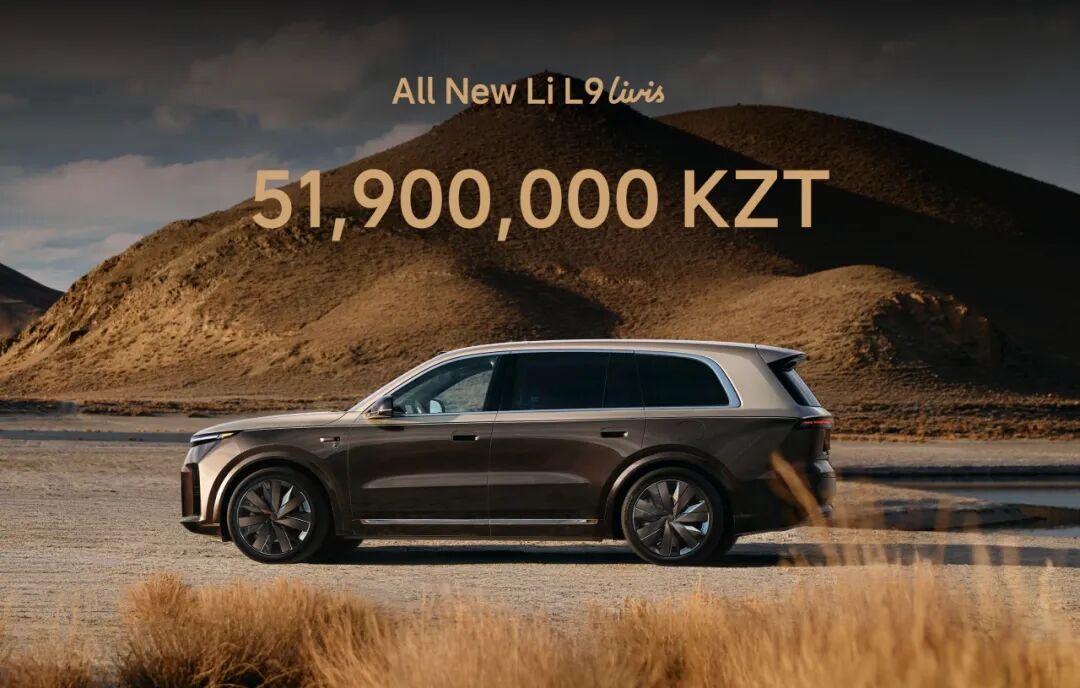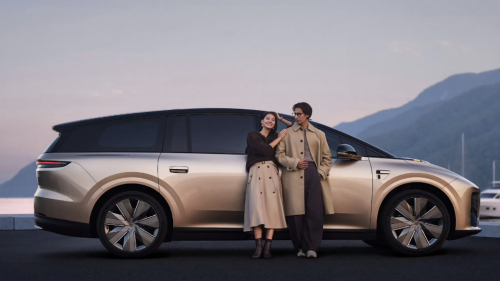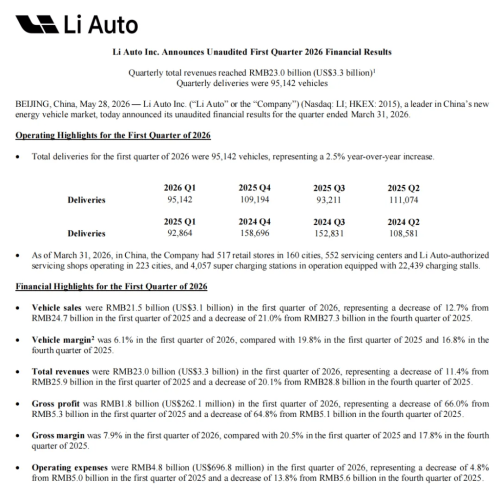
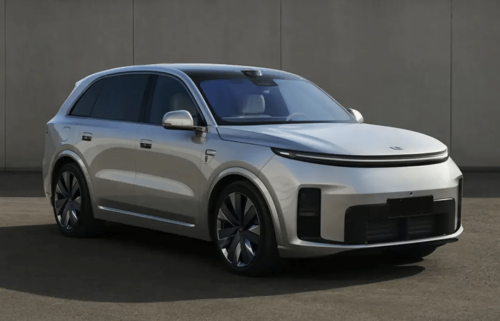
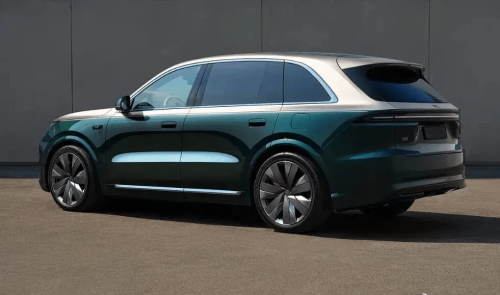
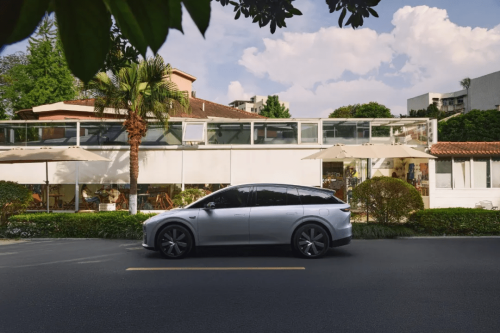



















On May 28, Li Auto released its financial results for the first quarter of 2026. During a quarter in which the broader auto industry faced mounting pressure, Li Auto was also hit by seasonal weakness. Although total deliveries rose 2.5% year-on-year, total revenue fell to RMB 21.5 billion ($3.17 billion), declining both year-on-year and quarter-on-quarter. Li Auto’s financial rsults in Q1 2026 Meanwhile, Li Auto posted a net loss of RMB 2.3 billion ($340 million) in Q1, compared with a net profit of RMB 600 million ($88 million) in the same period last year and RMB 60 million ($9 million) in Q4 2025, marking a sharp deterioration on both fronts. At the same time, among the three major Chinese EV startups — NIO Inc., Xpeng and Li Auto — NIO reported a net loss of RMB 330 million ($49 million), while Xpeng posted a net loss of RMB 1.78 billion ($260 million). Li Auto’s Q1 loss was therefore the largest among the trio. Entering the second quarter, Li Auto has already launched the updated L9 Livis, the flagship model of its extended-range lineup. Other refreshed L-series models are also scheduled to debut and launch progressively throughout the year. The next product set to arrive in June is the all-new L8. Previously positioned as a more affordable “junior L9,” the new-generation L8 will return with an entirely different identity as a premium large five-seat SUV, jointly targeting the high-end EREV market alongside the L9. Can Li Auto regain its former market standing through the new-generation L-series? And after slipping back into losses two years later, how does CEO Li Xiang assess the increasingly intense competitive pressure ahead? Below are the key takeaways from the earnings call. The Reinvention of the L8 Li Xiang said the updated L9 marks the beginning of a full generational overhaul for the L-series lineup. At the end of June, Li Auto will unveil the next-generation L8, which he described as “an outstanding flagship five-seat SUV.” Li Auto’s all-new L8 This positioning aligns closely with the broader trend among Chinese automakers this year, as several premium “8-series” SUVs enter the market. Competitors in the extended-range and EV segments include the upcoming Voyah Taishan X8, Zeekr 8X, IM LS8, and the forthcoming five-seat version of the NIO ES8. The first-generation L8 was positioned as a “junior L9,” offering slightly smaller dimensions and fewer features than the L9 while still targeting consumers seeking a large six-seat new-energy SUV. With the second-generation L8, however, Li Auto clearly aims to create stronger differentiation within the family lineup. Li Auto’s second-generation L8 Li Xiang himself emphasized that the new L8 follows a completely different philosophy from the original model’s “downgraded L9” approach. Beyond offering “best-in-class second-row comfort for a five-seat SUV,” he believes the new L8 could also become “the best-handling large SUV in the world.” The confidence behind that positioning mirrors comments made by Huawei-backed Harmony Intelligent Mobility Alliance (HIMA) executive Richard Yu during a recent product launch event. Li Auto President Ma Donghui added that the L8 will continue to use the company’s in-house 1.5T range extender. It will also feature a 72.7kWh 5C battery pack, dual-tone body options, and powered side steps, bringing it closer in specification to the L9. Deliveries are set to begin immediately after launch. In addition, the next-generation L8 will be produced alongside the new L9 at Li Auto’s Changzhou manufacturing plant. Returning to the L9, Li Xiang disclosed that current monthly production capacity for the new-generation L9 stands at 4,000-5,000 units. However, he noted that the dual-tone body version remains constrained by bottlenecks related to “exclusive innovative components,” meaning total Q2 deliveries for the new L9 are expected to reach around 8,000 units. Once production ramp-up is completed in Q3, Li Xiang said he expects the new L9’s steady-state monthly sales to “consistently exceed the average monthly level of the previous-generation L9.” For reference, cumulative sales of the Li L9 reached 86,000 units in 2024 and 40,000 units in 2025, averaging more than 5,000 units per month over the past two years, with peak monthly deliveries once surpassing 10,000 units. As China’s large premium NEV SUV segment becomes increasingly crowded, how can the L9 and the upcoming refreshed L-series models regain momentum? Part of the answer may lie in Li Auto’s overseas ambitions. Li Auto’s Overseas Push Ma Donghui said Li Auto’s best-selling model this year — the fully electric SUV i6 — will enter the European market in the second half of the year. Positioned similarly to the Tesla Model Y, the i6 is a more neutral-sized pure-electric SUV. LI i6 Compared with Li Auto’s traditionally larger and wider models, it is better suited to European road conditions, making it a logical candidate for the company’s European expansion. However, the European market also comes with high entry barriers and significant sunk costs. Ma further stated that Li Auto will flexibly determine its business model in each market, including setting up subsidiaries, developing dealership networks, or partnering with master distributors. Other models and overseas markets are also under consideration as part of Li Auto’s global expansion plans this year. For example, the next-generation L9 is expected to enter Middle Eastern and Central Asian markets in Q3. In addition, a right-hand-drive version of the Li MEGA will launch in regions including Hong Kong and Singapore. Going forward, all future Li Auto models will also be developed with overseas regulatory compliance incorporated from the R&D stage onward. As competition in Chinese NEV exports intensifies in 2026, Li Auto is not an early mover in overseas markets. For a premium brand that requires longer-term market cultivation, entering later than rivals could prove especially challenging. How Does an Intelligent EV Win? Equally challenging is the domestic Chinese market, which has already entered an intensely competitive phase. Li Auto delivered 34,085 vehicles in April. Combined with the company’s Q2 guidance of 95,000-100,000 deliveries announced during the earnings call, monthly deliveries for May and June are projected at roughly 30,000-35,000 units, largely flat on average. That level still falls short of Li Auto’s historical peak. By the end of June, the company’s primary delivery drivers are still expected to be the fully electric i6 and the updated L9. Li Xiang believes that over the next three to five years, competition in the mid-to-high-end intelligent vehicle market will fundamentally become a competition in embodied AI. In his view, the industry’s highest technological barriers — and the core determinants of long-term competitiveness — will center on the deep co-design of chips and large AI models. He gave an example: “Back when everyone used Nvidia chips, even though we created a lot of innovation, competitors could reach similar levels simply by hiring away our engineers.” Returning to Li Auto itself, Li Xiang acknowledged that the recent L9 launch event focused primarily on the vehicle, while the company’s deeper intelligent technology capabilities were not fully demonstrated. As a result, Li Auto plans to host a dedicated software and AI launch event in June, allocating significant time to showcase real-world experiences involving its cockpit interaction foundation model, intelligent driving system, and in-house chips. Facing intensifying competition in intelligent vehicles, Li Auto is accelerating its pace and doubling down on foundational technology development. But whether rapidly changing market dynamics will allow the company to execute successfully remains uncertain. The company’s two major launch events in June may provide a much clearer answer.