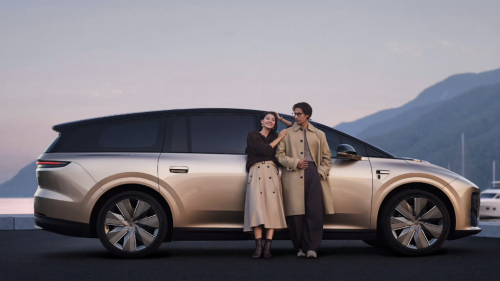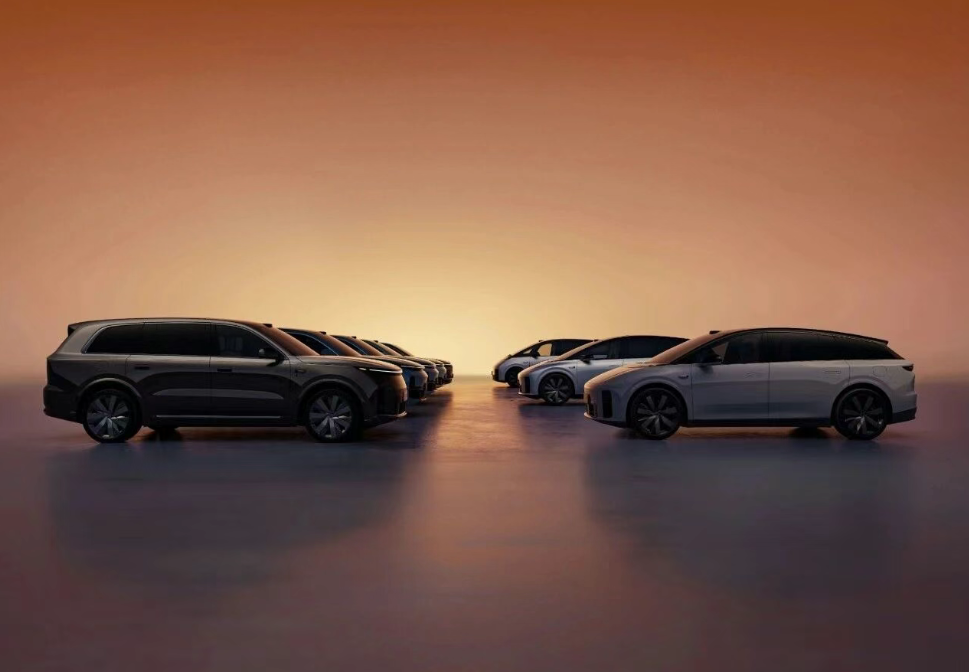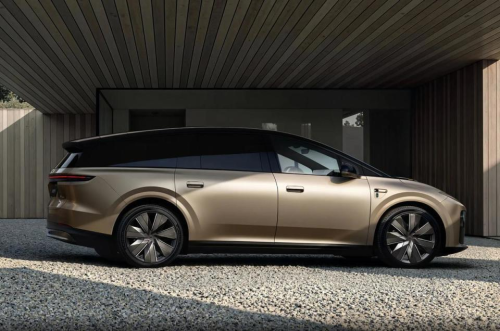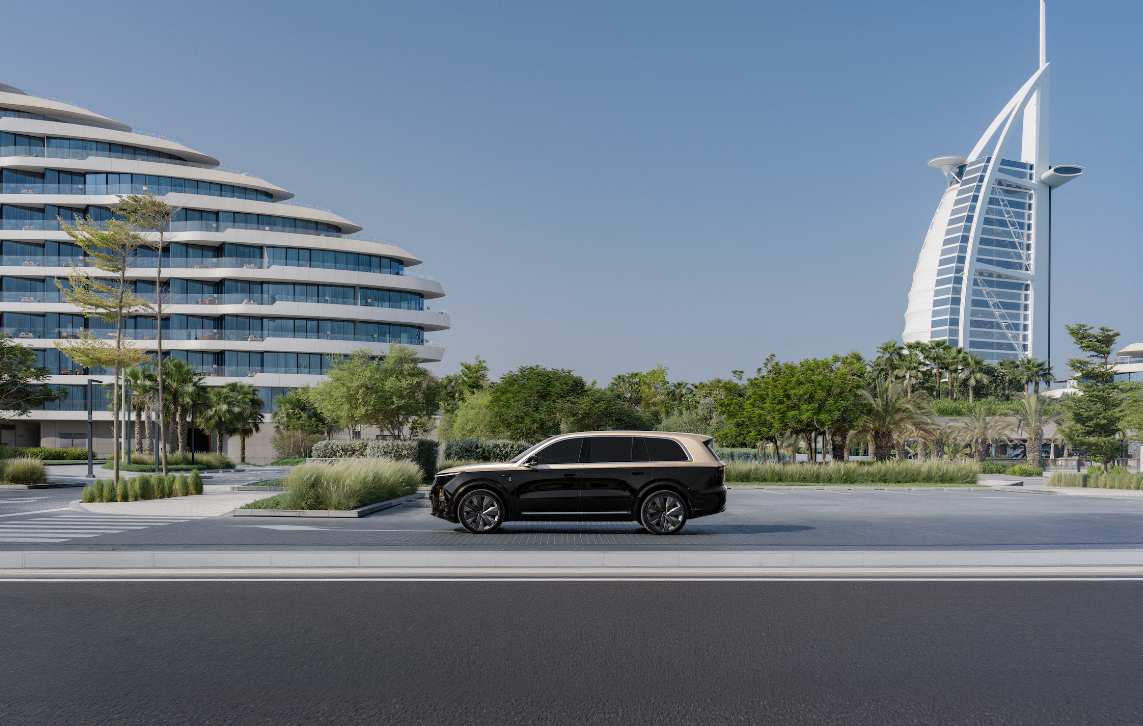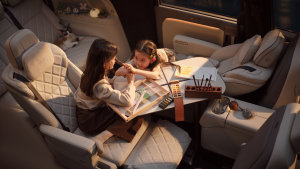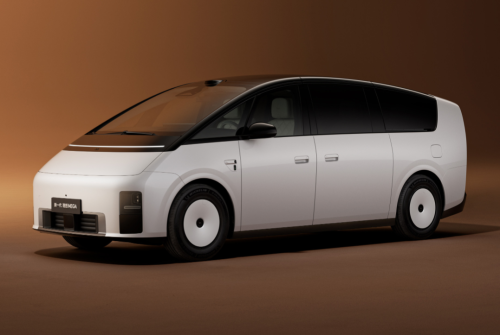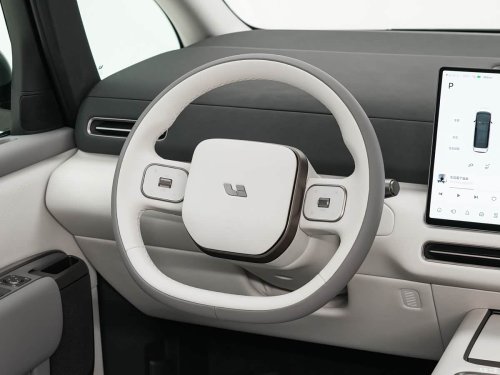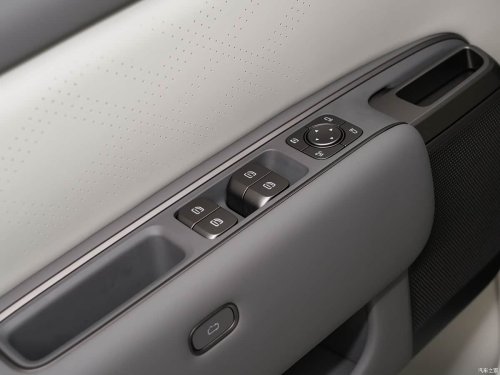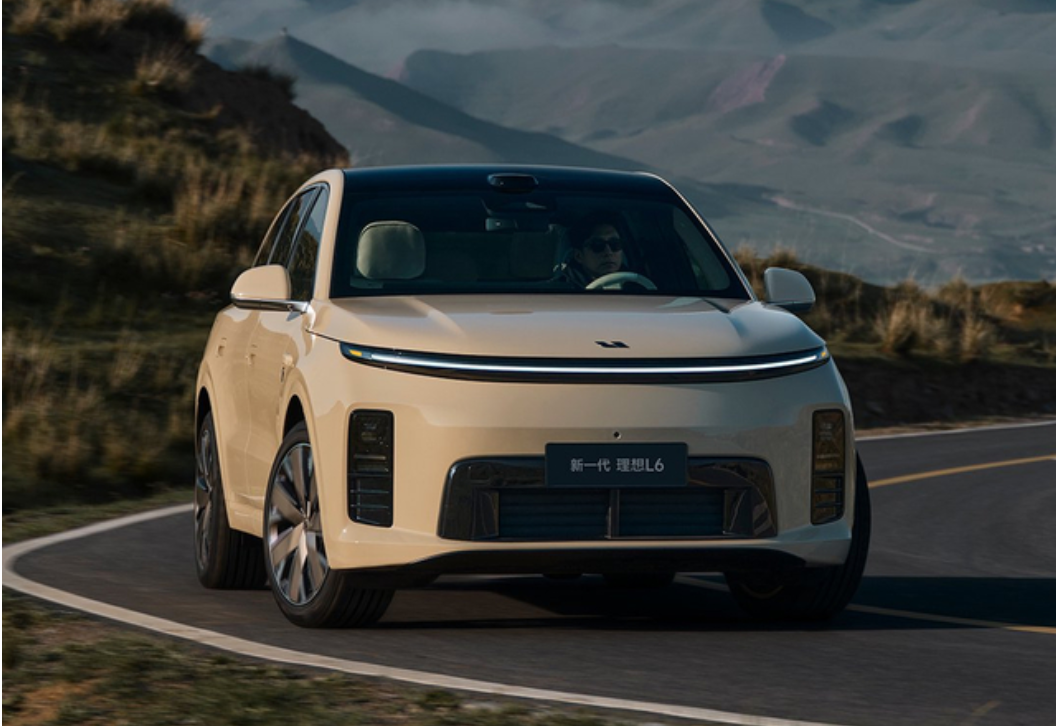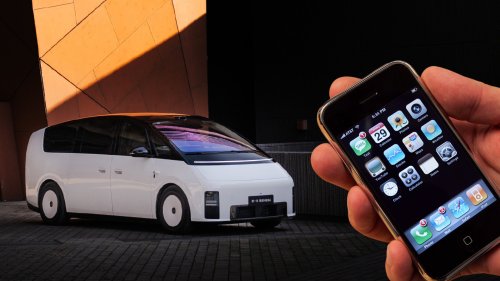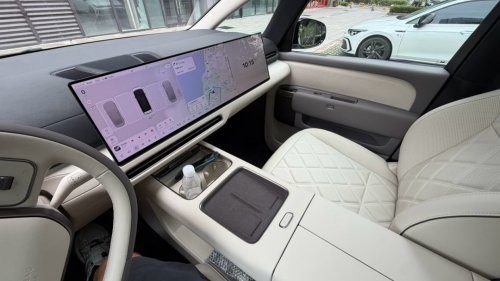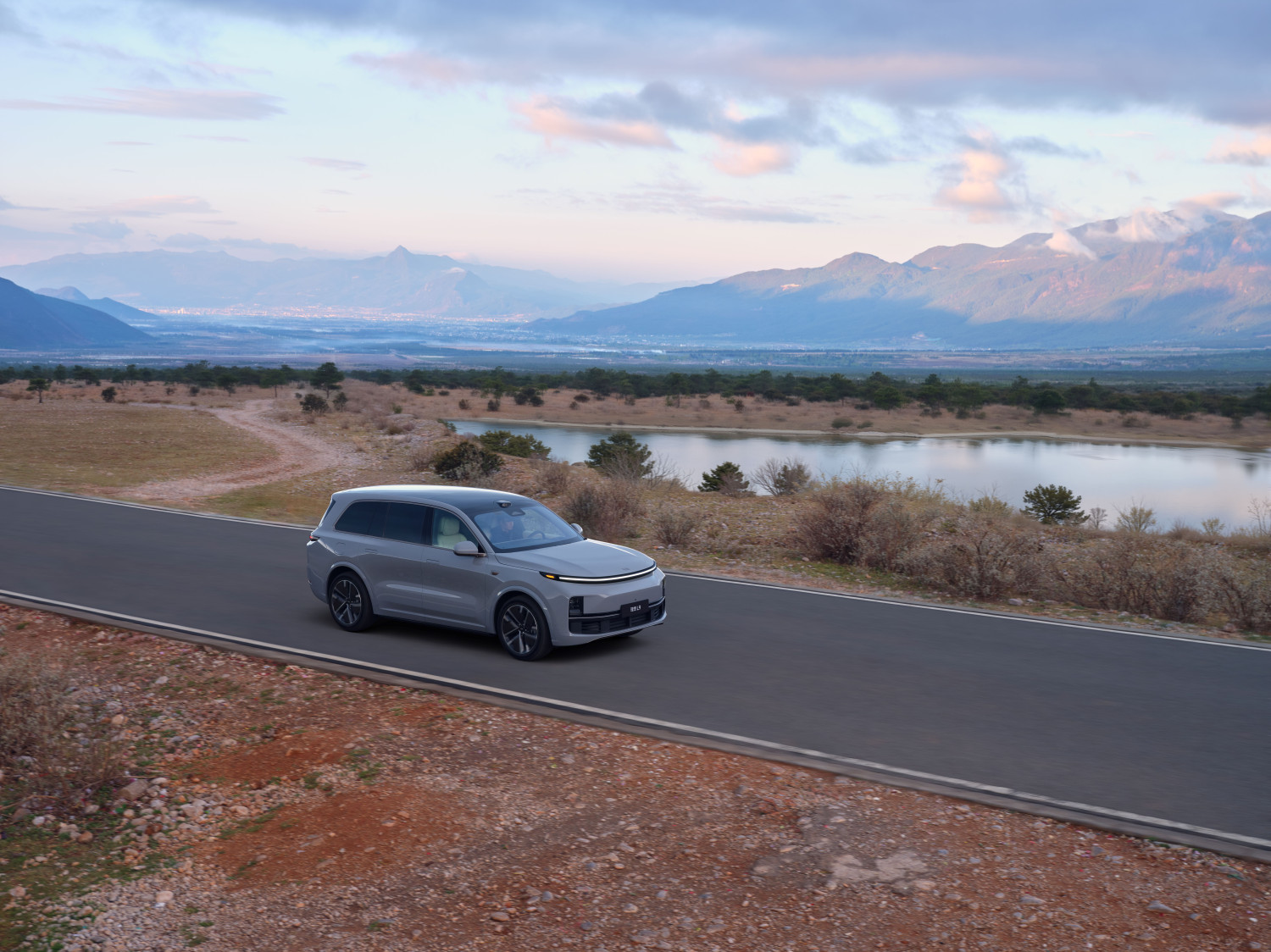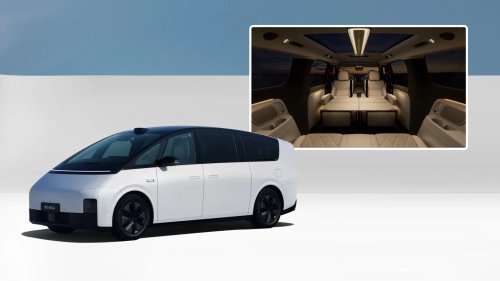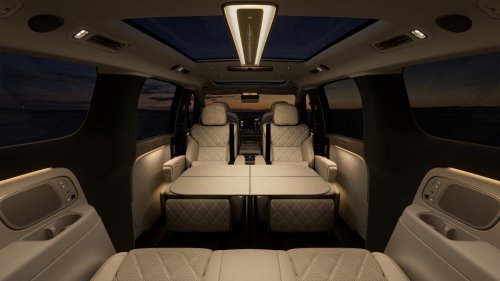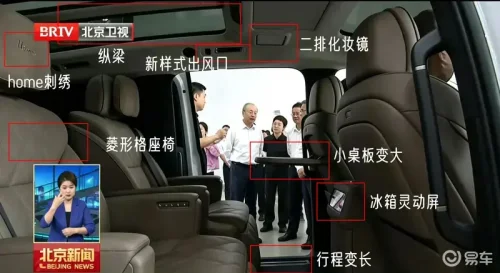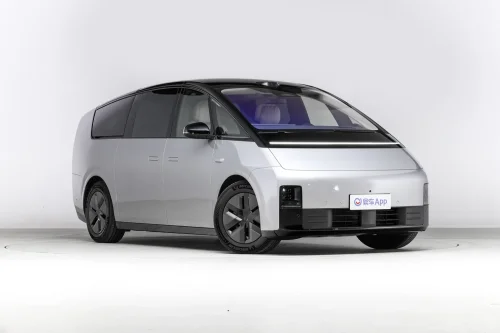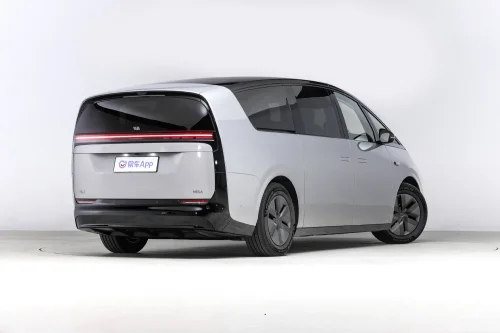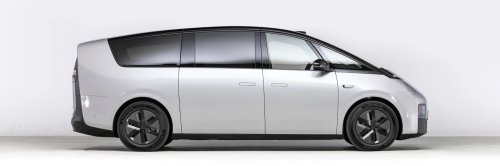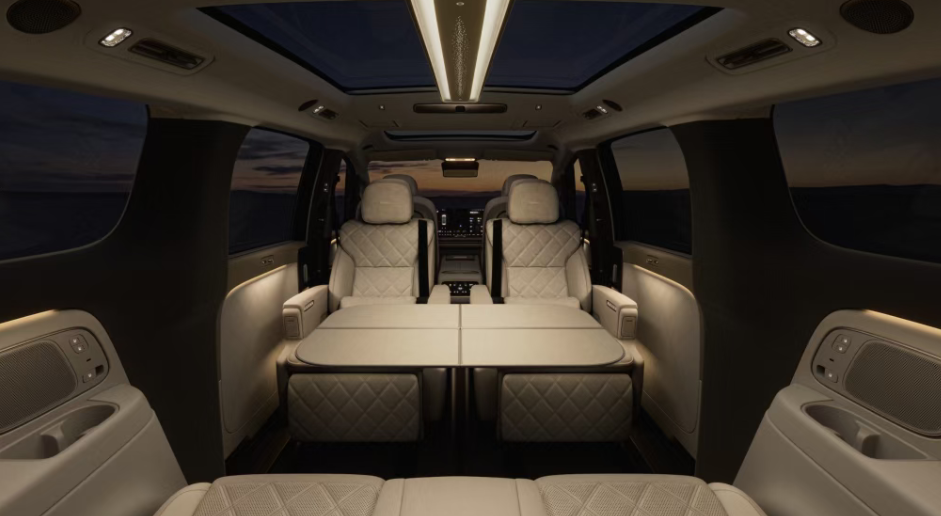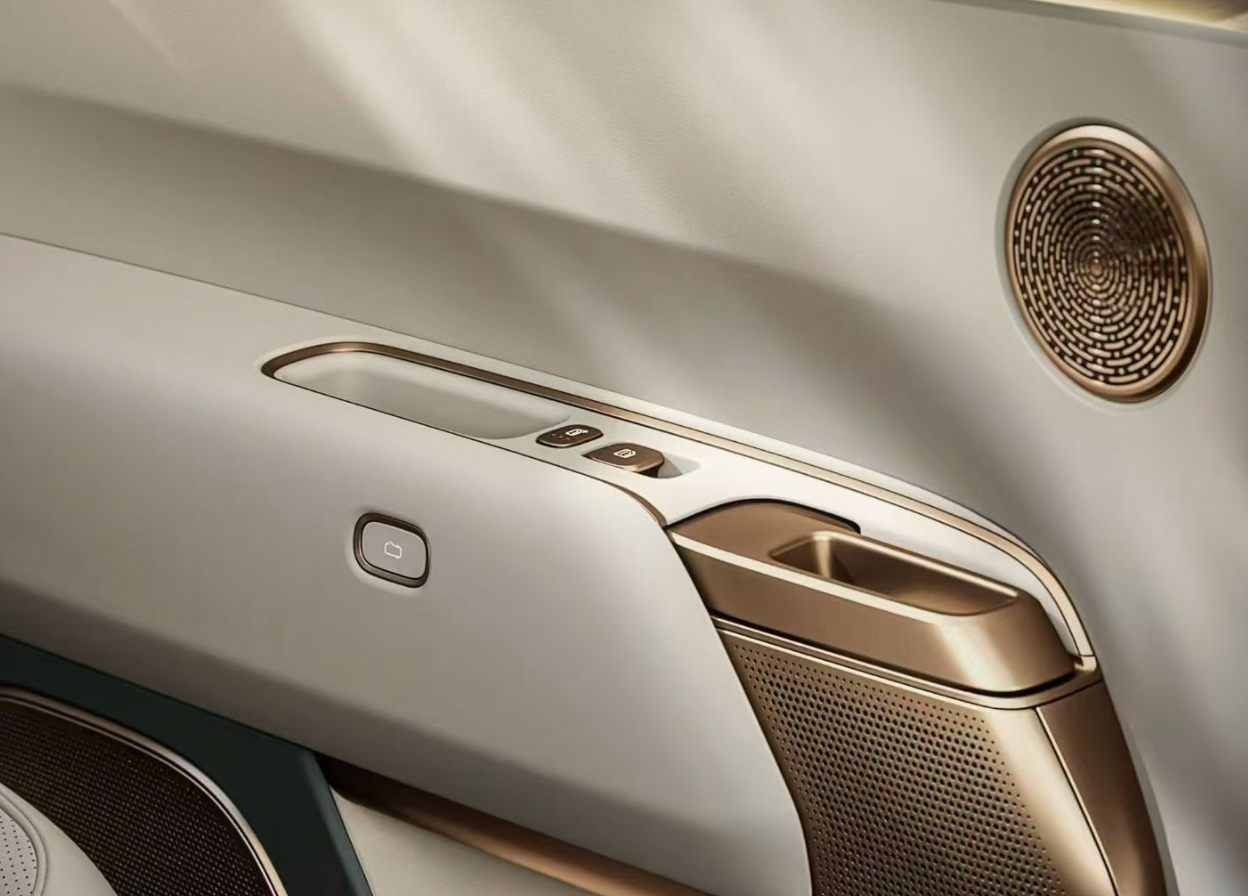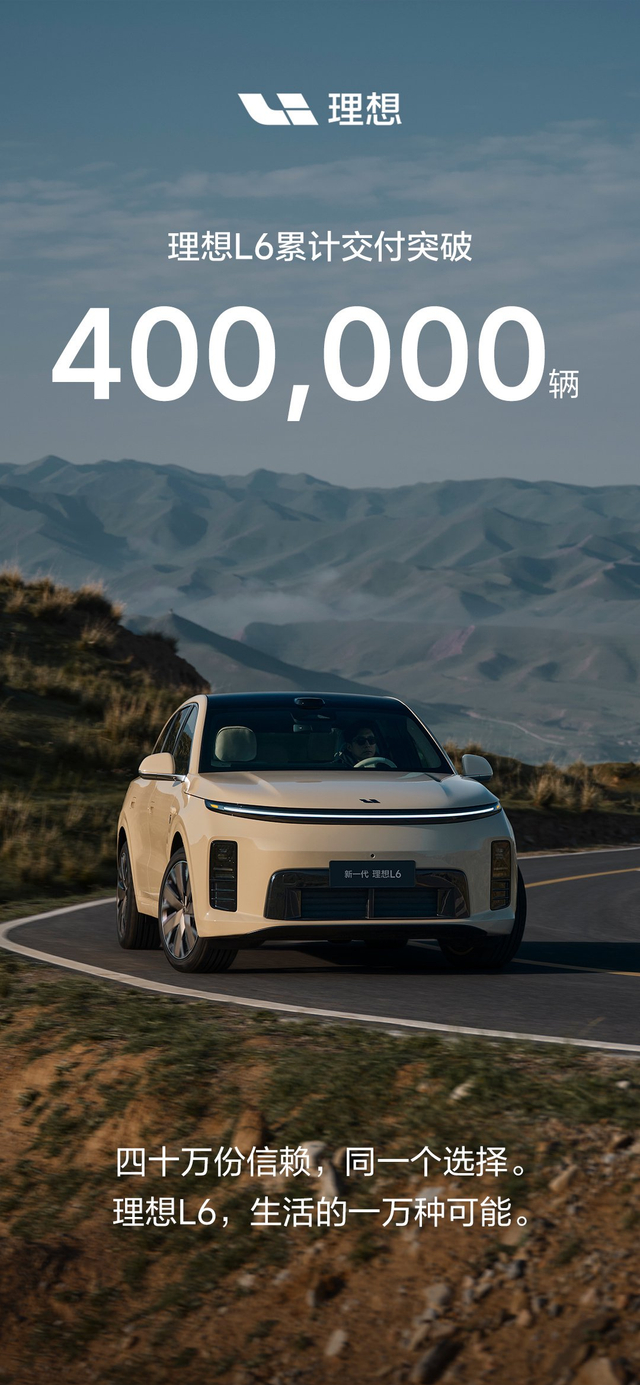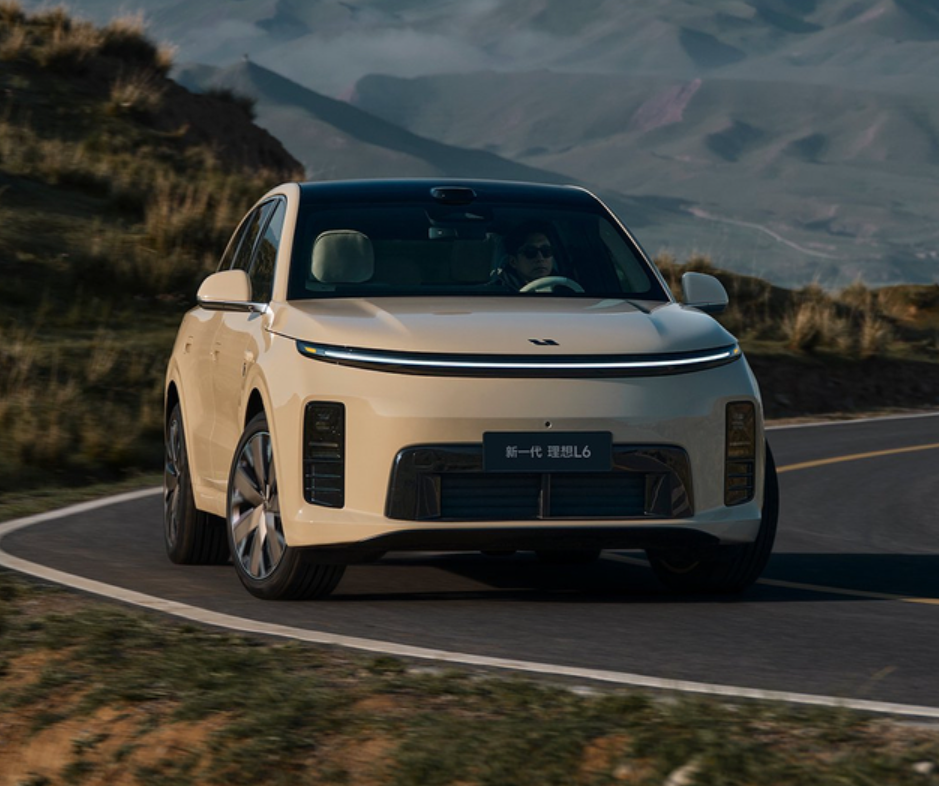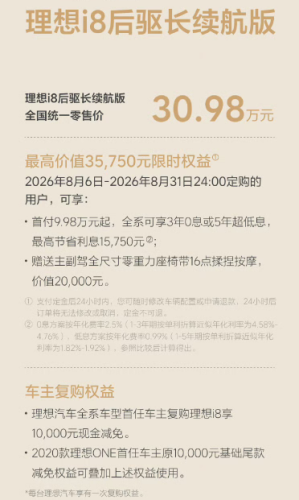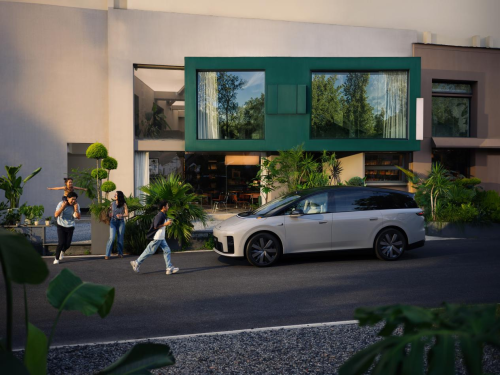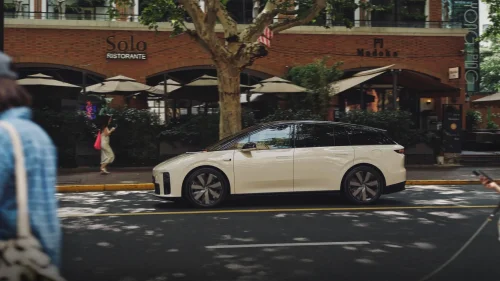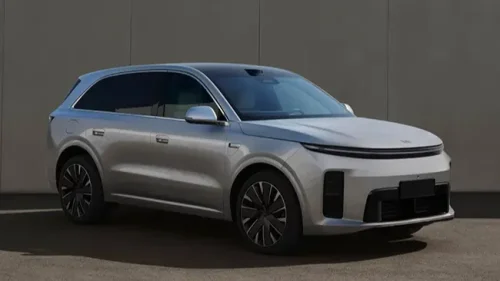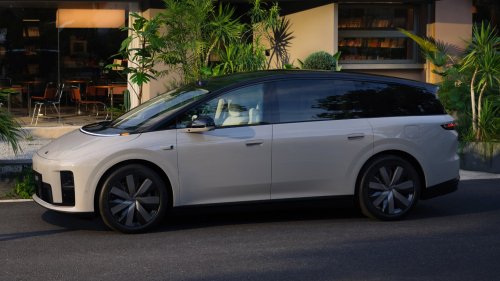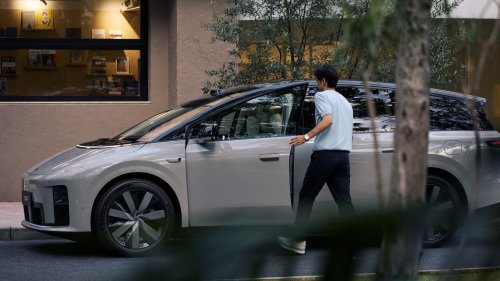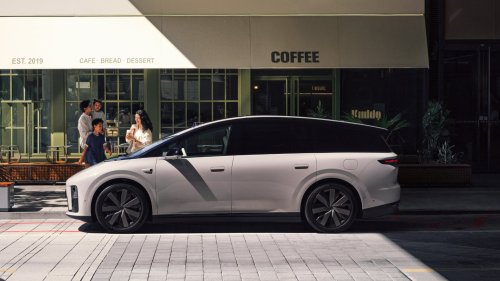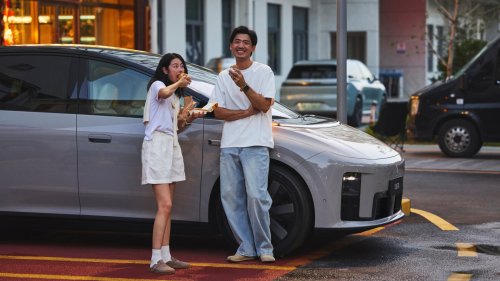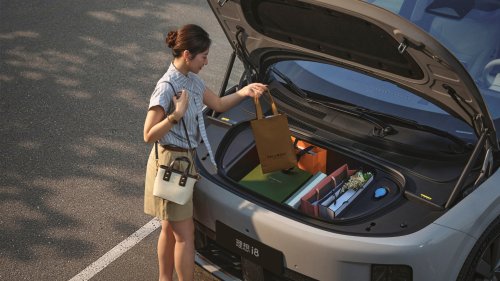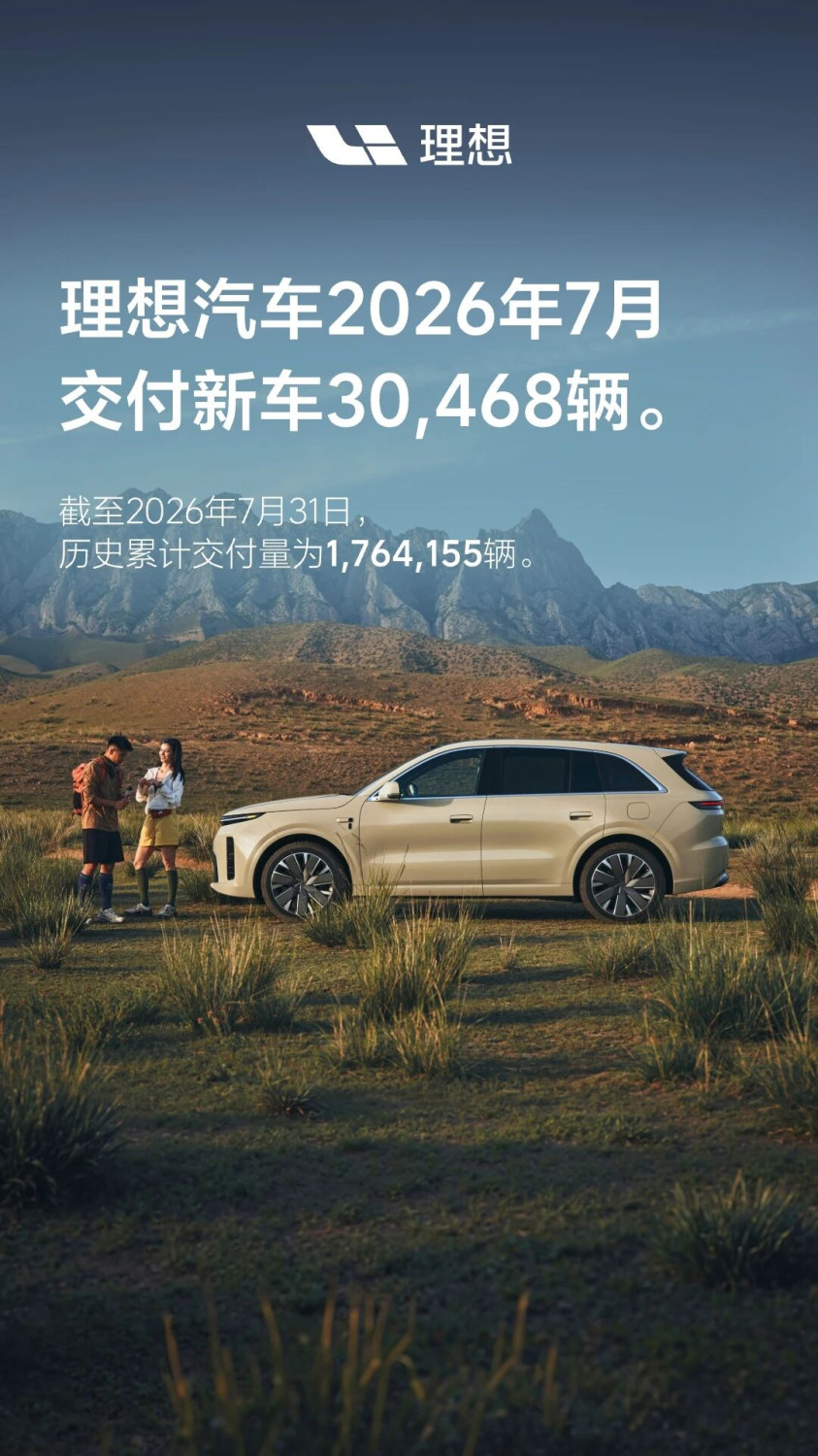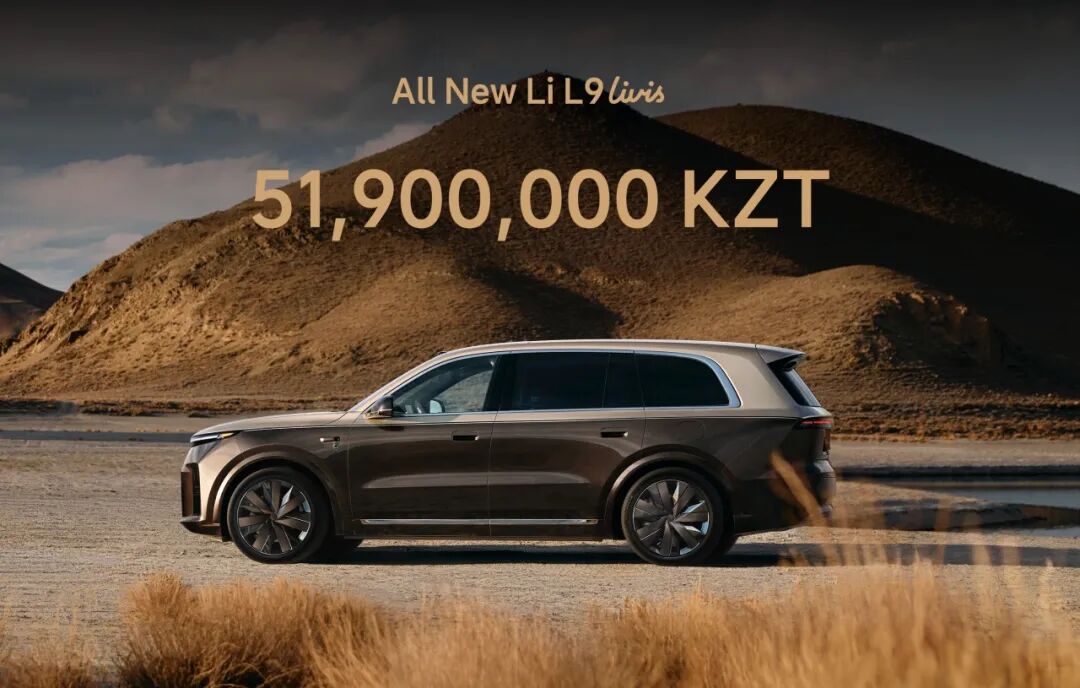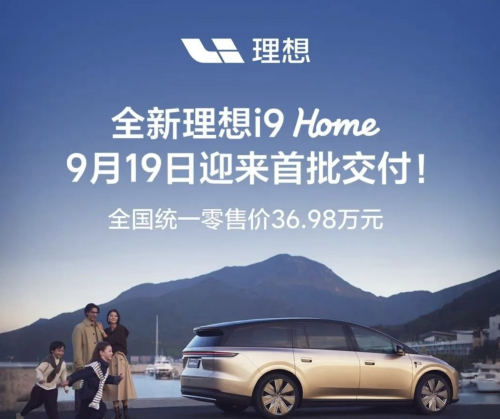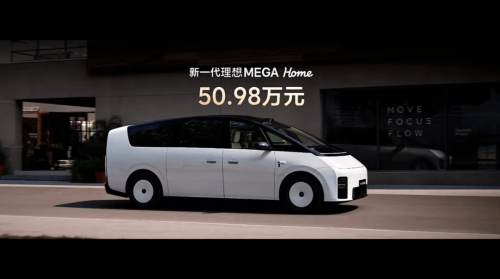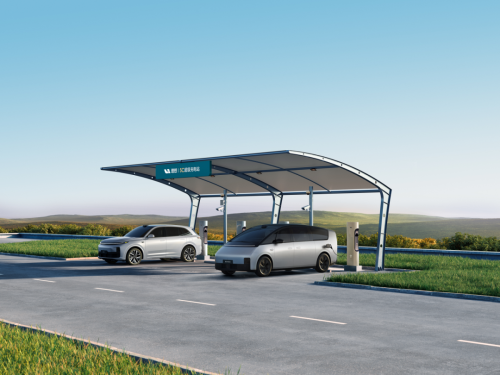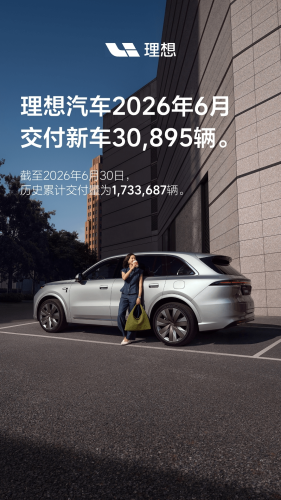
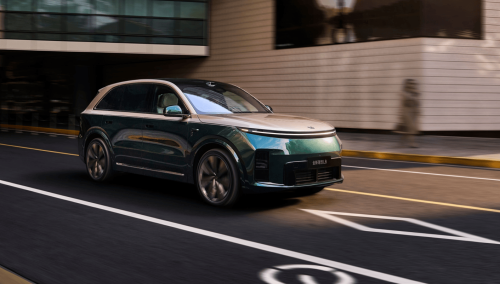
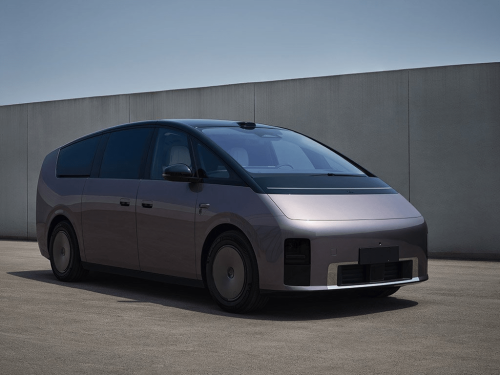
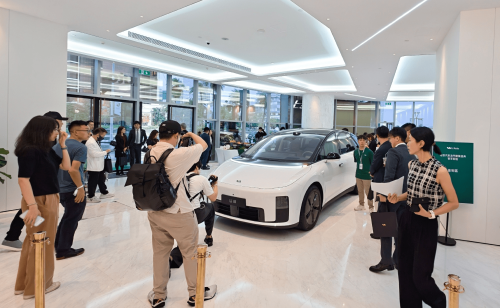



















On July 1, Li Auto reported deliveries of 30,895 vehicles in June 2026, down 14.84% year on year and 7.36% from May. As of June 30, Li Auto’s cumulative deliveries had reached 1,733,687 vehicles. From a sales perspective, the company has now recorded month-on-month delivery declines for two consecutive months. Li Auto deliveries in June Competition in China’s NEV market has intensified this year, with many automakers entering a major product renewal cycle. Li Auto is also transitioning between outgoing and new-generation models, which has weighed on short-term sales. Its core products, however, remain competitive. As of June 2026, cumulative production of the Li i6 had surpassed 150,000 units. This model ranked first in China’s full-size SUV segment for four consecutive months, continuing to serve as the company’s primary sales driver. Li Auto is set to accelerate product launches in the second half of the year. On June 23, the company unveiled the all-new Li L8, replacing the previous six-seat layout with a five-seat configuration. Li Auto’s all-new L8 The model is offered in Ultra and Livis variants, priced between RMB 369,800 ($54,430) and RMB 429,800 ($63,260). Meanwhile, updated versions of the Li i8 and Li MEGA have been filed with China’s Ministry of Industry and Information Technology (MIIT). The refreshed Li i8 adds a single-motor variant while introducing exterior revisions, including semi-concealed door handles. The updated Li MEGA features exterior refinements and adds side- and rear-facing solid-state LiDAR units, increasing the total number of LiDAR sensors on the vehicle from one to four. Updated Li MEGA According to the company’s roadmap, the next-generation Li L6 will also launch in July. Compared with the current model, it features updated exterior styling and a larger battery pack with a capacity of approximately 51 kWh. Alongside its product offensive, Li Auto has also adjusted its long-term incentive program. On June 16, the company granted equity incentives worth more than HK$2.3 billion ($293.6 million) to several senior executives, with vesting linked to the company’s long-term goal of achieving a HK$1 trillion ($127.7 billion) market capitalization. Li Auto has also accelerated its expansion into overseas and regional markets. On June 26, the company officially entered the Macau market, opening its first retail center there in partnership with Hong Kong Yue Group. Li Auto’s first retail center in Macau To comply with regulations in Hong Kong and Macau and support cross-border vehicle use, Li Auto has localized multiple features, including window glazing, communication systems, and its intelligent cockpit. As of the end of June, Li Auto operated 495 retail centers across 160 cities in China, along with 536 after-sales and authorized service centers covering 220 cities. The company had also deployed 4,097 supercharging stations and 22,593 charging stalls nationwide, with its charging network continuing to expand. Notably, July also marks the 11th anniversary of Li Auto’s founding. Founder and CEO Li Xiang said internally that “the first decade was about turning cars into mobile homes, while the second decade is about making vehicles and homes more connected,” reflecting the company’s ongoing expansion into battery electric vehicles and intelligent mobility technologies.