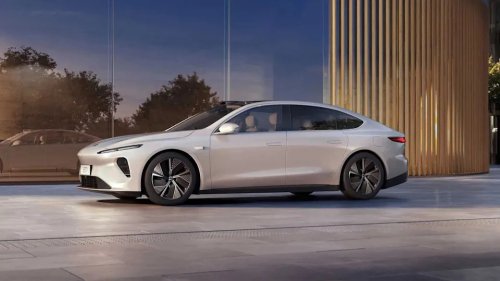
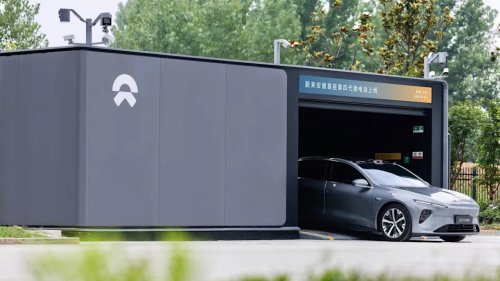
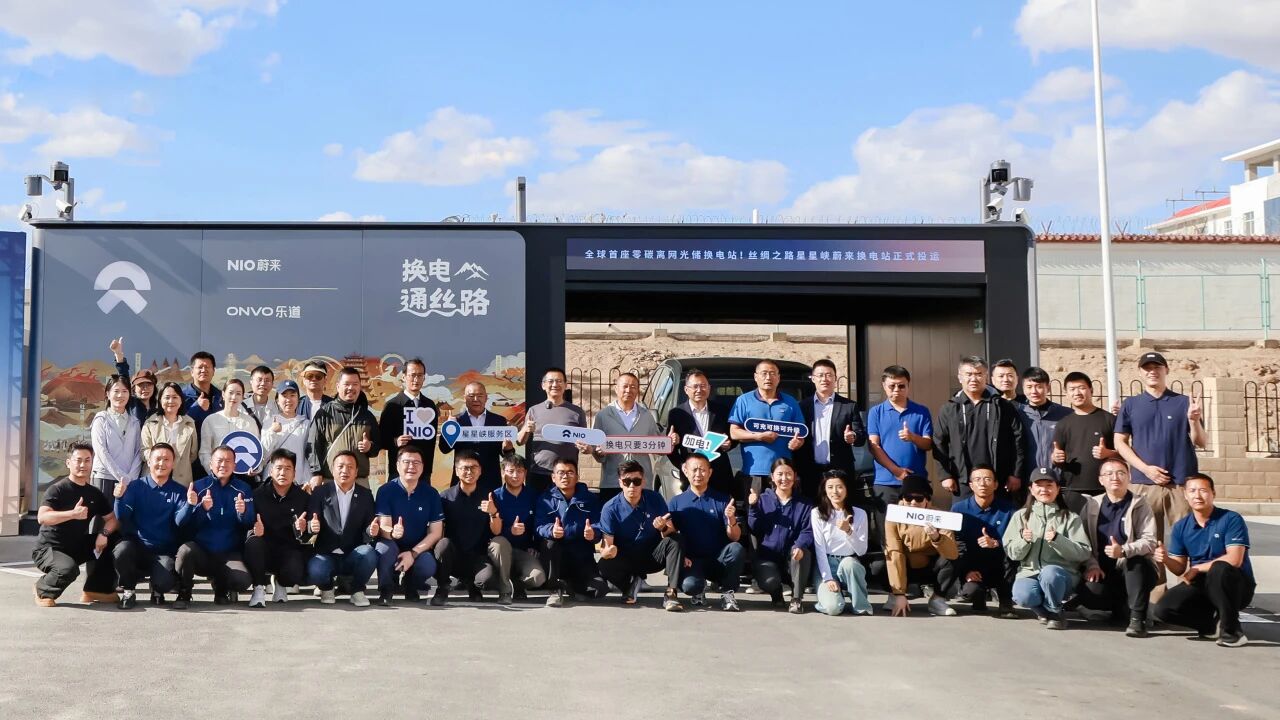
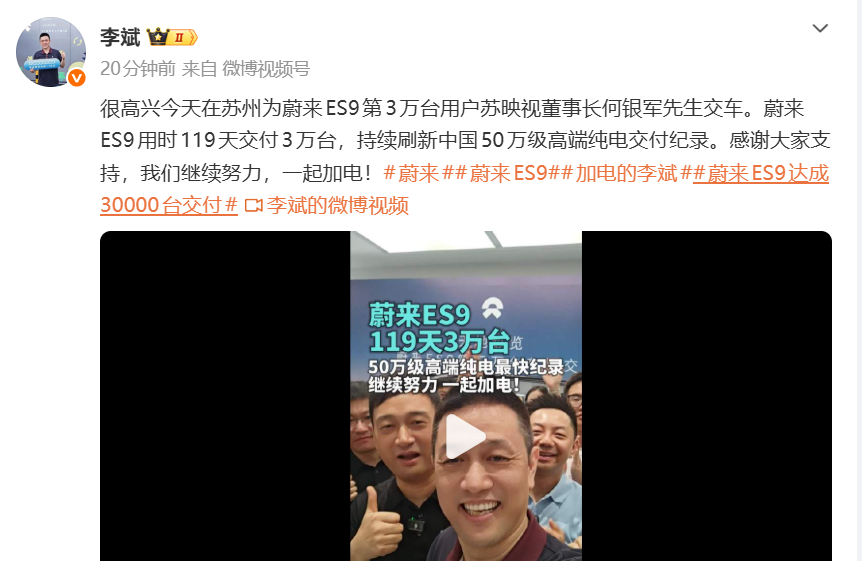
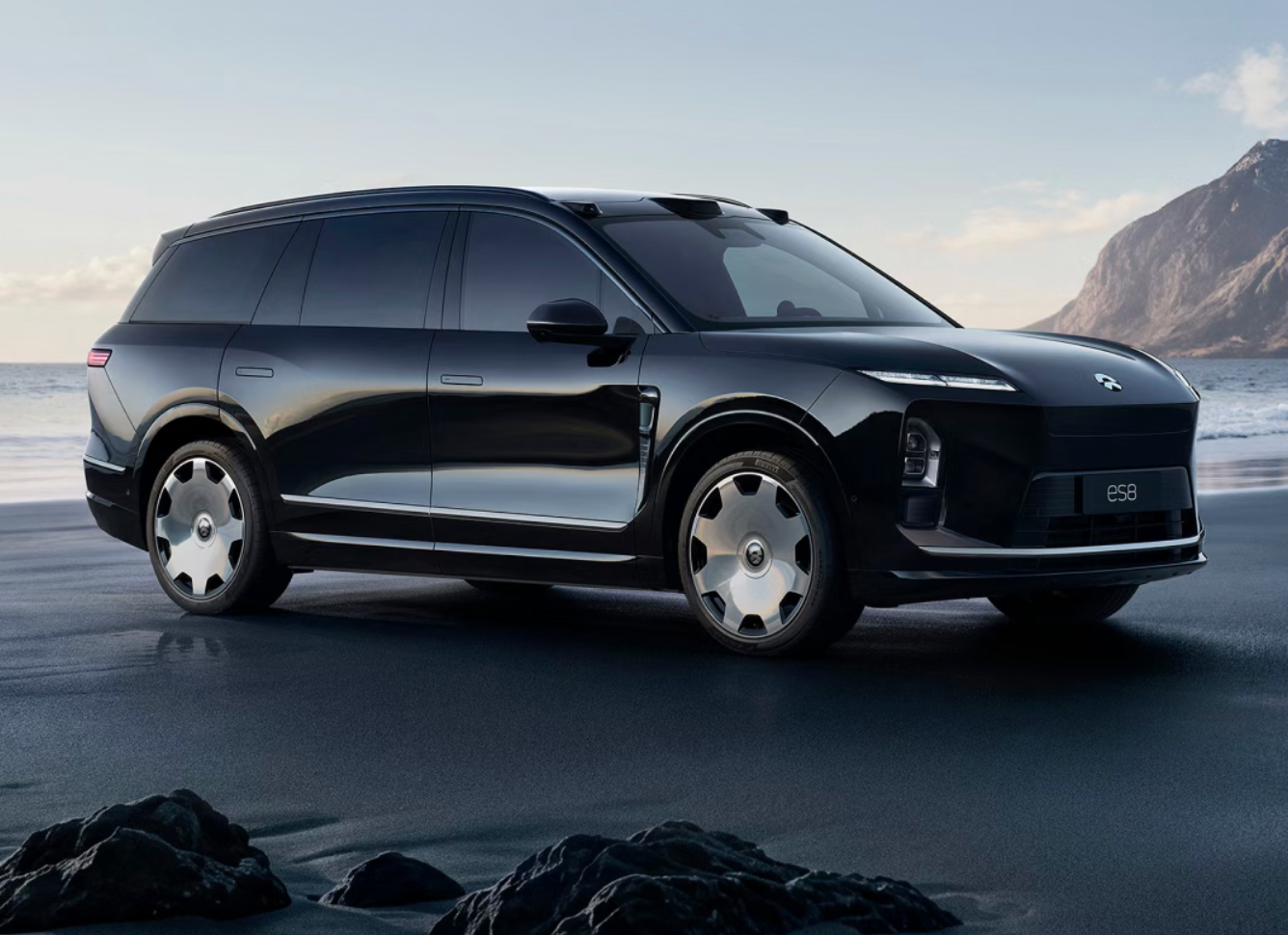
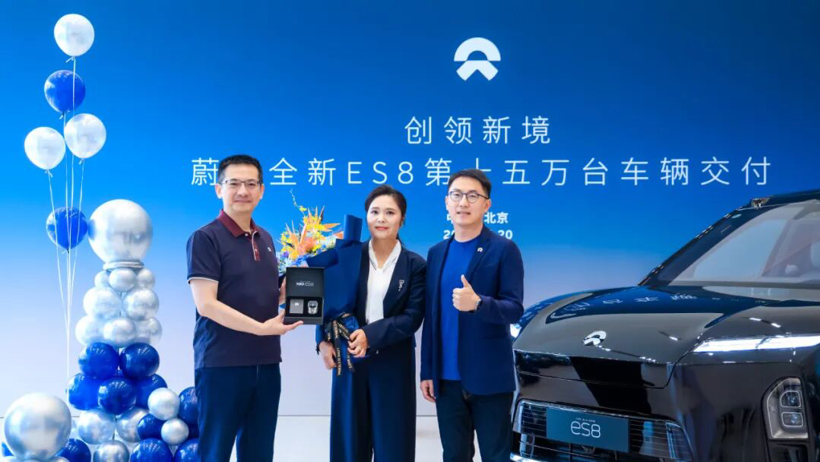
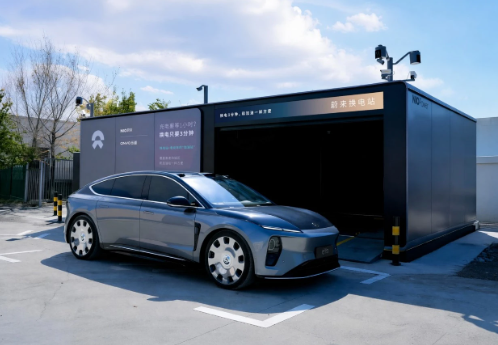
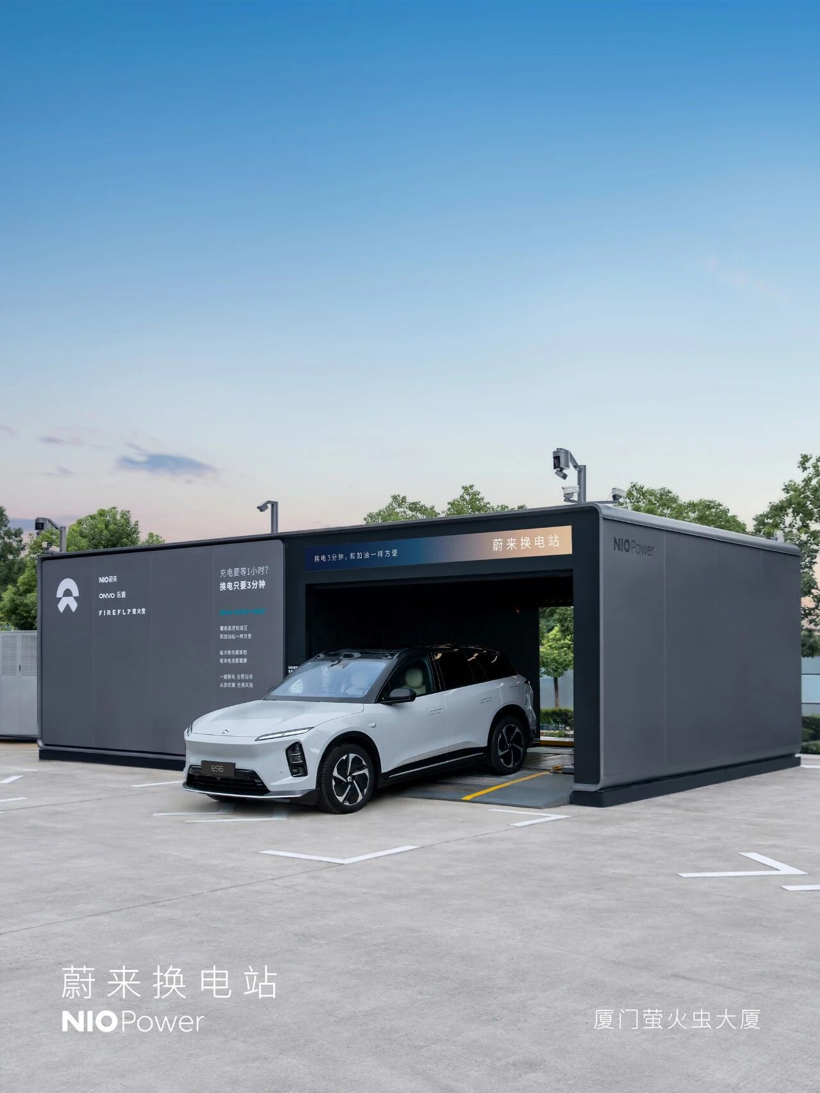
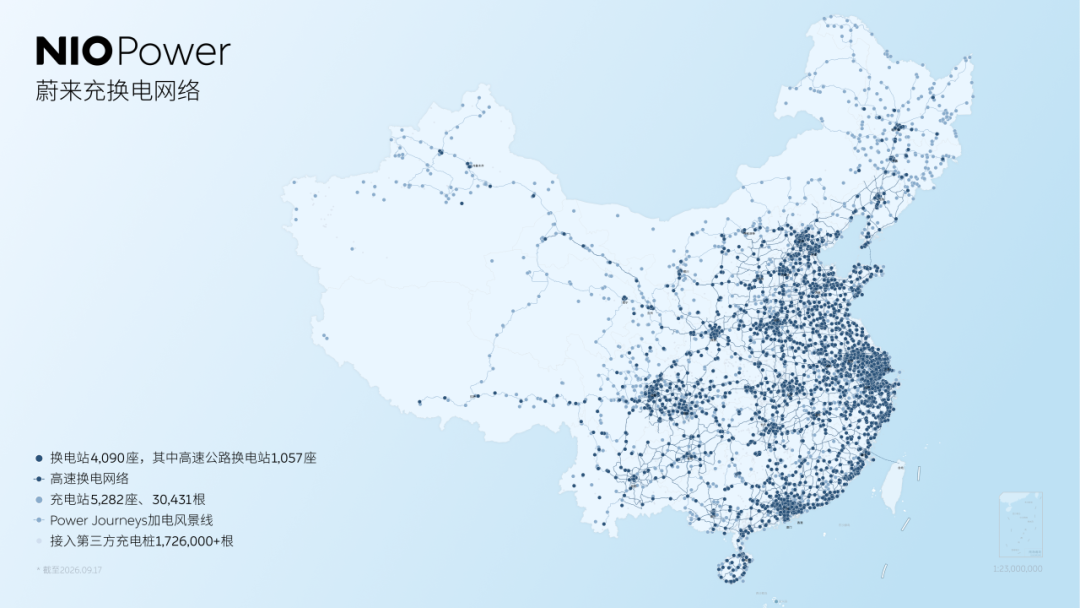
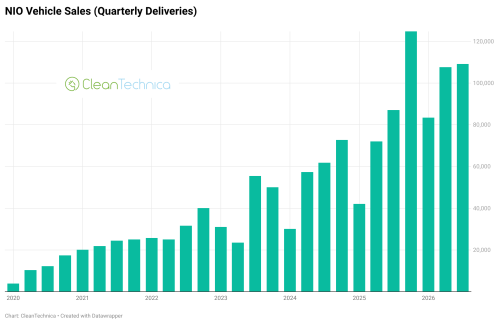
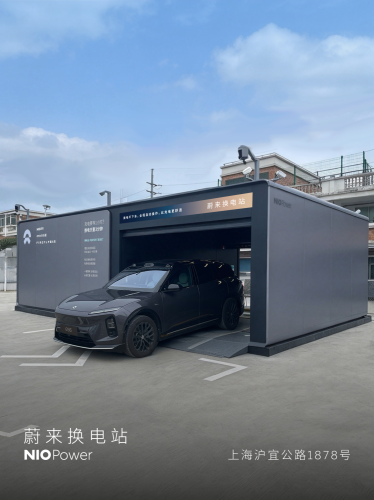
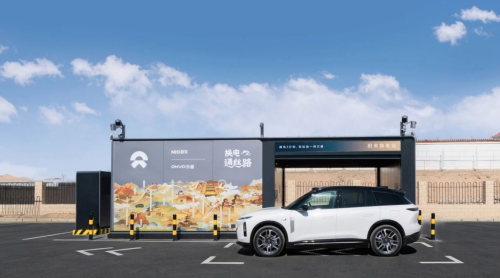
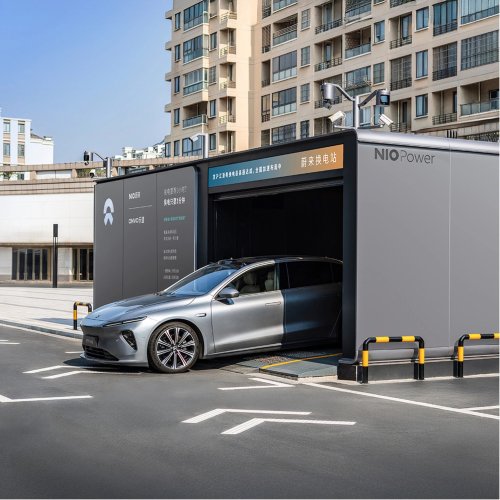
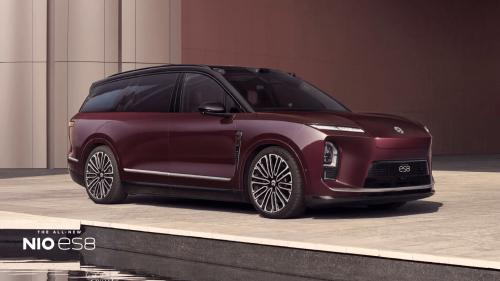
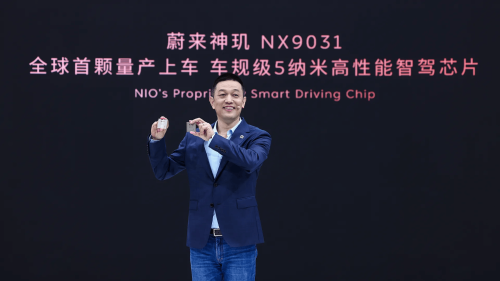
Following NIO’s release of its Q1 financial results, which marked the company’s second consecutive profitable quarter, the automaker hosted a small media briefing the following day at its Shanghai Caohejing headquarters. The briefing was attended by NIO CEO William Li and President Qin Lihong, who addressed key industry concerns around brand communication, product strategy, overseas expansion, R&D investment, and sales structure. ChinaEV Home participated in the session and summarizes the main points below. Brand and Marketing Strategy Regarding the industry trend toward AI-generated content and online launches, Li stressed that AI is only used for internal rehearsals and review, not in final production. Qin added that both NIO and ONVO emphasize “authenticity.” For instance, the ES9 advertisement was filmed with real cars, and brand events follow the same principle, with factory and event environments avoiding artificial decorations. NIO ES9 Li noted that negative coverage of new models is common across the industry. He emphasized maintaining authenticity in communication and avoiding chasing attention at the cost of brand standards. AI may enhance content production efficiency, but the core value remains scarce and authentic content. SUV Strategy and Product Iteration The company confirmed its strategic focus will be on large SUVs. Li stated that the 5566 series (ET5/ET5T/ES6/EC6) will continue iterative updates to maintain core competitiveness, with new models expected next year. NIO ET5 Qin noted that the Firefly brand will focus on fashionable compact vehicles, retaining unique market positioning. Current monthly deliveries are 5,000–6,000 units. The team is not pursuing mass-market hits; smart features will continue evolving, but dimensions and design will remain consistent to preserve brand identity and user experience. Pricing Strategy and Market Positioning NIO maintains a “more features, no price increase” principle for large SUVs amid market price fluctuations. Qin explained that each model locks in target users and price ranges during development to prevent internal competition. NIO ES8 For example, the ES8 baseline pricing returned to RMB 400,000 ($58,840), adjusting from the slightly higher second-generation pricing. The 5566 series is positioned rationally, with clear targets and stable pricing to reinforce brand consistency. Sedan vs SUV Prioritization Li and Qin confirmed SUVs take priority over sedans due to higher profitability and suitable technology integration. ET5 and ET7 sedans will continue iterative updates, but their development priority is lower than SUVs. While sedans excel in interior space and range, they are less convenient in parking and daily scenarios. New sedans will continue to launch, but near-term resources are concentrated on the SUV foundation. R&D Investment and Technology Layout Q1 R&D spending reached RMB 1.8 billion ($265 million), comparable to Q4 2021. Li said projects are evaluated in detail, stage by stage, across basic technology, interactive applications, and exploratory R&D. Qin added that over the past three years, NIO has spent more on R&D than peers, with higher efficiency. Physical AI and robotics can leverage independent financing and external investment without heavily drawing from internal funds. Technologically, 250,000 5nm chips have been shipped, and key components for intelligent chassis and world models are now mass-produced. Through base-level sharing and cross-brand hierarchical structures, technology is reused efficiently. Memory and chip supply chains are optimized, ensuring stable supply amid price hikes. In-House Chip and Autonomous Driving Strategy Li noted that NIO’s self-developed autonomous-driving chips better match its software models. The chip team of around 600 has full front-to-back capabilities. NIO’s Shenji chip Cabin-vehicle integration and large-model edge computation remain costly, with cloud-based inference proving more efficient. Next-generation chips may serve cloud-based infrastructure. NIO maintains a rational view on chip industry concentration and third-party solutions, emphasizing software-hardware integration and closed data loops. Sales Structure and Brand Positioning NIO’s three-brand strategy—NIO, ONVO, Firefly—expects long-term sales proportions of approximately 3:6:1 or 3.5:5.5:1. The NIO brand focuses on high-end markets with a target share exceeding 20%. ONVO covers the mid-to-high segment, still expanding channels. Firefly, constrained by production, represents the smallest share but maintains a lean, efficient operation. The three-brand mix aims for balanced market coverage and profitability. European Market and Overseas Strategy Despite significant investment in Europe, NIO has adopted a pragmatic strategy in response to EU tariffs and rising electricity costs, relying more on local partners and focusing on established markets. Competition in overseas high-end markets is intense with long ROI cycles; NIO is temporarily slowing expansion into new regions. Right-hand-drive development efficiency is monitored, while service and operations in current European markets continue, gradually consolidating overseas presence. Currently, NIO has entered over 10 overseas markets, but the main focus remains China, where significant growth potential persists. Financial and Gross Margin Strategy Q1 gross margins hit record highs. NIO prioritizes operational results over sheer volume. Annual sales are projected to grow 40–50%, with ~190,000 units delivered in Q1. Domestic market growth is the primary driver, with significant untapped potential in regions such as Xinjiang, exceeding that of Norway. Rising raw material costs, mainly in memory, lithium carbonate, copper, and aluminum, are managed through cost control and discount recovery strategies. Battery costs are expected to stabilize temporarily. Supply Chain Management and Transparency Li described the “transparent supply chain + preferred selection” mechanism. Collaborating with partners on atomic-level components, jointly setting cost targets, and providing operational reports ensures cost control and efficiency. Fifth-generation charging stations, built through fixed-point partnerships, have cut costs by ~8%, mitigating price increase risks from later EC changes. Pure-EV Strategy and Lightweighting NIO’s pure-electric ratio continues to rise: 36% in March, 41% in April, expected to reach 43–44% soon. Pure EV adoption is irreversible. Li highlighted increasing user benefits and reduced energy loss, with future focus on EV-only models. He also suggested policymakers incentivize lightweighting and innovation through vehicle weight and energy-consumption taxes. Retail, Battery Swap Network, and Incremental Deliveries Era stores (integrating the three brands) are under construction and will roll out in the second half of the year, coordinated with the battery swap network. Most fifth-generation swap stations will be completed in H2, with large-scale operations starting July–August. Q2 delivery guidance is 110,000–115,000 units, driven by L80, L60 refreshed versions, ES9, L90, and seasonal factors. ES8 maintains steady deliveries.





















 +2 others