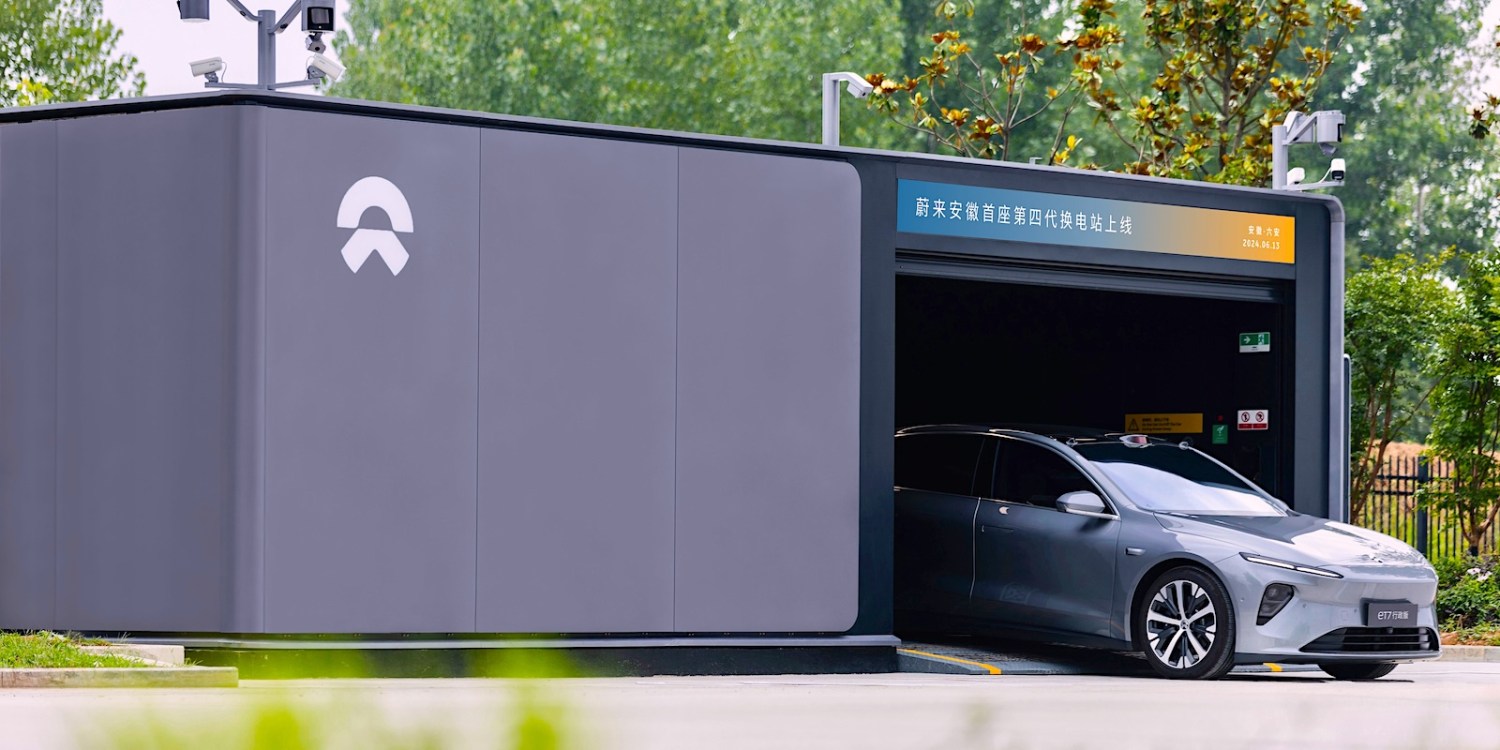
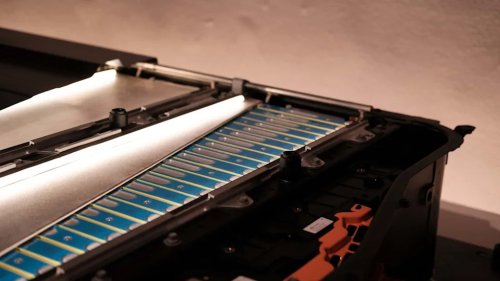
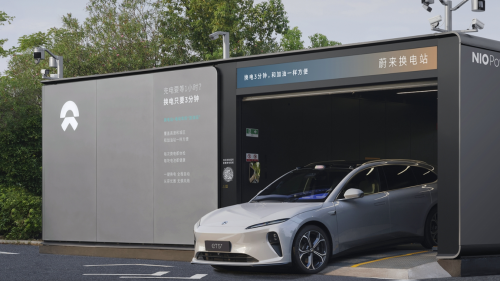
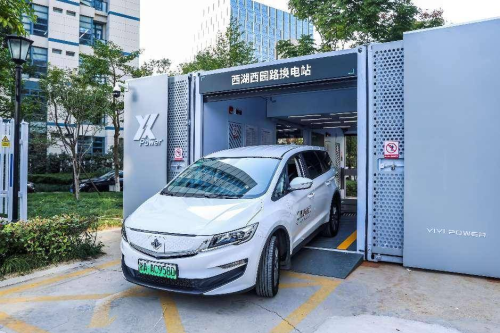
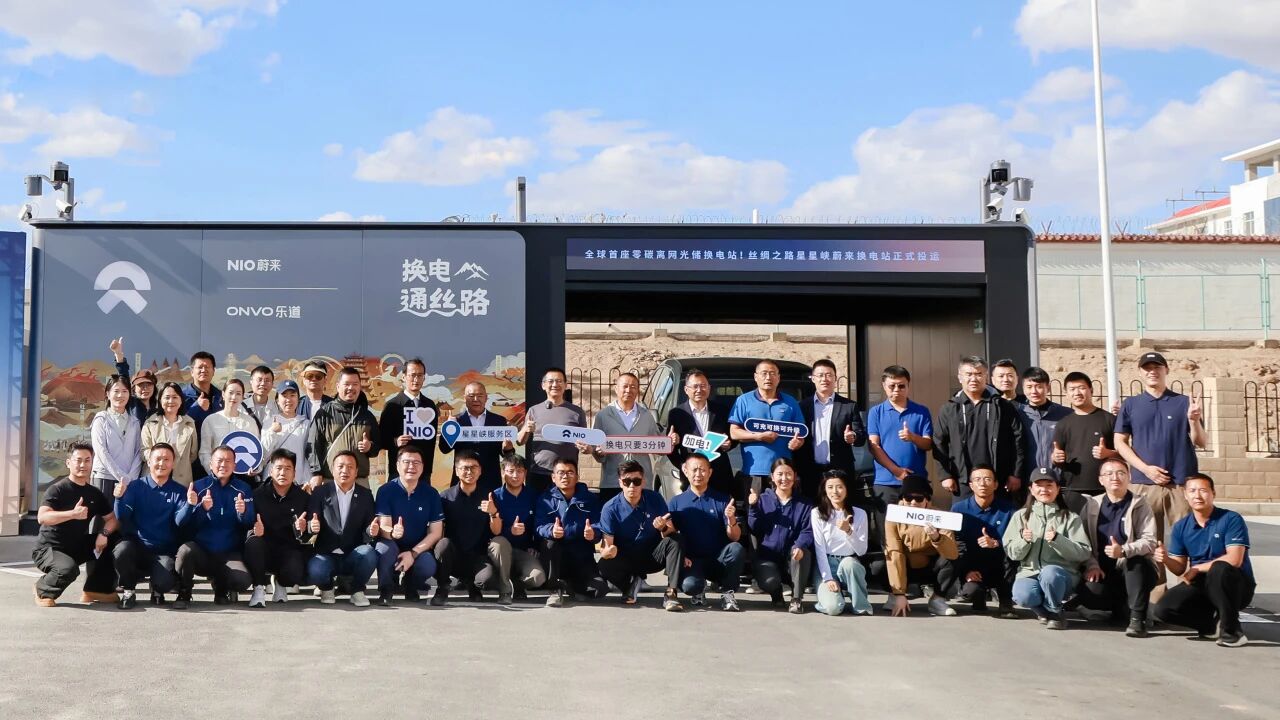
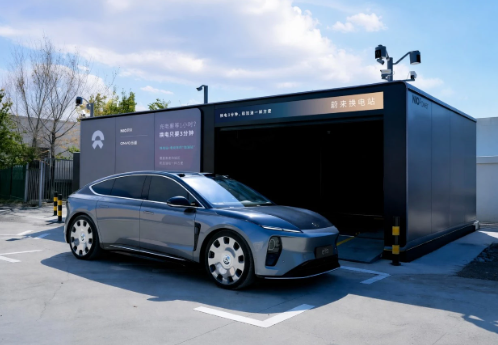
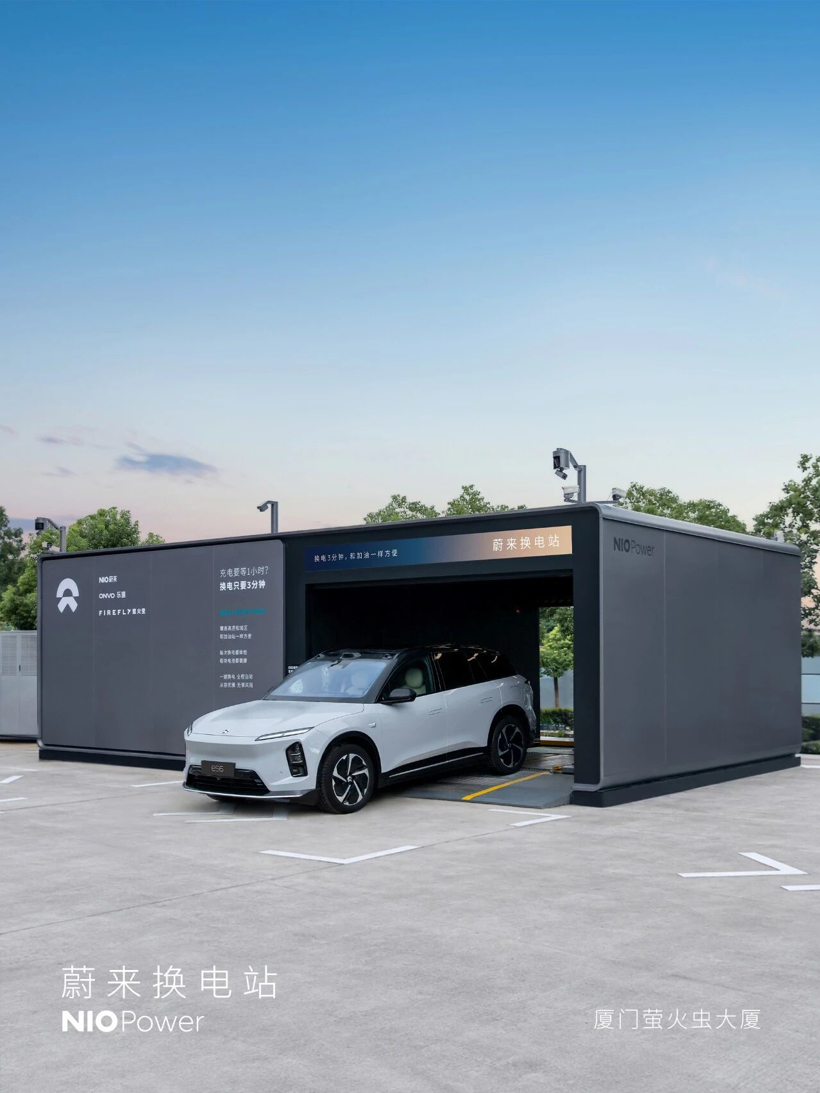
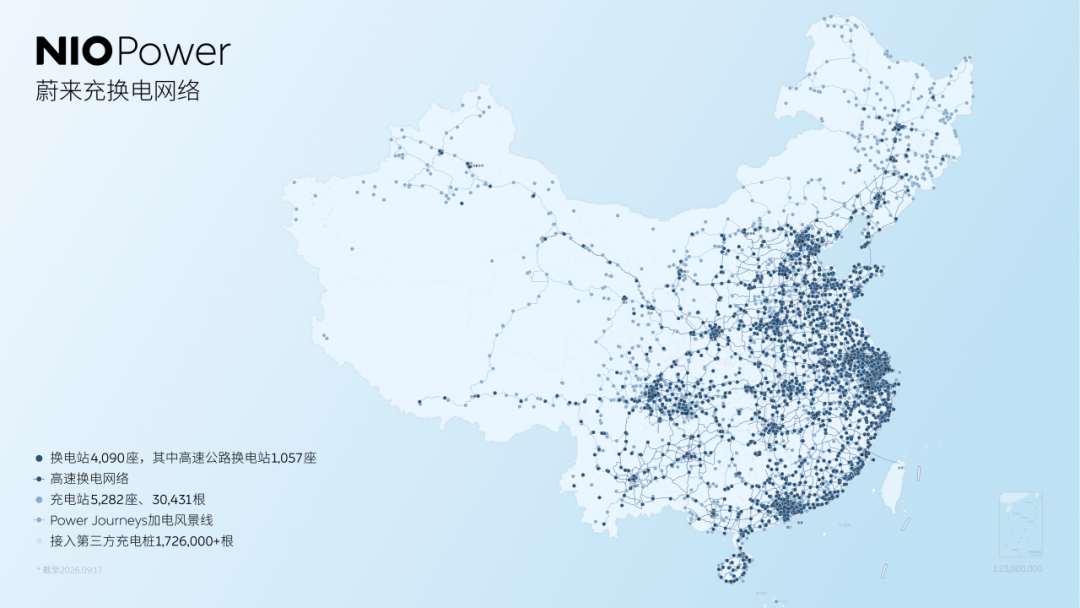
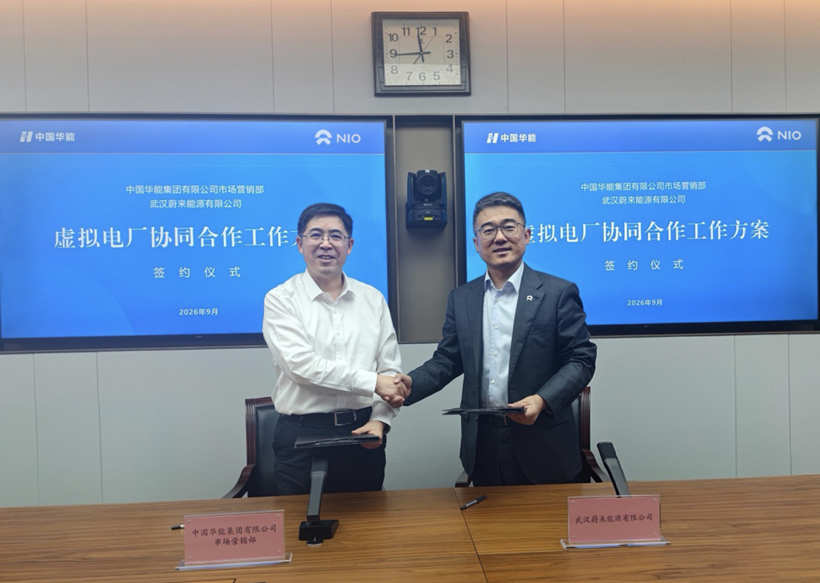
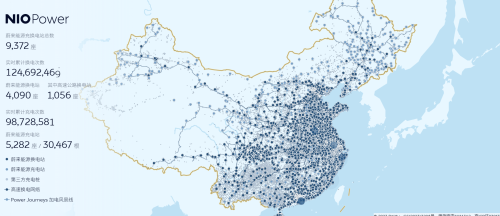
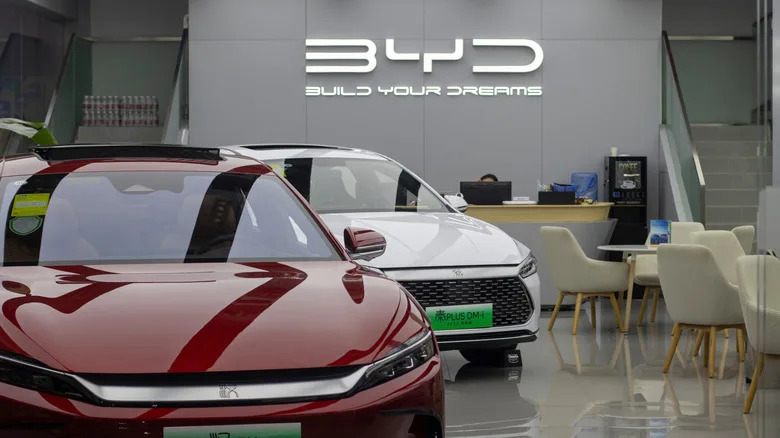
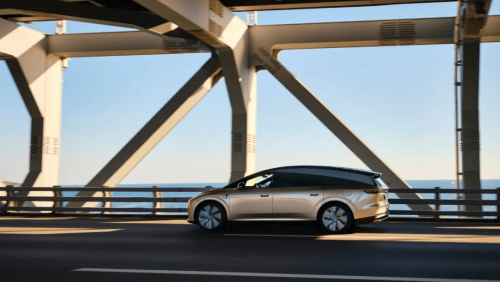
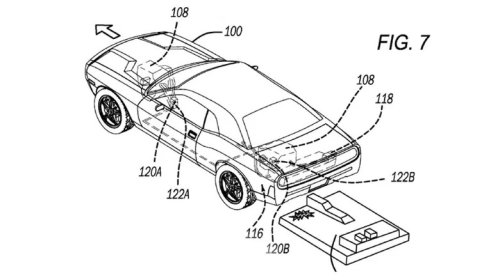
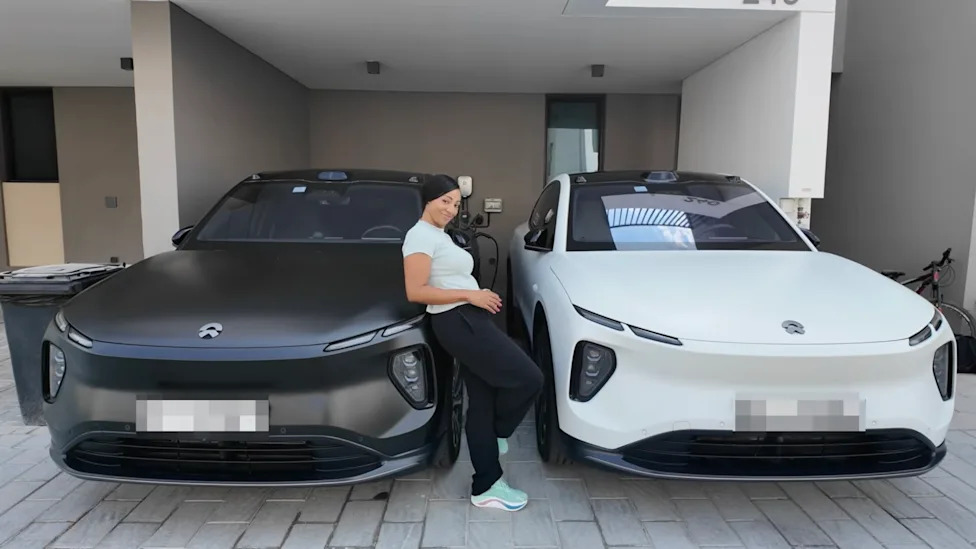
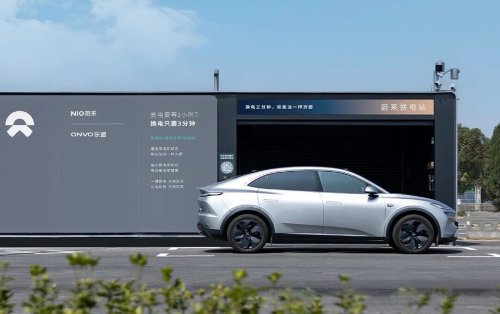
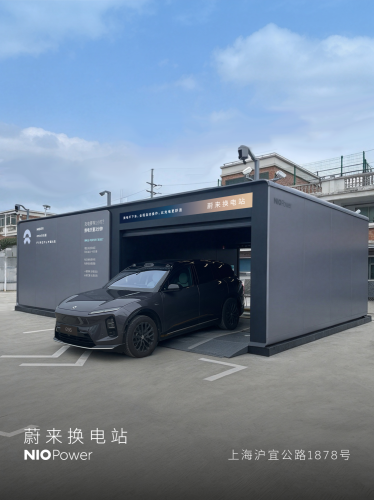
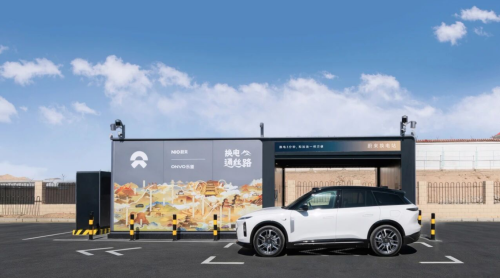
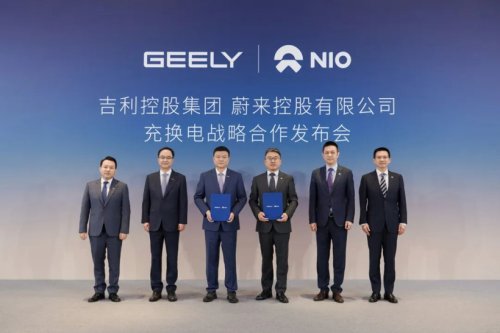
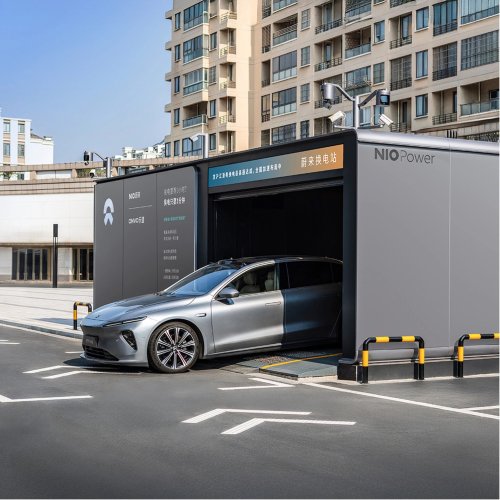
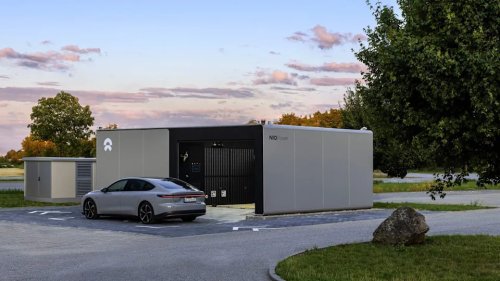
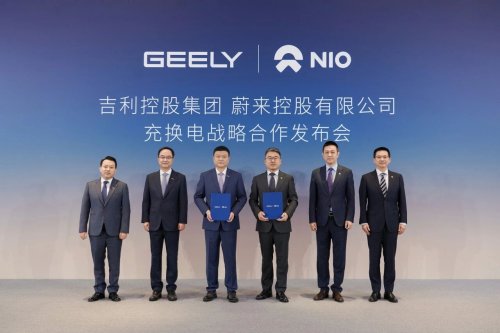
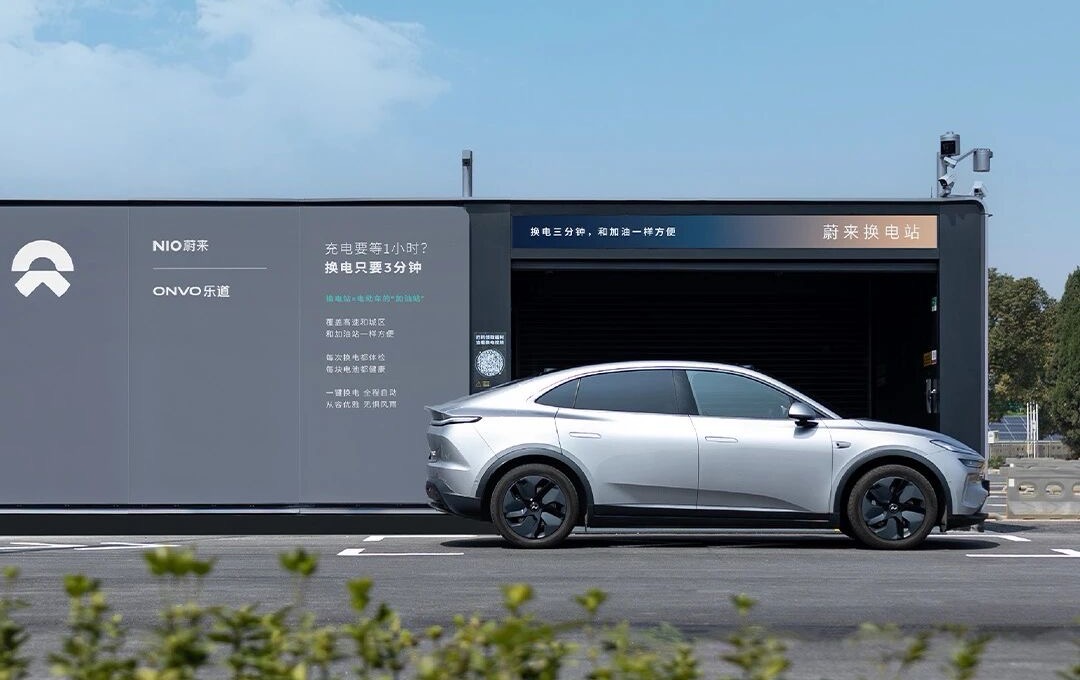
Gasgoo Munich- Just recently, NIO released its first-quarter 2026 financial report, marking its second consecutive quarter of profitability. During a subsequent briefing, analysts cut straight to the core issue facing the battery swap business: what are the year-end targets for station count and utilization? And when will the unit turn a profit on its own?William Li, NIO's founder, chairman, and CEO, revealed a clear strategic resolve in his response: the company will not chase profitability for individual stations in the short term. Instead, it will continue to invest aggressively and accelerate the expansion of its network.As charging technology evolves rapidly, NIO's battery swapping strategy is entering a critical window to intensify efforts.Prioritizing Strategy Over Short-Term ProfitDuring the briefing, Li disclosed the latest operational data for swap stations: daily averages hit 40 to 45 swaps per station during peak hours, and roughly 30-plus during off-peak periods.With the fastest swap speed of the fourth-generation station at 2 minutes and 24 seconds, a single station can operate near round-the-clock capacity during peak times.As of early 2026, NIO's swap stations have surpassed 3,000, marking the entry into the "3,000-station era." According to the plan, more than 1,000 new stations will be built throughout 2026, bringing the total to over 4,600 by year-end. The fifth-generation stations will begin mass deployment in the third quarter.Image Credit: OnvoFacing the persistent question of when battery swapping will turn a standalone profit, Li was unequivocal: while profitability and operational conditions are steadily improving, short-term gains are not the primary objective. NIO will continue to invest ahead of demand.For a long time, the battery swap model has faced a classic dilemma: without enough stations, users won't buy swap-capable cars; without enough cars, stations can't turn a profit. NIO has chosen a "network first, profit later" path. It mirrors Amazon's early logic with cloud computing—enduring long-term losses to establish scale effects first.Notably, Li emphasized that revenue from services and community—including swap stations—has already achieved profitability. This means that while the swap business itself is still loss-making, the overall service sector can cover those losses and turn a profit when combined with after-sales maintenance, NIO Life, and technical services.This suggests NIO isn't simply enduring losses to absorb swap losses. Instead, it is hedging its investments through a commercial closed loop in its service ecosystem, providing a financial buffer for network expansion.Financial reports show NIO generated 25.53 billion yuan in total revenue in the first quarter, up 112.2% year-on-year. With a second consecutive profitable quarter and a cash reserve of 48.2 billion yuan, the company has ample confidence to push ahead with its aggressive swap infrastructure build-out.The Second Half of the Swapping Strategy Requires Answering Three Key QuestionsWhen Li says short-term profitability is not the main goal, it doesn't mean there isn't a timeline.In fact, swapping and charging have never been an either-or choice; each has its scenarios and they complement one another. However, as BYD's megawatt-level flash charging delivers 400 kilometers of range in 5 minutes, Zeekr charges to 80% in just 9 minutes, and Huawei pushes its supercharging alliance, the experience of ultra-fast charging is rapidly closing in on swapping. When charging speed is no longer an obvious weak point, the differential advantage of swapping narrows. NIO needs to establish the scale barrier of its swap network before ultra-fast charging catches up completely.Yet, to fully unleash the unique value of swapping—speed, flexible battery upgrades, and the cost benefits of separating vehicle and battery—NIO must address three key questions in its strategy for the next phase.Image Credit: NIOFirst, is 4,600 enough? The key to NIO's year-end target of 4,600 stations lies in "where to build them." Currently, the network is concentrated in first- and second-tier cities and major highways, with relatively insufficient coverage in third- and fourth-tier cities and counties. Li's previously proposed "County Access" plan requires not just capital, but deep cooperation with local governments and energy firms. If construction costs for fifth-generation stations drop further, it will directly accelerate expansion into lower-tier markets.Second, when will alliance partners participate? NIO's swap alliance now includes seven automakers—Changan, Geely, Chery, JAC, GAC, Lotus, and FAW—with CATL also participating as an investor. Yet, to date, aside from NIO itself, no other member has launched a mass-produced swap-capable model. The alliance's true value depends on the number of models connected to the network. If NIO is the sole pillar supporting the network, station utilization and profitability models will remain constrained. Therefore, driving at least one or two partners to launch swap models between 2026 and 2027 is a critical step in transitioning the network from a "private exclusive" resource to "public infrastructure."Third, can the fifth-generation station mark a turning point for profitability? The hardware-only construction cost for a fourth-generation station is about 1.5 million yuan, with total investment per station rising further when land and power infrastructure are included. The fifth generation plans to shave tens of seconds off the fourth generation's 2-minute 24-second time while supporting compatible swapping for more battery specifications. If the fifth generation can achieve significant cost reductions while boosting efficiency, then once the network scale breaks 5,000 stations and daily swaps per station stabilize above 40, the inflection point for profitability may truly arrive.Li's calculations are clear: battery swapping is NIO's core differentiator from all competitors and the hardest part of its business model to replicate. However, a long-term strategy does not mean waiting indefinitely. Against the backdrop of diversified charging methods, NIO's "Amazon moment"—the turning point from loss-making investment to scalable profitability—needs to arrive within the next three years.The deployment of 4,600 stations, the mass rollout of fifth-generation stations, and the mass-market launch of alliance partners' models will be the three key variables determining whether that moment arrives on schedule.




















 +45 others