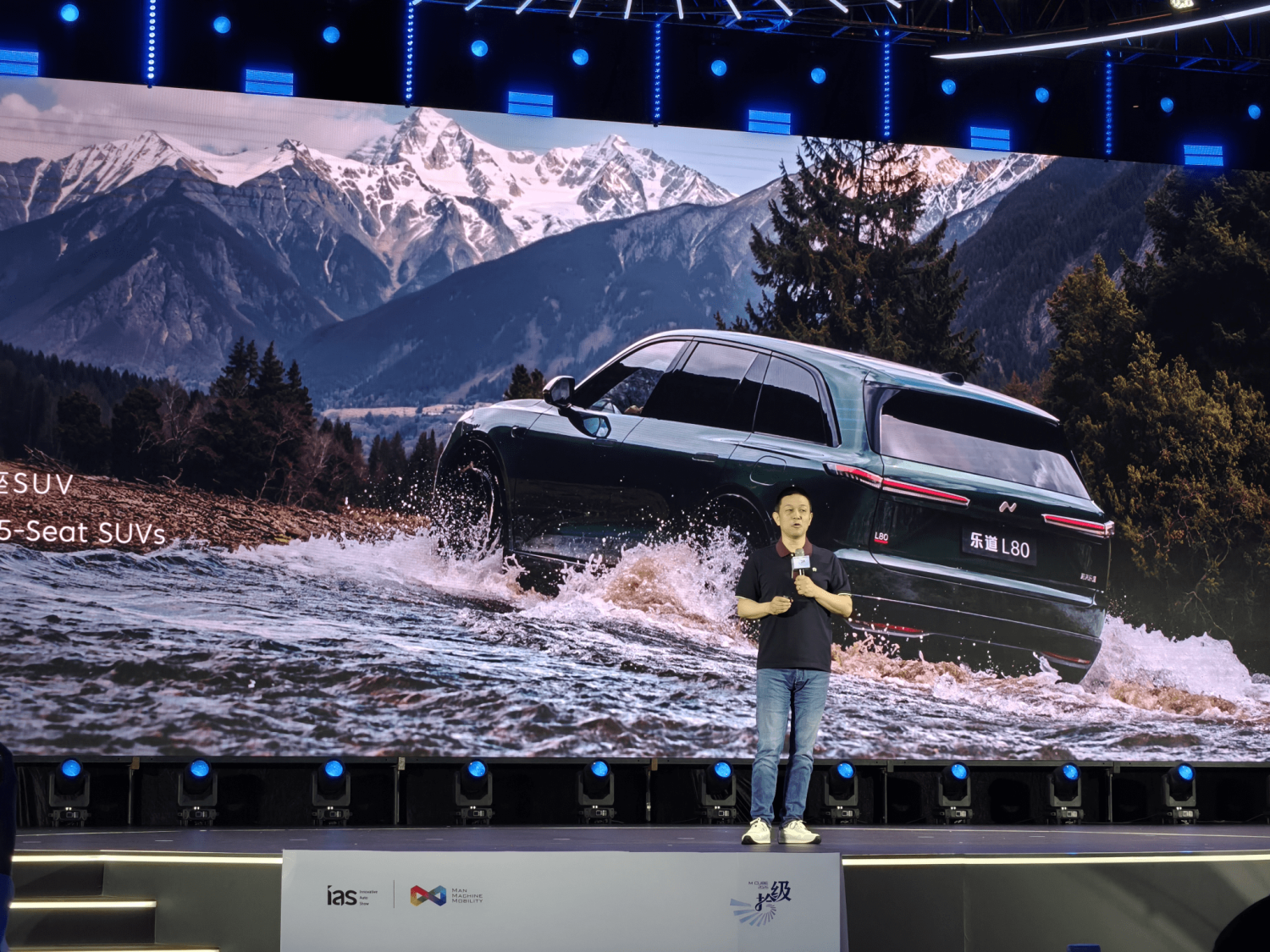
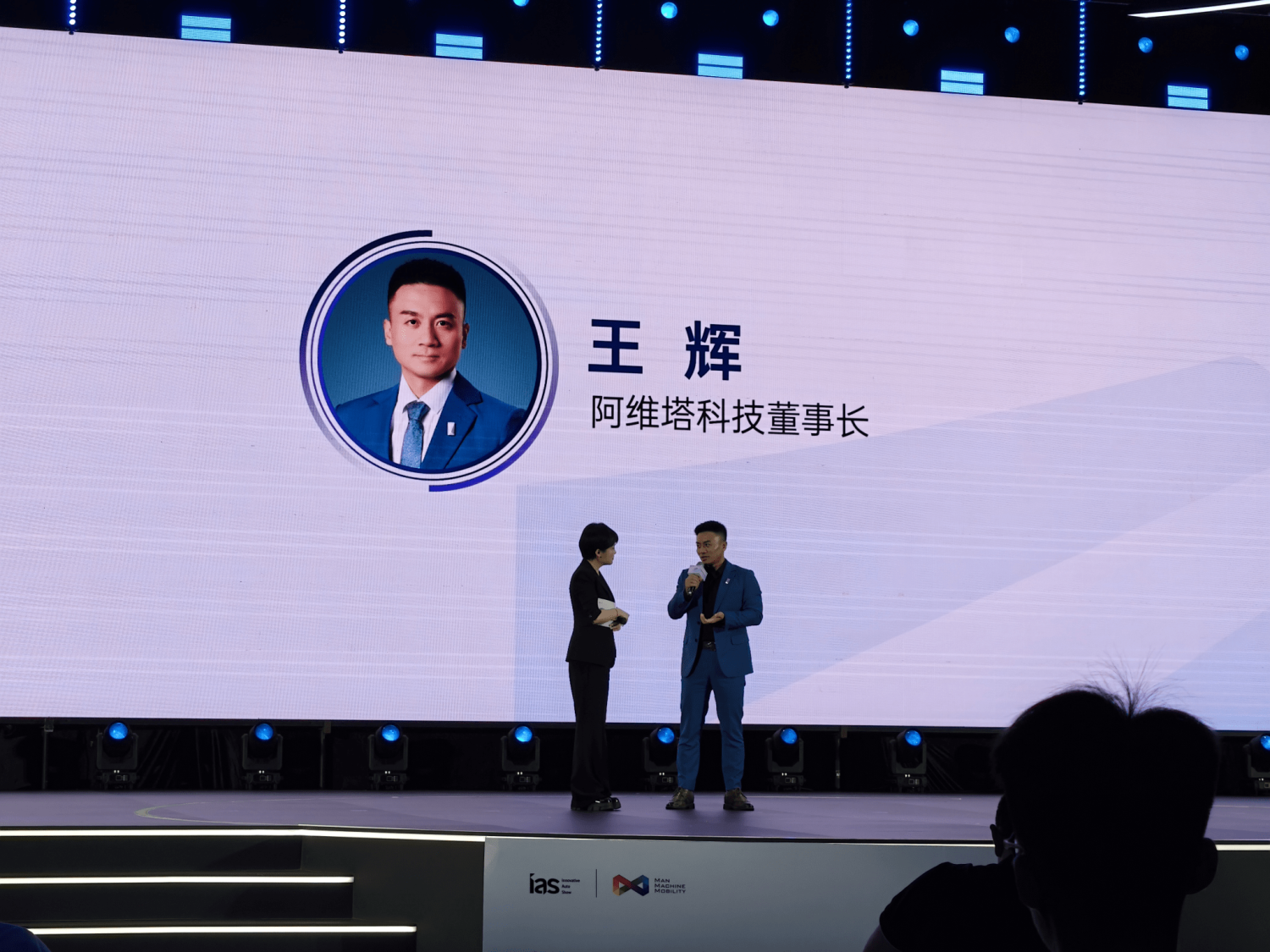
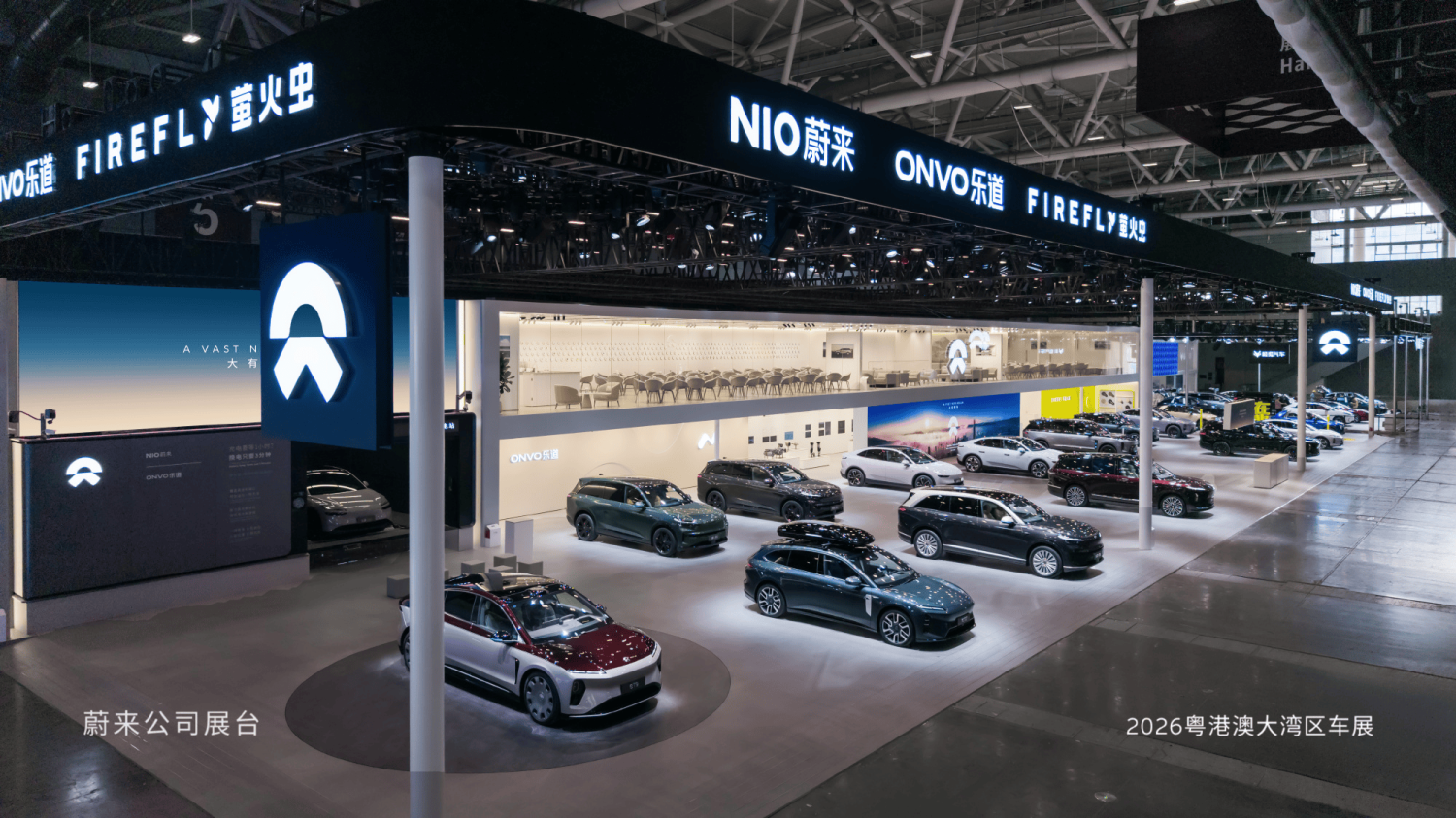
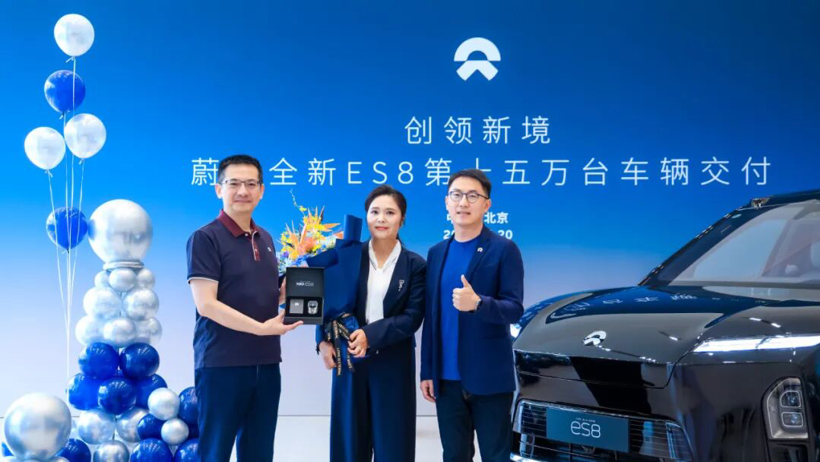
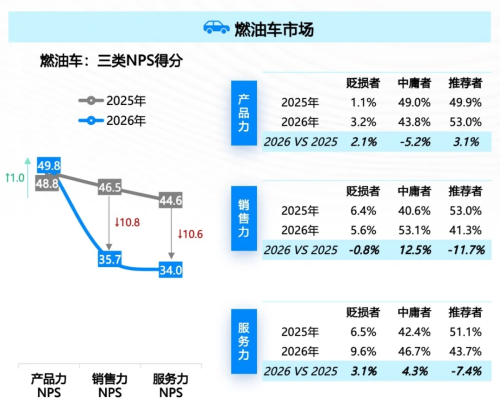
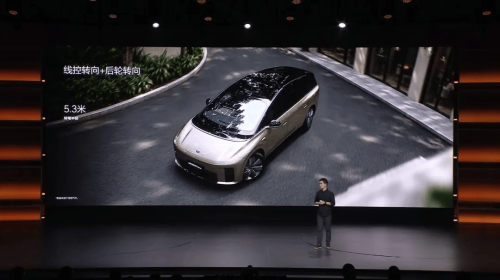
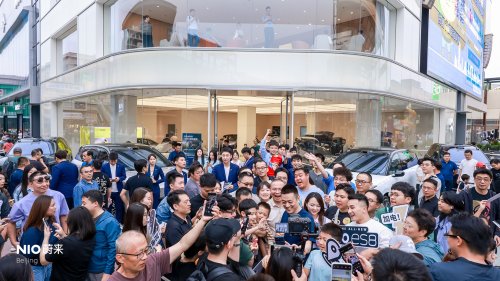
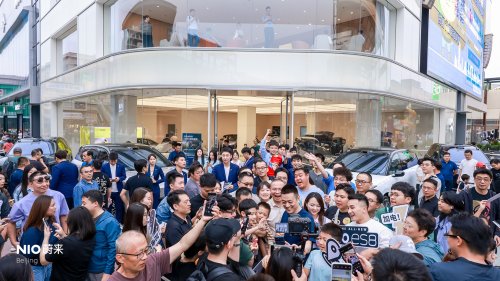
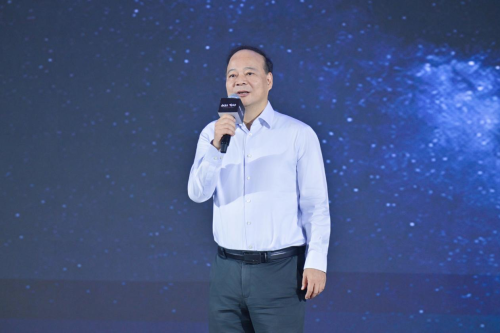
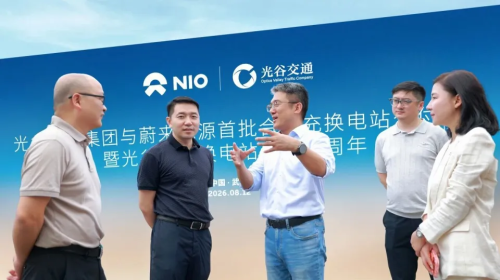
At the 4th Future Auto Pioneer Conference, which opened today in Shenzhen, NIO CEO William Li set a “brutal” tone for the 2026 auto market. William Li said at the conference that competition over the next year or two will be very brutal, and some lagging brands and technologies will be accelerated out of the market. Although the industry’s price war is fading, a market without a price war is equally brutal. This assessment has sparked considerable discussion online. NIO CEO William Li Echoing William Li’s view, several executives and experts from traditional luxury brands, new energy vehicle makers, and industry analysis firms offered their own predictions on the critical turning point and elimination consolidation in the 2026 auto industry. To back up William Li’s point about “brutal” conditions, Wang Hui, chairman of Avatr Technology, provided a set of data. Wang Hui noted that while “electrification is the first half of the race and intelligentization is the second half,” the intense internal competition in new energy technology has been squeezing the industry’s health. Data shows that the average profit margin in China’s auto industry was only 4.1% in 2025, and by the first two months of 2026, that figure had plummeted to 2.9%. Wang Hui, Chairman of Avatr Technology “Over the past three to five years, automakers have not been competing against rivals but rather eroding their own profits,” Wang Hui said bluntly. Facing the sharp narrowing of profits, Avatr has had to propose three major transformation directions under “value leapfrogging,” shifting from simply selling cars to creating high-quality products, while drastically streamlining the Chang’an Group’s product line from 63 models to 36. Xiang Xingchu, Party Secretary of Jiangqi Group, also issued a warning based on shrinking data from the traditional fuel vehicle market. He said the market share of traditional fuel vehicles is currently shrinking at an annual rate of 10% to 15%, putting severe pressure on most automakers’ profits. This shift is forcing automakers and parts suppliers to break down the boundaries between upstream and downstream, moving from technology co-creation to ecological integration. NIO booth The knockout competition in China’s auto industry did not begin only in 2026. As early as 2024, He Xiaopeng, chairman of XPeng Motors, asserted that “only seven auto brands will survive the next ten years” – a statement whose weight is being validated by time. Entering 2025, He Xiaopeng further emphasized that from 2025 to 2027, the auto industry would enter the knockout stage, and competition in 2025 would be even more intense. At that time, breaking through, bankruptcy, and price wars were the three keywords for the EV industry, pushing the intensity of the knockout competition to a new level amid “orderly chaos.” If 2024 and 2025 were merely the “warm-up” for the knockout round, then 2026 marks the official start of the “final stage” of this major test.