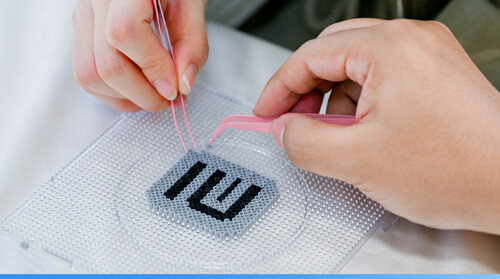
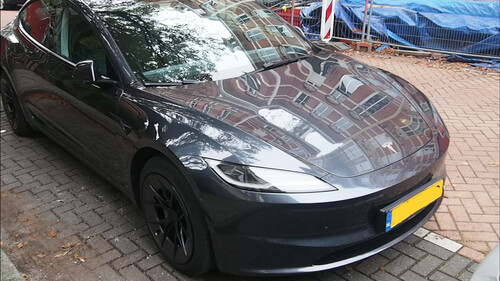
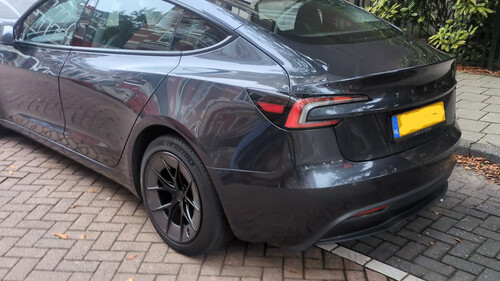
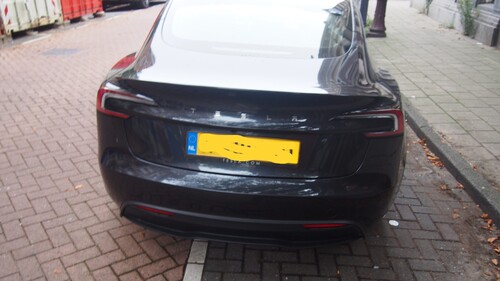
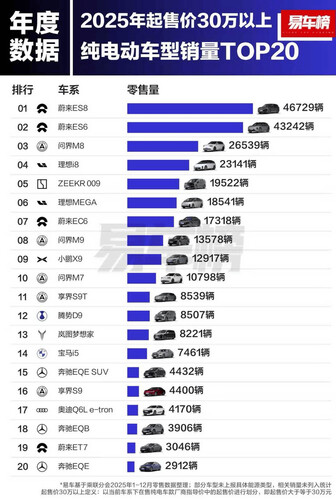
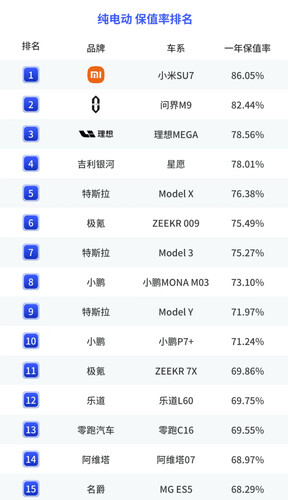
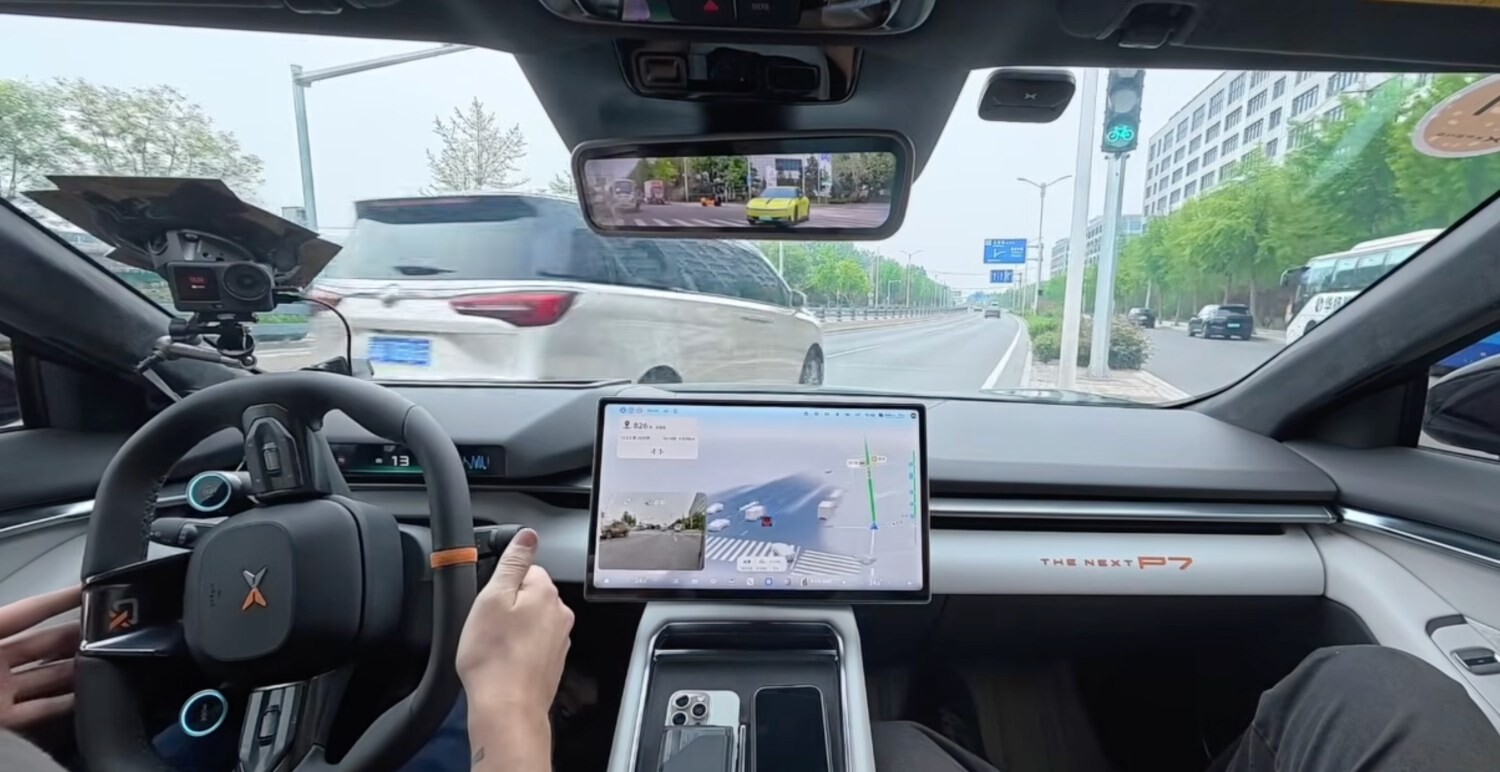
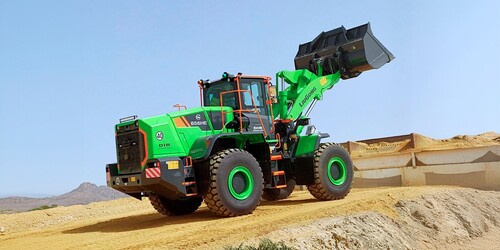
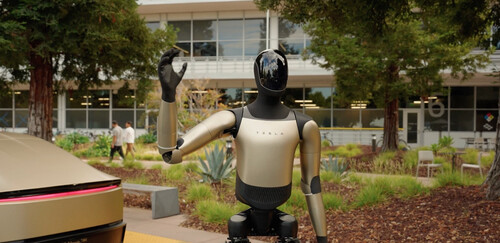
Jackson Scott · 6 months ago@jacksonscott68Li Auto Restarts Robotics R&D, Shares Rally 7% Liked by+52 othersTeslaXpengPost commentRelated PostsAmerica’s Biggest Non-Tesla EV Fast Charging Network Just Hit A New MilestoneCaleb Harris · 6 days agoFirst SAIC-GM-Wuling and Huawei vehicle launches; Multiple automakers deny rumors of being summoned over battery locking 30 · Lily Morgan · 5 months agoVLA 2.0 vs. FSD in Amsterdam — Part 2: Tesla Model 3 51 · Emily Roy · 19 days agoPssst! Wanna See A Driverless Electric Truck?Aiden Martin · 6 days agoNIO delivers 29,356 vehicles in April, but growth slows sharply from Q1 pace 18 · Jenna Girard · 5 months agoGeely Invests in NIO Energy, Expanding Cooperation in Charging and Battery Swapping 23 · Adam Lee · 19 days agoAustralian Plugin Vehicle Sales, September Update — Are Mainstream Media Finally Waking Up?Jackson Labelle · 6 days agoLi Auto Reportedly Plans Debut of Two-Wheeled Robot in 2026, Inspired by Tesla 33 · Mason Roy · 5 months agoXPENG VLA 2.0 vs. Tesla FSD in Amsterdam — Part 1: XPENG L03 26 · Gabriel Young · 20 days agoAre Aero Caps A Worthwhile Upgrade for Electric Vehicles? Testing the HALOBLK HALODISCSAva Macdonald · 6 days agoTesla (TSLA) retail sales crash 16% in China in Q1 despite 'rising' wholesale numbers 57 · Kaitlyn Nelson · 6 months agoNorway’s Car Market Is Now 98.7% Electric. These Models Are Winning 36 · Adam Fortin · 23 days agoStudy Finds Many New Cars Share Your Data With Third-Party CompaniesAdam Turner · 6 days agoChina BEV Sales Rankings in 2025: Model Y and NIO ES8 Lead in Price Bands 57 · Kaitlyn Anderson · 6 months agoNorway's Passenger Car Market in August 2026: XPENG Ranks Fifth, Chinese Brands' Share Exceeds 21% 57 · Victoria King · 24 days agoAll the Great Car Names Have Been TakenAva Labelle · 7 days agoChina 2025 Resale Value Report: Xiaomi SU7 Tops BEVs, AITO M9 Tops Plug-in Hybrids 23 · Camille Tremblay · 6 months agoXPeng shops its self-driving tech to automakers — Tesla found no takers 12 · Ava Gagnon · 1 months agoBack in the real world: electric equipment is saving job sites BIG MONEYMia Walker · 7 days agoSix Automakers’ Seven-Year Low-Interest Financing: Real Discounts or Hidden Traps? 73 · Owen Tremblay · 6 months ago




 +52 others