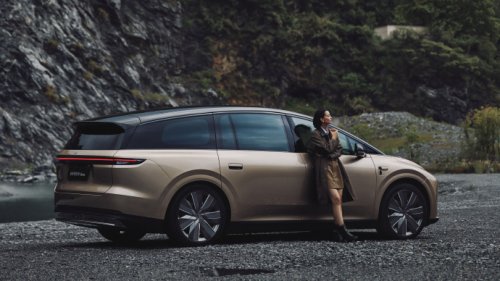
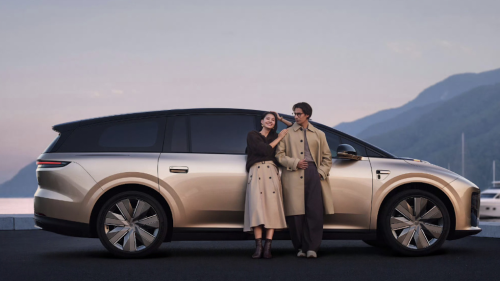
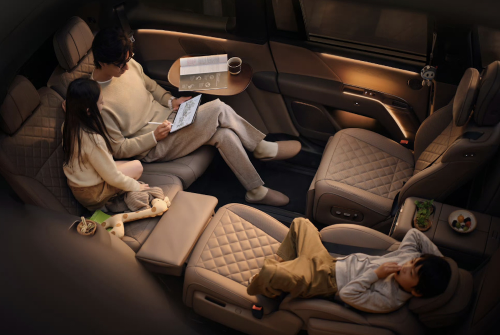
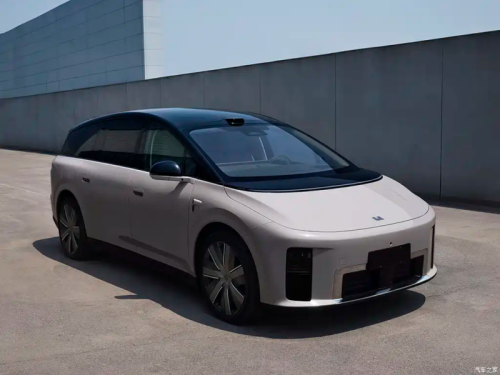
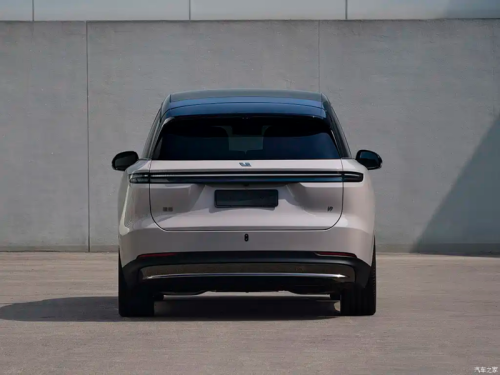
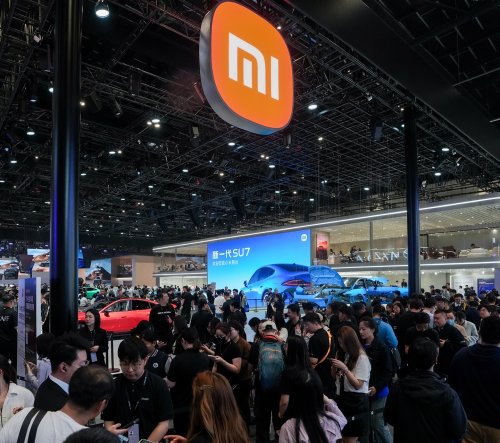
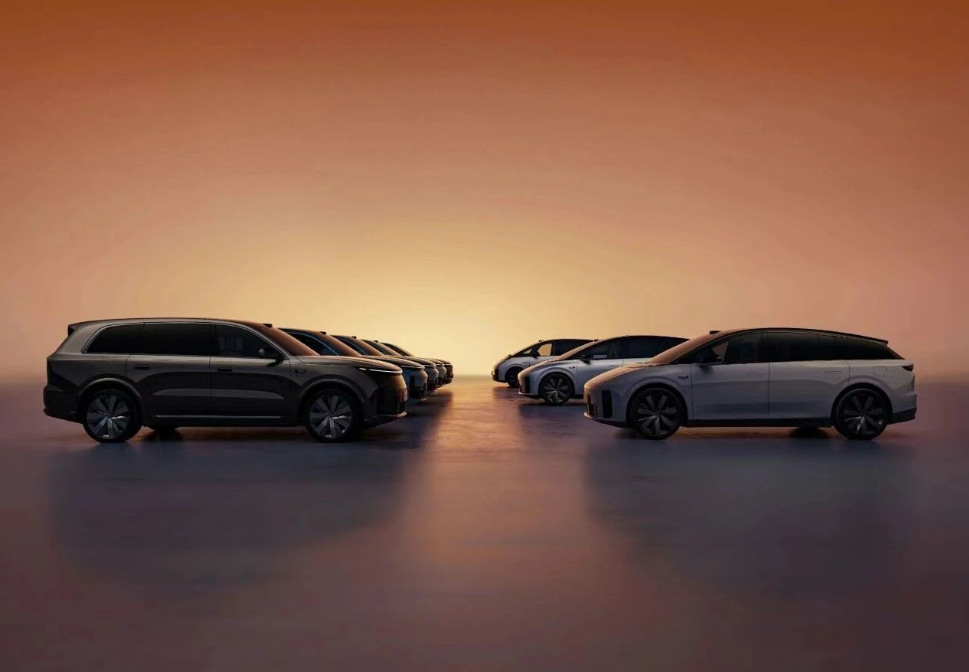
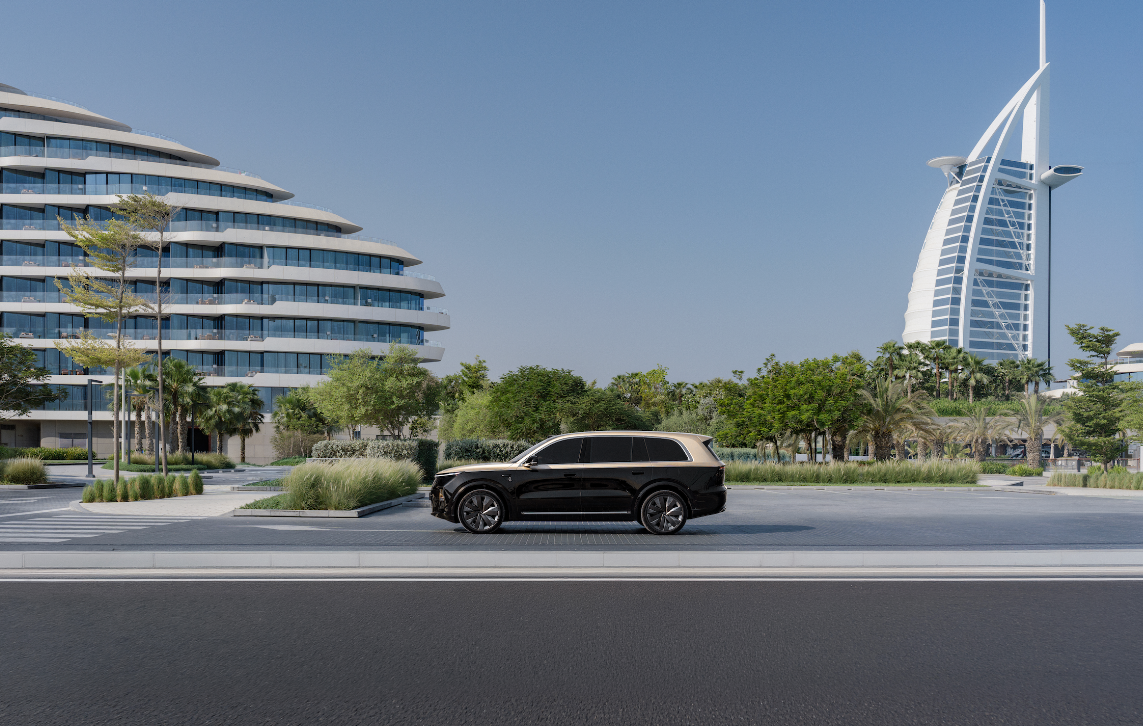
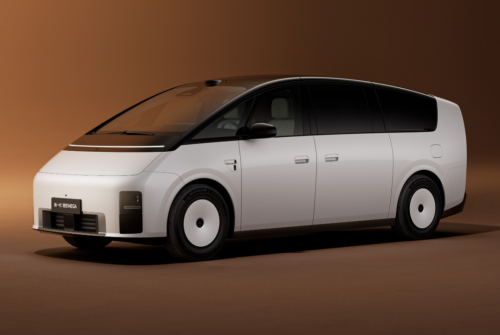
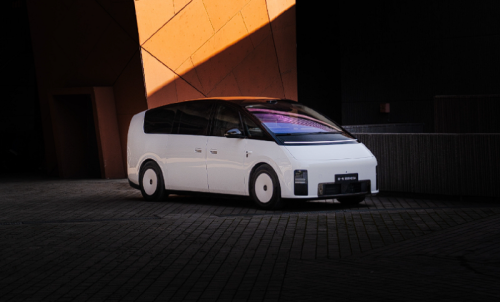
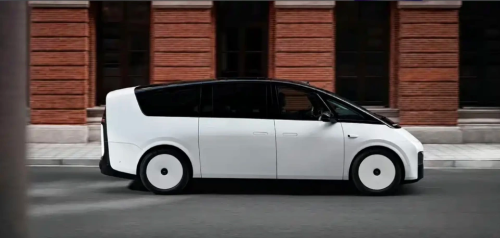
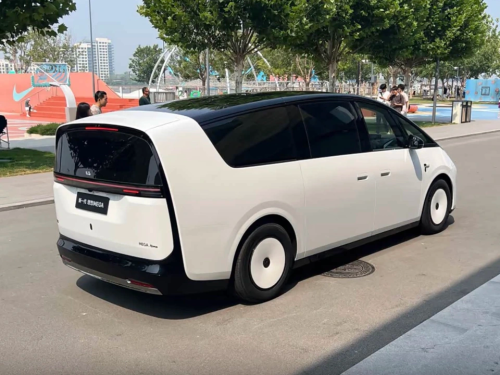
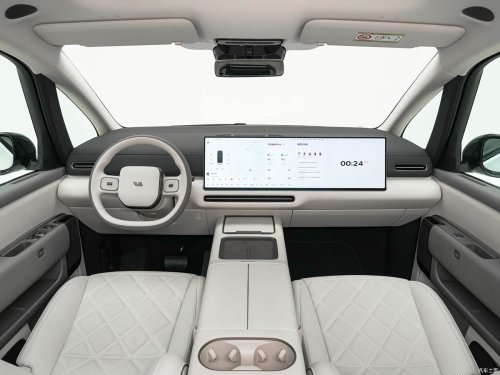
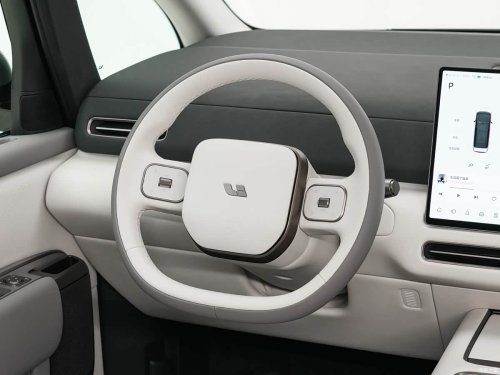
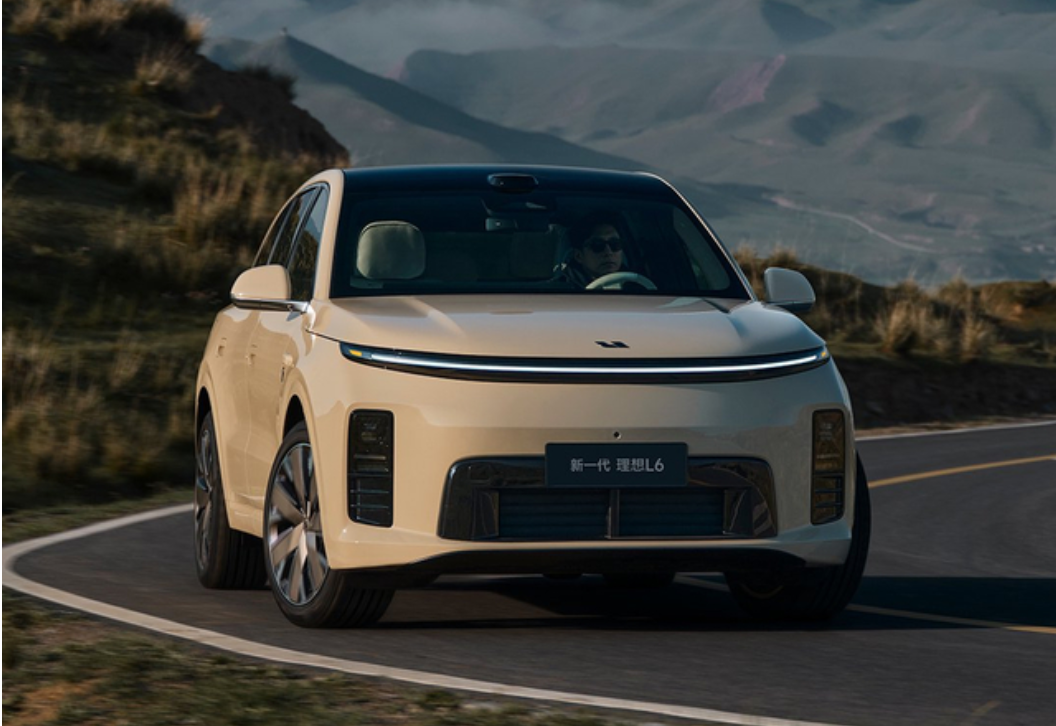
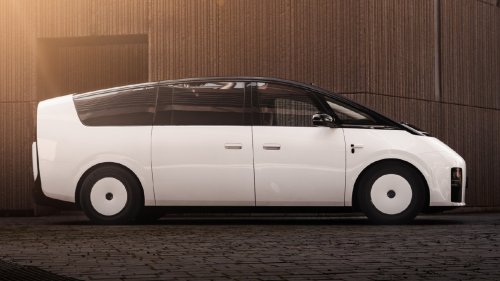
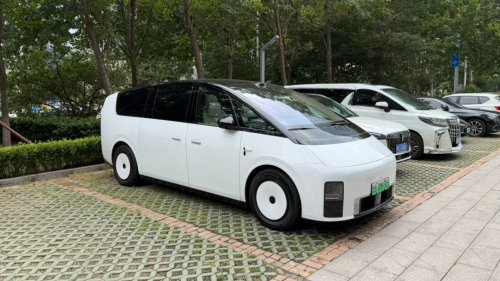
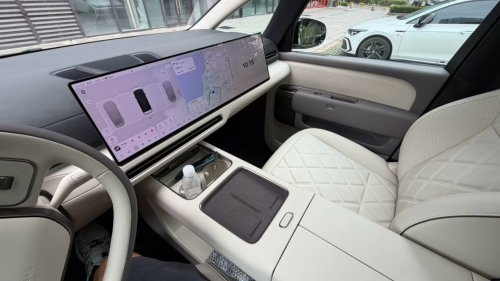
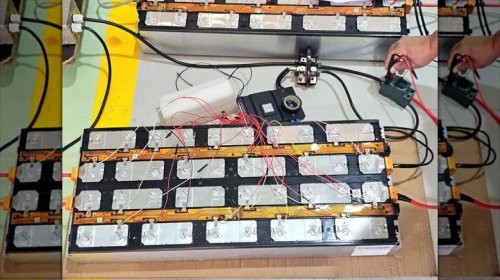
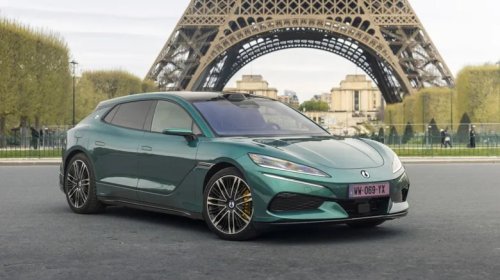
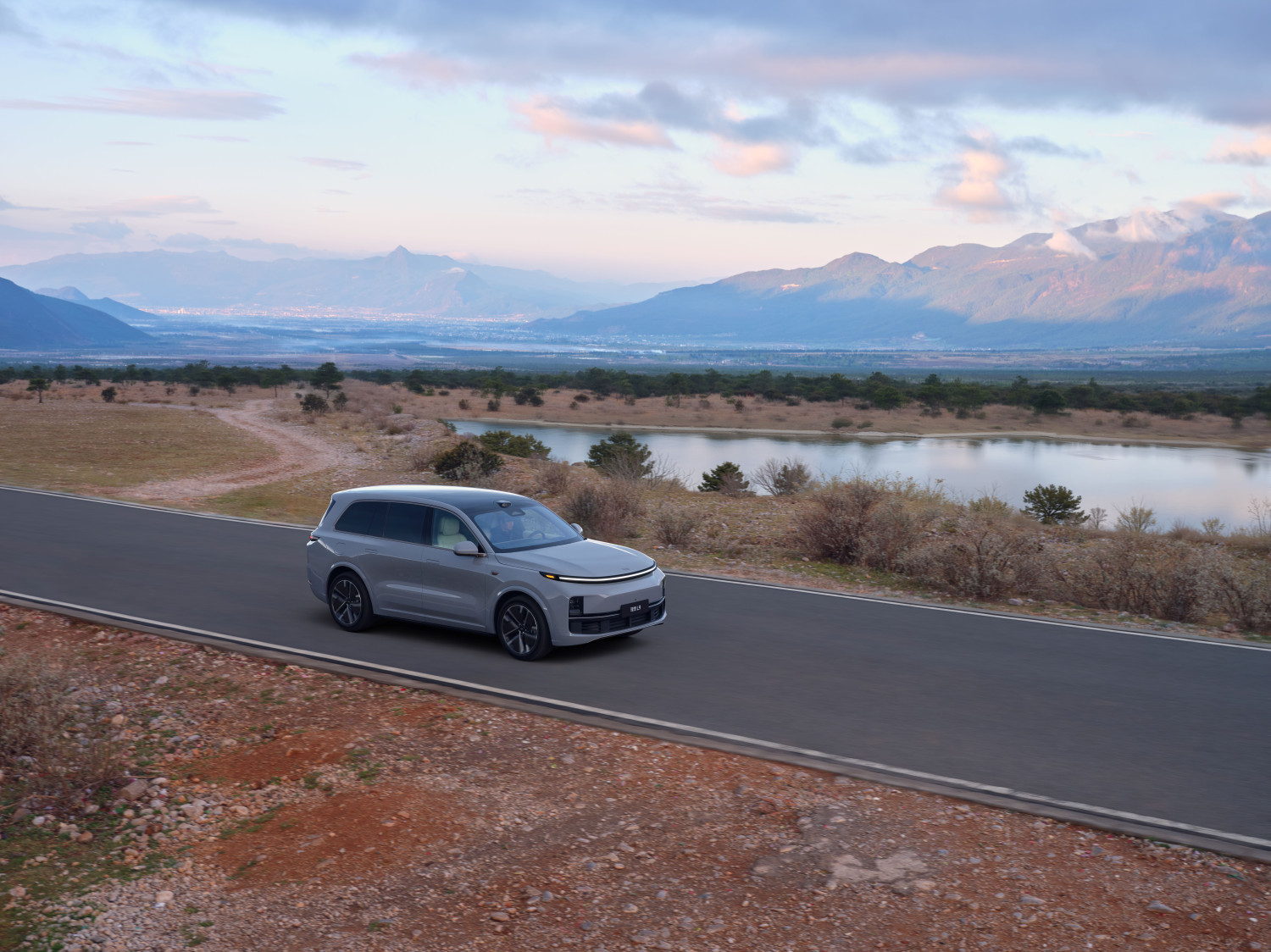
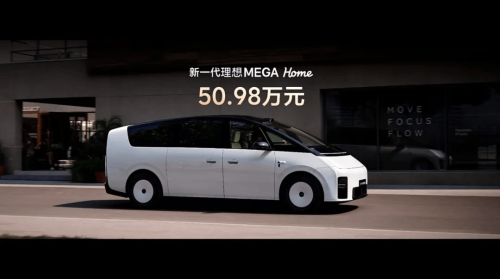
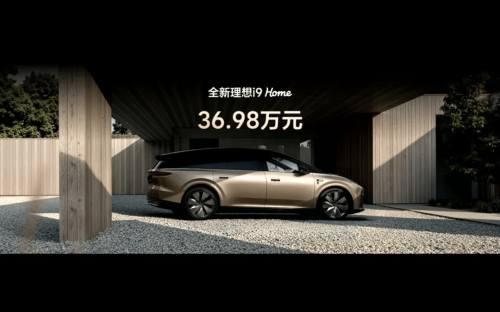
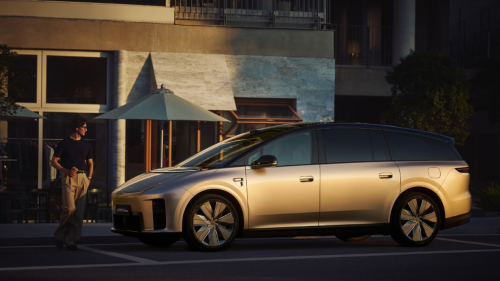
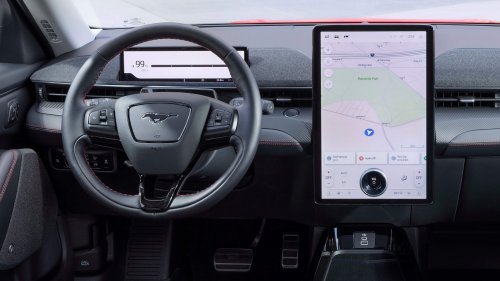
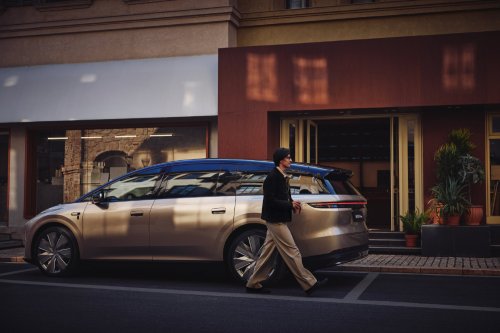
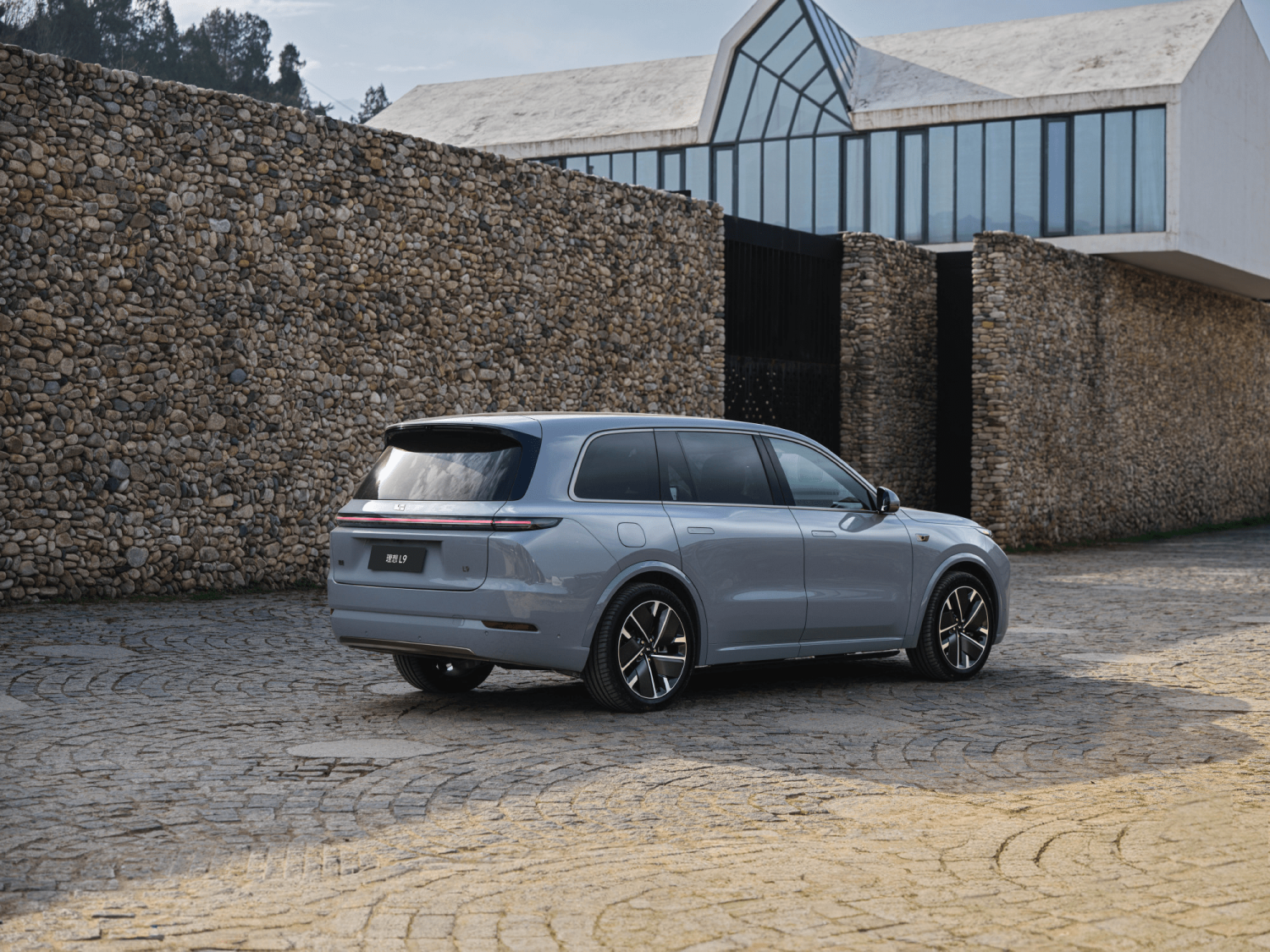
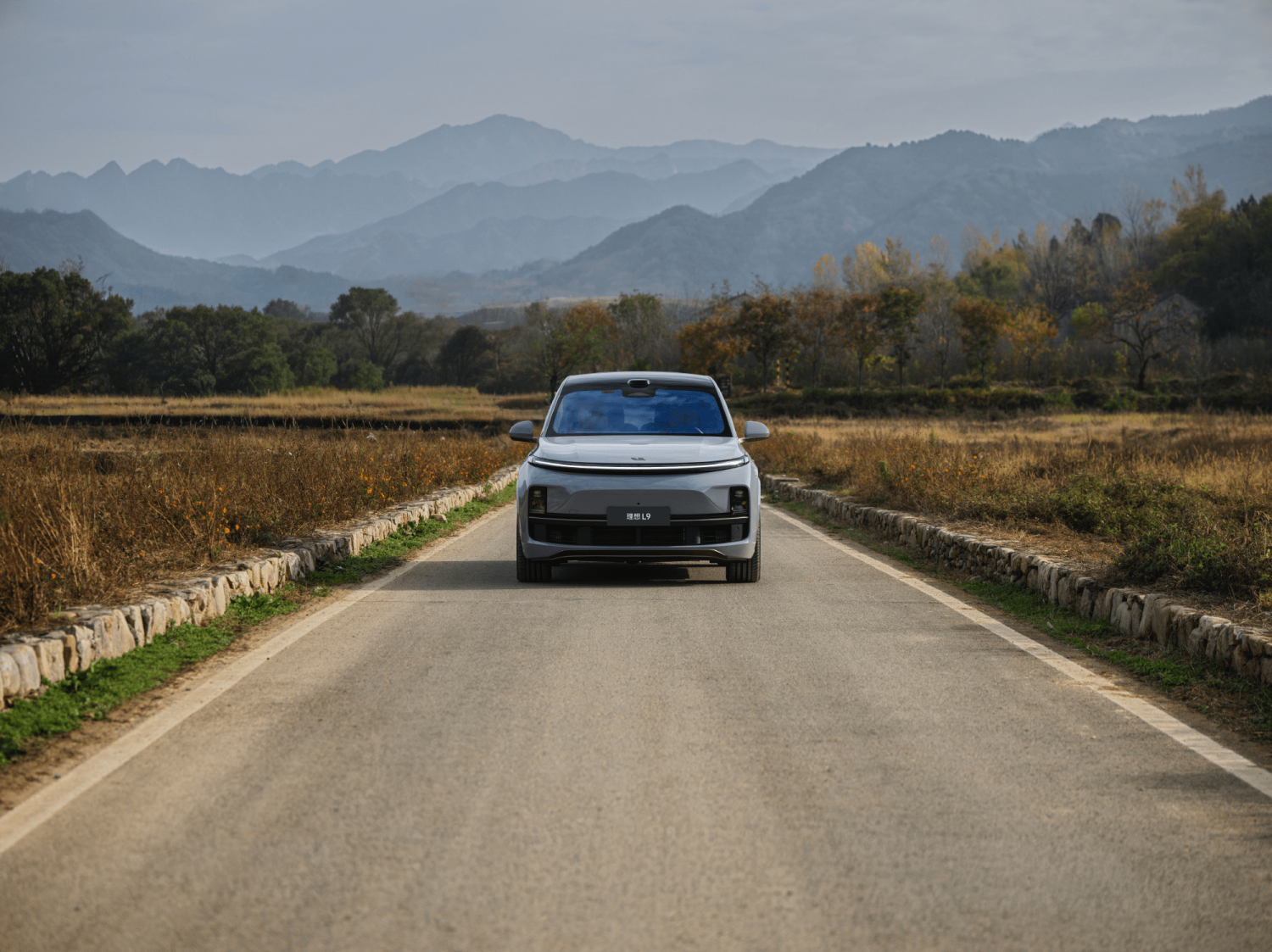
Li Auto aims to regain EREV product leadership in 2026. In 2025, Li Auto experienced negative growth and plans to launch a counterattack in 2026, with the primary goal of solidifying its foothold in the range-extended and high-end markets. Market reports predict that Li Auto has preliminarily set a growth target of approximately 40% for 2026, which translates to a sales task of around 550,000 vehicles. Centered on this new sales target, Li Auto’s overall strategic direction is to regain leadership in the range-extended product segment by 2026. Doubling Down on the Li L9 Li Auto is first concentrating its major resources on the new-generation L9 model. According to reports, the 2026 Li L9 model will feature increased dimensions, a comprehensively upgraded chassis, and a range-extended battery with a capacity exceeding 70 kWh, supporting a pure electric range of over 400 km. In terms of intelligence, Li Auto’s self-developed autonomous driving chip, the M100, is set to debut in the L9. The cockpit chip will also switch to Qualcomm’s new-generation automotive chip, the 8797, while the front screen will be upgraded to a large continuous display. Software improvements will enhance both entertainment and practicality. In addition to these configuration upgrades, the new-generation L9 will also adopt a fresh design. Based on this series of significant upgrades, the Li Auto team hopes the market positioning of the L9 will continue to rise to reinforce its presence in the high-end market. Industry insiders reveal that sales projections for the L9 alone exceed 100,000 units. Furthermore, the all-electric flagship model, the Li MEGA, will also receive an annual upgrade. It is worth noting that in 2025, Li Auto’s product focus clearly leaned towards all-electric models, successively launching the MEGA HOME, Li i8, and Li i6. In terms of results, the annual delivery volume of 406,800 units even fell short of the sales level achieved in 2025. Reports indicate that Li Auto will likely have only one all-new all-electric SUV in 2026, shifting its product focus back to the range-extended market. Targeting the Market Above RMB 400,000 Over the past few years, Li Auto rapidly captured market share in the mid-to-large SUV segment with its range-extended models, with monthly deliveries once climbing to 58,000 units. Entering 2026, the range-extended vehicle segment is no longer a market with “low competitive density.” According to plans, XPeng will launch multiple range-extended models in 2026, including the XPeng G7 range-extended version and the XPeng G01. Xiaomi will also enter the range-extended market, preparing to launch a range-extended seven-seat SUV. The first model in Leapmotor’s D series, the D19, even features a battery capacity of 80.3 kWh. It is reported that the upgraded Li L9 will have a battery capacity above 70 kWh. Although it is following the development path of large-battery range-extended vehicles, this remains relatively conservative compared to competitors’ 80 kWh batteries. Beyond the battery, Li Auto needs more “weapons” to enhance competitiveness. It is reported that the new-generation Li L-series models will undergo more aggressive upgrades in chassis and vehicle control. Insiders also reveal that Li Auto’s future core market for range-extended vehicles will mainly be in the segment above 400,000 RMB.



















 +70 others