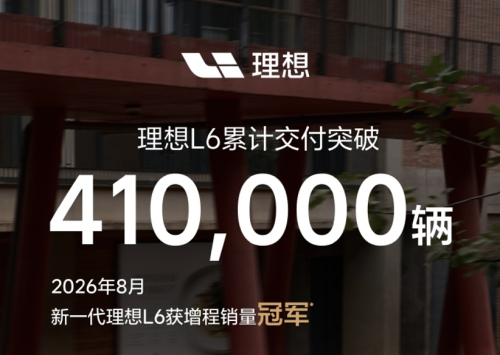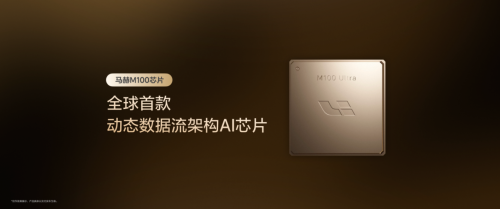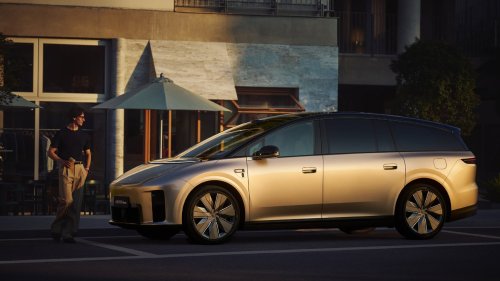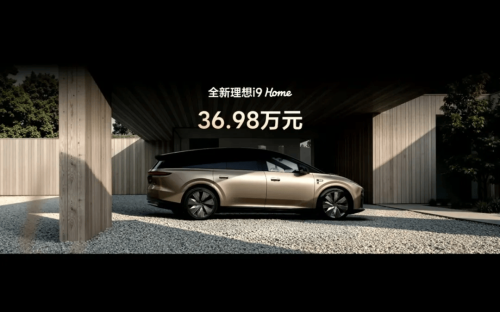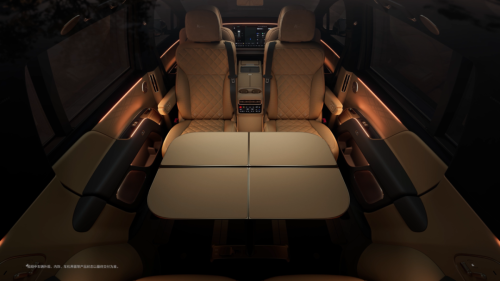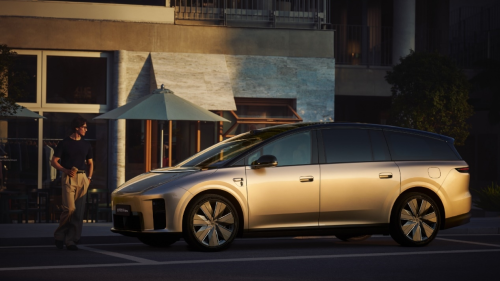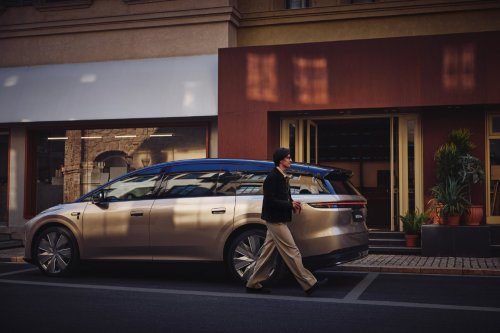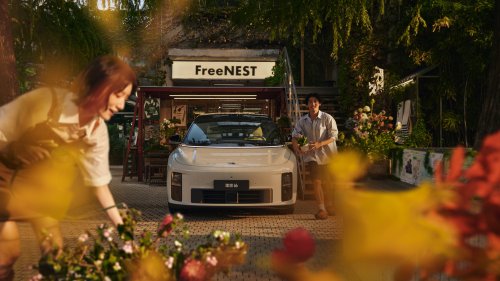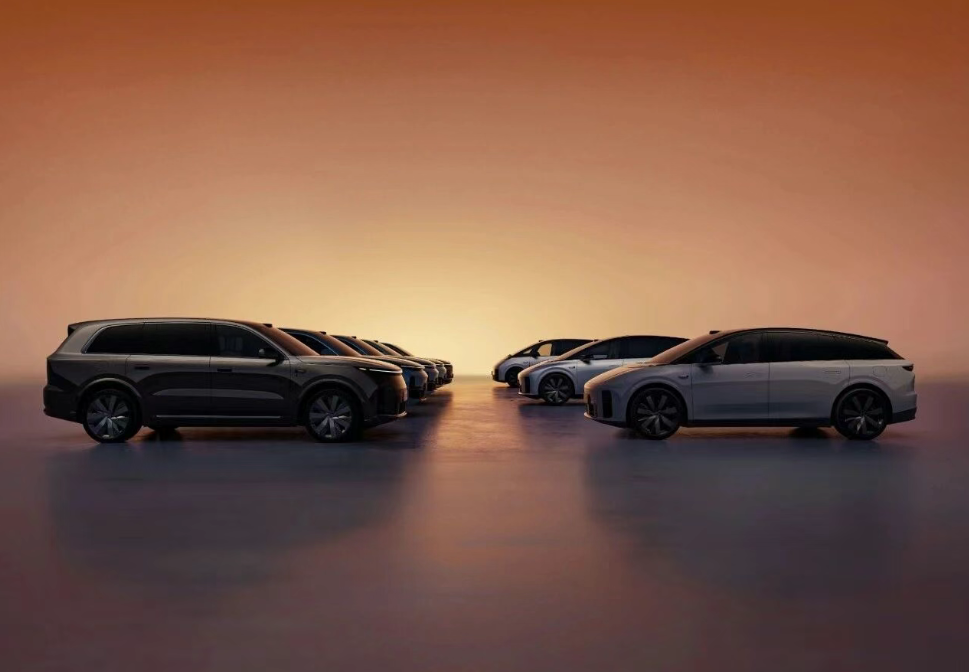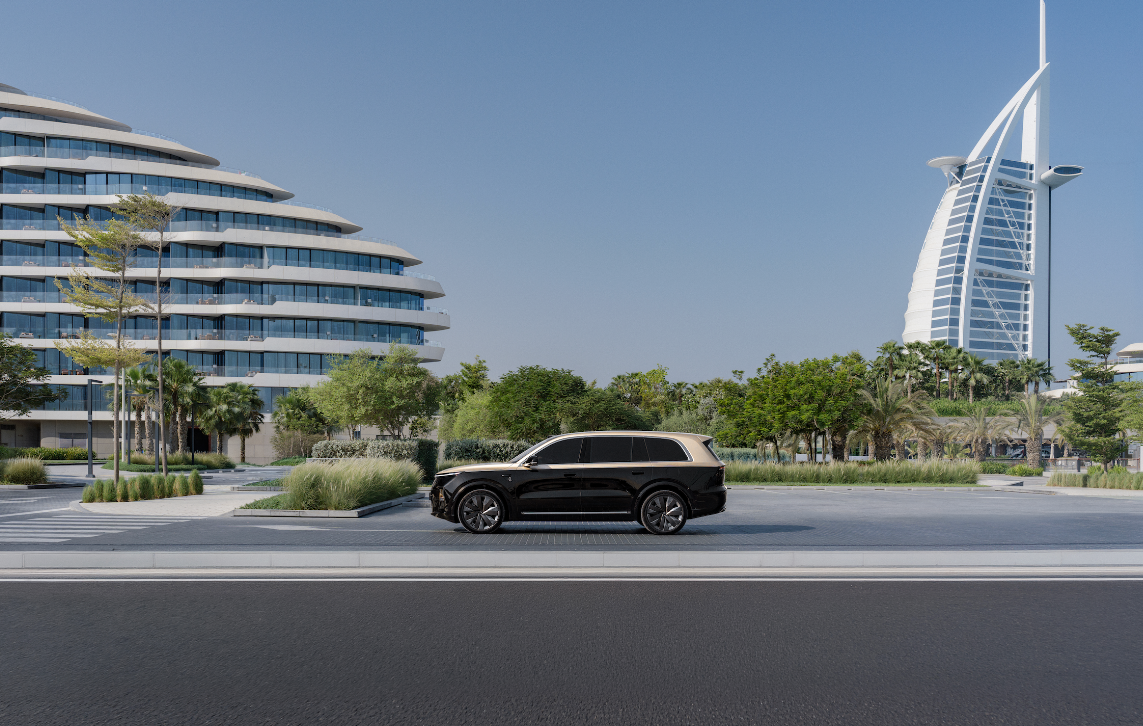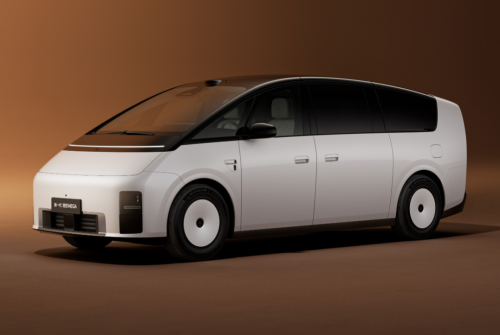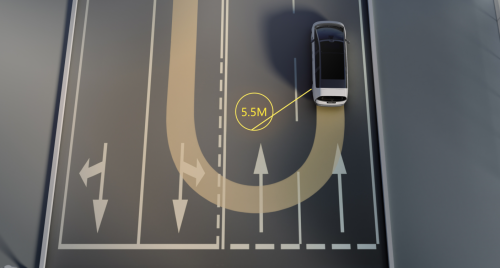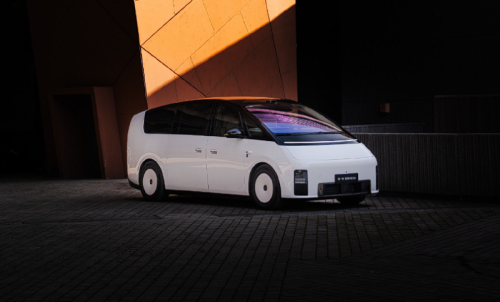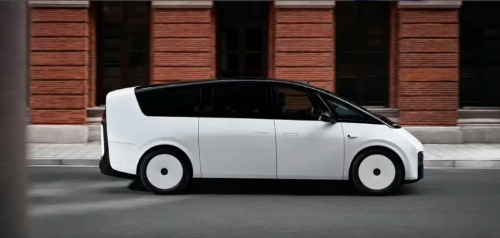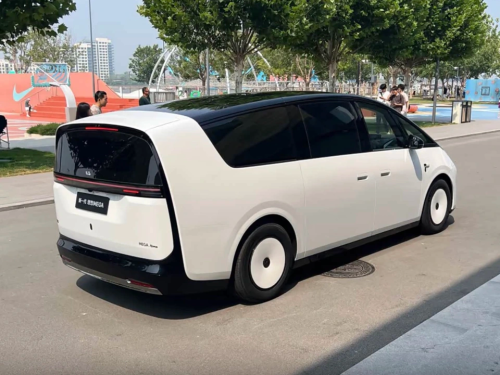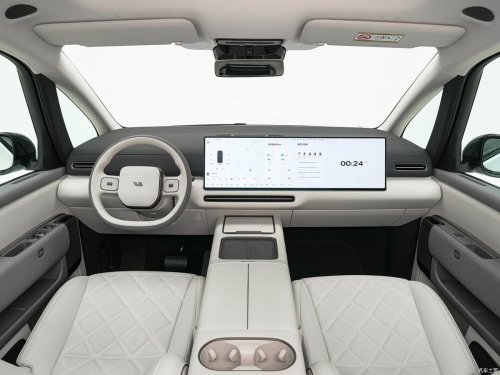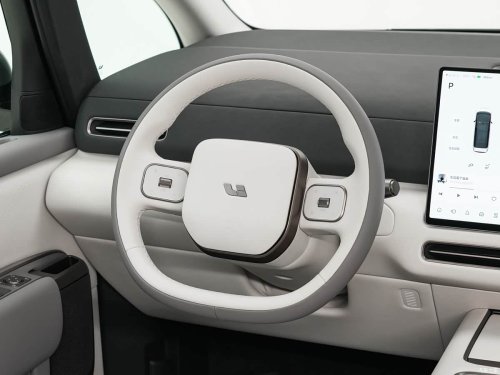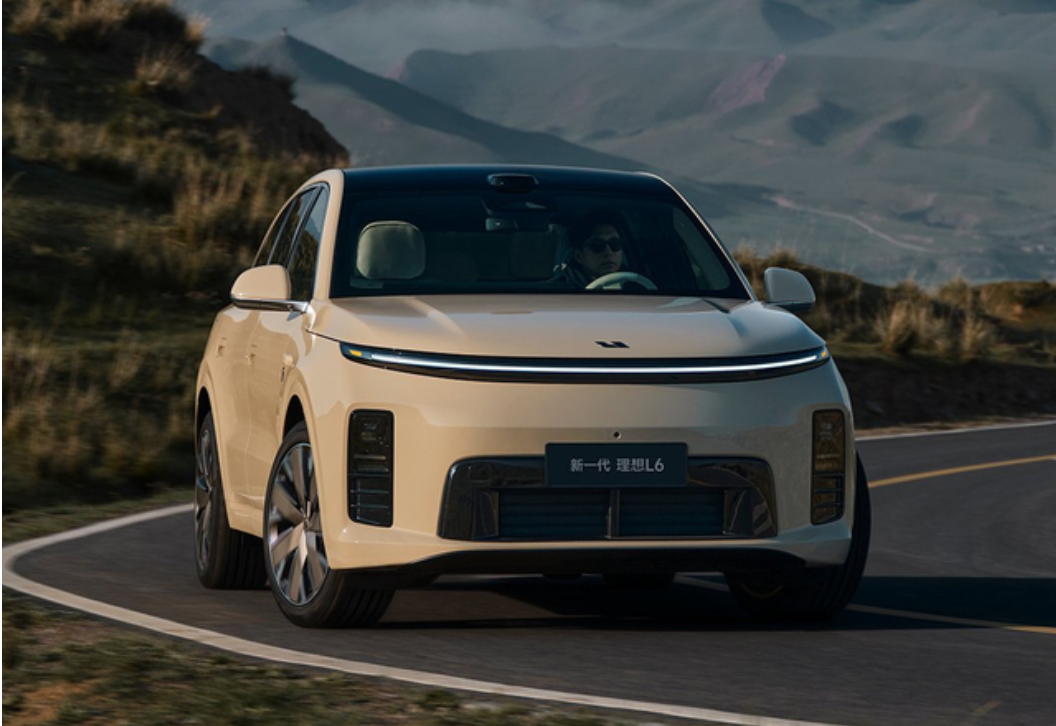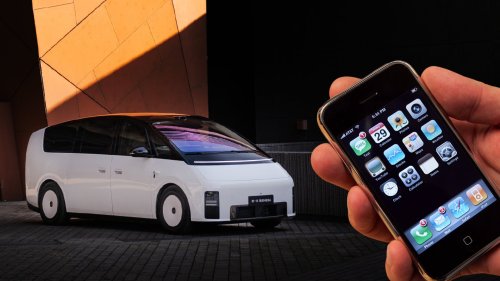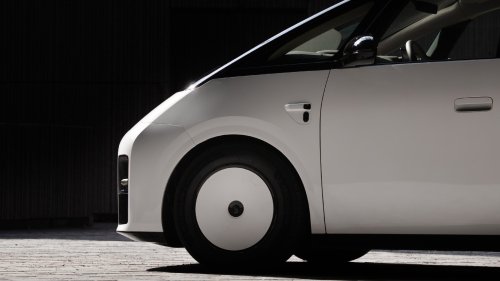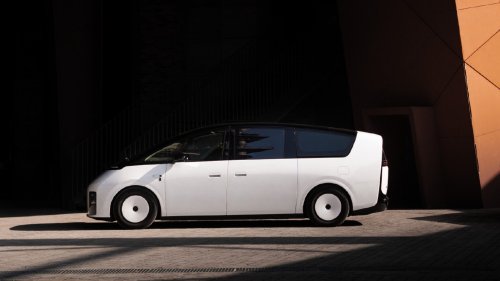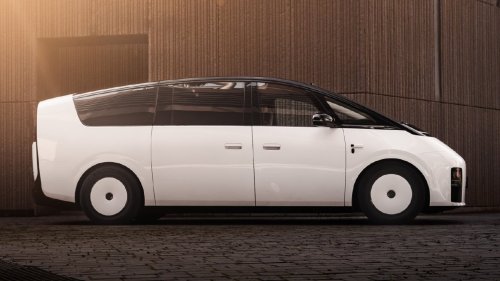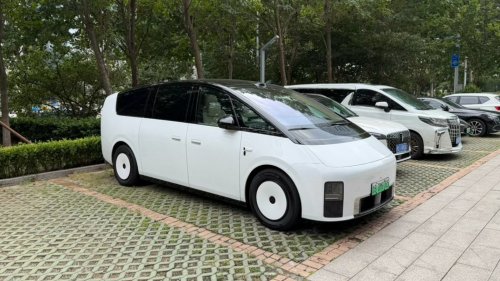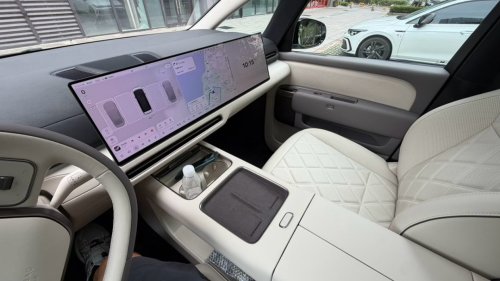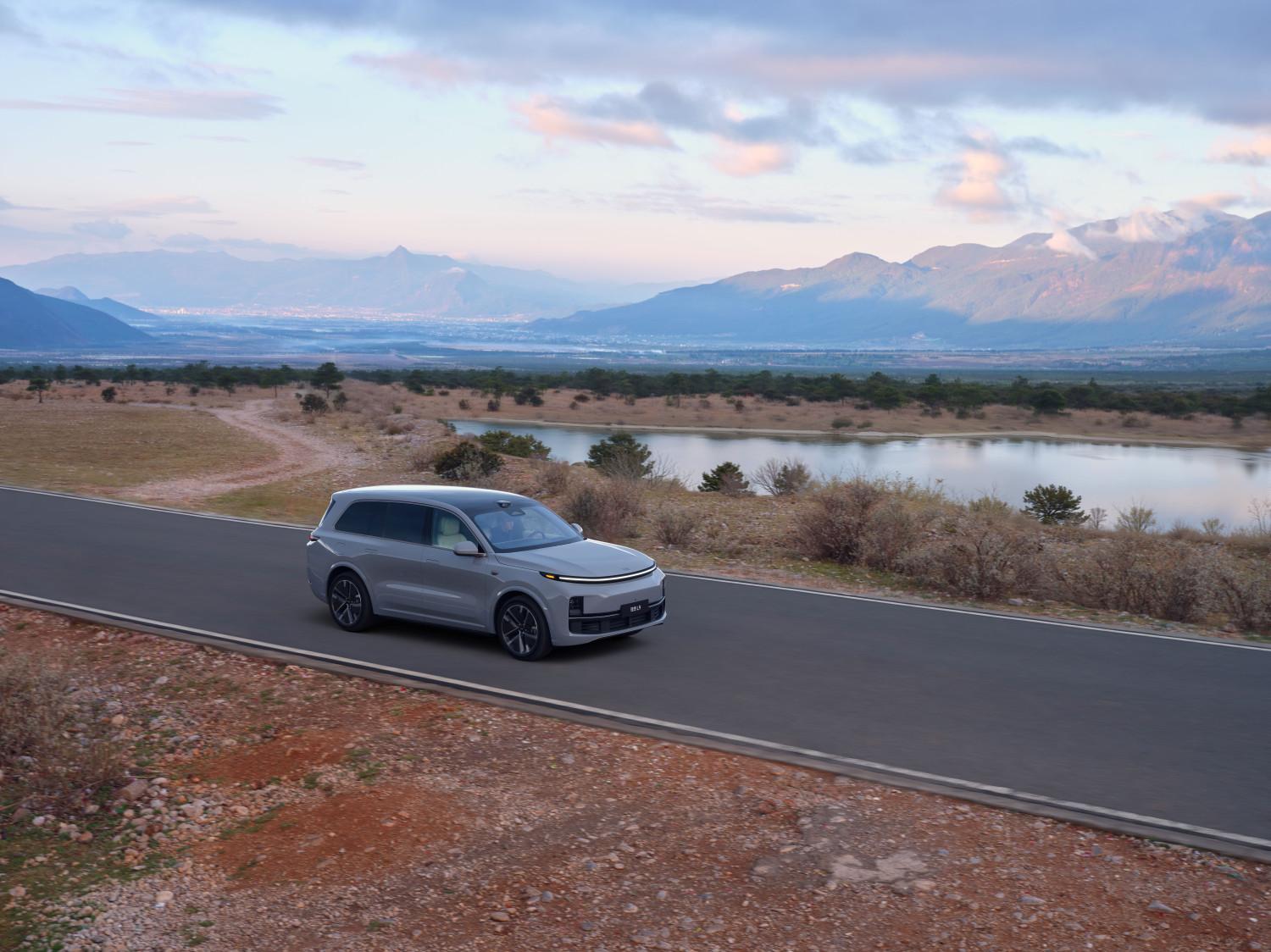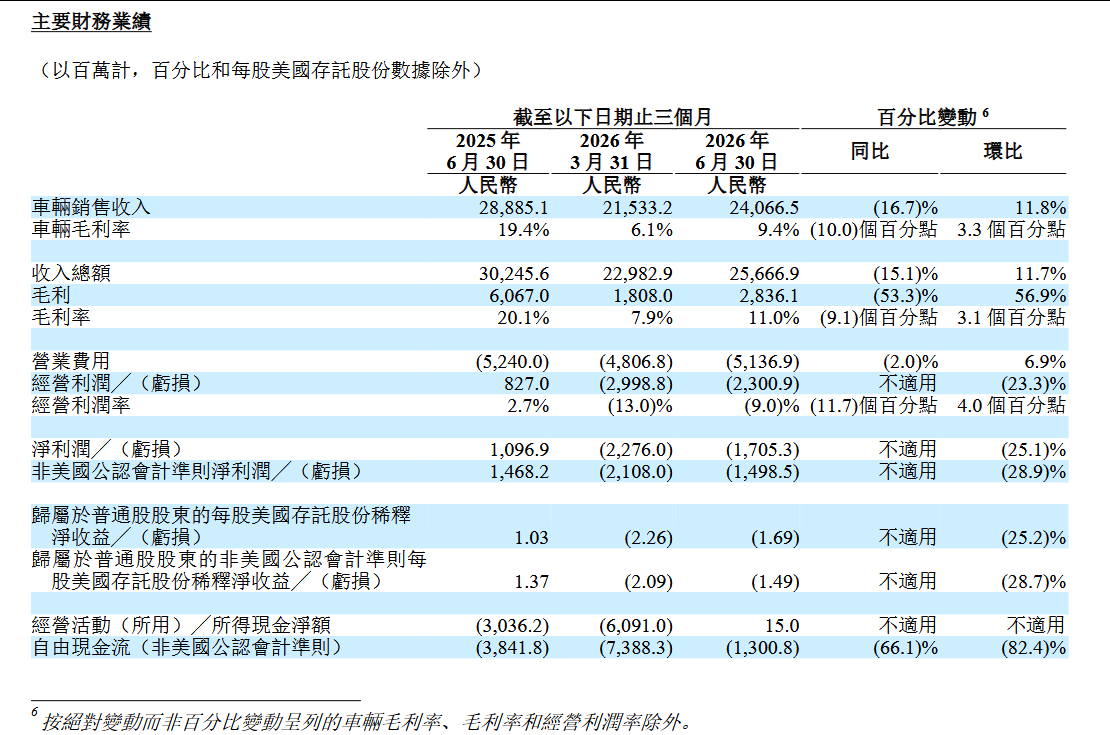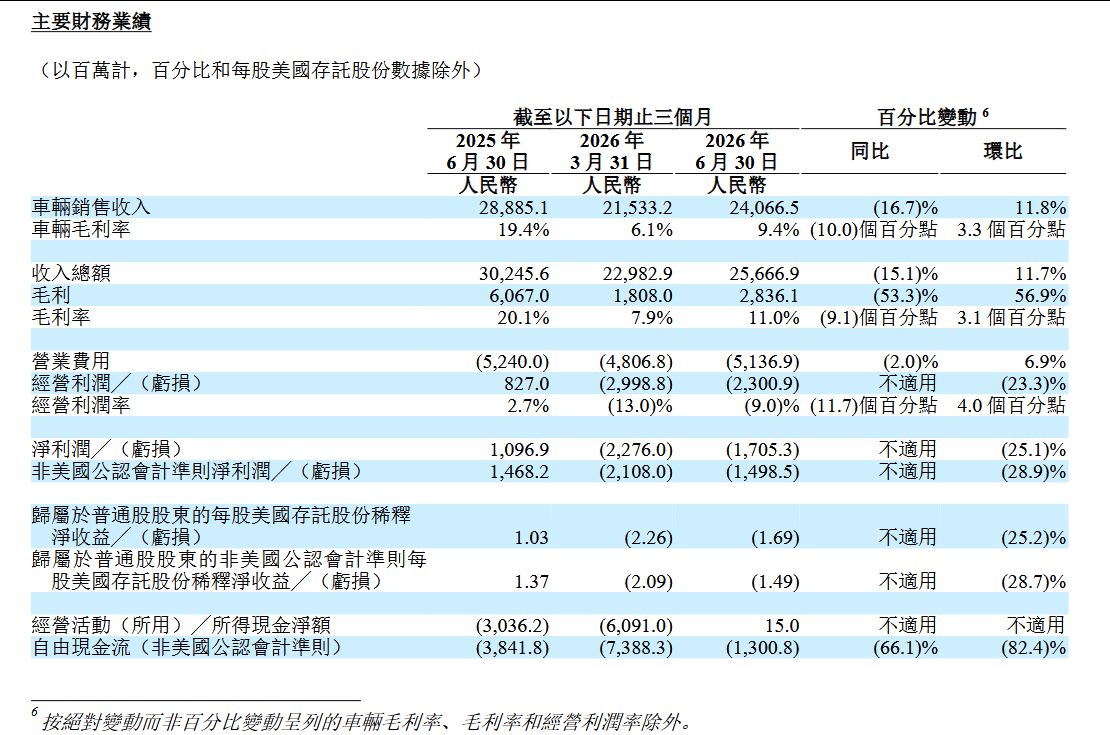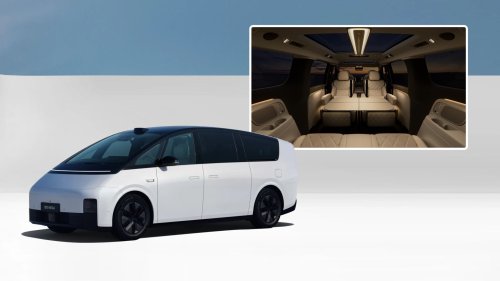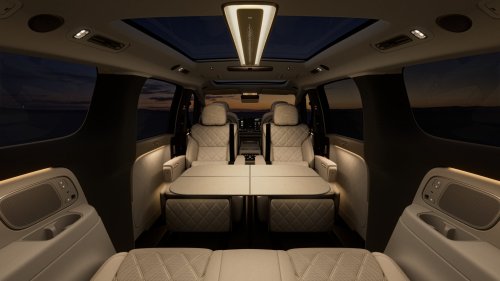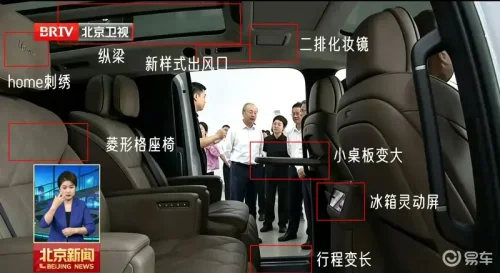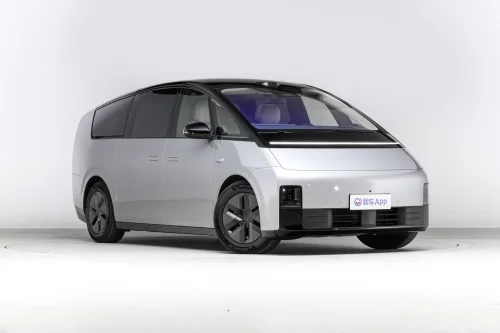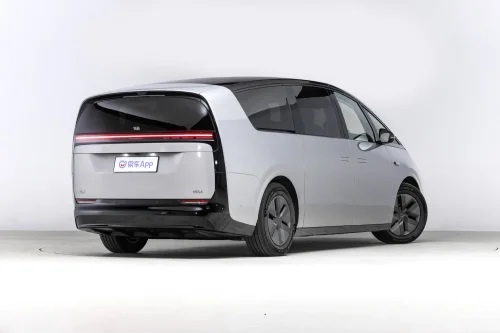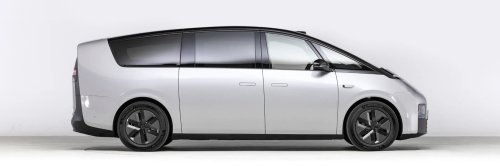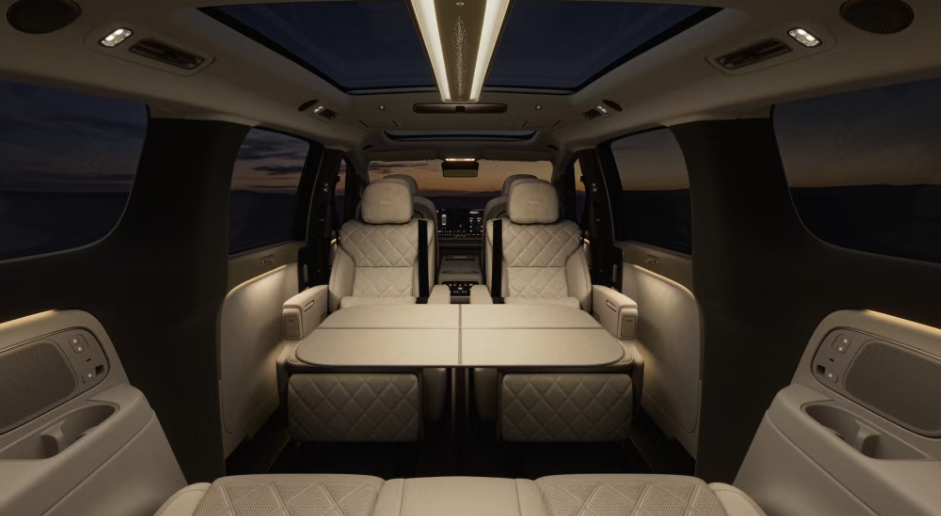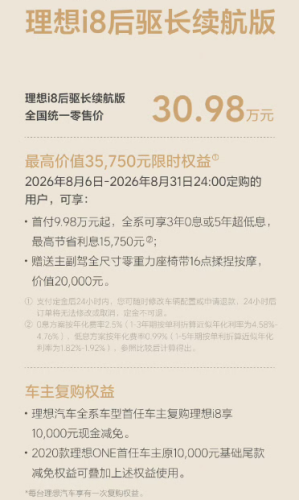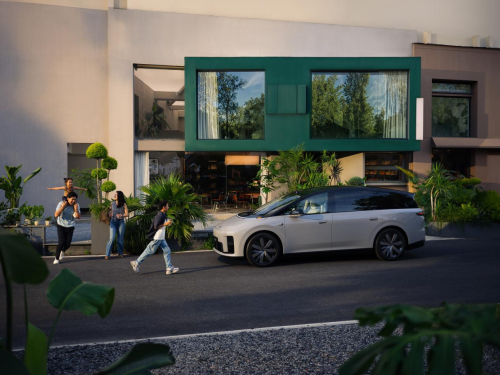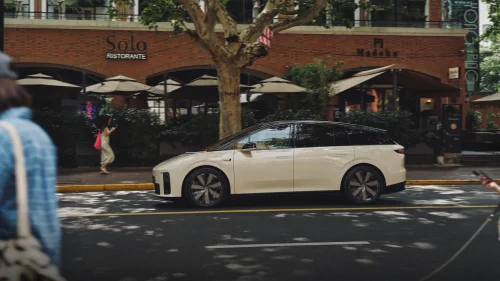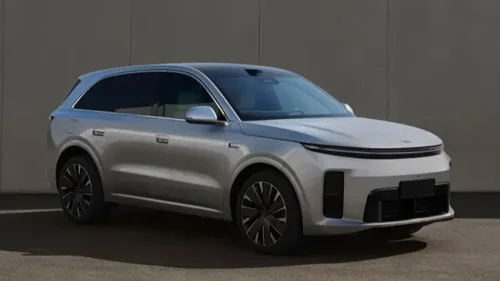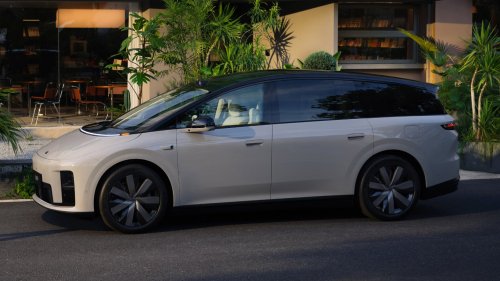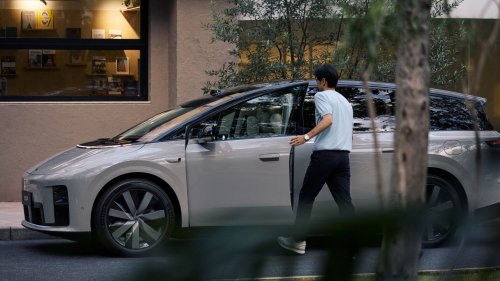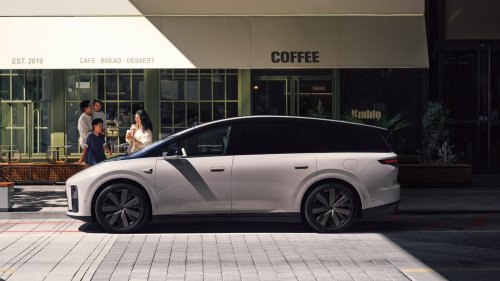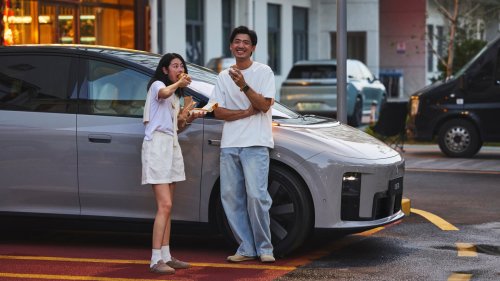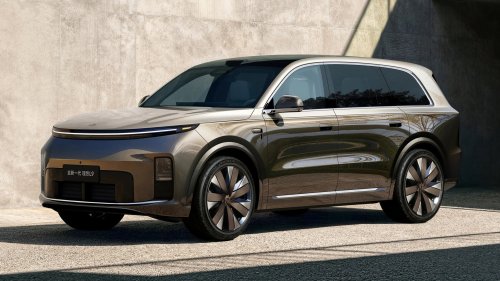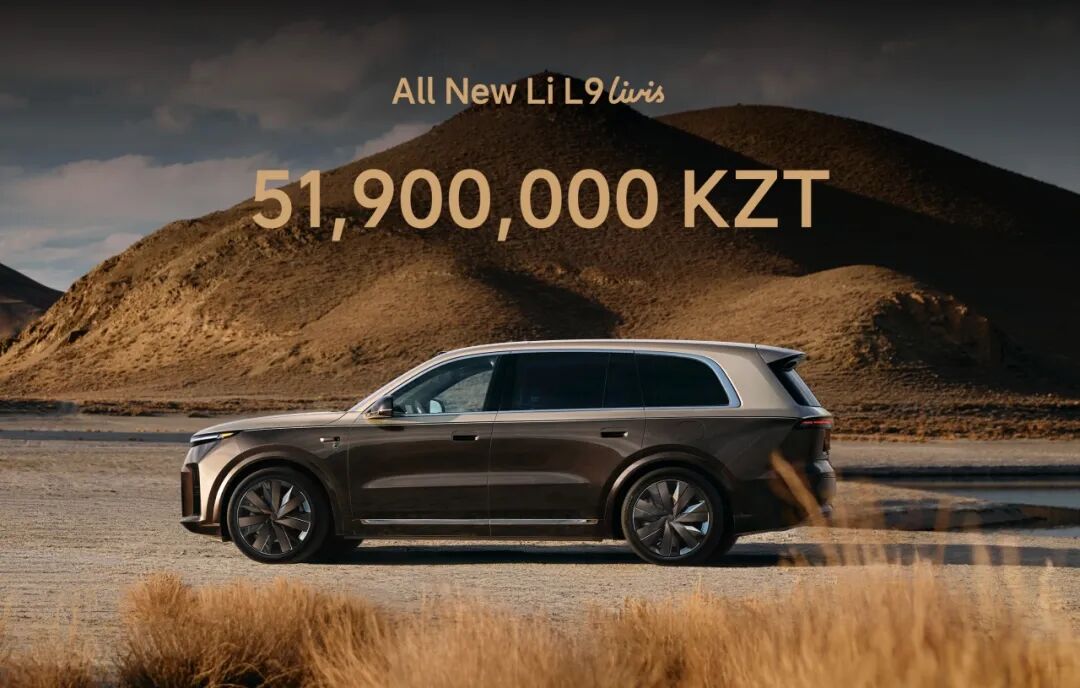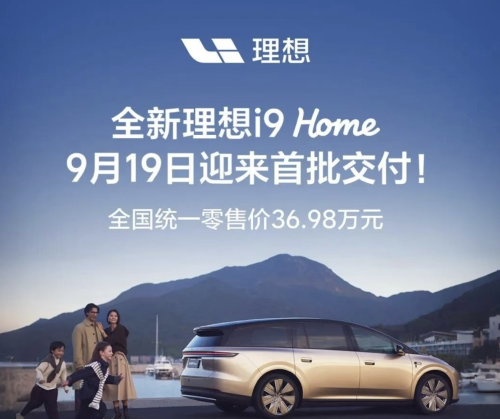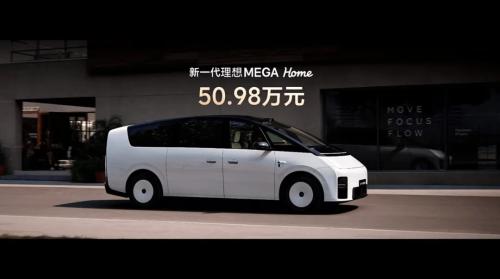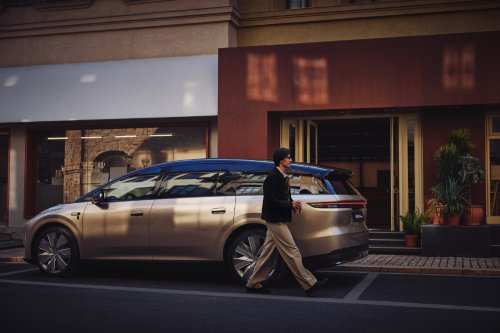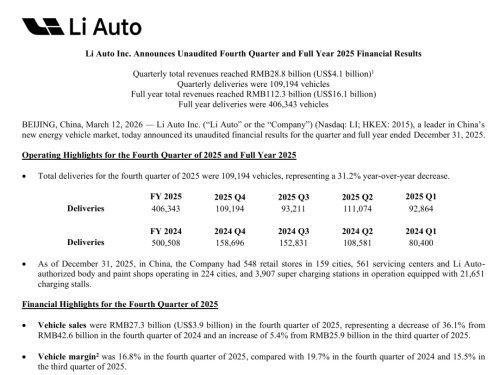
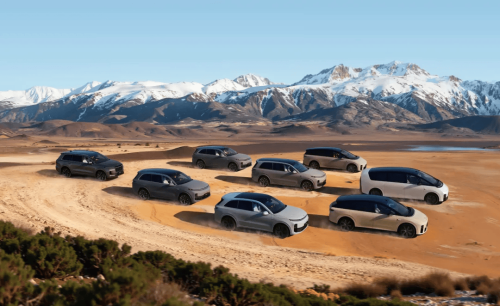
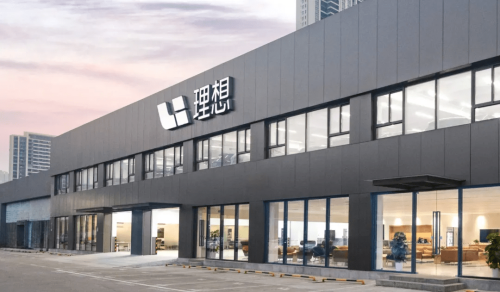
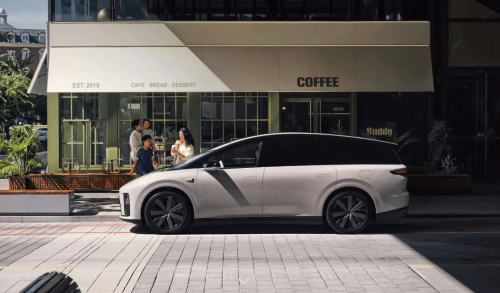
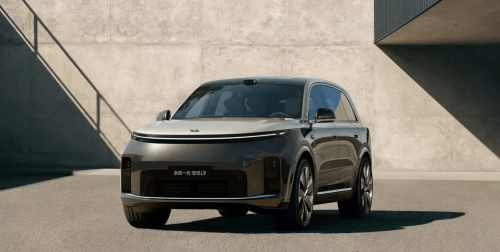
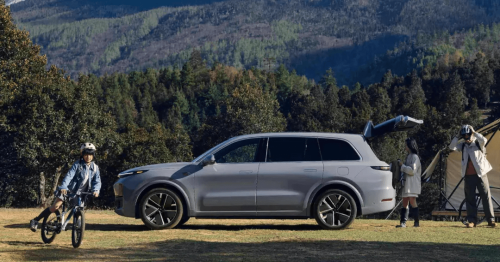



















Li Auto’s 2025 financials showed declining profits and revenues, prompting plans for renewed EREVs to regain market growth. Tonight, Li Auto released its financial results for the fourth quarter and full year of 2025. Over the past year, Li Auto reported annual revenue of RMB 112.312 billion ($16.35 billion) and net profit of RMB 1.1 billion ($160.2 million), while its cash reserves reached RMB 101.2 billion ($14.73 billion). Li Auto’s financial results for the fourth quarter and full year of 2025 The company says it is the only Chinese EV startup to surpass RMB 100 billion ($14.56 billion) in annual revenue for three consecutive years while also remaining profitable for three straight years. Fourth-quarter revenue reached RMB 28.775 billion ($4.19 billion), up 5.2% from the previous quarter. Vehicle deliveries totaled 109,194 units during the period, generating RMB 27.3 billion ($3.97 billion) in vehicle sales revenue, up 5.4% quarter-on-quarter. On the product and technology front, Li Auto completed a dual-track strategy in 2025 combining range-extended and pure electric models. Building on the range-extended L-series and the pure electric flagship MEGA, the company launched the i8 and i6, expanding its pure electric lineup across multiple price segments. Among them, the i6 delivered relatively strong market performance, recording monthly deliveries of more than 15,000 units for three consecutive months. Amid fierce competition and rapidly shifting dynamics in the new energy vehicle market, Li Auto’s ability to maintain both profitability and revenue exceeding RMB 100 billion ($14.56 billion) reflects a degree of resilience and financial stability. However, the EV startup is also facing mounting pressure. According to the financial report, Li Auto’s vehicle sales revenue in 2025 reached RMB 106.7 billion ($15.53 billion), down 23% from RMB 138.5 billion ($20.15 billion) in 2024. Both full-year revenue and net profit declined compared with 2024, when Li Auto reported RMB 144.5 billion ($21.04 billion) in revenue and RMB 8 billion ($1.16 billion) in net profit. As the NEV market becomes increasingly crowded, Li Auto’s market influence has been diluted to some extent by the growing number of competitors. The company said the decline in vehicle deliveries was the main factor behind the drop in vehicle sales revenue. Li Auto’s models How to break through? Li Auto provided a direct answer during the earnings call: the introduction of a “3+2” strategy and a target of achieving annual sales growth of more than 20%. With a series of strategic initiatives underway, the key question is whether Li Auto, backed by more than RMB 100 billion ($14.56 billion) in cash reserves, can find a new growth breakthrough in 2026. Here is what the company said during the earnings call. Breakthrough Optimizing the sales network is one of Li Auto’s key measures to control costs and improve efficiency. Responding to questions from the media, Li Auto co-founder Ma Donghui first dismissed rumors that the company would shut down 100 stores, clarifying that only a small number of underperforming outlets would be closed. At the same time, Li Auto will shift the focus of its sales channels toward first- and second-tier cities and high-traffic locations such as large shopping malls, where customer acquisition potential is stronger. Li Auto retail room The company will also continue operating a direct-sales model to ensure transparency in both service quality and pricing. The impact of rising component costs and other external factors has also drawn market attention. Regarding changes in the supply chain pricing environment, Li Auto appears to have prepared in advance. Addressing the sensitive issue of price increases, Ma Donghui said the company would try to absorb as much of the cost pressure internally as possible. How can Li Auto absorb rising costs internally? In addition to strengthening cooperation with supply chain partners, the company’s key cost-control strategy includes developing core technologies in-house, such as its self-developed range extender systems and proprietary chips. From this perspective, the introduction of the Mach 100 chip is not only intended to support the computing demands of embodied intelligence. NIO Inc.’s first self-developed 5nm automotive-grade chip, Shenji NX9031, has become a notable example of cost reduction among EV startups. William Li previously revealed that once the chip is installed in vehicles, it could reduce the cost of each car by roughly RMB 10,000 ($1,456). According to Li Auto’s financial report, the company’s vehicle gross margin in the fourth quarter of 2025 stood at 16.8%, down 2.9 percentage points from 2024. Li Auto i8 The simultaneous decline in both deliveries and gross margin may have been the main factors behind the company’s revenue decline. Beyond increasing the share of self-developed core components, Li Auto will need to demonstrate through future data how additional measures can help lift its gross margins. It is also worth noting that Li Auto plans to accelerate its overseas expansion this year in an effort to further boost sales. Strategic cost control and efficiency improvements may be an inevitable path for Li Auto and other EV startups alike. However, achieving annual sales growth of more than 20% ultimately requires a renewed focus on products and technology. Much of Li Auto’s investment and R&D over the past few years is expected to begin delivering results in 2026. New Flagship During the earnings call, Li Xiang acknowledged that the number of new vehicles priced above RMB 200,000 ($29,120) entering the market this year will exceed previous years. However, Li Auto’s latest moves appear less about engaging in price competition in that segment and more about proactive product positioning. The discussion around product strategy also responded to speculation about Li Auto’s next-generation lineup. Among the upcoming models, the Li Auto i9 is scheduled to launch in the second half of 2026, filling the gap in the company’s pure electric flagship SUV lineup. While the company did not disclose detailed specifications or key selling points, it is widely expected that Li Auto’s self-developed technologies—such as the Mach 100 chip, 800V fully active suspension, steer-by-wire chassis and large-model AI architecture—could debut on this flagship EV. The next-generation L9 and the L9 Livis require little introduction. The latter was recently officially announced with a price tag of RMB 559,800 ($81,507), making it one of the most expensive models Li Auto has ever launched. Li Auto’s next-gen L9 Li Xiang also revealed some of the key capabilities planned for the next-generation L9, including the range-extender 3.0 system, which he claims will deliver an experience “comparable to pure electric vehicles.” As the brand’s flagship model, the L9 could serve as Li Auto’s key vehicle in reclaiming its position as the leader in the range-extended segment through a comprehensive generational upgrade. Meanwhile, the first public mention of the i9 signals that Li Auto intends to continue its dual-flagship strategy combining range-extended and pure electric vehicles, with the goal of regaining dominance in the high-end market. From a product perspective, Li Auto’s pace in 2025 appeared relatively cautious. On the range-extended side, the company mainly launched “smart refresh” updates to strengthen vehicle intelligence. By contrast, competitors such as AITO, Zeekr and IM have introduced a wave of “9-series” flagship models whose core specifications are comparable to the Li Auto L9 and in some areas even surpass it. Li Auto L9 On the pure electric side, the i8 and i6 have entered the market, but only the i6 has achieved notable sales traction, suggesting Li Auto’s pure electric lineup has yet to firmly establish itself in the higher-end segment. In addition, although the self-ignition incident involving the MEGA has been properly resolved, the reputational impact on the market may take time to fully repair. Against this backdrop, Li Auto’s renewed focus on range-extended technology and the upcoming full-generation upgrade of the L9 raise an important question: how likely is the company to reclaim leadership in the high-end market? The answer may depend on whether the embodied intelligence capabilities and leapfrog user experience upgrades described by Li Xiang can create a clear technological and experiential gap over current competitors. With technology, products and strategic adjustments now laid out, whether Li Auto can regain its position as the leader in range-extended vehicles and establish a stronger foothold in the pure electric segment will make 2026 a crucial year for the company.