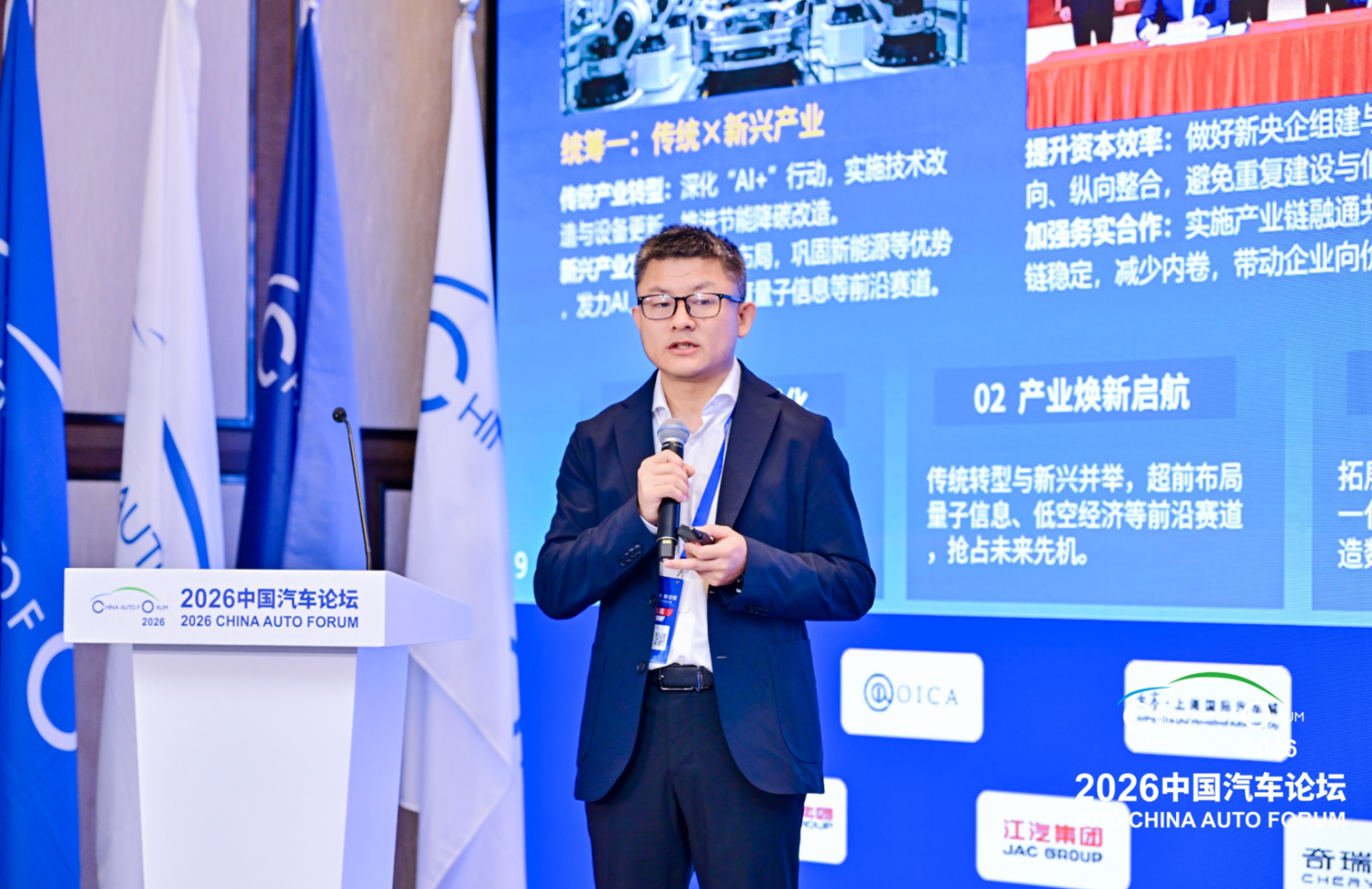
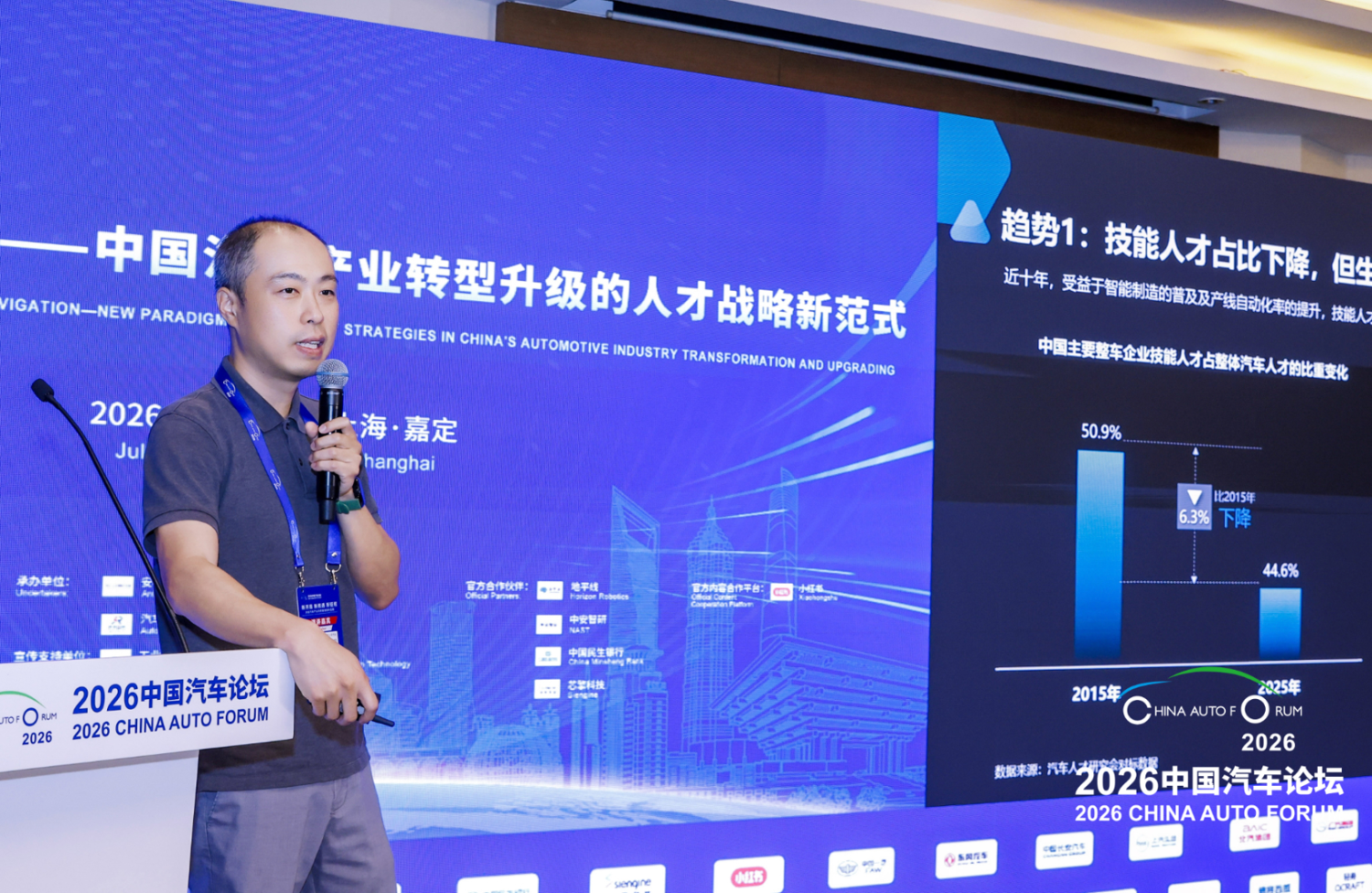
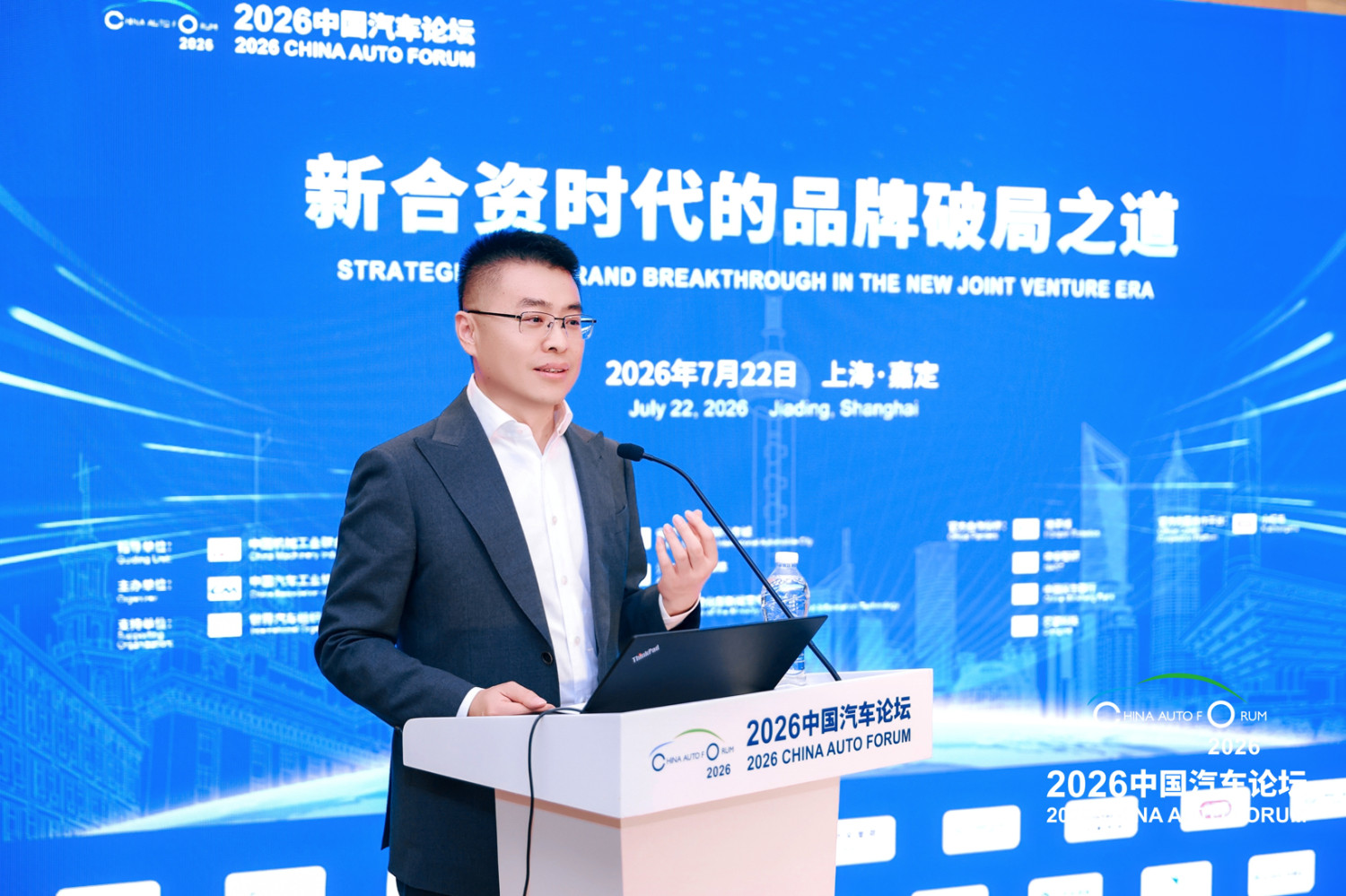
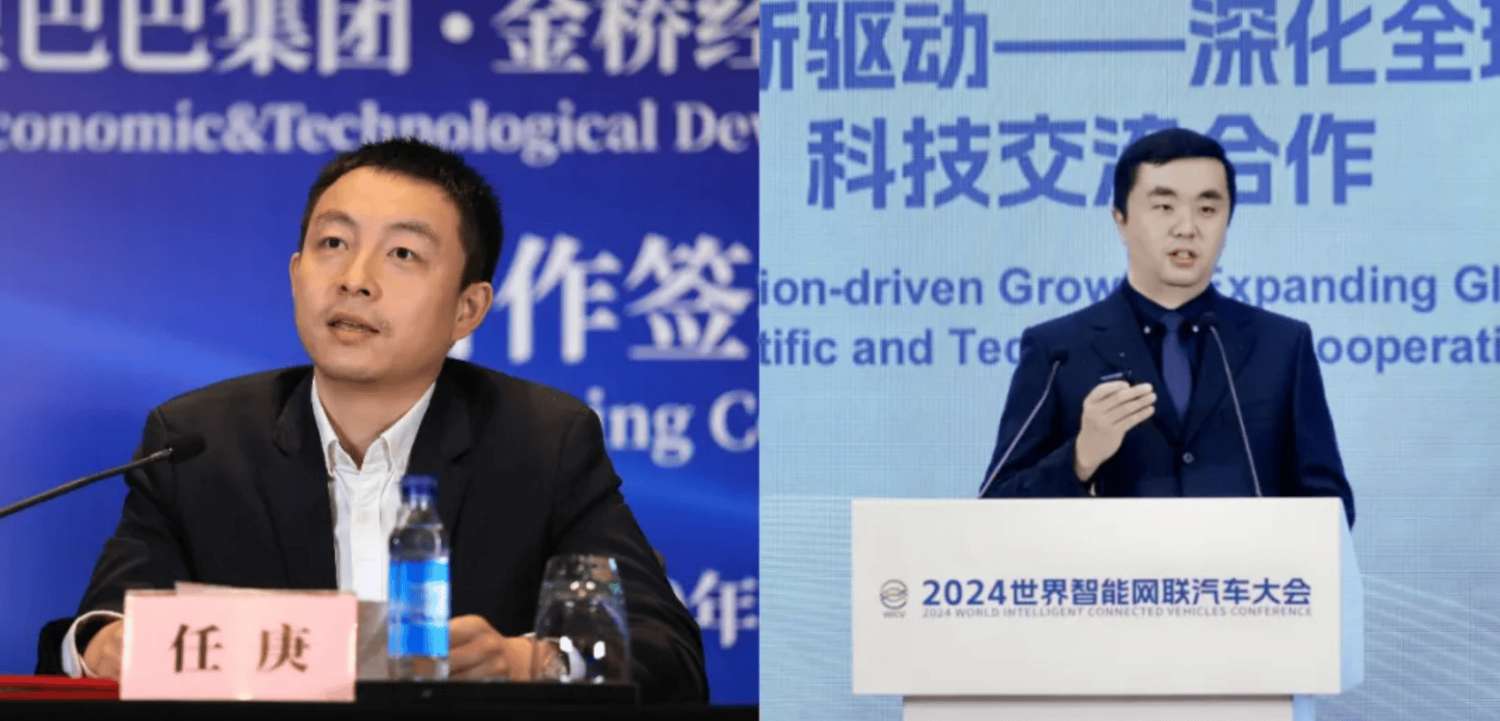
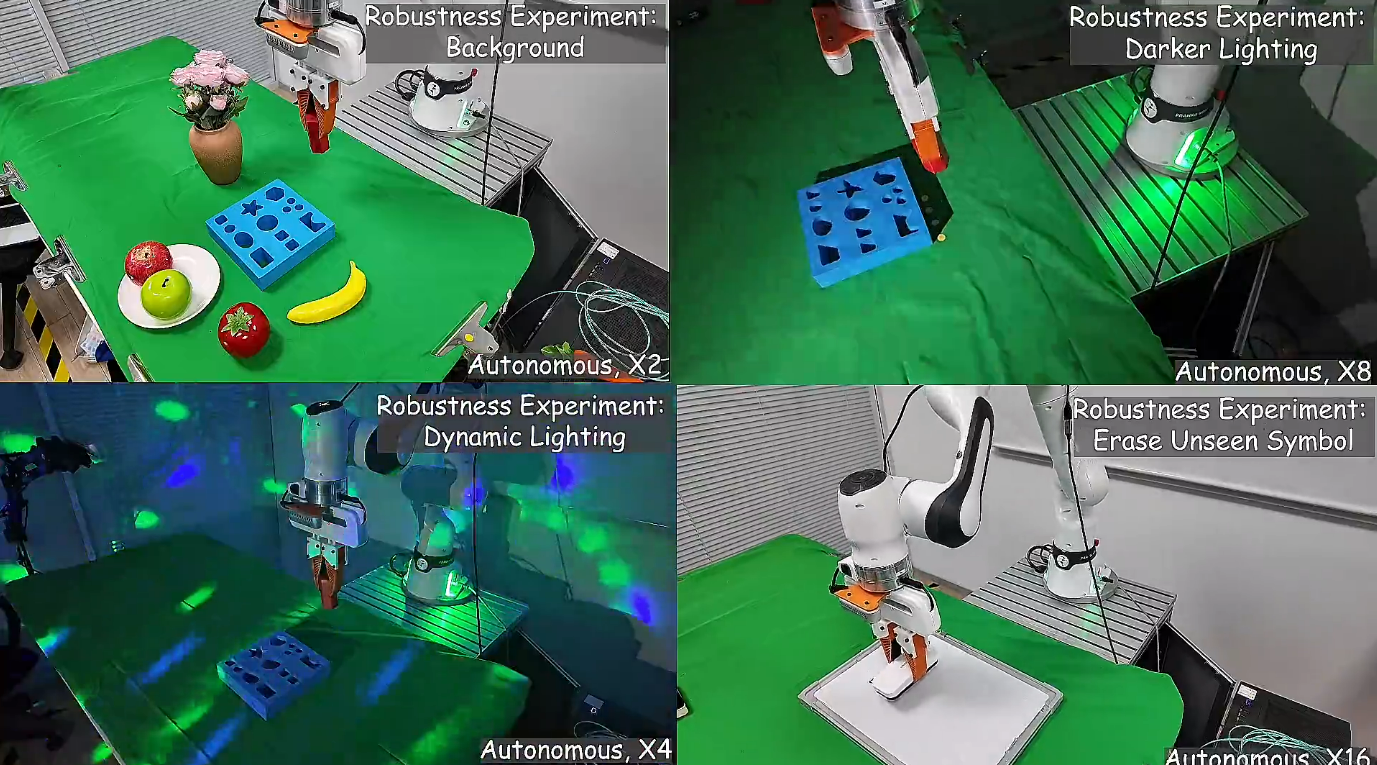
Multiple prominent investment firms have swiftly submitted letters of intent during the Spring Festival period. According to Chinese media reports, the embodied intelligence company founded by Lang Xianpeng, former head of autonomous driving at Li Auto, will soon make its official debut. Lang, the key figure who built Li Auto’s intelligent driving system from scratch and led his team to implement the “End-to-End + VLM” dual-system architecture, has chosen a sector that converges with Li Auto’s strategic direction. Left: Ren Geng, former Vice President of Alibaba and President of Alibaba Cloud China; Right: Former head of Li Auto’s intelligent driving department. Reviewing Lang Xianpeng’s career is essentially reviewing the growth history of Li Auto’s intelligent driving capabilities. In 2018, Lang joined Li Auto as the “first employee” of the autonomous driving department, leading his team to complete the mass production and delivery of the self-developed highway NOA project “Weicheng” in less than 90 days. In 2024, Li Auto became the first to achieve full rollout of the “End-to-End + VLM” dual-system architecture. In 2025, the team advanced further, pivoting toward VLA large model deployment. Until January this year, when Li Auto restructured its R&D organizational system, Lang was reassigned as head of hardware ontology, primarily responsible for robotics R&D. However, merely two weeks later, news of his departure emerged. It is reported that Lang selected Ren Geng, former VP of Alibaba and President of Alibaba Cloud China, as his partner to form a joint team. This combination quickly attracted capital market attention. During the Spring Festival, multiple well-known investment institutions swiftly issued letters of investment intent to them, with several rounds of financing already oversubscribed. Simplexity Robotics The migration of Li Auto’s executive team into the embodied intelligence sector is not an isolated case, with Simplexity Robotics being the most prominent example. This company is led by Wang Kai, former CTO of Li Auto, as Chairman; Jia Peng, former head of Li Auto’s intelligent driving technology R&D, as CEO; and Wang Jiajia, former head of Li Auto’s intelligent driving mass production, as COO. Simplexity Robotics has completed five consecutive funding rounds in less than six months, raising a total of 2 billion RMB with a valuation exceeding $1 billion, setting a new record in the embodied intelligence sector and becoming the youngest unicorn in this field. Its technical approach focuses on an integrated model combining world models with VLA, utilizing a unified Transformer to jointly model and understand language logic, visual semantics, and 3D spatial structures for generative prediction. Simplexity Robotics and multiple universities propose TwinRL, a digital twin-based collaborative reinforcement learning framework for real-world robotic manipulation. Beyond Lang Xianpeng and the Simplexity Robotics team, since the second half of 2025, at least six other Li Auto executives have departed, covering critical departments including intelligent driving, product, and supply chain. These include Chen Wei, head of foundation models; Xia Zhonghan, head of end-to-end R&D; and Chen Bin, president of the second product line, among others. This talent outflow coincides with Li Auto’s rapid strategic pivot—in January 2026, Li Xiang explicitly stated in an internal meeting that 2026 represents the final window for Li Auto to become an AI leader; the company must enter humanoid robotics and achieve implement as soon as possible. The capital frenzy is not without reason. Entering 2026, single-round funding for China’s top embodied intelligence startups has reached the billion-RMB level at minimum, with shares highly sought-after. From a technical logic perspective, embodied intelligence remains in an exploratory phase with unconverged technical routes, leaving opportunities open for all players.




















 +49 others