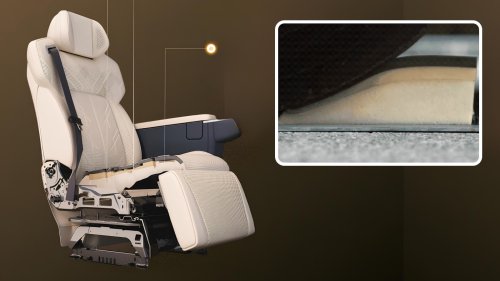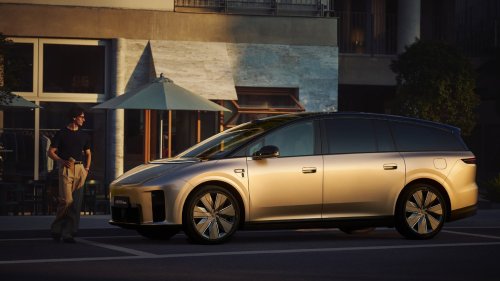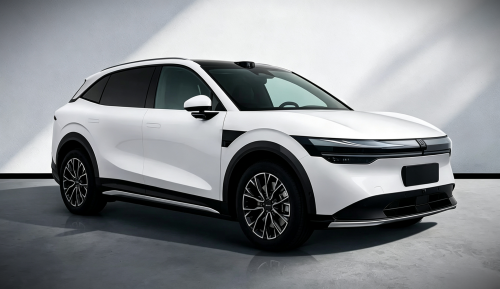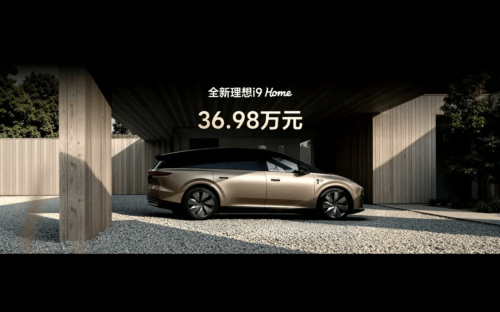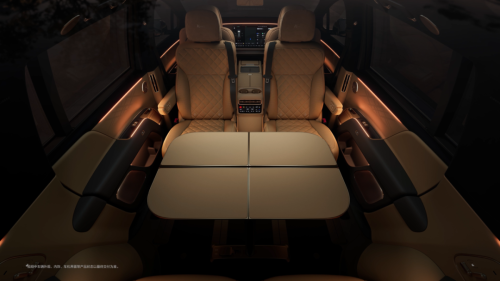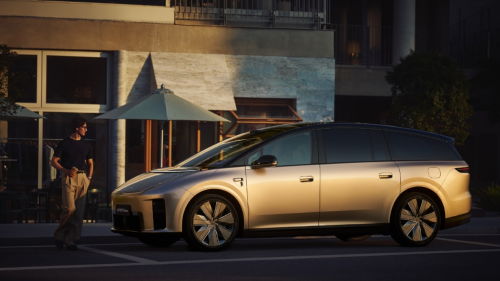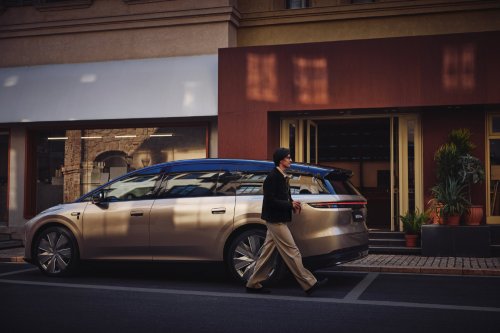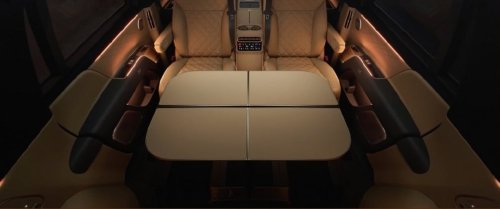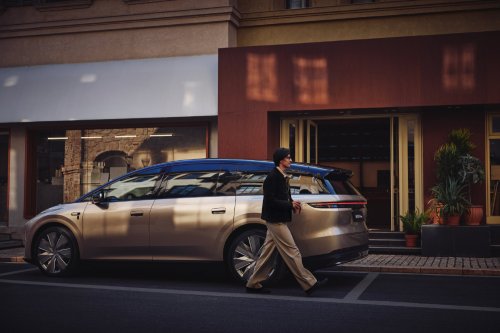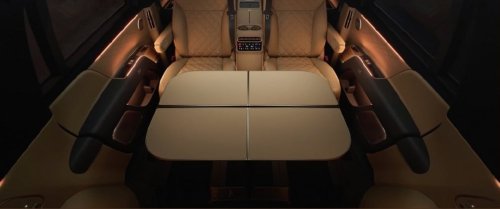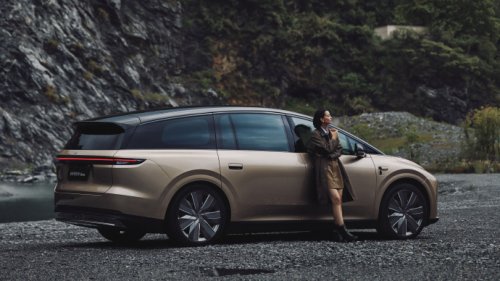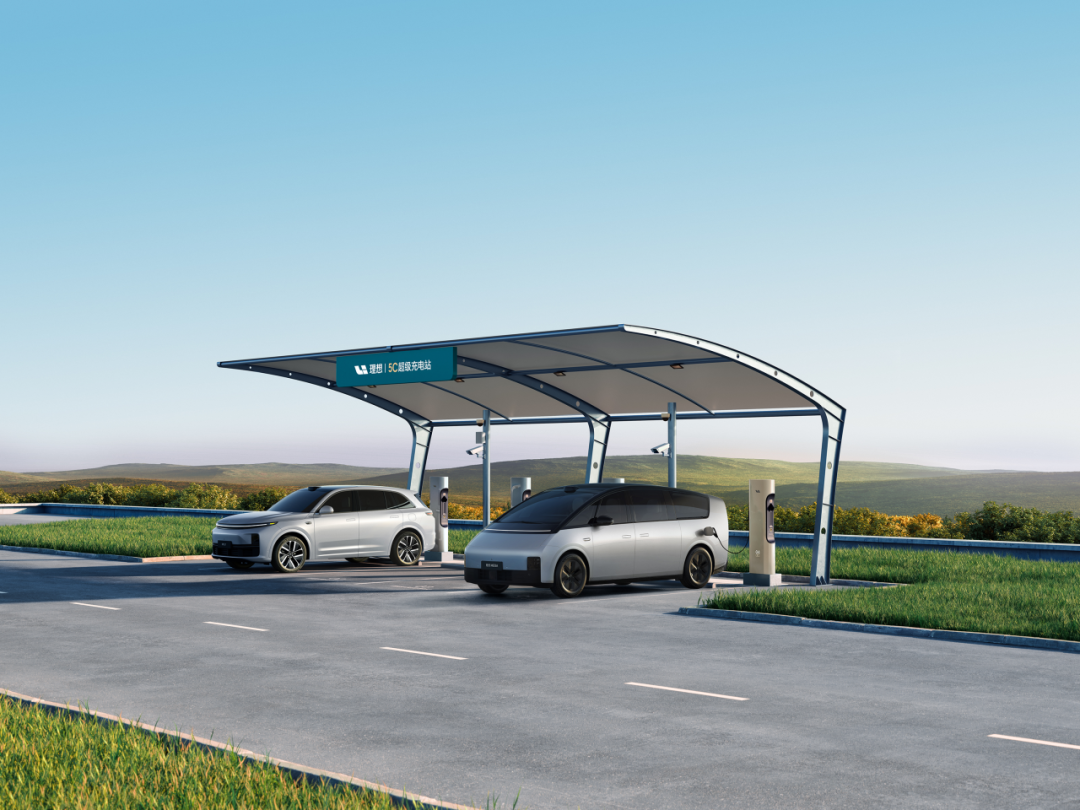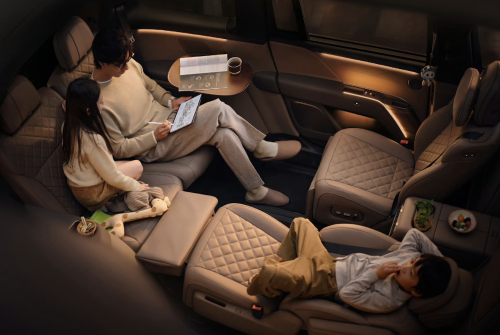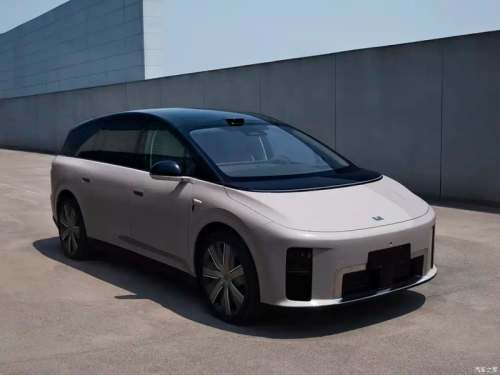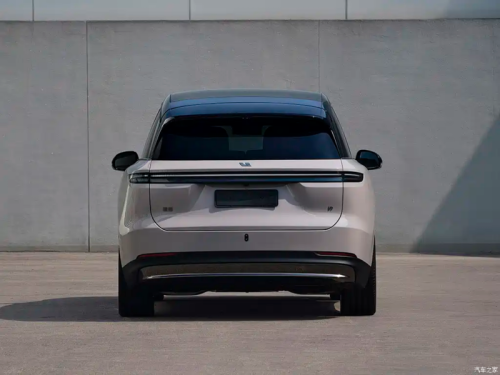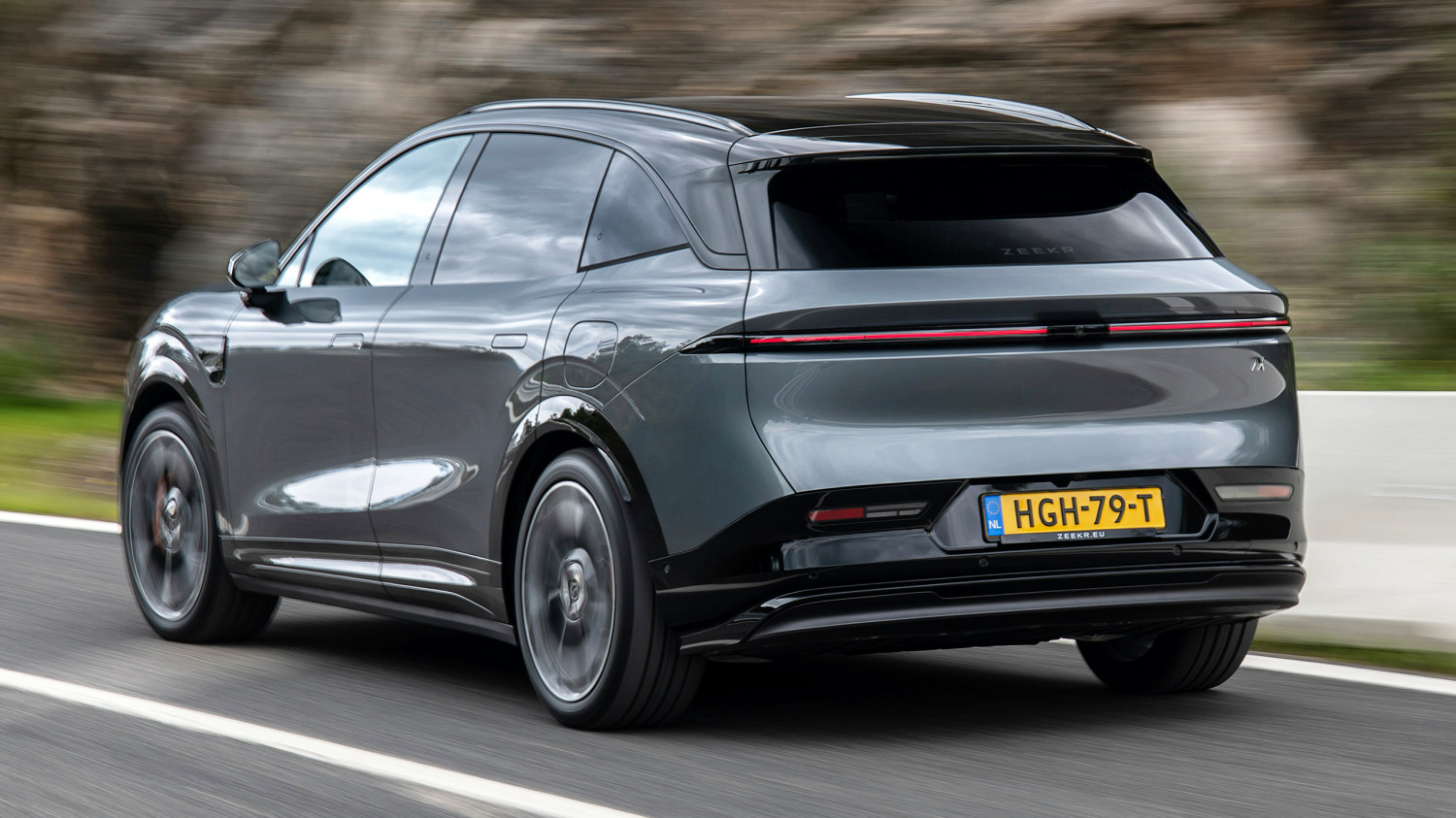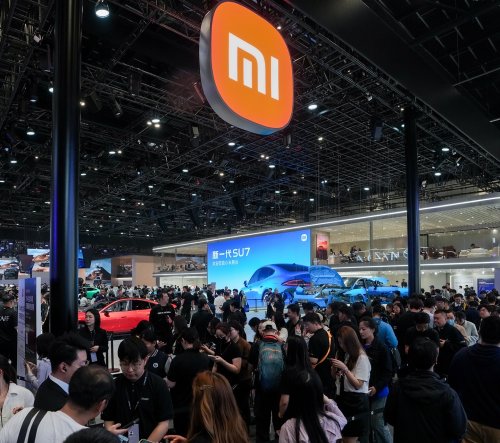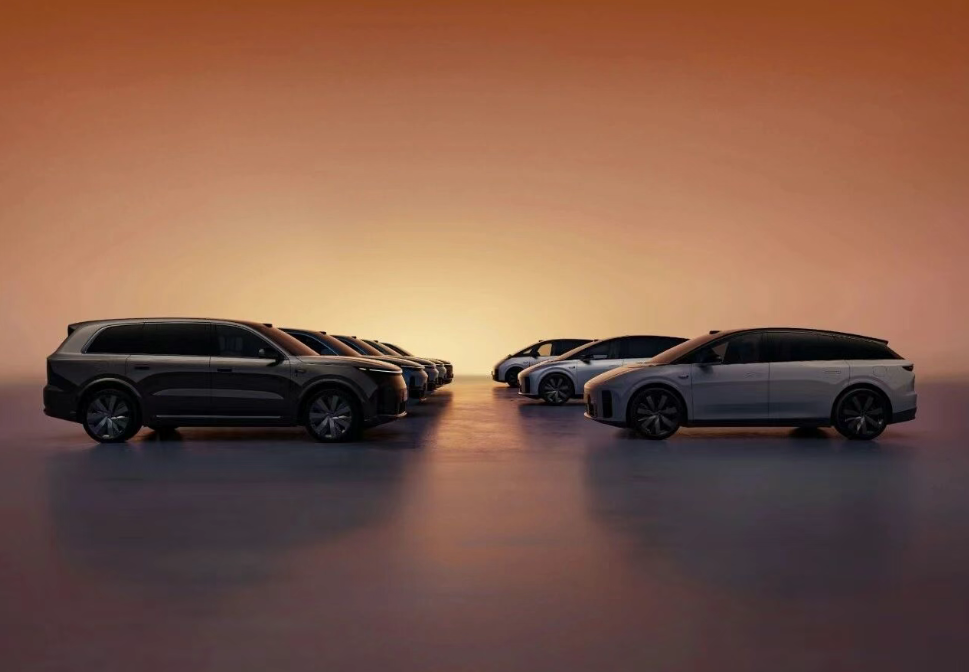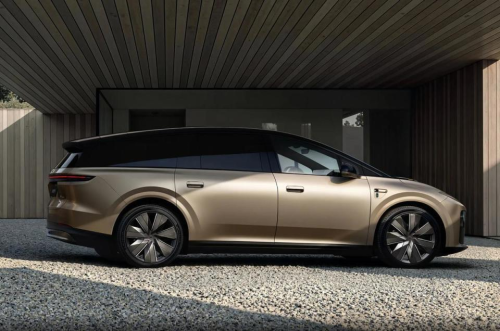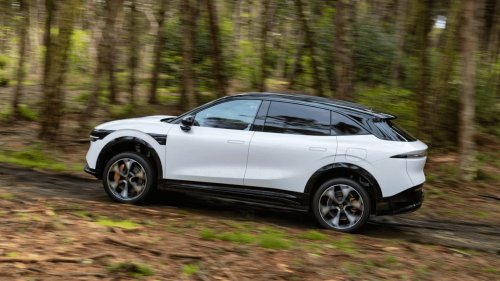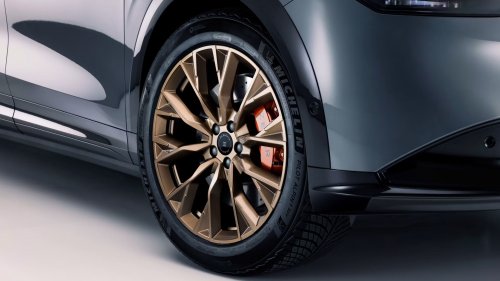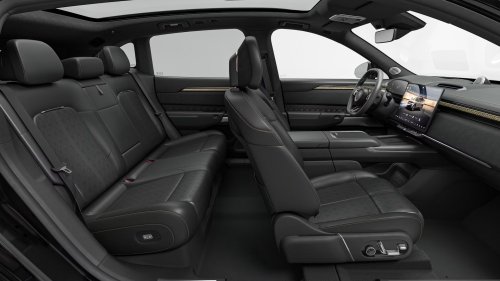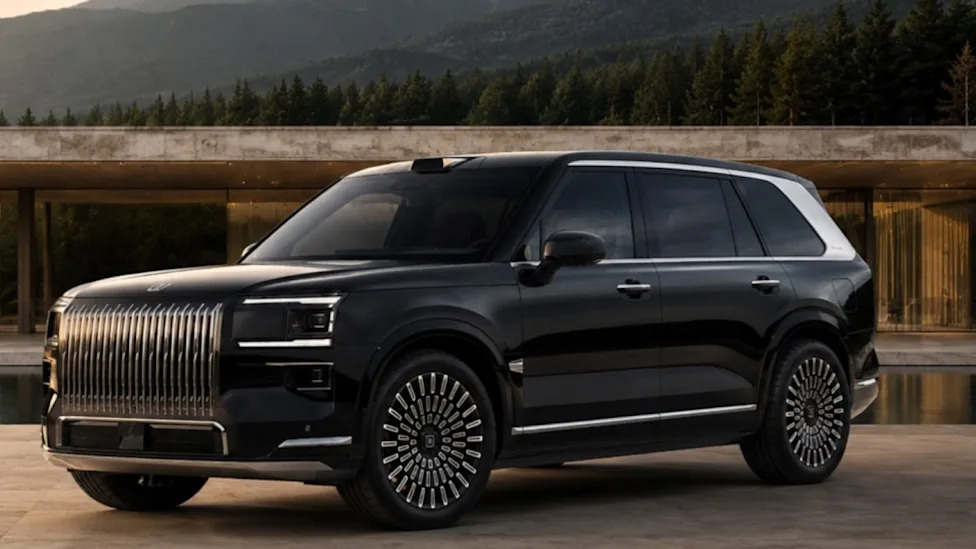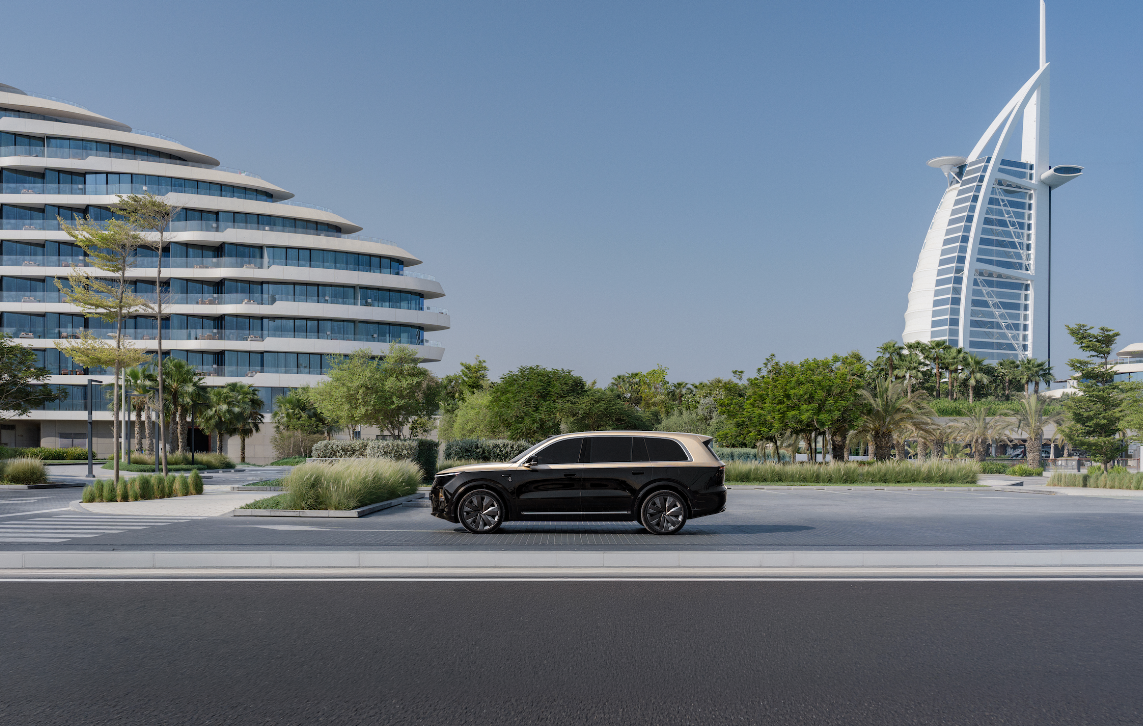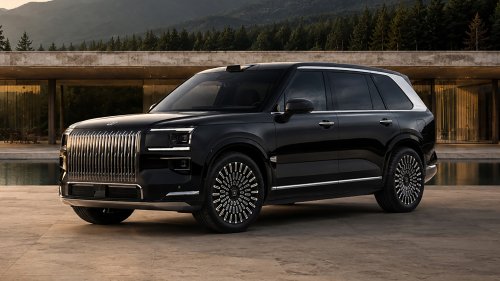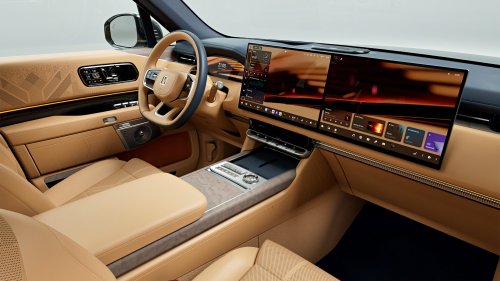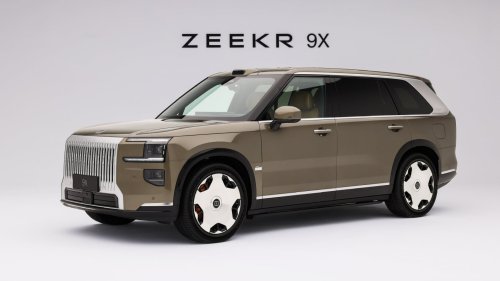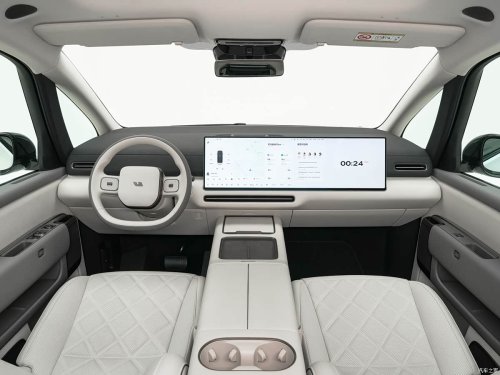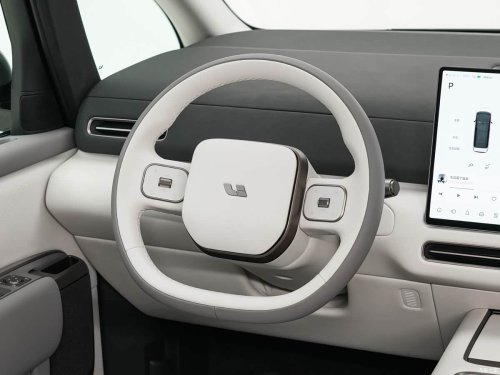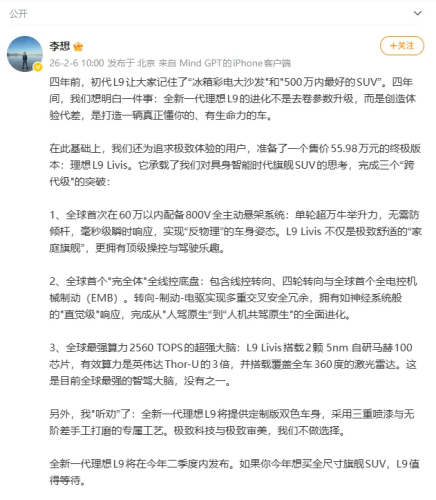
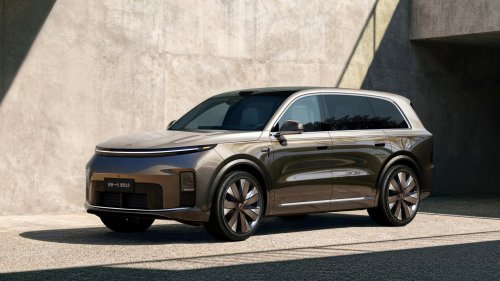
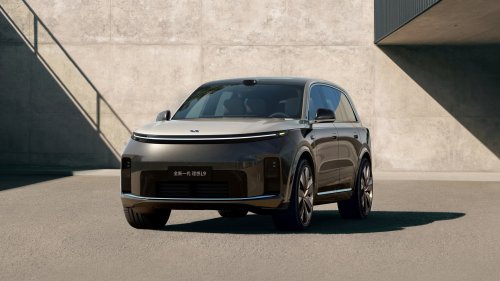
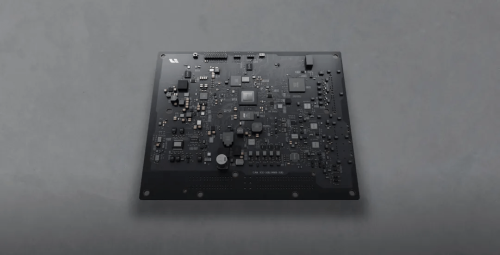
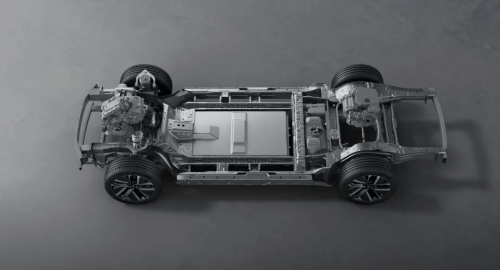
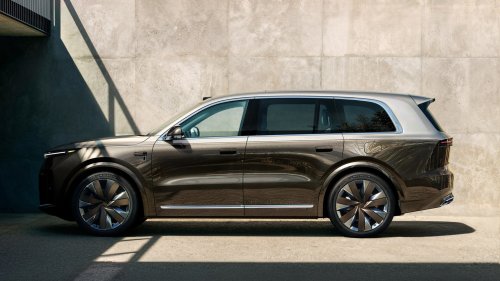
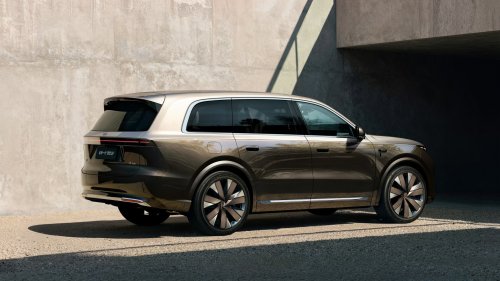
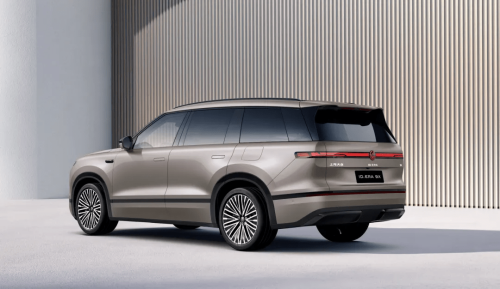
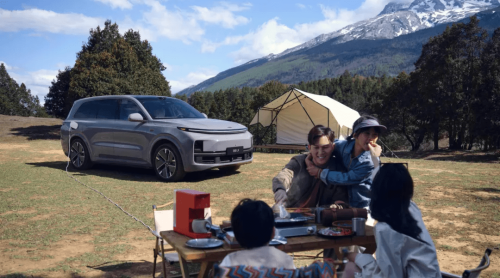



















Li Auto’s new L9 Livis aims to compete in a crowded three-row SUV market with advanced technology. At RMB 559,800 ($80,700), Li Auto’s next-generation L9 has been officially unveiled, setting up a direct confrontation with the Zeekr 9X. After months of anticipation, the all-new L9—on which Li Auto has effectively placed its full strategic bet—has made its official debut ahead of the Lunar New Year. Li Auto founder and CEO Li Xiang recently broke his relative silence on Weibo, sharing a product preview of the next-generation L9 and revealing what he called the “ultimate version,” the L9 Livis. Li Auto founder and CEO Li Xiang shared a product preview of the next-generation L9 on Weibo. According to Li, the original L9 launched four years ago became widely associated with the “refrigerator, TV and sofa” formula and was once dubbed “the best SUV under RMB 5 million ($720,000).” Four years on, the logic behind the new-generation L9 has shifted. Rather than chasing headline specifications, Li Auto says it aims to create a clear “experience gap.” This time, Li Xiang made no attempt to understate his ambitions, directly announcing a price of RMB 559,800 ($80,700) for the L9 Livis, alongside what he described as three “cross-generation” breakthroughs. In 2025, Li Auto experienced its first full-year decline in sales. Annual deliveries fell to 406,300 units, down 18.81% from 500,500 units in 2024. On the one hand, Li Auto’s extended-range lineup did not receive major updates, while among its three battery-electric models—MEGA, i8 and i6—only the i6 achieved meaningful volume growth. On the other hand, the continued strong sales of the L6 and i6 stood in sharp contrast to the company’s flagship offerings, suggesting that Li Auto’s high-end lineup delivered only middling results in 2025. Previously, 36Kr Auto reported that Li Auto was refocusing on its most certain growth foundations, with its top priority being to reinforce its extended-range technology and high-end positioning. Judging from Li Xiang’s comments, upgrades in the new-generation L9 are concentrated primarily on the Livis variant. Next-gen L9 How this heavily invested flagship performs remains to be seen, and a closer look follows. A Cross-Generation Upgrade There is little doubt that the next-generation Li Auto L9 arrives with what the company calls a leapfrog upgrade, with the most substantial content embodied in the newly revealed L9 Livis. In a recent Weibo post, Li Xiang described the new L9 as the culmination of a complete technology stack encompassing “eyes,” “brain,” “nervous system,” “heart,” and “limbs.” To transform the L9 from a “tool” into an “intelligent agent,” Li Auto says that core hardware remains the most critical element. One example is the debut of Li Auto’s so-called “intelligent heart,” a self-developed automotive-grade 5 nm chip known as the Mach 100. Next-gen L9 Each chip delivers up to 1,280 TOPS of computing power, surpassing Nvidia’s Thor-U at 700 TOPS, and is claimed by Li Auto to be among the most powerful in the world. The L9 Livis is equipped with two such chips, bringing total computing power to 2,560 TOPS. By comparison, the Ultra version of Xpeng’s Turing AI chip delivers 2,250 TOPS. At the same time, the new L9 Livis will feature what Li Auto describes as “360-degree lidar.” This is expected to expand beyond the current single-lidar setup by adding two side-mounted solid-state lidars and a rear-facing lidar. This hardware configuration has fueled speculation that the L9 Livis could support L3 or even L4 autonomous driving capabilities. Li Auto’s in-house Mach 100 chip With a powerful “computing heart” in place, the next major upgrade focuses on what Li Auto calls the vehicle’s “limbs.” The L9 Livis is the first model to simultaneously adopt full brake-by-wire electromechanical braking (EMB), an 800 V fully active suspension system, and four-wheel steering. China’s GB 21670-2025 national standard for passenger vehicle braking systems, released in May last year and implemented on January 1 this year, for the first time mandates requirements covering EMB systems. Li Auto claims the L9 Livis is the first production vehicle in the industry to comply with this new EMB national standard. In theory, EMB eliminates delays caused by mechanical and hydraulic components, enabling faster braking response. EMB The 800 V fully active suspension, combined with perception hardware and algorithms, allows real-time active adjustment. According to Li Auto, the L9 Livis can generate lifting forces exceeding 10,000 newtons per wheel, achieving what the company calls “physics-defying” body control without the need for anti-roll bars. Similar configurations are currently seen mainly in ultra-premium models such as the RMB 1 million ($140,000)-plus Yangwang U8. Next-gen L9 In addition, four-wheel independent steering has become increasingly common in large three-row SUVs. Models such as the IM LS9, Denza N9, and Xpeng’s newly announced GX all offer this feature. In terms of design, the next-generation L9 retains Li Auto’s familiar family styling, but features a shorter front overhang and a longer rear overhang to enhance its luxury presence. The L9 Livis will also offer bespoke two-tone paint schemes, gold-accented waistlines and other premium elements, aligning its perceived quality with ultra-luxury brands such as Maybach and further elevating its flagship positioning. Next-gen L9 As Li Auto’s strategic model for 2026, the L9 Livis carries the burden of a turnaround. With a wave of large three-row SUVs entering the market, Li Auto’s ambition to position it as an “embodied intelligence flagship” ultimately depends on whether the vehicle itself is compelling enough. Can Li Auto, by doubling down on its extended-range flagship, once again set the benchmark in the large three-row SUV segment? What Are the Odds? At the heart of the debate lies a single question: can Li Auto rely on the new L9 to engineer a comeback? In 2026, competition in the large three-row SUV segment is set to intensify further. Confirmed launches include the NIO ES9, Leapmotor D19, and Volkswagen ID.ERA 9X, with the updated Li Auto L9 joining what is shaping up to be a full-scale “9 Series” showdown. The field includes established premium players such as NIO, value challengers like Leapmotor emphasizing “above-segment” capabilities, and legacy automakers such as Volkswagen entering the fray. Across brand strength, product capability and channel reach, these competitors bring significant experience and accumulated advantages. Next-gen L9 At the same time, in 2025, large three-row SUVs ceased to be exclusive to the premium segment. Strong contenders now span price points from around RMB 180,000 ($25,900) to RMB 500,000 ($72,000), and the idea of a “mobile home” is no longer Li Auto’s exclusive moat. As a point of reference, Zeekr sold 9,482 units of the 9X in December 2025, while the current-generation Li Auto L9 recorded just 2,732 units. Priced at RMB 559,800 ($80,700), the new L9 Livis represents a significant step up from the current top-spec L9, which is priced at RMB 439,800 ($63,400). However, the Livis variant incorporates all of Li Auto’s touted cross-generation upgrades, potentially giving it greater confidence in facing the Zeekr 9X and upcoming competitors such as the Xiaomi YU9. From a hardware perspective, the Zeekr 9X Hyper version places greater emphasis on mechanical fundamentals and driving dynamics, while the Li Auto L9 Livis prioritizes intelligent and software-driven features. While each may hold advantages in different areas, the two models fundamentally reflect divergent philosophies. The Zeekr 9X leans toward traditional luxury and business-oriented use cases, emphasizing mechanical refinement. The Li Auto L9 Livis, by contrast, remains centered on family mobility and intelligent experiences. Whether “embodied intelligence” can deliver tangible value and appeal to family users will be a key market test. L9 During Li Auto’s third-quarter 2025 earnings call, co-founder Ma Donghui disclosed that the L Series would undergo a major facelift in 2026, returning to a simplified SKU strategy with core features standardized across the lineup, including 5C ultra-fast charging. This suggests that beyond the extreme Livis variant, regular versions of the new L9 may also adopt an 800 V architecture and 5C charging technology. Multiple industry sources indicate the model could support more than 400 km of pure electric range. In an increasingly crowded large three-row SUV market, it remains too early to conclude whether Li Auto can reclaim leadership with the next-generation L9. What is clear, however, is that the former segment leader has shifted from defending the crown to challenging it. The true odds of success for the new-generation Li Auto L9 will ultimately be determined by the market’s verdict.