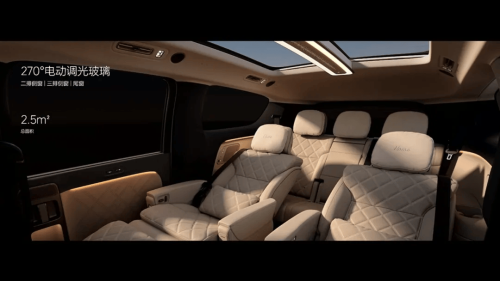
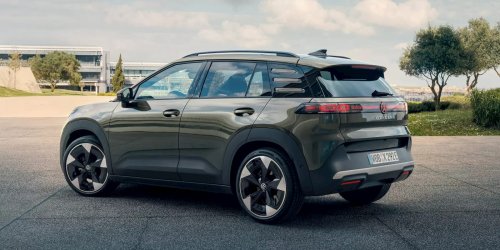
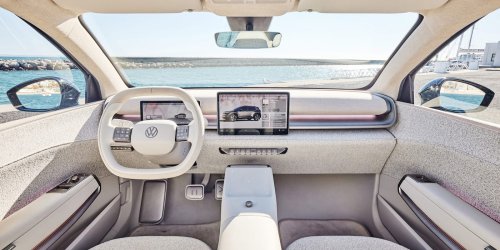
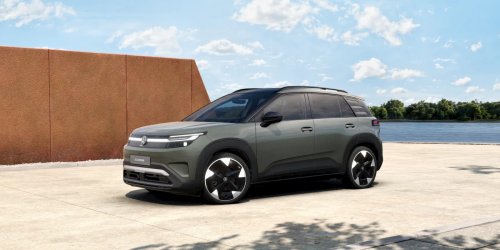
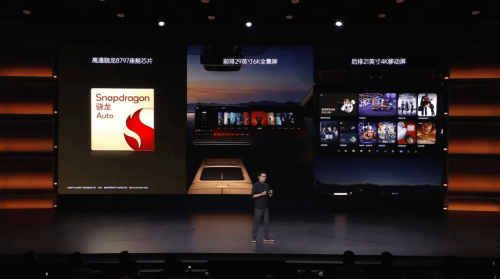
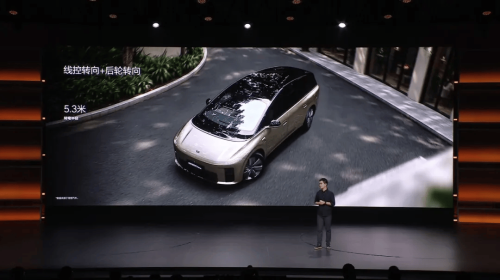
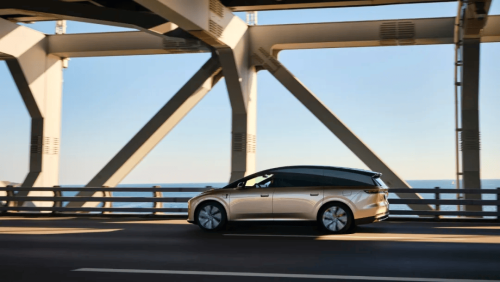
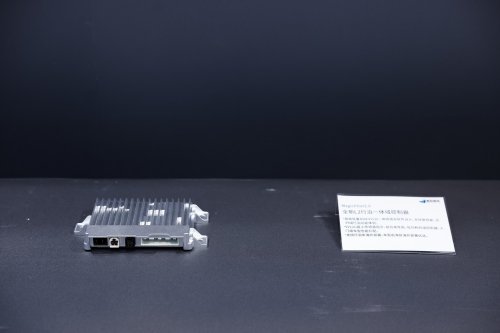
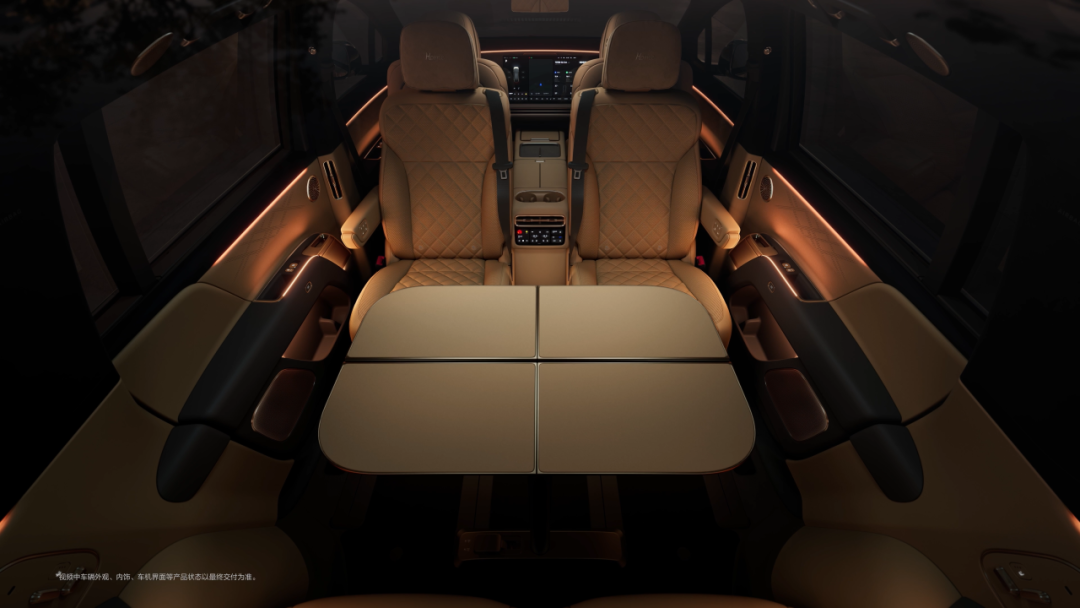
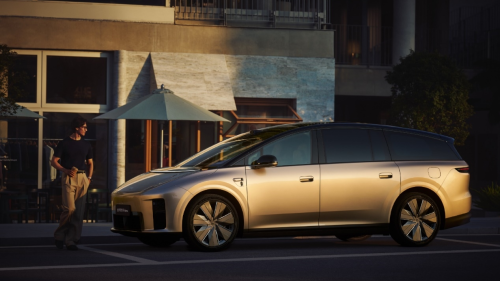
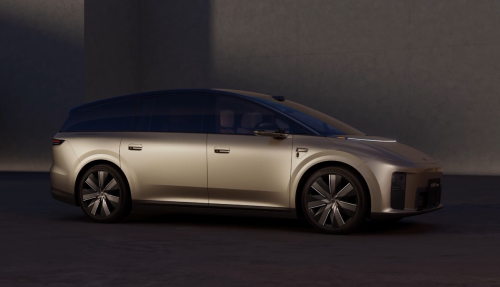
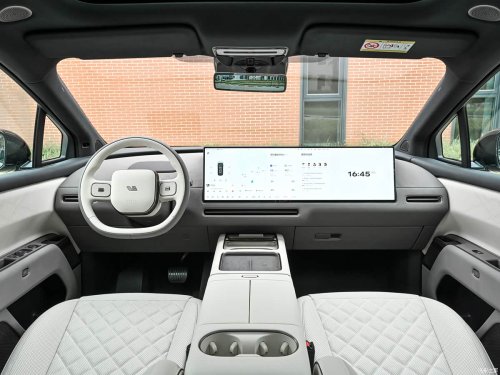
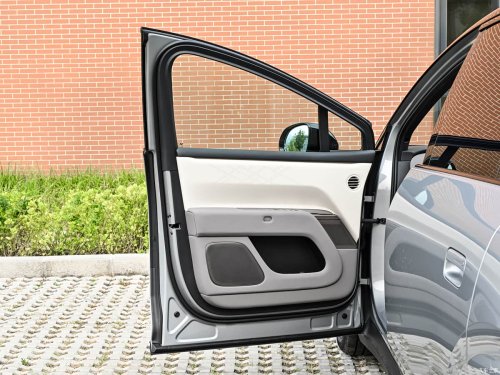
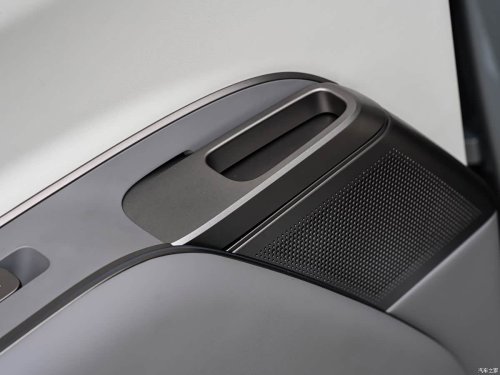
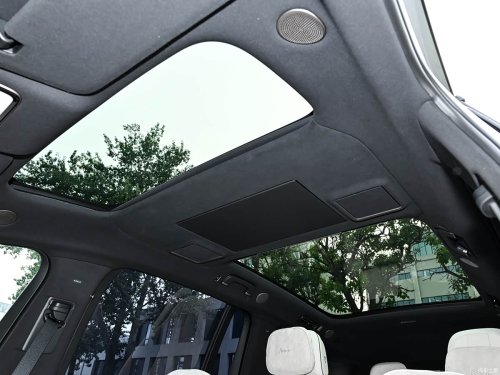
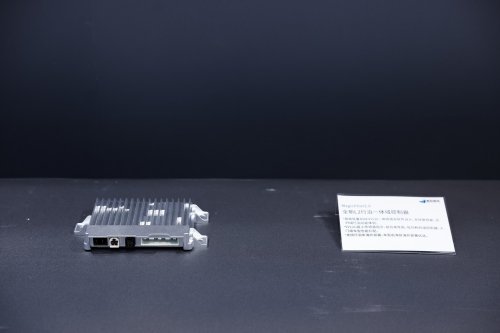
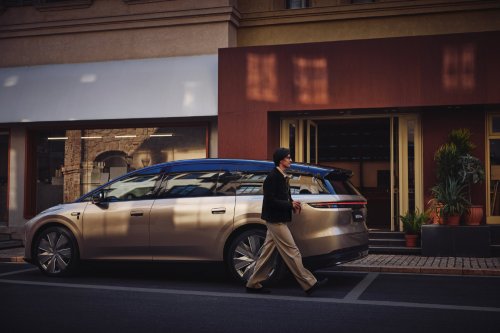
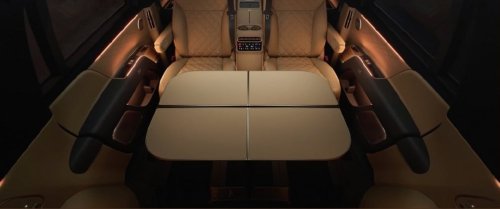
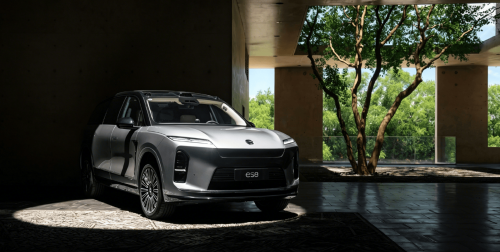
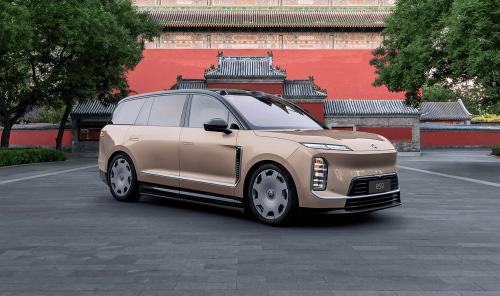
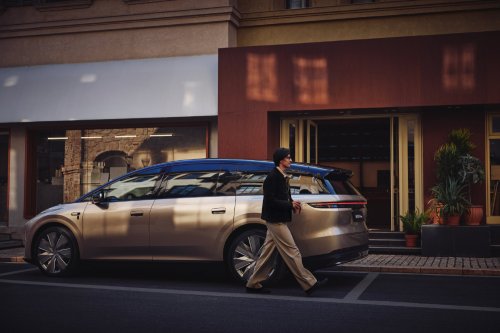
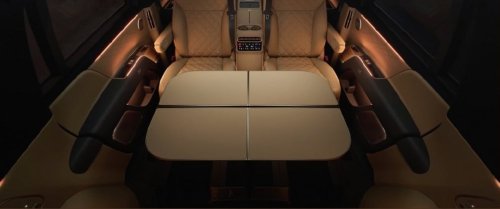
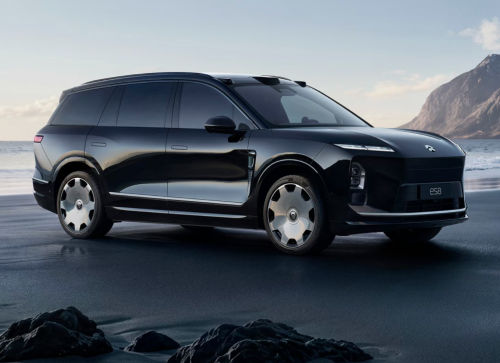
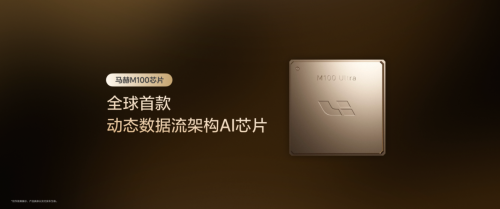
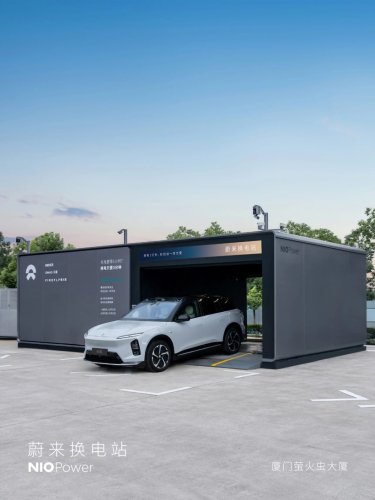
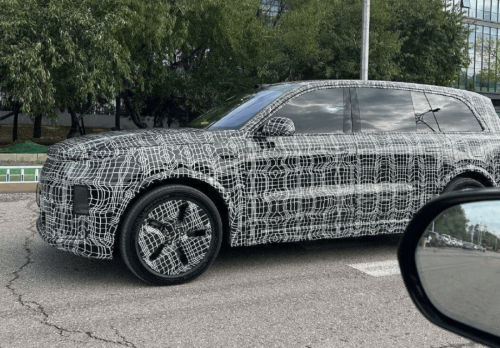
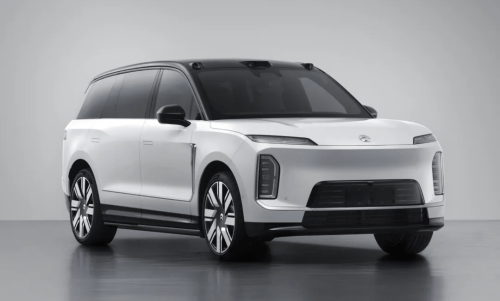
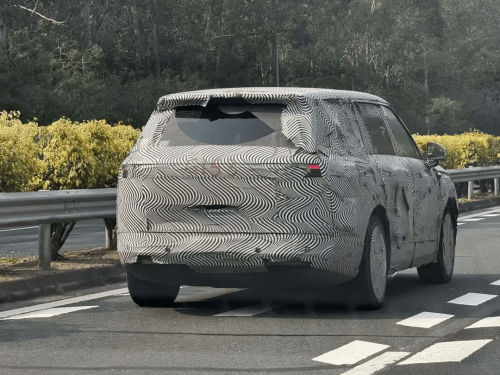
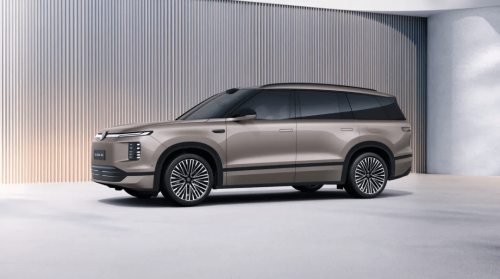
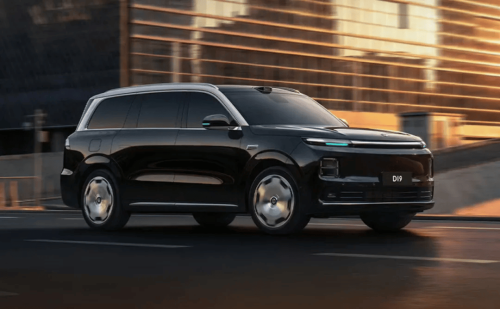
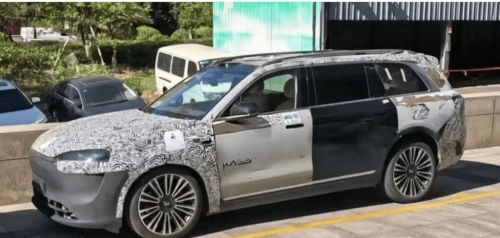
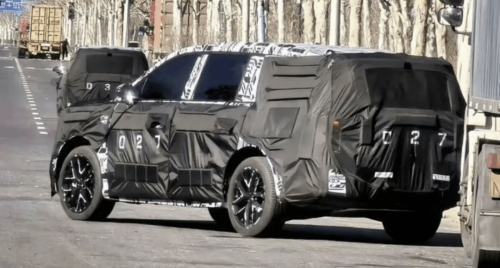
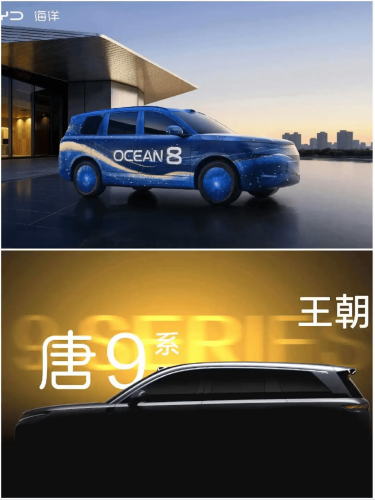
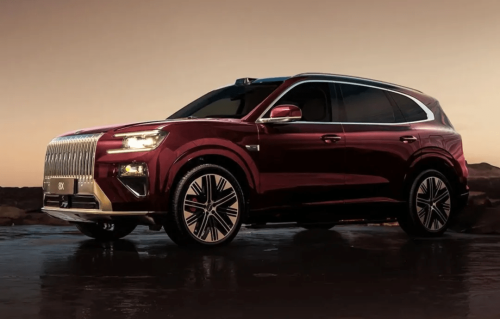
China’s auto market prepares for new model launches in 2026, highlighting competition in full-size SUV segments. China’s auto market has yet to reach the Lunar New Year, but domestic automakers are already gearing up for an aggressive new-model push. At the “MIIT auto show” two weeks ago, large SUVs such as the NIO ES9, Leapmotor D19, and Volkswagen ID.ERA 9X surfaced in official filings, signaling the opening of a new competitive cycle for full-size three-row SUVs. At the same time, fueled by recent rumors and leaks, former benchmarks such as the Li Auto L9 and AITO M9 are also seeking ways to break through mounting competitive pressure. According to 36Kr, Li Auto has decided to concentrate its core resources on the next-generation L9, aiming to significantly enhance product strength and re-establish itself as the benchmark in the premium extended-range SUV segment. Amid successive new-model offensives, the AITO M9 is also facing unprecedented challenges. How can it reassert itself in the luxury market? The 2026 AITO M9, along with a larger M9L variant featuring rear-wheel steering, may provide the answer. Meanwhile, choices in the “8 Series” flagship SUV segment are expanding, with models such as the Zeekr 8X, ONVO L80, and IM LS8 likely to emerge as strong rivals to the AITO M8 and Li Auto L8. So which new contenders will enter the “9 Series” flagship SUV segment in 2026? Can refreshed or next-generation versions of the Li Auto L9 and AITO M9 reclaim leadership as many expect? Below is a review of the major full-size three-row SUVs set to arrive in 2026. Next-Gen Li Auto L9 Rumors surrounding the next-generation Li Auto L9 have intensified in recent weeks. According to 36Kr, Li Auto is placing its primary strategic bet on the new L9. Li Auto co-founder Ma Donghui revealed that the 2026 L9 will grow further in size, receive a fully upgraded chassis, carry a battery capacity exceeding 70 kWh, deliver more than 400 km of pure-electric range, and support 5C ultra-fast charging. At the same time, Ma said Li Auto will return to a streamlined SKU strategy, reducing the number of variants. On the intelligent side, Li Auto’s self-developed M100 autonomous-driving chip will debut in the L9, the front cabin will adopt an integrated panoramic display, and the vehicle will be powered by Qualcomm’s latest 8797 cockpit chip. Industry observers note that as one of Li Auto’s most important flagships—and the original pioneer of the extended-range three-row SUV segment—the L9’s ability to reclaim leadership in the high-end large SUV market is critical. Over the past three months, monthly L9 sales have averaged fewer than 2,500 units. Whether Li Auto can defend its premium positioning will hinge heavily on the L9’s performance. NIO ES9 Following the strong reception of the third-generation ES8, NIO has moved quickly to unveil an even larger flagship SUV—the ES9—marking the NIO brand’s first entry into the “9 Series” large SUV category. Two weeks ago, the ES9 appeared in the latest batch of MIIT filings. According to the disclosures, it carries forward the ES8’s design language while emphasizing luxury through two-tone finishes and chrome accents. With a length of 5,365 mm, it approaches the scale of the Yangwang U8L. MIIT data show that the ES9 features a dual-motor setup with 180 kW at the front and 340 kW at the rear, though battery specifications have yet to be disclosed. Based on multiple leaks, the ES9—as NIO’s top-tier pure-electric three-row SUV—is likely to inherit flagship technologies from the ET9, including the Tianxing chassis and steer-by-wire system. NIO founder and CEO William Li hinted at similar positioning during the rollout of NIO’s one-millionth mass-produced vehicle, saying the ES9 could achieve success comparable to the ES8 at its price point. NIO co-founder Qin Lihong also revealed at a user event on Jan. 18 that the ES9 technology launch is tentatively scheduled for April 10, with a market debut in the second quarter and a possible public showing at the late-April Beijing Auto Show. Whether NIO’s first “9 Series” flagship SUV can replicate the ES8’s popularity remains to be seen. Xpeng G02 Xpeng has already outlined parts of its 2026 product roadmap, which includes another full-size three-row SUV based on the G platform—the G02. According to 36Kr, compared with the widely rumored G01, the G02 is positioned as a full-size flagship SUV targeting the Li Auto L9 and AITO M9. Market speculation suggests the G02 could be a key model under Xpeng’s “dual-powertrain” strategy, offering both extended-range and pure-electric versions. By industry analogy, the relationship between the G01 and G02 may mirror that of the AITO M8 and M9—raising Xpeng’s average transaction price while broadening segment coverage. As a flagship SUV, the G02 is also expected to offer high-end features such as rear-wheel steering and all-wheel drive similar to the Xpeng X9, along with the company’s Turing AI chip solution. While details remain limited, it is clear that SUVs will be a strategic priority for Xpeng in 2026. With a large three-row SUV added to its lineup, can Xpeng finally move beyond its reliance on sedan sales? VW ID.ERA 9X Notably, Volkswagen is also entering the fray with its first new-energy full-size three-row SUV—the ID.ERA 9X—slated for early 2026. What makes the ID.ERA 9X noteworthy is not only the product itself, but the fact that it represents the joint-venture camp’s first counteroffensive in the large new-energy SUV segment. Measuring over 5.2 meters in length with a 3,070 mm wheelbase, the ID.ERA 9X features a 65.2 kWh battery, more than 400 km of CLTC pure-electric range, an extended-range powertrain, lidar, and Momenta-powered advanced driver assistance—closely mirroring the playbook of Chinese rivals. Previously leaked camouflaged test vehicles suggest it may also support rear-wheel steering, hinting at possible technical ties with the IM LS9. Pricing will be the key question, along with whether the ID.ERA 9X can help Volkswagen integrate more effectively into China’s new-energy market. Leapmotor D19 Leapmotor’s first large SUV, the D19, has been visible for some time. Its core specifications are now clear: the extended-range version features an 80 kWh battery delivering 500 km of CLTC range, an 800-V high-voltage platform, and a 1.5T range-extender engine. The pure-electric version carries a 115 kWh battery with 720 km of CLTC range. With the range extender removed, it offers a large front trunk. Notably, the D19 is the world’s first vehicle equipped with dual Qualcomm 8797 chips, delivering 1,280 TOPS of computing power and supporting an integrated cockpit-and-driving domain controller. Leapmotor has already unveiled the interior, featuring a 2+2+2 seating layout, a 21.4-inch rear entertainment display, standard headrest speakers, B-pillar grab handles, second- and third-row sunshades, and aviation-style reading lights. The model appeared in MIIT filings two weeks ago, and Leapmotor confirmed at its 10th-anniversary event that deliveries will begin in April 2026. Leapmotor Founder Zhu Jiangming has said the D series targets the RMB 250,000–300,000 segment. Beyond value pricing, whether Leapmotor can establish itself in the premium market will depend heavily on the D19 and its first MPV, the D99. AITO M9L Li Auto L9 is not the only domestic flagship SUV in urgent need of renewal. As its market influence dilutes and sales trend downward, the AITO M9 likewise needs a more powerful product to reaffirm its position. The AITO M9L may be that vehicle. The “L” suffix indicates a significant size increase over the current M9, with rumors pointing to a length of 5.5 meters and a possible name of “AITO M9 Extraordinary Master.” Details remain limited, but the M9L is expected to feature rear-wheel steering and extended pure-electric range. Huawei’s ADS advanced driving system may also be upgraded, potentially including a 520-line lidar. Officially, AITO says cumulative M9 deliveries exceed 260,000 units, accounting for seven out of every ten vehicles sold in China’s RMB 500,000 luxury car segment. The M9L could become AITO’s key model for pushing into the RMB 600,000 luxury bracket. As the segment grows more crowded—with the NIO ES8 exceeding 20,000 units per month and the Zeekr 9X surpassing 8,200—the M9’s renewal and upward push have become unavoidable. Reports suggest the M9L will debut alongside the 2026 M9. How Chinese new-energy SUVs penetrate the core territory of traditional luxury brands will be a storyline worth watching. Xiaomi Kunlun As one of China’s most high-profile new entrants, Xiaomi’s first large SUV—codenamed “Kunlun”—is also drawing intense attention. Spy photos have circulated repeatedly, showing a conventional SUV silhouette, a length of around 5.2 meters, and an extended-range powertrain. According to 36Kr, Xiaomi plans to launch four new vehicles in 2026: a refreshed SU7, an SU7 executive version, a five-seat extended-range SUV, and a seven-seat extended-range SUV. Sources say “Kunlun” is not a single model but a family of three—internally labeled 10, 20, and 30—corresponding to the Li Auto L6, L8, and L9 segments, with 70 kWh and 90 kWh battery options. Entering 2026, Xiaomi’s product cadence is accelerating. The next-generation SU7 has been personally unveiled by Lei Jun, with pre-sale pricing already announced. This suggests 2026 could be a major product year for Xiaomi Auto. As it enters the extended-range segment for the first time, can Xiaomi move closer to its annual sales target of 550,000 units? BYD Tang 9 Series and Sealion 08 BYD’s Dynasty and Ocean brands are also warming up their first large flagship SUVs. The Ocean version will be named Sealion 08 and debuted at Ocean Day 2025, while the Dynasty version—tentatively called the Tang 9 Series—was unveiled at the second Dynasty Festival and has recently opened a public naming campaign. Judging by body lines, the Tang 9 Series and Sealion 08 appear closely related, likely following a “sister model” strategy similar to the Qin L and Seal 06, sharing body structures and core hardware while differing in design language. Leaks suggest BYD’s first large SUV will spare no effort on core specifications, with the pure-electric version offering megawatt-level fast charging. Plug-in hybrid variants are expected to deliver extended electric range, with both versions adopting higher-level “God’s Eye” intelligent driving systems. The Sealion 08 is scheduled for release in the first quarter, while the Tang 9 Series is expected to launch in the first half of the year, aligning closely with the surge in three-row SUV competition. Large SUVs have long been a gap in the BYD brand lineup. The previous Tang L failed to establish a foothold in the RMB 200,000–300,000 new-energy SUV segment, with combined DM and EV monthly sales below 5,000 units. The Tang 9 Series and Sealion 08 could therefore play a meaningful role in bringing BYD closer to the mainstream large-SUV battlefield, with pricing and configuration remaining the biggest open questions. Competition in the “8 Series” Model Zeekr 8X Beyond the “9 Series” flagships, competition in the “8 Series” large SUV segment is also quietly intensifying. Recent MIIT filings show models such as the IM LS8, Taishan 8, ONVO L80, and Zeekr 8X preparing for launch. Among them, the Zeekr 8X has already entered official pre-launch promotion and may debut before the 2026 Beijing Auto Show. The “8 Series” segment was once the Li Auto L8’s stronghold, but is now guarded by the AITO M8, with steady monthly sales exceeding 15,000 units—underscoring the segment’s potential. Clearly, the large-SUV contest did not end in 2025. It is set to intensify further in 2026, as both domestic and joint-venture brands double down with similar products and strategies. Which models will emerge as winners in the next round of three-row SUV competition—and whether former champions can reclaim leadership through updates and generational shifts—will make China’s 2026 new-energy market even more compelling.



















 +36 others