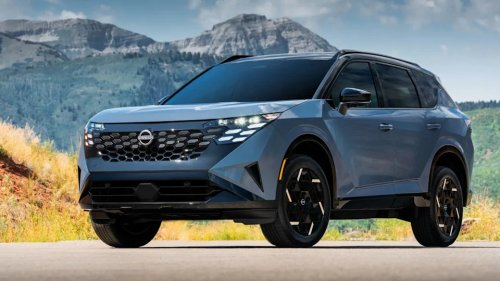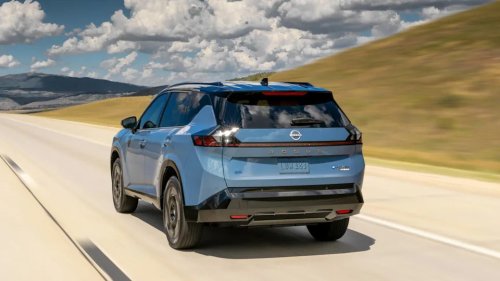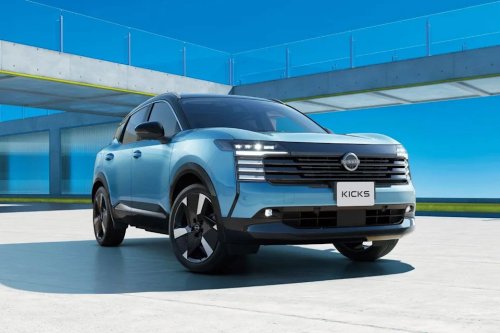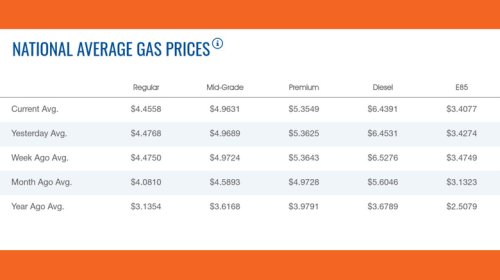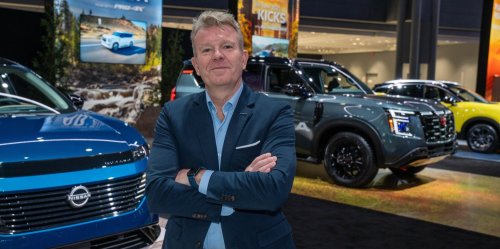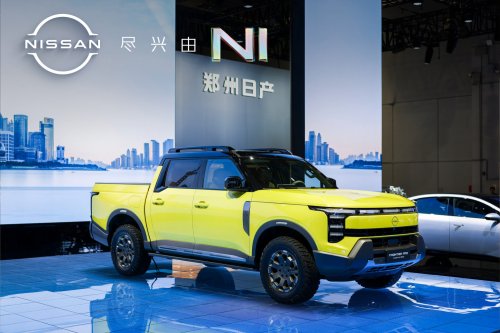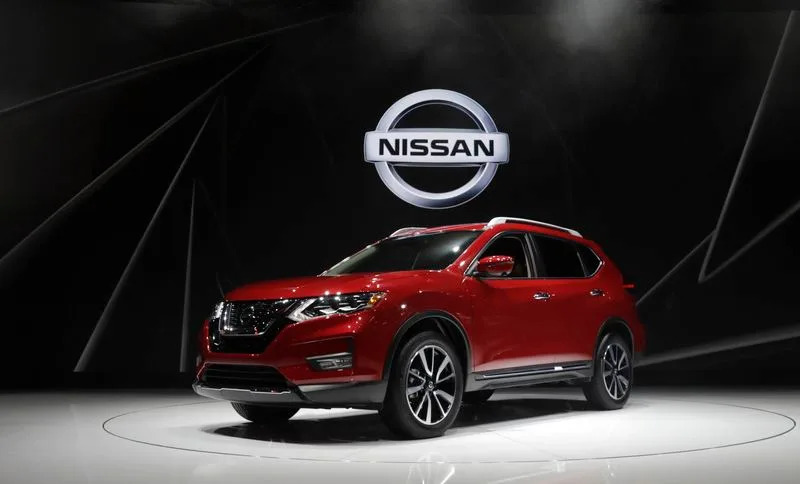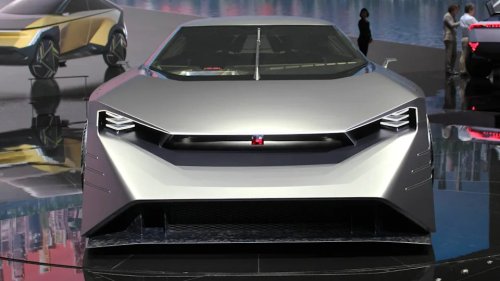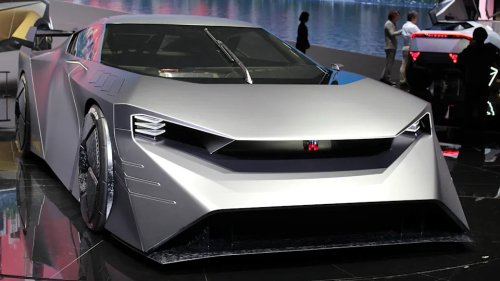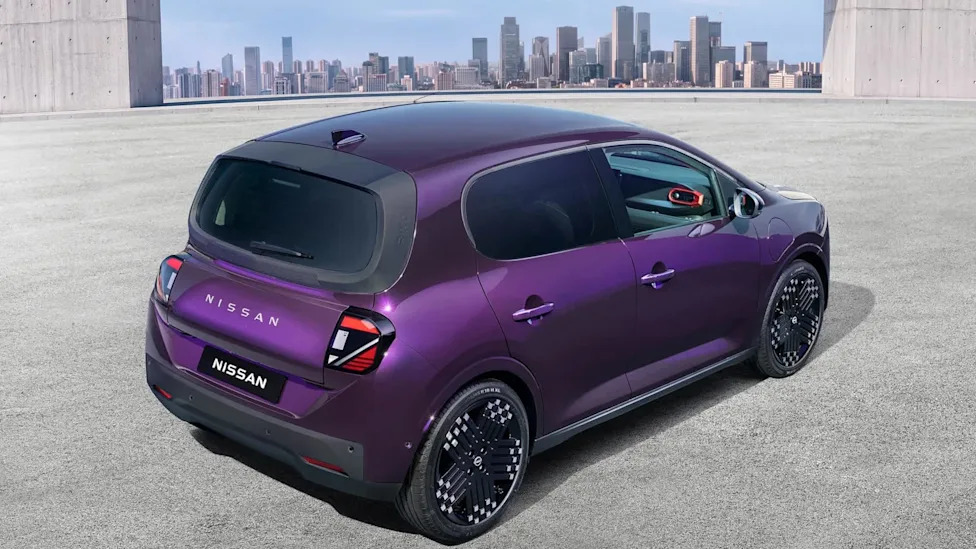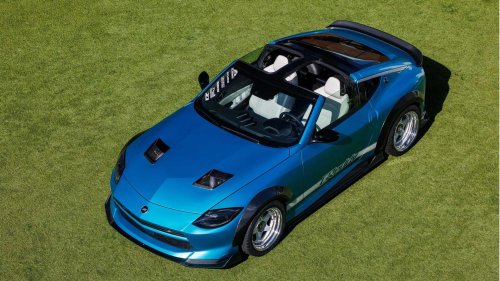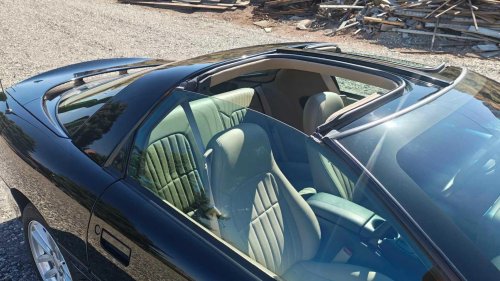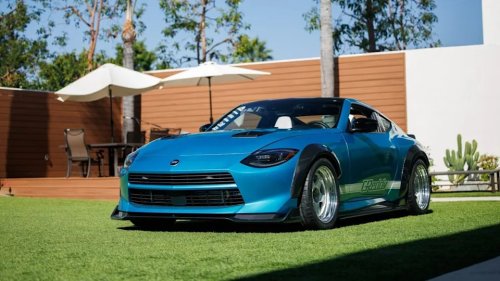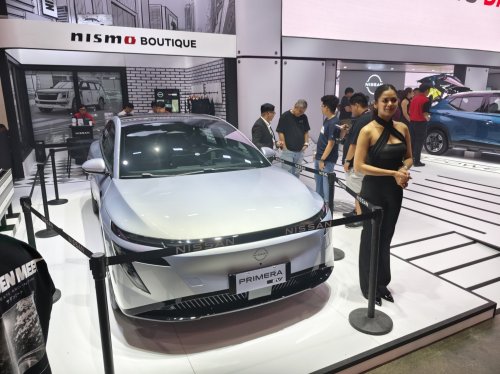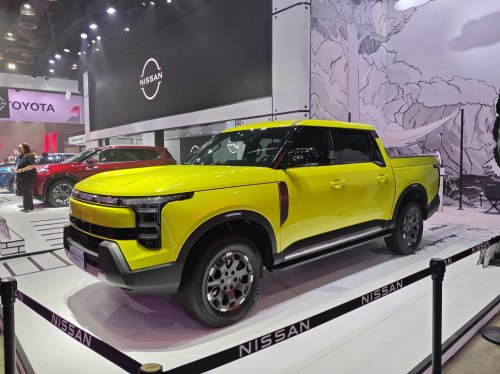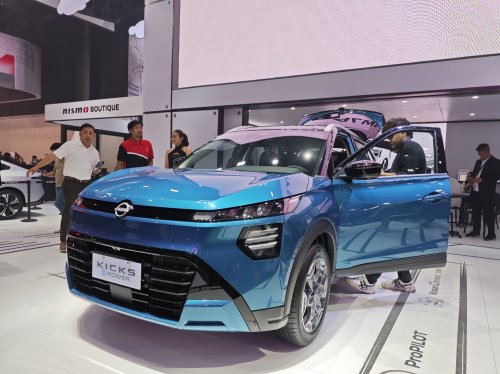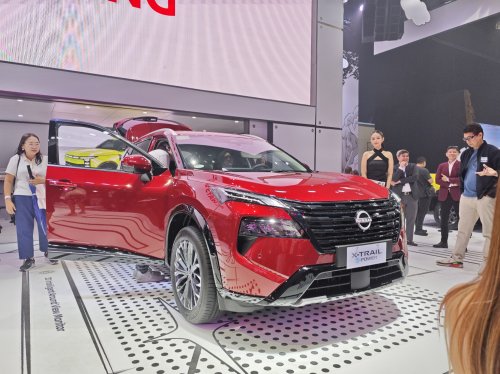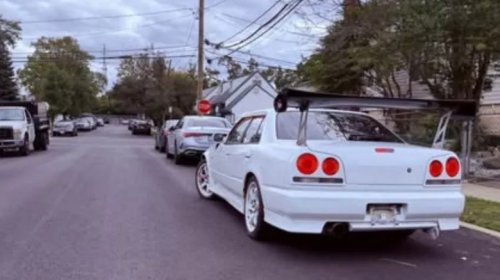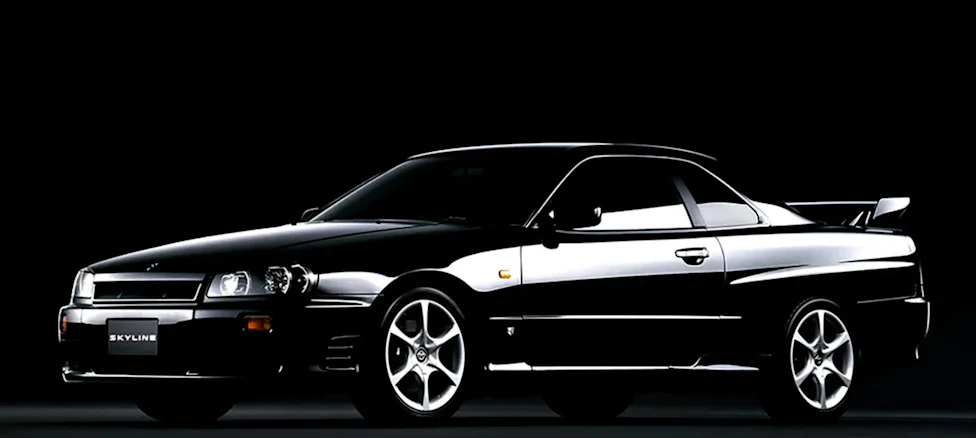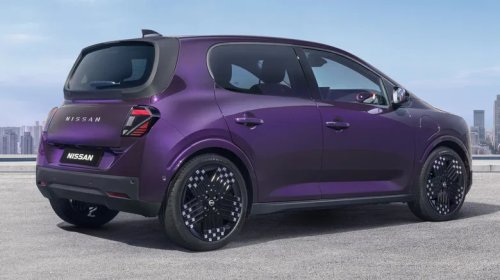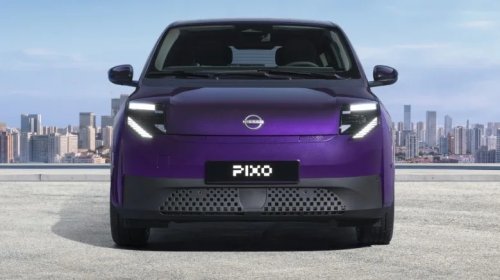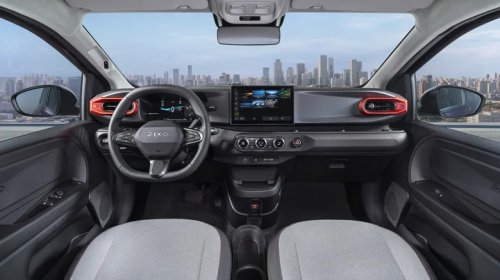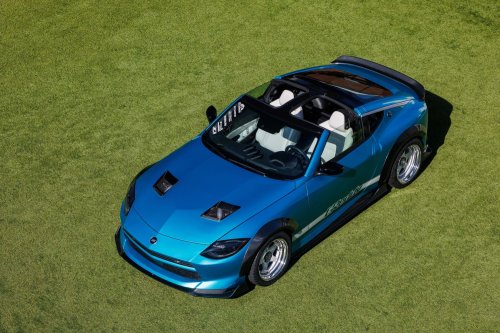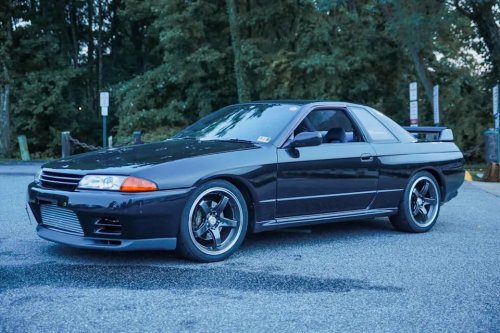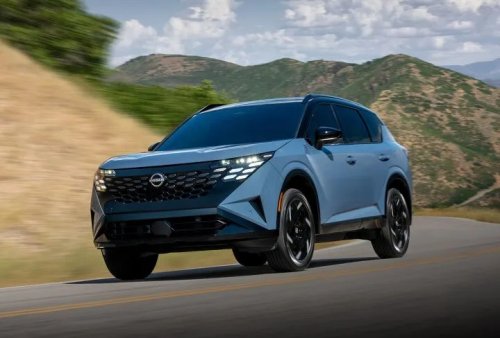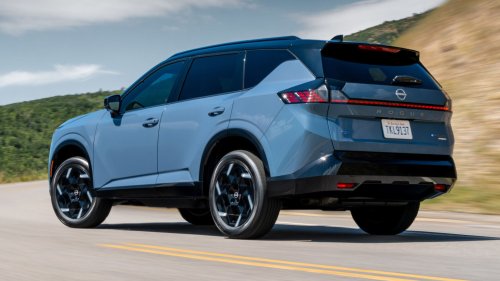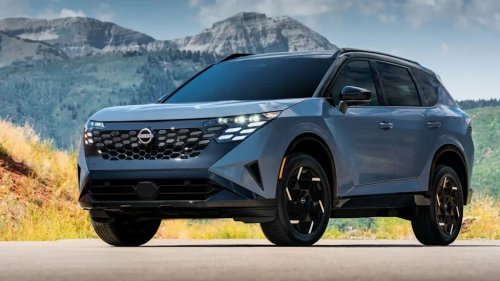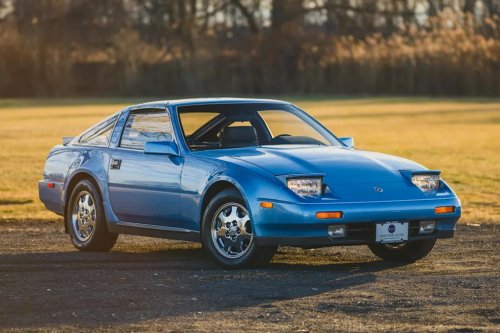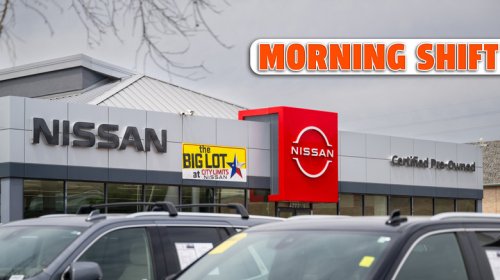
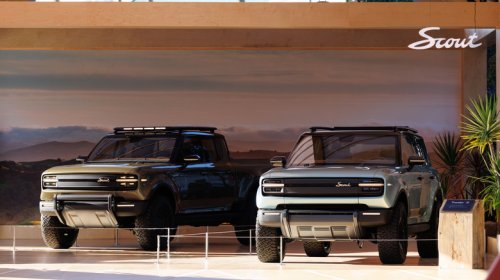



















Brandon Bell/Getty Images Happy Monday! It's April 27, 2026, and this is The Morning Shift — your daily roundup of the top automotive headlines from around the world, in one place. This is where you'll find the most important stories that are shaping the way Americans drive and get around. In this morning's edition, we're looking at Nissan's lower-than-expected losses, and EV companies' refusal to give in on dealer laws. We'll also look at Toyota's sales, and Kia's plan to beat Chinese automakers in Europe. 1st Gear: Nissan plans to lose $3.45 billion, which is better than expected View Press/Getty Images Nissan's new CEO has been pushing for profitability, or at least losing less money. He's cut plenty of costs towards that end, and it seems that plan has done its job — the company will, in fact, lose less money for the last fiscal year than it initially predicted. From the Wall Street Journal: Nissan Motor said it expects a narrower annual net loss, even as its global sales continued to slide, citing one-off gains on revised U.S. emissions rules and cost cuts. The upward revision is the latest piece of welcome news for the Japanese carmaker as it takes a series of restructuring steps to cut costs and address falling sales, including selling its headquarters, cutting jobs and reducing manufacturing sites and global production capacity. The company on Monday said it reversed a provision related to U.S. emissions regulations after the rules were relaxed. It also attributed the improved estimate to greater cost reductions and favorable foreign-exchange effects. A weak yen makes exports more competitive overseas and boosts the value of profits earned abroad in yen terms. For the fiscal year ended March, the Japanese company now estimates a net loss of 550.0 billion yen, equivalent to $3.45 billion—smaller than the ¥650.0 billion loss forecast earlier. Some of these fiscal benefits are definitely one-time-only, so we'll see how fiscal year 2026 goes for Nissan. Maybe we'll all be driving brand-new Silvias by then. 2nd Gear: EV makers aren't losing direct sales without a fight Josh Lefkowitz/Getty Images Dealers are a fantastic example of what economists call "rent-seeking" — eking profit out of a situation without materially contributing to it in any way. Dealers don't build cars, they don't buy cars, but they've inserted themselves as middlemen into the transaction. Modern EV brands don't like this, and they're pushing back however they can. From Automotive News: Electric vehicle makers are escalating their fight to sell directly to U.S. consumers, using ballot threats and new legal strategies to challenge dealer franchise laws. Rivian, saying it believes the public is on its side, won a dealer license in Washington state in March after its threat to fund a ballot initiative sparked a legislative compromise with dealers. Scout Motors, backed by Volkswagen Group, is taking a more consequential step: positioning itself as an independent brand to bypass dealerships entirely, a move that could upend the franchise model if it succeeds and other legacy automakers follow. The tactics signal a new phase in a decade-plus effort Tesla pioneered to bypass a franchise model that still accounts for 96 percent of new-vehicle deliveries. Having worked at a dealer: Good riddance. Give sales people salaried jobs, not commissions, and everyone wins — well, except the franchise owners. I'm sure they'll be just fine, though. 3rd Gear: Toyota had a rough March, but not as bad as it could've been JRomero04/Shutterstock Automakers have been struggling with the U.S.'s unprompted war in Iran, as costs for everything from fuel to raw metals have skyrocketed. Toyota, though, has remained largely okay — for now. Instead, its sales dip is more based on product cycles. From Bloomberg: Toyota Motor Corp. saw sales decline in March as demand dipped for its best-selling RAV4 ahead of the refresh of the SUV, while the conflict in Iran threatens to cut off key supplies and force manufacturers to dial back production. Global sales in March — including those of subsidiaries Daihatsu Motor Co. and Hino Motors Ltd. — fell 5.8% from a year earlier to 983,126 units, the company said Monday. So far, the company has been able to keep churning out cars, with worldwide production climbing 3.9% to 1.02 million units. The numbers show how the world's biggest carmaker has been able to remain on track despite turmoil in the Middle East, which has raised the price of aluminum and other raw materials and the underlying costs for automobile parts. Production may be due for further declines, with Japanese carmakers depending on the region for roughly 70% of their aluminum. As hostilities with Iran drag on, those material costs likely aren't dropping any time soon. We'll see in the upcoming months whether Toyota can keep up its sales. 4th Gear: Kia is looking at price cuts in Europe in the face of Chinese cars Stoqliq/Shutterstock Europe is facing an influx of low-priced Chinese cars. Buyers would consider this a very good thing, as purse strings draw ever tighter, but more entrenched car companies are feeling threatened. Take Kia, for example, which is cutting prices to compete with BYD. From Reuters: South Korea's Kia Corp has reduced price gaps with Chinese rivals in Europe this year, its CEO said, signalling a price war as Chinese carmakers ramp up their push into a key overseas market amid slowing growth at home. The strategy helped Kia, which together with Hyundai Motor is ranked third in global vehicle sales, increase its global revenue and buck a broader market decline, Kia CEO Song Ho-sung said at the company's Investor Day event held earlier this month. Starting this year, Kia has narrowed its vehicle price gap with Chinese models in Europe to 15-20% from 20-25% previously depending on markets, Song said, according to a recording of the event obtained by Reuters. The move highlights how Europe has become a key battleground between legacy automakers and Chinese electric vehicle firms such as BYD, as they pursue rapid overseas expansion amid flagging sales in China and effective exclusion from the U.S. market. This is good! Lower prices are good for buyers who want to get into safer, more fuel-efficient modern vehicles. Let's hope the lower prices stick around past this initial price war. Reverse: Rest in Pontiac Good night, sweet prince. The Fuel Up AAA Last time I covered the fuel up, prices were nine cents lower than they are today. What the hell did you all do when I wasn't looking? On The Radio: Andrew Garfield - '30/90' I've been feeling old recently. Well, mostly just this past weekend, when I went to a literature event full of baby infant grad students. Still, coming up on age 30, this song hits.