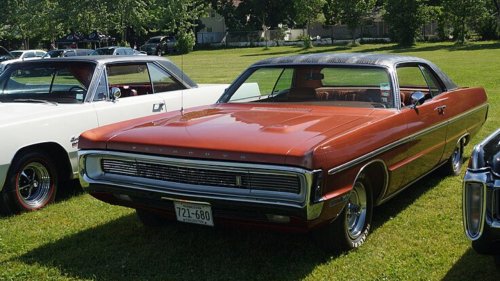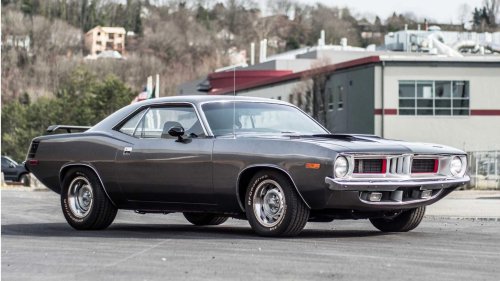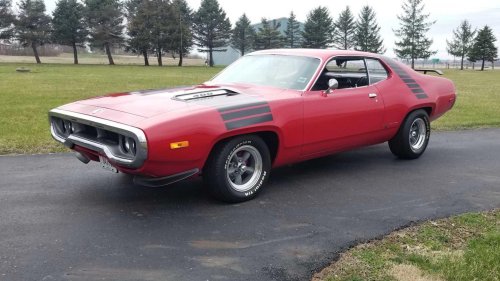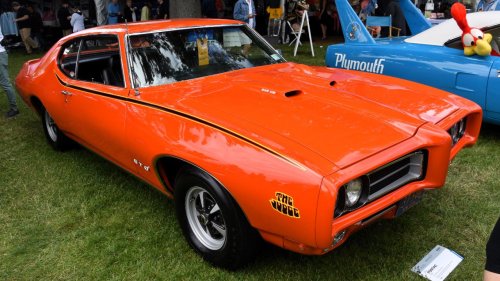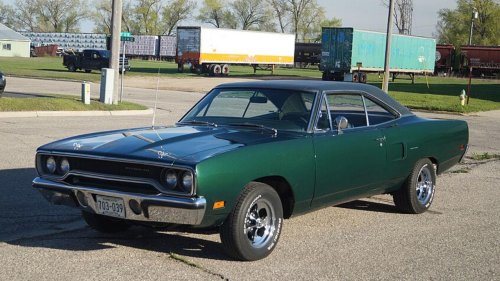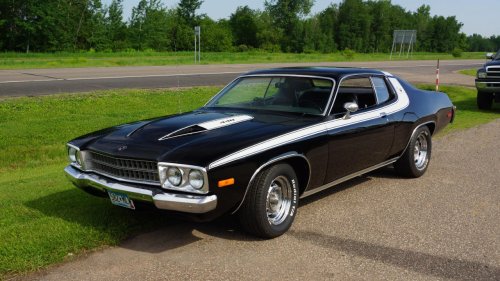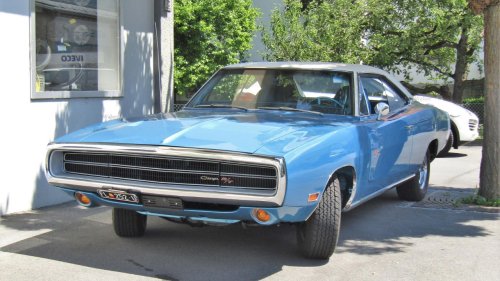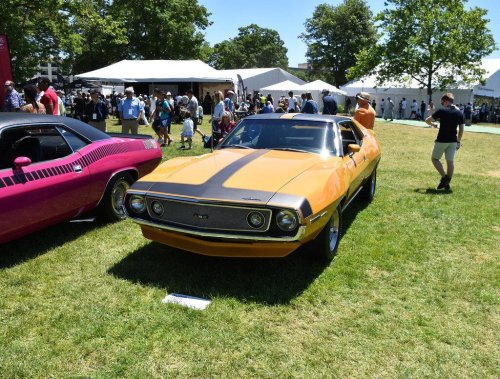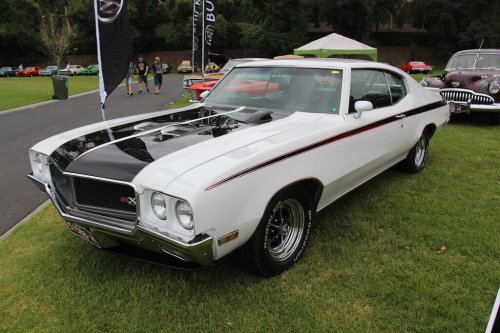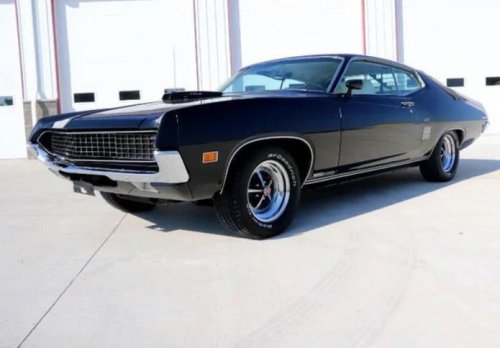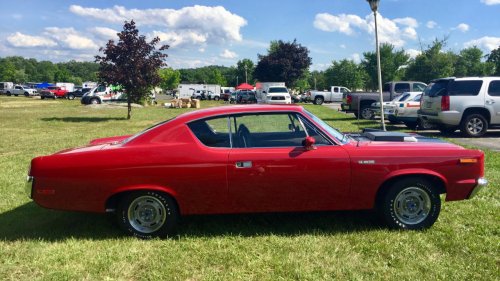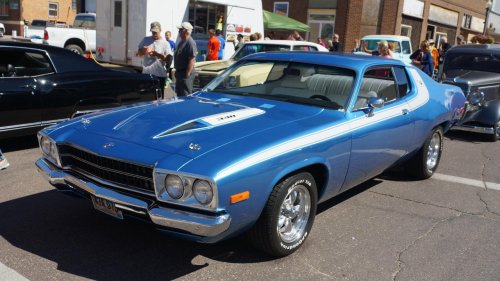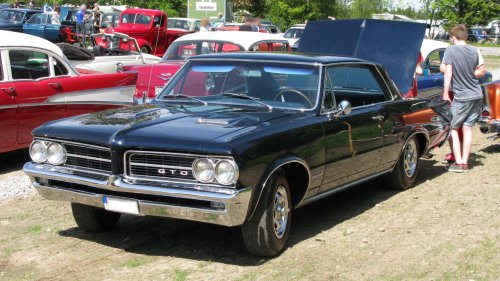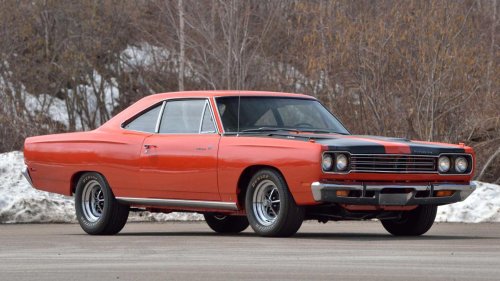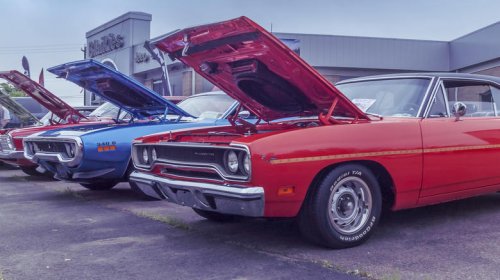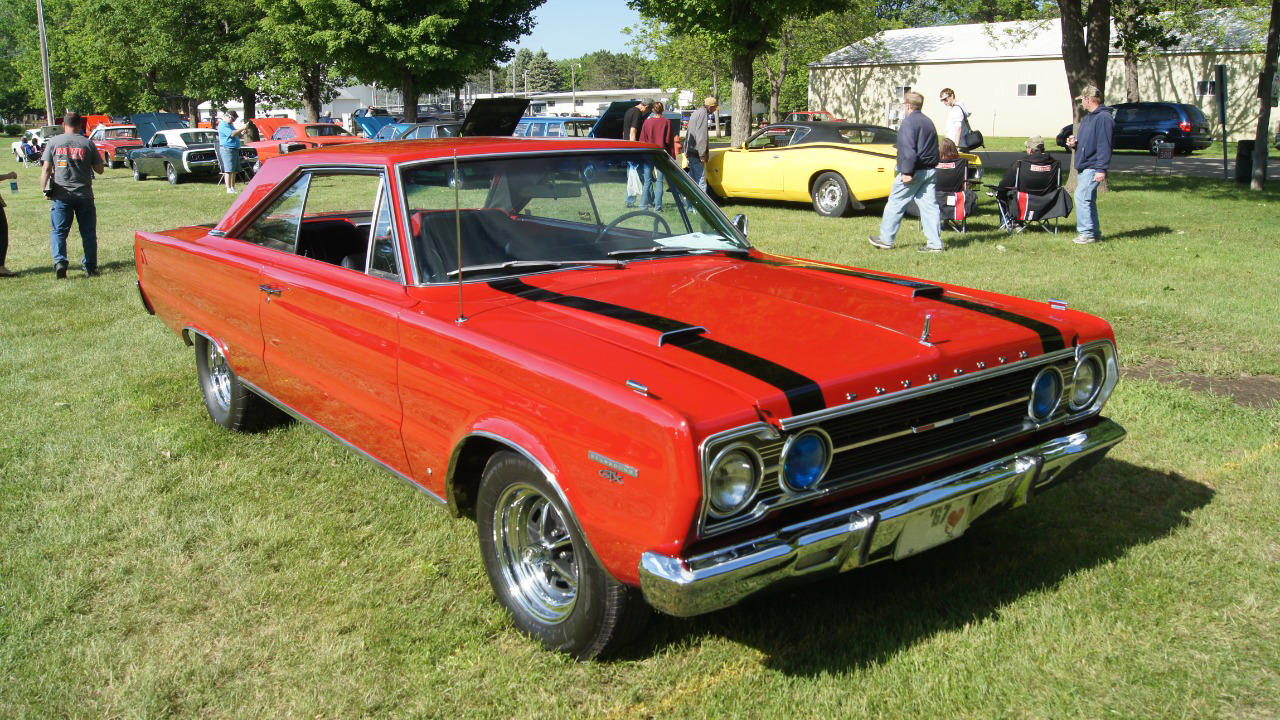



















The GTX was built as a more refined muscle car and it found its audienceThe Plymouth GTX arrived in the late 1960s as something rare in Detroit muscle: a car that promised big-block power without giving up comfort or style. Marketed as a gentleman’s express, it wrapped serious performance hardware in an interior and trim package that felt a step above the usual stripped-out street bruiser. Over a short but memorable production run, that formula resonated with buyers who wanted their muscle car to feel a bit more grown up, and it still defines the way collectors talk about the GTX today. The birth of a “gentleman’s” muscle car When Plymouth introduced the GTX, the company was looking for a way to reach drivers who liked quarter-mile bragging rights but did not want cartoon graphics or bare-bones cabins. The GTX shared its basic B-body platform with more affordable Plymouth performance models, yet it was positioned as a high-performance car with an upscale twist. Period descriptions framed the car as the “gentleman’s express,” a label that pointed directly to a cabin that was more carefully finished than the average muscle coupe. Inside, the GTX featured an interior that enthusiasts still describe as both upscale and masculine, with materials and detailing that went beyond what buyers expected from a mid-priced Plymouth. Contemporary sellers highlight how a well-preserved 1967 cabin helps explain why the car earned that “gentleman’s express” nickname, noting the way the inside of the still projects a driver-focused but refined character. Bucket seats, detailed trim and a driver-oriented dash made the car feel more like a personal luxury coupe that happened to carry a serious V8 under the hood. The positioning was deliberate. Plymouth already had the budget performance buyer covered with the Road Runner, which leaned into cartoon branding, basic interiors and a stripped specification. The GTX targeted customers who had a bit more money and wanted a car that could pull double duty as a daily driver and a weekend drag-strip regular. That balance between comfort and capability would become the car’s defining trait. Power with polish: the 1967 Plymouth HEMI GTX The first GTX models set the tone by combining some of Chrysler’s most serious engines with visual restraint. A standout early example is the 1967 Plymouth HEMI GTX, which paired the legendary 426 cubic inch HEMI V8 with a four-speed manual transmission. This configuration made the car a genuine high-performance machine, yet it still carried chrome trim and special badging that signaled a touch of class rather than raw aggression. Collectors point to surviving cars to illustrate how this formula worked in practice. One Plymouth HEMI GTX from the Frank Tiegs Collection, previously owned by actor and professional wrestling star Bill Goldberg, is described as a matching-numbers car with its original J-code 426 HEMI and four-speed manual. The description stresses that the 1967 Plymouth HEMI GTX was introduced as a serious muscle car that mixed brute force with a measure of refinement, reinforced by chrome trim and a special badging package. That combination of visual subtlety and mechanical firepower captured exactly what Plymouth wanted the GTX nameplate to mean. The HEMI configuration was not the only way the GTX delivered performance, but it became central to the car’s mystique. Enthusiast discussions often describe the HEMI GTX as aimed at buyers who wanted the best of both worlds, with luxury features combined with astonishing straight-line speed. One enthusiast account notes that the Hemi GTX was targeted at customers who valued both comfort and sheer horsepower, a group that might have otherwise looked at more expensive performance coupes from rival brands. This positioning helped the GTX carve out a niche in a crowded field. While many muscle cars of the era were marketed primarily on price or raw output, the GTX leaned into the idea that a driver could have serious performance without sacrificing dignity. The car’s restrained styling, with tasteful chrome and relatively clean lines, supported that message. For buyers who were aging out of cartoon decals and novelty horns, the GTX offered a way to stay in the performance game without feeling like they were driving a toy. Gentleman’s Muscle Car: how the GTX differed from the Road Runner The contrast between the GTX and the Road Runner is central to understanding why the GTX found its audience. Plymouth’s Road Runner was marketed aggressively as a budget performance car, complete with licensed “Beep Beep” Road Runner character graphics and a horn that mimicked the cartoon sound. Period advertising emphasized the stripped-down interior and playful branding, and enthusiasts still point to how the Beep Beep Road character and that horn helped define the car’s identity. The GTX, by contrast, avoided cartoon mascots and novelty features. Instead, it was marketed as a more mature alternative that still shared some of the same underpinnings and engines. Enthusiast descriptions often refer to the GTX as the “Gentleman’s Muscle Car” or “gentleman’s express,” language that reflects the car’s more upscale interior and exterior detailing. Sales literature and later commentary highlight features such as plush interiors and chrome accents that placed the GTX above the Road Runner in Plymouth’s hierarchy. Social media posts from auction houses and restorers continue to use that language. One auction listing for a 1969 GTX convertible describes the car as known as the “Gentleman’s Muscle Car,” stressing that the GTX combined luxury with raw power and paired a high-performance engine with premium touches like a plush interior and chrome accents. That description, attached to a rare convertible configuration, reinforces how the GTX was known for that blend of comfort and capability. The Road Runner’s stripped character had its own appeal, especially to younger buyers who prioritized price over equipment. The GTX’s more restrained image, however, made it attractive to older enthusiasts, professionals and families who wanted a car that could handle long highway drives as well as the local drag strip. In that sense, the GTX functioned as a bridge between Detroit’s muscle era and the emerging personal luxury segment. The 1970 Plymouth GTX: refinement meets big-block strength By 1970, the GTX formula had been refined into one of its most iconic expressions. The 1970 Plymouth GTX was built as a high-performance yet upscale version of the Road Runner, and it came standard with a 440 Super Commando V8. Buyers could also opt for the 426 Hemi, with output figures reaching up to 425 horsepower, which placed the car firmly in the top tier of factory muscle performance. Enthusiast restorers describe how the 1970 model year brought a refreshed body design, an “Air Grabber” hood and upgraded trim that sharpened the car’s visual presence. One detailed breakdown of the 1970 car explains that the 1970 Plymouth GTX was built as a high-performance yet upscale version of the Road Runner, came standard with a 440 Super Commando V8 and offered the optional 426 Hemi producing up to 425 horsepower. The same account notes that the refreshed body, Air Grabber hood and upgraded trim contributed to the car’s reputation as “The Gentleman’s Muscle Car,” a nickname that captured its mix of raw power and upscale features. The hardware under the skin matched the visual upgrades. The GTX carried a performance-oriented suspension that was designed to handle the output of its big-block V8s. Enthusiast summaries highlight how performance oriented suspension components helped the GTX maintain composure when driven hard, which set it apart from softer, more comfort-focused coupes. This focus on handling as well as straight-line speed helped the car appeal to drivers who wanted a more complete performance package. Inside, the 1970 GTX continued the tradition of an upscale cabin, with high-backed bucket seats, detailed door panels and brightwork that framed the instrument cluster. While the Road Runner embraced a simpler interior to keep costs down, the GTX’s additional trim and sound insulation made it more pleasant on long trips. For buyers who wanted to use their muscle car as an everyday vehicle, these differences mattered. The 1970 model year also arrived at a high point for Detroit performance output. Insurance pressures and emissions regulations were beginning to tighten, yet cars like the 440 Super Commando GTX still offered factory horsepower ratings that would remain impressive decades later. In that environment, the GTX’s reputation as a car that combined serious power with comfort helped it stand out in showrooms crowded with more narrowly focused muscle models. Rarity, convertibles and the collector market Although the GTX was positioned as a premium performance car, it never sold in the same volumes as more affordable muscle models. That relative scarcity has turned some configurations into highly sought-after collectibles. One of the most striking examples is the 1969 GTX convertible, especially when equipped with a four-speed manual and performance options. A widely shared auction listing highlights a 1969 Plymouth GTX Convertible that was one of only 178 1969 GTX convertibles built with a factory four-speed. The car carried a 440 cubic inch engine rated at 375 horsepower, combined with the A33 Track Pack option. Enthusiast writeups emphasize that this Plymouth GTX Convertible, described as 1 of only 178 440 375 cars with that configuration, represents a rare intersection of open-air driving and serious performance hardware. That same car and its configuration are referenced through multiple citation trails, with links that stress the same trio of figures: 178, 440 and 375. These numbers have become shorthand among collectors for one of the most desirable GTX specifications. The A33 Track Pack, referenced in those listings, bundled performance gearing and heavy-duty cooling that made the car even more capable at speed. For modern collectors, the combination of rarity, convertible body style and big-block power places such cars near the top of the GTX hierarchy. The market’s attention is not limited to convertibles. High-quality hardtops, especially those equipped with the 426 Hemi or the 440 Super Commando, also command strong interest. The 1967 Plymouth HEMI GTX from the Frank Tiegs Collection, linked to Bill Goldberg, illustrates how provenance and originality can push a car into the spotlight. Descriptions of that car stress its matching-numbers status and original J-code 426 HEMI, which help explain why it attracted attention when it was offered with no reserve at a major auction. Taken together, these examples show how the GTX’s blend of performance and refinement has translated into long-term appeal. While some contemporary muscle cars were built in vast numbers and heavily modified over the years, many GTX owners treated their cars as something special from the start. That care, combined with relatively low production figures, has left a smaller but more carefully preserved pool of surviving cars, which in turn supports strong values in the collector market. The audience that embraced the GTX The GTX’s enduring appeal reflects the type of buyer it attracted when new. Contemporary accounts and modern enthusiast commentary describe the typical GTX owner as someone who wanted performance but also valued comfort, image and everyday usability. The car was aimed at drivers who might have been tempted by more expensive performance coupes from other brands but preferred Plymouth’s combination of big-block strength and relatively understated styling. One enthusiast discussion of the Hemi GTX describes how it was targeted at buyers who wanted the best of both worlds, with luxury features combined with jaw-dropping performance. That description aligns with the way auction listings and modern writeups frame the car: as a machine for drivers who refused to choose between comfort and speed. For these customers, the GTX’s upscale interior, chrome accents and refined ride quality were not optional extras but central to the car’s identity. Marketing language that labeled the GTX as a “Gentleman’s Muscle Car” or “gentleman’s express” also helped shape its audience. Those phrases suggested that the car was appropriate for professionals and family men who wanted a fast car that would not look out of place in a company parking lot or at a formal event. In an era when some muscle cars were criticized for being too loud, both literally and visually, the GTX offered a more discreet alternative. The car’s dual character also made it attractive to enthusiasts who planned to keep their cars for the long term. A GTX could be driven to work during the week, taken on road trips and still deliver strong performance at weekend drag events. That versatility helped build loyalty among owners, many of whom stayed within the Plymouth or broader Chrysler performance family even as the muscle era faded. Why the GTX still matters Decades after the last GTX left the factory, the car’s reputation as a refined muscle machine remains intact. Collectors and restorers continue to highlight its blend of big-block power, performance-oriented suspension tuning and upscale cabin design as key reasons for its enduring status. The nickname “The Gentleman’s Muscle Car,” attached so firmly to models like the 1970 Plymouth GTX, has become more than a marketing phrase. It is now a shorthand description of a very specific formula that other manufacturers would later echo in their own performance-luxury coupes. Modern writeups of restored cars frequently return to the same themes. They emphasize how the GTX combined raw power with upscale features, how its interiors still feel special and how its styling avoids the excess of some contemporaries. They also underline how the car’s mechanical specification, from engines like the 440 Super Commando and 426 Hemi to the carefully tuned suspension, delivered a driving experience that matched its visual promise. At auctions and in private sales, the GTX’s story is told through individual cars such as the Bill Goldberg Plymouth HEMI GTX or the rare 1969 Plymouth GTX Convertible with the A33 Track Pack. These cars serve as rolling case studies in how the GTX concept worked in practice. They show that there was, and still is, a market for muscle cars that treat comfort and style as integral parts of the performance equation. The GTX may not have been the most numerous or the loudest of the classic muscle cars, but it did not need to be. It was built for drivers who wanted something more refined, and that audience found it then and continues to seek it out now. In that sense, the GTX fulfilled its original mission and secured a lasting place in muscle car history. More from Fast Lane Only Unboxing the WWII Jeep in a Crate 15 rare Chevys collectors are quietly buying 10 underrated V8s still worth hunting down Police notice this before you even roll window down The post The GTX was built as a more refined muscle car and it found its audience appeared first on FAST LANE ONLY.