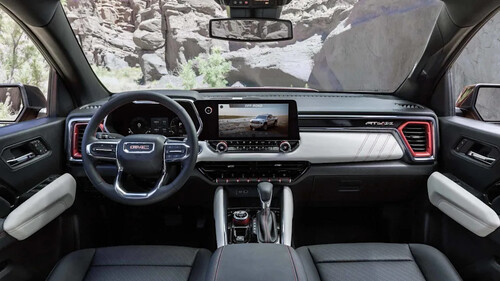
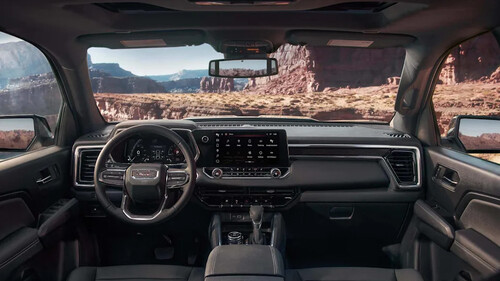
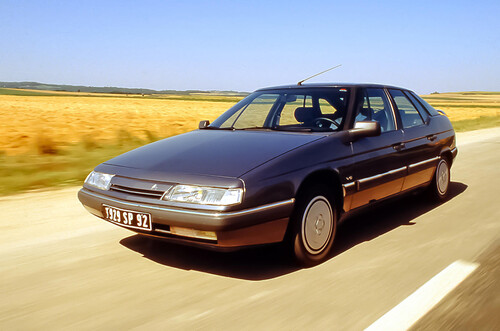
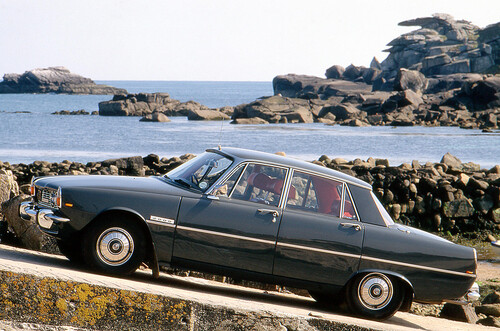
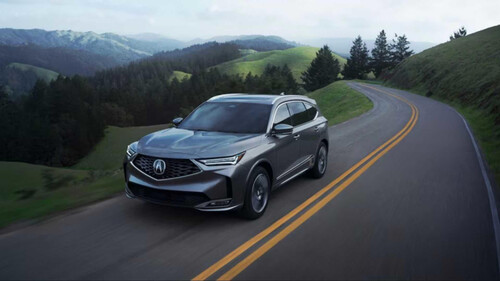
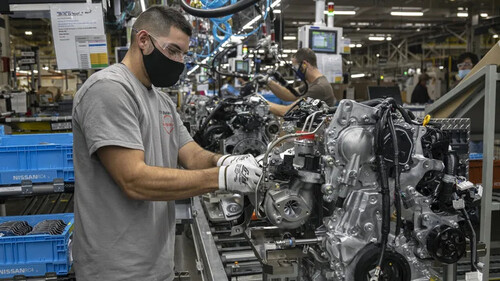
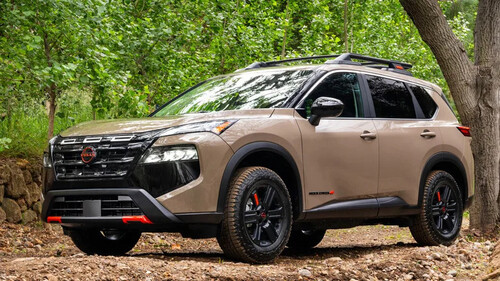
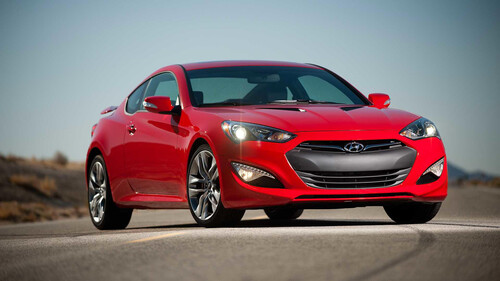
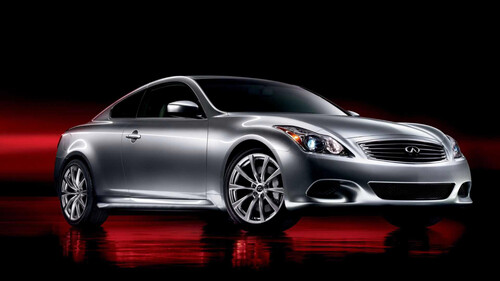
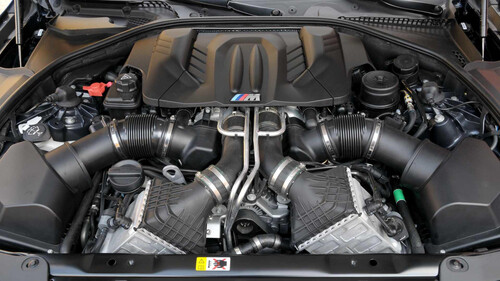
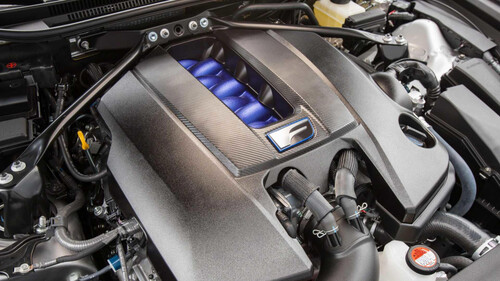
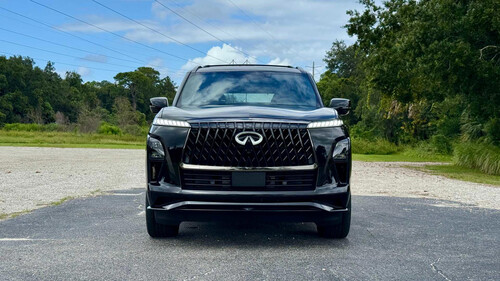
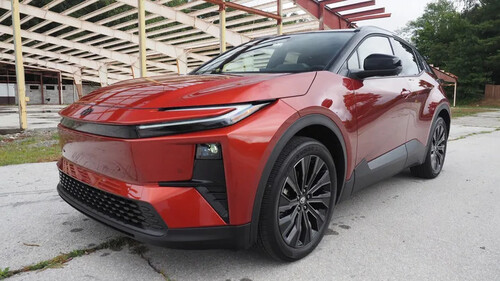
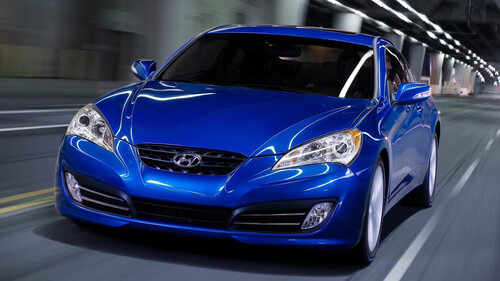
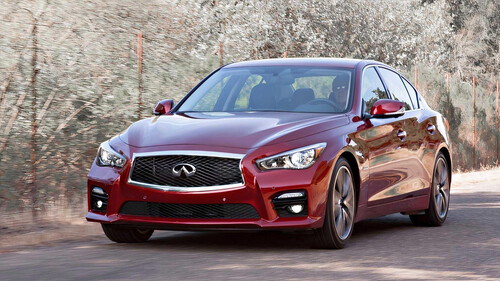
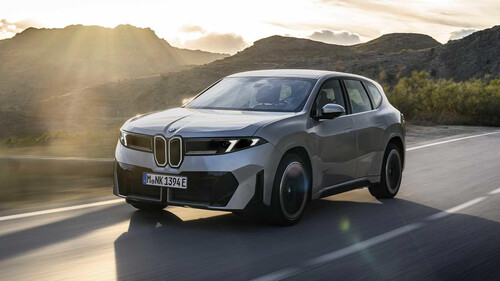
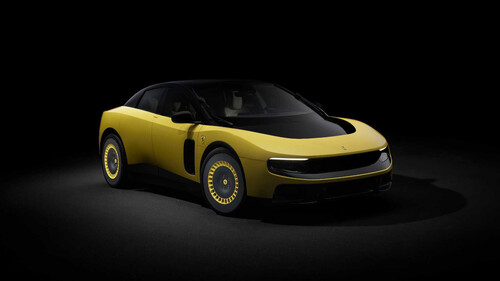
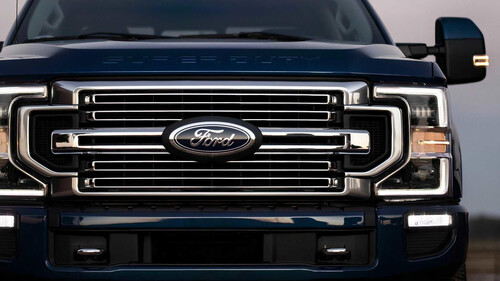
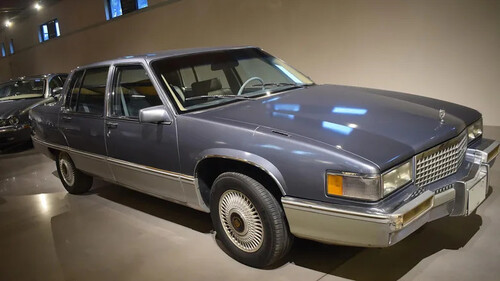
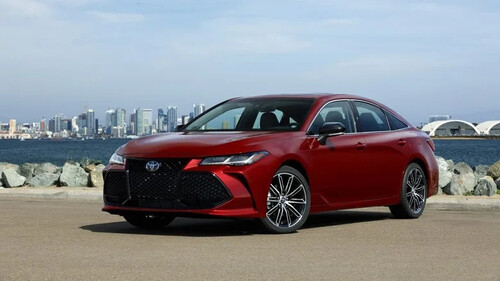
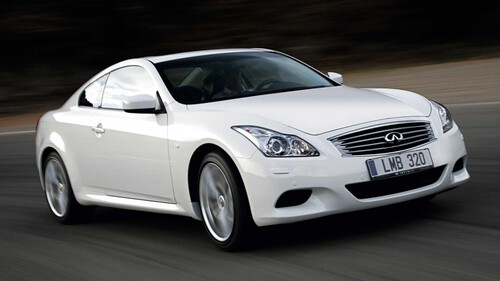
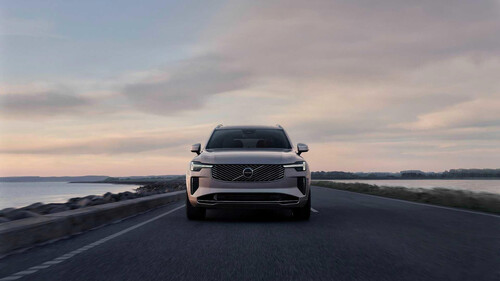
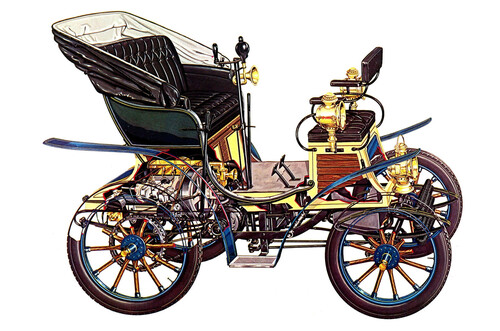
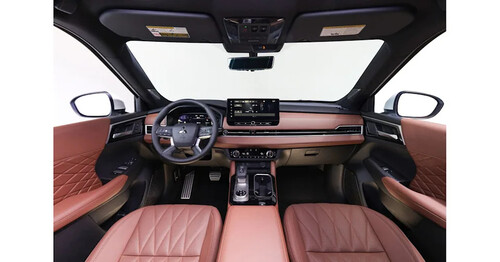
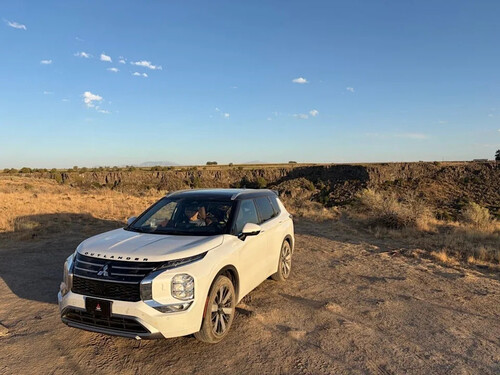
Image Credit: Infiniti.Some V8 engines become famous the easy way. They sit in muscle cars, race winners, poster cars, or models with badges that already carry decades of performance mythology.Others do quieter work. They power luxury sedans, executive cruisers, premium SUVs, and ambitious cars that never become the loudest names in enthusiast circles. The engines may be smooth, advanced, durable, or unusually characterful, but the surrounding car often keeps them out of the spotlight.That is where this group gets interesting. The Toyota 1UZ-FE helped Lexus arrive with shocking refinement. Hyundai’s Tau V8 showed how serious the Genesis project already was. Jaguar’s supercharged AJ-V8 gave the XJR pace without sacrificing elegance. Nissan’s VK45DE gave Infiniti a muscular rear-drive sedan, and Volvo’s Yamaha-built B8444S turned the XC90 into one of the strangest premium SUVs of its era.AdvertisementAdvertisementNone of these engines needs to be treated like a forgotten small-block Chevrolet or a hidden AMG rival. Their appeal sits somewhere else: engineering ambition, restraint, smoothness, and the kind of character that becomes easier to appreciate once the badge politics fade.Why These V8s Made The CutImage Credit: Hyundai.The focus here is on production V8 engines with real engineering depth, strong performance for their era, or a memorable character that never received the same attention as more obvious icons. Power mattered, but a number alone was not enough.Each engine also needed a clear production car to show how it worked in the real world. A great engine can look impressive on a spec sheet, but its reputation is built by the vehicle around it: the way it idles, pulls, sounds, ages, and changes the personality of the car.The obvious V8 legends stayed out. Chevrolet small-blocks, Ford Coyote engines, Hemi V8s, AMG flagships, and BMW M engines already dominate the conversation. These choices come from a different corner of the V8 world, where refinement, technical curiosity, brand ambition, and unexpected personality matter as much as raw fame.Lexus LS 400: Toyota 242 Cubic Inch 1UZ-FE V8Image Credit: Lexus.The original Lexus LS 400 introduced Toyota’s 1UZ-FE V8 as part of one of the most important luxury-car launches of the modern era. The 242 cubic inch engine used aluminum construction, dual overhead cams, 32 valves, and the kind of smoothness that made Lexus feel credible almost immediately against long-established European rivals.AdvertisementAdvertisementEarly LS 400 models produced 250 hp and 260 lb-ft of torque, which does not sound dramatic beside later performance V8s. The achievement was refinement. The 1UZ-FE started quietly, revved cleanly, and built a reputation for durability that still follows it today. In the LS 400, Toyota made silence, precision, and mechanical polish feel like their own form of performance.Hyundai Genesis 5.0 R-Spec: Hyundai 307 Cubic Inch Tau V8Image Credit: Genesis/Hyundai.The first-generation Hyundai Genesis arrived before Genesis became a standalone luxury brand, which made the 5.0 R-Spec feel almost more ambitious than the market was ready to accept. Its 307 cubic inch Tau V8 produced 429 hp and 376 lb-ft of torque, making it Hyundai’s most powerful V8 at the time.The engine was naturally aspirated, smooth, and stronger than many buyers expected from a Hyundai-badged luxury sedan. That mismatch is exactly why it still feels interesting. The Genesis 5.0 R-Spec did not have the image of a German sport sedan or the heritage of a Japanese luxury flagship, but its Tau V8 showed how far Hyundai’s engineering had moved before public perception fully caught up.Jaguar XJR: Jaguar 256 Cubic Inch Supercharged AJ-V8Image Credit: Calreyn88 - Own work, CC BY-SA 4.0/Wiki Commons.The 2004 Jaguar XJR paired a lightweight aluminum sedan body with a 256 cubic inch supercharged AJ-V8, giving the car 390 hp and 399 lb-ft of torque. The engine gave Jaguar’s flagship real speed, but it did not turn the XJR into a loud or crude performance sedan.AdvertisementAdvertisementThat restraint was the point. The supercharged V8 delivered strong low-end response, a refined sound, and the kind of effortless passing power that suited Jaguar’s luxury identity. Among Jaguar enthusiasts, the engine already has respect. Outside that circle, it still tends to sit behind better-known German performance V8s, even though the XJR’s combination of aluminum construction, forced induction, and old-school elegance gave it a character few rivals matched.Infiniti M45: Nissan 274 Cubic Inch VK45DE V8Image Credit: Infiniti.The first-generation Infiniti M45 never became a design icon, but its engine had the right credentials. Nissan’s 274 cubic inch VK45DE was an aluminum-alloy, double-overhead-cam V8 rated at 340 hp and 333 lb-ft of torque, and Infiniti made it standard on the 2003 M45.The sedan’s plain shape helped bury the story. Underneath, the M45 had rear-wheel drive, a strong V8, and a polished Japanese luxury character that felt more muscular than its reputation suggested. The VK45DE lacked the aftermarket mythology of an LS or the badge pull of a German V8, but it gave Infiniti one of its most convincing sleeper sedans.Volvo XC90 V8: Yamaha-Built 269 Cubic Inch B8444S V8Image Credit: Rutger van der Maar-Flickr-CC BY 2.0/Wiki Commons.A Volvo V8 already sounds like an odd idea, and the XC90 made the story even better. The 269 cubic inch B8444S was designed by Volvo and manufactured by Yamaha, with a compact transverse layout created to fit the XC90’s packaging and safety requirements.AdvertisementAdvertisementVolvo listed the engine at 311 hp and 325 lb-ft of torque, paired with all-wheel drive and a 6-speed automatic transmission. It gave the XC90 smoother acceleration, a richer sound, and a more distinctive personality without turning the SUV into something flashy. The B8444S remains one of the strangest premium-SUV engines of its era, and one of Volvo’s most interesting engineering detours.Why These V8s Still Deserve A Bigger AudienceImage Credit: Lexus.The 1UZ-FE made Lexus feel world-class from the start. The Tau V8 gave Hyundai a serious luxury-performance argument before the Genesis badge stood on its own. Jaguar’s supercharged AJ-V8 added real speed to an aluminum flagship without losing the brand’s smoothness.Nissan’s VK45DE gave Infiniti a rear-drive V8 sedan with more character than its reputation suggests, while Volvo’s B8444S put a Yamaha-built V8 into a safety-first family SUV. None of these engines became the default answer in V8 conversations, but each one gave its car a stronger identity.That is the better way to remember them. They were not loud icons or obvious collector bait. They were carefully engineered V8s placed in cars that asked for refinement, confidence, and a little surprise. Years later, those qualities make them more interesting, not less.If you want more stories like this, follow Guessing Headlights on Yahoo so you don’t miss what’s coming next.