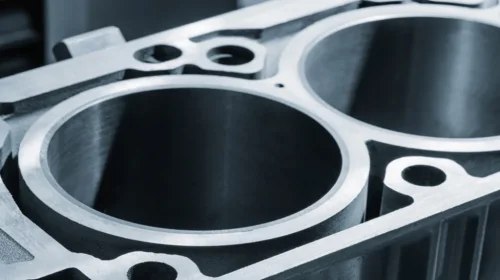
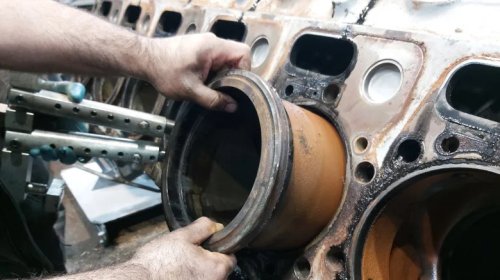
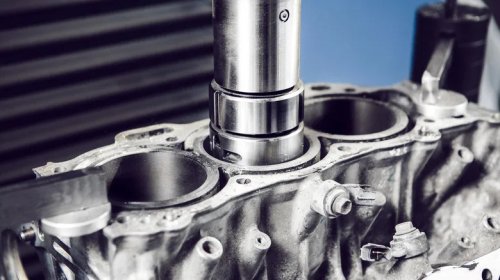
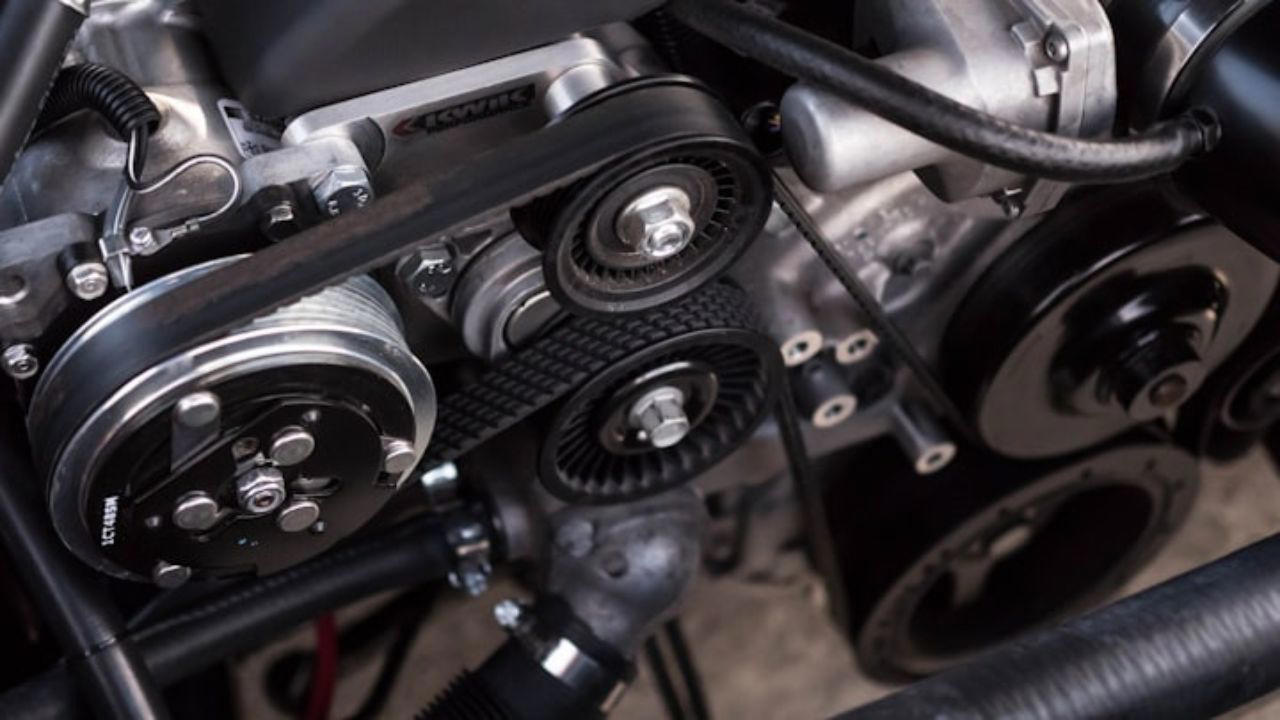
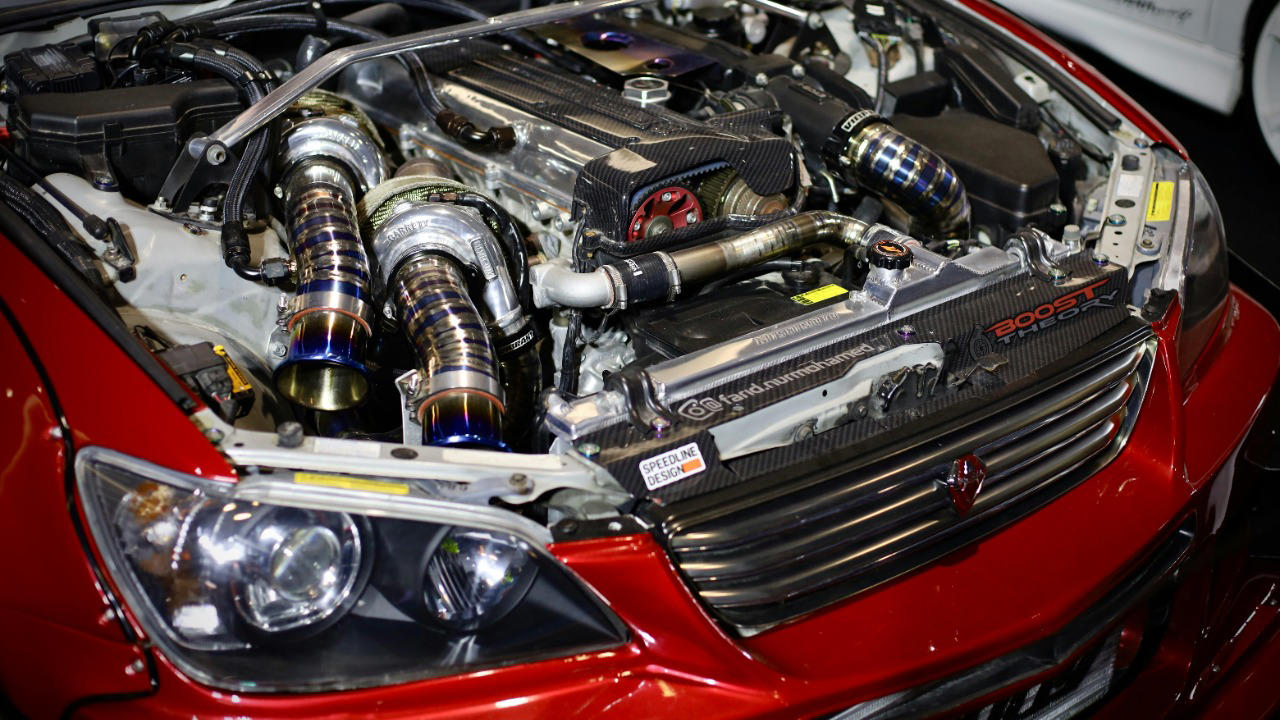
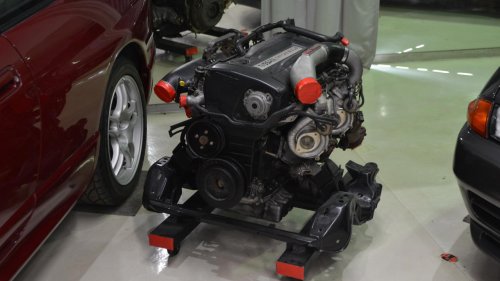
Why some engines survive neglect better than othersSome engines tolerate missed oil changes, indifferent owners, and hard use with surprising grace, while others seem to punish the slightest neglect. The difference is rarely luck. It usually reflects how conservatively the engine was designed, how stressed it is in normal use, and how much margin its creators built in for the real world rather than the test lab. Understanding why certain powerplants keep running long after their maintenance schedules have been forgotten helps explain why some old cars become legends and others become cautionary tales. It also offers a practical roadmap for anyone choosing a vehicle that must survive less than perfect care. Overbuilt hardware versus stressed efficiency At the most basic level, durable engines start with conservative engineering and generous safety margins. Enthusiast discussions about reliable versus unreliable repeatedly come back to thick cylinder walls, strong bottom ends, and simple valvetrains that are not pushed to their material limits. When an engine is built to handle far more power than it actually produces in stock form, every component operates under less stress, so a missed fluid change or a long highway slog at high temperature is less likely to trigger catastrophic failure. Modern downsized gasoline engines often sit at the opposite end of that spectrum. Over the past decade, automakers have chased lower emissions and higher fuel economy by shrinking displacement and adding turbochargers, which means many small engines now deliver the output that once required a larger V6. Reporting on why some of today’s engines may fail highlights how high specific output, elevated combustion pressures, and hotter operating temperatures leave little room for error if oil quality, cooling, or fuel are not ideal. When an engine lives close to its design ceiling in everyday driving, neglect becomes far more expensive. Design choices that forgive, or punish, neglect Beyond raw strength, certain design decisions make an engine either forgiving or unforgiving when maintenance slips. Commenters comparing common traits of durable engines often point to chain-driven camshafts with generous oiling, non-interference valve layouts, and port fuel injection that keeps intake valves clean. These choices add cost and sometimes weight, but they reduce the number of delicate parts that can fail quietly and destroy the engine before the driver notices anything wrong. Other choices go the opposite way. Direct injection without adequate deposit control, fragile timing chain guides, or marginal cooling passages can all turn a technically impressive design into a maintenance trap. A detailed explanation of why some engines fail links the pursuit of more power and efficiency to thinner tolerances and more complex ancillaries, which amplify the impact of skipped services. When the engineering assumes perfect oil, perfect fuel, and perfect intervals, real life ownership quickly exposes the weak points. Materials, margins, and real world abuse Materials and manufacturing quality are another dividing line between engines that shrug off abuse and those that cannot. A widely shared explanation of what makes durable engines emphasizes tighter machining tolerances, better alloys for crankshafts and bearings, and stronger fasteners that resist stretching under repeated thermal cycles. When these fundamentals are right, the engine can run hotter, longer, and under heavier loads without the internal clearances drifting into the danger zone. Real world examples show how this philosophy plays out. Enthusiasts often cite the Toyota 2JZ as a textbook case of an overbuilt design, noting that it uses a cast-iron block and a closed-deck layout that tolerate large percentage increases in power over stock. At the other end of the spectrum, a teardown of a neglected engine from a BMW E63 M6 illustrates how a highly strung S85 V10, derived from motorsport technology, can suffer severe wear when oil changes are skipped and warning signs are ignored, even though enthusiasts regard it as one of the brand’s most iconic engines. Why some engines keep going when owners do not Longevity is not only about what is under the valve covers, it is also about how the engine is used. A thoughtful comment in a discussion on car durability stresses that conservative driving, matching technology to actual needs, and choosing simpler hardware extend engine life, particularly for owners who will not strictly follow every service interval. Diesel specialists make a similar point when explaining what makes diesel engines durable, highlighting stronger construction, high-compression designs intended for heavy-duty use, and the lubricating properties of diesel fuel that help critical components survive long hours of operation. Even in marine settings, where engines often work at sustained high loads, operators have traditionally gravitated toward simpler mechanical designs that can be nursed along when something goes wrong. Guidance on repowering a boat notes that many boat operators preferred older mechanical engines because they were easier to troubleshoot with basic tools, even as modern electronic engines have become more self sufficient and better at protecting themselves when faults occur. The same logic applies on the road. Engines that combine conservative specific output, forgiving designs, and straightforward service procedures are more likely to survive indifferent owners, which is why reliability rankings often feature workhorse units such as the Toyota 2.5L four-cylinder and long-running Volkswagen diesels, while cautionary lists warn buyers about fragile designs such as the Chrysler 2.7L V6 and Mazda 1.3L rotary that suffer when maintenance is inconsistent. More from Fast Lane Only Unboxing the WWII Jeep in a Crate 15 rare Chevys collectors are quietly buying 10 underrated V8s still worth hunting down Police notice this before you even roll window down



















 +55 others