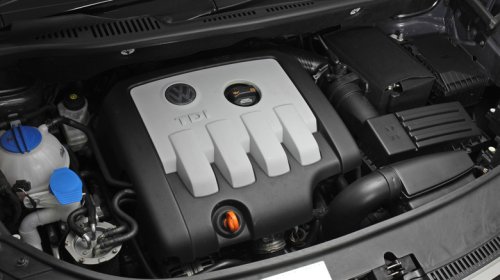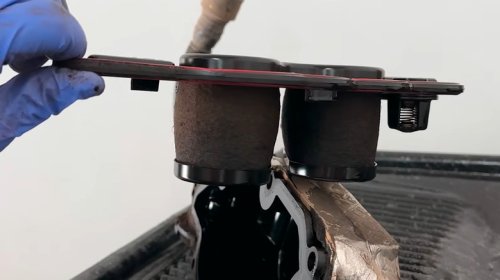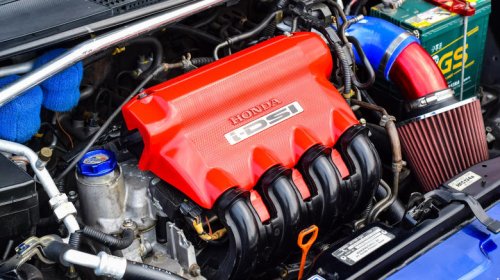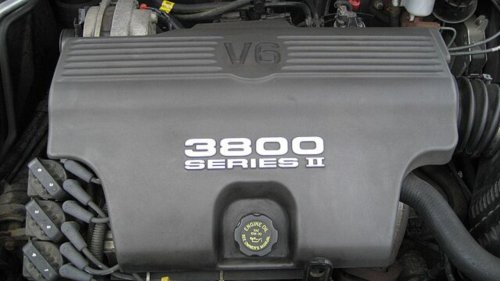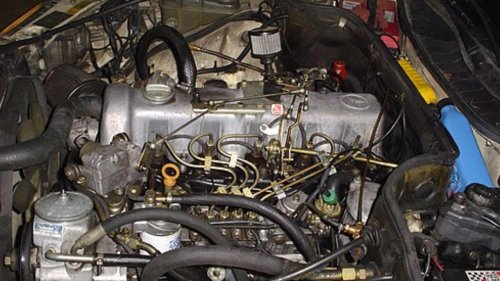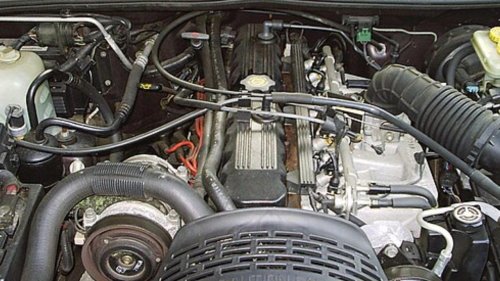





















Matveev Aleksandr/Shutterstock So your mechanic said your balance shaft gear is starting to wear out, and it got you thinking: What even is a balance shaft, and why do I need one? Do I need one? Is that even a real car part, or is someone trying to scam me? Yes, balance shafts are real — not just a snake-oil term made up to sell you on unnecessary repairs — they do sometimes need maintenance on wear parts, and you may well have one. It all depends on the engine you have. Pistons move faster from top dead center to the 90-degree mark on the crankshaft than they do from that mark to bottom dead center. Balance shafts address these vibrations by spinning counterweights in opposite directions at double the engine RPM, so as to cancel out the forces within the engine's cylinders. The count of those cylinders, though, can determine whether a balance shaft is necessary. So, it's all about cylinder count and engine layout. A great explanation of secondary imbalance Alexandru Nika/Shutterstock Basically, the type of engine you have, or the engine layout, will dictate whether or not you've got balance shafts. More than just the vibrations caused at the top and bottom of a piston's movement, vibrations can happen in between. Balance shafts work to mitigate secondary imbalances: The vibrations that are caused as pistons travel the length of their stroke within a cylinder. Those are the kinds of imbalances that would otherwise be sorted out with the right number of cylinders. Some engines are naturally balanced and require no balance shafts for those moments. Inline and flat six-cylinder engines, for example, naturally balance their own secondary forces with piston movement, as does the humble flat four, and the boxer twin — BMW, Subaru, and Porsche seem to be on to something there. If your car has an inline-four or a rocking five-cylinder engine, though, your mechanic may well be telling the truth about that balance shaft gear existing and needing replacement.