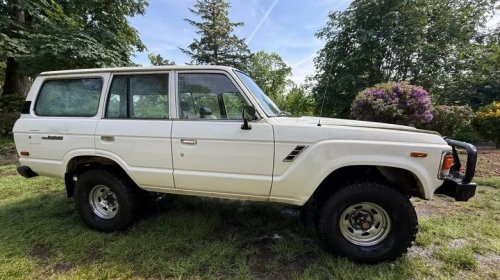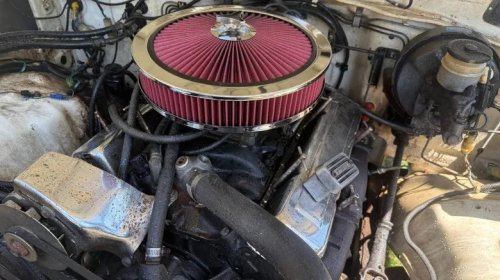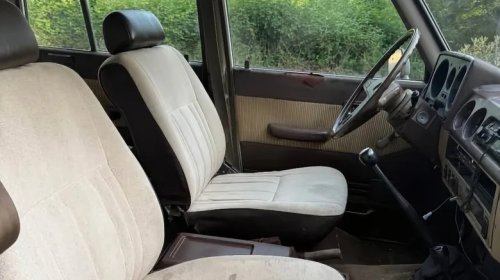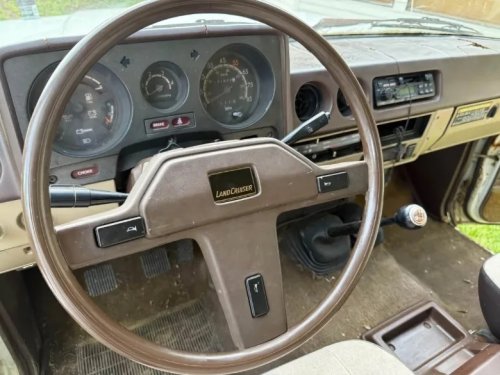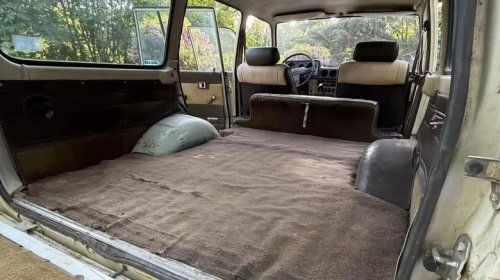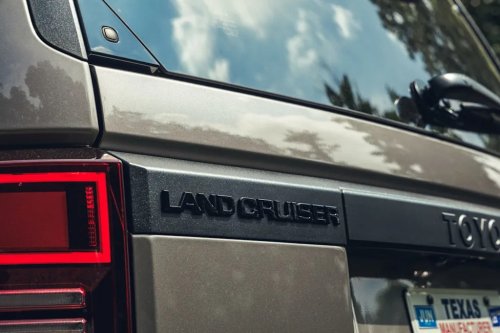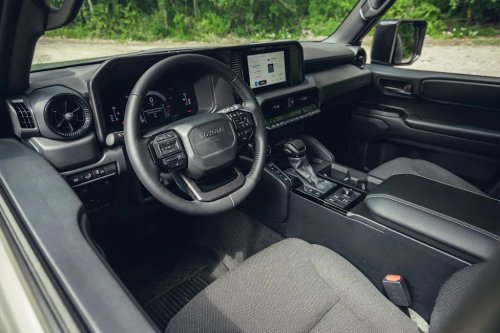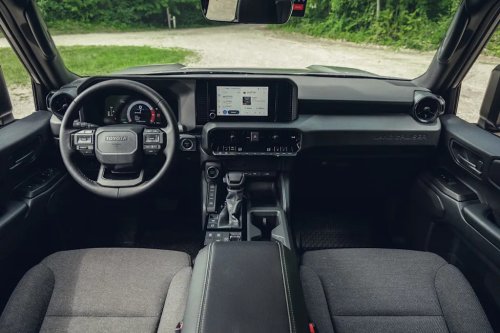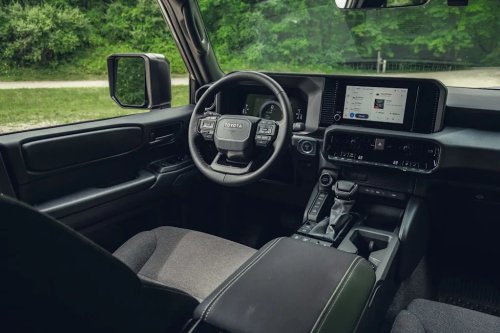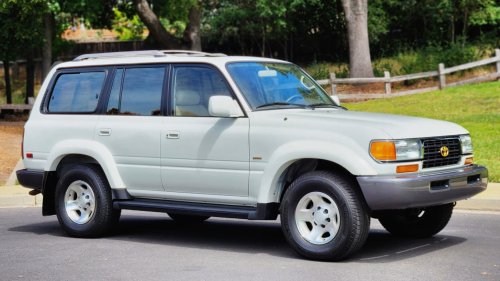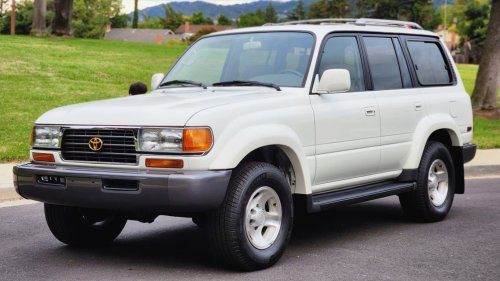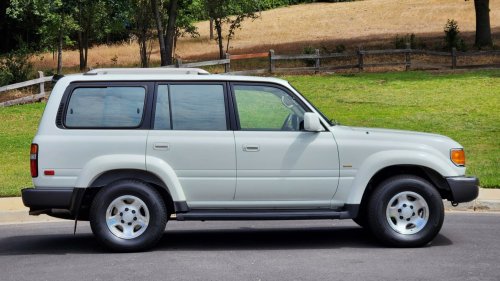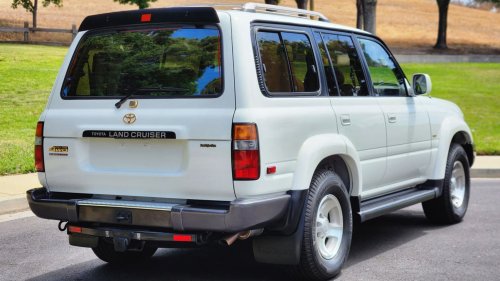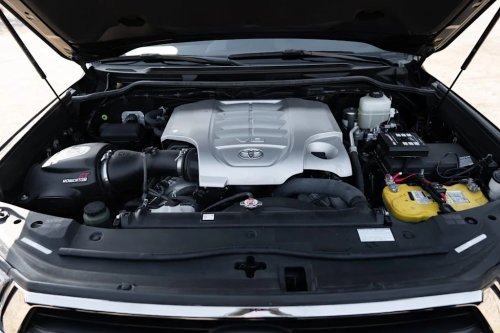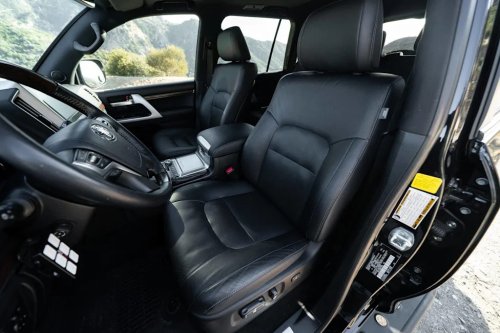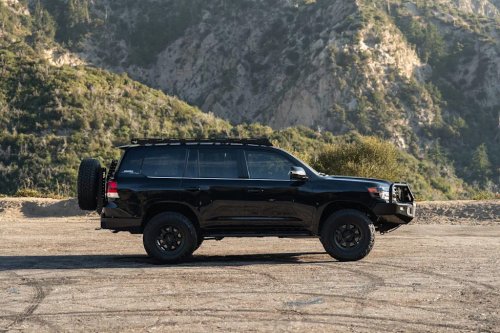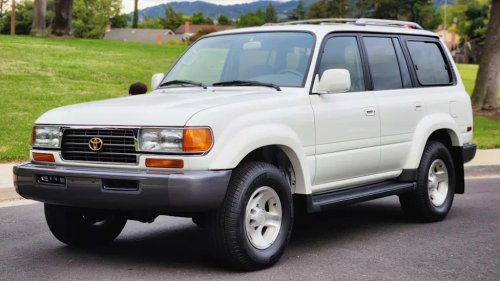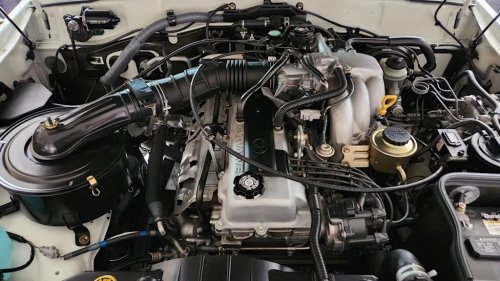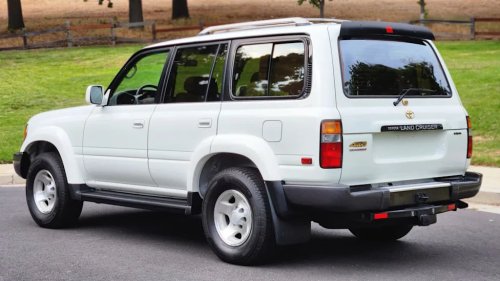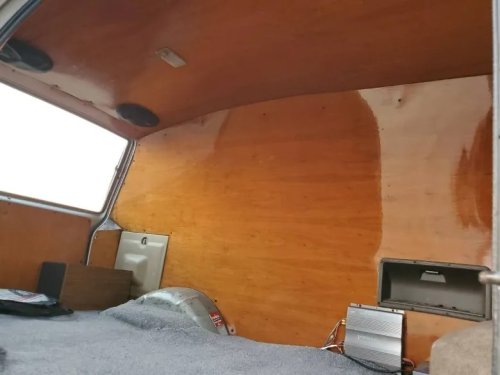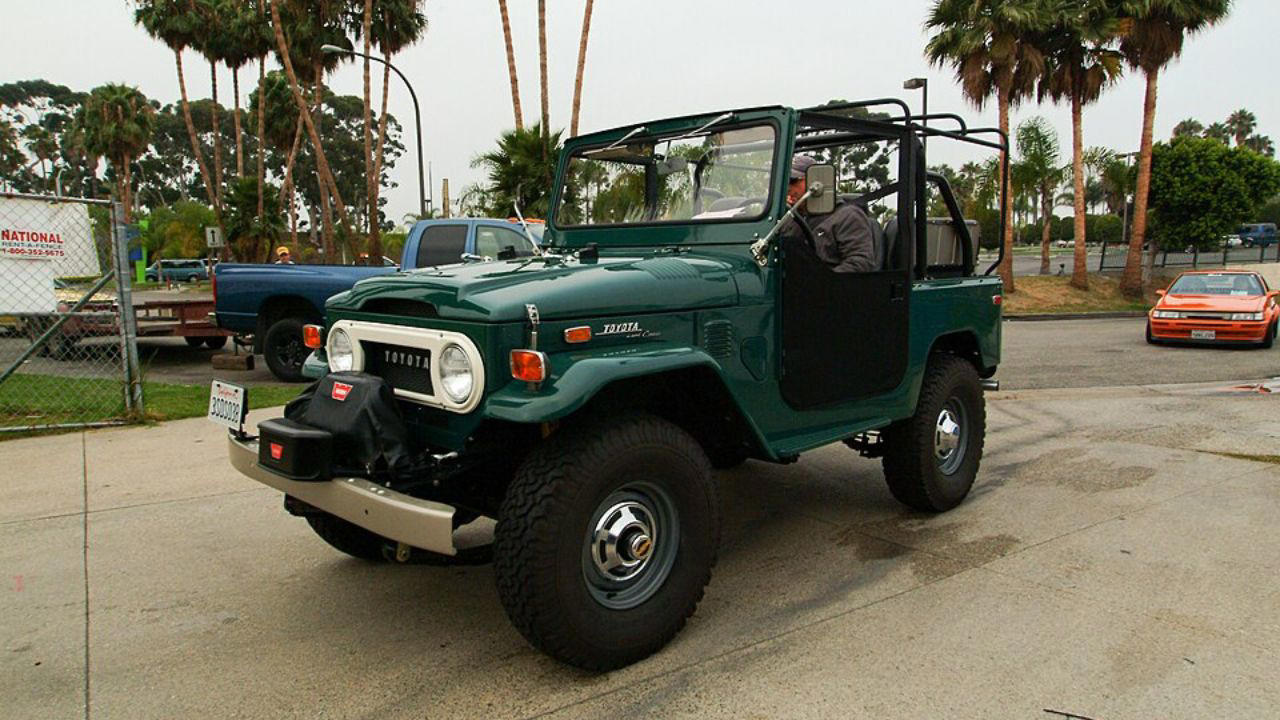



















The 1971 Toyota Land Cruiser FJ40 looks like the definition of simplicity: flat body panels, a boxy cabin, a straight six under a flip-up hood and almost no visible electronics. That clean, utilitarian profile has turned the FJ40 into a global icon and pushed values sharply upward. Yet owners, restorers and mechanics keep repeating the same warning about this classic 4×4: living with one is far more complicated than its bare-bones silhouette suggests. From rust-prone bodies to fussy carburetors and engine rebuilds, the 1971 FJ40 demands a level of commitment that surprises buyers raised on modern SUVs. The payoff can be huge, but only for those who understand what they are getting into before money changes hands. Why the 1971 FJ40 became an icon The FJ40 arrived in the 1960s as part of a lineage that its own history describes as The Ultimate Off Road Original. The Toyota FJ40 Land Cruiser was engineered as a work tool, not a lifestyle accessory, and it remained in production for decades because it could survive conditions that destroyed more delicate trucks. That reputation still drives demand for 1971 examples, which sit right in the heart of the classic short-wheelbase era. Period advertising and later commentary cast the 1971 Toyota Land Cruiser FJ40 as a cheap, bare-bones off roader that farmers and explorers could trust. One enthusiast post that imagines a buyer in 1971 highlights how the 1971 Toyota FJ40 was Known for rugged durability and minimal frills. That mix of toughness and simplicity is exactly what modern collectors romanticize, especially as new SUVs grow heavier and more complex. Mechanically, a stock 1971 truck carried an F-series straight six. Period descriptions of a similar 1971 Toyota FJ40 Land Cruiser call out a 3.9-li gasoline engine Under the hood, a configuration that helped cement the model’s reputation for torque and reliability in low-speed off road use. The same basic formula powered humanitarian convoys, mining operations and remote police fleets, which is why the silhouette is instantly recognizable from South America to the Middle East. The simple look hides complicated age Half a century later, the problem is not the original engineering but the passage of time. One listing that describes a 1971 Toyota Land Cruiser FJ40 points out that the truck is now over 50 years old and that its engine has already been rebuilt with new accessories to keep it usable. The seller notes that, Despite that age, key components such as brakes have been replaced to provide improved braking power and safety, a reminder that even carefully preserved examples need significant mechanical updating. Owners who use their FJ40s as regular transport echo that reality. In a discussion about FJ40 daily drivers, one contributor remarks that Jun is a fine time to enjoy a top-off cruiser, But the key is to have some other ride to fall back on because There are times when an old Land Cruiser simply will not cooperate. That sentiment captures the gap between the truck’s simple appearance and the complex logistics of relying on it every day. The driving experience can surprise new owners as well. A modern review of the FJ40’s Driving Experience and Handling notes that There are plenty of opinions about how it behaves on pavement and that While some drivers love the analog feel, others find the ride harsh and the steering vague by current standards. The same source later highlights Interior Comfort and Vintage Appeal While the cabin has charm, its sparse interior and bare metal walls remind drivers that this is an old work truck, not a modern crossover. Rust and bodywork: the first reality check Anyone considering a 1971 FJ40 quickly discovers that rust is not just a cosmetic issue. A widely shared FJ40 buyers guide warns that the frame, body mounts and rear spring perches are critical inspection points. The guide notes that Because of the stronger design on later models, perch or hanger problems are not as common on post 81 40s and 42s, which makes earlier trucks like a 1971 more vulnerable. Shoppers are even advised to Feel through the holes on the inner frame rails to detect internal corrosion. That level of scrutiny reflects how serious rust damage can be. A Reddit thread bluntly titled “Worth restoring?” opens with a suggestion that a good pressure wash will reveal how bad the tub really is. One commenter argues that if the tub is in bad shape but the rest is fair, Jan is a good time to consider a partial rebuild or even a fiberglass replacement body rather than a full metal restoration. The underlying message is that bodywork costs can easily exceed the purchase price of a rough truck. Professional shops follow a similarly methodical approach. One restoration specialist describes how CCOT runs its FJ40 projects: CCOT explains that its Restoration process begins by disassembling the FJ40 body, removing the hard top, stripping all body attachments and addressing rust in stages. All of this happens before paint or cosmetic upgrades, which shows how much hidden structure needs attention before a Land Cruiser can safely return to the road. Engines that wake up slowly The F-series straight six that powered 1971 trucks has a reputation for durability, but age and neglect introduce new challenges. A technical guide on how to revive an F-series engine explains that Typically the camshaft drives the dizzy-gear to drive the oil pump, which makes correct distributor installation essential for oil pressure and timing. That sort of detail is second nature to veteran mechanics yet completely foreign to buyers whose experience stops at modern plug-in diagnostics. Real-world projects show how involved even basic engine work can become. In a video series on a 72 Toyota FJ40 Land Cruiser, the host spends an entire episode freeing stuck valves in the cylinder head. The segment, posted in Oct, walks viewers through the process as they Follow the step-by-step work that slowly brings this Land Crui back to life. Although the truck in question is a year newer than a 1971, the mechanical issues and repair methods are nearly identical. Cold-start and drivability complaints are also common. A troubleshooting exchange about a 1971 Toyota Land Cruiser that chugs at 2000 rpm advises owners to Remove the air cleaner and verify that the choke opens fully when warm, then Inspect the carburetor for flooding and vacuum leaks. Another discussion on FJ40 carburetor questions suggests that if the engine will not start and idle, Aug is as good a time as any to check for debris in the carb bowl and confirm that the idle circuit is clear. None of these steps are complicated individually, but they demand patience and a willingness to get hands dirty. Carburetors, fuel and the myth of “turnkey” The carbureted fuel system on a 1971 FJ40 is one of the biggest shocks for buyers used to fuel injection. Enthusiasts trading tips in dedicated forums stress that stale fuel, clogged jets and vacuum leaks can turn a seemingly solid truck into a hard-starting, stalling headache. One owner in a Facebook group devoted to FJ40s admits that a truck which looked ready to drive home on a trailer inspection later required a full carburetor rebuild and fuel tank cleaning before it would idle without drama. Those experiences line up with a broader pattern. A separate Land Cruiser community thread about chugging and hesitation points to choke adjustment, float level and ignition timing as intertwined variables. The advice is consistent: anyone expecting a 1971 FJ40 to behave like a modern, fuel-injected SUV will be disappointed unless the entire fuel and ignition system has been carefully refreshed. Restomod temptations and V8 swaps Given those realities, some owners choose to modernize rather than preserve. A feature on a 1971 Toyota Land Cruiser FJ40 V8 describes how Legacy Overland, a specialist shop, replaced the original drivetrain with a more powerful engine. The writer jokes that the team at Legacy Overland was luckily not inspired by Top Gear when they laid their Connecticotian Connecticuter hands on the truck, a nod to the British show’s habit of abusing old 4x4s rather than restoring them. Other builders go even further. In a video series on a BJ40 project, a presenter explains that the J40 family is best known through FJ40 to FJ45 models that often carried the 4.2 litre Toyota 2F or another F series engine. Their own BJ42, however, arrived with a 3.4 litre Toyota 3B diesel that produced about 90 horsepower. Because the goal was regular highway use, the team planned to remove the 3B and install a 3UZFE V8 instead, keeping the truck in the Toyota family while gaining modern performance. Those restomod paths appeal to buyers who want classic looks with contemporary drivability, but they add another layer of complexity. Engine swaps introduce custom wiring, cooling and drivetrain integration issues, and they can reduce appeal for purist collectors who value originality. Inside the cabin: charm and compromise The interior of a 1971 FJ40 might be the clearest example of how simplicity can mislead. A modern review of the Toyota Land Cruiser FJ40 notes that it will always be one of the most recognizable off road vehicles, yet its cabin offers little in the way of sound insulation or soft-touch materials. Another assessment of Interior Comfort and Vintage Appeal While the FJ40 was never focused on a luxury ride, it still attracted drivers who appreciated its sparse interior and bare metal walls, which give it a utilitarian honesty that modern trucks often lack. For some owners, that minimalism is part of the charm. For others, especially those considering daily use, it becomes a source of fatigue. The same Rising Sun 4WD Club discussion that cautions against relying on an FJ40 as a sole vehicle mentions long highway drives, crosswinds and noise as recurring complaints. Those issues rarely appear in glossy auction photos, yet they shape whether a 1971 FJ40 feels like a dream purchase or a regrettable impulse buy. What a full restoration really involves Professional restoration shops are open about how labor intensive these trucks can be. One detailed process guide explains that CCOT begins each FJ40 project by stripping the body, removing the hard top, cataloging every piece of hardware and addressing structural rust before moving to paint or interior work. That same shop lists extensive parts catalogs and ordering systems, including an online form that routes customers through a Cool Cruisers order portal, a sign of how many components must be replaced even on relatively clean trucks. Another enthusiast-focused site walks buyers through common pitfalls and inspection steps, from checking frame straightness to verifying that the VIN plate matches the frame stamping. Newcomers are directed to a dedicated newbie guide that covers Land Cruiser basics and to a technical FAQ that explains differences between engines and drivetrains. Social media accounts such as myfj40 on Twitter and Facebook, which were Discovered through the BUYERS GUIDE Land Cruiser Nation trail, serve as informal archives of build photos and troubleshooting tips. More from Fast Lane Only Unboxing the WWII Jeep in a Crate 15 rare Chevys collectors are quietly buying 10 underrated V8s still worth hunting down Police notice this before you even roll window down The post Thinking about a 1971 Toyota Land Cruiser FJ40 here’s why some say it’s not as simple as it looks appeared first on FAST LANE ONLY.