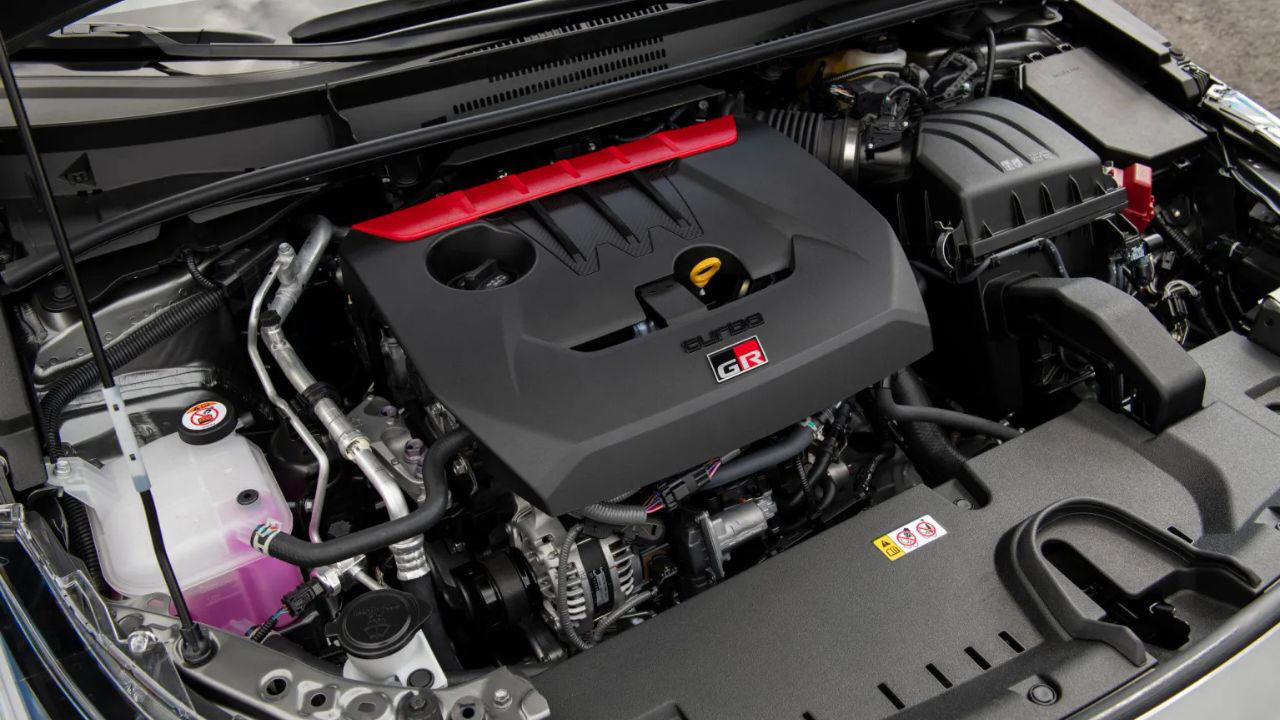



















Turbocharged engines provide more power from smaller displacement, yet many drivers still avoid them in showrooms. For these drivers, the simplicity of a naturally aspirated engine outweighs the marketing appeal of turbocharging and high horsepower. Their resistance is rooted in reliability worries, driving feel, ownership costs, and a preference for mechanical simplicity that has not faded even as turbos spread across the market. From pickup owners planning to keep a truck for 15 years to commuters who just want quiet, predictable power, the skepticism is remarkably consistent. They see turbocharging as a clever engineering solution that still carries trade-offs, especially once the vehicle is out of warranty and deep into real-world use. How turbo engines differ from “normal” powertrains At its core, a turbocharger uses exhaust gases to spin a turbine, compressing intake air so the engine can burn more fuel and generate extra power from a smaller block. That is why a modest four cylinder can rival the output of a larger six, and why modern compact cars can feel surprisingly quick. Technical explainers describe how a turbocharger boost engine by increasing airflow and letting engineers downsize displacement without sacrificing acceleration. By contrast, a naturally aspirated unit relies on atmospheric pressure and piston movement to draw air into the cylinders. That simpler layout appeals to drivers who prioritize predictability over peak numbers. A comparison of a turbocharged engine vs notes that the conventional design is often easier to maintain and can feel more linear in its response, even if it gives up some efficiency on paper. For buyers who value straightforward hardware and a familiar power delivery, that trade can be an easy one to accept. Reliability fears and long term ownership The most persistent objection to turbocharged cars is the belief that they are less durable once the odometer climbs. Insurance guidance on cons of forced induction stresses that turbos add heat, pressure, and complexity, which can mean more frequent maintenance and potentially shorter life if oil changes or cooling systems are neglected. Enthusiast discussions echo that concern, describing turbochargers as one more high-speed rotating assembly that can fail and take the rest of the engine with it if things go wrong. Drivers planning to keep a vehicle for ten years or more frequently express this concern explicitly. In one truck forum, a long term driver explained that he desire reliability and operating costs so he can deploy capital elsewhere, and that concern led him away from a turbo engine. Another discussion of why some shoppers avoid forced induction frames the issue as cost of manufacture, extra moving parts, and the risk that a neglected turbo can become a very expensive repair. For conservative drivers who rarely need the extra power, carrying that risk can feel unnecessary. Driving feel, sound and everyday usability Financial concerns feature prominently in arguments against turbocharged engines, particularly for used vehicles. Insurance explainers on delay describe how turbos need a moment to build boost, which can translate into a noticeable pause between pressing the accelerator and feeling full thrust. That lag is less pronounced in modern designs, yet drivers used to a naturally aspirated V6 or V8 often find the on-off surge of a small boosted motor less satisfying in stop-and-go traffic. Sound and character also shape these preferences. On one question thread, Steven S Jones is described as an author with 214 answers and 263.5K answer views who writes that he does not like the sound of them and that nothing beats the note of a naturally aspirated engine. A Facebook discussion of the 2021 Toyota Harrier 2.0 Luxury, which shifted away from forced induction, reports that many owners demand NA and that not all want turbocharged power. For these buyers, the linear pull, predictable throttle, and familiar soundtrack matter more than the spec sheet. Costs, complexity and the used car question Cost anxiety runs through many of the arguments against turbocharged engines, especially in the used market. One short video on why shoppers should be cautious with boosted motors in second hand vehicles highlights a specific deal where a 2016 model that originally could be bought with less than $100,000 miles was available for $25,000, yet the host still warned viewers about potential long term repair bills. Another clip bluntly titled advice to stop buying turbocharged cars argues that while the devices are a simple idea, they add heat, stress, and maintenance demands that many owners underestimate, a point reinforced when the presenter in Sep walks through common failure points. Everyday drivers echo that concern in forums and comment threads. In one discussion of why some enthusiasts avoid forced induction, a contributor in Nov lists reliability and economy, higher octane fuel needs, and every extra moving part as another chance for trouble. A separate thread on why not every car has a turbo includes a driver who says he would never buy one because he drives gently, so the turbo would rarely engage and he would just carry around the extra hardware, a point captured in the Jun exchange. Even technical comparisons that praise the performance benefits of forced induction concede that a Turbocharged Engine can require more attentive care than a Normal Engine. For some drivers, the added complexity justifies remaining with naturally aspirated engines, even as manufacturers pursue efficiency improvements through turbocharging. More from Fast Lane Only Unboxing the WWII Jeep in a Crate 15 rare Chevys collectors are quietly buying 10 underrated V8s still worth hunting down Police notice this before you even roll window down