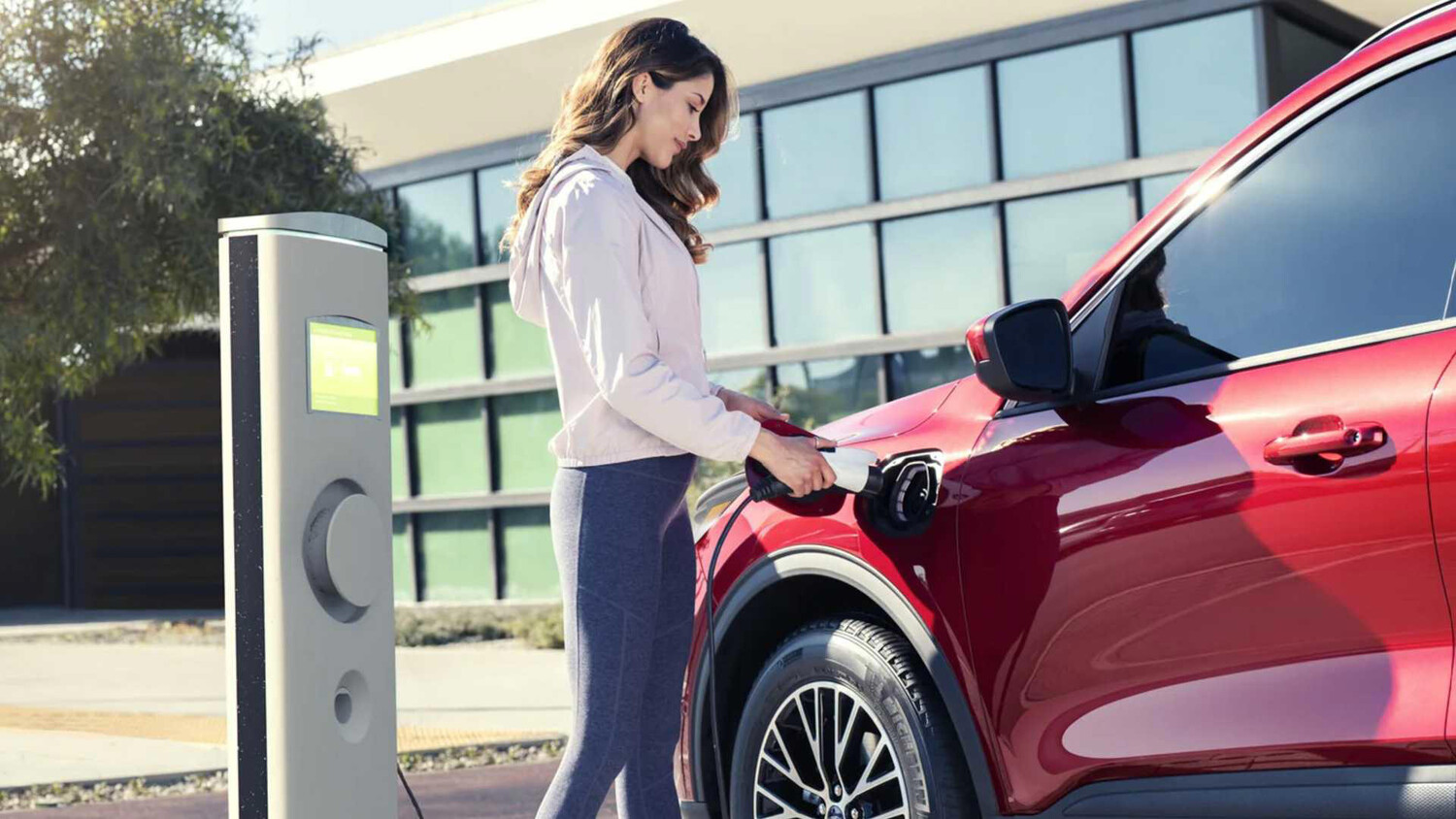
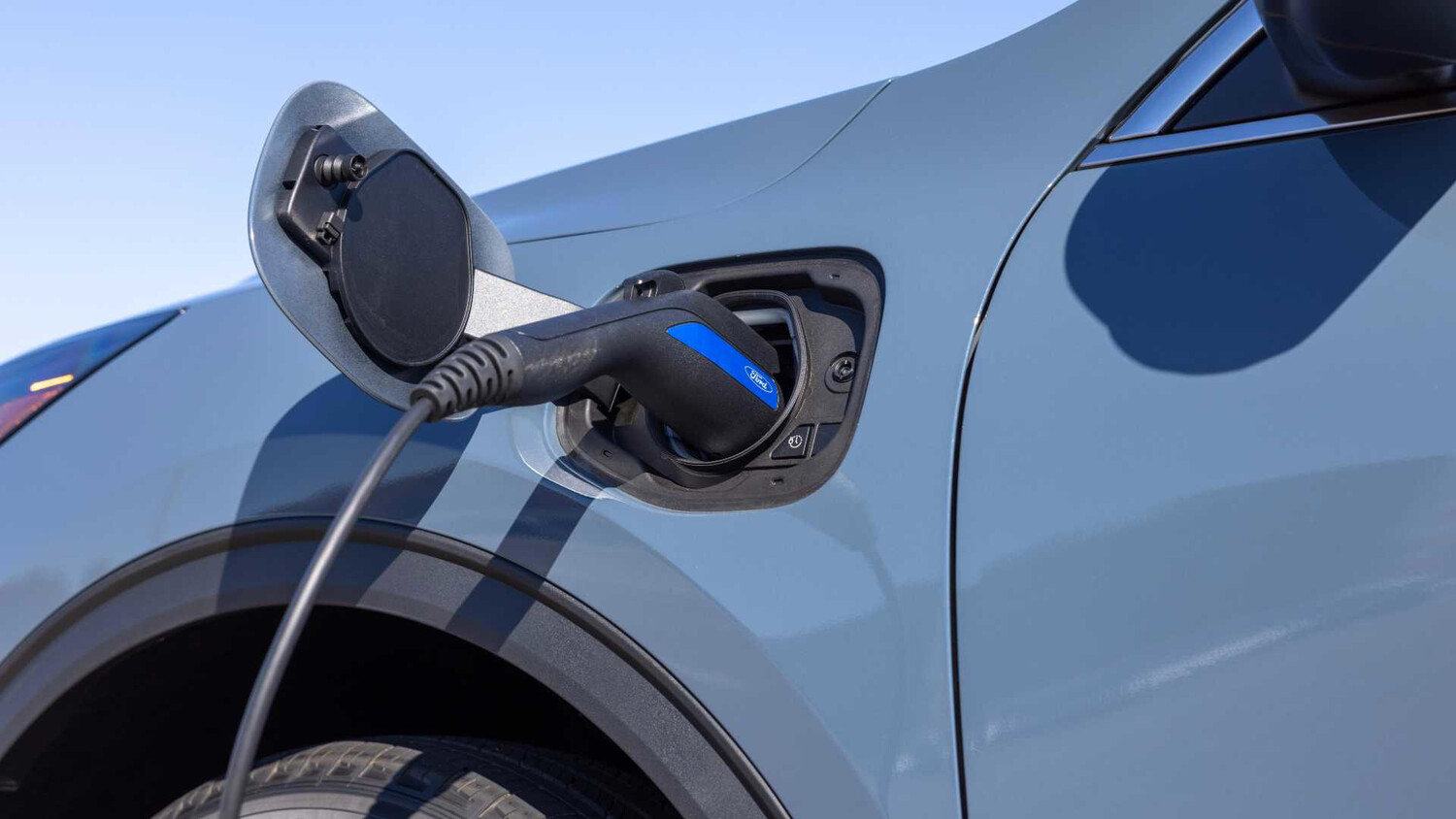
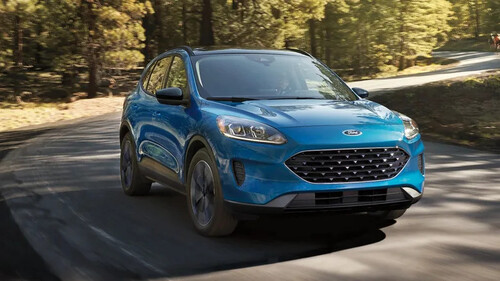
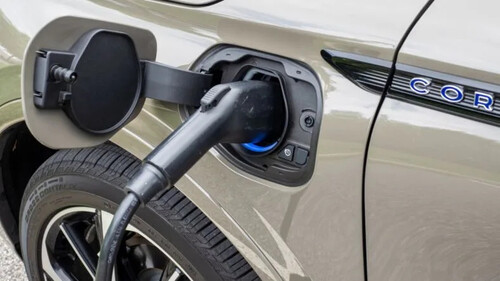
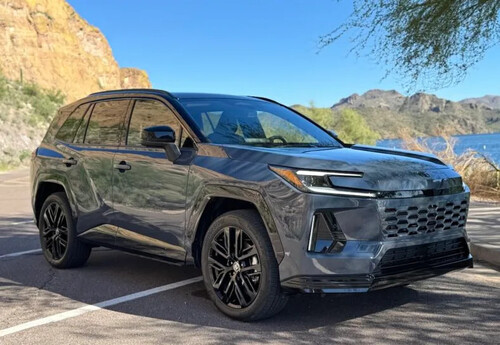
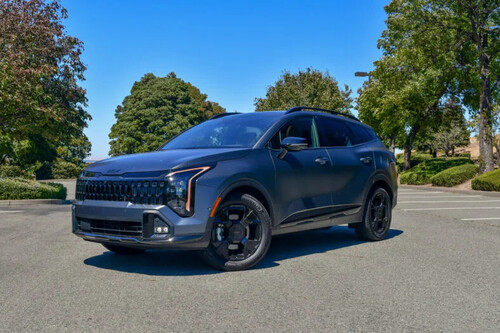
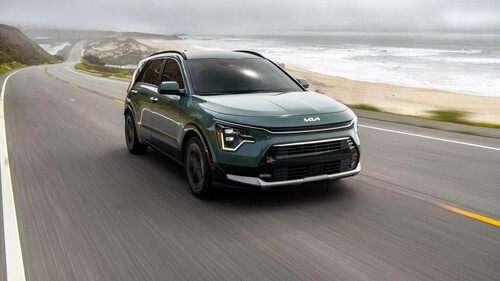
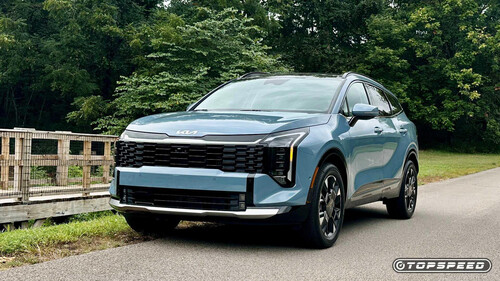
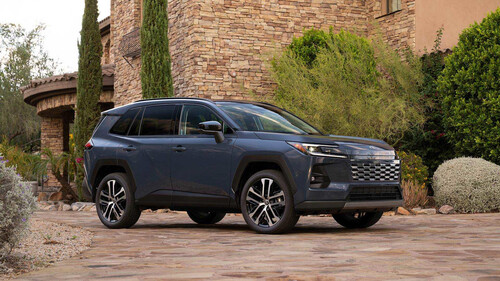
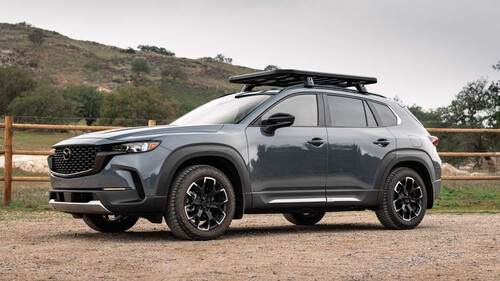
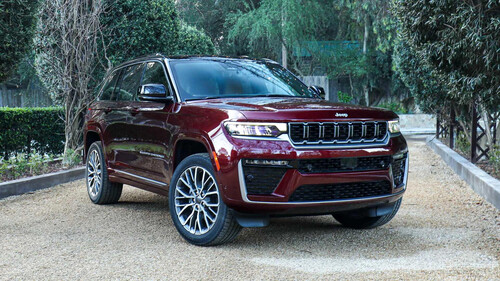
Some drivers prefer the flexibility of gasoline power, others prefer the convenience of an all-electric. Others still have multi-car driveways with various powertrains on hand for various jobs, perhaps running a first-generation Nissan Leaf EV as a daily runabout alongside a Toyota Highlander Hybrid for longer trips where more space, power, and traction are required.Somewhere in between these all-electric and hybrid-propelled options sits the Plug-In Hybrid Electric Vehicle, or PHEV for short. With 37 miles of electric range to cover daily commuting and errands with virtually no gasoline use, a lightly used Ford Escape PHEV is a particularly compelling way to replace an aging compact with a modern fuel-sipper in a single-car situation, or to add an electrified tool to your family's transportation toolkit in a multi-car family.You've got numerous excellent options in the second-hand PHEV SUV space, including the Toyota Rav4 Prime, Mitsubishi Outlander PHEV, and Hyundai Tucson PHEV. Read on for a look at how the Ford Escape PHEV stacks up, what you'll pay for a lightly used copy today, and how much you could save versus a nearly-identical, brand-new 2026 model year unit. Ford's Only PHEV In The USA FordIf you're looking for something in a second-hand electrified SUV, there are a few directions you can go. A hybrid saves gas on its own, has no plug, recharges its own battery, and requires nothing extra of its driver. A full EV runs only on electricity, and you can recharge it in your driveway or parking space, as well as at charging stations along popular travel routes. Total range in an EV is a limiting factor for some drivers, who prefer to have gas power on board for those longer trips. A middle ground for some is the Plug-In Hybrid (PHEV), which provides the gas-free experience of a full EV on your shorter trips, with full gas-hybrid backup on standby for your longer ones.Currently, the Ford Escape carries the torch as the sole PHEV-powered model in Ford's US lineup. Though the automaker sells various PHEV-powered models in other global markets, Ford has focused more on all-electric offerings like the F-150 Lighting and Mustang Mach-E in recent years, offering customers a PHEV-powered option only in their long-running compact SUV. This earns the Escape PHEV a special place in the model range, where it's likely to be its shopper's first experience with a plug-in powered model.Popular SUVs With PHEV Power Toyota Rav4 Prime Hyundai Tucson PHEV Kia Sportage PHEV Mitsubishi Outlander PHEV Dodge Hornet R/T Lincoln Corsair Grand Touring Mazda CX-70 PHEV Kia Niro PHEV Jeep Grand Cherokee 4xe Ford Value-conscious buyers tend to gravitate towards the Escape PHEV, which is often recognized for its efficiency and ergonomics, as well as a strong tech suite. The 2025 Escape snagged the highest rating among compact SUVs in the JD Power 2025 US Initial Quality Study (IQS), referencing the lowest number of owner-reported complaints during the first 90 days of ownership within the segment.Still, it's not for everyone: both the regular Ford Escape and non-plug-in Ford Escape Hybrid offer AWD, while the PHEV is the sole Escape variation that comes only in front-wheel drive. Most competitors offer four-wheel traction, extending appeal to shoppers active in northern climates and winter driving conditions. Still, the front-drive-only configuration helps keep prices down, and also limits the demand behind the Escape PHEV as a used buy: two things that can help second-hand shoppers save quite a few bucks if they know where to look. Up To Speed On The Ford Escape PHEV FordIn 2001, the Ford Escape was first launched as a boxy, rugged‑looking compact SUV that borrowed design cues from Ford’s truck lineup and quickly became a bestseller. For context, the Toyota Rav4 debuted in 1996 as one of the earliest car‑based SUVs, and the Honda CR‑V followed in 1997. In this way, the Ford Escape was one of the early American pioneers of the compact SUV category.In 2005, Ford introduced the Escape Hybrid as the first-ever hybrid SUV sold in the United States – a bold move. Its hybrid system is primitive by today’s standards, though groundbreaking at the time. The Escape Hybrid helped establish Ford as an early leader in electrified crossovers, making a blip on the mental radar of shoppers looking for fuel-saving solutions. Meanwhile, competitors were evolving too: the CR‑V entered its second generation in 2002 and its third in 2007, each time improving refinement and efficiency, while the Rav4’s 2006 redesign introduced a V6 engine that briefly made it one of the quickest compact SUVs on the market.Ford Escape Plug-In Hybrid EV ModesFordAuto EV: The default mode where the vehicle's computer optimizes the use of the gas engine and electric motor based on load and speed. EV Now: Forces the vehicle into all-electric operation until the battery is depleted, uses the 37-mile EV range "now". EV Later: Switches to the gasoline engine to save the current battery charge for later use, using the 37-mile EV range "later". EV Charge: Uses the gasoline engine as a generator to recharge the battery while driving, allowing for electric miles to be added while you drive, at the cost of heavier fuel consumption. FordWhen the third‑generation Escape arrived for 2013, Ford dropped hybrid powertrains from the lineup entirely, focusing instead on a new breed of EcoBoost engines that used turbocharging to enhance efficiency and power. It'd be another generation before electrification returned to the Escape lineup, when Ford launched the fourth‑generation machine with traditional gas power as well as a hybrid engine in 2020, followed by the PHEV model shortly after in 2021.The Ford Escape was now back into the electrified space after nearly a decade away, during which numerous competitors filled the gap left by the Escape Hybrid's departure. These included the Rav4 Hybrid (launched in 2016), Kia Niro Hybrid (2017), and Mitsubishi Outlander PHEV (2018). Making Your Decision FordToday's shopper has more efficient and affordable options than ever, spanning just about any type of powertrain they'd like. The most fuel-efficient sedan in the USA is a hybrid-powered Hyundai Elantra that costs $24,450. If you prefer things a little simpler under the hood, a base Honda Civic is home to the most fuel-efficient ICE engine in production today.Looking for something fully electric? There's no shortage of highly depreciated options on the used market today, with most of their factory warranty remaining, including the Nissan Ariya and Mercedes EQE. The point is, a second-hand Escape PHEV is one of a multitude of options available to move you and yours around with minimal running costs.Is the PHEV right for you? Remember, this one comes front-drive only. If you're an AWD fan, this means you'll need to look elsewhere. If two driven wheels are sufficient, test-driving shoppers will likely find the Escape PHEV to deliver a surprisingly refined, quiet, and responsive experience from the powertrain.Consider where and how you'll drive, as well. The Escape PHEV's all-electric range of 37 miles (at room temperature) should be sufficient to get most families off gasoline usage for daily commutes and errands. If you're able to charge at work or while you shop, you could easily double or triple that daily all-electric range figure, though plugging in an Escape PHEV is never mandatory. As long as you've got gas in the tank, you're ready to roll.The front-drive configuration helps the Escape PHEV turn in the lowest EPA fuel economy figures on your page, though the Toyota Rav4 Prime delivers five more miles of EV range, 92 more horsepower, and 100 percent more driven wheels for an extra 50 bucks worth of gas annually.In 2026, you'll pay $35,400 for starters for a 2026 Ford Escape PHEV, plus an additional $1,495 for destination. Though safety, styling, and infotainment systems were tweaked and enhanced in 2023, much of the buzz around the Escape's more recent updates was caused by the sporty ST-Line model, not the PHEV. The latter was mostly a "launch-it-and-leave-it" affair with few changes of major significance throughout its run. Put another way, there's little separating that brand new $34,000 unit from a lightly used second-hand model for much less money.Ford A cheap used Escape PHEV can be had from about $16,500, typically with 70,000 to 100,000 miles on the odometer. These represent about the highest-mileage units you'll likely encounter. On the other end of the spectrum, look for sub-8,000-mile units from the $30,000 mark, no delivery fees required.If you're on a tighter budget, $25,000 should get you into a second-hand unit with an odometer reading averaging about 15,000 miles. That's a savings of about $10,000 versus new, with 85 percent of the hybrid warranty remaining. To save about $15,000 versus a nearly-identical brand-new model, shop around the $20,000 mark for a 2021 or 2022 model year unit with 40,000 to 60,000 miles on the odometer.Ford Just be careful of outstanding recall work, including a recall that is intended to fix a potential fire risk. Recalls can affect all, some or virtually none of a vehicle's production, and to determine which (if any) recall work is outstanding on the specific Escape PHEV you're considering, you'll want to talk to your local dealer or use the online Ford recall lookup tool.If the Escape PHEV you're considering has been regularly dealer-serviced, it's likely that recall work has already been performed. For reference, powertrain warranty coverage is five years or 60,000 miles, with hybrid/electric components covered for eight years or 100,000 miles. You can check out the full 2022 model year Ford warranty guide here.