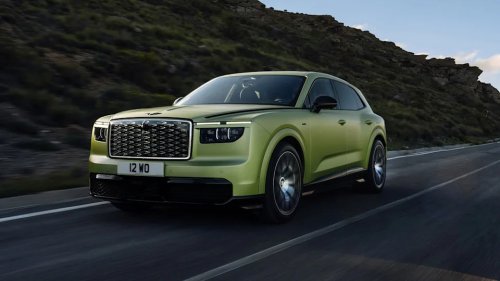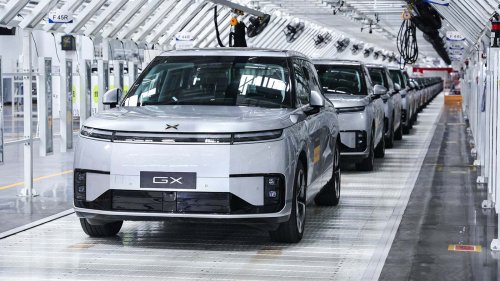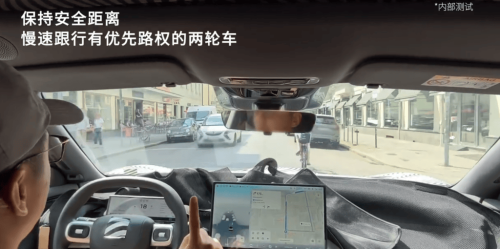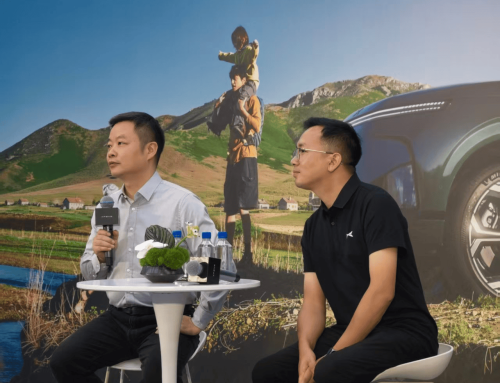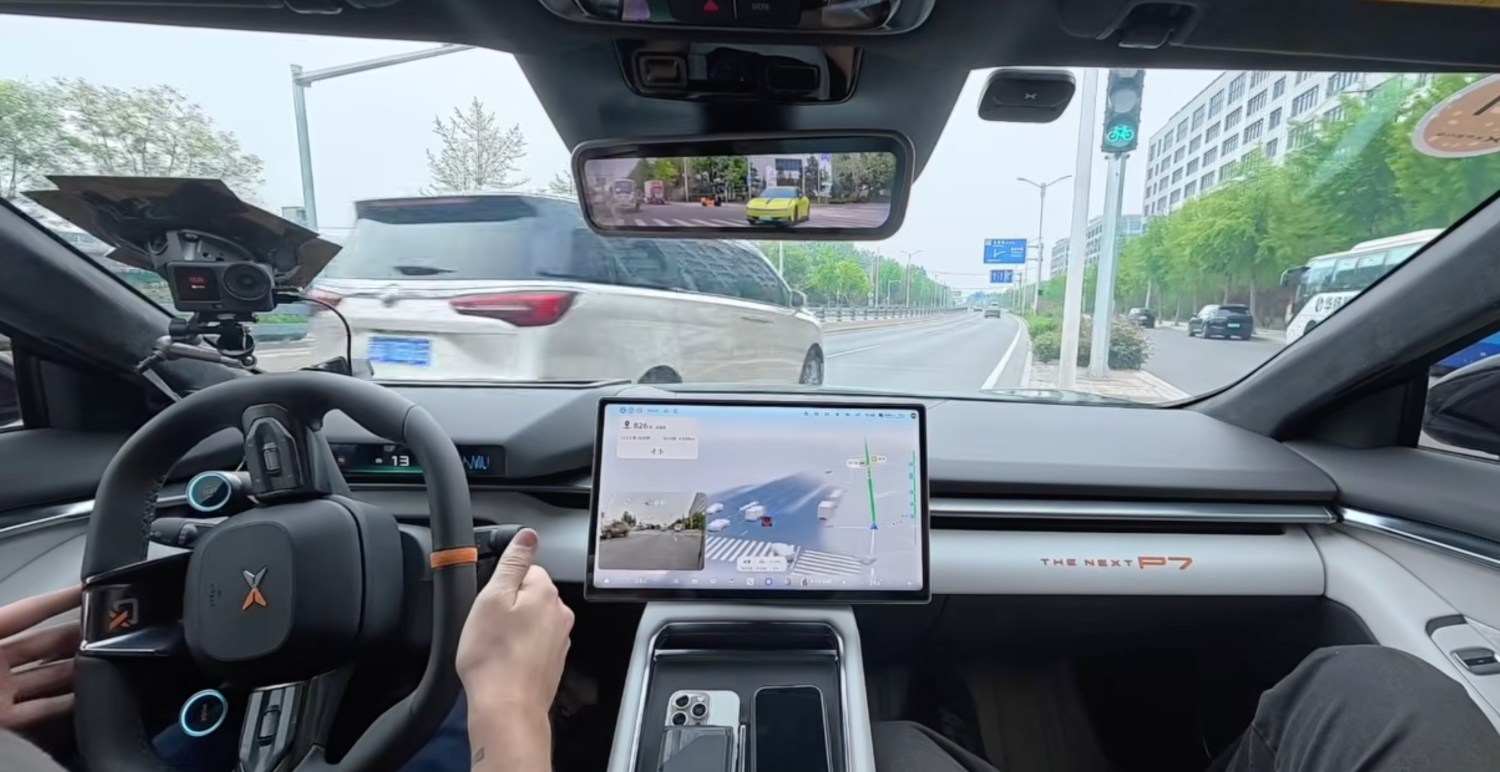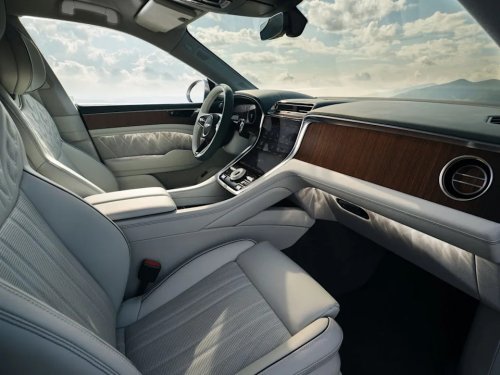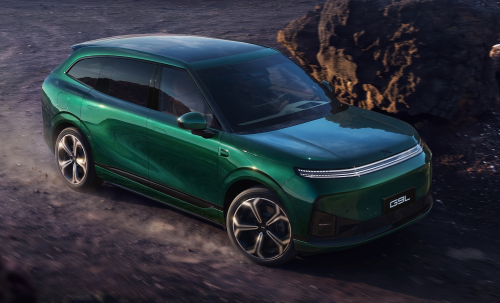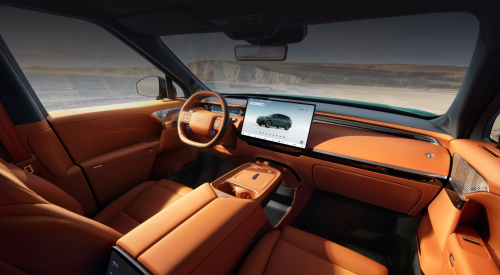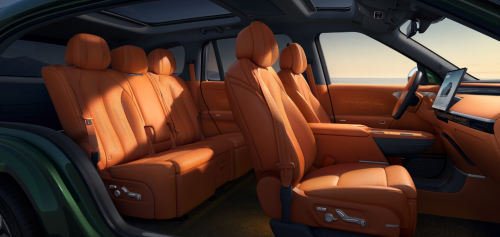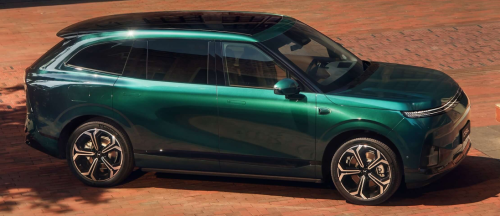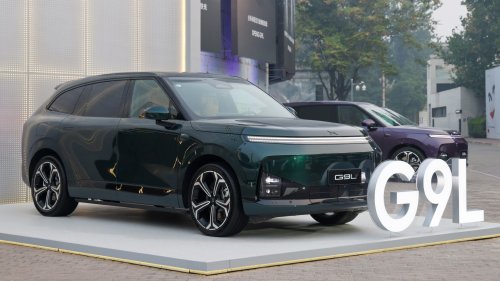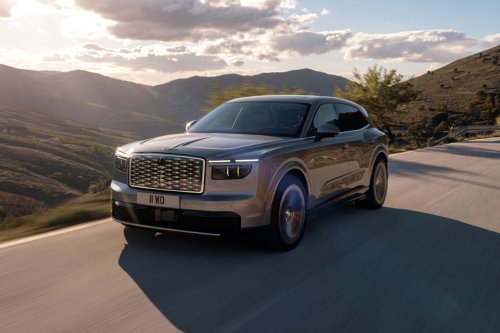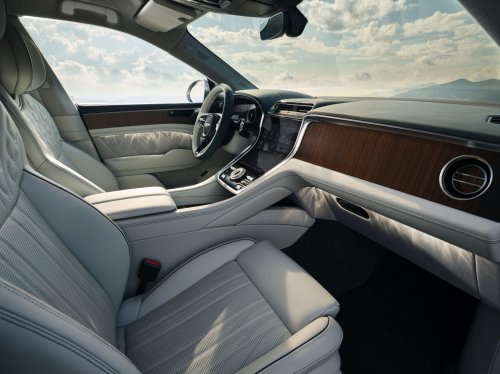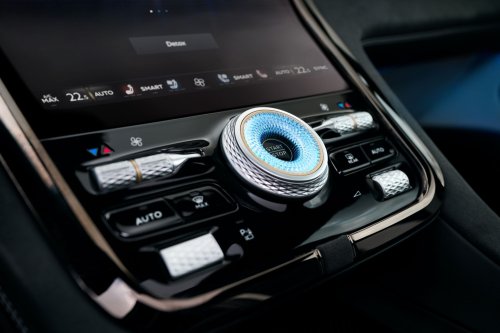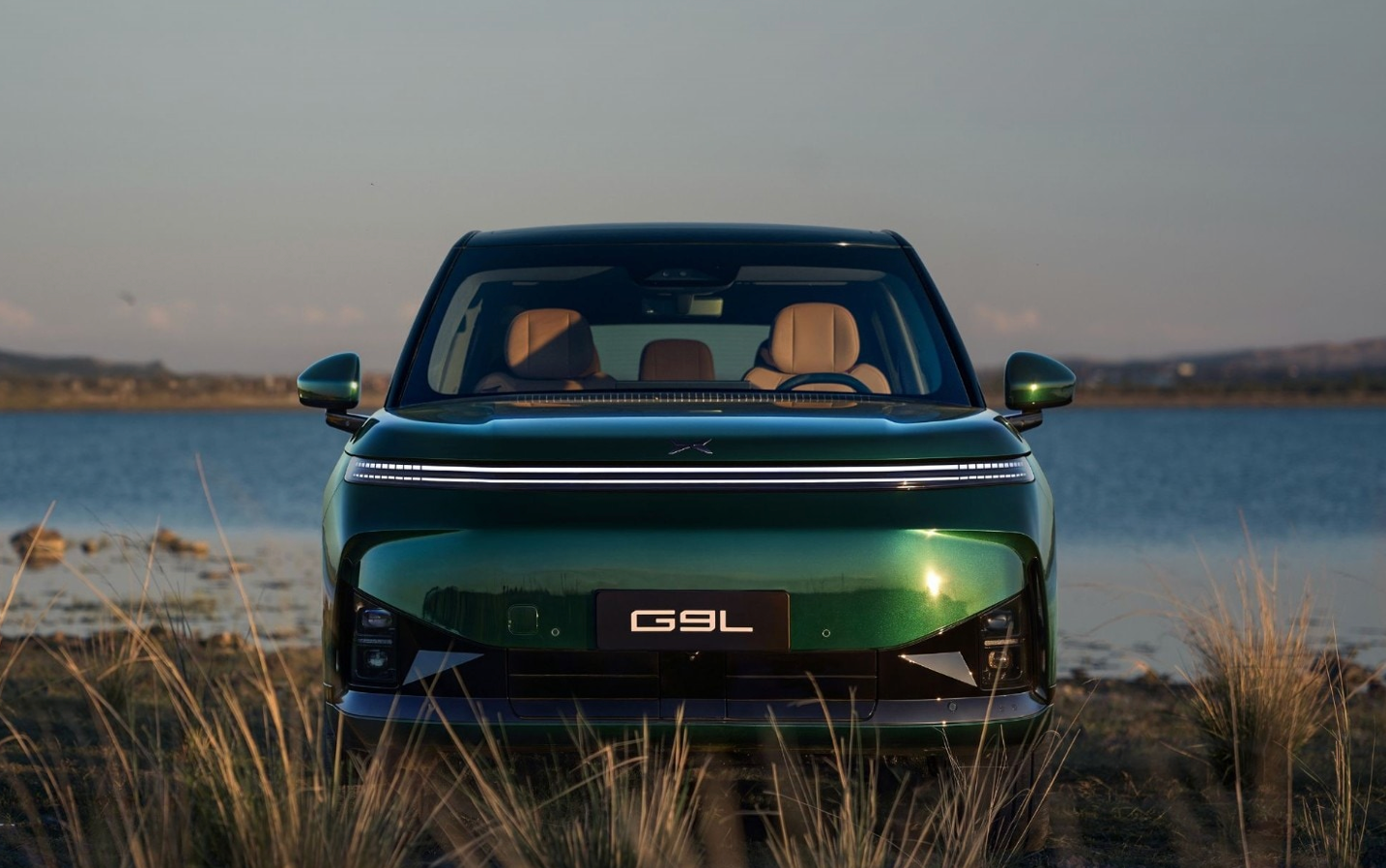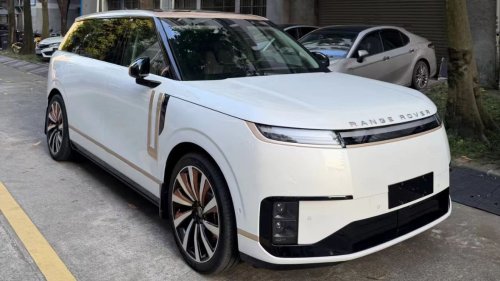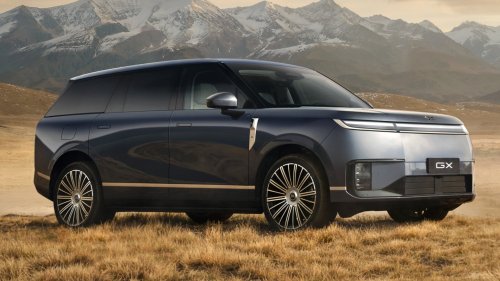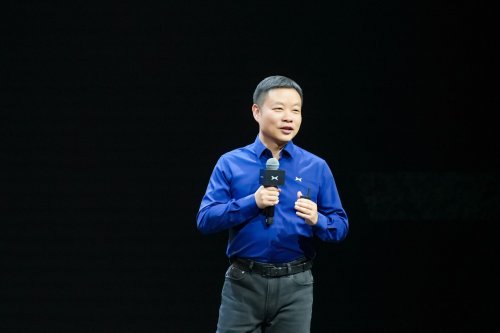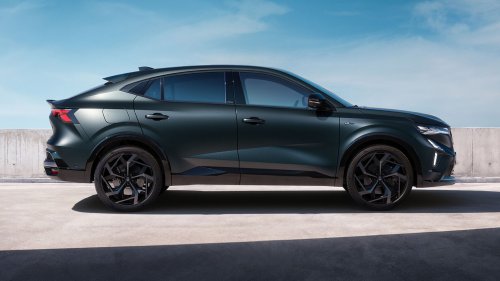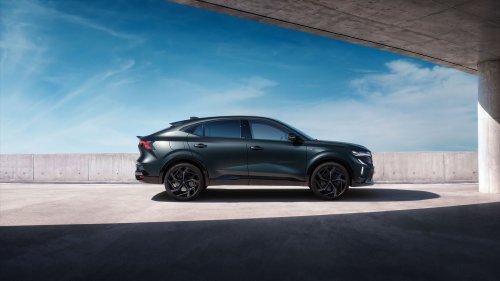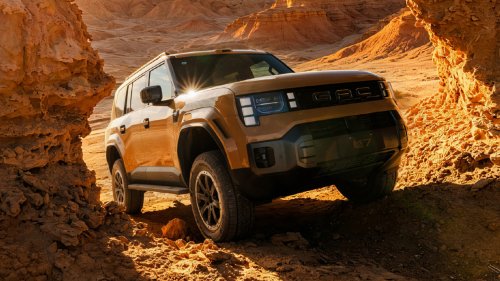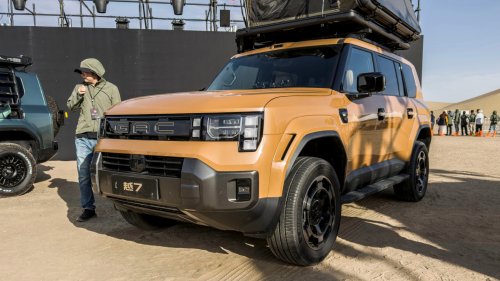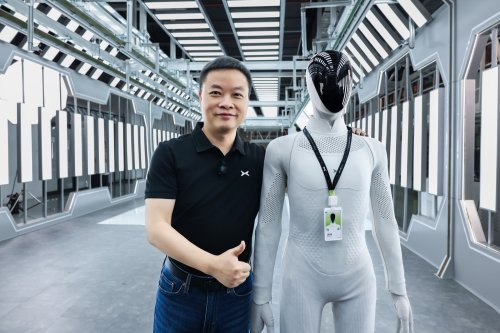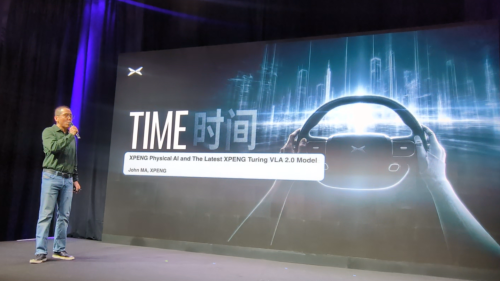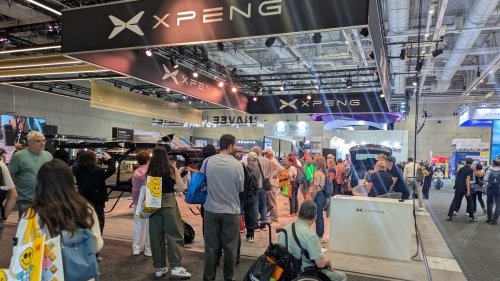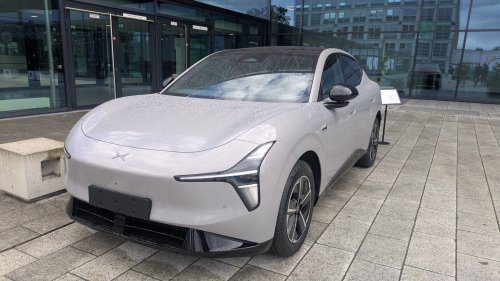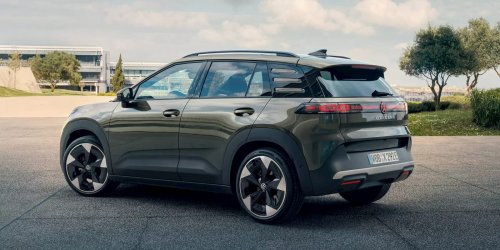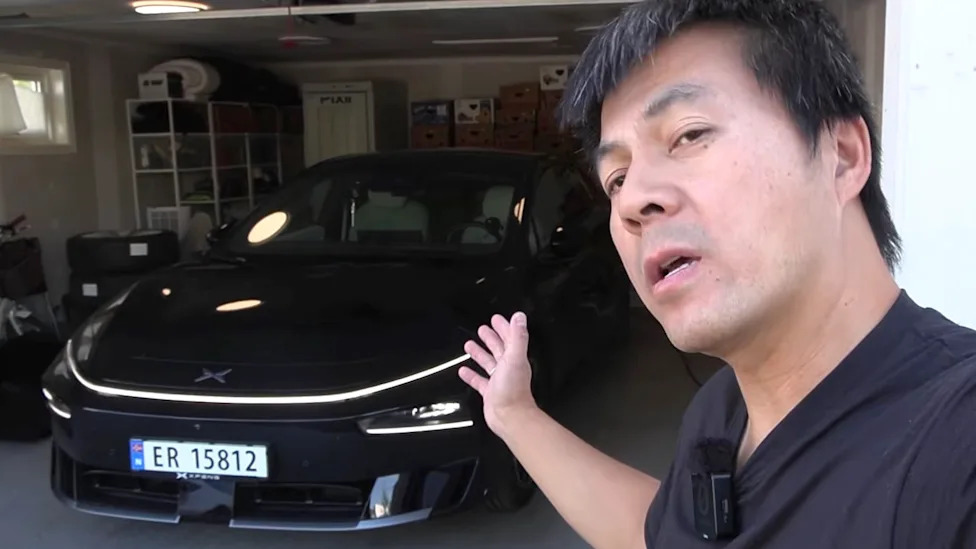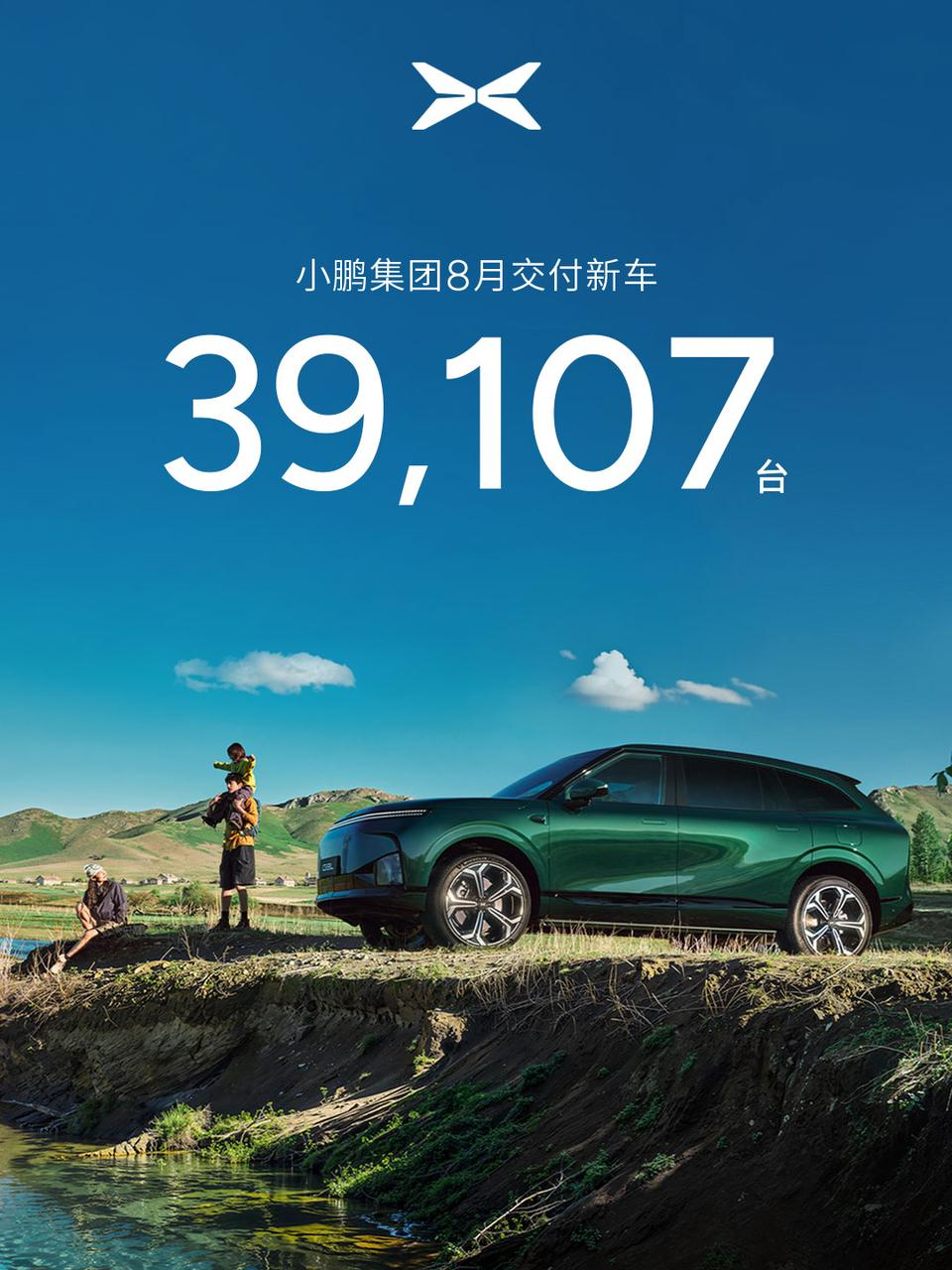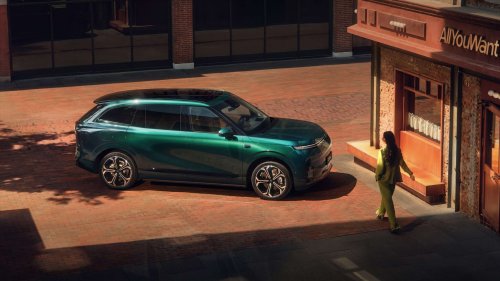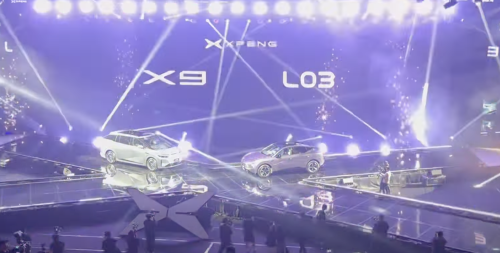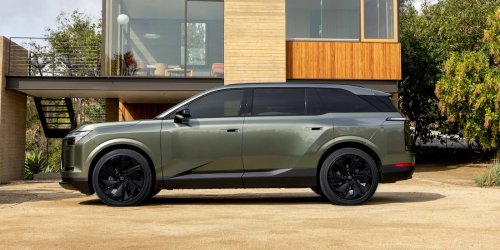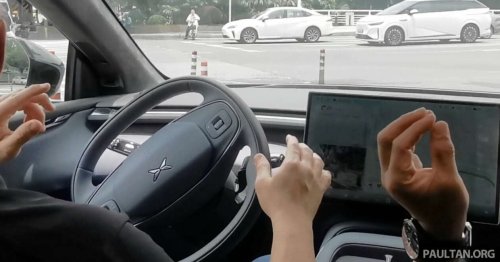
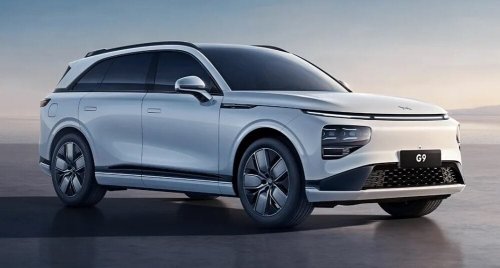
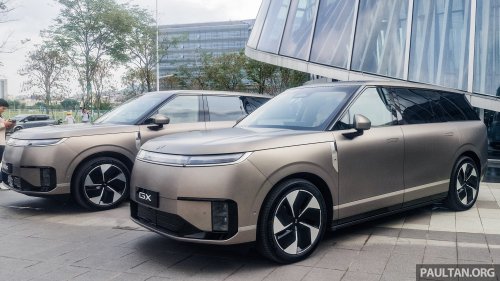

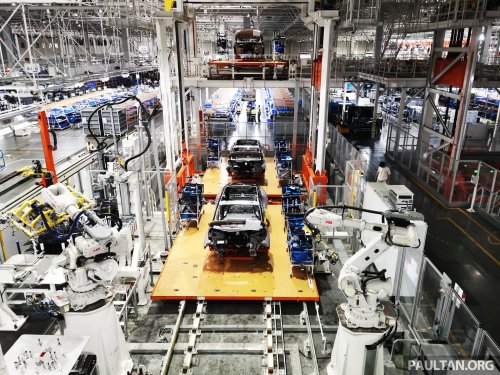
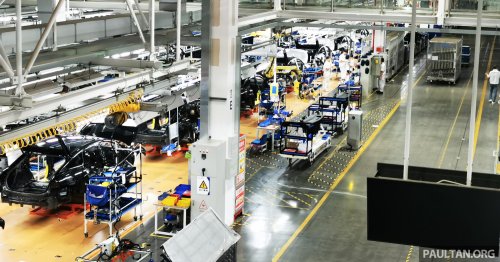
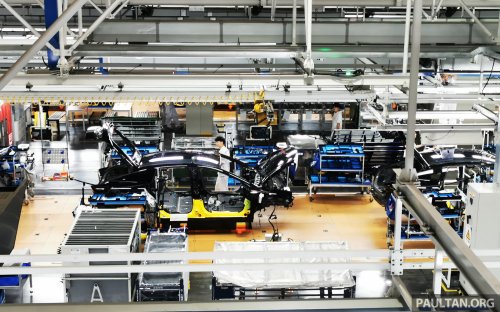
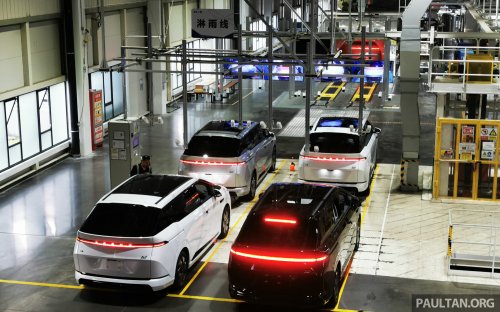
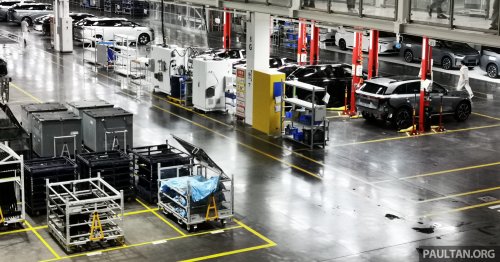
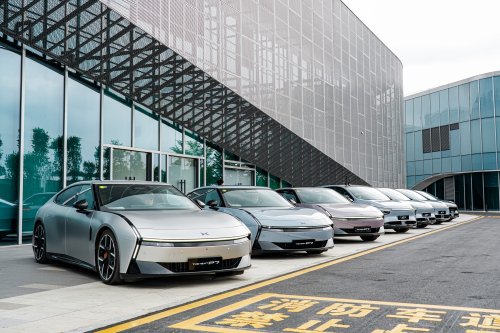
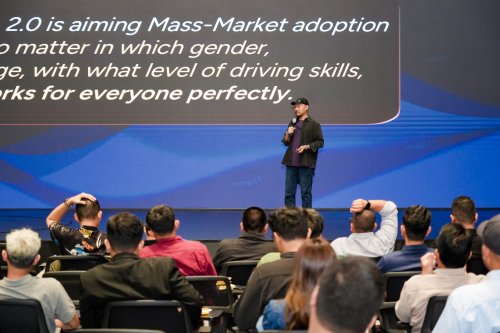
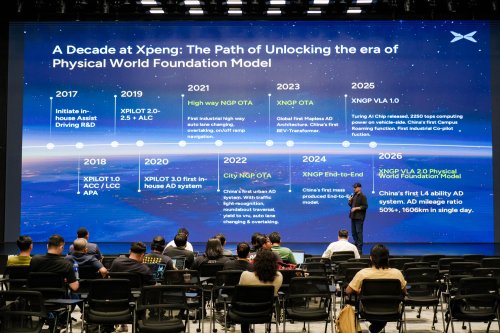
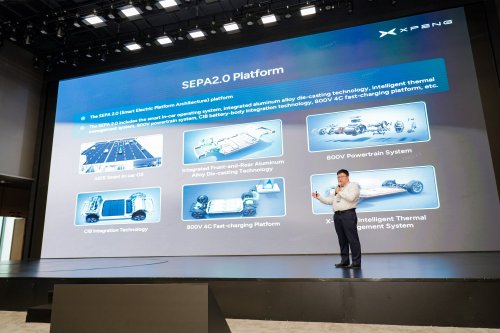
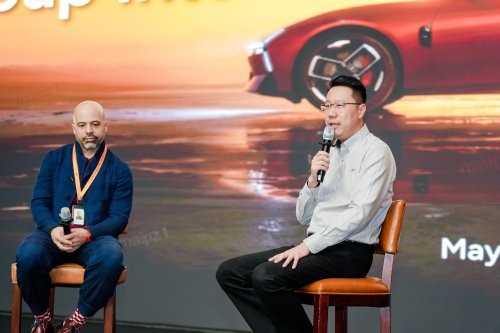



















Xpeng vice president of finance James Wu has stated that the brand aims to bring its self-driving software to Malaysia within two years, in addition to stating that its local assembly plans for the Malaysian market will commence in the second half of this year. This follows an earlier update in January this year by Bermaz regarding local assembly (CKD) plans for the brand. The manufacturer aims to introduce its own self-driving system to Malaysia within two years through its Vision Language Action (VLA 2.0) artificial intelligence software update, subject to regulatory approval. Dubbed XNGP (Xpeng Navigation Guided Pilot), this does not require local on-road AI training data, and can be deployed to its vehicles as soon as the vehicles are on-road, claimed the manufacturer. This is likely to be part of two “significant OTA updates” which are to be rolled out this year, meanwhile, the manufacturer’s wider product strategy for right-hand-drive markets will include one compact, one mid-sized and one large SUV this year, said Wu; the latter has been indicated to be coming to Malaysia later this year. L: Xpeng G9, R: Xpeng GX in China In addition, Xpeng plans to begin testing of its robotaxi in China this year, while it is also “actively working on” development work for its semi-autonomous driving systems equivalent to Level 2.5 in Europe, Wu said. The manufacturer’s vice president believes the firm is “close to fully autonomous driving”, and Xpeng is around 12 months from achieving fully autonomous driving capability, though regulatory hurdles are another matter, according to Wu. For CKD operations, this will be done with a focus on the localisation of the supply chain for electric vehicle (EV) parts, such as for batteries and advanced driving assistance systems (ADAS), Wu said. Localisation for Xpeng will be through EP Manufacturing Berhad (EPMB), the Melaka-based outfit that will carry out contract manufacturing of the Xpeng G6 and X9 in Malaysia. Xpeng vice president of finance, James Wu (left) Efforts towards the local assembly of Xpeng models are focused on the localisation of the EV supply chain, such as for battery and advanced driving assistance systems components. However, this presents a challenge that is more applicable to manufacturers of electric vehicles than for manufacturers of internal combustion-engined vehicles. According to Wu, there are “virtually no suppliers” of battery and ADAS components in Malaysia, which both consist of a significant proportion of the parts that go into making an Xpeng model. As electric vehicles typically are made from fewer components relative to an ICE-powered vehicle, that makes it more difficult to attain a target percentage of parts which can be localised in Malaysia. That presents a complex hurdle for Xpeng to overcome, though beyond local assembly challenges, Wu said that Xpeng is also committed to introducing autonomous driving to the mainstream, including its aforementioned plan for introducing its self-driving software to the Malaysian market within two years. Looking to sell your car? Sell it with Carro. Use the promo code 'PAULTAN' when you checkout for 10% discount!