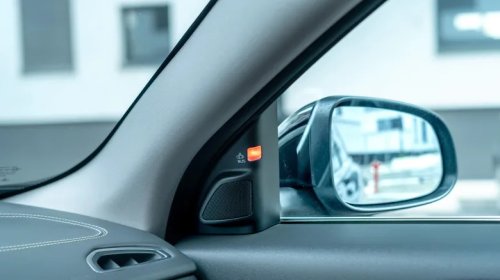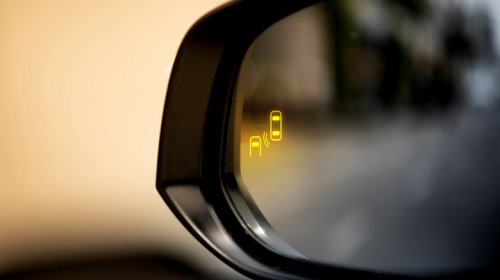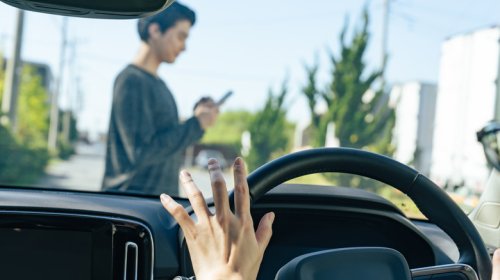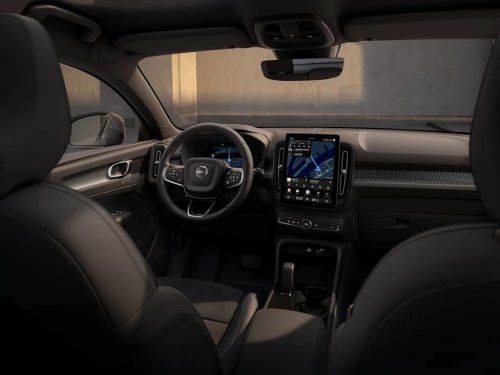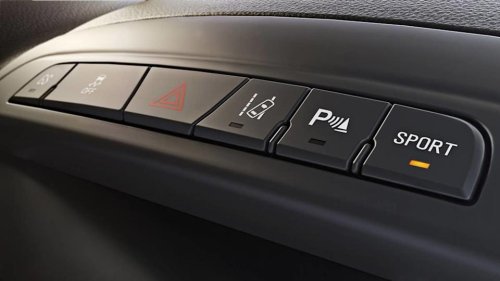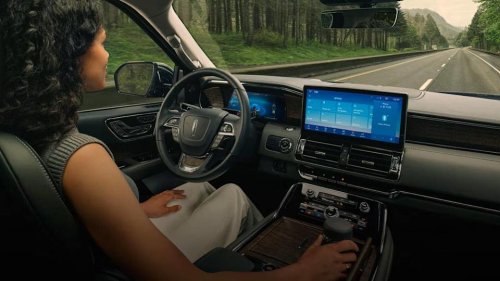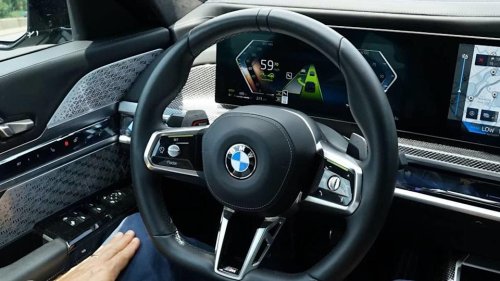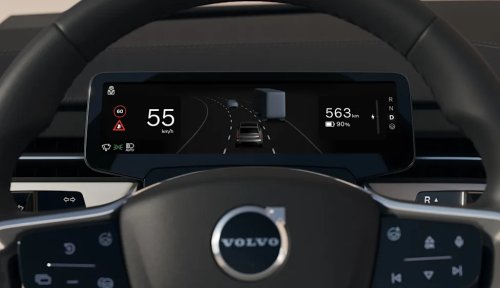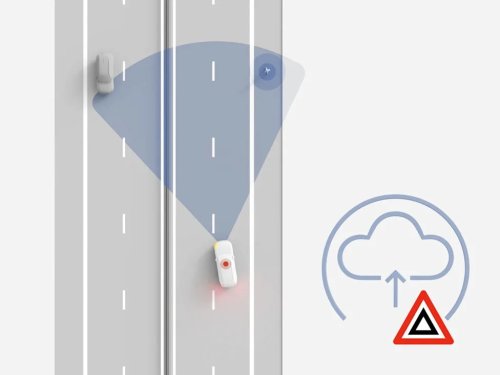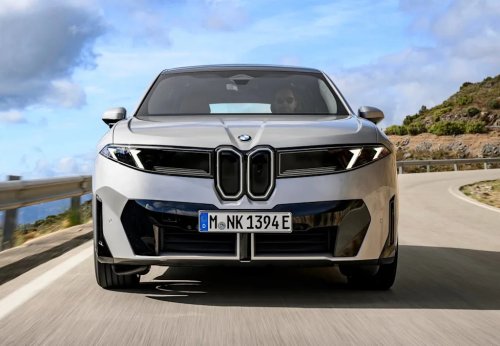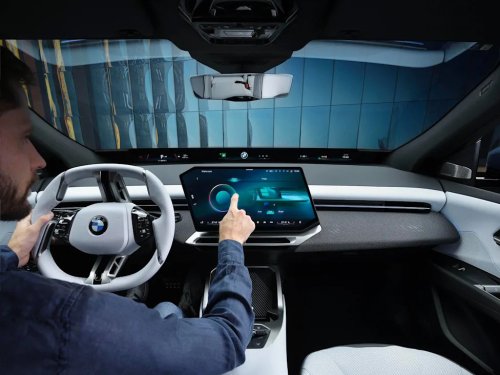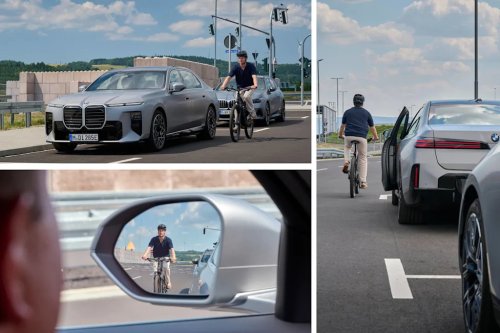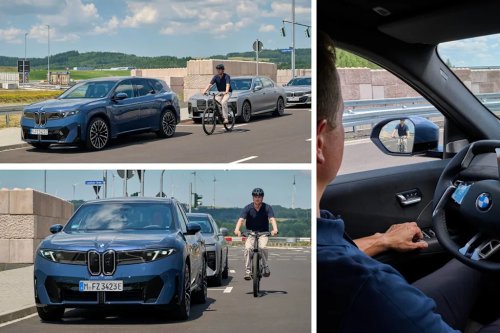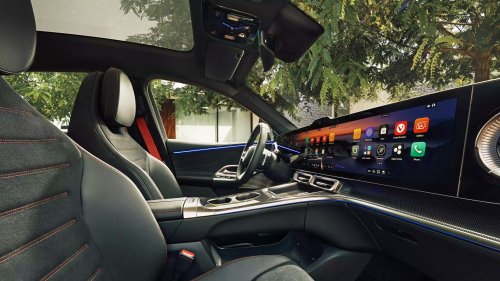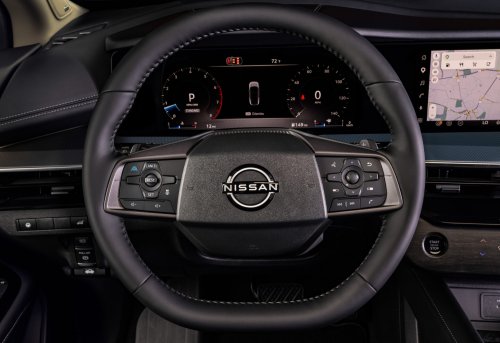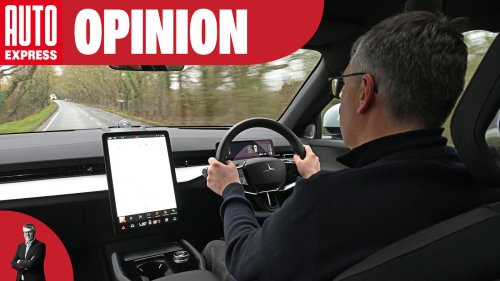



















Modern cars are packed with sensors, screens and automated interventions that promise fewer crashes and calmer journeys, yet a vocal share of motorists say the experience feels less like protection and more like policing. Technologies that keep vehicles in lane or warn of pedestrians can overwhelm drivers with beeps, flashing icons, and steering nudges, reducing confidence. The result is a growing backlash from drivers who see contemporary safety tech as overbearing rather than reassuring. That tension sits at the heart of a quiet but consequential shift in motoring culture, where software increasingly defines how a car behaves on the road. Drivers want the safety benefits of automation while retaining control over their judgment and space. When those expectations collide, some reach for the easiest fix available: the off switch. The promise of protection meets the reality of “nannying” Manufacturers have framed advanced driver assistance systems as a straightforward upgrade to safety, yet a sizeable group of owners say the daily experience feels like constant correction. In one widely cited study, drivers complained that new vehicles were packed with alerts that scolded them whenever they were not driving “correctly,” a pattern that led researchers to describe motorists as being “sick” of overbearing technology that behaves like an in‑car supervisor rather than a quiet guardian. Frustrations often target lane-keeping aids and driver monitoring cameras, which react to minor deviations before any real danger, as reported in studies of intrusive systems. Safety advocates, however, point to the clear benefits of automation when it is used and trusted. Research from the University of Melbourne notes that driver assist technology can prevent crashes and save lives, yet many motorists still switch it off. Analysts there found that the very features designed to help, such as lane departure warnings and steering assistance, are often rejected because perceived “over‑correction” makes them feel intrusive or unpredictable, with why drivers switch them off often tied directly to discomfort rather than disbelief in the safety data. The gap between statistical benefit and lived annoyance is where resentment toward so‑called “nannying” takes root. Distraction, sensory overload and poor design Beyond the feeling of being monitored, many of the complaints focus on distraction. Cognitive researchers have warned that sprawling central touchscreens, layered menus and constant notifications can disrupt attention and undermine the very safety gains that automation is supposed to deliver. One analysis of high‑tech cabins argued that complex interfaces and incessant prompts interfere with the brain’s ability to prioritize the road, with the author noting that “Other features, too, can disrupt safety via poor design” and urging that “our priority” should remain on driving rather than menu navigation, a concern grounded in studies cited in high‑tech cars and distraction. Some drivers describe modern cockpits as overwhelming rather than safe. A widely shared essay on “Sensory overload: If the modern car is all about safety, then why don’t I feel safe?” recounts how layered driver aids, constant chimes and bright graphics can leave motorists more tense, not less, particularly on longer journeys where fatigue is already a risk. That piece references Sensor research methods to argue that the human nervous system is not designed for nonstop micro‑alerts, and it notes that the combination of lane assist, collision warnings and navigation prompts can create a jittery ambience that undermines confidence, a concern echoed in sensory overload: if modern car is all about safety. When a vehicle feels like a noisy smartphone on wheels, drivers can understandably question whether safety has been improved or simply rebadged as another form of digital clutter. Why so many drivers simply switch systems off Faced with constant chimes and corrections, a significant minority of motorists are choosing to disable assistance features altogether. A survey highlighted in a discussion on r/CarsAustralia reported that one in five drivers admitted turning off at least some safety technology, a figure that was later explored in more detail by Australian broadcasters who found similar patterns in national polling, as described in discovered research on disengagement. In that Reddit thread, a user posting as C_Ironfoundersson explained that the only feature they left active was automatic emergency braking, because it “is not intrusive” and had only intervened when genuinely needed, while everything else was turned off as soon as the engine started, a sentiment captured in Jul research on driver attitudes. More formal research reaches similar conclusions. An on‑road study of experienced advanced driver assistance system users found that, in one situation, drivers underestimated and distrusted the ability of autonomous functions, then adopted aggressive measures that increased stress and workload while decreasing comfort, as detailed in In the analysis of trust and behavior. Consumer research in the United Kingdom similarly found that Most drivers surveyed had disabled lane assist because they felt they did not need it, and Depending on the system, some even described it as “dangerous, distracting and useless,” according to a survey of which car owners. When features are perceived as unnecessary or hazardous, disabling them becomes self-protection, not rebellion. The trust gap, poor handovers and what might change minds Underneath the annoyance lies a deeper trust problem. Insurance analysts have noted that Yet ADAS technologies face limitations, with Lane departure warnings in particular suffering from high error rates that make them nonintuitive or intrusive, often prompting drivers to deactivate them, as described in an auto insurance review. A separate industry report found that ADAS can reach full potential only with clear handover guidance, yet sales staff omitted safety tech instruction in 58% of new car deliveries. When owners leave the showroom without understanding how systems behave or how to tailor them, every unexpected beep or steering nudge can feel like a malfunction rather than a safeguard. More from Fast Lane Only Unboxing the WWII Jeep in a Crate 15 rare Chevys collectors are quietly buying 10 underrated V8s still worth hunting down Police notice this before you even roll window down