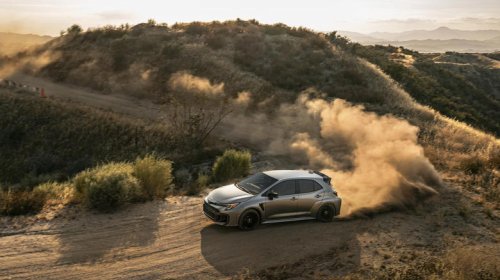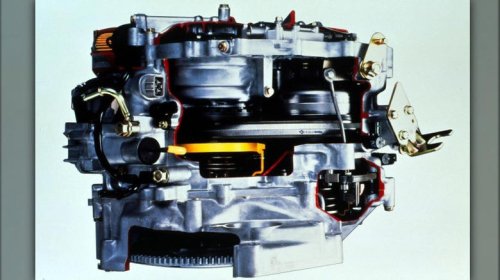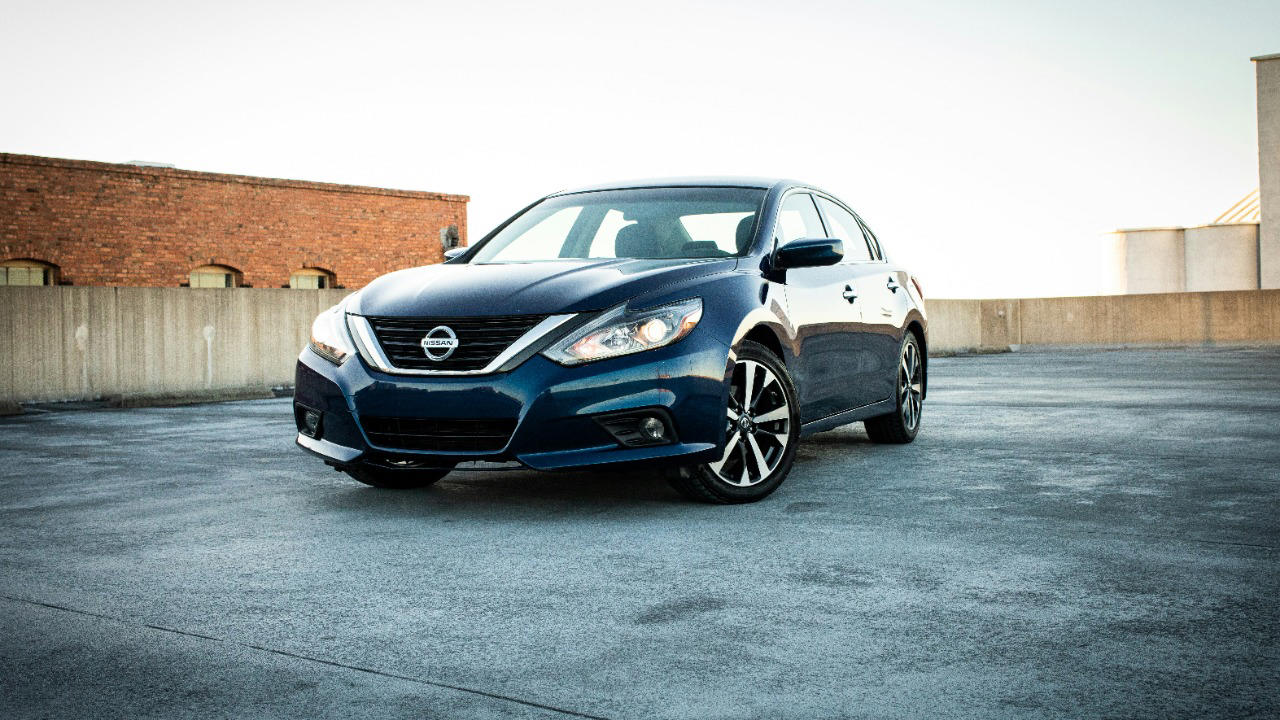



















Why some buyers regret choosing a CVT-equipped sedanWhile Continuously Variable Transmissions (CVTs) are often lauded for their fuel efficiency and smooth driving experience, there are a fair number of drivers who find themselves regretting their decision to go for a CVT-equipped sedan. The reasons behind this buyer’s remorse vary, but they often center around performance issues, reliability concerns, and the overall driving experience. Let’s dive into what’s got some folks second-guessing their choice. Performance Concerns One of the most common complaints I hear about CVTs is the lack of responsiveness. As someone who’s spent a fair amount of time behind the wheel of both traditional automatic and manual transmissions, I can attest that there’s a certain thrill in feeling that immediate power delivery. With a CVT, that thrill often feels muted. Drivers accustomed to the quick gear shifts of a manual or the decisive power of a traditional automatic may find themselves missing that sense of engagement. Instead, CVTs operate on a smooth, continuous band, which can feel almost too seamless for those who crave a more visceral driving experience. Acceleration is another area where CVTs sometimes fall short. If you’re someone who enjoys a quick burst of speed as you merge onto a highway or take off from a red light, you might find a CVT-equipped sedan a bit lacking. The technology behind CVTs can lead to slower acceleration times compared to vehicles with traditional transmissions. For instance, the Honda Accord’s CVT model is often cited for its less-than-stellar acceleration, which can be a deal-breaker for performance enthusiasts. Then there’s the noise. The unique operation of CVTs often results in a droning sound during acceleration that can be more than a little off-putting. It’s a bit like the feeling you get when an airplane is taking off—steady and relentless but not particularly pleasant. This droning noise is often cited by drivers as a major downside, especially when compared to the more dynamic sounds of gear-shifting in traditional transmissions. Reliability and Maintenance When it comes to reliability, perceptions about CVTs can be a mixed bag. Some buyers are hesitant, concerned that these transmissions might not hold up as well over time as their more conventional counterparts. It’s a fair worry; stories about CVT failures are not unheard of, and these concerns can make potential buyers think twice. The Nissan Altima, for example, has faced criticism in past years due to issues with its CVT, which has affected customer confidence. The cost of maintaining a CVT can also be a worry. Repairs and replacements for CVTs can be pricier than those for traditional transmissions. This is because the technology is more complex and sometimes requires specialized parts or expertise. I know a few folks who’ve been taken aback by the repair bills when something goes awry with their CVT. Moreover, not every mechanic is well-versed in CVT technology, which can make finding the right service a bit of a challenge. You might end up having to take your car to a dealership or a specialist, both of which can be more costly than your local mechanic. Driving Experience For many drivers, the smooth operation of a CVT can lead to a feeling of disconnection from the driving process. There’s something to be said for the tactile engagement of shifting gears, whether it’s the click of a manual shifter or the feel of an automatic transmission moving through its gears. With a CVT, the driving experience can feel almost too smooth, lacking the feedback that some drivers crave. Enthusiasts, in particular, might find this disconnect unsatisfying when they’re looking to feel the road beneath them. Additionally, CVTs don’t offer the same kind of engine braking that traditional transmissions do. This can be especially noticeable in hilly or mountainous terrains where engine braking can be a helpful tool in maintaining control without over-relying on the brakes. If you’re used to a car that gives you that extra bit of control through engine braking, switching to a CVT might feel like a step back. The linear power delivery of a CVT can also feel a bit unusual if you’re accustomed to the rhythmic rise and fall of a traditional transmission’s gear shifts. This lack of conventional gear shifting can make the driving experience feel less engaging, impacting the overall enjoyment for those who are used to more feedback from their vehicle. Market Perception Despite their advantages, CVTs often carry a bit of a stigma, which can affect how they’re perceived in the market. There’s a lingering perception that CVTs are somehow inferior or less exciting than traditional transmissions, and this can influence buyer satisfaction and even resale value. When you’re trying to sell a CVT-equipped sedan, you might find that potential buyers are a bit hesitant, influenced by these widespread misconceptions. For those who are passionate about performance, the limited availability of CVT options in sportier models can be a letdown. Many performance-oriented sedans, like the BMW 3 Series or the Audi A4, continue to favor traditional automatic or manual transmissions. If you’re looking for a sporty sedan with a CVT, your choices might be more limited, which can be frustrating if you’re trying to balance performance with the benefits of a CVT. Resale can also be a bit of a challenge for CVT-equipped vehicles. The perceived drawbacks—whether they’re related to performance, reliability, or driving experience—can make these cars a tougher sell in certain markets. It’s something to keep in mind if you’re thinking about long-term ownership or potential trade-in value down the road. Technological Advancements and Future Outlook Despite these challenges, there’s a silver lining when it comes to the future of CVTs. As technology continues to evolve, many of the current drawbacks may diminish or even disappear. Car manufacturers are investing heavily in improving CVT technology, which could lead to more durable, responsive, and enjoyable driving experiences. For instance, Toyota’s Direct Shift-CVT, used in the Corolla, has been praised for addressing some of the traditional complaints associated with CVTs, offering a more engaging driving experience. Another area where CVTs shine is in hybrid vehicles. The synergy between CVTs and hybrid drivetrains often results in impressive fuel efficiency and a smoother power delivery. Models like the Toyota Prius and the Honda Insight demonstrate how effective this combination can be, offering a glimpse into the potential strengths of CVTs when paired with hybrid technology. As automakers continue to refine and enhance CVT technology, we might see a shift in market perception. The focus on improving the driving dynamics and reliability of CVTs could lead to increased buyer satisfaction and a broader acceptance of these transmissions. So, while some buyers may currently regret choosing a CVT-equipped sedan, the future holds promise for those willing to embrace the advancements in this technology. More from Fast Lane Only Unboxing the WWII Jeep in a Crate 15 rare Chevys collectors are quietly buying 10 underrated V8s still worth hunting down Police notice this before you even roll window down