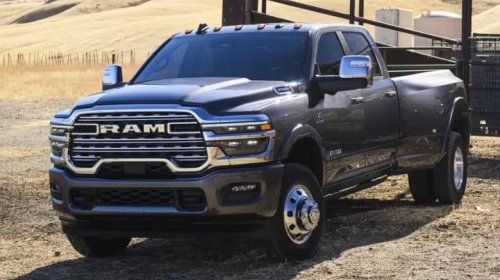
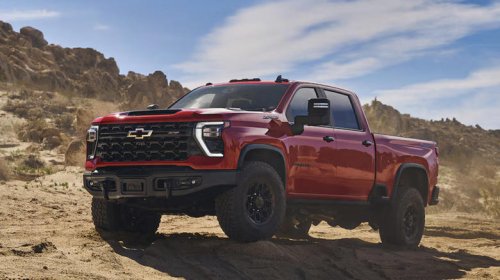
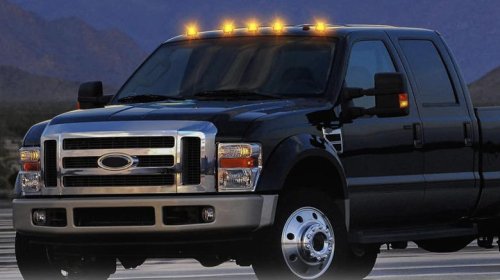
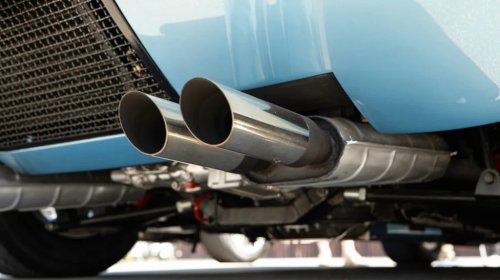
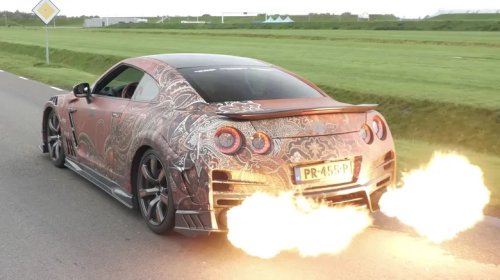
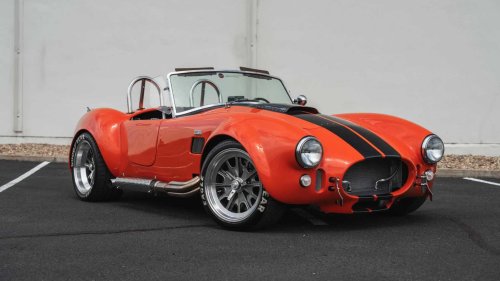
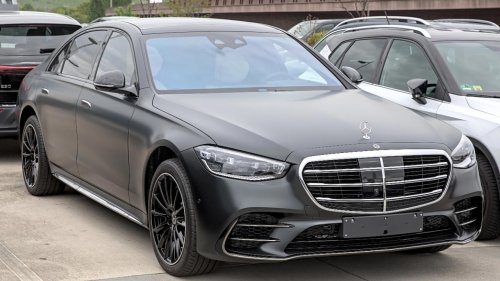
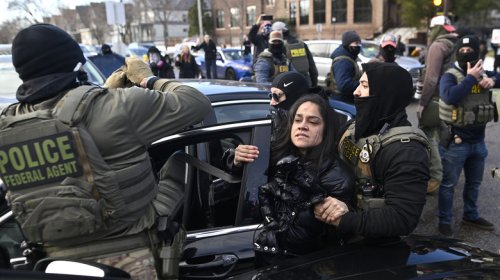
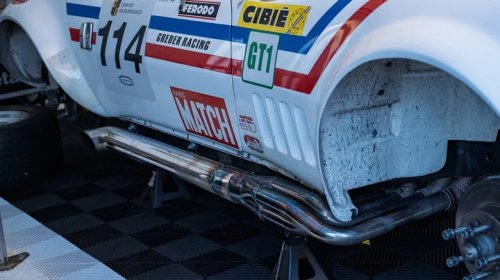
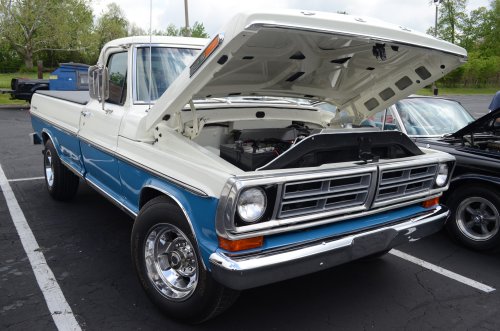
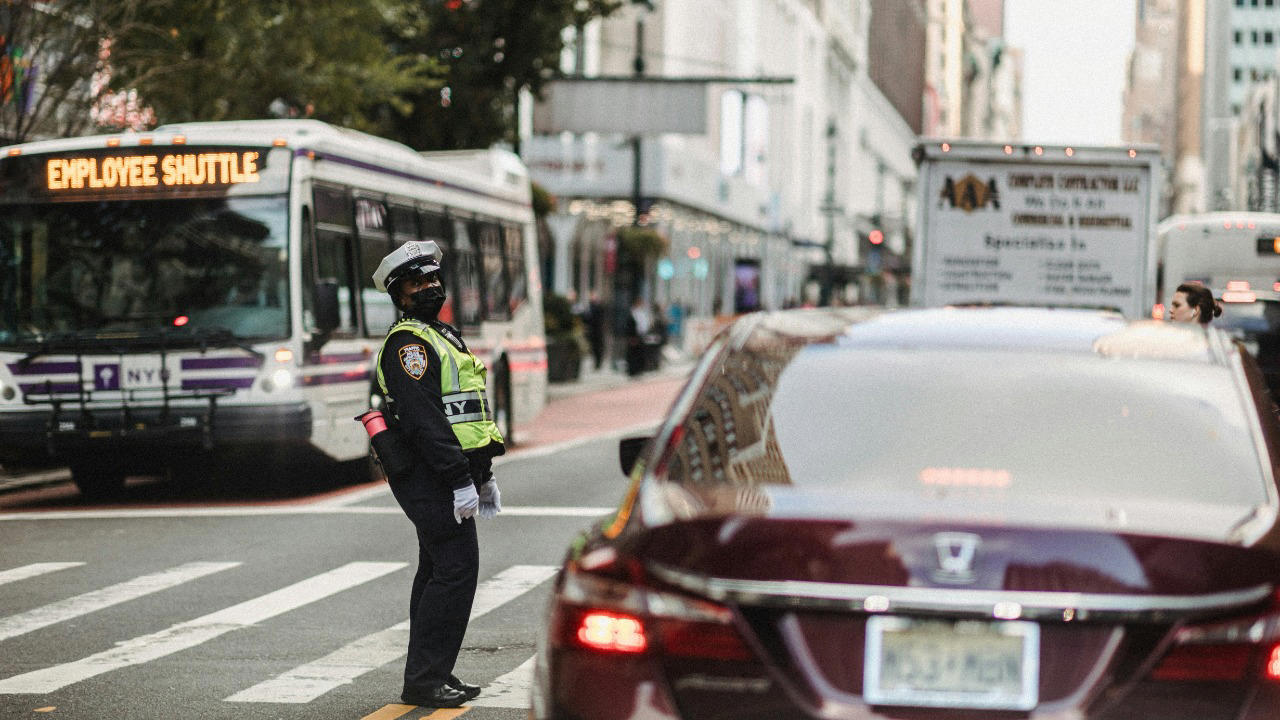
Why some cars trigger longer traffic stopsWhen a patrol car lights you up, your first thought is usually what you did wrong. A few minutes later, as you watch the officer in the mirror, a second thought creeps in: why is this taking so long, and why did that other driver get sent on their way in two minutes while you are still parked on the shoulder? The length of a stop can feel random, but it often tracks closely with the kind of car you drive, how it looks, and what officers are trained to look for. Once you understand how your vehicle’s profile, condition, and modifications shape an officer’s decisions, you can better predict when a stop might stretch out and what you can do to keep it from dragging on. How your vehicle’s profile shapes officer expectations Before an officer even reaches your window, your vehicle has already started a conversation. Training materials describe how the profile of your can silently suggest how risky a stop might be. A low, heavily tinted coupe telegraphs something very different from a stock Toyota Camry with a car seat in the back. Guides aimed at drivers explain that certain types of vehicles carry stereotypes that can influence how much scrutiny you face. Certain trucks and are often associated with aggressive driving or road dominance, which can nudge an officer to look a little harder for violations or signs of impairment. That extra scrutiny can translate into more questions and a longer stop. Your car’s age and condition matter too. Sections labeled Vehicle Age and point out that older or poorly maintained vehicles are more likely to have broken lights, expired tags, or visible damage. Each of those is a legal reason to pull you over, and once the stop begins, every extra defect the officer spots can add another conversation and more time. Why some stops turn into “investigations” You might feel you were pulled over for something minor, such as a rolling stop or a dim license plate bulb, then realize the officer is asking about where you are headed, who owns the car, or whether you have anything illegal inside. That shift happens because many departments have used minor infractions as pretexts to look for guns or drugs. One analysis of traffic policies found that when some cities limited officers’ ability to use these infractions as pretextual stops, Jan reforms still led to more traffic stops resulting in the recovery of a gun in 2022 than in 2019, even though officers made fewer stops overall. That pattern helps explain why your car might invite extra questions. If your vehicle matches what officers are trained to associate with weapons or drug trafficking, such as a large SUV with heavily tinted windows on a highway known for smuggling, the stop is more likely to drift into investigative territory. Each added question, field sobriety test, or consent search can stretch a simple stop into a twenty minute ordeal. What officers are allowed to do, and for how long You are not imagining it: there are legal limits on how long an officer can keep you on the side of the road. In a key case titled United States (575 U.S. 348 (2015)), the Supreme Court held that a traffic stop may last no longer than is necessary to effectuate the initial purpose of the stop. Once the officer has handled the reason they pulled you over, they need a new, specific reason to keep you there. Courts have enforced that boundary in real cases. In one appeal, District Court granted a motion to suppress evidence from a stop that had been stretched an extra 23 minutes, the United States took the case to the Third Circuit. The Third Circuit agreed that the extension went beyond the mission of the stop. For you, that means if a broken taillight is fixed on paper and your documents check out, an officer cannot legally keep you waiting just to fish for unrelated crimes without specific, articulable suspicion. Why officers sometimes disappear into their cars One of the most stressful parts of a stop is when the officer walks back to their cruiser and you are left staring at the dashboard clock. Officers who have described their routine explain that this pause serves several purposes. In one account, the officer talked about Reminding you to address the issue even if they choose not to write a ticket, and how Just because there is no citation does not mean there is no violation on record. During that time, your license plate and driver’s license are being run through databases for warrants, registration problems, and prior infractions. If your vehicle is older, modified, or registered to someone else, those checks can trigger extra screens or questions. Training transcripts from federal programs describe scenarios where officers might lawfully prolong a stop for up to 40 m while they wait for a drug dog or backup, as long as they can point to specific facts that justify the delay. Why two or three patrol cars suddenly show up You have probably noticed that some stops draw a crowd of police cars while others involve just one officer. Officers who answer public questions have said that there could be many reasons a second officer appears, including that There was already another unit nearby or that the vehicle contains multiple occupants. From your perspective, more officers almost always means more time. Each additional person may ask their own questions, double check identifications, or run separate database queries. If your car is a large van or SUV that can hide more people or cargo, or if you have someone in the back seat, training materials like the Traffic Stop Study suggest that officers may treat the situation as higher risk. That can lead to a more cautious approach and a longer interaction. How modifications and “loud” upgrades invite longer scrutiny Even if you obey the speed limit, the way you customize your car can put you on an officer’s radar. Guidance for drivers highlights that Vehicles with aftermarket modifications such as very dark tint, loud exhaust, or altered lighting often attract attention from law enforcement. Each of those features can be illegal on its own, but even when they are technically allowed, they can spark questions about street racing or impaired driving. Lists of truck upgrades that officers watch for single out items like Aftermarket Exhaust Systems enough to violate noise ordinances. If your pickup has a lifted suspension, oversized tires, and a roaring exhaust, an officer who stops you for a rolling stop is more likely to take extra time to inspect equipment, measure bumper height, or check for other violations. Each extra check adds minutes to the stop. Why some cars get stopped more often in the first place The length of your stop is often tied to how and why you were pulled over. Drivers sometimes feel that officers are choosing cars at random, but law enforcement discussions explain that Although a group of stops might look random from your perspective, the vehicles are usually tied to specific violations or patterns such as suspected impaired driving. More from Fast Lane Only Unboxing the WWII Jeep in a Crate 15 rare Chevys collectors are quietly buying 10 underrated V8s still worth hunting down Police notice this before you even roll window down


















 +81 others