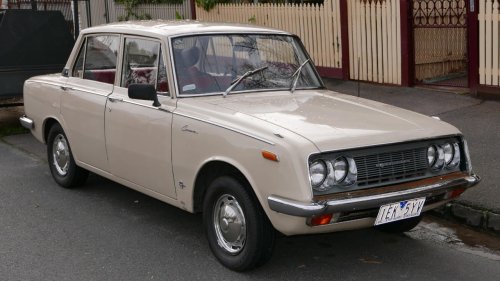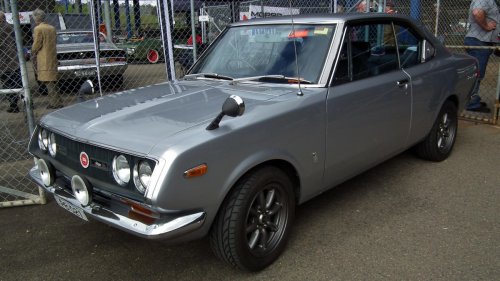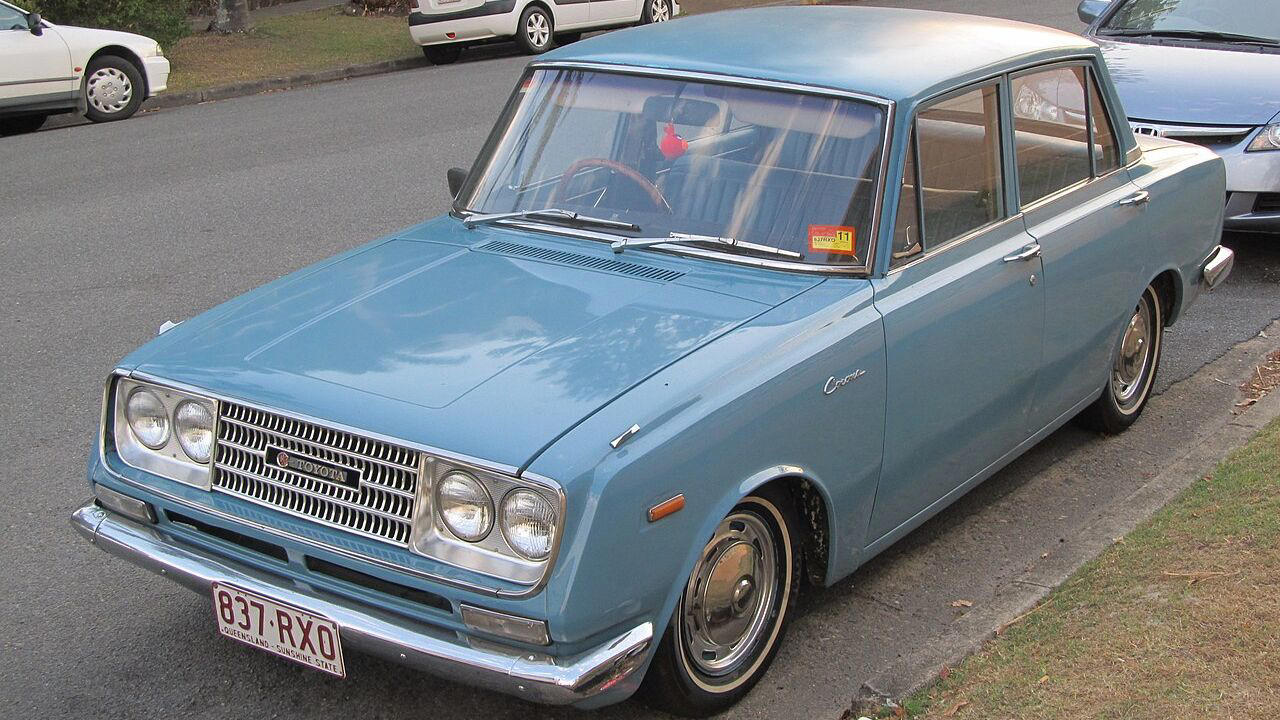


















Anyone eyeing a tired 1966 Toyota Corona in a driveway or classifieds listing usually imagines a quick transformation from faded survivor to gleaming classic. The reality is slower, messier and often far more expensive than the dream. Timelines stretch, projects stall and even well-planned builds can drag on for years as hidden corrosion, missing parts and life itself interrupt the schedule. When the work finally comes together, as it has for owners who have patiently rebuilt early Coronas, the result can be a car that looks and drives better than it did when new. Understanding why those restorations take so long is the first step toward setting realistic expectations and keeping a 1966 Toyota Corona project out of permanent limbo. The myth of the weekend restoration Television has trained viewers to believe that a bare shell can become a showpiece in a few episodes. Quick cuts hide the months of labor behind each scene, and edited storylines make it seem as if a complete rebuild fits neatly between ad breaks. One shop owner has pointed out that Television shows that depict restorations within a week or a handful of episodes simply do not reflect how long professionals actually spend on a car. Even at a dedicated facility, a full restoration of an older vehicle often runs for a year or more. Straightforward builds are described as taking anywhere from 9 to 12 months, while Straightforward projects that grow in scope can stretch into a year and a half up to three years. Shops that specialize in custom work describe single restomod builds consuming over 1,700 hours, and that figure assumes a well-equipped team, not a home garage. For a 1966 Toyota Corona, which left the factory long before modern rust protection and digital parts catalogs, those numbers are often a starting point rather than a ceiling. Why an old Corona is more archaeology than repair Fixing an older vehicle is often compared to excavation, and that metaphor fits a mid-sixties Toyota perfectly. One restorer described Fixing an older vehicle as a little like automotive archaeology, where Rust has claimed squatter’s rights and begun to feed. What looks like a one-hour repair can quickly become the occasional battle against physics once the first panel comes off and reveals the damage underneath. A Corona that appears solid in photos may hide rot in the lower fenders, cowl, floors and trunk seams. The car’s age, 66 model years back from today, means earlier repairs may have been done with basic patchwork or heavy filler. Removing that work exposes thin metal that no longer holds its shape, so a simple job grows into fabrication of new sections, welding, grinding and re-aligning doors and glass. One owner of a different classic complained about having to degrease 66 years of road dust and grime from an engine before any real mechanical work could begin. A 1966 Toyota Corona might not carry quite that much history, yet the same principle applies. Before bolts can be turned, layers of dirt, old undercoating and improvised wiring all have to be removed, documented and often rebuilt from scratch. The specific challenge of a 1966 Toyota Corona The 1966 Toyota Corona occupies a pivotal point in Japanese automotive history. The first Coronas were imported into the United States for the 1965 model year, so a 1966 example is among the earliest Coronas to reach American shores. Survivors are rare, and many that do surface have spent decades exposed to the elements or parked in marginal storage. Later reports on a 1970 Corona 4 door sedan that had been off the road since 1978 show how these cars can sit untouched for decades. One account of that Corona describes a body that does not look bad at first glance, although there is some corrosion. A 1966 version is older and often in rougher condition, so a restorer must be prepared for structural work that goes beyond cosmetic rust repair. These early cars also predate the parts support that enthusiasts enjoy for later Toyotas. While some mechanical components interchange with other models, many trim pieces, moldings and specific fasteners were unique to the Corona line. That scarcity feeds directly into longer restoration timelines. Edgardo Lim’s winning restoration and what it reveals Few stories illustrate the patience required for a 1966 Toyota Corona better than the experience of Edgardo Lim. In a widely shared video, Edgardo Lim walks through the finished car, a meticulously restored Toyota Corona that looks as if it rolled straight out of a period showroom. All rubber moldings, chrome, hub caps and bumper guard rubbers were replaced with new components, a level of detail that demands both time and a global search for parts. Another feature on the same car notes that Restoring a 1966 Toyota Corona required patience in finding parts worldwide. Edgardo Lim did not simply order a catalog and wait for a delivery truck. He tracked down rare trim, glass and interior pieces from multiple countries, often waiting on shipping or negotiating for items that appeared only once in years of searching. That process alone can extend a project by months. A builder might be ready to install glass, for example, but must pause until the correct weatherstrip arrives. If the wrong part shows up, the schedule resets. The finished car becomes a showcase for persistence as much as craftsmanship. Parts supply, shipping delays and the Corona parts hunt Global supply chain problems have made this search even more complicated. One industry analysis found that Out of stock parts and transportation delays reached an unexpected high in mid 2022, which led directly to longer restoration timelines and higher costs. For a niche model like the Corona, where reproduction support is limited, those delays are magnified. Specialist suppliers help fill some gaps. One dedicated Corona parts source describes certain seals as a MUST for the proper installation and sealing of the front and rear Windshield or Windscreen glass and weatherstrip rubber, cut to length and butt fit in the corners. If that product is out of stock, the installer cannot safely fit the glass, which in turn holds up interior trim, headliner installation and final paint polishing. That kind of bottleneck repeats across a project. A missing hub cap, a back-ordered brake drum or a damaged wiring connector all become reasons for a Corona to sit on stands while the owner scours online listings and swap meets. Labor hours that add up quietly Time estimates for full restorations can surprise even seasoned enthusiasts. A discussion among Corvette owners included references to a typical project consuming thousands of hours, with some participants quoting figures near 5,000 for a complete Rotisserie style rebuild where every bolt is removed. Those numbers are not unique to fiberglass sports cars. They reflect the reality that every bracket, fastener and surface on an old vehicle demands attention. Restomod builders echo that experience. A detailed video on long-term custom projects notes that a single Restomod can soak up more than 1,700 hours, and that is before accounting for delays in parts or customer decisions. A 1966 Toyota Corona that blends restoration with upgrades, such as modern brakes or a different engine, can easily reach similar totals. Even seemingly minor jobs consume days. One owner of a 25-year-old Holden wagon described Restoring the car on a budget, only to find that each fix revealed something more that had broken. A new timing chain and gears led to new gaskets, a new water pump, hoses and radiator, plus carburetor, plugs, wires, coil, alternator and regulator. A Corona project often follows the same path, with each repair expanding into a system-wide refresh. Scope creep and the battle against perfectionism Many restorations start with a simple goal: make the car safe and reliable. As panels come off and parts are cleaned, the temptation to chase perfection grows. A slightly pitted chrome bumper starts to look unacceptable next to freshly painted bodywork. An original but worn interior clashes with new seat covers. Owners who initially planned a light refresh find themselves stripping the car to bare metal. One video on why repair work drags on shows a mechanic dealing with new brake drums that are just barely not the same as the old drums, forcing extra machining and fitting. That example from car repair illustrates how even replacement parts that should bolt on can require additional work. Multiply that friction across an entire Corona and the calendar begins to slip. For an early Japanese sedan, the decision to replace every rubber molding, as Edgardo Lim did, or to hunt down original-style hub caps can add months. The payoff is a car that wins awards and attracts attention, but the journey demands a tolerance for long periods where visible progress seems slow. Why some projects stall for years Every long-term restorer knows someone whose car has been in pieces for half a decade. One commentator who followed a protracted build complained that 5 and a half years felt excessive, yet the same person acknowledged that an older vehicle can quickly become a battle against physics once Rust takes hold. The description that Rust has claimed squatter’s rights captures how corrosion can turn a running car into a long-term project. Life interruptions play a role too. A 1970 Corona that has been off the road since 1978 shows how quickly time can pass when a project is pushed aside. The owner of that car accumulated spare pieces and even a spare engine and transmission, yet the body still needs attention before it can return to the road. For a 1966 Toyota Corona, which is older still, the risk of a project stalling is even higher if the restorer underestimates the commitment. Financial strain compounds the problem. As parts prices rise and shipping delays stretch, budgets that once seemed adequate fall short. Some owners sell partially completed cars, leaving the next buyer to sort through boxes of labeled, and sometimes unlabeled, components. More from Fast Lane Only Unboxing the WWII Jeep in a Crate 15 rare Chevys collectors are quietly buying 10 underrated V8s still worth hunting down Police notice this before you even roll window down The post Thinking about a 1966 Toyota Corona here’s why some restorations take longer than expected appeared first on FAST LANE ONLY.