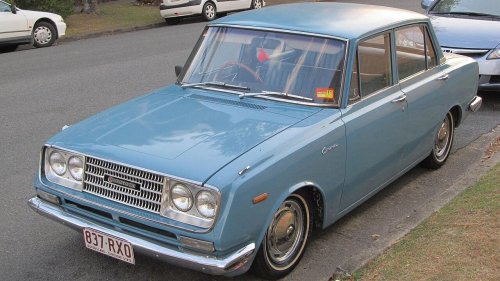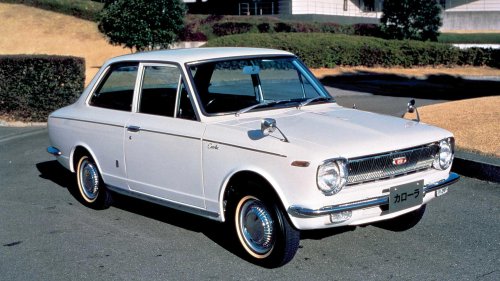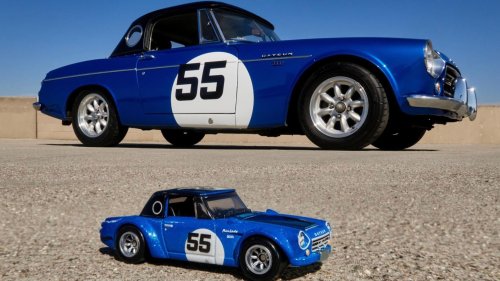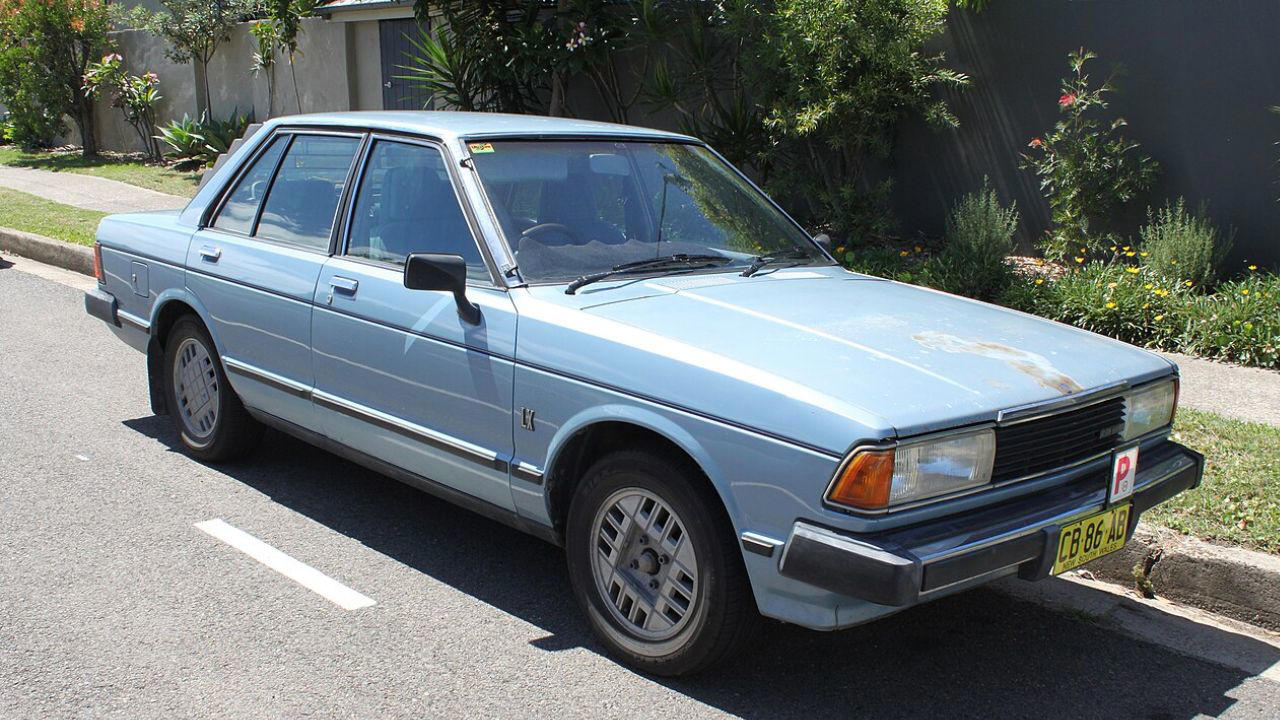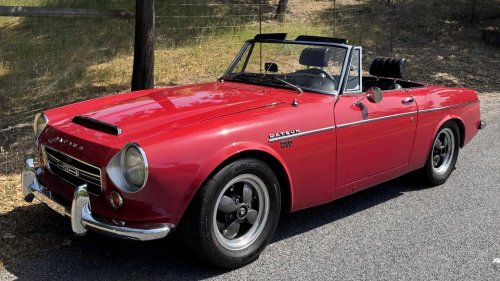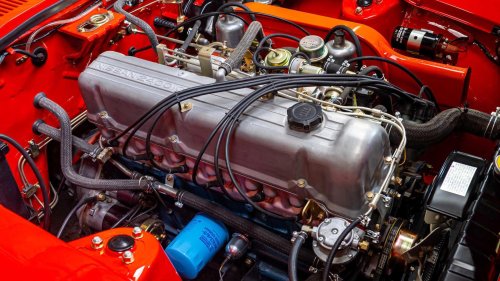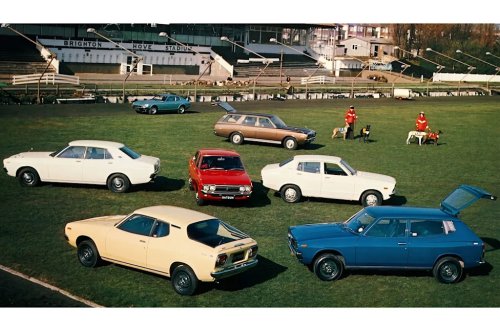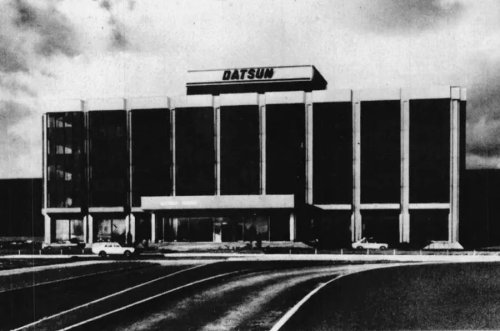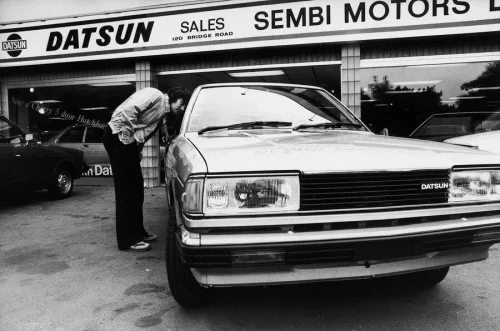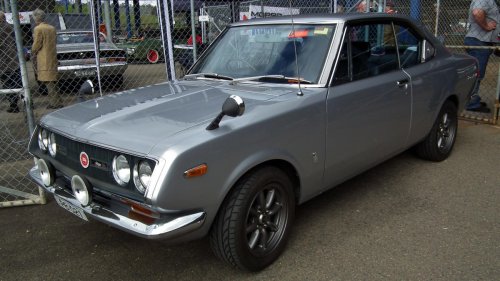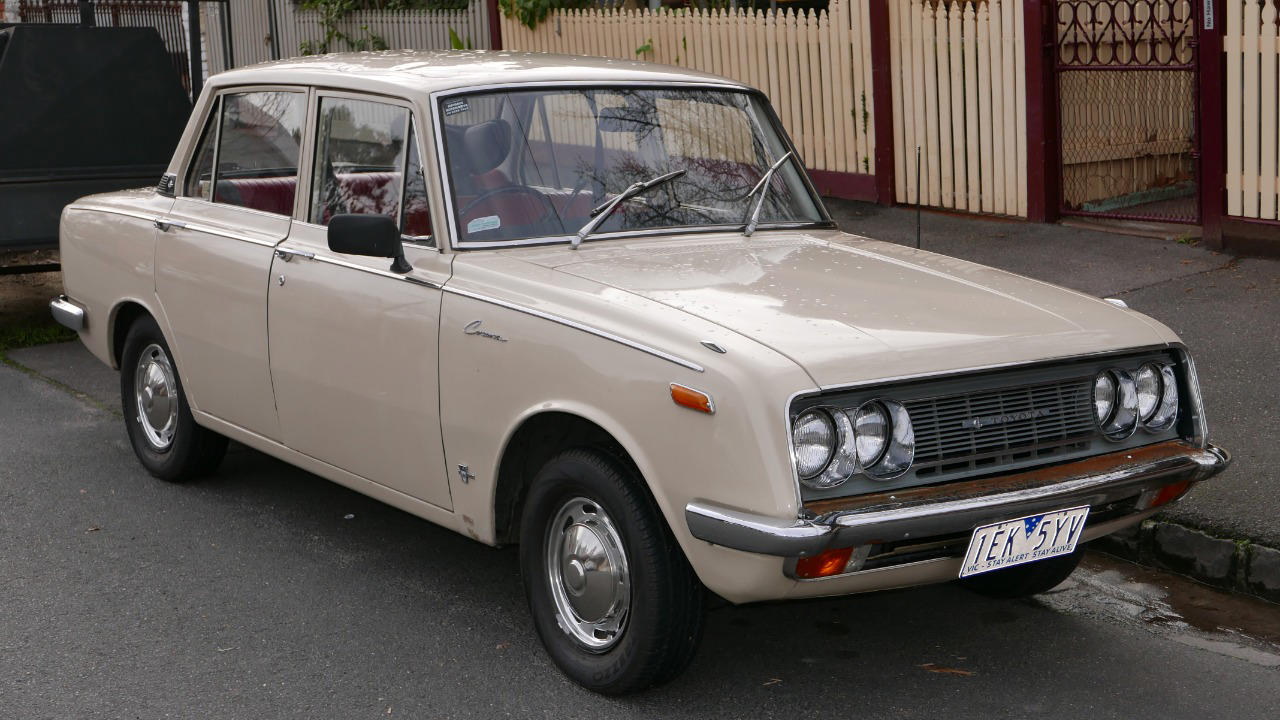



















1969 Toyota Corona vs 1969 Datsun 510 one built a stronger reputationThe 1969 Toyota Corona and the 1969 Datsun 510 landed in American driveways at almost the same moment, yet they carved out very different legacies. One quietly convinced cautious buyers that Japanese cars could be durable, comfortable daily transport. The other became a cult hero, a compact sedan that enthusiasts still celebrate for its performance and racing pedigree. Two compact sedans, two missions By the late 1960s, Toyota and Datsun were both still fighting for credibility in North America. The Corona had already started that work. In a span of only four years, the model had, as Jan observed in a period review, effectively built Toyota’s reputation for excellence and sales success in the United States, with the Corona becoming a volume hit in its first full year on sale in that market. That early momentum gave the 1969 Toyota Corona a clear brief: keep proving that a Japanese sedan could be as dependable and comfortable as anything from Detroit. The 1969 Datsun 510 arrived with a different agenda. It was sized and priced to compete with compact European sedans, and its engineering leaned toward agility rather than plushness. Where the Corona focused on reassuring conservative buyers, the 510 aimed to show that an inexpensive Japanese four door could be sharp to drive and ready for motorsport. Those diverging missions shaped how each car is remembered. The Corona became the car that made Americans trust Toyota as a mainstream brand. The Datsun 510 became the car that made enthusiasts revere Datsun as a performance nameplate. How the Corona made Toyota respectable The Corona that Jan assessed in the late 1960s was not glamorous, but it was carefully tuned for American expectations. Contemporary road tests cited in that review noted that in only a few model years the Corona had transformed Toyota’s image from fringe import to serious contender. Jan described how the car’s mix of reliability, decent performance, and comfort meant that in four short years the Corona had effectively built Toyota’s reputation for excellence and sales success. That same review linked the Corona directly to a surge in Toyota showroom traffic, turning what had been a niche presence into a nationwide network. The transformation is clearer when seen against Toyota’s earlier struggles. Prior small Toyotas sold in the United States were slow and noisy, with top speed barely above 65 m, and drivers reported high speed vibration and engine strain. Those impressions, documented in a later retrospective on the brand’s early exports, show how low the bar initially sat. The Corona met that skepticism head on with more power, better gearing, and a cabin that felt closer to an American compact than a stripped economy car. Styling also helped. A period comparison from Sep described a 1969 Toyota Corona as looking like a 2/3 Chevrolet Impala, a phrase that captured how deliberately Toyota had echoed American full size proportions. From the Land of the Rising Sun came a sedan that looked familiar in a suburban driveway, and that resemblance to a Chevrolet Impala reassured buyers who might have hesitated at something more overtly foreign. The Corona’s boxy roofline, chrome details, and upright grille signaled that this was a sensible family car first and an import second. That same conservative formula paid dividends in later years. A discussion from Oct about choosing a compact sedan in the mid 1970s framed the decision around Datsun’s 710 and 610 models, but also pointed out that the Toyota Corona was roughly 610-sized while noticeably lower priced. The fact that shoppers could cross shop a Corona directly against a Datsun 610 and still see Toyota as the value play shows how thoroughly the model had embedded itself in the mainstream. The Corona was no longer an experiment. It was a default choice for budget conscious college graduates and young families. How the 510 became an enthusiast legend While Toyota was polishing its reputation for durability, Datsun was building something more aggressive. The 1969 Datsun 510 combined a lightweight body with a willing engine and, critically, independent rear suspension. A period buying guide for small used cars highlighted that the Datsun 510 had a lot of standard equipment that cost extra on rivals, and emphasized that it had independent rear suspension. That hardware put the 510 in a different league from many economy cars that still relied on simpler live axles. The engineering paid off in competition. Motorsport histories record how the BRE team turned the 510 into a giant killer in American sedan racing. One detailed account of the program notes that BRE went on to dominate the 1972 season, winning 9 of the 11 races on the schedule, and that at the Manufacturers Championship in 1971 the 510 secured Datsun a coveted title against better established brands. Another retrospective on the same effort, framed as a look back forty years later, describes how the final chapter titled Forty Years On Revisiting an Auto Racing Odyssey caught up with driver John Morton and the BRE crew, underlining how enduring that success has been in racing memory. Firsthand recollections from those involved reinforce the impression. In an interview about the program, the team described how, with the Roadsters, they won just about every race they entered, then they moved on to the Z cars and then in 1971, the 510, which they raced to Trans Am victories. That progression placed the 510 squarely in the middle of Datsun’s golden age in American motorsport. The emotional pull of that history still shows up in enthusiast circles. A social media post from Oct opened with the line “The Datsun 510 is very close to our heart” and celebrated the arrival of the actual Brock Racing Enterprises Datsun 510 #46 race car at a specialist shop, where fans could see it in person with John Morton and Pete Brock. The reference to the 510 and the specific #46 car underlined how certain chassis numbers have become icons in their own right. Even casual owners echo that enthusiasm. In a discussion from Feb about choosing between a late 1970s Accord, Corona or 510, one participant named Erik Tisher simply stated that he Owned the 510 and that the Thing has some scoot to it. Another commenter, Elvis Valla, chimed in that Datsun 510 equals lightweight fun, reinforcing the car’s reputation as a lively driver’s machine. The thread itself was started by Elio Gadea and 44 others, and it drew 61 reactions, a small but telling snapshot of how much affection the 510 still commands. Everyday memories and family histories Not every memory of these cars comes from racetracks or road tests. For many people, the Corona and 510 were simply the background of childhood. In one recollection from Jun, a commenter wrote that as a child they remembered a Datsun car from 1968 or 1969 finished in a pale pastel green. Most of the details had faded, but they concluded that it was most likely a 67 411 because in 68 the 510 came and reshaped Datsun’s small car lineup. The way that memory hinges on the switch from the 411 to the 510 shows how clearly that model change registered for owners. Similar family stories surround the Corona. Jan’s period review drew on photographs from a pool of enthusiasts who shared images of their cars in driveways and on road trips. That same archive, which includes images tagged with Discovered alongside references to Vintage Reviews, Toyota Corona and Bullseye, shows Coronas parked in front of mid century ranch houses and loaded with luggage for vacations. The Corona might not have starred in racing posters, but it filled photo albums and family slideshows. Those personal connections extend into later decades. When enthusiasts debate which used compact to buy in a hypothetical 1970s scenario, as in the Oct discussion that weighed a Datsun 710, a Datsun 610 and a 610-sized Toyota Corona, they are not just comparing spec sheets. They are recalling what relatives drove, which cars started every morning, and which ones felt grown up enough for a first real job. The Corona’s reputation for getting people to work or class without fuss became part of its legacy. On the street and in the market today Half a century later, the reputations forged in the early 1970s still influence how collectors value these cars. Market data for the Datsun 510 shows that even a relatively basic 1969 510 Base model can command significant money when well preserved. One valuation snapshot lists Past sales that include a 1972 Datsun 510 Base at $11,025 for a 62,000 mile example in Standard condition in North America. That figure, $11,025, reflects how buyers now pay a premium for clean, largely stock 510s, especially ones that have not been heavily modified or raced. The Toyota side tells a slightly different story. A recent auction listing for a 1969 Toyota Corona Deluxe 1900 described the car as Original and Highly Original with 79k mi TMU, and it sold in Portland, Oregon for $7,000. That $7,000 result for a Toyota Corona Deluxe indicates solid interest, but it also shows that the Corona typically trails the 510 in headline prices, even when the Toyota example is unusually untouched and well documented. The gap mirrors how each car is perceived. The Datsun 510 is seen as a performance classic with direct ties to BRE trophies and track success. The Corona is viewed more as a charming survivor from the early import era. Both attract attention at shows, but the 510 usually draws the crowd of people who want to talk suspension geometry and race history, while the Corona tends to spark conversations about first jobs, long commutes, and how Toyota quietly earned trust. That trust has commercial echoes. The Corona’s success in the late 1960s and early 1970s laid the groundwork for Toyota’s later dominance in the American market. Analysts looking back on the period often point to the Corona as the model that finally made American buyers comfortable with the idea of a Japanese sedan as a long term investment. The early complaints about cars that struggled to exceed 65 m faded as owners discovered that their Coronas simply kept running, year after year. Which car built the stronger reputation? Judged purely by enthusiast passion, the 1969 Datsun 510 clearly casts the longer shadow. It inspired books about a Fast Forward look at racing history, complete with a final chapter called Forty Years On Revisiting an Auto Racing Odyssey. It produced heroes like John Morton and iconic machines like the BRE Datsun 510 #46. It still fuels online debates where people like Erik Tisher recall that they Owned the 510 and that the Thing could outrun expectations. The model’s independent rear suspension, its affordable performance, and its Trans Am victories made it a touchstone for generations of tuners and racers. More from Fast Lane Only Unboxing the WWII Jeep in a Crate 15 rare Chevys collectors are quietly buying 10 underrated V8s still worth hunting down Police notice this before you even roll window down