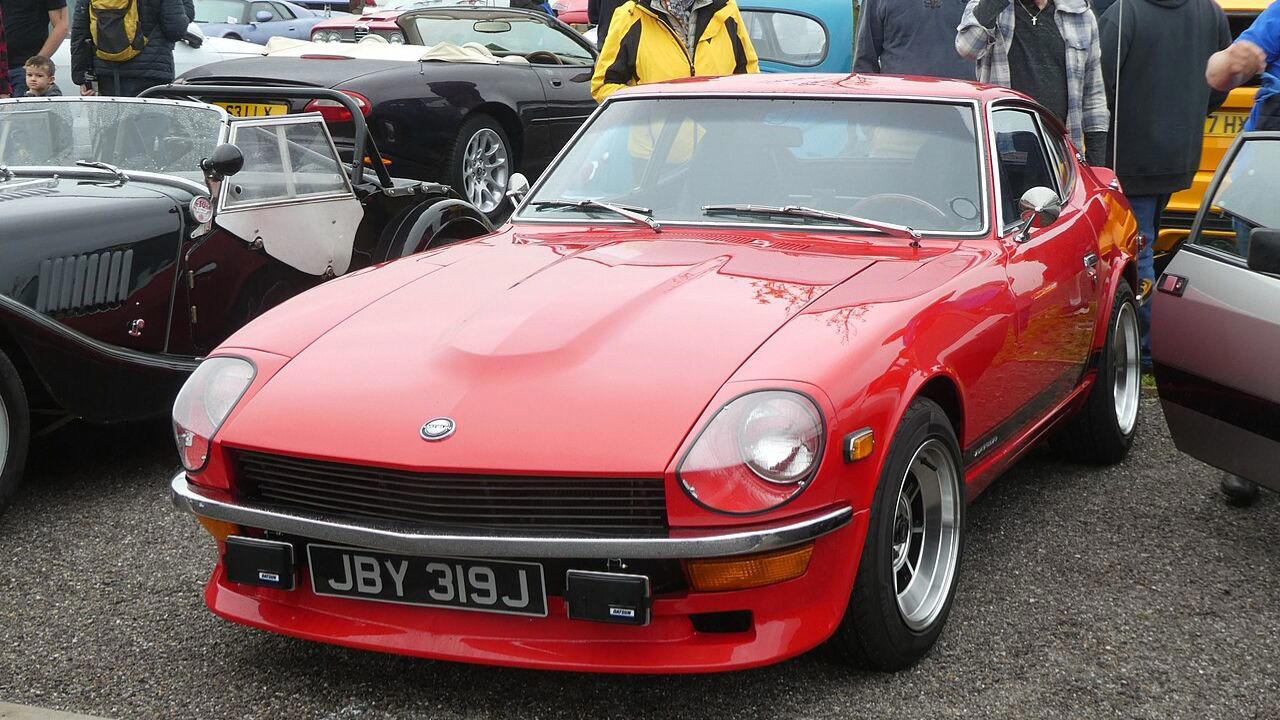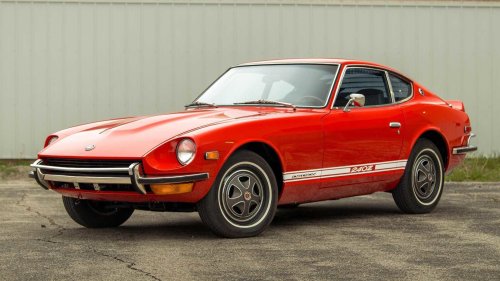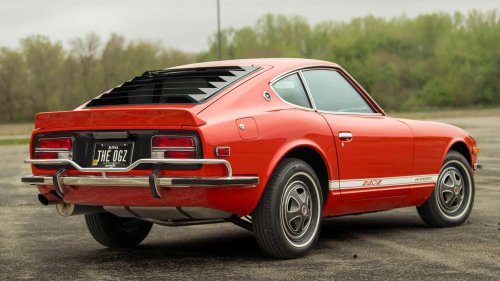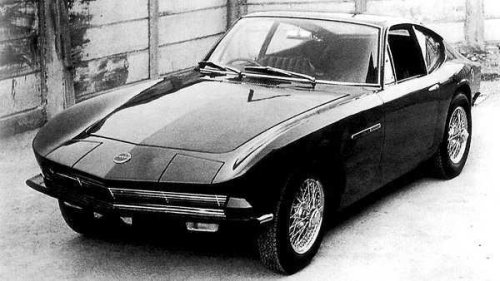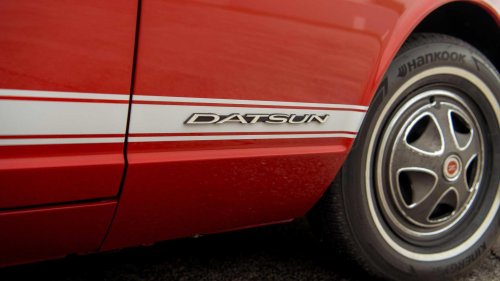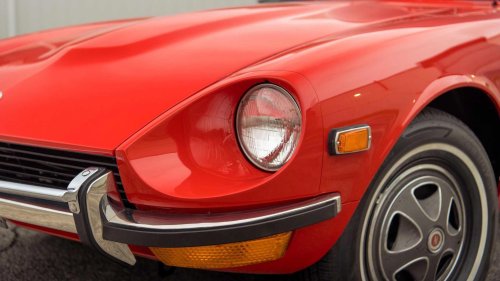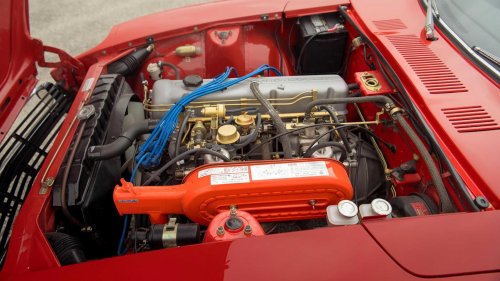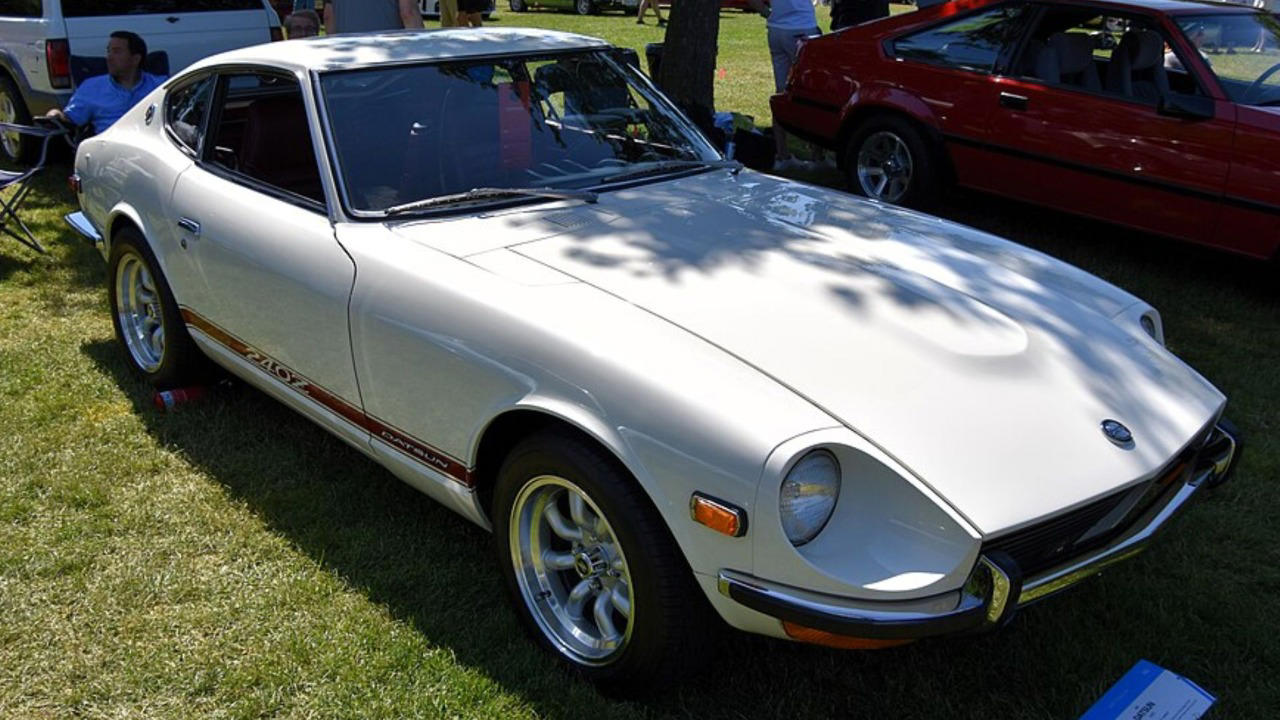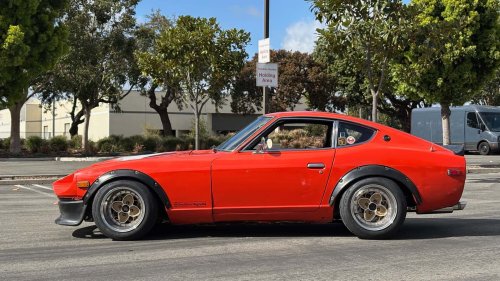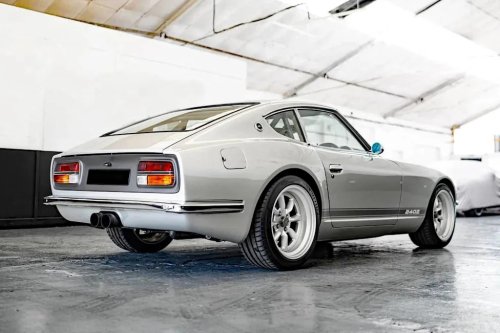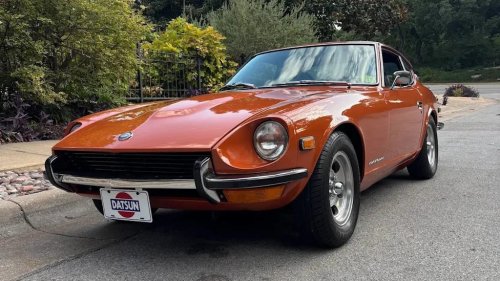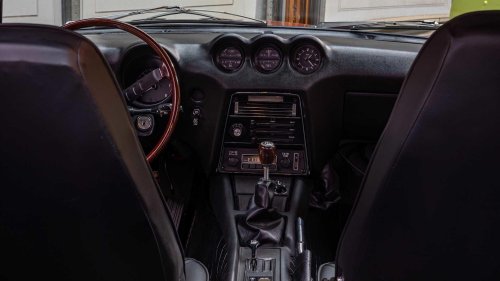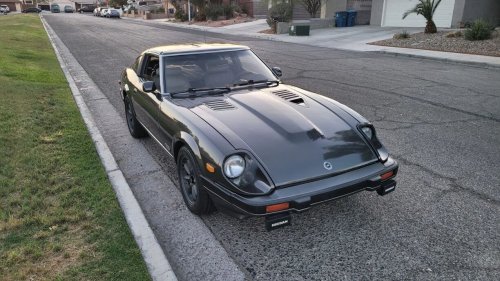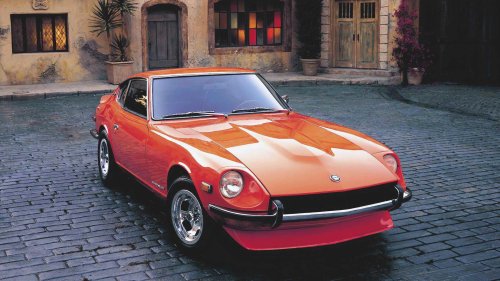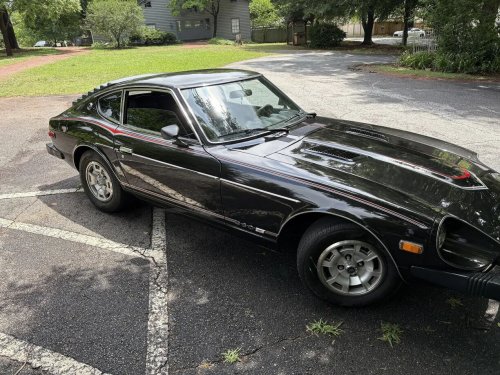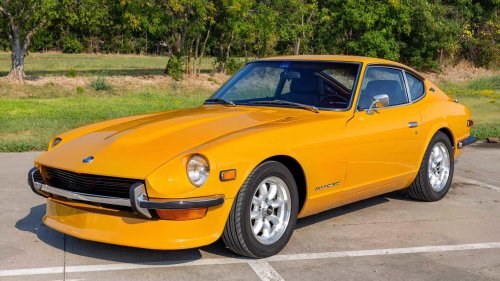
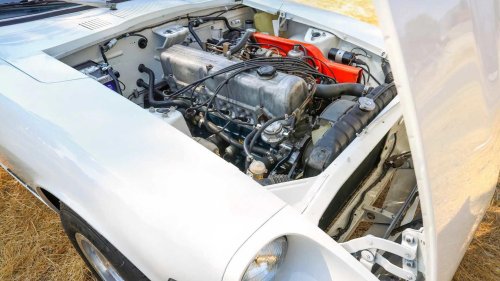
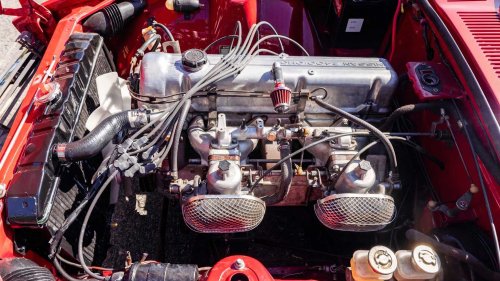
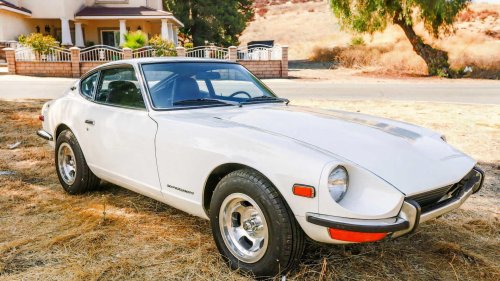
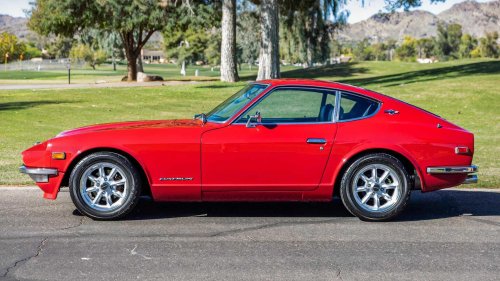
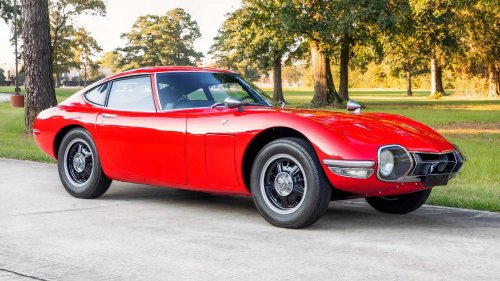
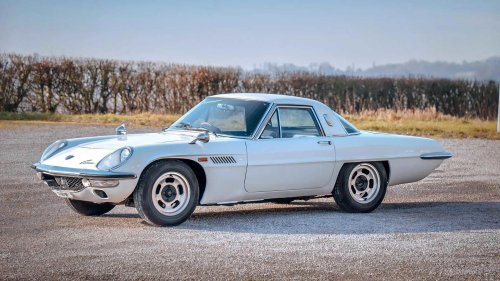



















In the late 1960s, European automakers ruled the sports car world. The Jaguar E-Type was the poster child for elegance and speed. It's rumored that even Enzo Ferrari called it "the most beautiful car ever made," upon laying eyes on it for the first time. Thus, it should come as no surprise that automakers around the world squarely set their sights on the E-Type in hopes of creating something even more impressive.In fact, one automaker from Japan made it the company's mission. However, instead of chasing luxury badges or inflated price tags, this company had its engineers focus on precision, balance, and accessibility in order to build something beautiful, yet affordable enough that anyone could drive and maintain it.When this new contender finally arrived, it stunned critics and enthusiasts alike. It looked like it belonged on the streets of London or Monaco, yet it was built in Yokohama and sold for a fraction of what buyers were paying for similar-looking Euro sports cars. The Datsun 240Z Was A Game-Changing Budget Sports Car via Bring A TrailerWhen the Datsun 240Z first hit American shores in 1970, it shook the entire sports car world. Nissan's goal was simple but bold. The Japanese company wanted to build a sleek, affordable GT that could stand shoulder-to-shoulder with the Jaguar E-Type and Porsche 911. What emerged was the 240Z, a car that blended European elegance with Japanese precision and reliability. It was a combination the world had never seen before.The vision came from Yutaka Katayama, the man who believed Japan could build a true world-class sports car. His idea wasn't to copy Europe's style, but to refine it. The 240Z's long hood, short deck, and smooth fastback silhouette felt like something straight out of Coventry or Stuttgart, yet it carried its own distinctive character.via Bring A TrailerAccording to Z Home, 168,584 Datsun 240Z units were exported from Japan from 1969 to 1973. About 90% of these exports headed to the United States, and almost 7% were sent to Canada. Another fun fact is that only three '69 models ever left Japan.The 1972 model year had the highest number of exports, sitting just over 60,000 units. At this rate of export, the Datsun 240Z was highly desirable, proving itself to be one of the most successful sports cars of its time. Plus, according to Hagerty, unlike many of its European rivals, it didn't overheat, leak oil, or cost a fortune to maintain. It was fast, reliable, and very affordable.via Bring A TrailerHowever, what made the 240Z special wasn't just how it looked or how it drove. It was what it represented. This was Japan proving it could out-engineer and out-design Europe at its own game. Decades later, the "Japanese E-Type" still stands as one of the purest expressions of automotive ambition. The Datsun 240Z is simple, beautiful, and built for drivers who believed performance didn't have to come with a luxury badge. A Look Under The Hood Of The 1970 Datsun 240Z via Bring A TrailerPop the hood of a Datsun 240Z and you'll see what made this car such a revelation. At its heart sat the L24 2.4L inline-six, fed by dual SU-style carburetors and rated at 151 horsepower and 146 lb-ft of torque. That might not sound world-beating today, but it was enough to launch the lightweight Z past 120 mph and from 0 to 60 mph in about 8.0 seconds. Plus, at the time, these numbers put the Datsun 240Z right alongside Europe's best. 1970 Datsun 240Z Specs Vs. Rivals The Jaguar E-Type's 4.2-liter straight-six made more power, but the Datsun's weight advantage and tighter gearing meant it could keep up in real-world driving. Meanwhile, Porsche's 911 costs twice as much and demands far more maintenance to deliver similar thrills. Thus, the 240Z didn't just imitate these icons. It democratized their experience. Suddenly, for the price of a mid-range family sedan, buyers got a car that looked exotic, handled beautifully, and could take a weekend beating without breaking down on Monday morning.via Bring A Trailer Performance came down to balance. The 240Z used a front-engine, rear-wheel-drive layout with near-perfect weight distribution. As noted by reviewers of the era, the 240Z felt composed in corners, forgiving at the limit, and confident on rough American highways. What made it even sweeter was that these were qualities that eluded many of its European rivals.What really made the Datsun special was its accessibility. You didn't need to be rich to own one, and you didn't need a mechanic living next door to keep it running, either. The 240Z found a way to offer the grace of an E-Type and the spirit of a 911, while still proving that it didn't require a five-figure repair bill to compete with the best. How Much Does A Datsun 240Z Cost Today? via Bring A TrailerWhen the Datsun 240Z launched in 1970, it was one of the greatest performance bargains the world had ever seen. According to J.D. Power, its base price in the U.S. was $3,526. This was an irresistible opportunity for gearheads of the era, as they could get behind the wheel of a sleek inline-six GT capable of taking on cars twice its price. For comparison, the '70 E-Type started at $5,725, while the '70 Porsche 911 had an MSRP of $8,675. 1970 MSRPs And Market Value: Datsun 240Z Vs Rivals Source: J.D. PowerFast-forward more than five decades, and the 240Z has become one of the most desirable Japanese classics on the market. Today, J.D. Power lists the average retail price of a 1970 Datsun 240Z at $41,900. Recent auction data from Classic.com tells a similar story, with the average auction price of a 1970 240Z sitting at $46,799. 2025 Market Value: Here's How Much A Datsun 240Z Is Worth Today Source: Classic.com Of course, examples that are highly original, feature low mileage, and are in pristine condition can fetch quite a bit more. Take this flashy yellow 1970 Nissan 240Z, for example. With just 4,152 miles on the odometer, this '70 Datsun is currently being offered for $49,990 via Oceanview Motorcars. An even pricier example is this bold Datsun 240Z, finished in orange. With a little over 33,159 miles on the clock, this '70 model is currently being offered for $125,000 via Carolina Muscle Cars.Luckily, there are still many more affordable options available on the open market today. Take this red 1970 Datsun 240Z, for example. With just 21,000 miles on the odometer, this '70 model recently sold for $38,000 via Bring A Trailer. An even better example is this '70 model finished in forest green. With around 94,000 miles on the clock, this 240Z sold for $27,500 via Bring A Trailer.At the end of the day, what makes the Datsun 240Z so valuable isn't just nostalgia. It's what the car represented. It marked the beginning of Japan's sports car revolution, paving the way for icons like the Toyota Supra and Mazda RX-7. Collectors prize the 240Z for its design purity, mechanical simplicity, and that unmistakable connection to a time when driving still felt raw and personal. Other Machines That Looked To Rival The Jaguar E-Type via Bring A TrailerBefore the Datsun 240Z brought European-style performance to the masses, Japan had already built a few stunning machines that dared to challenge the Jaguar E-Type's dominance. Two of the most ambitious were the Toyota 2000GT and the Mazda Cosmo Sport (110S). Meet The Toyota 2000GT via Bring A TrailerProduced from 1967 to 1970, the Toyota 2000GT was Japan's first supercar. It was hand-crafted by Yamaha for Toyota. Under the hood sat a 2L DOHC inline-six producing 150 horsepower. It could reach 135 mph and sprint from 0 to 60 mph in about 8.4 seconds.According to Toyota UK Magazine, only 351 examples were built, each with precision detailing that rivaled the best from Coventry or Stuttgart. Its long-nose silhouette and balanced handling earned instant comparisons to the E-Type. However, it also came with that classic Japanese reliability and finish. Meet The Mazda Cosmo Sport (110S) via Bring A TrailerProduced from 1967 to 1972, the Mazda Cosmo Sport took a different approach. With this model, Mazda introduced the world's first mass-produced rotary-powered sports car.According to Supercars.net, its 982-cc twin-rotor engine made 128 horsepower. It was good for 115 mph and could sprint from 0 to 60 in about 8.6 seconds. The Cosmo Sport proved that Japan could match Europe's artistry with cutting-edge engineering.Both cars set the stage for the 240Z, which was Japan’s moment to truly beat Europe at its own game with the introduction of the "Japanese E-Type."Sources: Classic.com, Hagerty, J.D. Power, Toyota UK Magazine, Z Home.