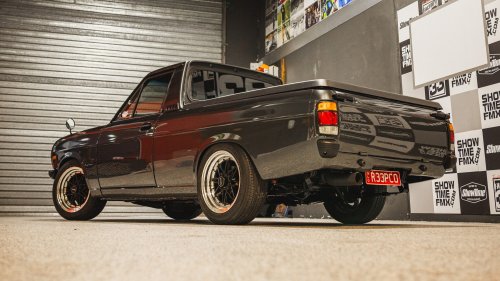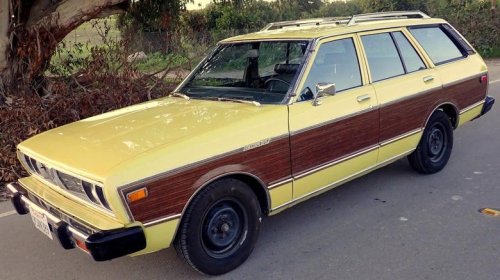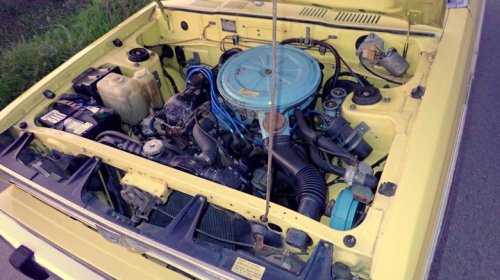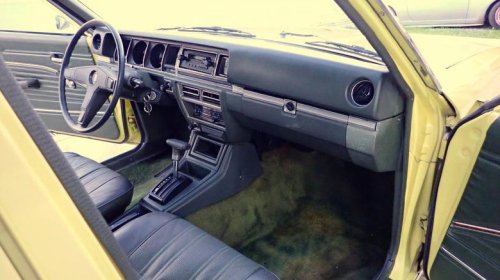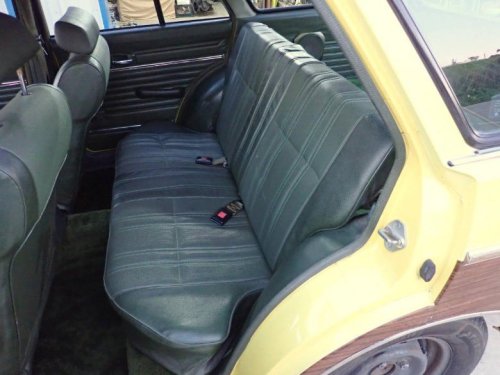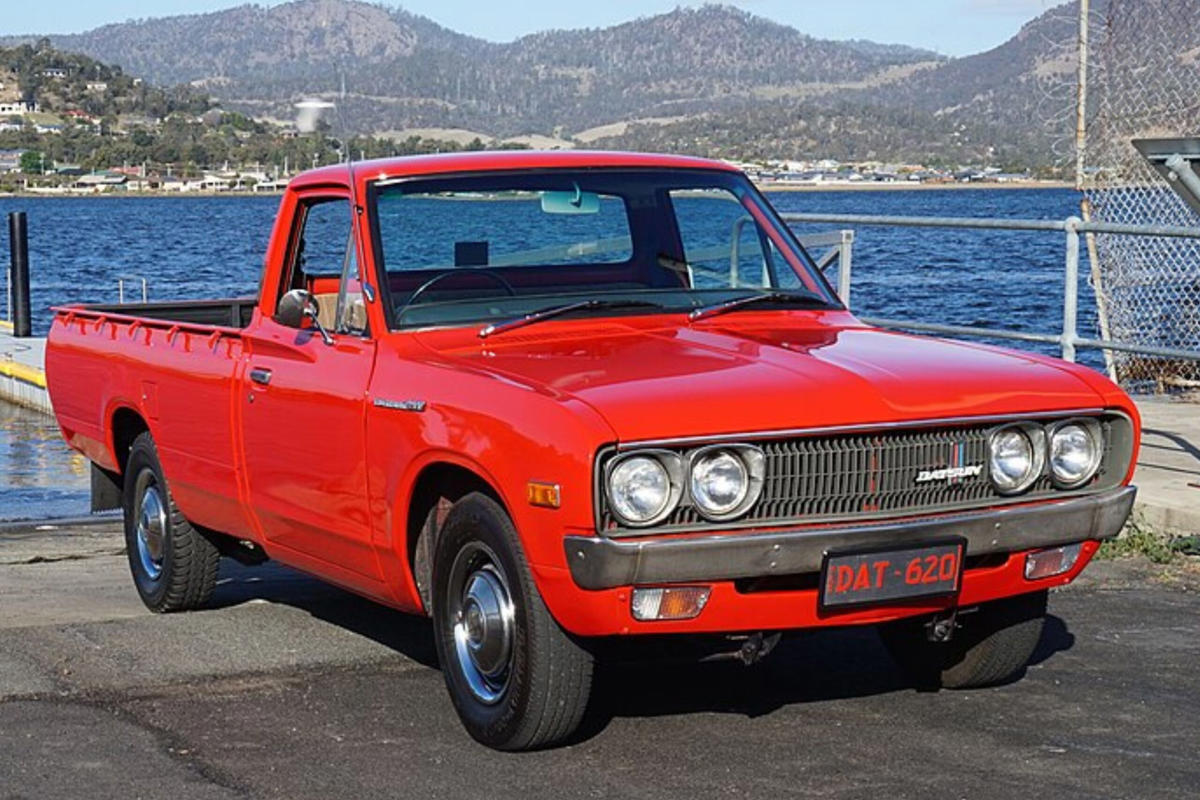



















Compact but capable the 1975 Datsun 620 proved small trucks had a placeThe 1975 Datsun 620 pickup truck may have been compact in size, but it made a significant impact in the automotive world by establishing a market for small trucks. It challenged perceptions and carved out a niche that would grow into a major segment of the automotive industry, demonstrating that smaller vehicles could be both practical and desirable. The Emergence of Compact Trucks In the early 1970s, the automotive market was primarily dominated by large, gas-guzzling vehicles. American manufacturers such as Ford and General Motors focused on producing sizable trucks and sedans, while the concept of a smaller, more fuel-efficient vehicle was largely unexplored. However, this trend began to shift due to several economic and environmental factors. The 1973 oil crisis led to skyrocketing fuel prices, prompting consumers to seek more economical transportation options. Environmental concerns also started to influence automotive design, with increasing awareness of pollution and resource conservation. Amid these changing dynamics, Datsun (now known as Nissan) recognized the opportunity to introduce a compact truck that could cater to the evolving needs of consumers. The company leveraged its expertise in producing smaller cars to enter the burgeoning compact truck market. This strategic decision positioned Datsun as a pioneer in creating a vehicle that combined utility with efficiency—a vision that would soon resonate with a wide audience seeking alternatives to traditional, larger trucks. Design and Engineering Excellence The Datsun 620 stood out for its innovative design and engineering features that differentiated it from competitors. One of the most notable design elements was its compact yet functional body, which offered practicality without compromising on style. The 620 featured a distinctive front grille and a sleek profile that appealed to both individual and commercial buyers. Inside, the cabin was designed with comfort in mind, offering a surprisingly spacious interior for a compact truck. Under the hood, the Datsun 620 was equipped with a robust engine that balanced power with fuel efficiency. The standard engine was a 1.6-liter inline-four that delivered sufficient horsepower for everyday tasks while maintaining impressive fuel economy. This balance of performance and efficiency was a key selling point, especially during a time when fuel conservation was at the forefront of consumer concerns. Furthermore, the 620’s engineering focused on durability and reliability, with reinforced chassis and suspension systems that could withstand rigorous use, making it a favorite among small business owners and adventurers alike. Market Reception and Cultural Impact The introduction of the Datsun 620 was met with enthusiasm by consumers who were ready for a change from the traditional large trucks. Its smaller size and economical operation appealed to a wide range of buyers, from urban dwellers seeking a practical vehicle for city driving to small business owners who needed a reliable work truck. The affordable price point further contributed to its popularity, allowing more consumers to access the benefits of owning a truck without the hefty costs associated with larger models. The impact of the Datsun 620 extended beyond just consumer preferences; it also influenced other manufacturers to reconsider their approach to truck design. Competitors like Toyota soon followed suit, introducing their own versions of compact pickups, such as the Toyota Hilux, which further solidified the viability of this market segment. The Datsun 620 also became a cultural icon, frequently appearing in popular media and becoming a staple in various communities for its versatility and reliability. Versatility and Practicality The Datsun 620’s versatility made it an integral part of daily life for many owners. Its compact size allowed for easy maneuverability in urban environments, while its robust build supported various business applications. Owners used the 620 for everything from transporting goods to undertaking DIY projects, highlighting its practical utility in both personal and professional contexts. Enthusiasts also embraced the Datsun 620 for its potential for customization and modifications. The truck’s straightforward design and engineering made it accessible for those looking to enhance performance or aesthetics. Popular modifications included upgrading the suspension system, adding aftermarket wheels, and customizing the paintwork to reflect personal style. This culture of customization contributed to the Datsun 620’s enduring legacy, inspiring future generations of compact truck enthusiasts. The Legacy of the Datsun 620 The long-term impact of the Datsun 620 on the truck market is evident in the continued popularity of compact trucks. The success of the 620 demonstrated the demand for smaller vehicles that could deliver both utility and efficiency, leading to a broader acceptance of compact trucks. This shift paved the way for modern successors, such as the Nissan Frontier and Ford Ranger, which continue to dominate the market. Today, the Datsun 620 holds a special place among car enthusiasts and collectors. The truck is celebrated for its historical significance and engineering merits, with many restored models fetching high prices at auctions. Its ongoing appeal is a testament to the innovative vision that Datsun brought to the automotive industry, offering valuable lessons for modern manufacturers as they navigate the evolving landscape of consumer preferences and environmental considerations. Looking Forward: Compact Trucks Today The evolution of the compact truck segment is evident in the diverse range of models available on the market today. Modern compact trucks have embraced advancements in technology and design, incorporating features such as hybrid powertrains, advanced safety systems, and enhanced connectivity options. These innovations address contemporary consumer demands for efficiency, safety, and convenience without sacrificing the utility that compact trucks are known for. In today’s market, compact trucks play a crucial role in catering to consumers who seek vehicles that can perform a variety of functions without the bulk of larger models. The increasing popularity of outdoor activities and the rise of small businesses have further cemented the relevance of compact trucks, prompting manufacturers to continually innovate and adapt their offerings. Looking ahead, the future prospects for compact trucks remain promising. As environmental concerns and technological advancements continue to shape the industry, compact trucks are likely to evolve further. Manufacturers may explore the integration of electric drivetrains, autonomous technology, and sustainable materials to meet the needs of the next generation of truck buyers. The legacy of the Datsun 620 serves as a reminder of the potential for innovation and adaptation in the automotive world, ensuring that compact trucks remain a vital part of the market for years to come. More from Fast Lane Only Unboxing the WWII Jeep in a Crate 15 rare Chevys collectors are quietly buying 10 underrated V8s still worth hunting down Police notice this before you even roll window down