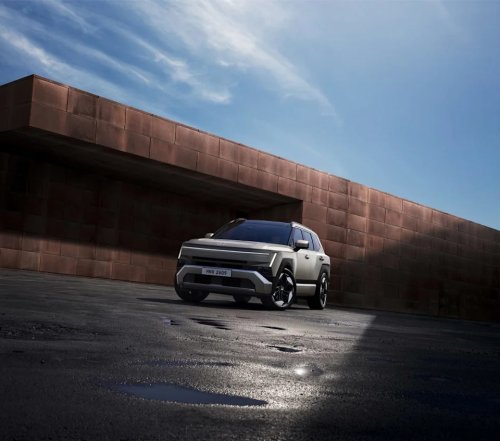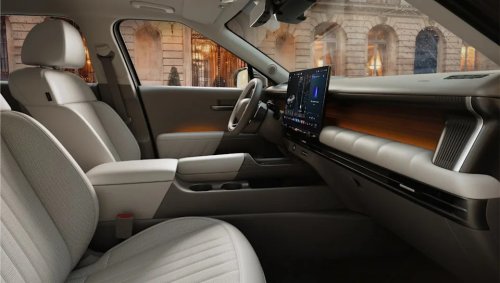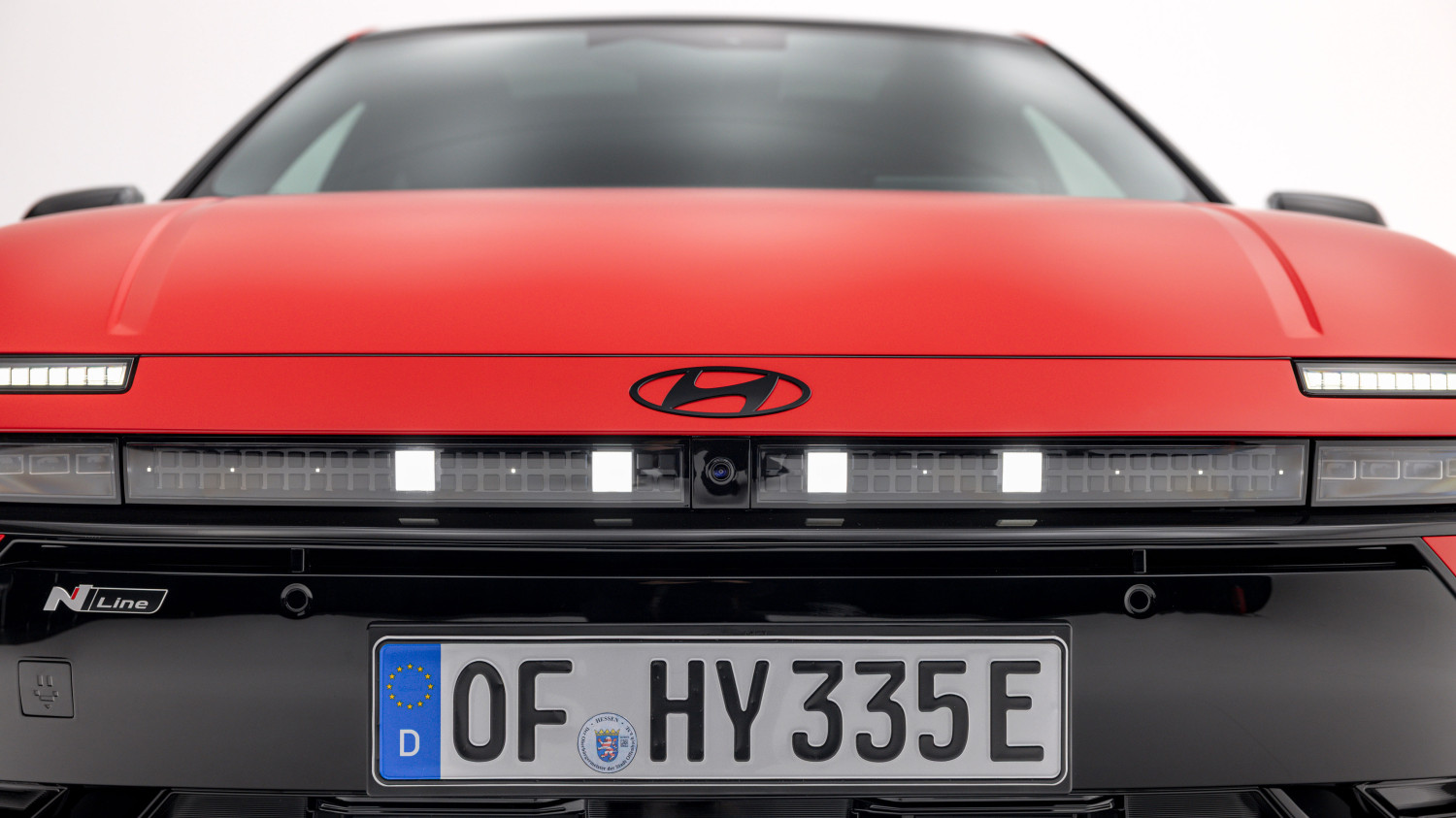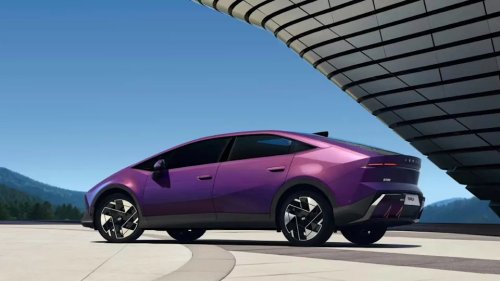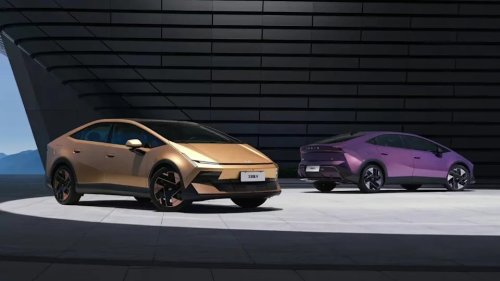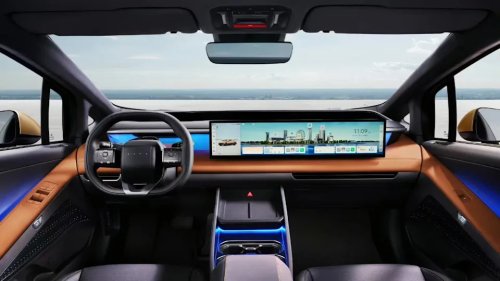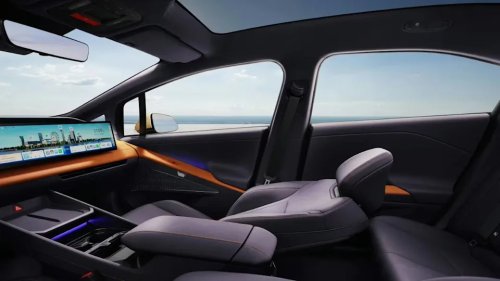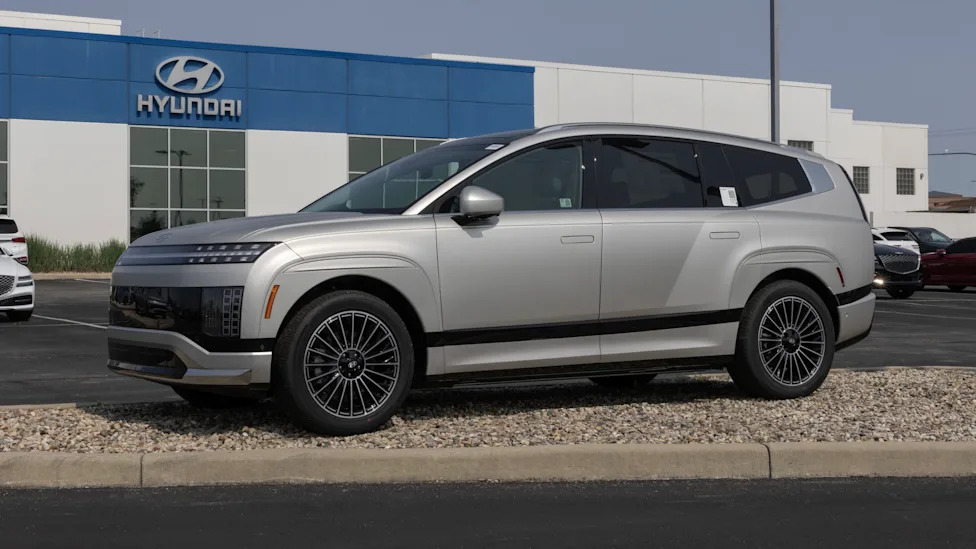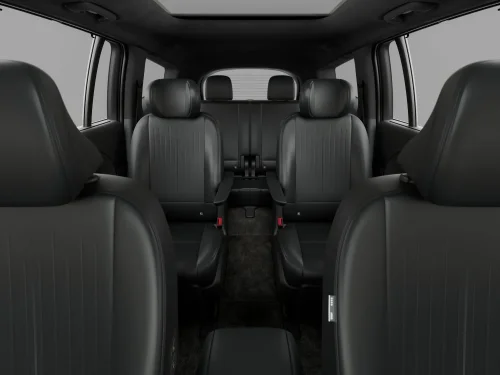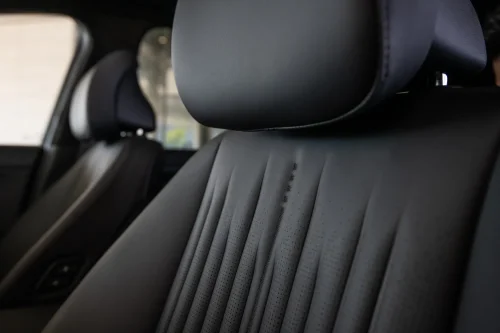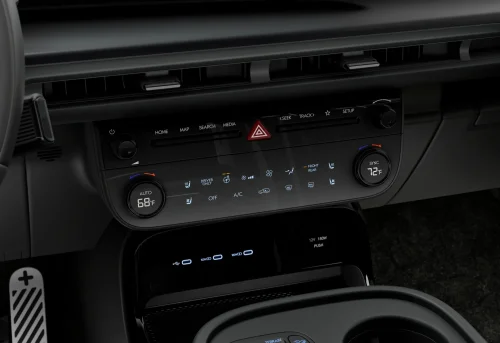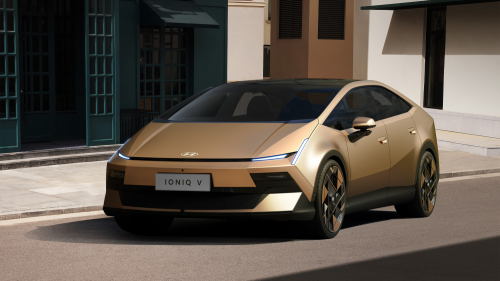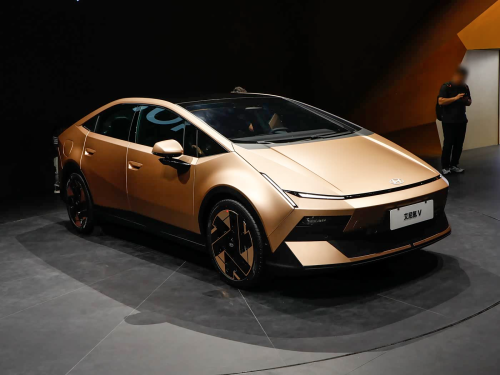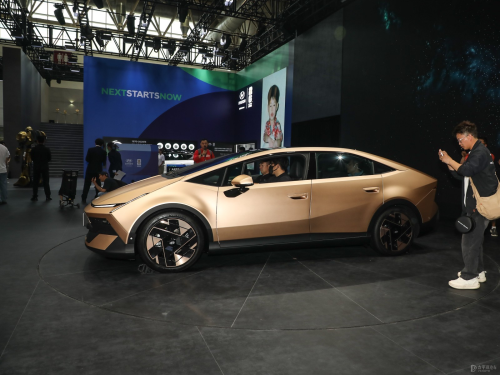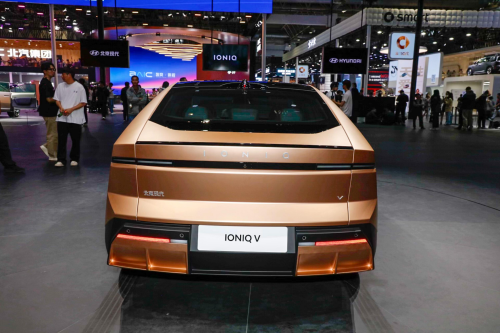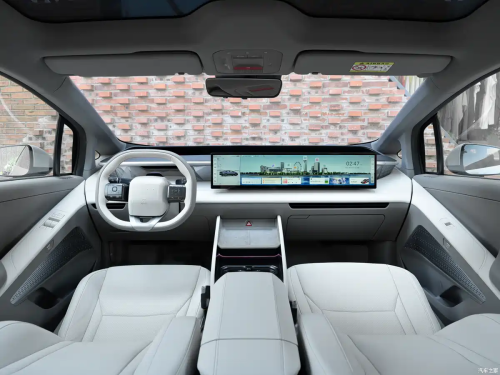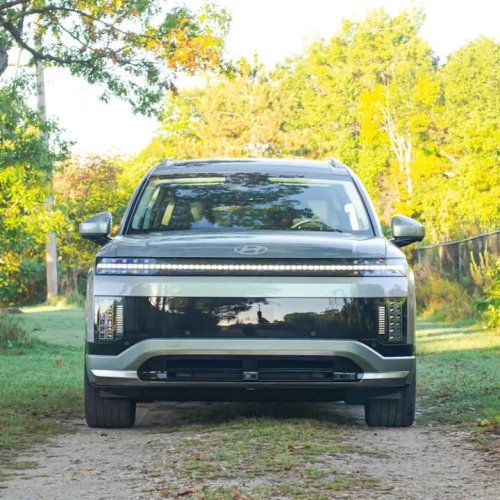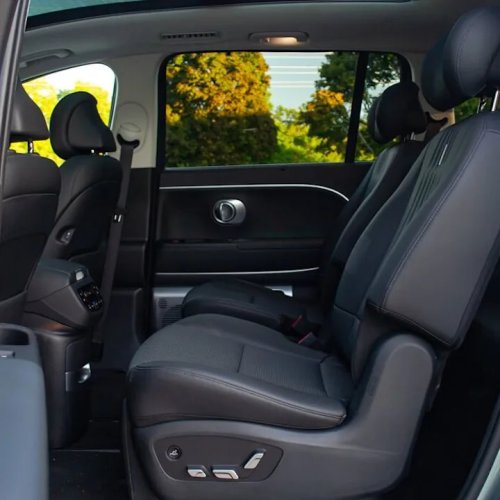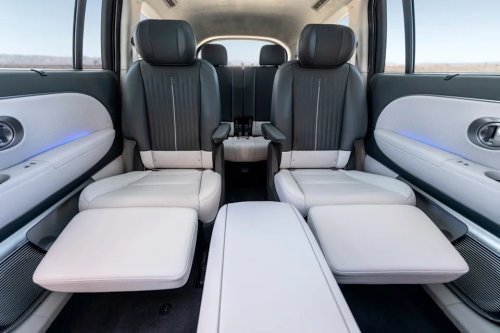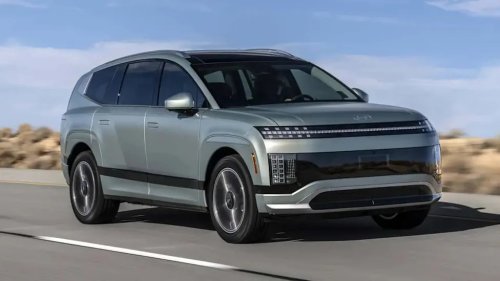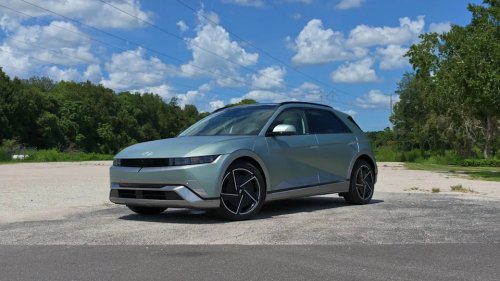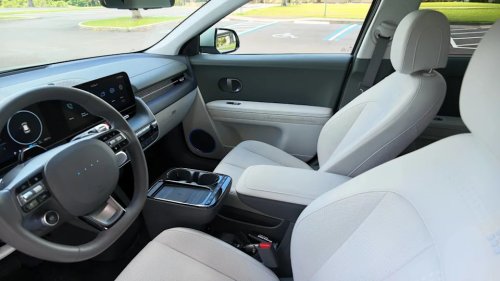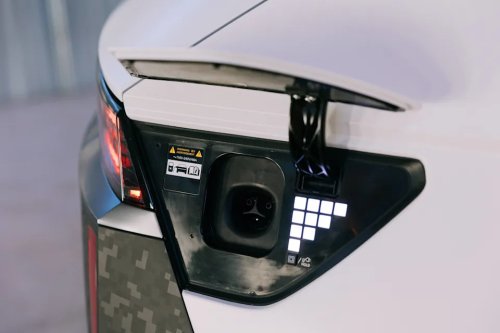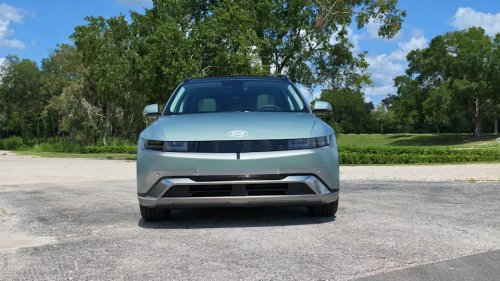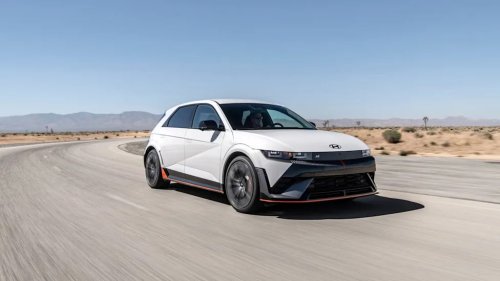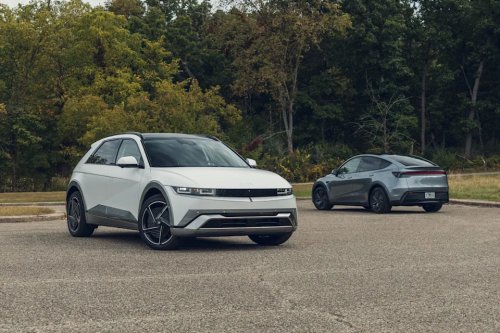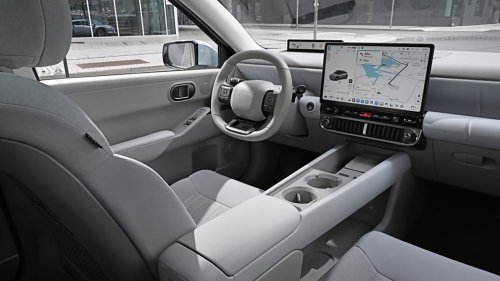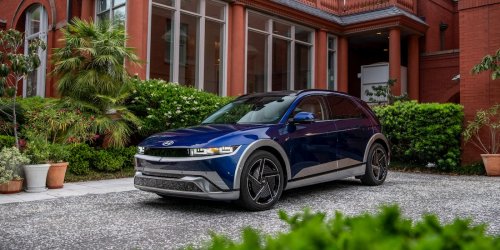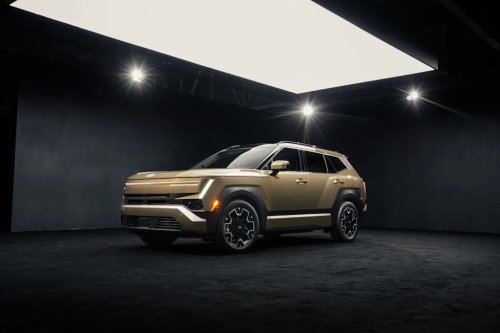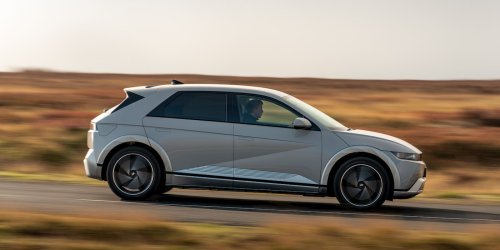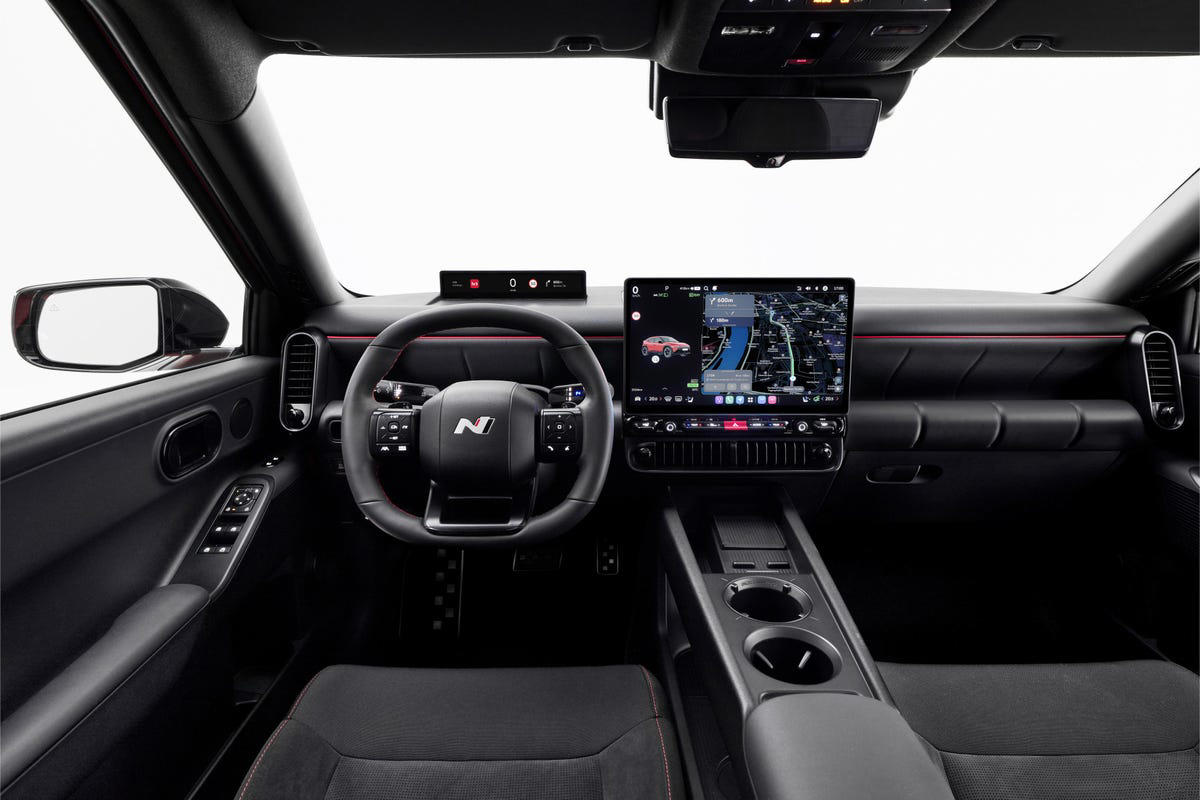






















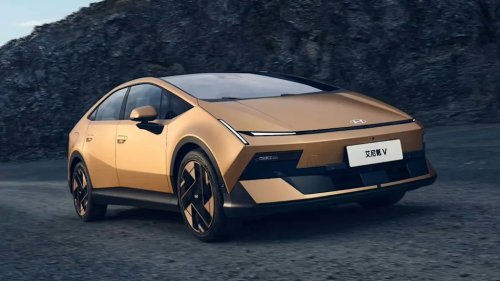
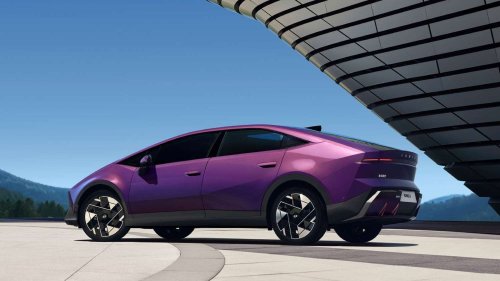
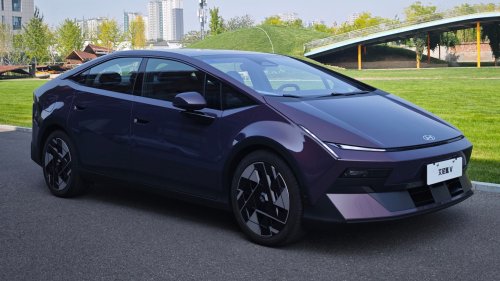
More EV news from Hyundai, and no, it’s not an announcement the Korean automaker is retreating from the segment. Hyundai just unveiled a new addition to its Ioniq electric lineup, the Ioniq 3, a compact hatchback aimed at European customers familiar with a broad compact EV landscape.The Ioniq 3 is Hyundai’s latest attempt at bringing its advanced EV tech to a broader (read: more cost-conscious) audience. The car combines a formula already seen in its popular Ioniq 5 model, pairing a new-futuristic aerodynamic design with a deceptively spacious interior. The model is built on the Hyundai Motor Group’s Electric-Global Modular Platform (E-GMP), using a 400-volt architecture designed to balance range, performance and charging capability for everyday use.At the heart of the new car’s design intent is what Hyundai calls a new “Aero Hatch” philosophy. The styling blends a low front end with a long, straight roofline that extends over both rows of passengers before tapering into a Honda CRX-ish rear. Hyundai says this approach gives the car a low 0.263 coefficient of drag, but also maximizes the interior space possible with its footprint, particularly for rear-seat passengers.The compact EV will be offered with two battery options, though neither boast outstanding range: a standard-range version with a projected range of 344 kilometers (about 214 miles) on the very optimistic WLTP cycle, and a long-range model targeting up to 496 kilometers (308 miles). Fast-charging capability allows the battery to go from 10 to 80 percent in about 29 minutes under optimal conditions, while AC charging of up to 22 kW is also supported.Hyundai Ioniq 3Inside, Hyundai says the Ioniq 3’s flat floor and extended wheelbase makes for plenty of room for five adults, with special attention paid to rear-seat passenger comfort. The cargo hold has 15.6 cu-ft of cargo space, with more space in a “Megabox” storage area beneath the trunk floor.The Ioniq 3 also introduces Hyundai’s new Pleos Connect infotainment system to Europe for the first time, based on Android Automotive OS and available with either a 12.9-inch or 14.6-inch display. It also incorporates Hyundai’s latest SmartSense driver-assistance systems, including Highway Driving Assist 2, Remote Smart Parking Assist, and Blind-Spot View Monitor, along with seven standard airbags.Autoweek SOC EV Newsletter sign upHyundai says the vehicle was developed specifically for European market, so the likelihood it makes its way stateside is slim, but with the ever-shifting EV landscape here, that could change, giving American buyers another sharp EV option from Hyundai at a more reasonable price. Stickers in Europe are expected to fall between $31,000 to $34,000.