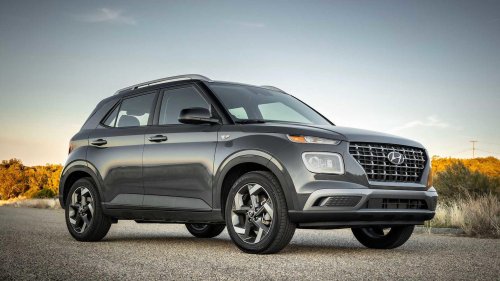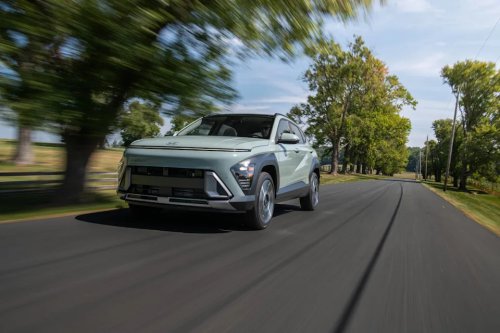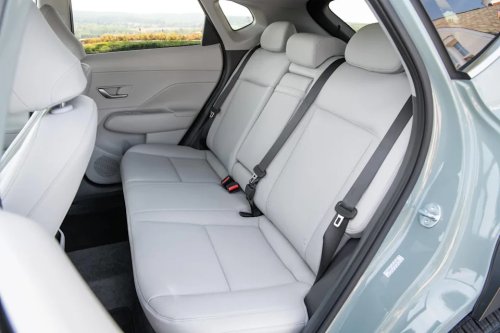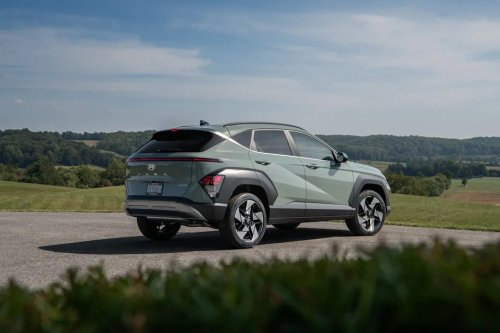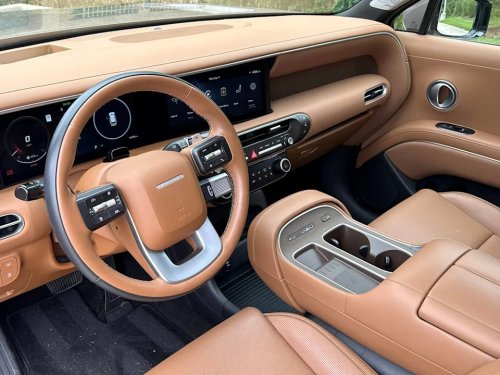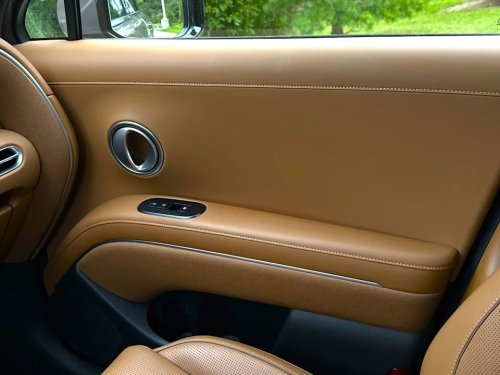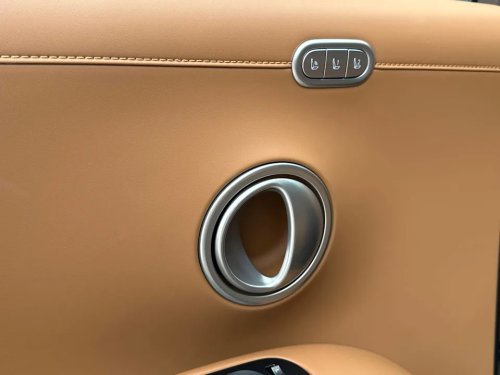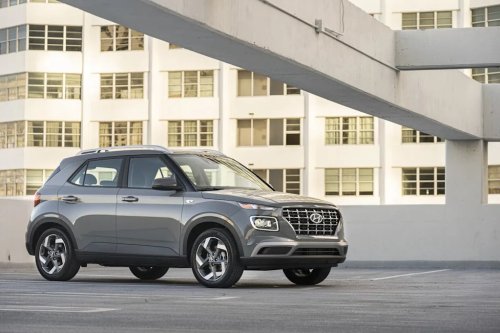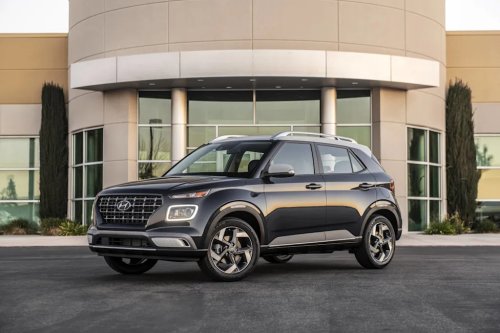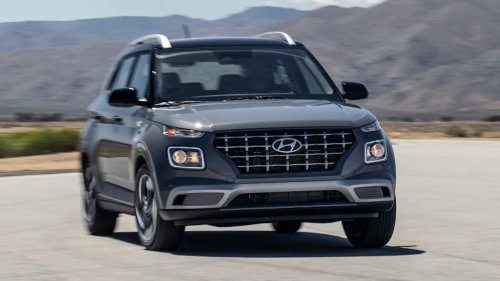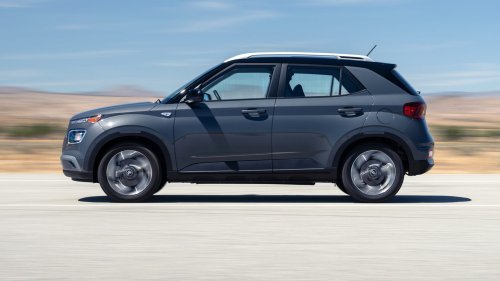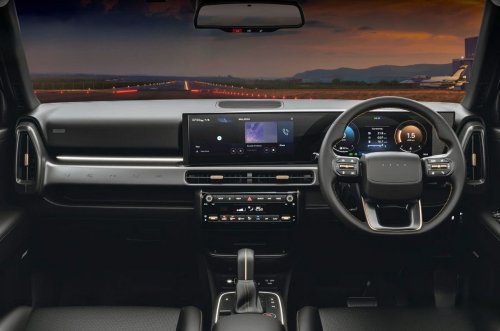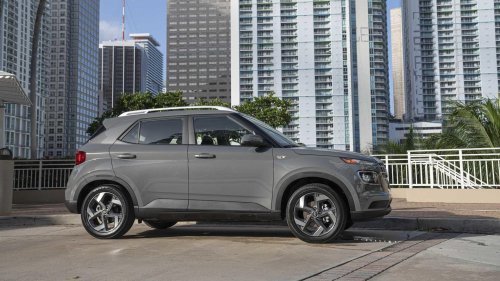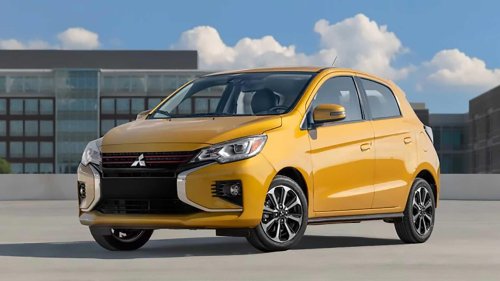
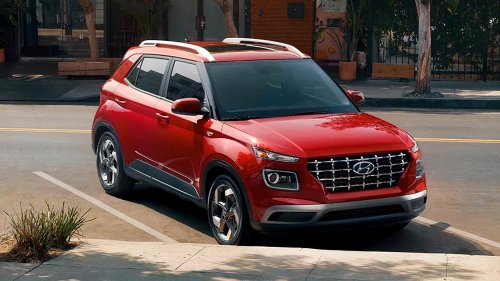
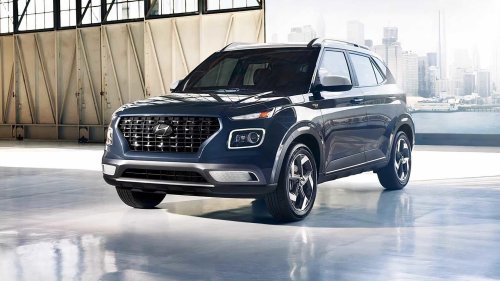
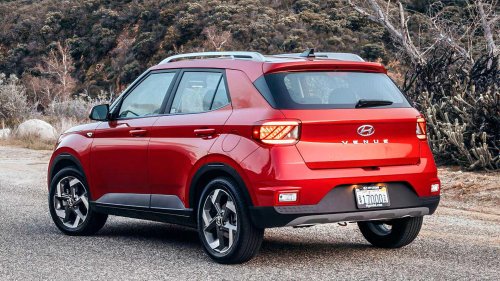
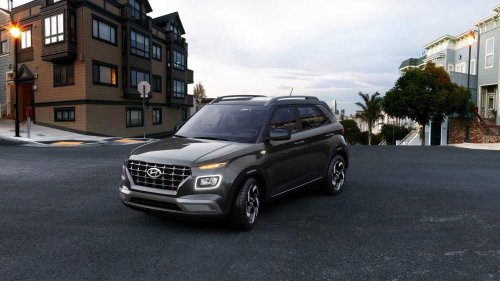
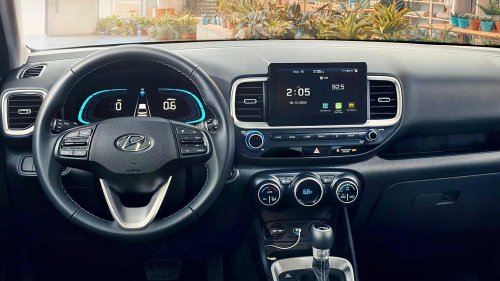
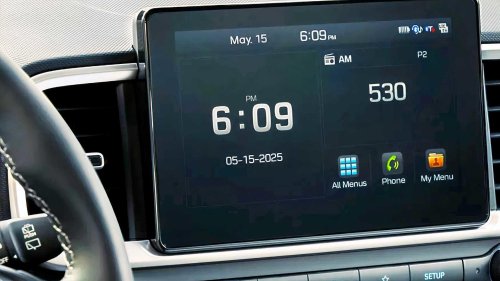
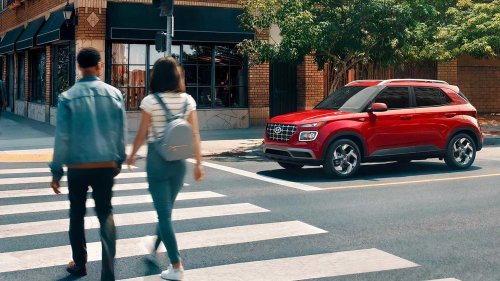
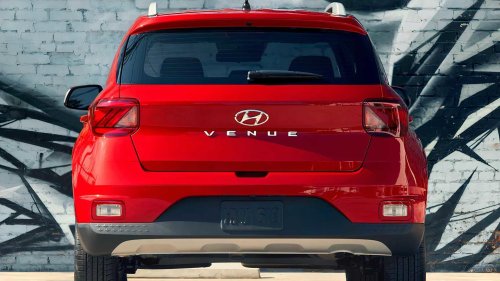



















Once upon a time, American car buyers on the tightest of budgets could still walk into a showroom and drive themselves out in a machine that did not cost them an arm and a leg. That time is now over, and sub-$20,000 vehicles are extinct. From budget sedans to entry-level SUVs, most car models that were below this price mark have now been taken off the shelf, and instead, the new, relatively most-affordable cars in the United States are significantly pricier.The blame cannot be put on any one particular factor. Rising production costs have pulled sticker prices higher with increased tariffs on imported models as well as taxes on foreign-made automotive parts at play. Stricter emission regulations have also impacted manufacturing costs, the burden of which is usually shifted to the buyer. And the buyer? Americans today aren't fine with a bare-bones car, even if it is in the entry-level segment. And even the most elementary group of in-car and drive features costs money, money that customers have to eventually pay. The $20,000 Car Is Dead. Long Live The +$20,000 Car Mitsubishi Till just two years ago, the U.S. market did have car models that were under the $20,000 mark. The affordable price, however, could not guarantee success in terms of sales. Low profit margins didn't help matters either. Buyers were pivoting towards small crossovers and SUVs, and manufacturers saw profit potential here. As such, the likes of the Mitsubishi Mirage and Nissan Versa were made to drive into the American sunset. Previously, models such as the Chevy Spark (2022), Hyundai Accent (2022), and Ford Fiesta (2019) were discontinued.Ford Up until 2025, the Versa was America's most affordable car with a base MSRP of $17,390. But with its ouster, that tag has now shifted to a car model that has a base MSRP of $20,550. It isn't big or flashy. It surely isn't exciting to drive, and it cannot conquer every terrain. But its crossover SUV proportions, coupled with a decent feature list and respectable levels of reliability, make it much more than a cheap car. Here's a model that's seeking to play the fine balancing act between value and utility. And in doing so, it seeks to please your pocket without appearing outright plebeian. Hyundai Venue: The New King Of Cheap Cars To Buy Hyundai Marketing teams of car companies hate the word 'cheap.' They would have us say 'affordable'. Either way, what you do get with the Hyundai Venue is a price that no other model can currently match or beat. The base Venue SE is priced at an MSRP of $20,550. The Venue SEL top trim comes in at $22,825. In current market dynamics, these are great price points to play at. But this subcompact crossover SUV doesn't just assume a low purchase price will pull potential buyers in.Often pitted against the likes of the Nissan Kicks, Kia Soul, and Toyota Corolla Cross, the Venue manages to punch above its weight by offering a practical cabin, good everyday drive dynamics, and a fairly packed feature list. The segment itself isn't as competitive as it used to be in the past, but that has not stopped Hyundai from projecting the Venue as a likable choice, not a budget compulsion. Peace Of Mind: The Surprising Advantage Of The Venue Hyundai Hyundai offerings are often praised for either their exterior styling, cabin features, or spirited drive traits. Or all of these. But the 2026 Venue, the smallest car offered by the Koreans in the US, doesn't rate very high on any of these. Instead, what it does bring to the fore is something most of its rivals do — peace of mind. How? Incredible Warranty And Low Long-Term Costs Hyundai The Hyundai Venue gets the Korean brand's superb five-year/60,000 miles basic warranty. Additionally, the model also comes with a drivetrain warranty of 10 years/100,000 miles. These are over and above other optional warranty covers, like rust (seven years, unlimited miles) and roadside assistance (five years, unlimited miles). This appears to be Hyundai's way of showing confidence in the quality of manufacturing of its smallest offering, a signal that a low price tag doesn't necessarily mean low standards of production.Hyundai While this is great, you really don't want frequent trips to the workshop even if there is a valid warranty, right? The 2026 Hyundai Venue model scores fairly high — 86/100 — in the J.D. Power 'Quality and Reliability' rating as well. And while Mirage ($5,315) and Versa ($5,785) have had a lower estimated repair cost over a 10-year period, as per CarEdge, the Venue isn't too costly to maintain among the current crop of entry-level vehicles, with a 10-year estimated repair cost of $8,303. Of course, this isn't anywhere close to a Toyota but is still par for the course considering how feature-loaded this model is. Practical? Yes. Pompous? No Hyundai Let's be real — no one has ever gone out to buy a Venue to impress a Tinder date. Neither is it something you park in your garage to make your neighbors jealous. Hyundai is well aware that its smallest offering is for budget-conscious buyers who usually have small families and need a practical daily drive machine. And the Venue slots itself right in.While it is sold in over 40 countries worldwide, the Venue offered in North America comes with a slightly longer wheelbase and a slightly more powerful engine under the hood. It obviously isn't an adrenaline-pumping machine with a lot of space, but for four adults, the Venue is fairly comfortable to be in. A respectable fuel economy of 31 mpg (EPA rated), a conventional exterior styling that won't divide opinions, and a cabin that whispers cost-cutting rather than screams it make it a viable option for many. The Koreans Have Aced Their Features' Game Like Few Others Have HyundaiThe Venue comes with a slew of standard features across all its trims, and the list includes an eight-inch touchscreen unit, a six-speaker audio system, wireless support for Android Auto and Apple CarPlay, alloy wheels, a rear-view monitor, and a hands-free phone system via Bluetooth. Safety is on point as well with the standard list offering Forward Collision-Avoidance Assist with Pedestrian Detection (FCA-Ped), Lane Keeping Assist (LKA), Driver Attention Warning (DAW), High Beam Assist (HBA), and Rear Occupant Alert (ROA).Hyundai The SEL trim is even more loaded with features like heated front seats, wireless device charging, automatic temperature control, and drive mode selection. It stands slightly taller with 17-inch alloys compared to the 15-inch alloys on the SE, and gets a power tilt-and-slide sunroof. The safety feature list also expands with the inclusion of Blind-Spot Collision Warning (BCW) and Rear Cross-Traffic Collision Warning (RCCW). Bang For The Buck Hyundai The Venue doesn't always get the love, affection, and admiration that it deserves from American buyers. But it really should. The car model does lose points for not coming with an AWD option, and yes, there are some cabin plastics that are a put-off. But America's most-affordable (or cheapest) car isn't an exercise in austerity.Hyundai The Hyundai Venue fares well in almost every essential aspect that a buyer prioritizes in the entry-level segment. It then manages to throw in a fair bit of extras, extras that most of its rivals can't brag about. Especially not that best-in-class warranty that sweetens the deal for the Venue. Here is a car that is extremely competitive, not just in terms of the figures printed on the price tag but in terms of the overall value as well.Source: Hyundai, CarEdge, J.D. Power