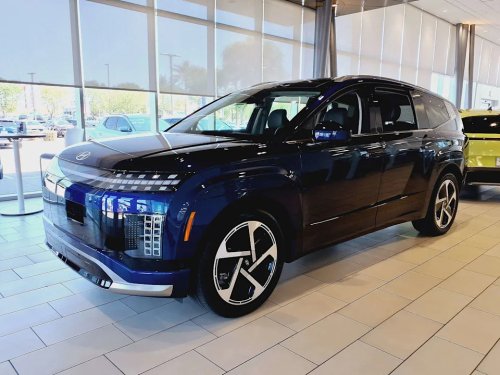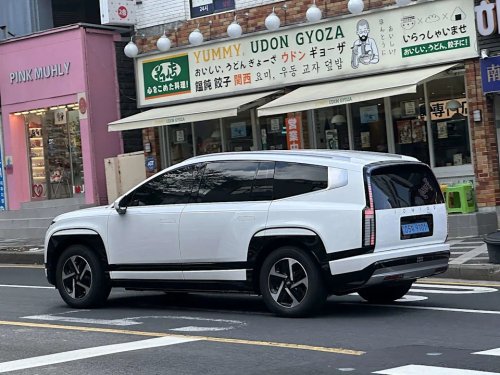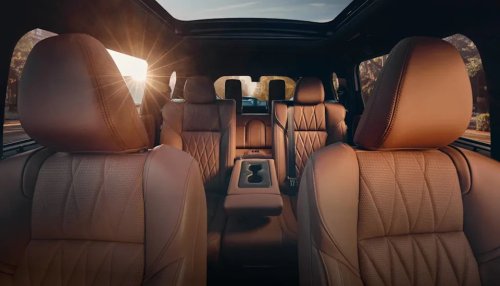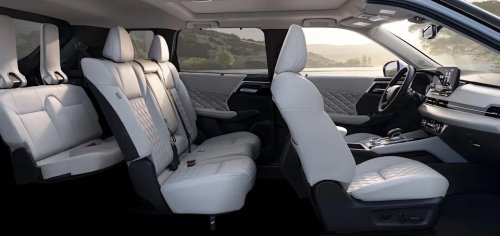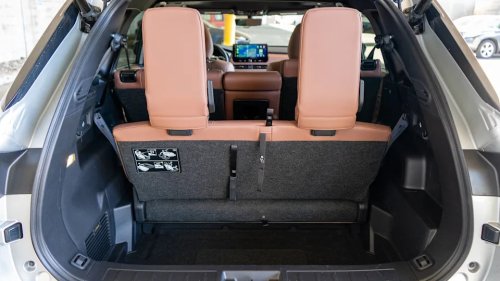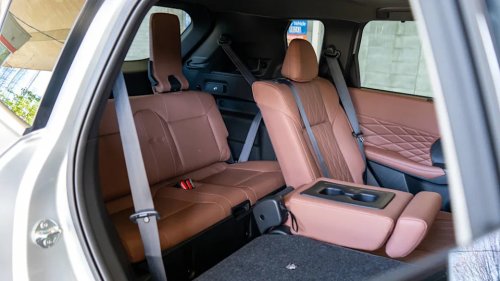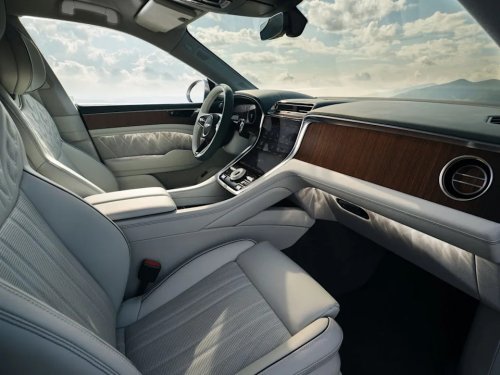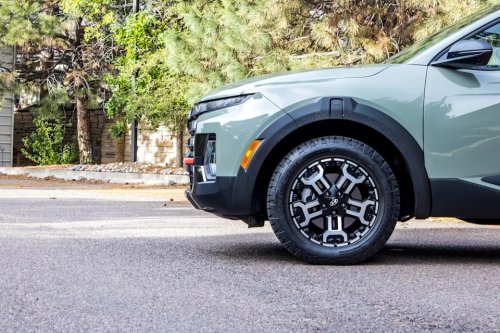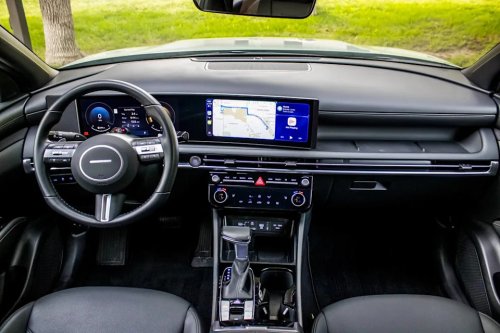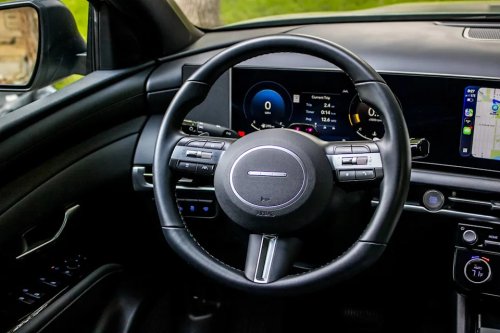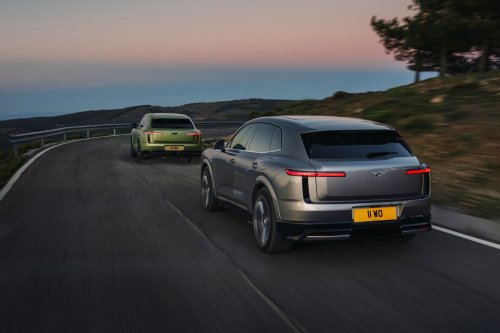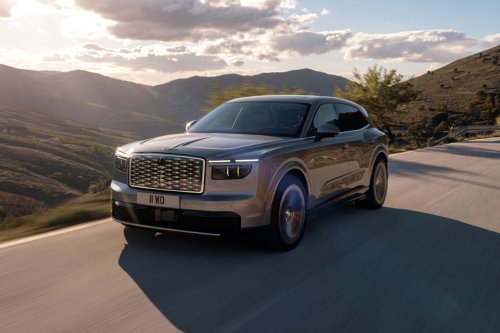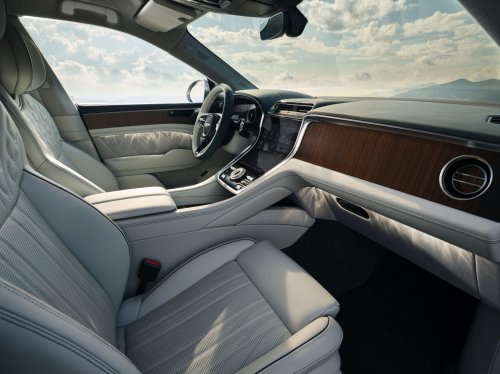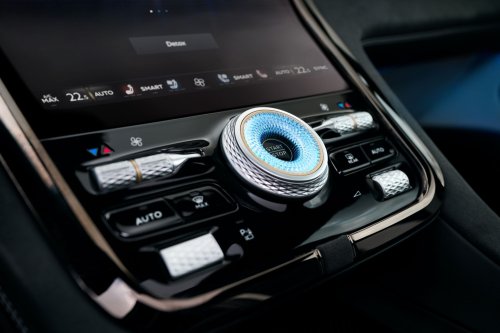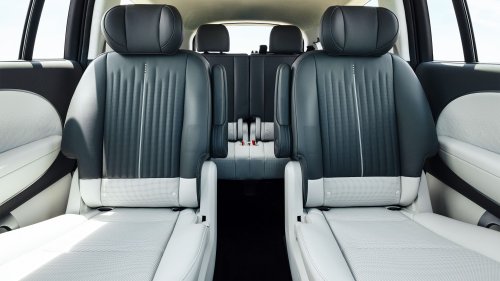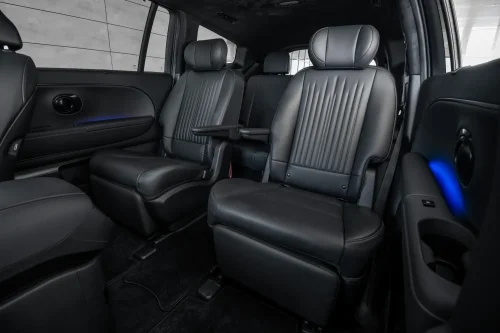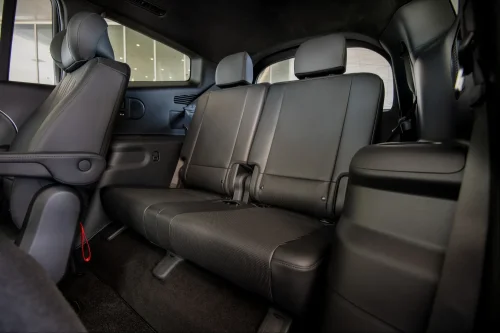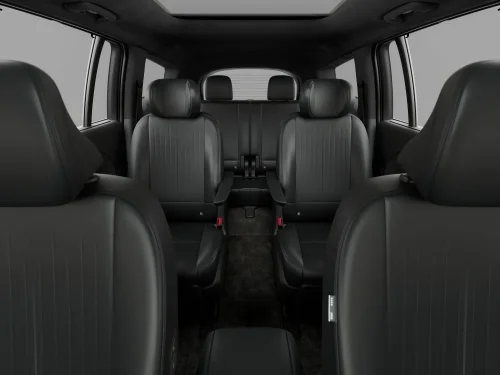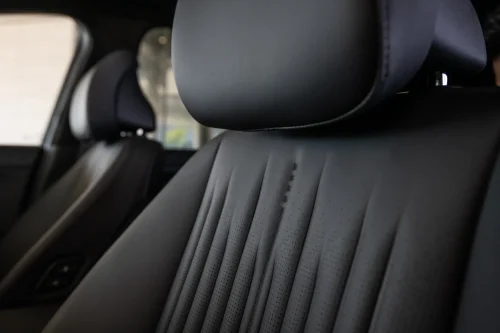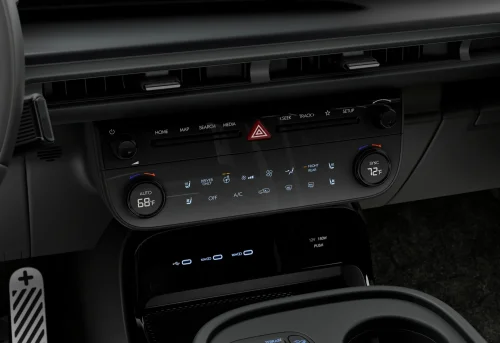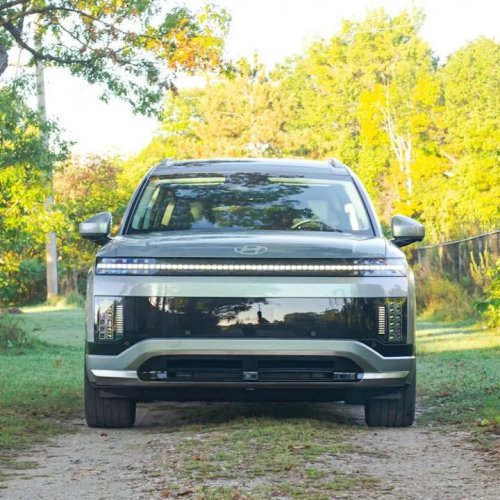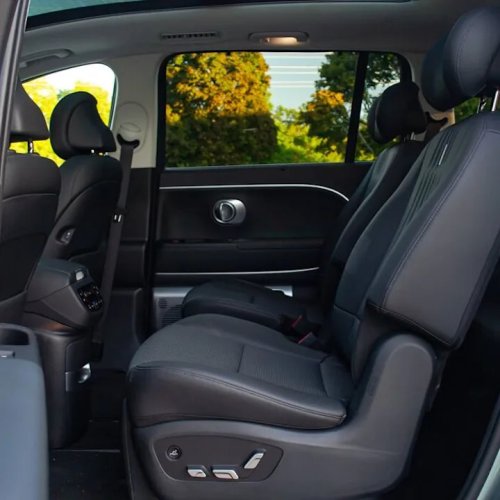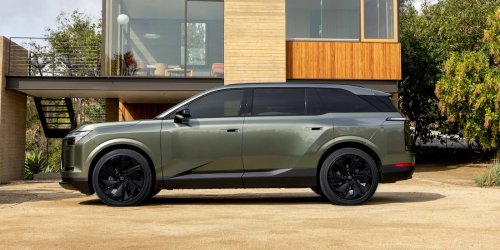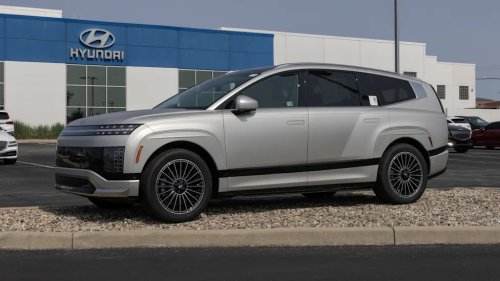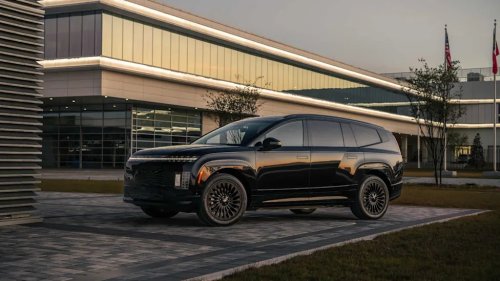
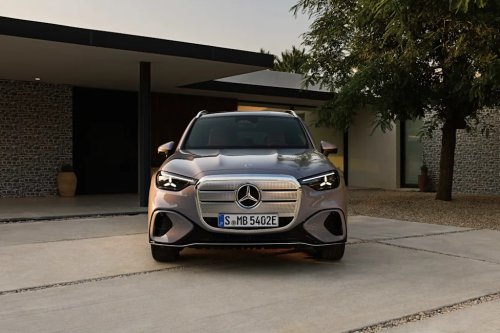
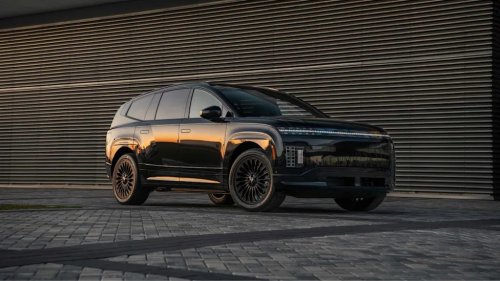
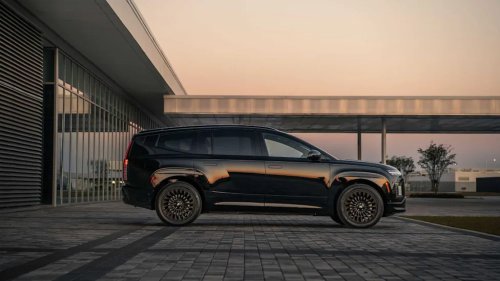
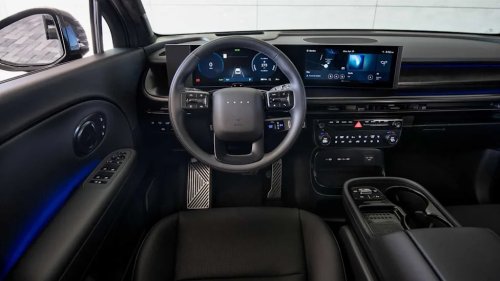
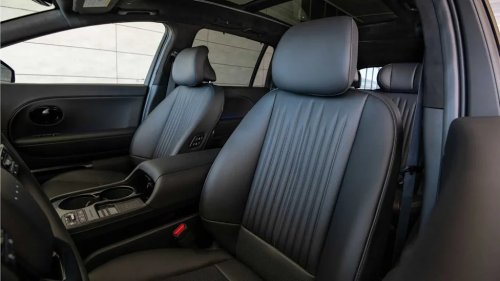
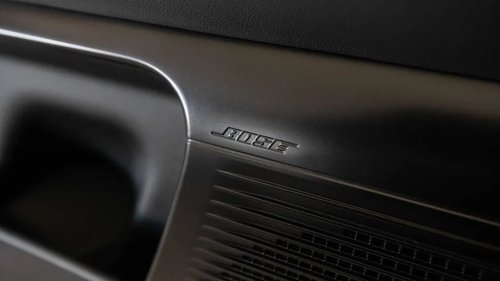
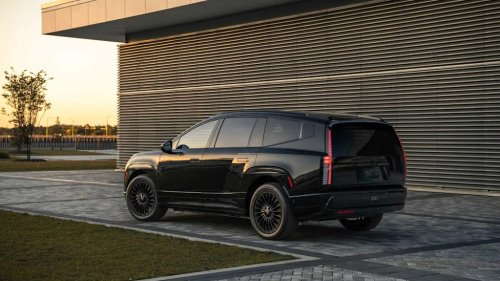
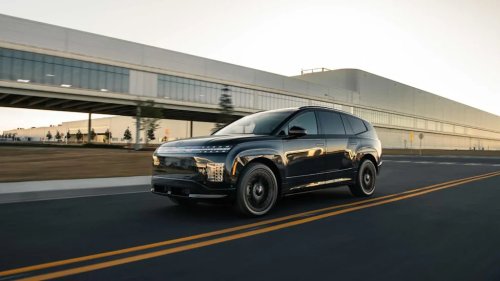



















HyundaiLuxury SUVs have never been more impressive, but they've also never been more expensive. Premium brands continue to command hefty price tags, even as many of the features that once defined the segment have become increasingly common elsewhere.That's changing the way buyers judge value. Instead of paying extra for a prestigious badge, more people are looking at what they're actually getting for their money, from cabin quality and ride comfort to technology and refinement.The Hyundai Ioniq 9 Calligraphy shows just how much the market has shifted. It delivers the kind of luxury experience buyers once expected exclusively from premium brands, but at a price that makes many established rivals look difficult to justify.AdvertisementAdvertisementTo give you the most up-to-date and accurate information possible, the data used to compile this article was sourced from Hyundai and other authoritative sources, including Edmunds, J.D. Power, and TopSpeed.Luxury is no longer defined by the badgeThe rules have changedMercedes-BenzLuxury used to be defined by premium badges and the features that came with them. If you wanted a quieter cabin, smoother ride, and better materials, you usually had to pay luxury-car money.The move to electric vehicles has helped level the playing field. Instant torque, quieter cabins, and dedicated EV platforms have made refinement much easier to achieve across the industry.Platform sharing has accelerated that shift even further. Manufacturers now spread the cost of developing advanced chassis, battery systems, and suspension technology across multiple brands.AdvertisementAdvertisementThat means mainstream models are benefiting from engineering that once stayed within premium divisions. Buyers now have more reason than ever to judge a vehicle by what it delivers rather than the badge on the nose.The Ioniq 9 Calligraphy raises the barA flagship built to challenge luxury SUVsHyundaiThe Hyundai Ioniq 9 was designed to push beyond the expectations of a mainstream three-row SUV. While the range focuses on practicality and range, the Calligraphy trim is all about premium comfort and refinement.Its dedicated electric platform also changes the way the SUV is packaged. Without a conventional engine taking up space, the Ioniq 9 sits low and wide while making far better use of its interior.That architecture also helps on the road. A low-mounted battery pack keeps the center of gravity down, giving the large SUV a more planted feel than its size might suggest.AdvertisementAdvertisementIt all adds up to something very different from the family SUVs that came before it. Rather than feeling purely practical, the Ioniq 9 Calligraphy has been engineered to compete with far more expensive luxury alternatives.Premium looks without the premium priceThe numbers are where things get interestingHyundaiThe Ioniq 9 makes a strong first impression before you even step inside. Its sleek profile, long wheelbase, and low drag coefficient give it the kind of road presence normally associated with far more expensive SUVs.That impression carries over to the price tag. A fully loaded Ioniq 9 Performance Calligraphy starts from $74,990, and Hyundai includes everything as standard rather than relying on costly option packages.That's where the value argument really starts to make sense. Comparable three-row electric SUVs from established luxury brands regularly start closer to $95,000, with many climbing well beyond $110,000 before options.AdvertisementAdvertisementFor buyers comparing equipment rather than badges, the gap is difficult to ignore. The Ioniq 9 delivers a flagship experience while leaving a significant amount of money on the table.The cabin borrows from the Genesis playbookComfort takes priority over flashy gimmicksOpen the door, and it's immediately clear where Hyundai spent its money. Rather than creating a stripped-back mainstream interior, the Ioniq 9 Calligraphy uses many of the comfort-focused ideas normally associated with Genesis.The cabin has been designed to feel solid and well insulated. Hyundai says the structural mountings beneath the floor have been tuned to deliver the kind of isolated ride usually expected from a premium luxury vehicle.Every major touchpoint has also been given extra attention. Controls have a reassuring mechanical feel, while the overall fit and finish are intended to match what buyers expect from far more expensive SUVs.AdvertisementAdvertisementIt's a simple approach, but an effective one. Instead of asking buyers to pay extra for refinement, Hyundai has built it into the flagship model from the start.The seats are the real luxury highlightComfort features once reserved for premium flagshipsHyundaiThe biggest talking point inside the Ioniq 9 Calligraphy is Hyundai's Ergo Motion driver's seat. Instead of relying on conventional padding alone, it uses a series of air bladders that adjust over time to help reduce fatigue on longer journeys.Rear passengers haven't been forgotten either. The second-row captain's chairs feature one-touch relaxation modes with extending leg rests, turning charging stops into a chance to properly unwind.Massage functions add to the experience. Features that were once reserved for flagship executive sedans now come fitted to Hyundai's range-topping family SUV.AdvertisementAdvertisementTogether, those seats give the Ioniq 9 a genuinely premium feel. It's the sort of comfort buyers would normally expect from a much more expensive luxury brand.Technology comes fully loadedNo expensive option boxes requiredHyundaiLuxury brands have traditionally used technology to justify higher prices. Many of the headline features look impressive in brochures, but often sit behind expensive option packages.Hyundai has taken a different approach with the Ioniq 9 Calligraphy. Its panoramic curved display combines two 12.3-inch screens into a clean digital dashboard, while the infotainment system has been designed to respond quickly to inputs.Practicality has also been built into the cabin. The sliding Universal Island center console moves between the front and second rows, making storage and charging easier for everyone on board.AdvertisementAdvertisementA 14-speaker Bose sound system, 100-watt USB-C ports in all three rows, Digital Key smartphone access, and a full-display digital rearview mirror all come as part of the package. It's a level of equipment that many luxury rivals still charge extra for.Luxury engineering without the luxury premiumThe badge is the biggest differenceHyundaiBeneath the bodywork, the Ioniq 9 packs the kind of hardware you'd expect from a flagship luxury EV. Every model uses Hyundai's dedicated electric platform, while the Performance Calligraphy combines a 110.3 kWh battery with a dual-motor all-wheel-drive system producing 422 horsepower.It also benefits from an 800-volt electrical architecture. Connected to a 350 kW DC fast charger, Hyundai says the battery can recharge from 10 to 80 percent in around 24 minutes.On paper, there's very little separating it from far more expensive electric SUVs. It delivers comparable battery capacity, charging performance, and refinement without asking buyers to spend well into six figures.AdvertisementAdvertisementThat's what makes the Ioniq 9 Calligraphy so compelling. It proves you don't necessarily need a luxury badge to enjoy a genuinely premium SUV experience.The Ioniq 9 makes a compelling caseLuxury is becoming easier to affordHyundaiThe Ioniq 9 Calligraphy shows just how much the premium SUV market has changed. Buyers no longer have to spend well into six figures to enjoy a genuinely luxurious driving experience.It combines a premium interior, advanced technology, fast charging, and strong performance in a package that undercuts many established luxury rivals. The fact it shares much of its engineering with Genesis only strengthens that argument.That doesn't mean prestige brands have lost their appeal. But if you're judging a luxury SUV by its comfort, refinement, and equipment rather than the badge on the bonnet, the Ioniq 9 Calligraphy deserves to be on the shortlist.AdvertisementAdvertisementFor buyers willing to look beyond traditional premium marques, it makes a convincing argument that luxury is no longer defined by the logo on the front.