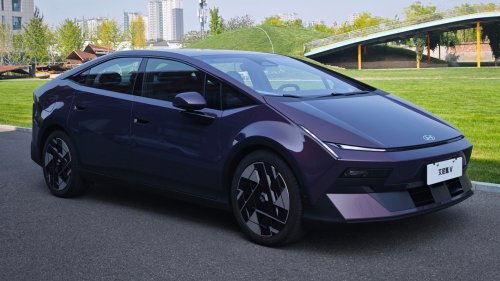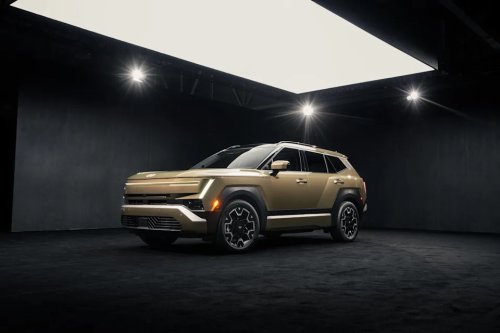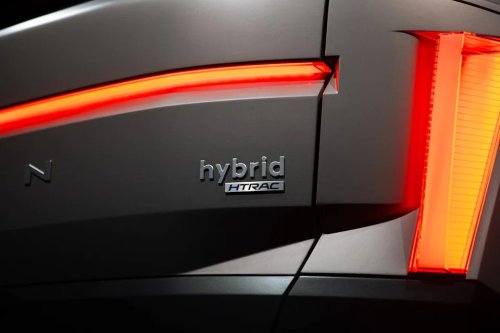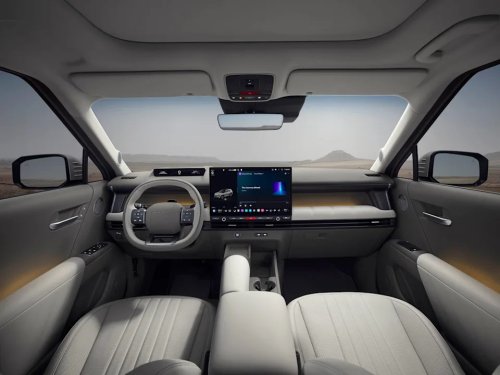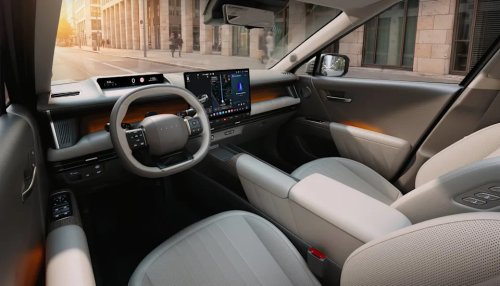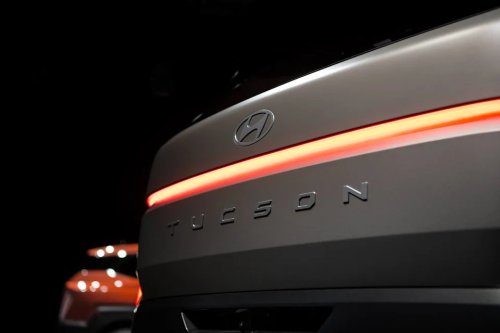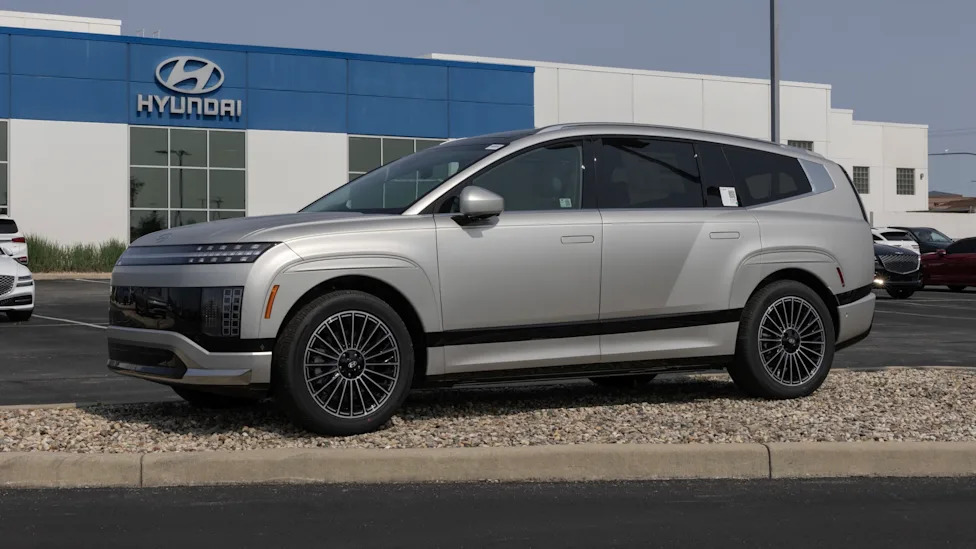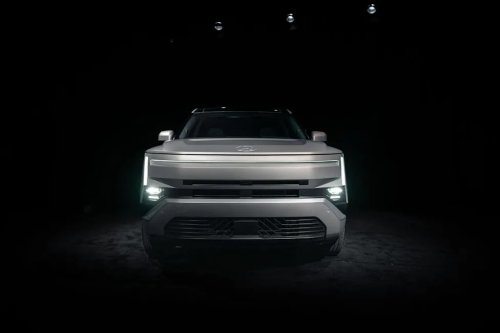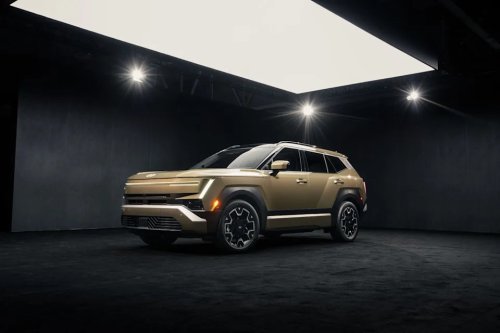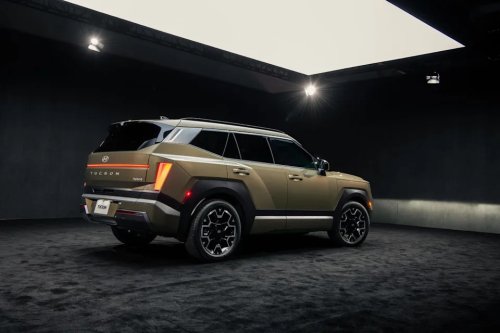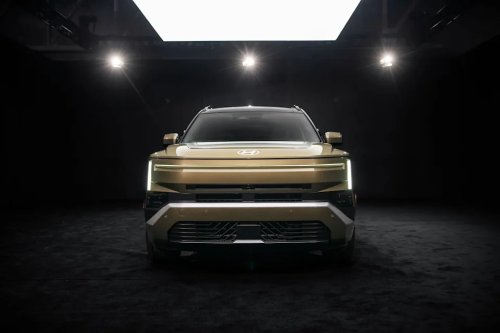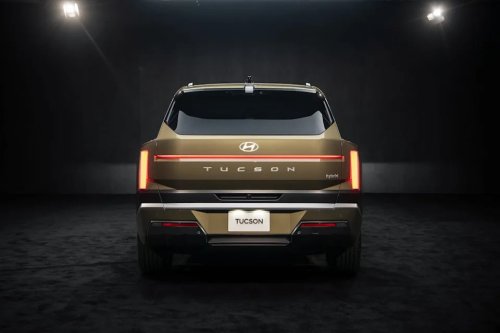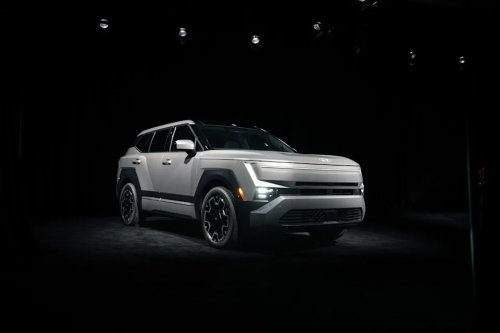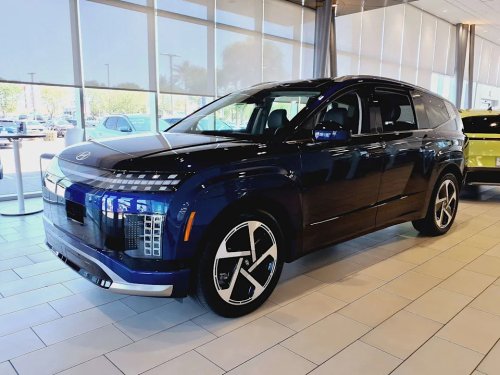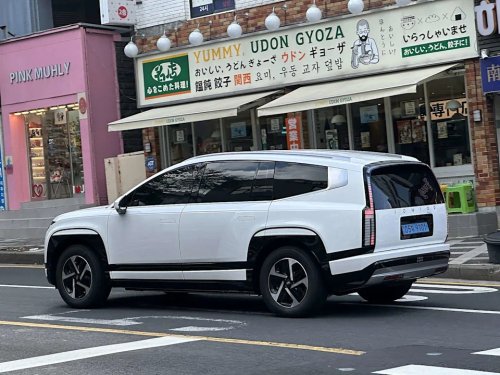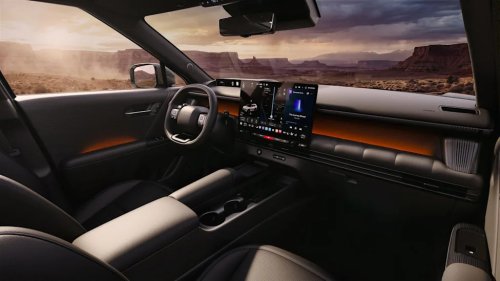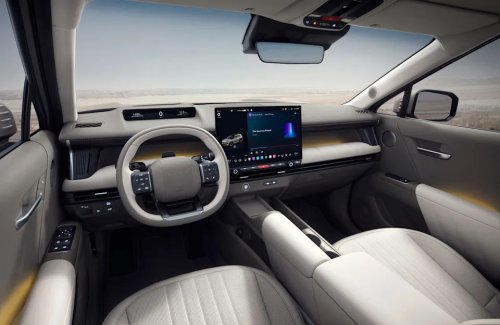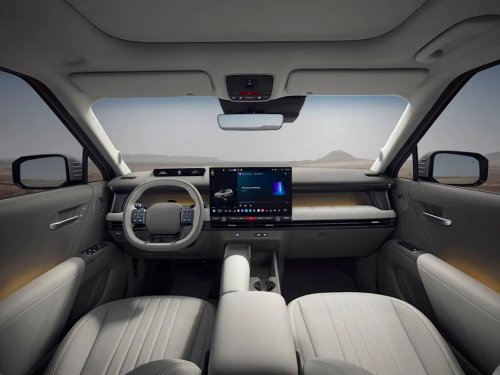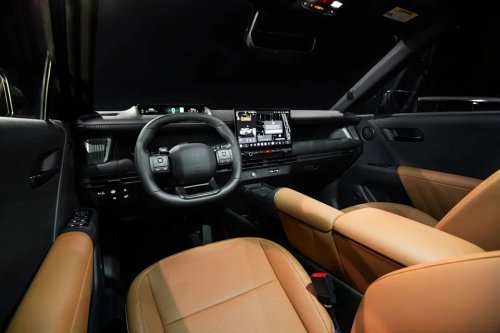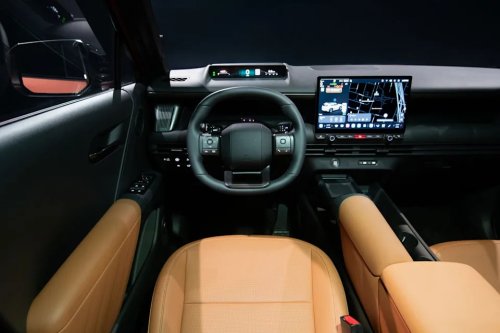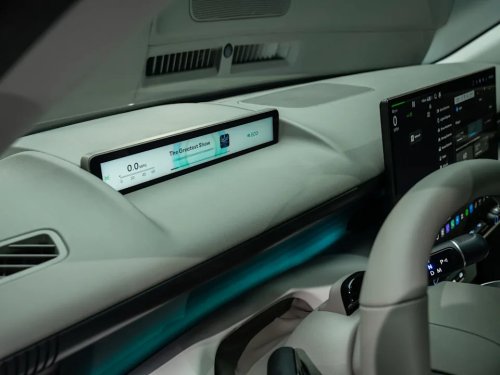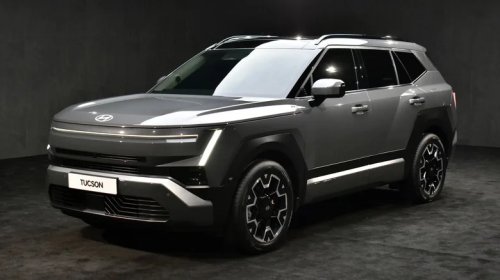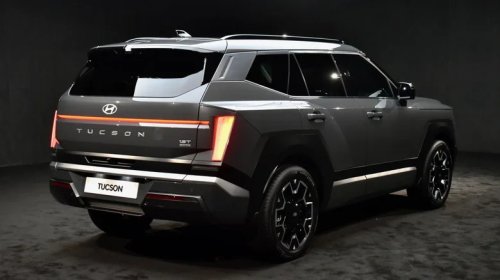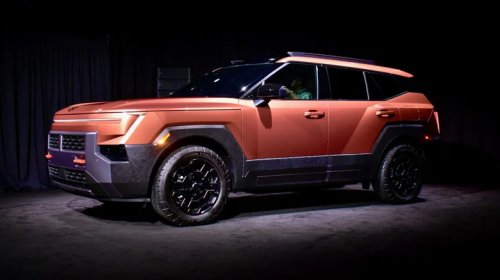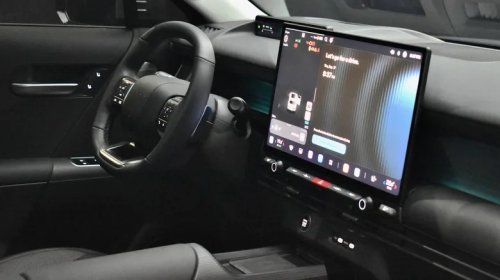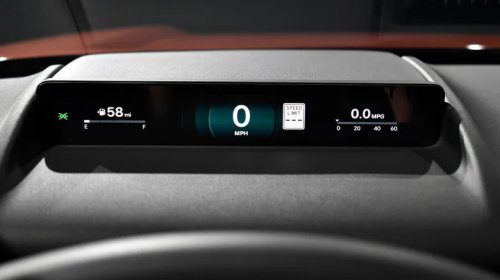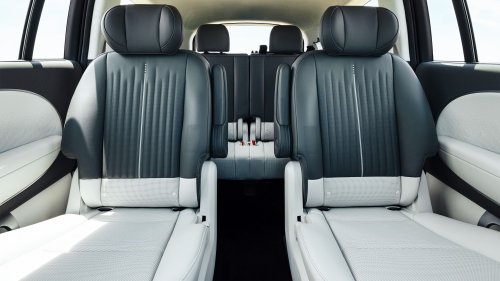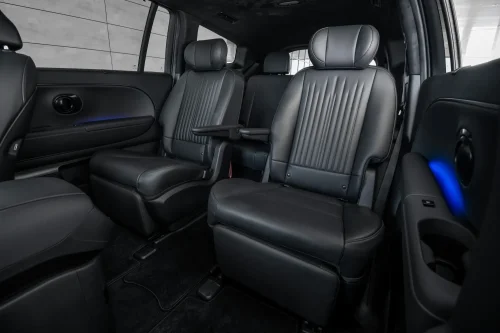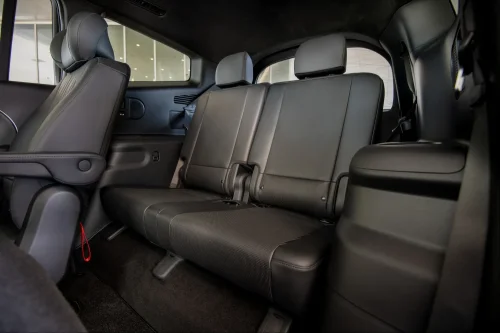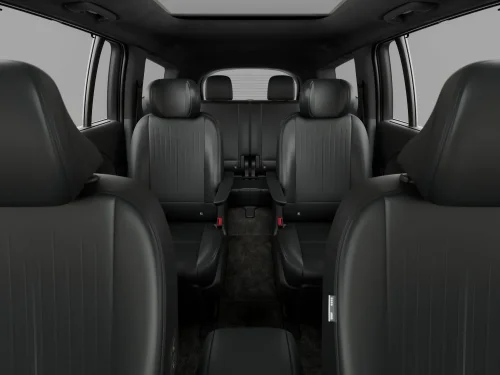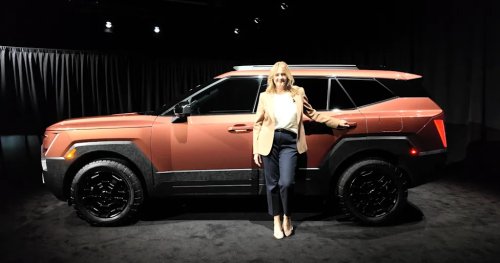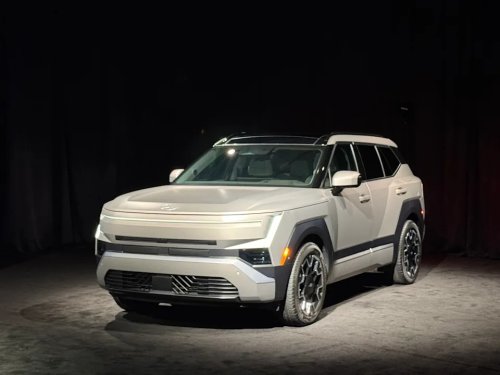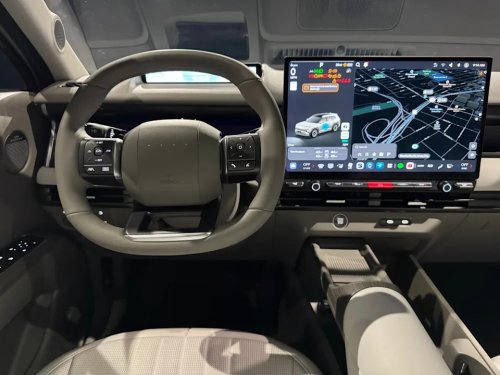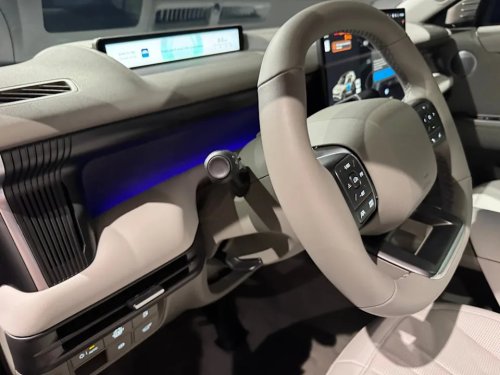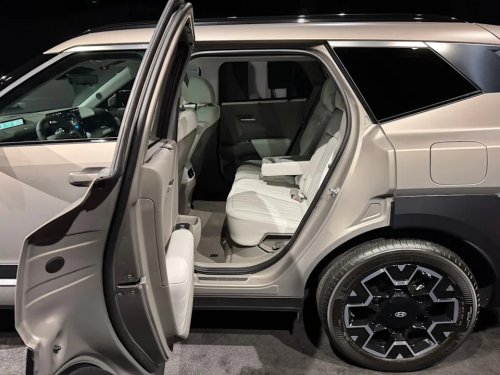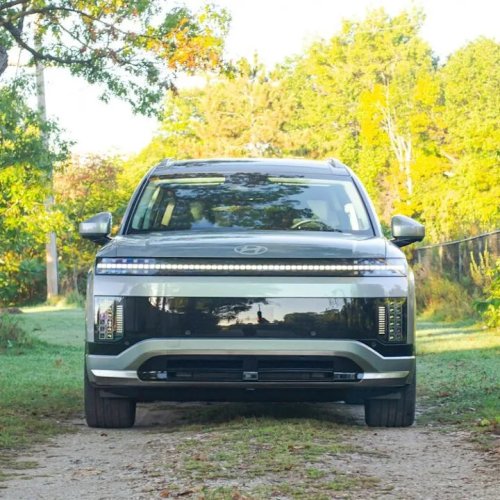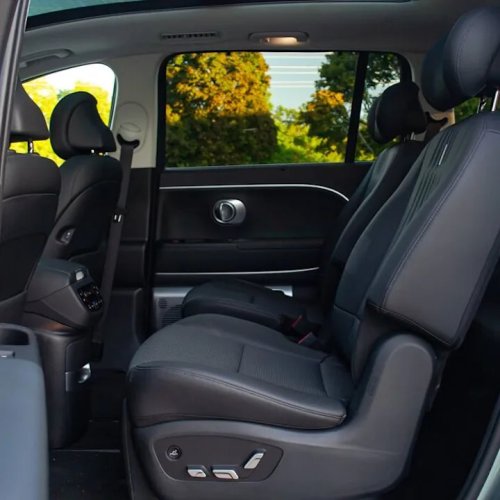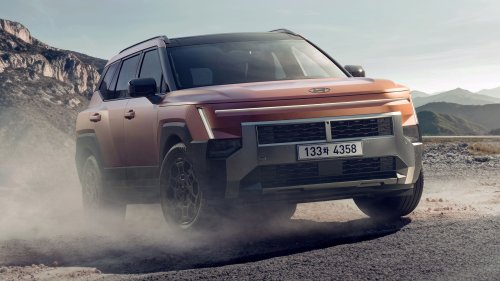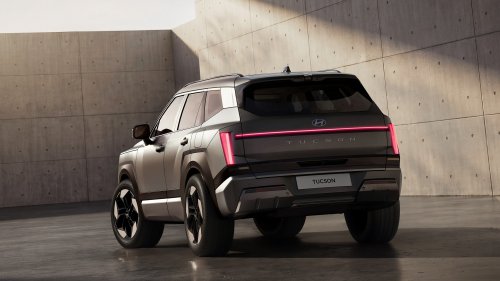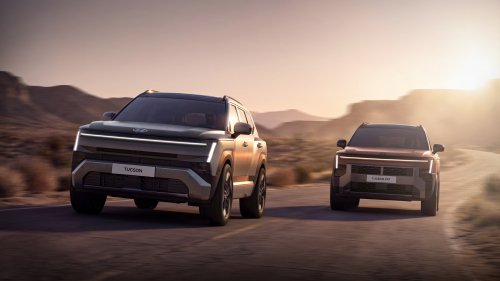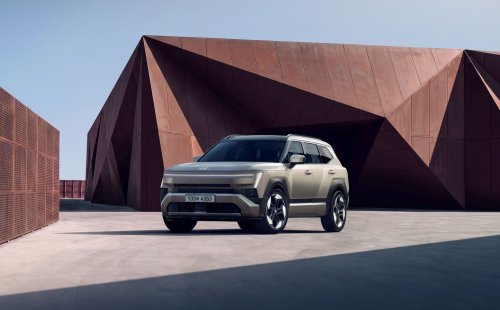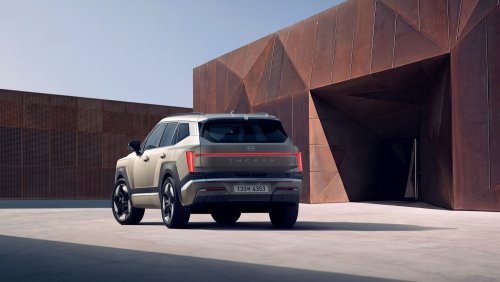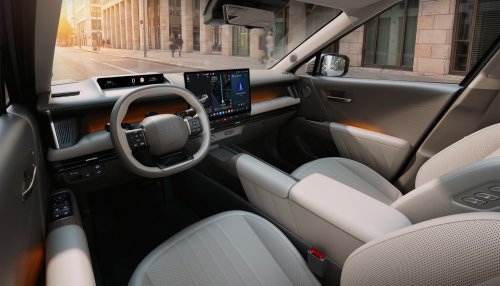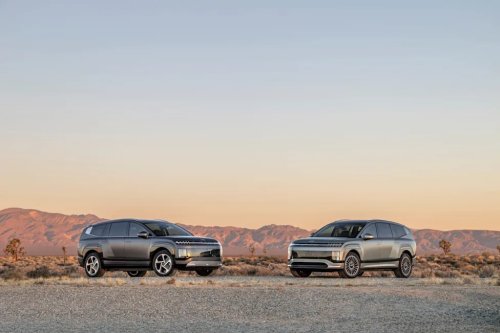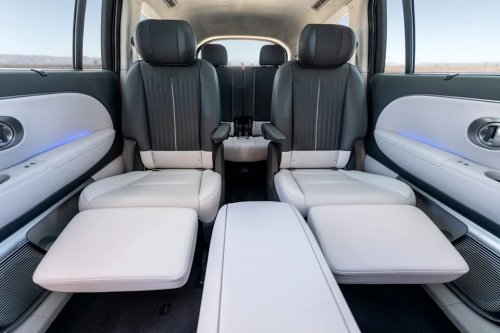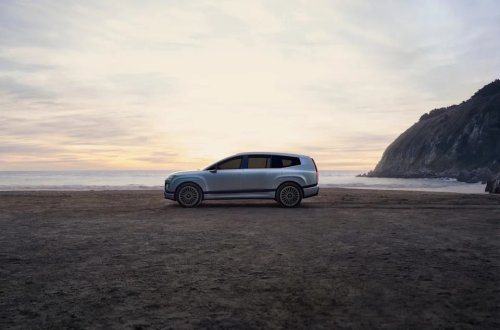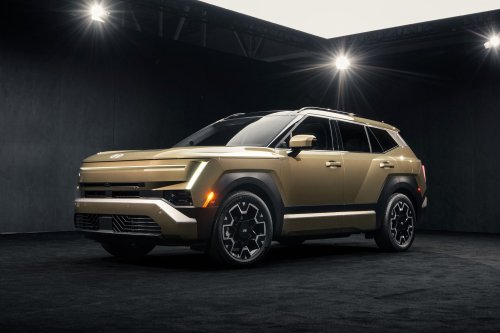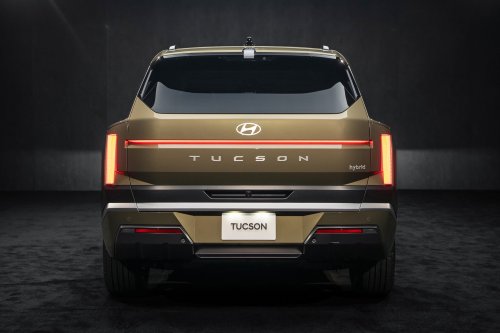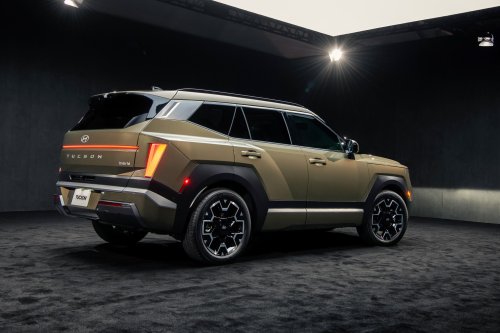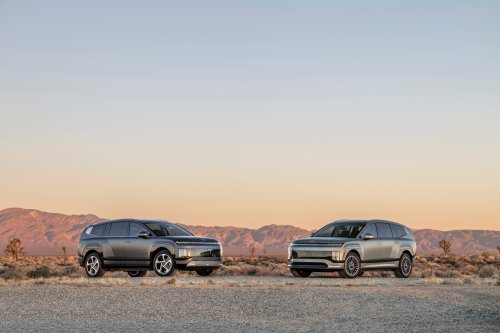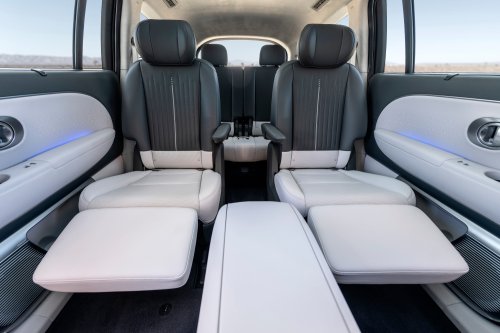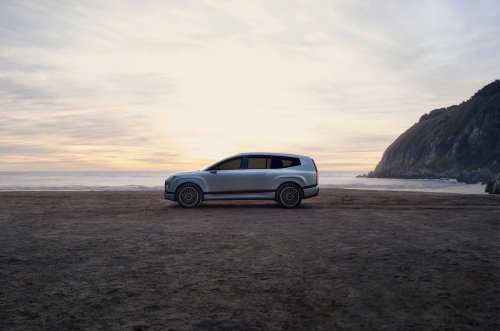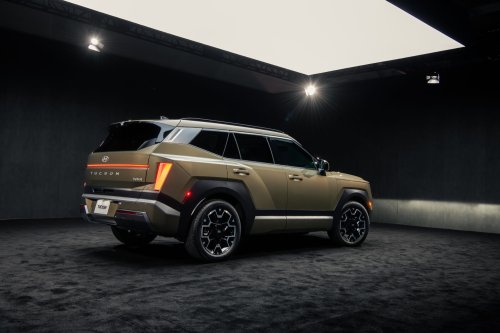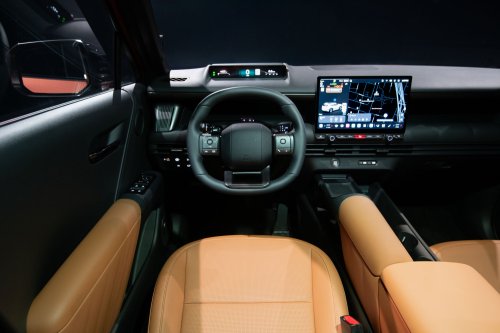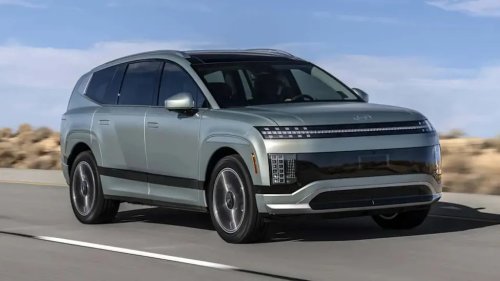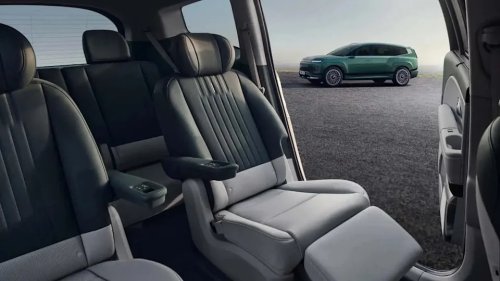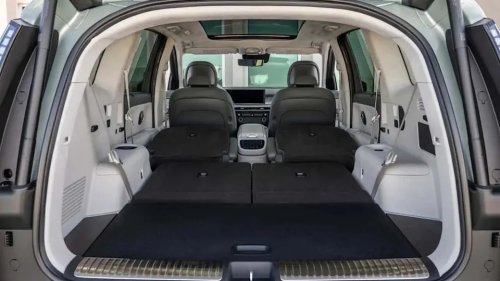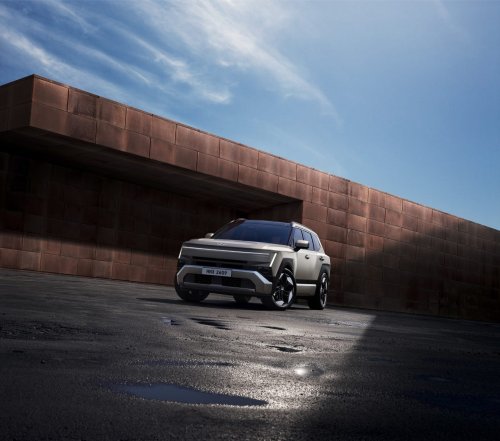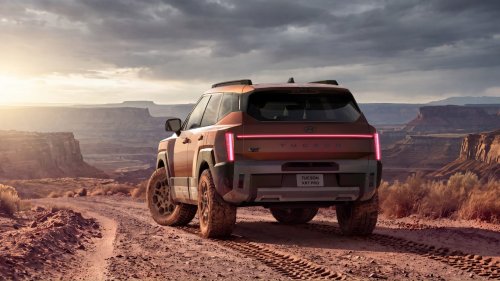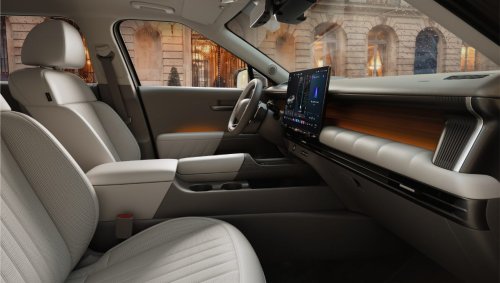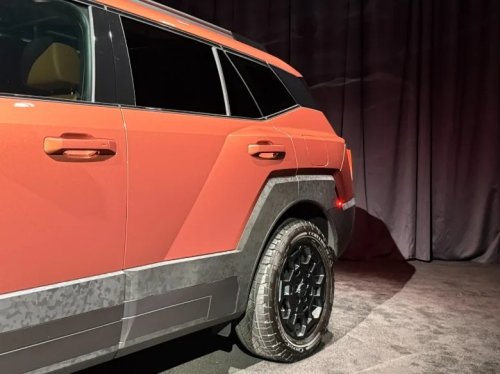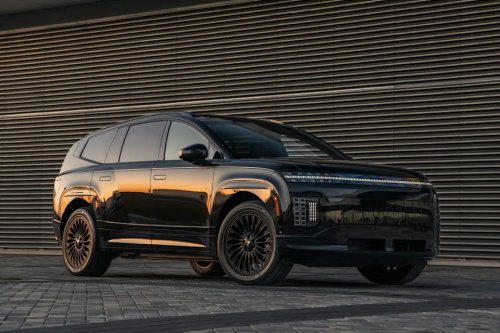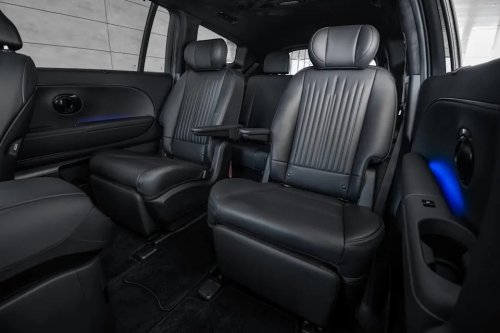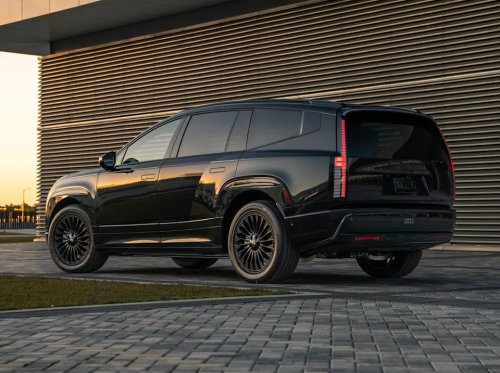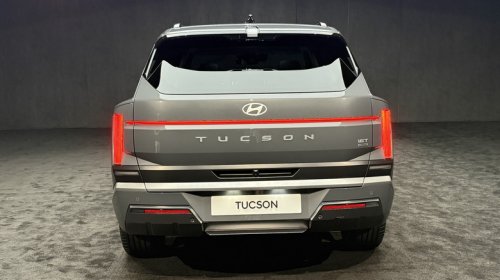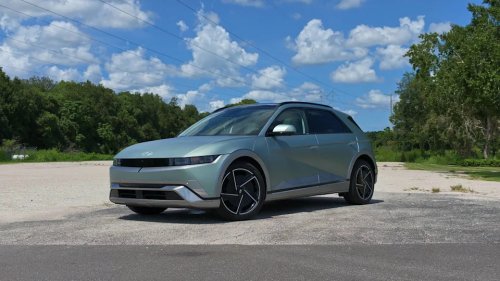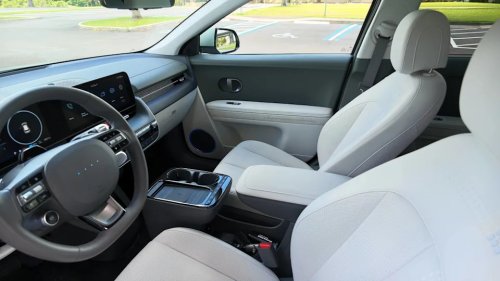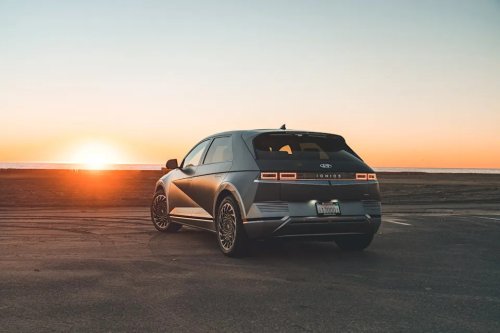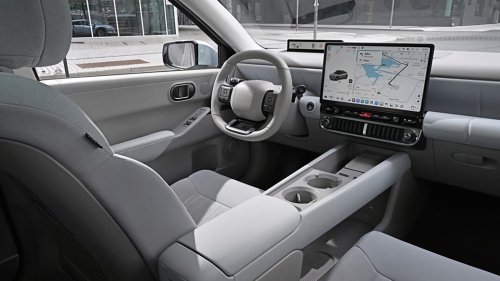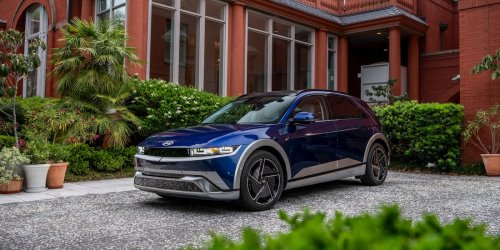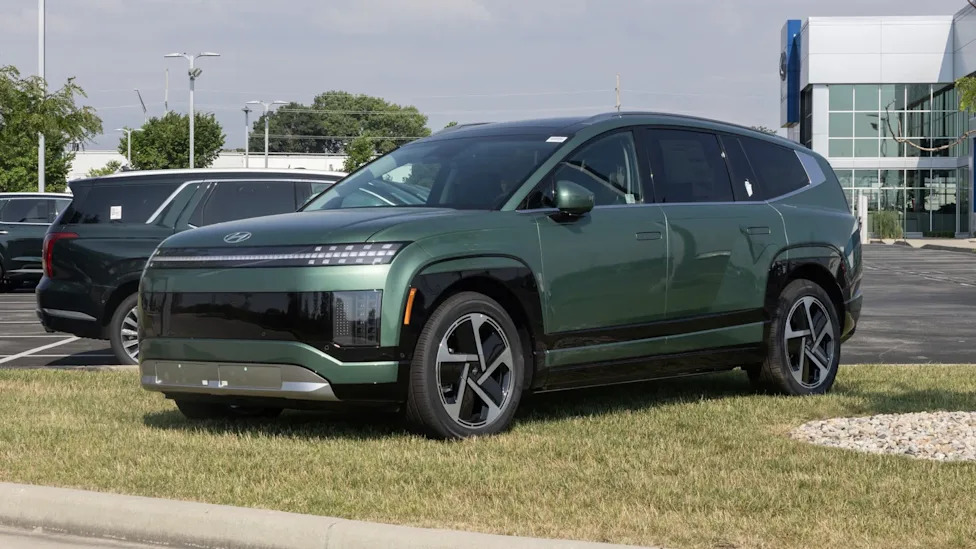
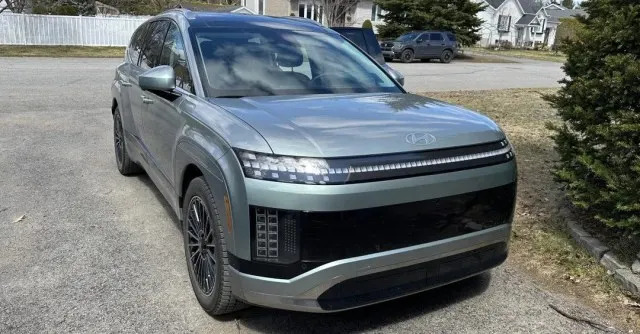



















Photo Credit: iStockA Reddit discussion about the 2026 Hyundai Ioniq 9 has raised a big question in the EV market: Are families finally getting the reliable three-row electric SUV they've been waiting for?The answer appears to be "almost," with a couple of major concerns hanging over the company's otherwise promising new model.What's happening?A post on r/electricvehicles featuring a review of the 2026 Hyundai Ioniq 9 picked up more than 240 upvotes and over 220 comments after a user shared it on May 15. AdvertisementAdvertisementThe reaction was mixed but active, with plenty of users agreeing that the Ioniq 9 looks like a compelling family-oriented EV.Much of the excitement centered on the vehicle's place in a category that still has relatively few options: roomy three-row EVs that could realistically replace a gas-powered family vehicle. That alone helped the Ioniq 9 stand out for many readers.At the same time, the comment section highlighted why some buyers are still hesitant. One of the top comments asked: "Does it still have a 3% chance of randomly dying at any given moment? These would be decent cars if they'd fix the ICCU [Integrated Charging Control Unit] issues."Photo Credit: RedditOthers zeroed in on styling and day-to-day usefulness. One user wrote, "I love the car just hate the rear end," while another said, "Could've been a great minivan, alas."Why do reliable EVs matter?Family buyers remain one of the largely untapped groups in the EV market, and a practical three-row model could help more households move away from gas-powered cars. AdvertisementAdvertisementThat shift could make a real difference to family budgets because EVs can lower fuel costs, cut routine maintenance, and eliminate oil changes — savings that can add up fast for larger families that spend a lot of time on the road.The Ioniq 9 seems to hit many of the points shoppers care about most: large interior space, a long driving range, and fast charging. If it delivers on those promises, it could help make EV ownership feel more realistic for people who need something bigger than a compact commuter car.But the Reddit response also showed how quickly reliability concerns can overshadow everything else. Hyundai may have a strong case on paper, but skeptical shoppers are still focused on whether the company has fully resolved earlier issues linked to its EV systems. According to Consumer Reports, "Hyundai and Kia EV owners repeatedly complained about charging failures, power loss while driving, and other electrical issues that could make the car undrivable" in a survey of over 380,000 vehicles.Cost was another major sticking point, as the Ioniq 9 starts out at $58,955. One commenter wrote, "I'd get one for $45k…," while another user in the Netherlands said the Ioniq 9's higher price might not stack up against alternatives when it comes to everyday practicality.What can brands do to convince drivers?Automakers are gradually expanding the EV market beyond sedans and small crossovers, and that could be good news for shoppers who need room for kids, cargo, or carpools. AdvertisementAdvertisementThe growing debate around the Ioniq 9 suggests demand is clearly there, but consumers want more than impressive specs. They want reliability, practical design, and pricing that feels competitive with both gas SUVs and minivans.For buyers considering the switch, comparing total ownership costs can be a useful step. EVs often cost less to operate over time, especially with gas prices soaring. Charging at home is also much cheaper than relying on public chargers. Qmerit is an excellent resource for finding local installers and getting free quotes. Installing solar panels can increase those savings even further, since charging with your own electricity is cheaper than using public stations or relying fully on the grid. If you're interested in going solar, EnergySage can help you save up to $10,000 on installation by getting competitive bids from vetted installers. AdvertisementAdvertisementGet TCD's free newsletters for easy tips, smart advice, and a chance to earn $5,000 toward home upgrades. To see more stories like this one, change your Google preferences here.